How to Grow Pumpkins: Plant, Feed, and Harvest Guide
Quick Reference: Growing Pumpkins
- Plant when: all danger of frost has passed and the soil has warmed, usually late spring into early summer. Most pumpkins need 90 to 120 warm days to ripen.
- Where: full sun, in small mounds spaced about 20 feet apart, in rich, loamy, well-drained soil at pH 6 to 6.5.
- Start: sow seed directly in long-season areas, or start indoors about two weeks ahead and harden off before you set out seedlings with four to five leaves.
- Feed and water: water regularly, even daily in the hottest, driest weeks. Feed with a nitrogen-rich fertilizer, then add potassium once pumpkins set.
- Harvest: when the rind reaches its full color and is hard enough that your fingernail will not dent it.
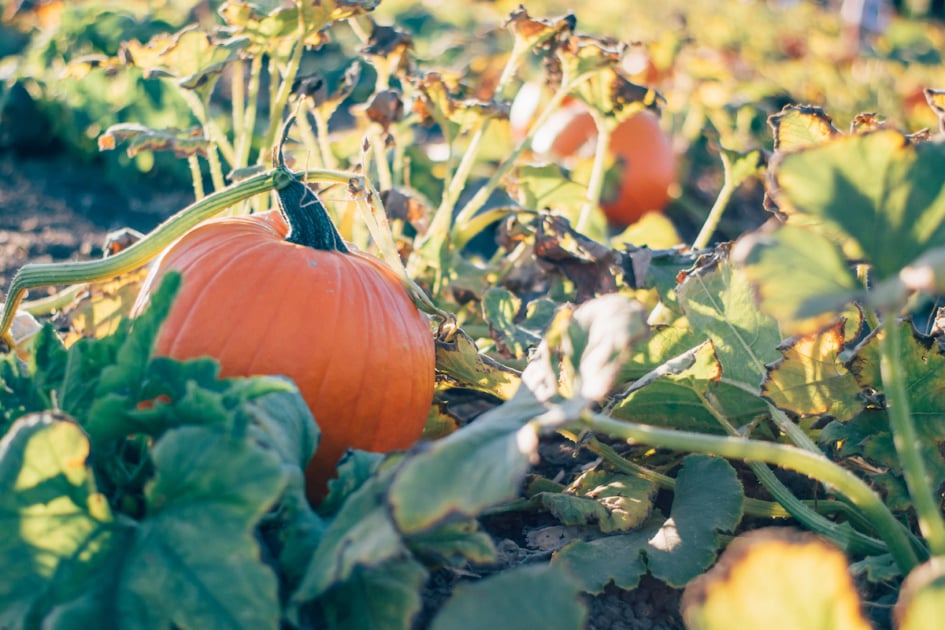
Jack-o-lanterns, pumpkin pies, pumpkin soup, the possibilities are limitless. With one packet of seed and a sunny corner of the yard, you can grow the perfect pumpkin, whether that is a smooth pie pumpkin for the kitchen, a handful of tiny pumpkins for the fall decor, or a giant that will impress your fellow gardeners at the county fair. Here is how to plant, feed, and harvest a healthy pumpkin patch this 2026 growing season.
When to Plant Pumpkins
Timing is the first thing to get right. Pumpkins are a tender, warm-season crop, so they need to go in the ground only after all danger of frost has passed and the soil has warmed. Most varieties need a long run of warm days, roughly 90 to 120, to ripen a mature fruit, which is why gardeners in short-season regions get a head start indoors. If you are aiming for jack-o-lanterns by late October, count back from Halloween and plan your planting for late spring into early summer.
Frost dates run weeks apart across the country, so the calendar date shifts with your region while the rule stays the same: warm soil, no frost in the forecast. The table below gives a rough planting window by area. For a guide keyed to your own ground, Clemson Cooperative Extension keeps a plain-English pumpkin growing factsheet worth a look before you sow.
| Region | Average last frost | Sow pumpkin seed |
|---|---|---|
| Deep South and Gulf Coast | Late February into March | March into April |
| Mid-South and Southern Plains | Mid to late March | April |
| Mid-Atlantic and Ohio Valley | Mid to late April | Early to mid May |
| Midwest and Great Lakes | Early to mid May | Mid to late May |
| Northeast and New England | Mid to late May | Late May into early June |
| Mountain West and Pacific Northwest | Mid May into early June | Early June |
In Canada, gardeners in southern British Columbia and southern Ontario often direct-sow in late spring, while the Prairies, Quebec, and the Maritimes lean on an indoor start to make the most of a short season. In every region the same trigger applies: no frost, and soil that has warmed enough to sprout a warm-season seed.
- Pumpkins are an above-ground crop, so tradition favors planting during the light, or waxing, of the Moon.
- The Gardening by the Moon Calendar lists this month’s Best Days to plant above-ground crops in your area.

How To Plant Pumpkins
If you live in an area with a long growing season, you can plant pumpkin seeds directly in the garden once all danger of frost has passed. Otherwise, start pumpkins indoors about two weeks before planting out. Once they sprout, take them outside gradually to harden them off so the move from windowsill to garden does not shock them. When the seedlings have four to five leaves, plant them in small mounds, spacing each mound about 20 feet apart. Pumpkins are hungry, thirsty vines that sprawl, so give them the room.
A mound, sometimes called a hill, warms faster than flat ground and drains well, both of which pumpkins like. Sow two or three seeds per mound about an inch deep, then thin to the strongest seedling once they are up. Our Vegetable Seed Starting Chart lays out timing for pumpkins alongside the rest of the garden if you are starting seeds indoors.
Sun and Soil for Pumpkins
Light: Full sun. Pumpkins want a spot that gets sunshine most of the day, so pick your brightest corner.
Soil: Soil should be rich, loamy, and well-drained, with a pH of 6 to 6.5. Work in plenty of compost or aged manure before planting, since pumpkins pull a lot from the ground over a long season. A well-fed mound at the start pays off in a heavier fruit at harvest.
Watering Pumpkins
Pumpkins take a lot of water, so water regularly, maybe even daily during the hottest, driest parts of summer. At the same time, they do not like water to pool, so make sure the soil drains well. Water at the base of the plant, in the morning if you can, and try to keep the leaves dry. Wet foliage that sits overnight is an open door for powdery mildew and other leaf diseases.
Feeding Pumpkins
Pumpkins love lots of nitrogen, so feed throughout the growing season with a nitrogen-rich fertilizer while the vines are putting on leaf and length. Once pumpkins appear, add potassium to your fertilizing routine to produce large, healthy fruit. The rhythm is simple: nitrogen for green growth early, potassium for fruit later, and steady moisture the whole way through.
Companion Planting Pumpkins
Pumpkins work well planted among tall vegetables like corn, where they serve as a groundcover to keep weeds down and hold moisture in the soil. This is the old “Three Sisters” idea, corn, beans, and squash or pumpkins grown together, that Native American gardeners used for generations. If you companion plant your pumpkins, take care to make sure the sprawling vines do not pull down taller vegetable plants as they climb and roam. For a fuller pairing chart, see our companion planting guide on the ten vegetables that should grow together.
Common Pumpkin Pests and Problems
A pumpkin patch draws a few regular visitors. Squash bugs cluster on the undersides of leaves and suck the sap, leaving foliage yellowed and wilted, so check leaf backs and rub out the copper-colored egg clusters before they hatch. Squash vine borers tunnel into the base of the stem and can collapse a vine seemingly overnight, so watch for sawdust-like frass near the soil line. On the disease side, powdery mildew is the most common, showing up as a dusty white coat on the leaves in humid, late-summer weather.
Good habits head off most trouble. Give the vines room for air to move, water at the base rather than overhead, and rotate where you plant pumpkins each year so soil-borne problems do not build up. Row covers early in the season keep bugs off the young plants, though you will need to lift them once flowers open so bees can pollinate.
Harvesting Pumpkins
Today’s pumpkins come in lots of colors, so harvest yours when the skin and rind turn the desired color, whether that is traditional orange, white, or some other shade. Another good clue is the rind’s hardness. If you can dent it with your fingernail, it is not quite ready yet. A ripe pumpkin also sounds hollow when you give it a thump, and the vine and stem begin to dry and turn brown.
Cut the pumpkin from the vine with a sharp knife or pruners, leaving three to four inches of stem attached so it stores better. Never carry a pumpkin by its stem, since a broken stem opens the fruit to rot. To toughen the skin for storage, cure your pumpkins in a warm, sunny spot for about ten days, then keep them somewhere cool and dry. For more on reading ripeness across the garden, see our tips for harvesting pumpkins and other produce.
Helpful Pumpkin Growing Links
Farmers’ Almanac Gardening By the Moon Calendar
Companion Planting: 10 Veggies That Should Grow Together
Tips for Harvesting Pumpkins and Other Produce
Pumpkin Recipes, Tips, & Health Benefits
Once the harvest is in, a homegrown pumpkin is good for far more than the front porch. Roast the seeds, simmer a soup, bake a pie, or turn a spent jack-o-lantern into a treat for the birds. Here is where to start.
Make Your Own Pumpkin Puree!
Pumpkin Desserts To Try
Repurpose Your Jack-O-Lanterns!

Growing Pumpkins: Frequently Asked Questions
When should I plant pumpkins?
Plant pumpkins after all danger of frost has passed and the soil has warmed, usually late spring into early summer. Since most varieties need 90 to 120 warm days to ripen, count back from when you want them ready, whether that is a fall harvest or jack-o-lanterns by Halloween. In short-season areas, start seed indoors about two weeks ahead and harden the seedlings off before planting out.
How far apart should pumpkins be planted?
Plant pumpkins in small mounds spaced about 20 feet apart. Pumpkins grow on long, sprawling vines that need room to roam, so crowding them cuts your yield. Sow two or three seeds per mound, then thin to the strongest seedling once they are up.
What kind of soil and light do pumpkins need?
Pumpkins need full sun and rich, loamy, well-drained soil with a pH of 6 to 6.5. Work compost or aged manure into each mound before planting. Feed with a nitrogen-rich fertilizer while the vines grow, then add potassium once the pumpkins begin to set.
How do I know when a pumpkin is ready to harvest?
Harvest when the rind has turned its full color and is hard enough that your fingernail will not dent it. A ripe pumpkin sounds hollow when thumped, and its stem starts to dry and turn brown. Cut it free with three to four inches of stem attached, and never carry a pumpkin by the stem.
Can I grow pumpkins with other vegetables?
Yes. Pumpkins pair well with tall crops like corn, where the broad leaves shade the soil, keep weeds down, and hold in moisture, the old Three Sisters approach. Just watch that the roaming vines do not drag down taller plants. Keep pumpkins away from the same bed year after year to avoid soil-borne disease.
Why are my pumpkin leaves turning yellow or wilting?
Yellowing and wilting usually point to squash bugs, squash vine borers, or powdery mildew. Check the undersides of leaves for copper-colored egg clusters and rub them out, watch the stem base for sawdust-like frass, and water at the base rather than overhead to keep the leaves dry. Giving the vines room for air to move helps most problems stay small.
How long will a homegrown pumpkin keep?
A well-cured pumpkin keeps for two to three months. Cure it in a warm, sunny spot for about ten days to toughen the skin, leave a good length of stem attached, then store it somewhere cool and dry off the bare ground. A pumpkin with a broken or missing stem will not keep as long, so use those first.


This article was published by the Staff at FarmersAlmanac.com. Any questions? Contact us at [email protected].
- Farmers' Almanac Staff

- Farmers' Almanac Staff

- Farmers' Almanac Staff

- Farmers' Almanac Staff