

25 Tricks To Make Your Groceries Last Longer
No more tossing out heads of lettuce and bags of moldy fruit. Check out these tricks to help you extend the "shelf-life" of your fresh foods, which will save you money!
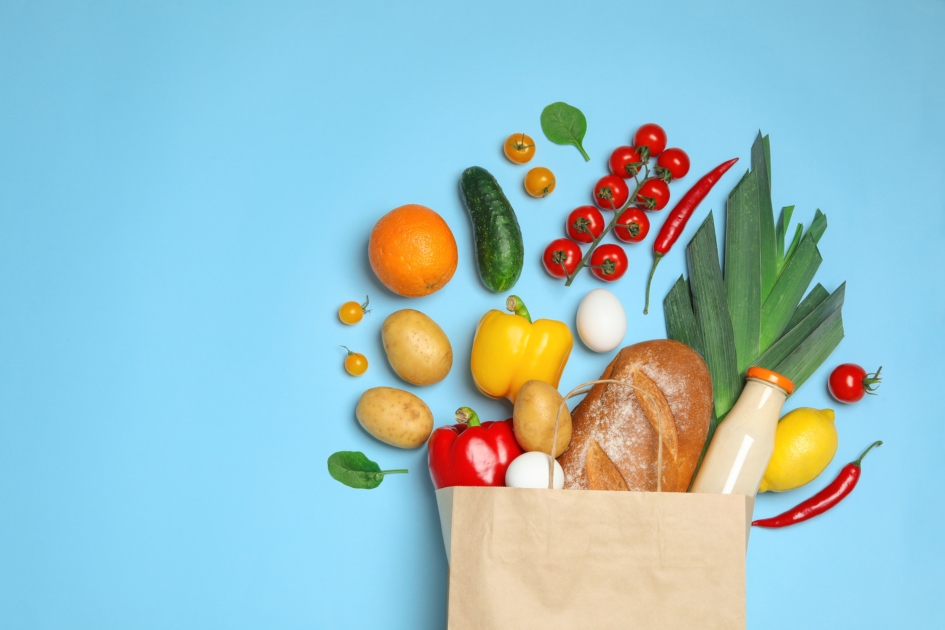
Quick Reference: Make Food Last Longer
- Why it matters: the average American household tosses about 20 lb of food a month, about $2,000 a year for a family of four.
- Set the fridge: 40°F or below. Middle shelf for milk and meat. Door for condiments only.
- Separate the rotters: apples, bananas, tomatoes, and avocados release ethylene gas. Keep them away from greens, broccoli, and lettuce.
- Wrap right: mushrooms = paper bag, cheese = wax paper + bag, greens = paper towel + container, tomatoes = counter, stem-side down.
- Freezer wins: ginger, nuts, chopped green onions in a water bottle, butter, herbs in oil.
- One bad apple really does: inspect produce daily; remove anything starting to soften.
Fact: almost 20 pounds of food every month for each average American goes unused. A significant amount of this is wasted sitting in the fridge, just waiting to be eaten. Not only does this food waste eat away at our wallets (about $2,000 in annual losses for the average U.S. household of four), but about 25 percent of our freshwater sources are wasted growing food that is never consumed. Bigger context at the FDA’s food safety tips: setting your fridge to 40°F or below is the single highest-impact change you can make.
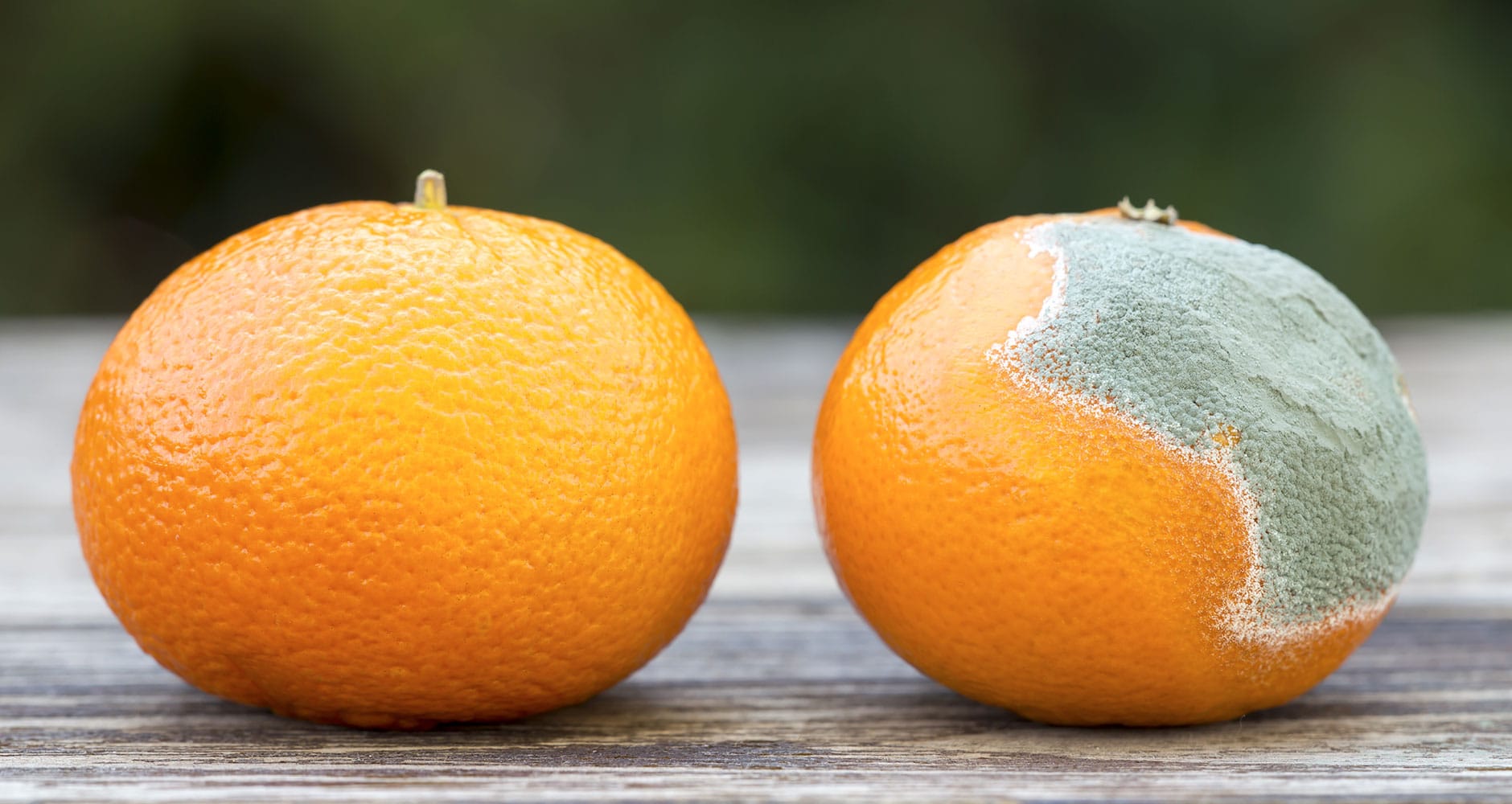
Most of this wasted food is fresh produce. While eating fresh fruits and vegetables is the best choice for your health, it often poses a challenge when trying to use it up before it goes bad. More fruits and vegetables are wasted in the United States than any other food. In fact, more fresh food is wasted (52 percent) than is actually consumed (48 percent).
25 Tips To Keep Food Fresher Longer
The news can get you down, but the good news is that there are tricks to help you extend the shelf-life of your fresh foods.
- Chop dry green onions and store them in a clean, dry plastic water bottle. Store in the freezer and sprinkle out when needed.
- Store potatoes away from onions, which makes them spoil faster. You can also store potatoes with apples to keep them from sprouting.
- Slip onions into a pair of clean pantyhose for storage. Tie a knot in between each onion to separate them. This can help keep them for up to eight months.
- Avoid storing mushrooms in plastic, which can trap moisture and cause them to spoil faster. Instead, store them in a paper bag or cardboard box in either a cool dry place or in the refrigerator.
- The main culprit of wilting salad greens is moisture. Store salad greens in a bowl, place a paper towel on top to absorb moisture, and cover. Or toss a paper towel in the bag before putting it in the fridge. Put that salad spinner to good use to help remove excess water after washing.
- Wrap broccoli, lettuce, and celery in foil before storing them in the fridge.
- Store tomatoes at room temperature out of direct sunlight with the stem side down. Storing them in plastic makes them spoil faster.
- Store root vegetables such as carrots, beets, rutabagas, parsnips, and turnips in a pot filled with sand. Store the pot in a cool, dark area and take them out as you need them. Learn all about sand storage here.
- Allow bunches of herbs such as basil, cilantro, and chives to air dry when you get home from the market. Spread them out on dry paper towels, roll them up, place them back in the bag, and refrigerate.
- Oilier herbs such as thyme, rosemary, and sage should be tied together and hung so they get air. Try hanging them in your pantry or on your kitchen wall for a little fresh, fragrant decoration.
- Store fresh ginger root in the freezer. Take out the root when needed and grate it (peel and all) while cooking.
- A rotten apple, orange, or lemon can spoil the whole bunch. Inspect your fruit daily to make sure one has not turned.
- When storing a cut avocado, leave the pit in the half you are going to store, since it contains natural oils that will slow browning. If chopped or made into guacamole, squeeze it with lemon or lime juice and provide an airtight seal. There are guacamole containers now just for this purpose.
- Wrap the top stems of your bananas with beeswax wraps or plastic wrap to help slow the browning.
- Spread butter onto the cut side of cheese to keep it from drying out.
- Cheese should be wrapped in wax paper instead of plastic wrap and then put into a plastic baggie. Or try reusable beeswax wraps. They are perfect for cheese.
- Store nuts in the freezer to keep them fresher longer.
- Avoid chopping fruits and vegetables until you are ready to use them, since this can cause them to spoil faster.
- Purchase an ethylene gas absorber for your refrigerator. These little pods absorb the ethylene emitted from fruits and vegetables and can help keep them fresh up to 3 times longer. Green bags or containers can also be bought that serve the same function.
- Do not overcrowd your refrigerator because this can impede air circulation, creating warm spots that lead to food spoilage.
- Ensure your refrigerator temperature is set at 40 degrees or below. Any warmer and you risk growing harmful food bacteria.
- Never mix meat with fruits and vegetables in a crisper drawer.
- Keep highly perishable items, such as milk, on the middle shelf, never on the door where temperatures can fluctuate.
- Keep your refrigerator clean and remove spoiled food promptly to prevent mold from spreading to fresh food.
- Store your leftovers in clear glass containers so you can see what you have, helping you to eat it sooner.
Best Storage Spot, By Food

Make Food Last Longer FAQ
What temperature should my refrigerator be?
40°F (4°C) or below for the main compartment, and 0°F (-18°C) or below for the freezer. The FDA flags 40°F as the line above which bacteria multiply quickly.
What causes fruits and vegetables to spoil?
A combination of moisture, ethylene gas (released by ripening fruit), enzyme activity, and microbial growth. Each tip in the list above tackles at least one of those four.
Which fruits release the most ethylene?
Apples, bananas, tomatoes, avocados, peaches, plums, pears, and melons. Keep them away from leafy greens and broccoli, which are very ethylene-sensitive.
Should I wash produce before storing it?
Wash just before you eat or cook. Pre-washing adds moisture that speeds spoilage, especially on berries and herbs. Berries are the classic case: rinse them in the colander when you grab them, not when you bring them home.
Why does butter on cut cheese keep it from drying out?
The butter forms a thin barrier that slows moisture loss and oxidation on the cut face. It is an old French cheesemonger trick. Wax paper plus a loose bag does the same job for everyday storage.
Is the freezer door OK for milk?
No. The door is the warmest spot in any fridge or freezer because it is opened constantly. Milk, eggs, and meat belong on inner shelves where temperature is stable.
How can I freeze fresh herbs?
Chop, pack into an ice cube tray, top with olive oil or water, and freeze. Pop a cube into the pan or pot when you cook. Basil, parsley, cilantro, chives, and dill all freeze well this way.
Do you have any great grocery tips to share? Use the comments section below. Read: Stop Wasting So Much Food. For more low-waste reading, see our companion guides: 8 zero-waste tips for the kitchen, don’t toss those vegetable peelings, and foods you should not put in the fridge.



Natalie LaVolpe
Natalie LaVolpe is a freelance writer and former special education teacher. She is dedicated to healthy living through body and mind. She currently resides on Long Island, New York, with her husband, children, and dog.
- Natalie LaVolpe

- Natalie LaVolpe
- Natalie LaVolpe
- Natalie LaVolpe





Part of the storage problem is the way vegetables are brought to the grocery store. Picked green or slightly green and then treated to ripen quickly for sale in the store. That ripen fast treatment, in my opinion, causes fast spoilage. I feel this way because I didn’t have the same problems just a few years ago.
I put the sweet onions in one of those 3 tier wire mesh hangers. A bag last a whole month, sometimes longer. As for lettuce I wrapped a head of iceberg with paper towels, it lasted weeks! I was quite surprised!
When my brown sugar gets hard as a rock, I put a slice of bread in the bag. The next day the sugar is soft.
I have found that wrapping avacados in foil and storing in a dark cool space keeps them from ripening so fast. Also, I wrap bananas in foil and they stay firm longer. I have several cabinets in my garage and keep almost all fruit and veggies in that dark, cool area. As the weather warms up I will probably take my items to the basement for storage.
How about garlic cloves that come in a sleeve. They always seem to go bad.Refrigerate or not?
Use those bags that they sell called “Green Bags” for fresh produce. I swear by them. I have kept broccoli, carrots, brussels sprouts, peppers, etc. fresh in them up to 3 weeks!
When a banana skin is dark speckled, you can slice the peeled banana and freeze , before it gets nasty, and add later to your blender for a cold morning juice mixture.
That’s one of our favorite tips!
and banana bread 🙂
Thank you for this article. I had forgotten a few of those and will use them. Adding a few grains of rice to the salt shaker will absorb moisture and keep the salt flowing well. Put a slice of bread into the cookie jar to help regulate moisture there, too.