September weather sayings: 6 Old Sayings that still matter

What are some traditional September weather sayings? Old favorites include “September blow soft, till the fruit’s in the loft,” “Fair on the first of September, fair the entire month,” and the belief that the first snow comes six weeks after the last September thunderstorm. Most are folklore—not dependable forecasts—but many grew from generations of careful observation of harvests, storms, frost, and the changing seasons.
September is a month with one foot in summer and the other in fall.
Warm afternoons can still feel like August, while cool mornings, heavy dew, shortening daylight, turning leaves, and the first hints of frost remind us that winter isn’t all that far away.
Long before weather radar, satellites, computer models, and smartphone forecasts, farmers and weather-watchers paid especially close attention to these September changes.
Over generations, their observations became weather folklore: short sayings and rhymes intended to help people anticipate rain, frost, harvest conditions, and even the coming winter.
Farmers’ Almanac has been collecting weather lore for generations. You can explore even more in our complete Weather Lore collection and our larger archive of 17 traditional September weather sayings.
But which September sayings are still worth remembering?
Here are six old favorites—and what modern weather science tells us about them.
1. “September Blow Soft, Till the Fruit’s in the Loft”
This beautiful old harvest saying is less a weather prediction than a farmer’s wish:
“September blow soft, till the fruit’s in the loft.”
In other words: May September remain gentle until the harvest is safely gathered.
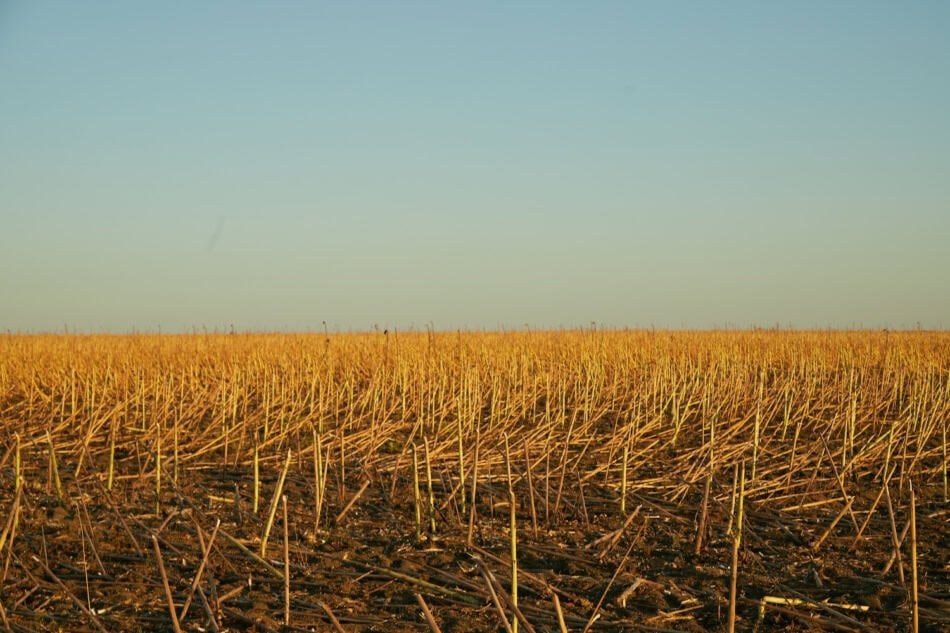
Before refrigerated storage, mechanized harvesting, and modern transportation, calm September weather could make an enormous difference to farmers and orchard owners.
Apples, pears, grapes, grain, and other crops needed to be harvested, transported, dried, or stored. Strong winds could knock ripe fruit from trees. Persistent rain could interfere with picking and drying. An early frost could damage crops that had not yet been gathered.
That makes this one of those pieces of weather folklore containing genuine agricultural wisdom.
The saying appears in old collections of English weather proverbs and agricultural lore, including nineteenth-century compilations of traditional sayings.
And the basic lesson still applies today: a stretch of calm, dry September weather can be enormously valuable during harvest season.
September’s connection with harvest is also why the Full Moon closest to the autumnal equinox became known as the Harvest Moon. Learn more about the September 2026 Full Harvest Moon.
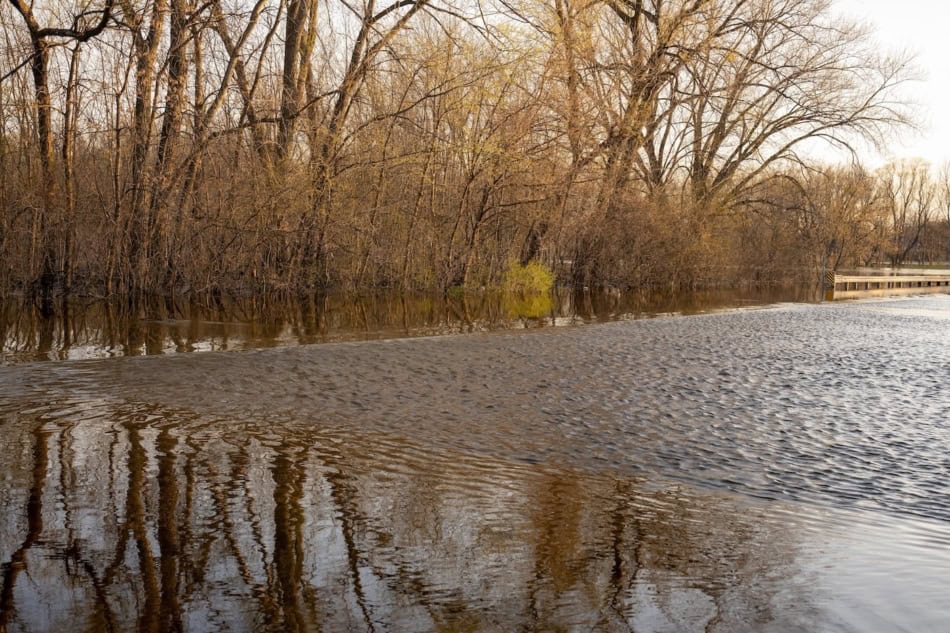
2. “September Dries Up Ditches or Breaks Down Bridges”
September has always had a reputation for extremes.
One old saying puts it particularly well:
“September dries up ditches or breaks down bridges.”
Translation: September may be extremely dry—or extremely wet.
That sounds contradictory until you consider the month itself.
September is a major seasonal transition. Summer heat can linger beneath stubborn high pressure, producing long stretches of dry weather. But strong cold fronts, thunderstorms, tropical moisture, and hurricanes can also produce tremendous rainfall.
In fact, September occurs during the climatological peak of Atlantic hurricane activity. The National Hurricane Center notes that the historical peak of the Atlantic hurricane season occurs around September 10, with much of the basin’s tropical activity concentrated from mid-August through mid-October. See the National Hurricane Center’s tropical cyclone climatology.
So while the old saying cannot tell you whether your September will be wet or dry, it accurately captures the month’s potential for dramatic contrasts.
One week the lawn may be turning brown.
The next, a slow-moving storm could fill streams and wash out roads.
For 2026, our Farmers’ Almanac Fall Weather Forecast calls for widespread warmth to linger through September before a more pronounced transition toward cooler and wetter conditions develops later in the season.
3. “Fair on the First of September, Fair the Entire Month”
Wouldn’t weather forecasting be easier if this one worked?
According to an old September proverb:
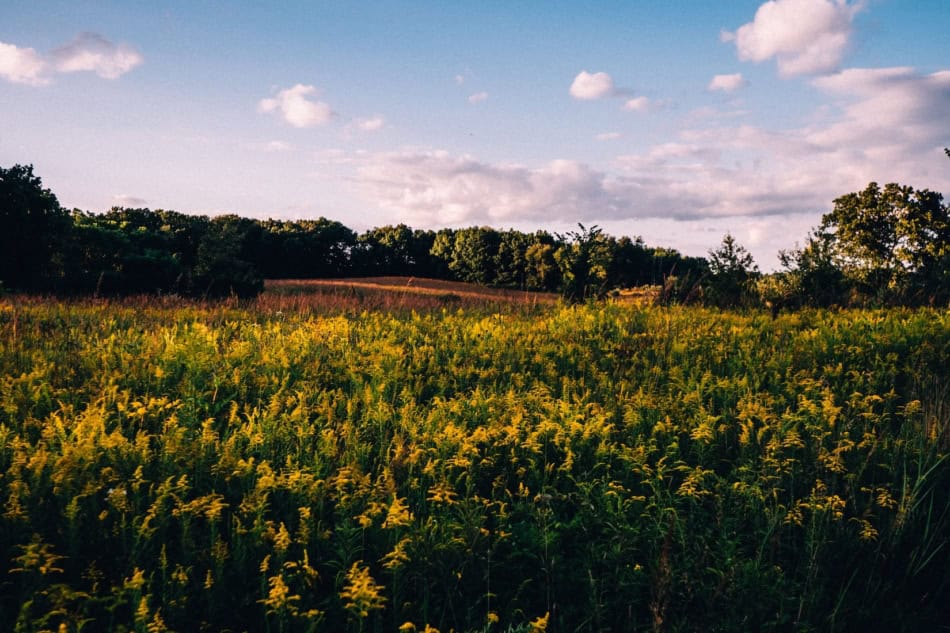
“Fair on the first of September, fair the entire month.”
The idea was simple: Whatever weather pattern greeted September might become the dominant pattern for the weeks ahead.
Does September 1 Really Predict the Whole Month?
Not reliably.
A high-pressure system responsible for beautiful weather on September 1 may persist for several days, but one pleasant morning cannot reliably predict the next 30 days.
Still, the saying reflects something our ancestors understood quite well: weather often occurs in patterns rather than as completely isolated events.
Long stretches of hot weather, wet weather, drought, or cool conditions can become established when larger atmospheric patterns remain in place.
Modern meteorologists analyze jet-stream patterns, sea-surface temperatures, atmospheric pressure, soil moisture, climate signals, and computer models rather than relying on the weather of one particular date.
But watching how September begins is still fun.
Make a note of the weather on September 1, then come back on September 30 and see how the old saying performed where you live.
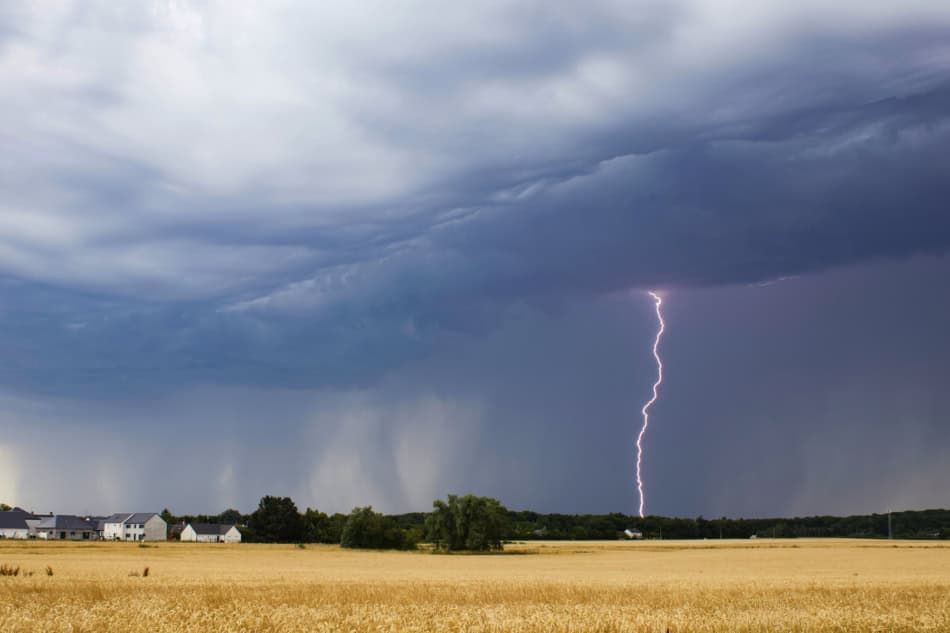
4. “Thunder in September Indicates a Good Crop of Grain and Fruit the Next Year”
Another traditional September saying looks much farther ahead:
“Thunder in September indicates a good crop of grain and fruit the next year.”
There is no scientific rule saying a September thunderstorm guarantees a bumper crop the following year.
But it isn’t difficult to understand how the belief developed.
For farming families, thunder often meant rain—and rain at the right time could replenish dry soil, improve pasture conditions, support late crops, and restore moisture after summer heat.
Of course, thunderstorms can also bring damaging wind, hail, flooding, and lightning.
So the important part isn’t really the thunder.
It’s the moisture.
And that illustrates an important lesson about weather folklore: sometimes the prediction itself may be questionable, but the observation behind it is perfectly reasonable.
People knew that what happened to the soil and crops in one season could affect conditions heading into the next.
The same idea applies to autumn color. Rainfall, drought, sunshine, nighttime temperatures, and frost can all influence how impressive the leaves become. See our guide to what weather produces the best fall foliage.
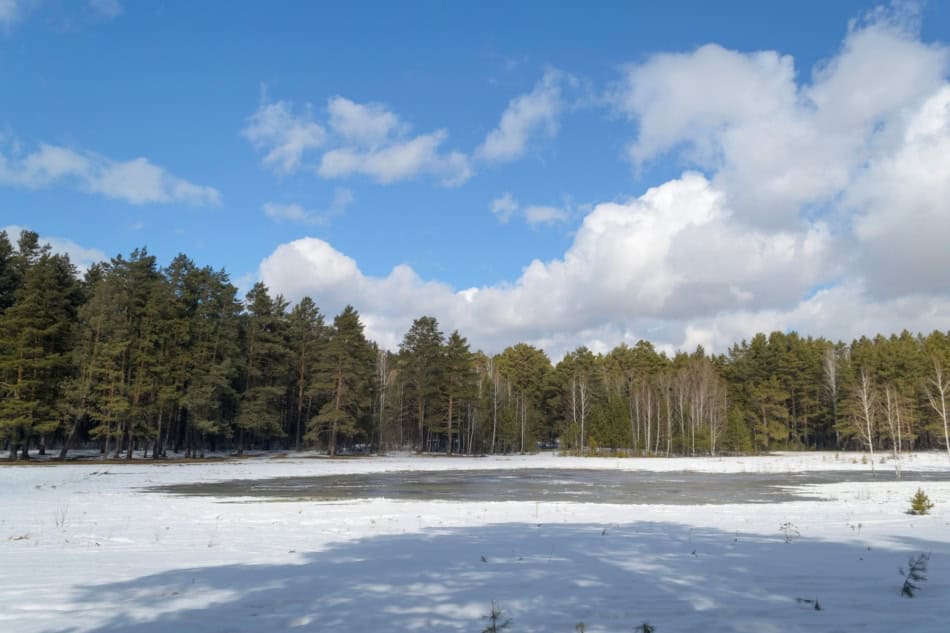
5. A Northern Saying: “The First Snow Comes Six Weeks After the Last Thunderstorm in September”
Here is one snow lovers may want to test this year.
An old rule of thumb says:
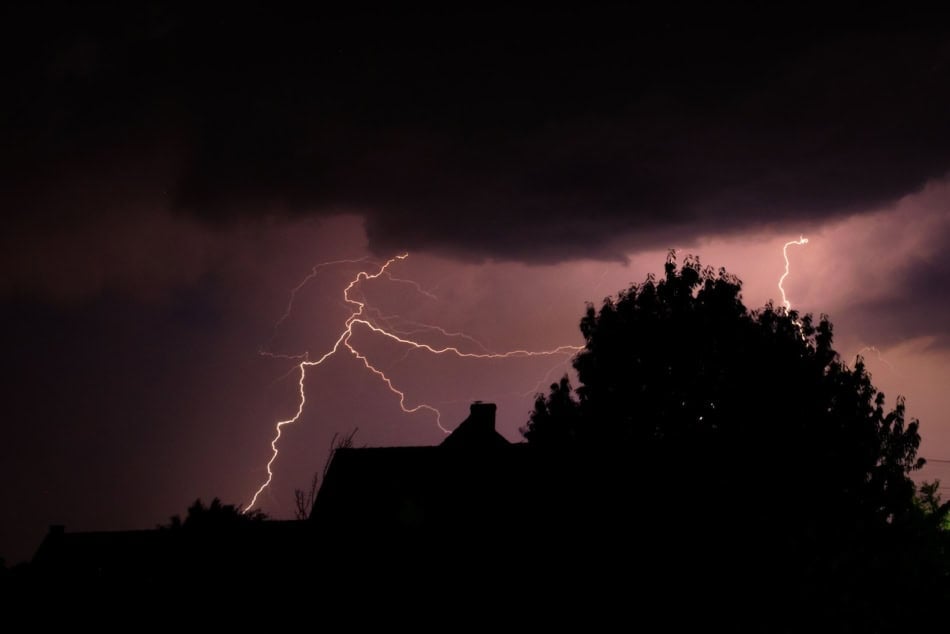
“The first snow comes six weeks after the last thunderstorm in September.”
So if your final thunderstorm occurs September 20, folklore would have you circle roughly November 1 on the calendar.
Does the Six-Week Snow Rule Work?
There is no dependable meteorological relationship connecting the last September thunderstorm with the first snowfall exactly six weeks later.
But the timing is interesting.
Across northern parts of the United States, September truly is when the atmosphere begins its transition toward frost, freezes, and eventually snow.
NOAA climate records show that some high-elevation and far-northern locations can experience their first fall freeze before September even begins, while many northern locations typically reach freezing during September or early October. See NOAA’s guide to the average first fall freeze.
Farther south, freezing temperatures may not arrive until November or later.
That enormous regional variation is why no six-week rule can work everywhere.
Still, this is an especially entertaining piece of weather lore to test.
Try it yourself: Write down the date of your last September thunderstorm. Count forward six weeks. Then see how close the prediction comes to your first flakes of the season.
You can also compare the folklore with our 2026 First Frost Dates guide and the Farmers’ Almanac 2026–2027 Winter Weather Forecast.
6. “As September, So the Coming March”
Perhaps the most ambitious September weather saying tries to forecast six months into the future:
“As September, so the coming March.”
A warm September supposedly points toward a warm March. A stormy September might suggest a stormy March.
It’s an appealing idea.
September and March do have something important in common: they sit on opposite sides of the seasonal cycle.
September carries us from summer toward autumn, while March carries us from winter toward spring. Both contain an equinox, and both can swing wildly between warm and cold weather.
But there is no dependable rule stating that September weather will repeat itself the following March.
Modern seasonal forecasting depends on much larger patterns involving the atmosphere and oceans. A single month in one location cannot reliably determine weather six months later.
Yet once again, the old saying encourages something useful:
Pay attention to the season as a whole.
Was September unusually warm? Wet? Dry? Stormy? Did frost arrive early or late?
Keep a few notes.
Then when March arrives, compare.
That spirit of observation is exactly how weather folklore survived in the first place.
Why September Has So Much Weather Folklore
September may be one of the best months of the entire year for watching the seasons change.
Meteorological fall begins September 1, while astronomical fall arrives with the autumnal equinox later in the month. Learn more about the fall equinox and the first day of autumn.
During those few weeks, an extraordinary number of things are changing at once.
Days grow noticeably shorter. Nights become longer and cooler. Morning dew becomes heavier. Fog appears in fields and valleys. Apples ripen. Harvests accelerate. Leaves begin changing color. Tropical storms remain a threat. Cold fronts become stronger. And in northern regions, gardeners begin nervously watching for the first frost.
To someone living off the land hundreds of years ago, these changes mattered enormously.
September weather could determine whether crops were successfully harvested, fruit was safely stored, livestock had sufficient feed, and preparations for winter were completed in time.
So people watched.
And what they noticed became folklore.
September Weather Signs to Watch This Year
Rather than using old sayings as guaranteed predictions, try using them the way generations before us did—as an excuse to pay closer attention to the world outside.
This September, watch for:
- The first truly cool morning
- Heavy overnight dew
- Morning fog in fields and valleys
- The final thunderstorm of the month
- The first night temperatures fall into the 40s or 30s
- The first hints of fall color
- Changes in wind direction after cold fronts
- Ripening apples and late garden crops
- The first frost in colder locations
- The rapidly shrinking amount of daylight
You may not predict the winter.
But you will probably notice autumn arriving in ways you might otherwise have missed.
Do September Weather Sayings Really Work?
Some weather folklore contains a surprising amount of practical wisdom because it grew from genuine observations of clouds, wind, temperature, moisture, plants, and seasonal changes.
Other sayings are simply folklore.
And some fall somewhere in between.
That is part of what makes them so much fun.
Weather lore reminds us that generations before radar and weather apps were constantly observing the natural world around them. They watched September because September mattered.
So this year, keep your own little weather record.
Notice whether September “blows soft.” Watch whether it dries the ditches or threatens the bridges. Record your last thunderstorm. Remember what the month was like when March finally rolls around.
Then compare your observations with the old sayings.
You might prove one completely wrong.
Or you might experience one of those remarkable coincidences that keeps an old piece of weather folklore alive for another generation.
Which September weather saying have you heard before? Share the weather lore your parents or grandparents used to swear by.


- Farmers' Almanac Staff

- Farmers' Almanac Staff
- Farmers' Almanac Staff
- Farmers' Almanac Staff