

Signs of Rain in Nature: 20+ Tells From Plants, Animals, and Sky
Quick Reference
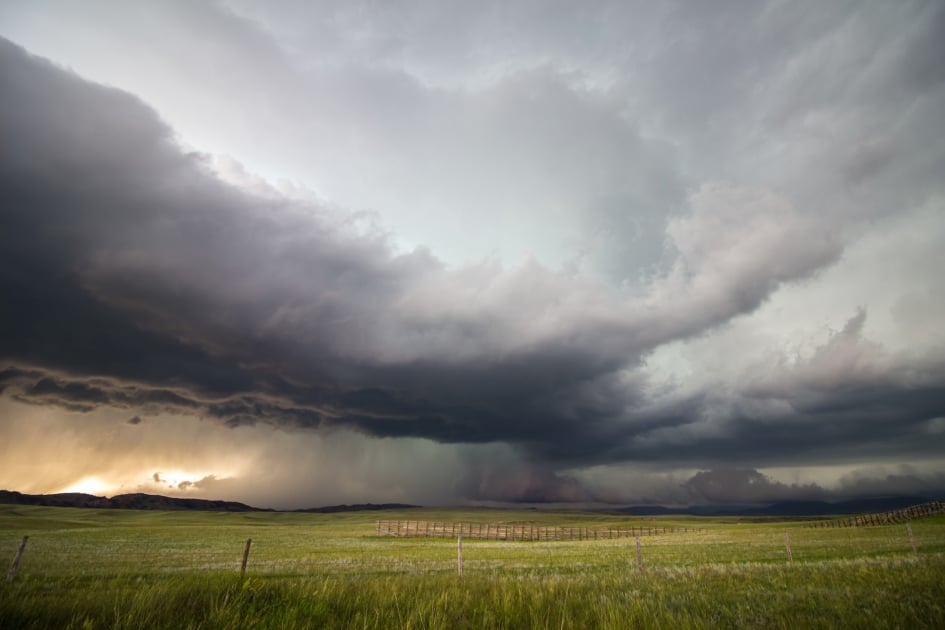
- Most reliable sign: Falling barometric pressure, which animals and insects detect before humans.
- Plant tell: The undersides of weeping willow, maple, and poplar leaves turn upward before rain.
- Insect tell: Flies cling to window screens and horseflies grow bothersome.
- Sky tell: A halo around the sun or moon. Red sky in morning, sailors take warning.
- Body tell: Old injuries and rheumatism flare in the hours before rain.
Up to the early 19th century, most Americans lived in rural settings and read the sky and the field for weather the way folks now read a phone app. Signs of rain in nature are not magic. They are responses to falling barometric pressure, rising humidity, and shifting wind. Many of the rules turn out to have real science behind them. Here are the signs the Almanac has collected since 1818, paired with what we now know about why each one works.
The Oldest Recorded Signs of Rain
Using nature to predict the weather goes back further than American farming. One of the oldest written records is in Luke 12:54-55 of the Bible: “When ye see a cloud rise out of the west, straightway ye say, There cometh a shower; and so it is. And when ye see the south wind blow, ye say, There will be heat; and it cometh to pass.” An even earlier passage, Matthew 16:2-3, reads: “When it is evening, ye say, It will be fair weather: for the sky is red. And in the morning, It will be foul weather today: for the sky is red and lowring.” That is where the old sailor’s rhyme came from: Red sky at night, sailors’ delight. Red sky in morning, sailors take warning.
Signs of Rain From Plants
- Leaves flip silver-side up. Weeping willow, sugar maple, silver maple, and poplar leaves twist on their stems as humidity rises and the wind shifts. The pale undersides facing up is one of the most reliable rain signs in the Eastern U.S.
- Pine cones close their scales. Dry weather opens them, damp closes them. A cone that snapped shut overnight is a useful tell.
- Dandelions and clover fold up. Many wildflowers close their petals before rain to protect their pollen.
- Morning glories stay shut later than usual. They open with bright sun. A cloud-covered low-pressure morning keeps them tucked.
Signs of Rain From Animals and Insects
- Flies cling to window screens. Falling pressure grounds them.
- Horseflies grow bothersome. The same pressure drop drives them down to where you are.
- Frogs croak louder before rain. Humidity carries sound; the frogs themselves get more vocal as moisture rises.
- Fish bite more at the surface. Lower pressure brings insects closer to the water and fish rise to take them.
- Birds fly low or stop flying. Denser low-altitude air carries them better when pressure drops.
- Ants march in single file. They are returning to the mound ahead of the rain.
- Bees return to the hive at midday. Same instinct.

Signs of Rain From the Sky
- A halo around the sun or moon. Ice crystals in high cirrus clouds form the halo. Cirrus often runs ahead of a warm front, with rain or snow within 24 hours depending on season.
- Mackerel sky. Rippled altocumulus clouds that look like fish scales. Rain often follows within 12 to 24 hours.
- Mares’ tails. Wispy cirrus that streaks across the sky in long curls. Same warm-front signal.
- Smoke that hugs the ground. Low pressure traps smoke near the surface. Rising smoke means high pressure and fair weather.
- Red sky in the morning. Dry air to the east lit up by the rising sun, with a wet system moving in behind. The sailors’ rhyme is empirically supported in the mid-latitudes where weather moves west to east.
Signs of Rain From Your Own Body
People with rheumatism, arthritis, or old broken bones often feel pain or stiffness before rain arrives. The leading explanation is that falling barometric pressure allows tissues around joints to expand slightly, irritating nerves. The Almanac has heard this from readers for over a century. It is not folklore. It is a real, measurable response to weather.
How Reliable Are These Signs?
No single sign is foolproof. The trick the old farmers knew is to stack them. One sign is a guess. Three signs pointing the same direction within an hour is a working forecast. A halo around the moon, a sudden rise in horsefly activity, and a sore knee on the same evening is a near-certain wet morning ahead.

What signs of rain have you noticed in nature where you live? Share them in the comments below.
Frequently Asked Questions
What is the most reliable natural sign of rain?
The change most consistently linked to rain is a drop in barometric pressure. The animals, insects, and plants that respond to it are the ones giving you the signal. Birds flying low, flies clinging to screens, leaves flipping silver-side up, and old injuries aching all trace back to that single pressure shift.
Why do leaves flip silver-side up before rain?
The undersides of many tree leaves are paler and softer than the tops. As humidity rises and the wind shifts ahead of a front, leaves twist on their stems. Weeping willow, sugar maple, silver maple, and poplar are the easiest species to read.
Is “red sky in morning, sailors take warning” actually true?
In the mid-latitudes, yes, more often than not. Weather generally moves west to east, so a red sunrise lights up dry air to the east while a wet system is moving in behind from the west. The opposite pattern lights up dry air to the west at sunset, meaning the wet weather has already passed. The rhyme is empirical, not just poetic.
Can my knee really tell me when it will rain?
For many people with arthritis, rheumatism, or old fractures, yes. Falling barometric pressure allows soft tissue around joints to expand slightly and irritate nerves. The Almanac has heard this from readers for generations and it is now an accepted medical observation.
What does a halo around the sun or moon mean?
It means thin, high cirrus clouds containing ice crystals. Cirrus often precedes a warm front by 24 hours. Whether the precipitation arrives as rain, snow, or sleet depends on the season and your latitude.


Deborah Tukua
Deborah Tukua is a natural living, healthy lifestyle writer and author of 7 non-fiction books, including Pearls of Garden Wisdom: Time-Saving Tips and Techniques from a Country Home, Pearls of Country Wisdom: Hints from a Small Town on Keeping Garden and Home, and Naturally Sweet Blender Treats. Tukua has been a writer for the Farmers' Almanac since 2004.
- Deborah Tukua

- Deborah Tukua
- Deborah Tukua
- Deborah Tukua




A ring around the Moon or Sun also means Rain and the Red sky at Night Sailors Delight Red Sky in Morning Sailors Take Warning is true I can remember a few years ago seeing Red Sunrise and we had a Thunderstorm come in that Afternoon
Cows tend to lay down as a group before the rain. They only lay in the rain when they are sick or injured.
Out here in Kansas if you see a bullsnake cross a road it will rain most of the time.