

Drying Herbs: How to Harvest and Dry Your Own at Home
Drying herbs is a great way to preserve them to use in your recipes into the fall and winter months. Learn the easy methods.
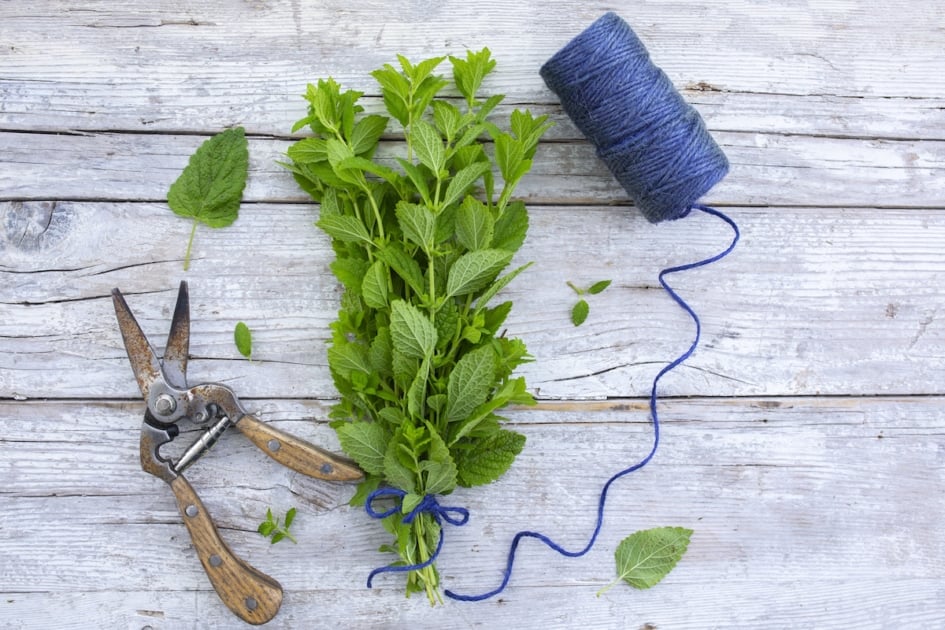
Quick Reference: Drying Herbs
- When to harvest: in the morning after the dew dries, before flowering, leaving a few inches of stem on the plant.
- Air-dry: low-moisture herbs like thyme, rosemary, oregano, and sage. Bind 3 to 6 branches and hang upside down in a dark, airy spot.
- Oven-dry: tender herbs like basil, lemon balm, and mint. Use the lowest setting, around 170 degrees F, for 1 to 2 hours.
- How long they keep: about 6 months. Rub a pinch between your fingers, and if the scent is strong they are still good.
- Cooking rule: dried herbs are stronger, so 3 parts fresh equals 1 part dried.
If you grow your own fresh herbs, cook with them, and have more than your family and neighbors can use, put the surplus to work and start drying it. A summer afternoon in 2026 spent tying up bundles of thyme and sage will season your soups and roasts straight through the fall and winter. Drying is the oldest way to keep a harvest, and it takes little more than string, a dark corner, and a couple of weeks of patience.
Why Not Just Buy Dried Herbs?
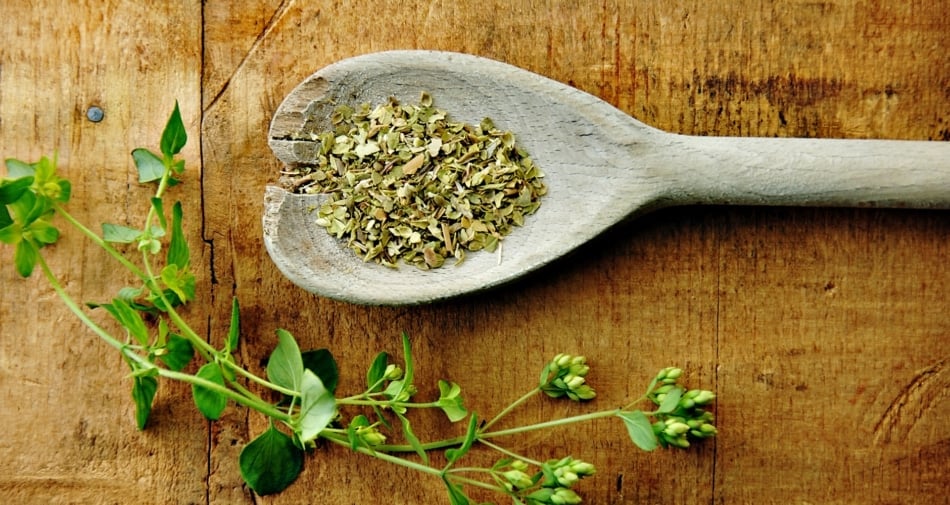
Growing and drying your own herbs is much cheaper than buying them at the store. If you grow perennial herbs, such as oregano, you pay a one-time expense and then harvest a fresh homegrown supply year after year.
Quality is the other reason. Many herbs on grocery shelves have been sprayed with pesticides. Organic dried herbs are sold too, but they cost more than the non-organic kind, and the organic selection is often thin. Store-bought herbs are also usually irradiated, a step similar to the pasteurizing done to milk. That means they are exposed to gamma radiation to destroy possible microbes or pathogens, which also strips away a good deal of the nutrient content and vitamins.
Drying your own is both inexpensive and better for flavor and nutrition. If you do not have much of a green thumb, you can often find fresh organic herbs at the farmer’s market. With a little work and time, you will have a good, organic herb, bottled and ready for year-round cooking.

How To Harvest and Dry Your Own Herbs
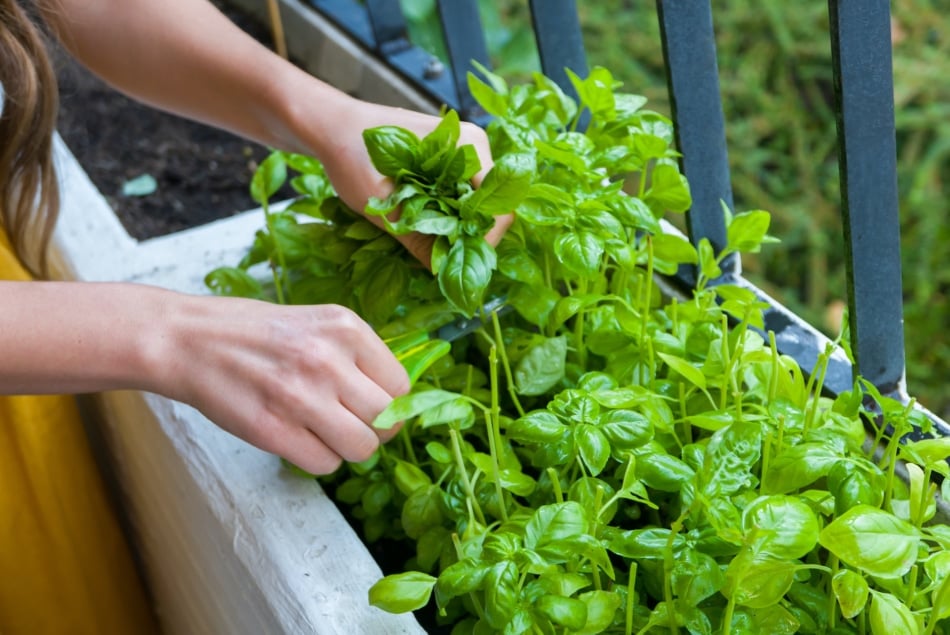
Pick them early: Cut your herbs before they get overgrown and start to flower. Harvest and cut the plants back, leaving a few inches of stem so the plant keeps growing through the season instead of getting leggy. Morning is best, after the dew has dried but before the afternoon Sun drains the leaves of color and flavor. If you are not drying them right away, stand them in jars of water like fresh flowers. Do not wait too late in the season, once the Sun has begun to dry and wilt the plants, since it is best to harvest while they are plentiful and lush. Sage, parsley, rosemary, and thyme grow well into the fall, and you can use them fresh until the first frost comes.
Wash them: If your homegrown herbs look pretty clean, a gentle shake is enough to knock off dirt or dust. If you would rather wash them, swish them carefully in a bowl of cool water. Pat them dry with a towel or let them air-dry on a cooling rack. Pick off any leaves that are discolored or spotted.
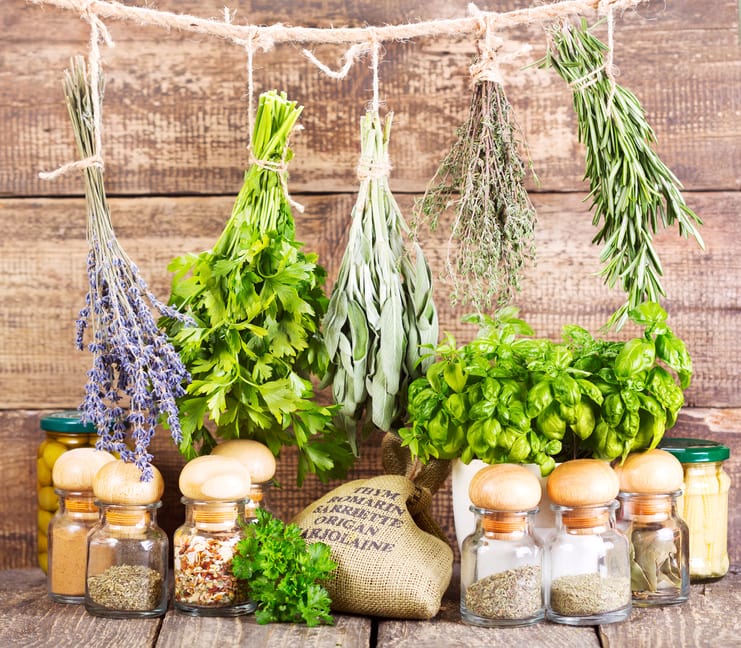
Dry them: Herbs with lower moisture, such as thyme, rosemary, oregano, and sage, air-dry well. Divide them into small batches of about 3 to 6 branches and bind each bundle at the sturdiest bottom stems and the main stem. Twine, twist ties, or rubber bands all work, and if you use string, leave a good length to hang the bundle by. Hang the stems upside down in a dry, dark place with some air circulation, out of direct Sun, which fades the color and flavor. A well-ventilated attic or basement is ideal. No place to hang them? Lay the herbs on a screen instead. Check now and then for moldy leaves or pests and remove any you find. Air-dried herbs are usually ready in a few weeks, once they turn brittle. See the note on tender herbs below.
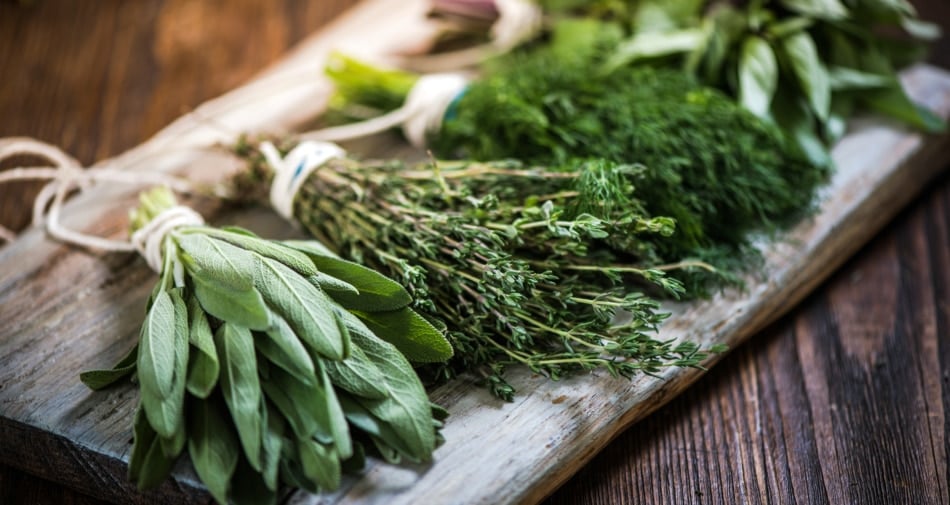
Store them: Once your herbs are dry and crisp, they are ready to put up. Strip the dry leaves from the stems and store them in a small airtight container. You can keep whole leaves or crush them between your fingers first. Old spice bottles, Mason jars, or even plastic bags all do the job. Label each one, since many dried herbs look alike. To keep them fresh longer, store them in a cool, dry spot away from sunlight and away from steam, so not on the shelf right above the stove.
Best Herbs to Dry, and the Method to Use
The trick to good dried herbs is matching the herb to the method. Woody, low-moisture herbs hold up to slow air-drying. Soft, leafy herbs hold too much water and can mold before they dry, so they do better with the gentle heat of an oven or a dehydrator. This chart sorts the most common kitchen herbs by the method that treats them best.
| Herb | Moisture | Best Drying Method |
|---|---|---|
| Thyme | Low | Air-dry in bundles |
| Rosemary | Low | Air-dry in bundles |
| Oregano | Low | Air-dry in bundles |
| Sage | Low | Air-dry in bundles |
| Parsley | Medium | Air-dry or low oven |
| Basil | High | Oven or dehydrator |
| Lemon balm | High | Oven or dehydrator |
| Mint | High | Oven or dehydrator |
Herbs you dry are also herbs you grew, so the garden work pays off twice. If you pair your herb bed with vegetables, our companion planting guide shows which plants make good neighbors, and the same Best Days that guide your potato and root crop planting apply to tending an herb patch.
- Old timers cut herbs for drying on a waning Moon, when they believed the leaves held less water.
- The Best Days Calendar lists this month’s favorable days to harvest and dry in your area.
How Long Will Dried Herbs Last?
Your dried herbs should last about 6 months. To test whether they are still potent, rub a small amount between your fingers and smell. If they give off a strong scent, they are still good to use. Dried herbs are generally more potent than fresh ones, so you need less when cooking. A handy rule to remember: three portions of fresh herbs equal one portion of dried.
A Note On Drying
Tender herbs with higher moisture, such as basil, lemon balm, and mint, can mold before they finish air-drying, so hanging them is not your best choice. Unless you own a dehydrator, your oven will do the job. Preheat it to the lowest setting it has, usually around 170 degrees F. Setting the herbs on a cooling rack over the pan helps keep them from scorching as the metal heats. Wedge a wooden spoon in the oven door to hold it slightly ajar while they dry. They are done when the leaves crumble easily and the stem snaps rather than bends, with the crisp feel and sound of autumn leaves. This usually takes 1 to 2 hours, so set a timer and check often so nothing burns. For a deeper look at safe temperatures and moisture testing, the University of Georgia’s National Center for Home Food Preservation has a research-based guide to drying herbs.
Try this basic blend for your spice rack. It is great on meats and vegetables.
Basic Dried Herb Blend Recipe
Basic Dried Herb Blend Recipe
- 1 tsp black pepper
- 2 tablespoons dried oregano
- 2 tablespoons dried basil
- 2 tablespoons dried thyme
- 1 tablespoon dried rosemary
Directions:
Mix all of your ingredients together and store mixture in an airtight container. Great to season chicken, beef, or fish before grilling.

Drying Herbs: Frequently Asked Questions
What is the best way to dry herbs at home?
Match the method to the herb. Low-moisture herbs like thyme, rosemary, oregano, and sage air-dry well in small bundles of 3 to 6 branches hung upside down in a dark, airy spot. Tender, high-moisture herbs like basil, lemon balm, and mint dry better in an oven set to its lowest setting, around 170 degrees F.
When should I harvest herbs for drying?
Pick them before they flower, in the morning after the dew has dried but before the afternoon Sun drains their color and flavor. Leave a few inches of stem so the plant keeps growing. Sage, parsley, rosemary, and thyme hold up well into the fall, and you can cut them fresh until the first frost.
How long do dried herbs last?
About 6 months. To check whether they are still good, rub a pinch between your fingers and smell. A strong scent means they still have flavor. Because dried herbs are more potent than fresh, use less when cooking. The general rule is that three portions of fresh herbs equal one portion of dried.
How do I dry herbs in the oven?
Preheat the oven to its lowest setting, usually around 170 degrees F. Set the herbs on a cooling rack over a pan so they do not scorch, and wedge a wooden spoon in the door to hold it slightly ajar. They are done in about 1 to 2 hours, when the leaves crumble and the stem snaps rather than bends. Set a timer and check often so they do not burn.
Why dry your own herbs instead of buying them?
It costs less and keeps the quality higher. Perennial herbs like oregano are a one-time expense that give you a fresh supply year after year. Many store-bought herbs are sprayed with pesticides and irradiated with gamma radiation, which strips away nutrients and vitamins. Drying your own keeps more of the flavor and goodness.
How should I store dried herbs?
Once the herbs are crisp, strip the leaves from the stems and store them whole or crushed in a small airtight container. Old spice bottles, Mason jars, or plastic bags all work. Label each one, since dried herbs look alike, and keep them in a cool, dry place away from sunlight and steam, so not right above the stove.


Natalie LaVolpe
Natalie LaVolpe is a freelance writer and former special education teacher. She is dedicated to healthy living through body and mind. She currently resides on Long Island, New York, with her husband, children, and dog.
- Natalie LaVolpe

- Natalie LaVolpe
- Natalie LaVolpe
- Natalie LaVolpe




I first need to learn how to grow them!!!
Here is a great article to get you started! https://www.farmersalmanac.com/indoor-herb-gardening
My Aunt Catharine was a firm believer in not having surgery without consulting the zodiac signs. I was wondering if you could share that information. Thank you
Hi Nancy, here’s the link to the page you’re looking for: https://www.farmersalmanac.com/calendar/zodiac
We also share this information in our weekly newsletter and in daily emails, which you can sign up for on our web site. https://www.farmersalmanac.com/follow/