

What Did People Use Before Toilet Paper? Corncobs, Sears Catalogs, and the History of Personal Hygiene
Take a look at some of the crazy things people used before toilet paper existed. You'll be amazed!
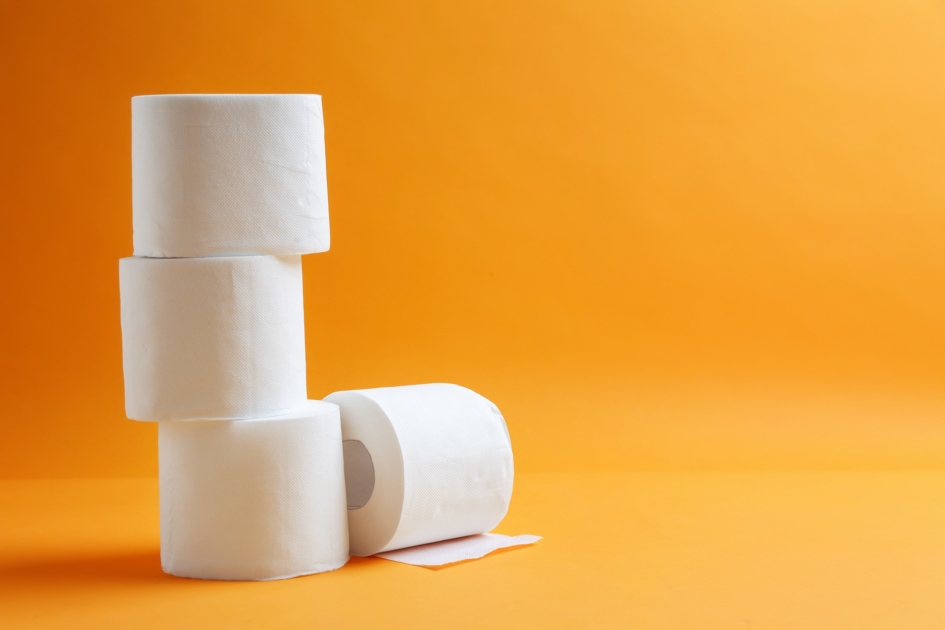
Quick Reference: Before Toilet Paper
- First modern toilet paper: introduced commercially in the US in 1857 by Joseph Gayetty.
- First on a roll: 1890, Scott Paper Company.
- Before TP, most common in rural North America: corncobs, the Sears Roebuck catalog, newspaper.
- Roman bath: a sponge on a stick (xylospongium) in a bucket of salty water, shared by bathers.
- Tool: the Almanac’s historical prices guide.
On this page
Related Almanac guides
Sources cited in this guide
Modern toilet paper is so recent that your great-great-grandparents almost certainly did not use it. Joseph Gayetty introduced commercial toilet paper in 1857, but it did not displace corncobs, the Sears catalog, and newspaper in rural North American outhouses until well into the 20th century. This guide is what people actually used before TP, the surprising hygiene practices of the Roman bath, and the timeline of how the modern roll became universal.
A Brief Global History of Bathroom Hygiene
Per Smithsonian sanitation history and Britannica’s sanitation entry.
- Ancient Rome: xylospongium (sponge on a stick) in a bucket of vinegar or salty water at the public latrine. Shared between users.
- Ancient Greece: ostraka (broken pottery shards) and small smooth stones.
- Imperial China (6th century onward): paper used for hygiene, the earliest known. Mass-produced perfumed paper for the emperor in the 14th century.
- Medieval Europe: hay, moss, leaves, sheep’s wool, and (for the wealthy) cloth.
- Colonial America: corncobs (still standard in many rural areas through the 1920s).
- 1857: first US commercial toilet paper by Joseph Gayetty (flat sheets, $0.50 per 500).
- 1890: Scott Paper Company introduces toilet paper on a roll.
Why the Sears Catalog Became the Most Famous TP Substitute
The Sears Roebuck catalog became the most-cited rural North American TP substitute for specific reasons.
- Universal availability. By 1900 most rural US households received a free Sears catalog yearly.
- Right paper for the job. Soft uncoated newsprint pages, easy to tear, in bulk.
- The convenient hole. Many outhouses had a wire hook to hang the catalog.
- The 1930s shift. When Sears switched to glossy coated paper, rural households complained loudly. The shiny pages did not work.
- Commercial TP took over by the 1940s. Mass production made it cheaper than catalogs.
Toilet Paper History (Detail)
Below are the original sections on the early days of toilet paper, what came before, and additional historical notes.
Corncobs?
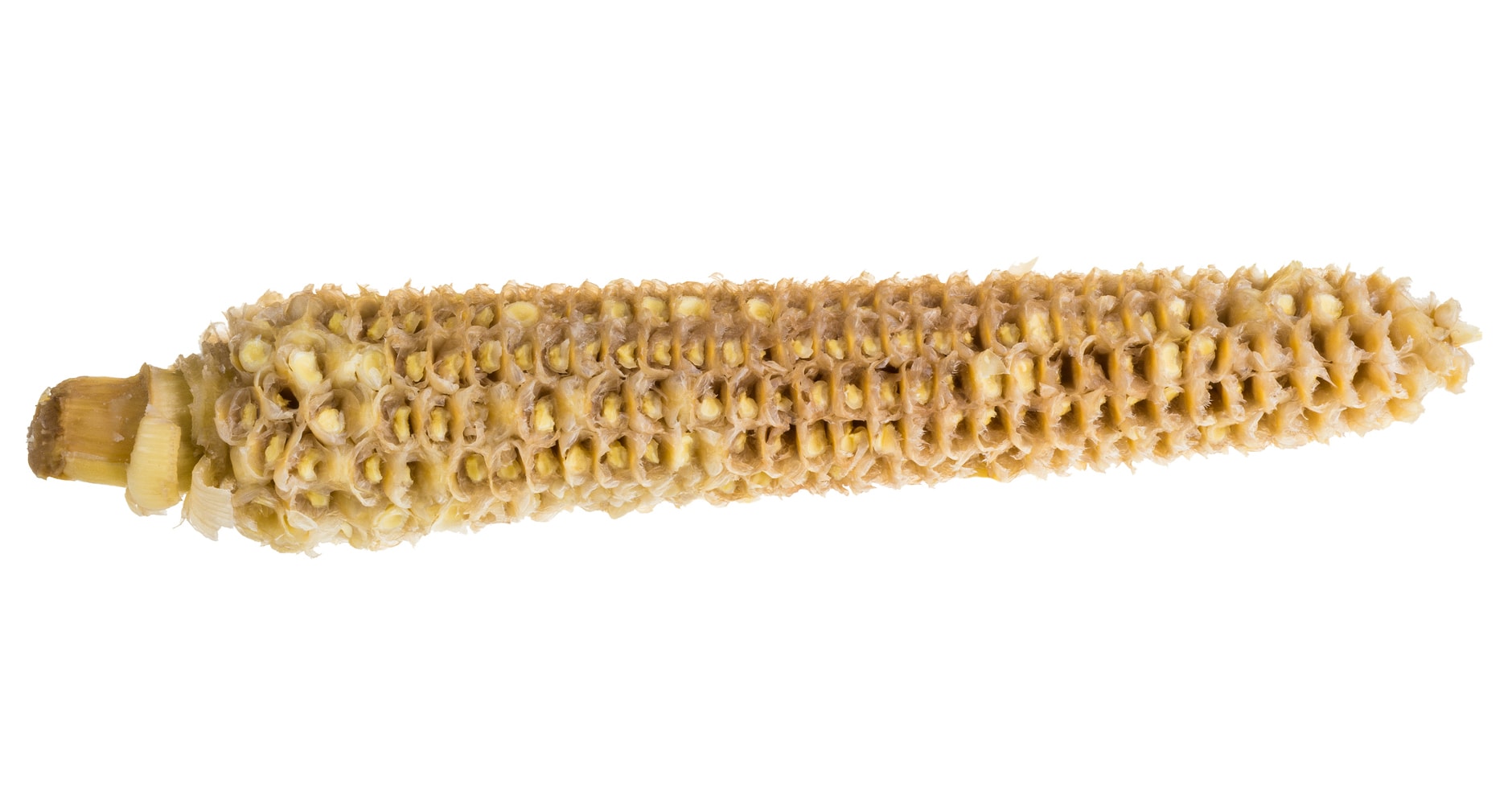
In rural agrarian communities, handfuls of straw were frequently used, but one of the most popular items to use for clean-up was dried corncobs. They were plentiful and quite efficient at cleaning. They could be drawn in one direction or turned on an axis. They were also softer on tender areas than you might think. Even after toilet paper became available, some people in Western states still preferred corncobs when using the outhouse.

Before Toilet Paper FAQ
What did people use before toilet paper?
Varied by region and era. Ancient Rome: a shared sponge on a stick. Ancient Greece: pottery shards. Medieval Europe: hay, moss, leaves, wool. Colonial America: corncobs. Late 19th and early 20th century rural America: Sears Roebuck catalog and newspaper.
When was toilet paper invented?
Paper for hygiene first appeared in 6th century imperial China. The first commercial product in the US was introduced by Joseph Gayetty in 1857 as flat sheets. Scott Paper Company introduced the roll format in 1890. Standardization in the US took until the 1940s.
Why did people use corncobs?
Corncobs were abundant byproducts of corn harvest, locally available everywhere corn was grown, and surprisingly effective once dried. The traditional outhouse setup kept a basket of dried cobs in the corner. Continued use in rural Appalachia and the upper Midwest well into the 1930s.
What did Romans use for toilet paper?
A sponge tied to the end of a stick, kept in a bucket of vinegar or salt water at the public latrine. The sponge was shared between users. Per Smithsonian sanitation history, this is the origin of the phrase ‘getting the wrong end of the stick.’
When did toilet paper become standard in American homes?
Joseph Gayetty’s 1857 sheets reached most middle-class urban homes by 1900. Rural areas took longer; corncobs and the Sears catalog continued in widespread use into the 1930s. Commercial TP on a roll became universal in US homes by the 1940s.


Edward Higgins
Edward Higgins is a freelance writer, artist, home chef, and avid fly fisherman who lives outside of Portland, Maine. He studied at Skidmore College and Harvard University. His article 10 Best Edible Insects appears in the 2020 Farmers' Almanac.
- Edward Higgins

- Edward Higgins
- Edward Higgins
- Edward Higgins





Probably should have mentioned the bidet which has progressed from a procyclin wash basin to stand a lone units and specialized toilet seats that provide a stream of warm water and an air dryer. We installed one and hardly ever need toilet paper at all.
Best now to use TP made from bamboo. It regrows quickly and saves trees. I like reelpaper.com.
This is a great idea for sustainability.
Great conversation topic at our next dinner gathering lol
Our work is done- ha!
My aunt used to hang old telephone books. Used to hate using the bathroom at her place.
I’d hate to use her bathroom too!🤣🤣
Part of the reason we use such huge quantities of toilet paper, is the way we “sit” on the toilet seat. It squeezes the buttocks together, causing them to be un-avoidably soiled. To reduce this tendancy, leave the seat UP, instead sit on the rim, with knees spread wide. You will need much less paper.
If even 20% of Americans adopted this practice, billions less trees would be cut down.
I wonder if the almanac in the outhouse is where magazine reading in the bathroom came into being!
Most likely, Marcia. And then if there was no TP, people used the pages!
The one about using pottery chards really got me laughing think how painful that must have been. Maybe more painful than the”corset”. And the corncob?! No thank you
Lol LOL I cannot imagine either, even the sponge, how discusting and most of all the bacteria.
This is very helpful, especially with it being such an odd topic. Written well, and with wit, thank you Edward
Thank you. Best.
My grandfather, a farmer, always carried three corn cobs in his back pocket. I always love to give him a hard time about it.
Was he from Vermilion,SD?