The most trusted source for all things weather-related for 200 years, Farmers’ Almanac offers long range weather forecasts plus much more! If you are looking for seasonal forecasts, we recommend searching for specific terms, for example “summer forecast” or “winter forecast.” You can also search for holidays, such as “Easter weather forecast.” However if you are looking for regional weather forecasts, use our main navigation drop-down menu above.
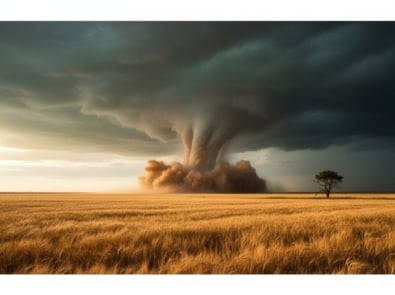
Quick Reference What it is: The informal name for a tornado-prone corridor running from north Texas through Oklahoma, Kansas, and Nebraska, with secondary lobes into the Dakotas, Iowa, and Missouri. Term origin: Coined in 1952 by Air Force meteorologists Ernest J. Fawbush and Robert C. Miller, the same team that issued the first official tornado
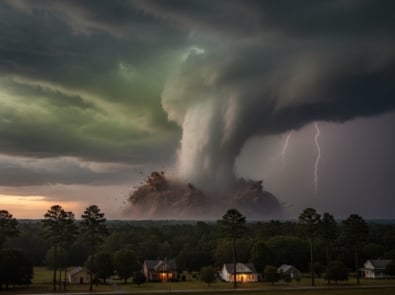
Quick Reference What it is: A secondary tornado-prone region in the southeastern US, distinct from classic Tornado Alley. Term coined by NOAA’s Allen Pearson in 1971. States included: Mississippi, Alabama, Arkansas, Louisiana, Tennessee, plus parts of Georgia, Kentucky, South Carolina, and North Carolina. Why it is deadlier: Nighttime tornadoes (2.5x more fatal), high mobile-home density
Quick Reference #1 worst weather state: Texas. 155 tornadoes a year, 190 billion-dollar disasters since 1980, every major hazard type. Most billion-dollar disasters: Georgia at 134, the highest frequency of any state per NOAA NCEI. Most hurricane landfalls: Florida, with more than 120 documented since 1851. Most flood disasters: Louisiana, with 10 billion-dollar flood events,
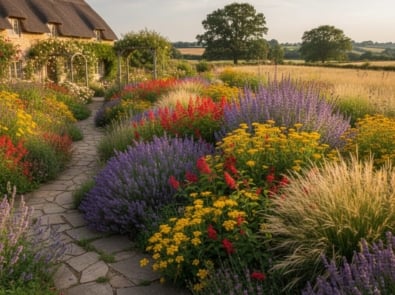
Quick Reference Top picks: Lavender, salvia, yarrow, sedum, agastache, echinacea, russian sage, black-eyed susan, coreopsis, gaura. Best shrubs: Juniper, butterfly bush, ninebark, rugosa rose, smoke bush. Best grasses: Blue fescue, little bluestem, switchgrass, Mexican feather grass. Best planting time: Fall. Roots establish through winter and the plant arrives spring already drought-ready. Water savings: 50 to
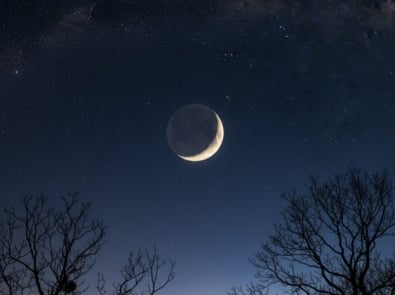
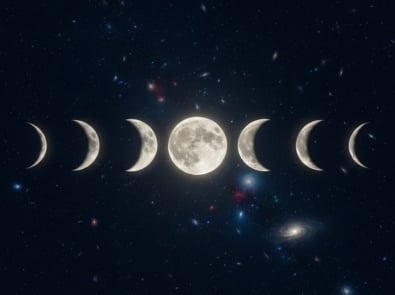
Quick Reference What it is: The crescent moon is the lunar phase when less than 50 percent of the Moon’s illuminated face is visible from Earth. Two kinds: Waxing crescent (growing, lit on the right in the Northern Hemisphere, looks like a D) and waning crescent (shrinking, lit on the left, looks like a C).
Quick Reference What it is: A TikTok trend where two people compare the moon phase on the day they were born. If the two phases visually fit together to form a full moon, the trend says they are compatible. Origin: Started by TikTok creator @lexihernandezz in January 2022, went mainstream in March 2023. Hashtag has
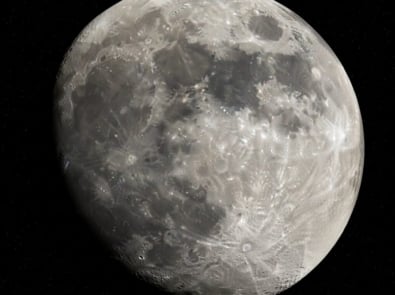
Quick Reference Why we never see it: The Moon is tidally locked to Earth. Its rotation period (27.3 days) matches its orbital period, so the same hemisphere always faces us. “Dark side” myth: Both hemispheres get equal sunlight. “Dark” originally meant “unseen,” not “unlit.” What we have seen: About 59 percent of the lunar surface,
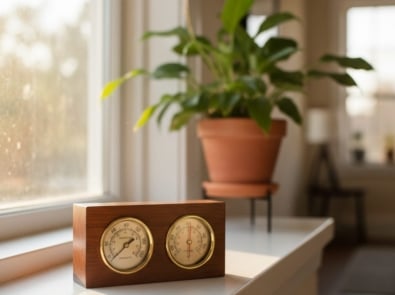
Quick Reference Indoor home (general): 30 to 50 percent. ASHRAE and EPA consensus. Sleep, asthma, allergies: 30 to 50 percent. Stay below 50 to suppress dust mites and mold. Hardwood floors and furniture: 35 to 55 percent. Pianos and acoustic guitars: 40 to 50 percent. Houseplants: 40 to 60 percent. Babies and infants: 40 to
Quick Reference What it is: A long, narrow corridor of concentrated water vapor moving through the atmosphere, typically 250 to 375 miles wide and over 1,000 miles long. How much water: A strong atmospheric river transports more water vapor than the Mississippi River carries on the ground. The Pineapple Express: The most famous variety, hauling
Quick Reference Category 1: 74 to 95 mph. Some damage. Roofs, gutters, siding. Category 2: 96 to 110 mph. Extensive damage. Major roof and siding failure, mass tree damage. Category 3 (major): 111 to 129 mph. Devastating damage. Well-built homes lose roof decking. Category 4 (major): 130 to 156 mph. Catastrophic damage. Severe wall and