

13 Cabbage Health Benefits: Vitamin K, Glucosinolates, and the Surprising Nutrition Density
Learn why you should add this inexpensive cruciferous veggie to your diet year-round.
Quick Reference: Cabbage Nutrition
- Per 1 cup shredded raw (USDA): 22 calories, 85 percent DV vitamin K, 54 percent DV vitamin C, 10 percent DV folate, 2 g fiber.
- Glucosinolates. Sulfur compounds that the body converts to anti-inflammatory isothiocyanates.
- Fermented (sauerkraut, kimchi): rich in beneficial Lactobacillus bacteria; supports gut health.
- Underrated brassica. Out-nutritioned only by kale; out-affordable kale by 10x.
- Tool: the Almanac’s companion planting guide.
On this page
Related Almanac guides
Sources cited in this guide
Cabbage is one of the most-overlooked nutrition powerhouses in the produce aisle. It is about a tenth the price of kale, sits beside it on the brassica family tree, and per USDA FoodData Central delivers comparable vitamin density per serving. It also ferments uniquely well into sauerkraut and kimchi, which add probiotic benefits the raw vegetable does not have. This guide is 13 evidence-supported cabbage benefits, with citations from USDA and NIH.
What’s Actually In Cabbage (USDA Numbers)
Per USDA FoodData Central, 1 cup shredded raw cabbage delivers.
- 22 calories. Nutrient-dense and low-calorie.
- 85 percent DV vitamin K. Critical for bone health and blood clotting.
- 54 percent DV vitamin C. Antioxidant and immune support.
- 10 percent DV folate. Especially important during pregnancy.
- 2 g fiber. Soluble and insoluble.
- Significant glucosinolates. Sulfur compounds converted to isothiocyanates with documented anti-inflammatory and possibly chemopreventive activity (per NIH PubMed).
Fermented Cabbage: the Probiotic Bonus
Per NIH PubMed fermented-food research.
- Sauerkraut (German fermented cabbage): contains live Lactobacillus species when raw, unpasteurized, and not heat-treated.
- Kimchi (Korean fermented cabbage): additionally contains garlic, ginger, chile, fish sauce.
- Health effects: emerging research on gut microbiome support, possible immune benefits.
- Best for probiotics: refrigerated raw versions sold in glass jars. Cooked or shelf-stable canned versions lose the live bacteria.
- Easy to make at home. Cabbage + salt + 1 to 4 weeks at room temperature.
13 Cabbage Health Benefits (Detail)
Below are the original 13 detail sections covering each cabbage health benefit.
13 Health Benefits of Cabbage
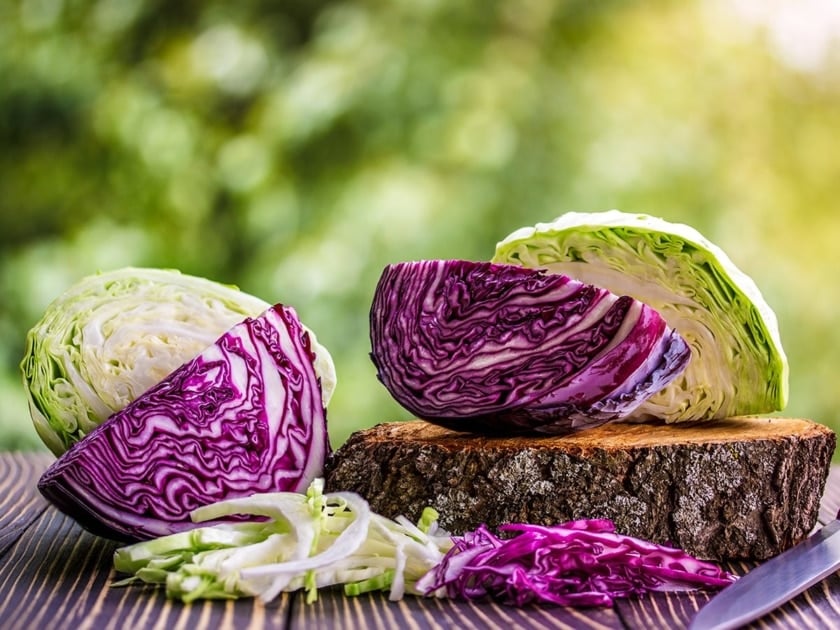
Cabbage is a leafy vegetable of the Brassica family, which also includes broccoli, cauliflower, and Brussels sprouts, and it’s one of the oldest known vegetables, dating as far back as 4,000 B.C. in China. It comes in several varieties, green, red, and savoy, which can be eaten raw* or cooked, thrown in a soup, tossed in a salad or stir fry, topped on fish tacos, or simply just steamed by itself. Even boiled, as you would for your favorite St. Patrick’s Day meal, corned beef and cabbage!
The inexpensiveness and health benefits of cabbage earned it its nickname “drug of the poor” during the Middle Ages. If you are truly trying to improve your diet, adding this cruciferous vegetable to your meal plan is a good place to start. Here are 13 good reasons why:
1. Improved Digestion: You’ve heard “eat your roughage” and cabbage is a healthful source. Its fiber and water content can help to prevent constipation and maintain a healthy digestive tract. Eating cabbage in fermented form (sauerkraut) also gives you a boost of probiotics, one of the best things for a healthy digestive system and gut.

2. Weight Loss: With a mere 33 calories per cup, cabbage is high in fiber and contains zero fat. Cabbage is frequently recommended to people who want to lose weight since it is packed with so many nutrients and its high fiber content makes it quite filling.
3. Lowers Cholesterol: Cabbage can also be used to help lower your cholesterol. Its fiber and nutrients bind with bile acids in the intestine and pass out in the stool, rather than being absorbed into the blood. Eating it steamed gives it more cholesterol-lowering power.
4. Immune Booster: Cabbage is an excellent source of the ever-so-important vitamin C, crucial for maintaining a strong immune system.
5. Cancer Fighter: It has been known for years that consumption of cruciferous vegetables is associated with lower cancer risk. The sulfur-containing compound, sulforaphane, which give these vegetables their bitter taste, is also what specifically gives them their cancer-fighting power. Sulforaphane has been shown to inhibit the progression of cancer cells. Anthocyanins, the powerful antioxidants that give red cabbage its vibrant color, have been shown to slow the formation and even kill already-formed cancer cells.
6. Reduces Inflammation: Inflammation causes unnecessary pain and discomfort and can also lead to a host of other diseases and ailments. Glutamine, an amino acid found in cabbage, is a strong anti-inflammatory agent, helping to reduce joint pain, arthritis, and ease allergies. Cabbage is considered one of the top 10 best food sources of glutamine.
7. Improves Brain Health: Cabbage, particularly the purple variety, is powerful brain food. It contains vitamin K, and the antioxidant anthocyanin, which boosts mental function and concentration. Vitamin K, an often forgotten vitamin, can also improve your defense against conditions such as Alzheimer’s and dementia. Anthocyanin is also effective at reducing plaque on the brain, preventing the deterioration of short- and long-term memory.
8. Reduces the Risk of Heart Disease and Stroke: Researchers have identified nearly twenty different flavonoids and fifteen different phenols in cabbage, all which demonstrate antioxidant activity. These antioxidant nutrients play a role in decreasing your risk of several cardiovascular diseases. Cabbage also contains the beneficial minerals calcium and potassium, which help regulate blood pressure.
9. Heals Ulcers: Cabbage has been historically known to heal ulcers due to its anti-inflammatory properties. Studies have found that drinking cabbage juice is very effective in preventing ulcers.
10. Clears Skin: Antioxidants play a major role in the health of your skin. Free radicals are an underlying cause of wrinkles, skin discoloration, and other conditions. Cabbage contains a wealth of different antioxidants that can turn around the aging process of your skin.
11. Energy Booster: Cabbage is high in energy-boosting B vitamins, including B1, B2, and B6. Next time you feel sluggish, swap out that cup of afternoon sugary coffee for a serving of cabbage, coleslaw might make the perfect snack! Try this Texas Coleslaw recipe!
12. Hangover Cure: Cabbage has been used for relief from hangovers since Roman times. It is thought to clear the body of congeners, by-products of the fermentation process. In addition, the high fiber content of cabbage helps to absorb the alcohol acetaldehyde. The next time you wake up after having had a few too many, do as the Ancient Greeks did and boil up some cabbage and save the juice for drinking.
13. Eases Headaches: Try relieving a headache or migraine by making a compress out of cabbage leaves. Crush a few of the inner leaves to make a paste, then place the paste in a cloth, and apply to your forehead until dry. Or try drinking raw cabbage juice (1-2 oz) to bring some relief.
Fun Fact: One cup of shredded raw cabbage contains 190% of the recommended daily amount of vitamin C.
Cabbage is the second most economical cooked vegetable in terms of price per edible cup (second only to potatoes). This relatively low economic cost makes this cruciferous vegetable a nutritional bargain.
*If you have thyroid issues, talk to your doctor about consuming raw cruciferous vegetables.


Cabbage FAQ
Is cabbage really healthy?
Yes, per USDA FoodData Central. 1 cup shredded raw cabbage delivers 85 percent DV vitamin K, 54 percent DV vitamin C, 10 percent DV folate, plus glucosinolates with documented anti-inflammatory activity. All for 22 calories. Cabbage is one of the highest nutrient densities per dollar in the produce aisle.
Is cabbage as nutritious as kale?
Close. Kale slightly edges cabbage in vitamin K, vitamin A, and some minerals. Cabbage is comparable in vitamin C, folate, and glucosinolates. Cabbage costs about 1/10 of kale per pound, making it a far better value per nutrient.
What is the healthiest way to eat cabbage?
Raw (slaw, salad) and lightly fermented (sauerkraut, kimchi) preserve the most vitamins and add probiotic benefits in fermentation. Heavily cooked cabbage loses vitamin C but retains most fiber and minerals. Variety across forms gives you the full benefit profile.
Is sauerkraut probiotic?
Raw unpasteurized refrigerated sauerkraut: yes. Contains live Lactobacillus species. Canned shelf-stable sauerkraut: typically not, because it has been heat-treated and killed the bacteria. Check the label for ‘raw’ or ‘live cultures’ to confirm probiotic status.
Can cabbage really help with inflammation?
Per NIH PubMed glucosinolate research, the glucosinolates in cabbage are converted in the body to isothiocyanates, which have documented anti-inflammatory activity. Cabbage is one of the most-cited dietary sources of these compounds, along with broccoli, brussels sprouts, and kale.


Natalie LaVolpe
Natalie LaVolpe is a freelance writer and former special education teacher. She is dedicated to healthy living through body and mind. She currently resides on Long Island, New York, with her husband, children, and dog.
- Natalie LaVolpe

- Natalie LaVolpe
- Natalie LaVolpe
- Natalie LaVolpe





You mentioned 3 cabbages in this article. Was wondering if it also includes bokChoy and Chinese cabbage
putting cabbage in bras for sore breasts, how does that work?
You also might want to remind those on certain blood thinners such as Coumadin (Warfarin) that the vitamin K is a problem. Thanks
Making ham and cabbage tonight
Thanks for publishing such important information
A rinsed & dried head of cabbage can be thinly sliced or chopped into bits, and kept stored in one’s refrigerator longer than most fresh vegetables — making a convenient additive for coleslaw, salads, stir-fry, soup…
We used to have a walk-in restaurant/take out place here where I live (in the middle of the country) which was run by a family from the east coast somewhere, and they served the BEST dang sandwiches we’ve ever eaten. They were made like a hoagie or a sub sandwich (called different things in different places, I guess) and instead of using cheap head lettuce on them, they used raw cabbage and were busy ALLLL the time. I have no idea why they closed, but I think the family decided to move back east for family reasons or something. But my family sure does miss them – and their sandwiches! These sandwiches were called “grinders”. Anyone else ever heard of them or eaten a sandwich this way? What did you think?
I have heard of grinders but they are a style of sandwich like a hoagie. Not what is in them. They had sausage and cheese where I knew them from
Nature is the best doctor.
What is sauerkraut?
Hi JD: Sauerkraut, It’s Not Just for Hot Dogs
Thank you.. I needed the reminder..to eat cabbage.I love it. Great article..
What Blessing you are…grew up on cabbage.and Family still alive last Aunt passed @ 101 years old..maybe that’s because we always had Cabbage, Chez,and Croation…Cabbage is easy to grow and last long easy to store..
Thanks again…