

Moles and Voles: How to Tell Them Apart and Protect Your Yard
Practical strategies for keeping moles and voles from tearing up your lawn.
Quick Reference: Moles and Voles
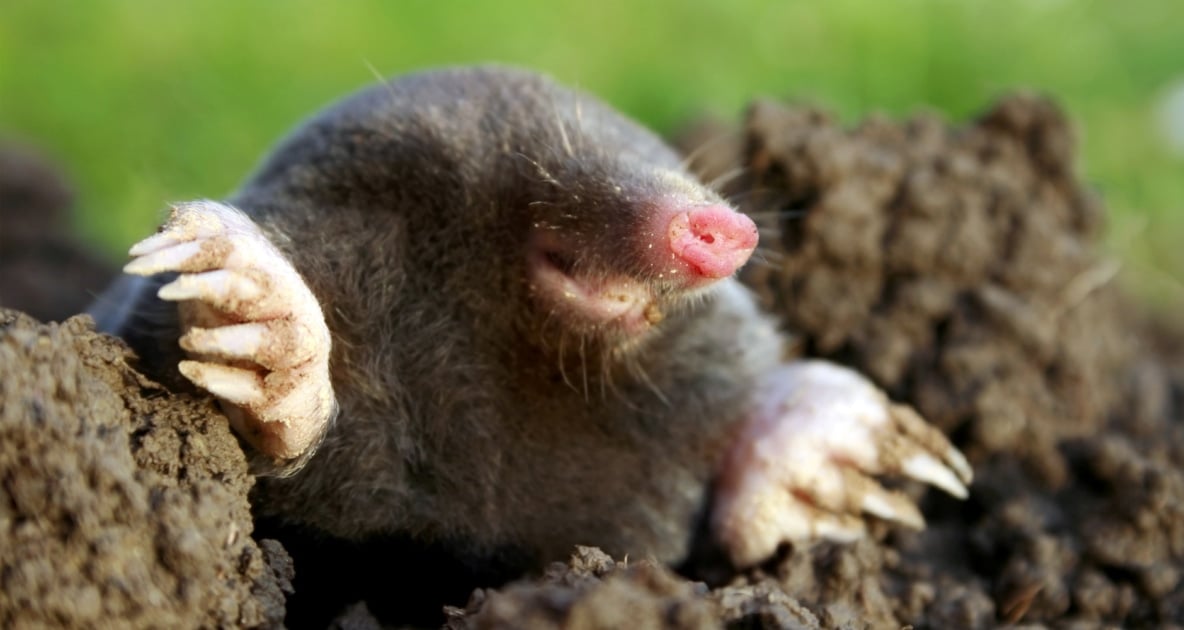
- Moles: insect eaters, not rodents. They leave mounds and raised tunnels while hunting earthworms and grubs. Think moles = meat.
- Voles: mouse-sized rodents that eat plants. They chew roots, bulbs, and bark and leave shallow surface runways. Think voles = vegetables.
- Mole fix: tunnel traps, a water-filled lawn roller, or grub control to cut off their food.
- Vole fix: mow short, clear brush and mulch from beds, and bury 1/4″ hardware cloth in a trench at least eighteen inches deep.
- Health risk: neither one spreads infectious disease to people. The damage is to your lawn and garden, not your family.
Wild animals are part of what makes nature so magical, and watching them can be highly enjoyable. It is good to coexist with animals in relative peace, but that peace gets tested when they move into your lawn or garden. This is the story of moles and voles, Mother Nature’s pint-sized lawn wrecking crew, and how to tell them apart before you spend a summer chasing the wrong culprit.
The names rhyme, so people mix them up, but they are not even close relatives. One is an insect-eating tunneler that is not a rodent at all. The other is a plant-eating rodent that treats your flowerbed like a salad bar. Sort out which one you have, and the right fix follows quickly.
Moles vs. Voles: How to Tell Them Apart
Start with the damage, since you will usually see the mess before you see the animal. Moles push up soil. Voles chew plants. Here is the side-by-side.
| Feature | Mole | Vole |
|---|---|---|
| Scientific family | Order Eulipotyphla, family Talpidae. Moles are insectivores closely related to shrews, not rodents. Three species common in the Eastern U.S.: eastern mole, hairy-tailed mole, star-nosed mole. Source: Penn State Extension. | Order Rodentia, family Cricetidae. Voles are rodents. Two species cause most garden damage: meadow vole (Microtus pennsylvanicus) and pine vole (Microtus pinetorum). Source: Penn State Extension. |
| Size (length and weight) | 5-7 inches body length. Weight roughly 3-4 oz (75-120 g). Must eat 70-100% of body weight daily due to high metabolic demand. Source: Penn State Extension. | 4-6 inches body length with a short tail (1-2 inches). Weight roughly 1-2 oz (28-56 g). Smaller and lighter than a mole. |
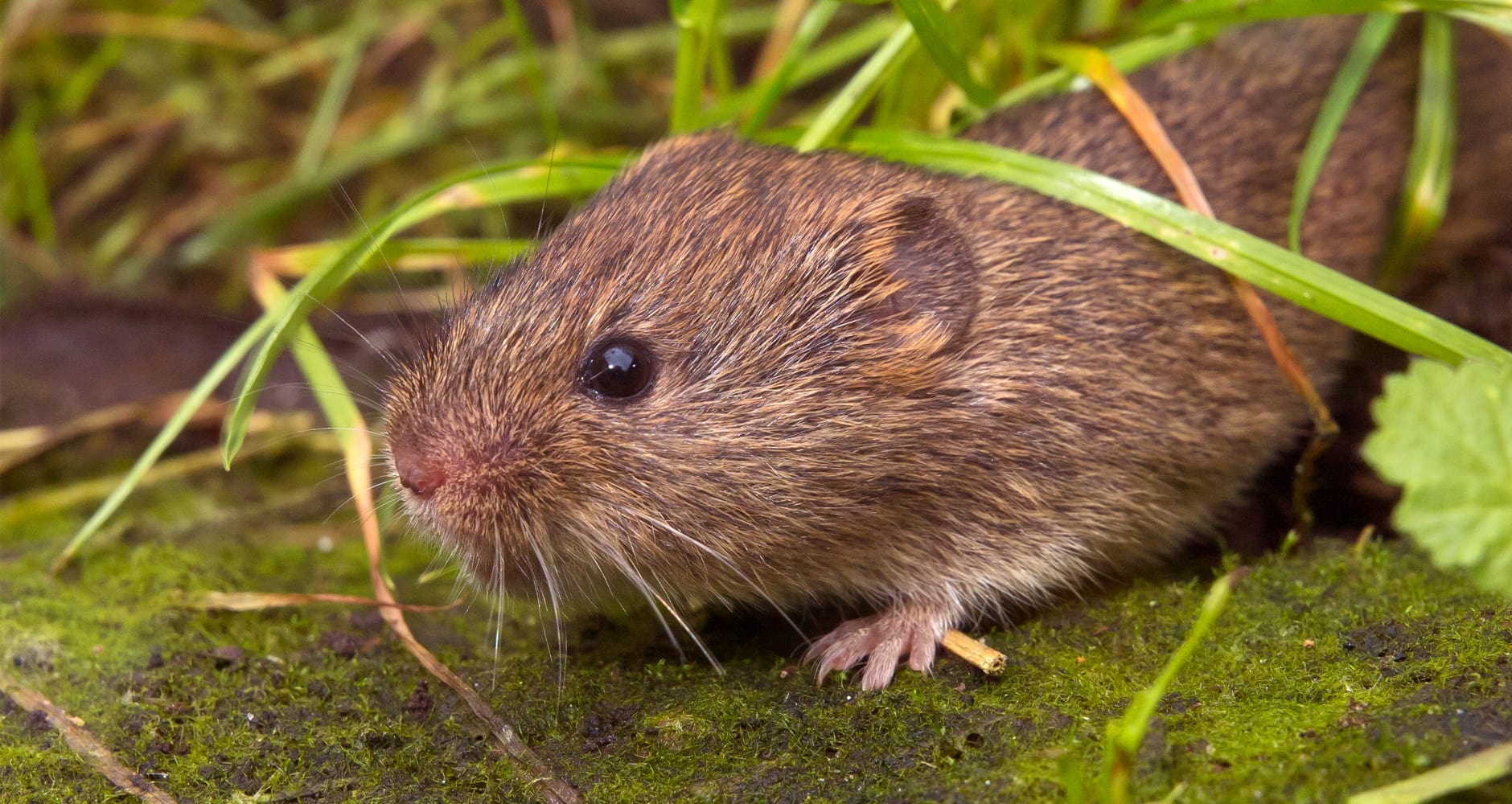
| Eyes and ears (visibility) | Eyes are tiny and completely concealed beneath the fur; not visible externally. No external ear flaps. Ear openings are hidden in the fur. Source: Penn State Extension; Virginia Cooperative Extension. | Relatively large, visible black eyes. Small but visible ears partially hidden by fur. Blunt, rounded face with prominent orange front teeth for gnawing. Source: Penn State Extension. |
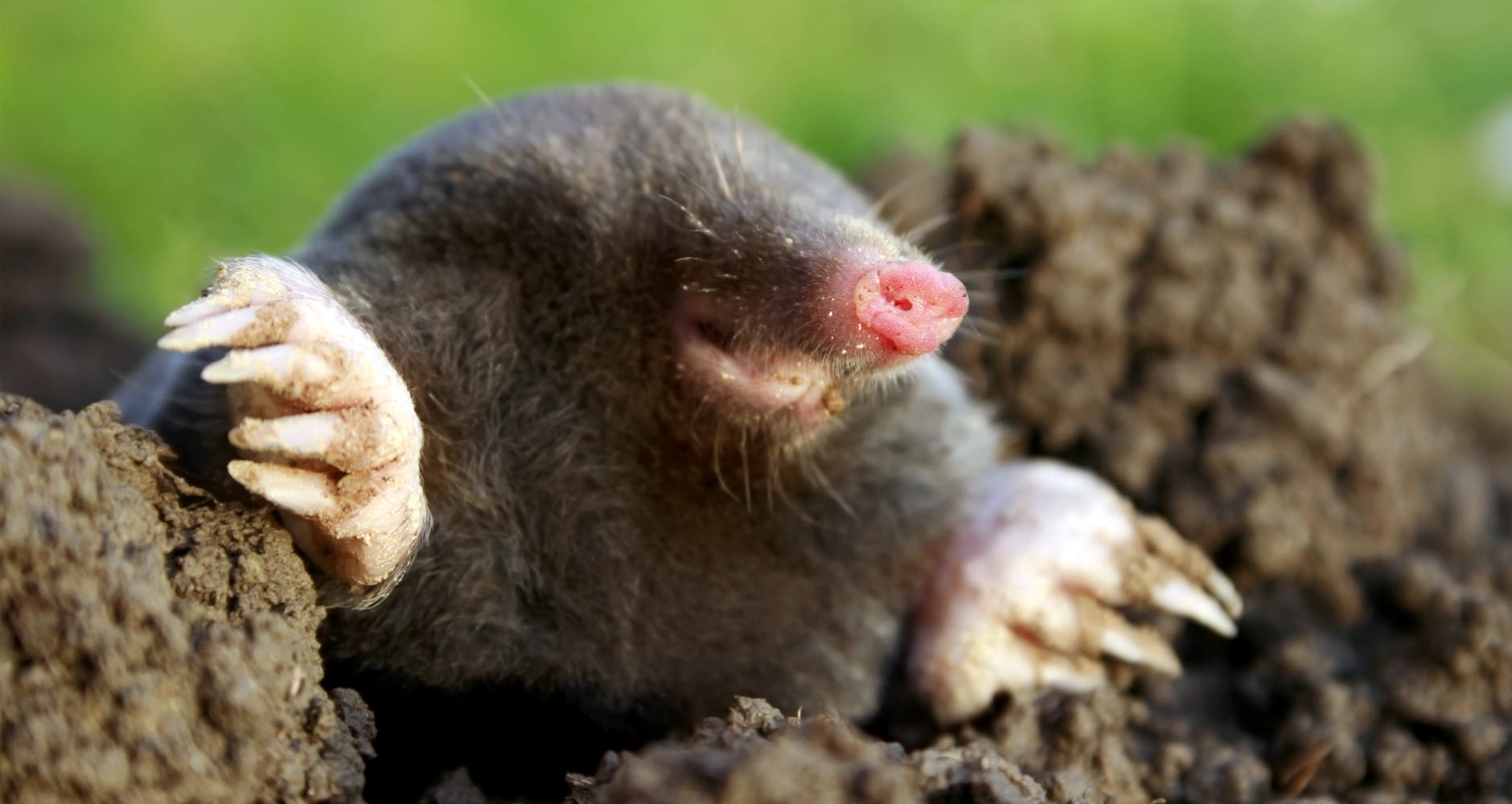
| Forelimbs and feet | Very large, broad, paddle-shaped front feet with pronounced claws, bent sideways for powerful lateral digging. Hind feet are small with slender claws. Source: Penn State Extension. | Normal mouse-like feet, not enlarged or paddle-shaped. Front teeth (incisors) are the primary digging and feeding tool. No adaptations for heavy burrowing. |
| Diet (what they eat) | Strictly carnivorous (insectivorous). Diet is earthworms, grubs, beetle larvae, and other soil invertebrates. Eats 70-100% of body weight per day. Source: Penn State Extension. | Strictly herbivorous. Eats plant roots, bulbs, tubers, bark (especially in winter), seeds, and grasses. Meadow voles clip grass stems; pine voles attack root systems underground. Source: Penn State Extension; Virginia Cooperative Extension. |
| Damage type | Raised ridges and tunnels in turf from shallow hunting runs (1.25-1.5 inches diameter). Roots and plants may be dislodged and desiccated by tunnel activity, but moles do not feed on them. Source: Penn State Extension. | Plants wilt and collapse suddenly as roots and bulbs are consumed underground. Bark is gnawed at the base of trees and shrubs at soil level, sometimes girdling the plant. Source: Virginia Cooperative Extension; Clemson HGIC. |
| Runways (surface vs. underground) | Primarily underground. Shallow feeding tunnels 1-2 inches below the surface create raised ridges in turf. Deep permanent runways 12-18 inches underground. Source: Penn State Extension. | Surface runways are a key sign: voles clip grass to form narrow, bare paths through turf, visible especially in spring when snow melts. Also dig shallow underground burrows 3-5 inches deep. Source: Penn State Extension; Clemson HGIC. |
| Mounds or hills? | Yes. Circular volcano-shaped mounds of excavated soil surrounding a vertical plug hole. Moles can dig 18 feet of new tunnel per hour and produce up to 150 feet of new runs per day. Source: Clemson HGIC. | No volcano-shaped mounds. Voles create small, golf-ball-sized entrance holes in the ground and at the base of surface runways, but do not produce the raised mounds characteristic of moles. |
| What they do NOT eat (critical distinction) | Moles do NOT eat plant roots, flower bulbs, vegetables, or any plant material. Plant damage found near mole tunnels is typically caused by voles or mice that move through the same tunnel network. Source: Penn State Extension. | Voles do NOT eat earthworms, grubs, or insects. They are strict herbivores. Voles will not benefit from insecticide or grub-control treatments applied to stop them. |
| Control methods | Trapping (harpoon or scissor-jaw traps placed in active tunnels) is the most effective method. Source: Penn State Extension. Grub treatments reduce food supply but do not eliminate moles. Castor-oil repellents have limited effectiveness. | Habitat modification: remove dense ground cover, mulch, and debris where voles nest. Hardware cloth cylinders (1/4-inch mesh, 12 inches above ground, 6-10 inches below) protect tree trunks and bulb beds. Snap traps baited with peanut butter placed in active runways are effective. Source: Clemson HGIC; Virginia Cooperative Extension. |
Two quick mnemonics keep it straight, and they come straight from the diet. Think moles = meat. Think voles = vegetables. If your plants are getting eaten, suspect voles. If your plants are fine but the ground looks like a subway map, suspect moles.

Moles
Habitat and History
Moles can be found throughout North America, although primarily in the eastern and northwestern United States. There are seven species of moles, although the Star-Nosed and the Eastern are the most prevalent. Moles are gray or brown mammals and are actually NOT rodents. They are their own family of mammal. They have a long, naked snout, no external ears, large forelegs shaped like paddles, and their eyes are hidden beneath fur.
Moles spend almost their entire lives underground, rarely coming to the surface. They prefer moist, loose soil. Moles are extremely territorial and will not allow other adults in their territory other than for mating. That solitary streak is good news for you: a yard that looks overrun is often the work of just one or two busy diggers, not a colony.
Diet
The mole’s diet consists almost exclusively of earthworms and grubs. There is only one mole, which occurs in the far northwestern United States, that actually eats root crops and tubers. Think moles = meat. This matters when you plan your response, because a mole is not after your marigolds. It is chasing the insects living under them, and it tunnels through the root zone to hunt.
Because they hunt insects, moles are active in every season the ground is workable, day and night. Penn State Extension notes moles can be busy year round, tunneling most in spring and fall when the soil is moist and their prey sits near the surface. For a plain-English look at the species and their habits, see the Penn State Extension guide to moles.
Reproduction
Breeding for moles occurs in the late winter into early spring. There are generally four to seven young per litter, and they become active at about four weeks of age. Since a female raises just one litter a year, mole numbers build slowly compared with the rodents in this article.
Problems, Solutions and Health Concerns
Moles do not pose any health-related concerns to humans. The thing that makes moles a pest is that they can devastate a lawn with mounds. These mounds can be either high and round or in the form of “running” tunnels. The raised ridges you feel underfoot are those running tunnels, dug just below the surface as the mole forages.
There are several ways to rid your property of moles. You can purchase traps from your local hardware store, which can be placed right in the tunnels. You will need to remove the carcasses as they are trapped. Trapping is most effective on the active runways, the ones that spring back after you press them flat, so test a few before you set anything.
Another easy way to rid your property of moles is to use a lawn roller. Lawn rollers are steel wheels that are generally filled with water and pulled behind your riding mower. Once filled, they are very heavy and will crush the mounds and tunnels. This is a very effective way of eliminating moles. You will, however, have to do it as a regular maintenance routine.
Some people chemically treat their lawns for grubs. This eliminates the moles’ food supply, sending them on their way. Be warned, however, that there are health concerns associated with chemically treated lawns. Chemicals can leach into a well, garden plants, and even children, pets, or livestock that come into contact with it. If it’s green and can be mowed, it’s nice. Nobody needs “perfect grass.”
If you would rather not reach for chemicals at all, a few gentler tricks are worth a try. Some gardeners flood a run with a garden hose to push a mole along, and others keep the soil less inviting by watering less often, since drier ground drives earthworms deeper and takes the buffet with them. For more kitchen-cupboard fixes, see our roundup of natural household remedies.
Voles
Habitat and History
Voles are found throughout North America. There are many different species of voles, but only about half a dozen of them cause significant problems for humans. Voles are a species of rodent, and are commonly mistaken for field mice or deer mice.
All voles are mouse-sized, measuring in at six to seven inches long and weighing approximately four to five ounces. Their eyes, ears, and tails are relatively small compared to mice. Some voles cause major surface damage, while others cause damage beneath the surface. Voles can be found in a large variety of habitats, and their ranges can overlap. Penn State Extension has a helpful field guide to voles if you want to confirm which species is in your beds.
Diet
Voles are herbivores, feeding primarily on grasses, flowers, fruits, vegetables, bulbs, and roots. Some voles will also gnaw and feed on the bark of trees in winter, under the protection and cover of snow. Think voles = vegetables. That winter bark chewing is why gardeners sometimes find a young fruit tree girdled and dying in spring, with a ring of gnaw marks right at the snow line.
Reproduction
Like many other small rodents, voles are active breeders, with some species having four to five litters a year and two to five young per litter. In some warmer climates, they can breed year round. At around three weeks of birth, voles can begin breeding. Vole populations are cyclical, with a cycle of approximately three to six years. When you land in a peak year of that cycle, the damage can seem to appear overnight, which is why prevention beats waiting.
Problems, Solutions and Health Concerns
All species of voles burrow, although most species are not subterranean. Some species of voles actually create runways by eating and munching vegetation in paths, almost like a trail system. They seem to stay in their nests most of the day, coming out to feed day and night at short intervals. Those runways, about the width of two fingers and often hidden under mulch or snow, are the surest sign you are dealing with voles rather than moles.
You can reduce the pressure from voles in a number of ways. First, you can keep your lawn mowed short. This will give the rodents less cover. You should also keep vegetation and brush away from flowerbeds, veggie gardens, and ornamental plants. Voles build their nests in these types of areas for cover. Pulling mulch back a few inches from the base of trees and shrubs removes the hidden lane they use to reach the bark.
Most damage from voles is to flowerbeds and gardens. The best way to keep your plants safe is to erect a barrier between your plants and the voles. Dig a trench around the area you want protected. The trench should be at least eighteen inches deep. This will also help deter other mammals such as woodchucks, ground squirrels, etc., too. Once the trench is complete, install 1/4″ hardware cloth all the way to the bottom of the trench. Also note that the end of the hardware cloth at the bottom of the trench should be bent at a 90 degree angle, out about four inches. Now you can fill the trench back in. This helps to deter them from thinking they can dig around the hardware cloth.
Voles do not pose any infectious disease threat to humans. For a longer-term plan, pairing that hardware-cloth barrier with the right garden neighbors helps. A tidy, well-planned bed is a less welcoming one, and our companion planting guide can help you lay one out.
A Natural, Neighborly Approach
Before you declare all-out war, remember these are small animals doing what small animals do. Moles aerate soil and eat the same grubs that damage your grass. Voles feed hawks, owls, foxes, and snakes. The goal is not to erase them from the county. It is to move them off your lawn and out of your beds.
- Start with the least drastic step. Mow short, clear brush, and pull mulch back before you set a single trap.
- Match the fix to the animal. Traps and rollers for mole tunnels, barriers and cover removal for voles.
- Protect the garden, not the whole world. Hardware cloth around a bed does more good than chasing a mole across an acre.
- Invite the predators. A resident owl or a snug snake does free vole control every night.

Moles and Voles: Frequently Asked Questions
What is the difference between a mole and a vole?
A mole is an insect eater, not a rodent, that tunnels underground for earthworms and grubs and leaves mounds and raised runways. A vole is a mouse-sized rodent that eats plants, roots, bulbs, and bark and leaves shallow surface runways. Two mnemonics keep it straight: moles = meat, voles = vegetables.
How can I tell which one is damaging my yard?
Look at what is hurt. If the ground is pushed up into mounds and ridged tunnels but the plants are fine, it is moles. If plants, bulbs, and bark are chewed and you find shallow runways about two fingers wide at the surface, it is voles. Moles wreck the lawn’s looks; voles eat the garden.
How do I get rid of moles without chemicals?
Set tunnel traps on the active runways that spring back after you press them flat, or run a water-filled lawn roller over the mounds and tunnels as a regular routine. Watering less often drives earthworms deeper and takes the mole’s food with them. Grub control also works, but chemically treated lawns carry health concerns, so weigh that first.
What is the best way to protect a garden bed from voles?
Build a barrier. Dig a trench at least eighteen inches deep around the bed, line it with 1/4″ hardware cloth all the way to the bottom, and bend the bottom edge into a 90 degree angle out about four inches so the voles cannot dig around it. Fill the trench back in. The same trench helps deter woodchucks and ground squirrels.
Are moles or voles dangerous to people or pets?
No. Moles do not pose any health-related concerns to humans, and voles do not pose any infectious disease threat to humans. The harm they cause is to your lawn and garden, not to your family. Keep pets away from any traps or treated areas, and handle grub chemicals with care around children, pets, and livestock.
Why do voles seem to appear all at once some years?
Vole populations are cyclical, running on a cycle of about three to six years. They also breed fast, with some species raising four to five litters a year and young that can begin breeding at around three weeks old. When you hit a peak year, the numbers and the damage can seem to jump overnight, which is why steady prevention beats a late reaction.


Shawn Weeks
Shawn is a lifelong New Englander. He lives in Canton, Conn., with his wife Tami, mother, sister, and her three children. He and his wife have two grown children and two grandchildren. Shawn is an avid hunter, fisherman, and gardener. He is also a writer, a nuisance wildlife professional, small scale farmer, and scout leader. You can email him at info@weeksoutdoors.com.
- Shawn Weeks

- Shawn Weeks
- Shawn Weeks
- Shawn Weeks





What is the best dates to report house plants
I finally thought I had cured the vole problem with spending a couple hundred dollars on lawn services grub killer etc. a Stray cat showed up and is catching them and bringing me gifts so I let her spend a couple nights in the garage and this morning my lawn is torn up again I am at my wits end will the used kitty litter work in these holes to get rid of the voles or do I keep that cat out all night. I am needing an answer please
Living on just 2.5 acres, in the Historic District of a “once rural” NorCal town, our healthy plot is vast with wildlife & producing fruit trees, native plants, etc.. We cherish the critters which have share this property for as long as my family has owned this home (over 160 years). The endemic/indigenous & migratory wildlife have kept everything in a healthy balance………………
Of course, we ditched the lawn decades ago, in lieu of natural paths & flower beds. If you are into your lawn, this no doubt would not work for you.
Our zoo in Colorado Springs sells zoodoo for $2 lb. they gather big cats poop lion tigers mountain lions. It’s a fertilizer to put around edges of garden area.
Judy, interesting!
Do u mix the ammonia with water?
If you are in Hamilton county and parts of Mario county having issues with Moles or Voles drop me a line. I guarantee I will remove the issue!
I have just read about Nematodes. Combination is best -Heterorhabditis (stationary) and Feltiae (mobile). All natural. Kill all larvae – grubs,fleas,ticks,ants,cutworms, termites and ground wasps. Will not harm plants or animals.. Have to use every 3-4 weeks for infestation. Kill the food and moles leave. We also have tick/flea problems in south. Home depot has in some areas or they can ship to your store. Also check with gardening/landscape businesses.
You can also get those little wind spinners that kids likeand put in the ground. Stick them in the ground where you have them. The vibration from them scares them away. It really works
Greenwood 94661 Solar Mole Chaser. We buy this from Harbor Freight and leave it in one of our flower beds year round and we have not had a problem since.
We had mole damage in our lawn every spring when the snow melted. We read that sprinkling coffee grounds over the lawn would repel the moles. Now we do this every fall and there is no more mole damage, but we must do it every fall. (We also heard that sprinkling human hair clippings on the lawn would also repel moles, but we haven’t tried that.)