

What to Plant to Keep Bugs Away: 10 Plants That Work
Quick Reference: Plants to Keep Bugs Away
- Strongest scents: Lavender, basil, mint, lemongrass, marigolds.
- Best for mosquitoes: Lavender, lemongrass, basil, mint, mosquito plant.
- Best for garden pests: Marigolds, alliums, petunias, chrysanthemums.
- Plant outdoors (US): After the last spring frost, USDA Zones 3 to 10, typically late April to early June.
- Where to put them: Doorways, patios, pathways, and around the vegetable bed where you spend time.
- Honest caveat: Plants reduce bug pressure, they do not eliminate it. Combine with screens and standing-water cleanup.
You step onto the patio for evening coffee and the mosquitoes find you in under a minute. Before you reach for another spray can, look at the planters. Certain plants give off scents that mosquitoes, flies, and common garden pests work hard to avoid, and the right ten can quietly hold the line all summer. Here is the Farmers’ Almanac list of plants to keep bugs away, what each one targets, and where to put them so they actually earn their keep.
Why Plants Repel Bugs in the First Place
Repellent plants work the same way perfume works on a wedding guest. Their leaves and flowers release aromatic oils, things like linalool in lavender, citronellal in lemongrass, and pyrethrins in chrysanthemums, that mask the carbon dioxide and skin odors mosquitoes track. University extensions, including Penn State and UC Integrated Pest Management, group these plants under “companion planting,” a traditional practice that pairs species so one protects the other.
The honest caveat: a potted plant on a still afternoon will not clear a yard. The oils have to be released, usually by brushing, crushing, or warm sun, and they work best in tight quarters: a doorway, a raised bed, the edge of a vegetable plot. Treat them as your first line of defense, not the only one. Pair the list below with our companion guides on natural bug repellents for the garden and combating garden pests naturally for the full picture.

The 10 Best Plants to Keep Bugs Away
Each entry below names the bug the plant targets, how to use it, and a quick note on placement. Mix several rather than relying on one: a basil pot by the back door plus marigolds around the tomatoes covers a much wider pest range than either alone.
1. Lavender
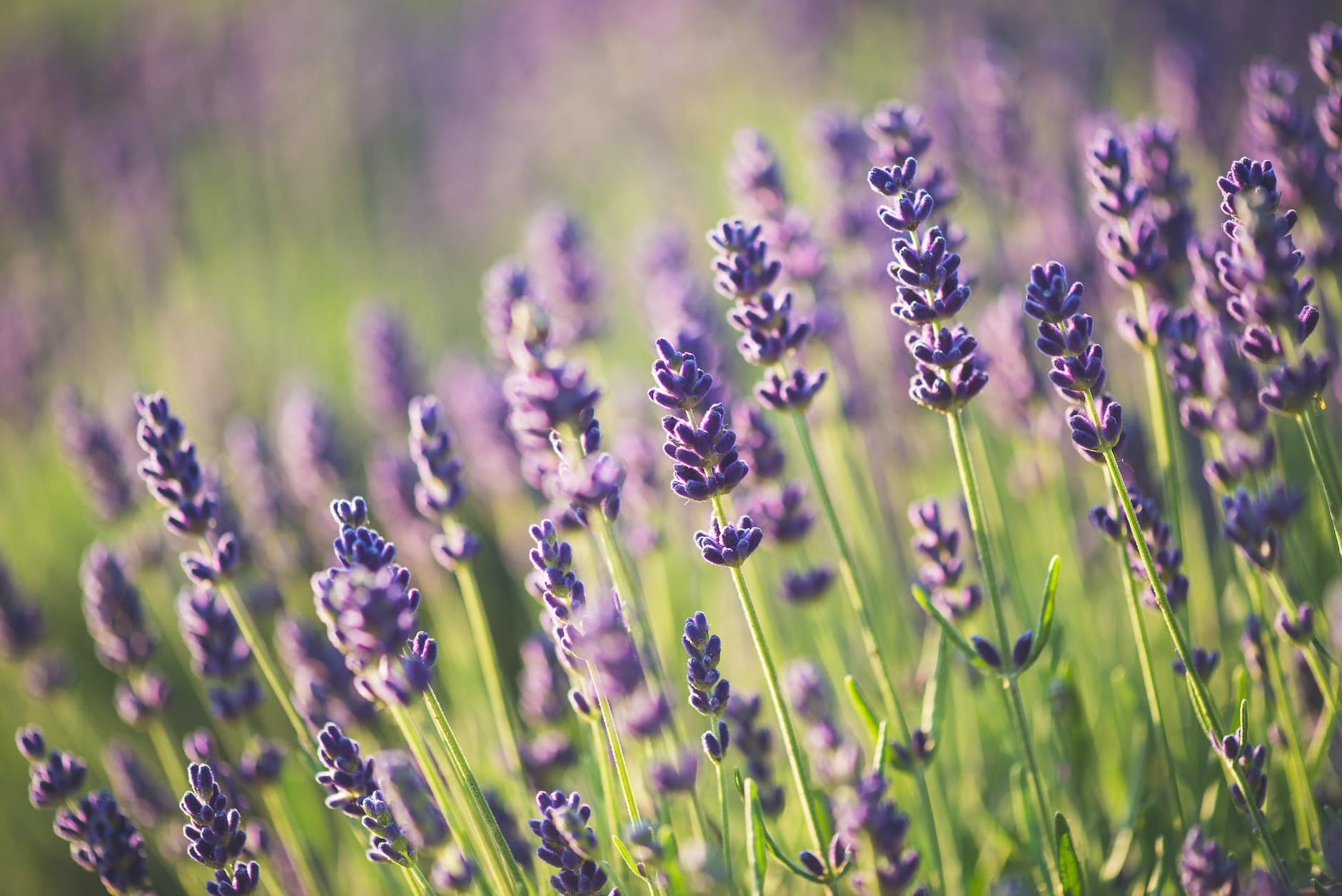
Lavender earns its place first for a reason. The plant carries a heavy load of linalool, the same compound used in commercial repellents, and the strong scent puts off mosquitoes, moths, and flies. Plant lavender in pots near doorways or along a sunny garden edge. Bonus: it pulls in bees and butterflies, which makes it a working member of any pollinator garden.
2. Basil
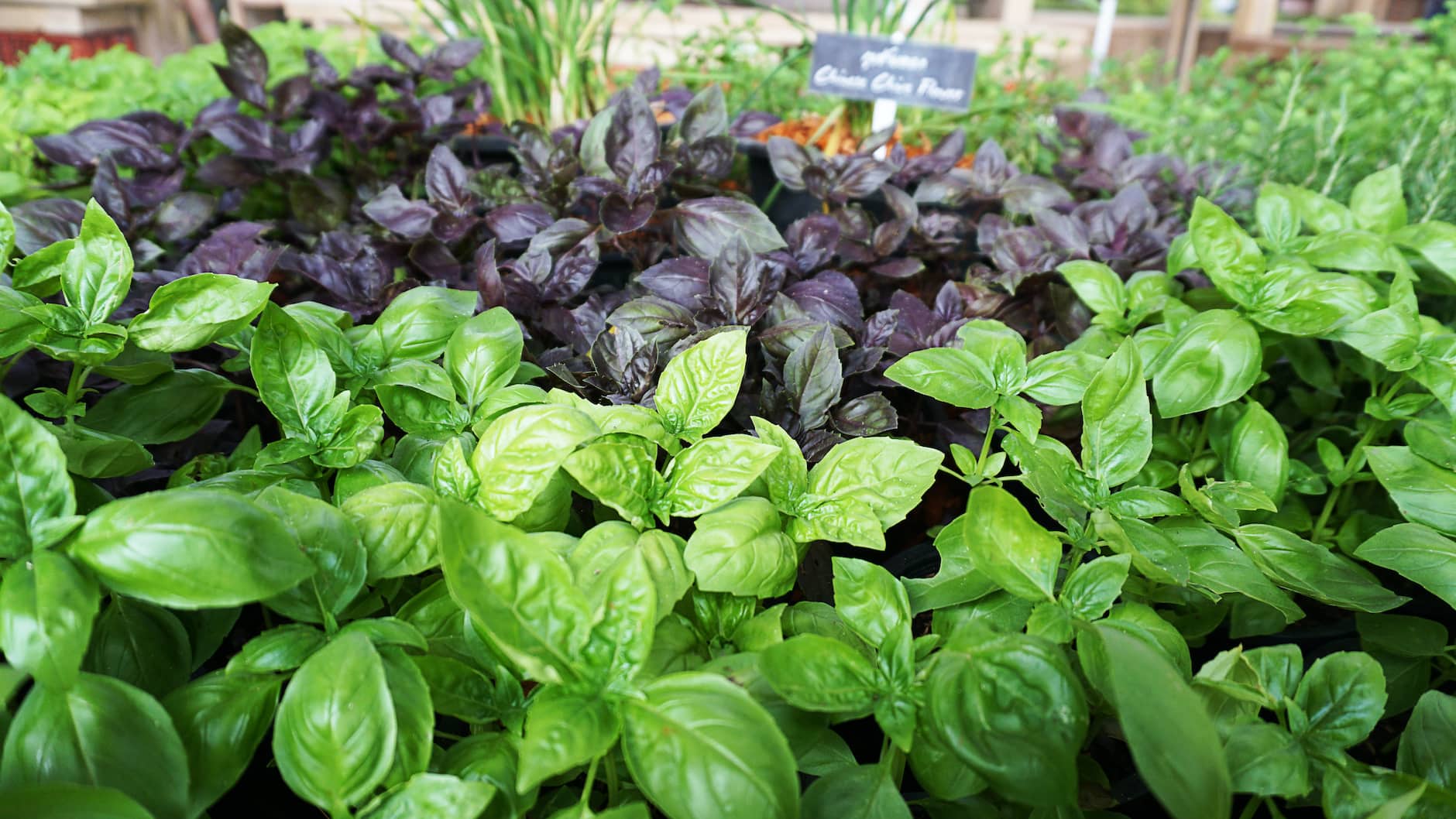
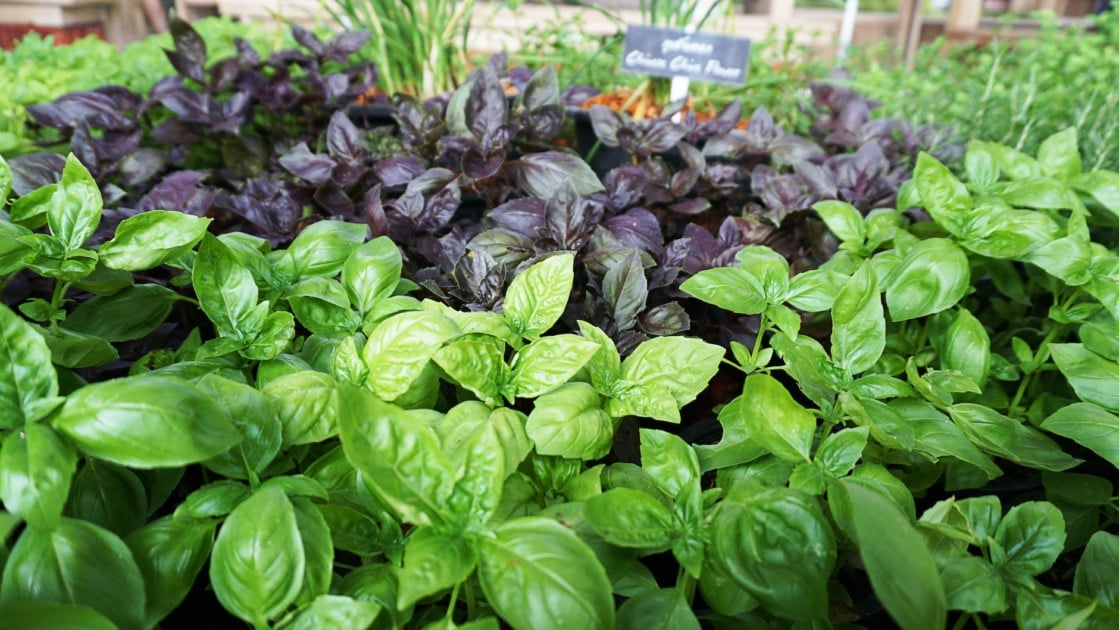
Cooks love basil. Mosquitoes, flies, and moths do not. Tuck pots of basil at the corners of your patio table, and when you head out to weed the tomatoes, crush a leaf and rub it on exposed skin as a quick natural mosquito repellent. The same oils that flavor pesto are doing the bug work.
3. Thyme
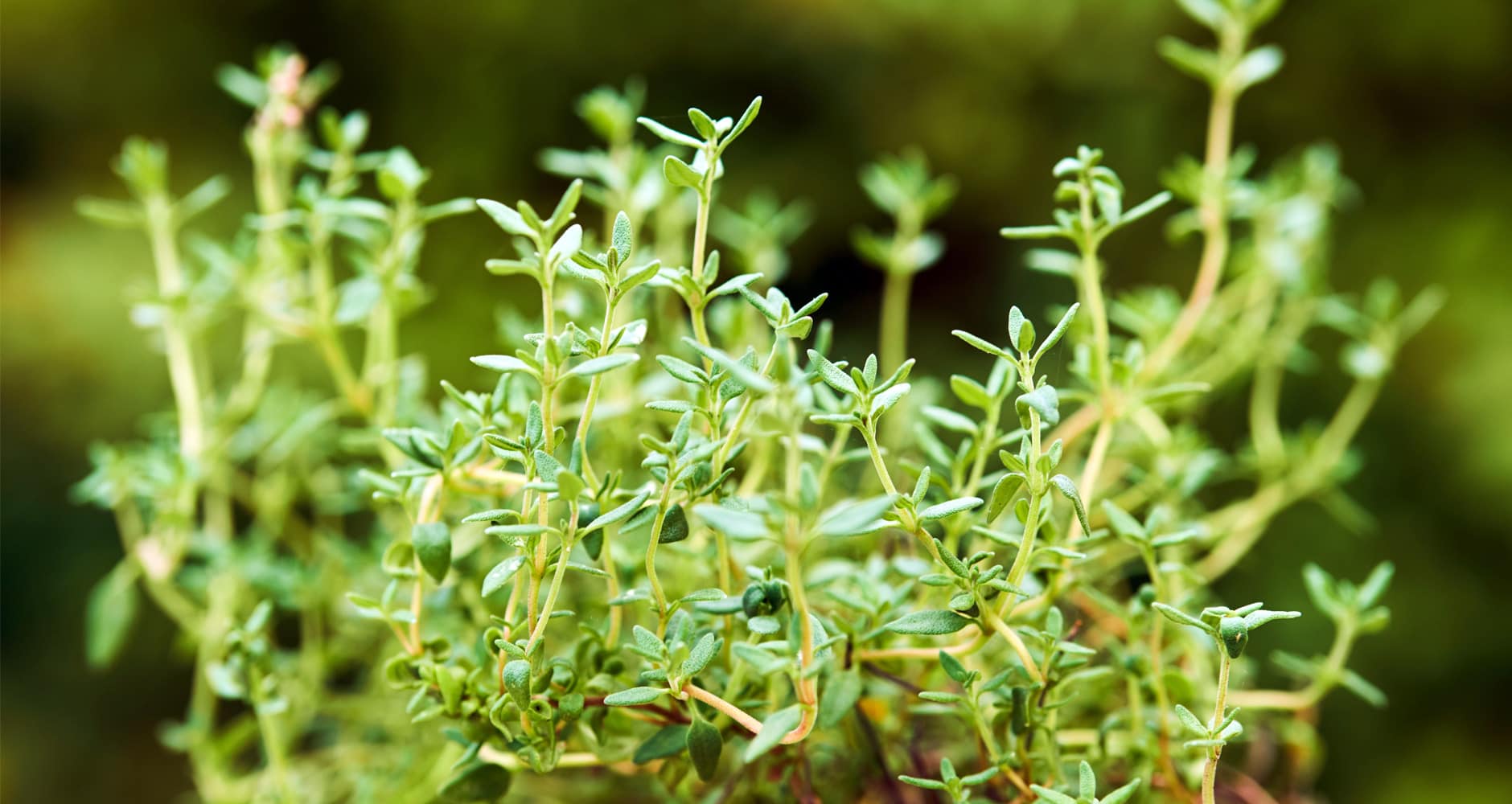
Thyme comes in many varieties and makes a tough, low ground cover for dry, rocky areas. The plant earns its reputation as a mosquito repellent once the leaves warm in the sun and release their oil. Brush past it on a path or crush a sprig in your hand to release more of the scent before sitting down outside.
4. Mint
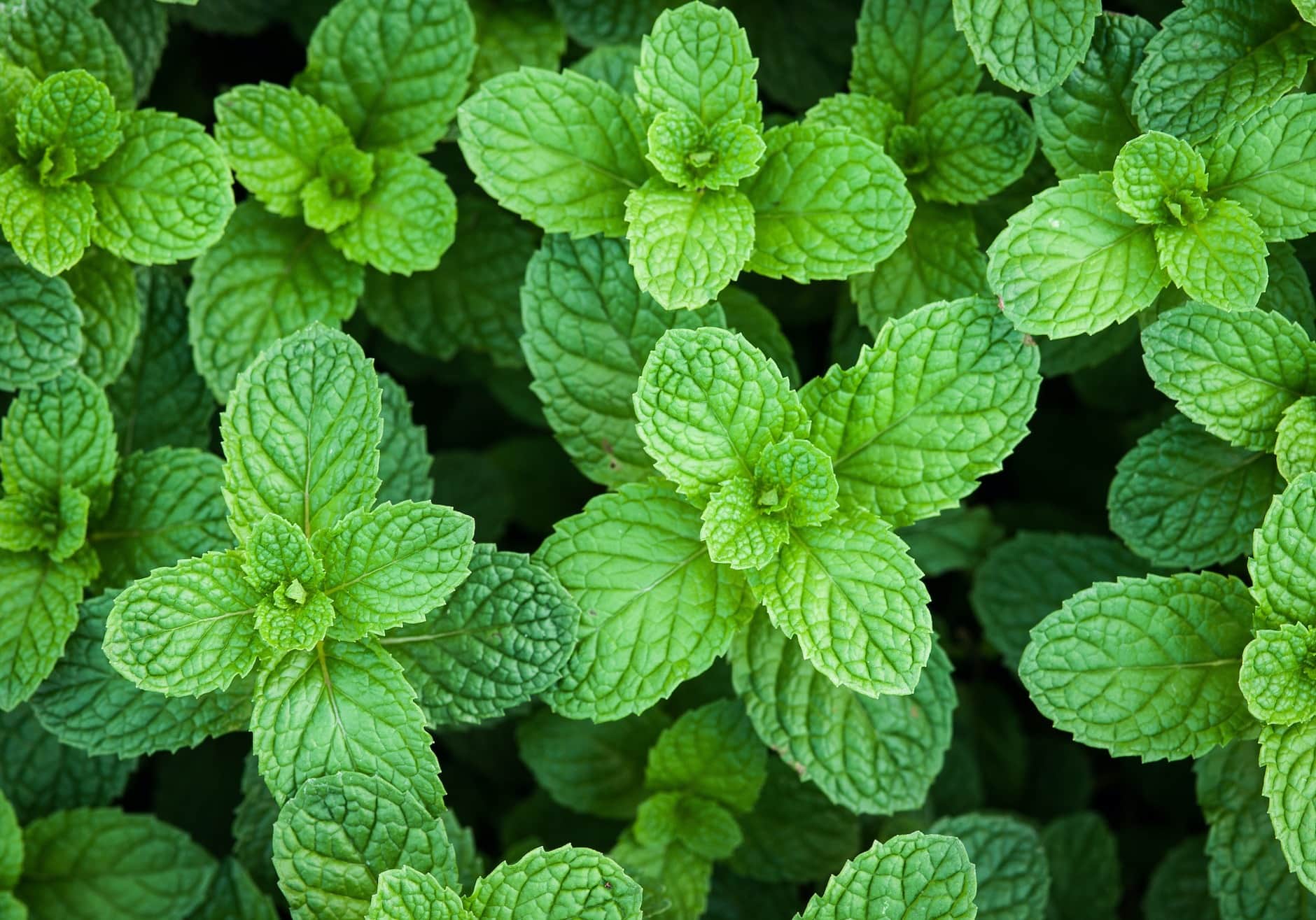
Mint is a strong natural bug repellent, but use it with care. It spreads aggressively and will take over a planting bed in a single season if you let it. Keep mint in pots and set those pots near doorways, deck stairs, and seating areas. Spearmint, peppermint, and mountain mint all pull double duty against mosquitoes, ants, and flies.
5. Lemongrass
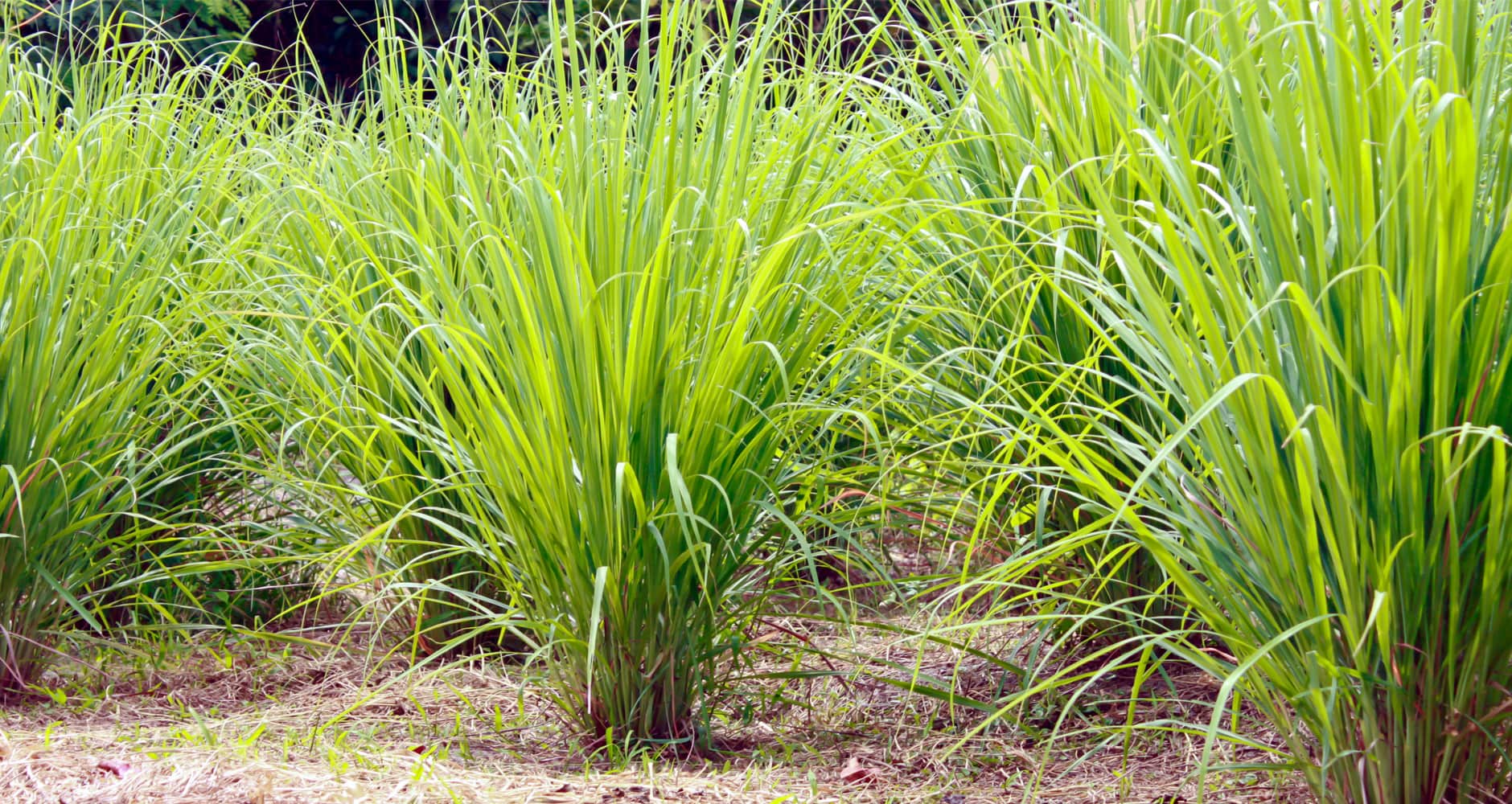
This tall, grassy plant is packed with citronella, one of the best-known alternatives to synthetic repellents like DEET. Grow lemongrass in a large pot you can move around the patio. Crush a leaf and rub it on your skin (test a small area first) for a quick natural mosquito barrier. In cold-winter regions, treat lemongrass as an annual or overwinter it indoors.
6. Alliums
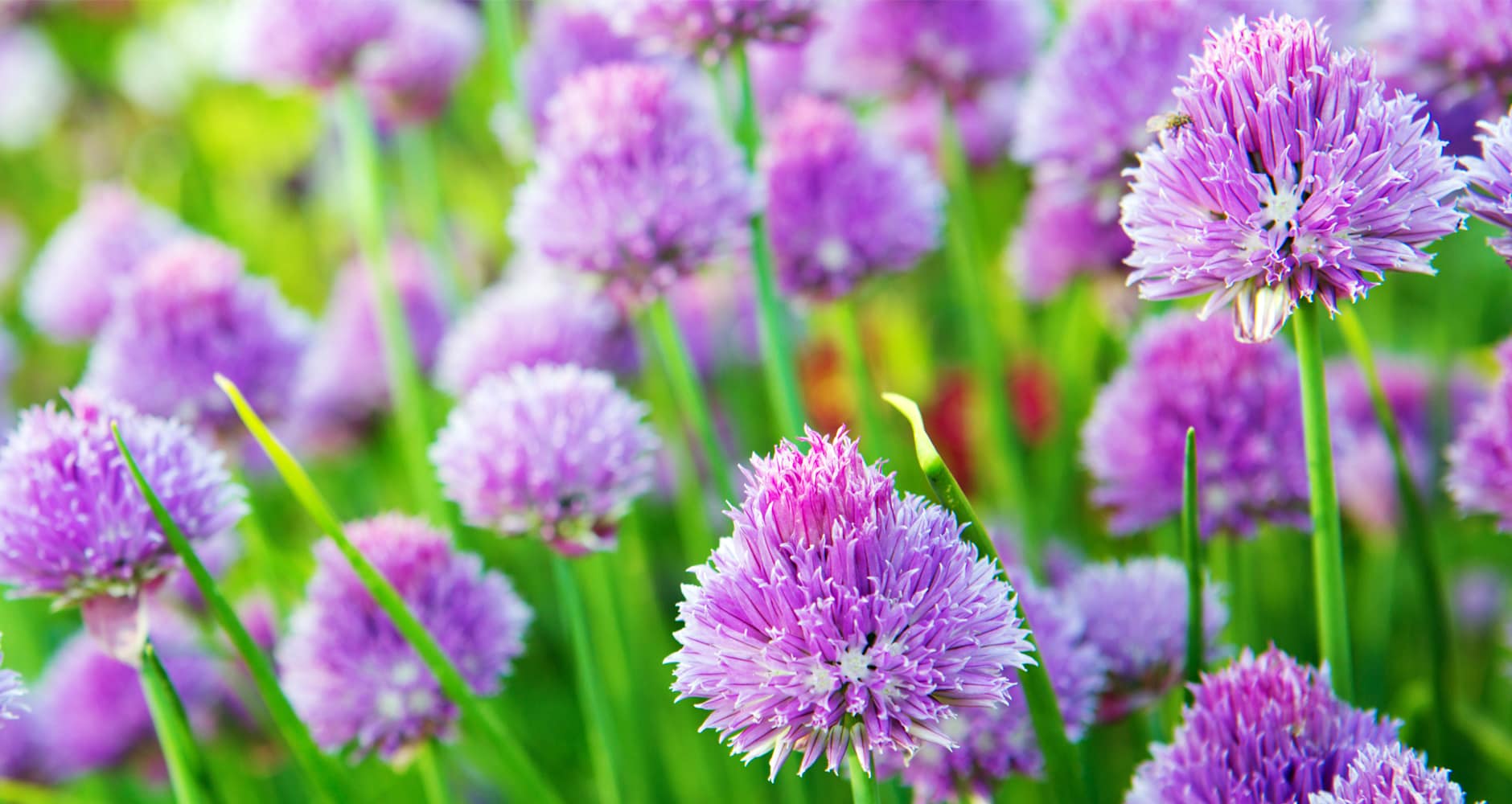
This member of the onion family is known for tall spikes topped with showy purple flower balls, though smaller varieties exist. Alliums are one of the best defenses against cabbage worms, aphids, carrot flies, and slugs, all of which dislike the sulfur compounds in the leaves. Plant alliums as a border around brassicas, carrots, and lettuce.
7. Chrysanthemums
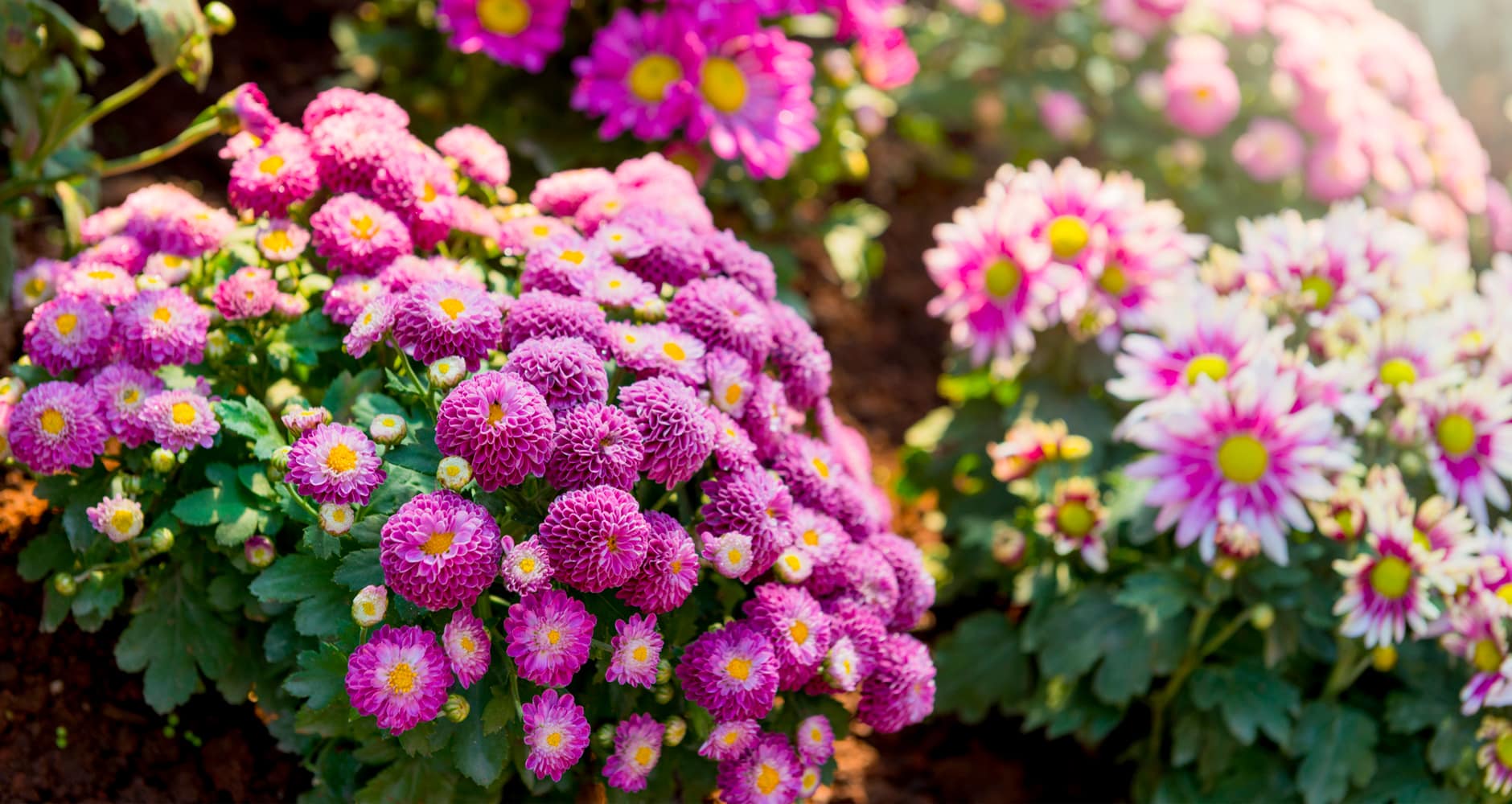
Use chrysanthemums as a border planting around the house to push back bedbugs, fleas, lice, roaches, and ants. The plants contain naturally occurring pyrethrin, the same insecticide used (in concentrated form) in many organic sprays. Mums also repel ticks, spider mites, Japanese beetles, and other common garden pests, which makes them a quiet workhorse along a foundation bed.
8. Petunias
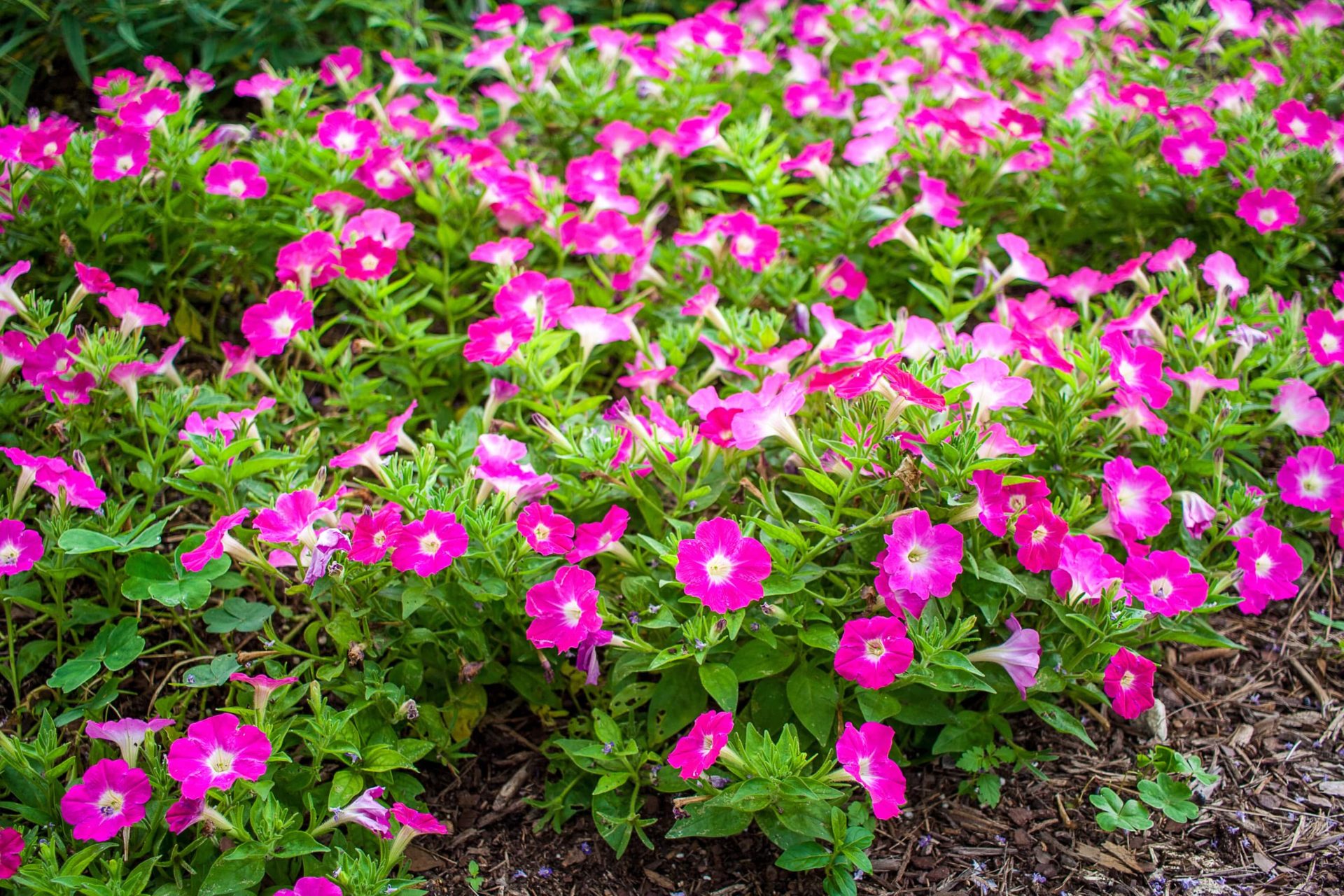
Petunias bring color, plus a real edge against leafhoppers, squash bugs, tomato hornworms, and aphids. Plant them near brassicas (cruciferous vegetables), beans, basil, tomatoes, grapes, corn, and peppers. Roses also do well when petunias sit nearby as a natural insect deterrent. Deadhead through the summer to keep the bloom and the bug protection going.
9. Marigolds
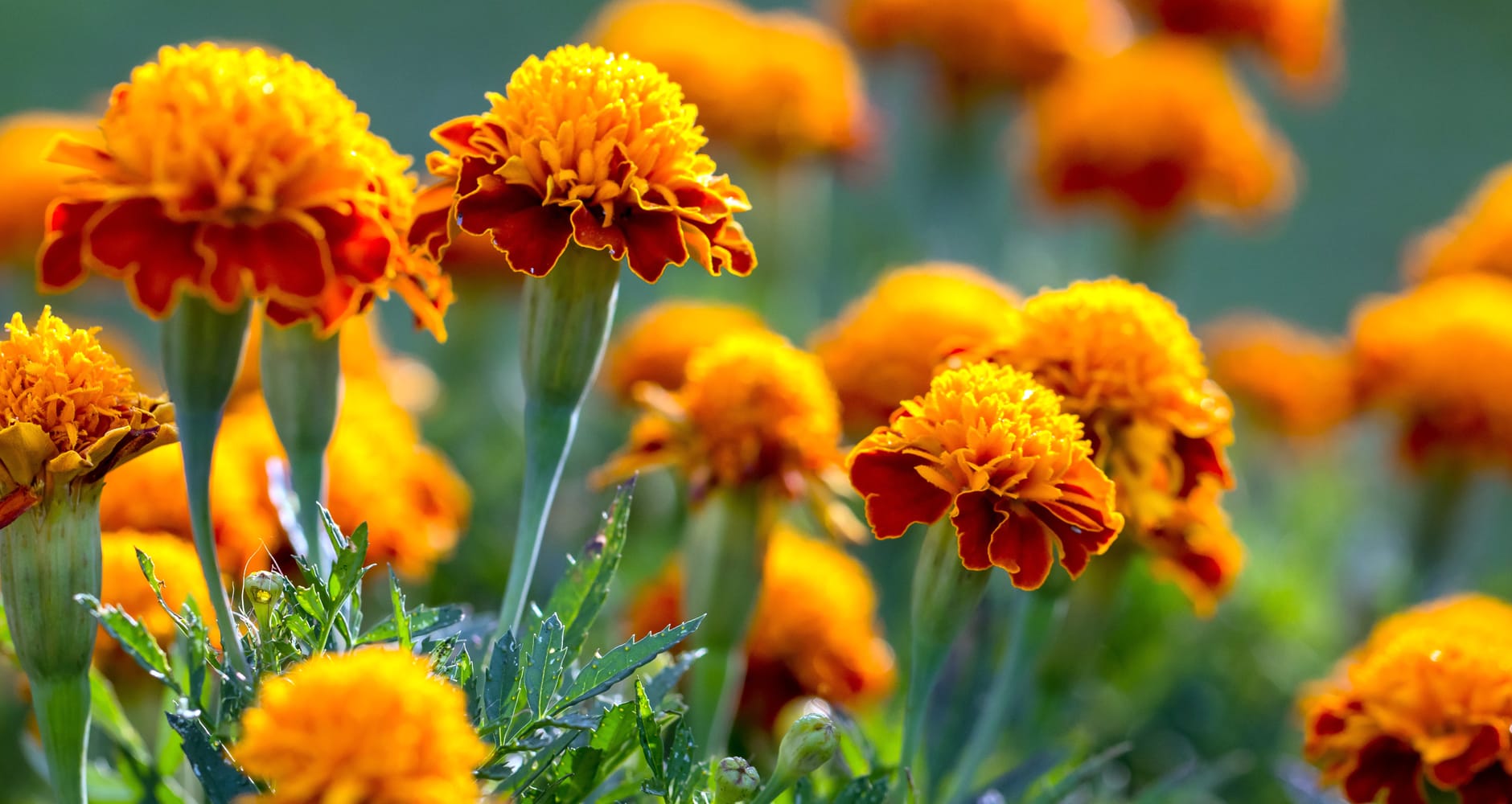
Marigolds are the most well-known insect-repelling plant on the list, and with good reason. Their scent keeps mosquitoes, cabbage worms, and other pests away, and the roots release compounds that suppress soil nematodes. Plant marigolds along the edge of your vegetable bed to attract beneficial insects, like ladybugs, that attack aphids and quietly do the cleanup work for you.
10. Mosquito Plant
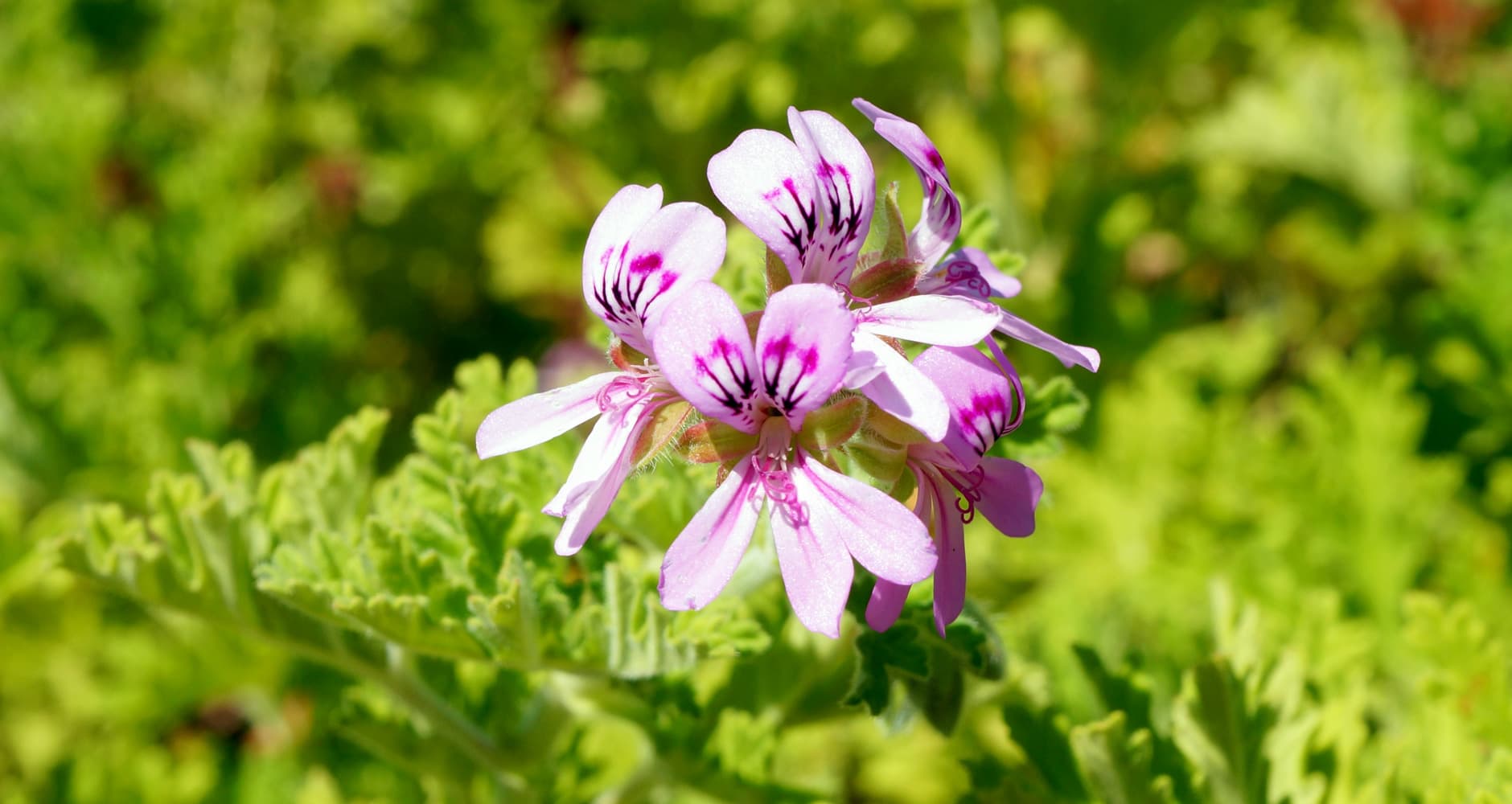
Mosquito Plant (citrosa geraniums or Pelargonium citrosum) is an attractive tropical plant with lacy green foliage, pretty flowers, and a place in the geranium family. It is prized for the citrus aroma in the leaves. They are beautiful in a backyard planter, but if you are growing them for fewer bugs, you will have to crush the leaves to release the oils, and the effect only lasts about 30 minutes. Use it as a bonus, not your main defense.
When to Plant Repellent Plants by US Region
Get the timing wrong and the plants will not be in scent-producing leaf when the bugs arrive. Use your last-frost date as the anchor and start the tender herbs (basil, lemongrass, mosquito plant) only after the soil has warmed.
Hardy perennials like lavender, thyme, mint, alliums, and chrysanthemums can go in the ground earlier, two to four weeks before the last frost in most zones. For the exact best days to plant in your region, check the Gardening by the Moon Calendar.
How to Use These Plants So They Actually Work
Where you put the plant matters as much as the plant itself. A pot of basil ten feet from the table will not protect dinner. A pot at your elbow, brushed every time you reach for the salt, will.
- Doorways and windows: Pots of mint, basil, and lavender stop bugs at the threshold.
- Patios and seating areas: Group lemongrass, mosquito plant, and lavender within arm’s reach so you can crush a leaf when needed.
- Vegetable beds: Border tomatoes, peppers, and brassicas with marigolds, alliums, and petunias.
- Foundation lines: Chrysanthemums along the house edge push back fleas, ants, and roaches.
- Pathways: Creeping thyme between flagstones releases scent as you walk on it.
Reader-agency line: pick the three plants that fit your space and your patience, not all ten. Two pots used well will out-repel ten pots ignored in the corner. For an even broader natural approach, see our companion lists on mosquito-repelling plants and herbal insect repellents you can make at home.
The Bottom Line on Plants and Bugs
Plants reduce bug pressure. They do not eliminate it. Combine the ten above with the basics: empty standing water weekly, keep screens patched, run a fan on the patio (mosquitoes are weak fliers), and time outdoor chores away from dawn and dusk. Do that and a summer evening can stay yours again, no spray can required.
Tip: bookmark this page in spring. The right time to plant most of these is late April through early June, depending on your zone.

Frequently Asked Questions
What plants keep mosquitoes and bugs away the best?
Lavender, lemongrass, basil, mint, and marigolds top the list of plants to keep bugs away. Lavender and lemongrass are strongest on mosquitoes, marigolds and alliums are strongest on garden pests like aphids and cabbage worms, and mint and basil cover the patio and doorway zone. Use three or four together rather than relying on one.
Do mosquito repellent plants really work?
Yes, with limits. The aromatic oils in these plants mask the carbon dioxide and skin scents mosquitoes track, which reduces bites. The oils have to be released, usually by sun, brushing past, or crushing a leaf, so placement matters. A still pot ten feet from your chair will not do much. A pot at your elbow that you nudge often will.
When should I plant these in my region?
Plant hardy perennials (lavender, thyme, mint, alliums, chrysanthemums) two to four weeks before your last spring frost. Plant tender herbs and tropicals (basil, lemongrass, mosquito plant) only after the last frost: early April in the Southeast, mid-May in the Mid-Atlantic, late May or early June in the Upper Midwest and New England. Check our Gardening by the Moon Calendar for the exact best days in your zone.
Can I rub these plants on my skin as a repellent?
Basil, mint, lemongrass, and lavender leaves can be crushed and rubbed on exposed skin for short-term mosquito protection. Test a small patch first, especially with lemongrass and mint, which can irritate sensitive skin. Do not rub chrysanthemums on the skin: their pyrethrin content can cause a reaction. None of these should replace a proper repellent on a long hike or in a high-mosquito region.
Are these plants safe around pets and kids?
Lavender, basil, thyme, marigolds, and petunias are generally safe in moderate contact. Chrysanthemums and alliums (onion family) are toxic to dogs and cats if eaten, so plant them out of reach. Lemongrass and mint can also cause stomach upset in pets in large amounts. If a pet chews on a chrysanthemum, call your vet.
What is the most low-maintenance bug-repelling plant?
Marigolds. They tolerate poor soil, bloom for months, repel a wide range of garden pests including soil nematodes, and reseed themselves in many regions. A close runner-up is creeping thyme: drought-tolerant, low ground cover, and releases its scent every time you step on it.


Amber Kanuckel
Amber Kanuckel is a freelance writer from rural Ohio who loves all things outdoors. She specializes in home, garden, environmental, and green living topics.
- Amber Kanuckel

- Amber Kanuckel

- Amber Kanuckel
- Amber Kanuckel





I bought a cintranella (spelling) plant for $10 at Rural King and it works really well! I have it sitting on my front porch next to where we all sit and mosquitos don’t bite. I didn’t know the repellant came from a plant. lol.. I thought it came from some sort of chemicals 😳😂🤦🏽♀️
I have a huge bamboo hedge that my neighbor planted it’s grown exponentially. Since it’s gotten so bad I now have flying roaches that are huge. I’ve sprayed cut the bamboo back but nothing is working. Can you suggest a fix?
You have to dig the roots out.
You have to dig ALL the roots out, and they are extensive and like big balls, but, it’s the only way to really get rid of it.
I love bamboo, but it can really take over really fast.
I have have hosta and the ants and spiders area eating them. I’ve tried neem oil, and borax. What else can I use?
Cinnamon helps they hate the smell!!
Spread some Diatomaceous Earth around the plants but not too close to the base.
What plants and designs can I use around my small garden pond
How do I get rid of black flies. There are terrible biters. My kids love playing in the yard. They get bit. Anyone know how to help reduce that?
This won’t work for the whole yard, but put water in a gallon size zip-lock bag. The reflection hurts their eyes. Also you can place some honey or sugar on a plate at the far end of your yard, this will keep them from the patio or perhaps where your kids play area.
I also heard that it helps to place a penny in the bag of water. Haven’t tried it yet but I need to give it a shot. I have flies bad around my pool. 🙁
with the bag sealed? or how would one do that. Thanks.
Hi Rosa,
We explain this idea here — https://www.farmersalmanac.com/fly-repellents-18899
That makes no sense… I “heard” and either did not test myself or did not research is just a lazy post.
You could say that in a lot nicer way, shame on you for being so rude Frank Smith. Yes, hanging a clear bag of water deflects flies. We do it at our patio door, so do shavings of an irish spring bar of soap, they hate the smell.
Amay, thank you for your response to Mr. Smith. Some people lash out just to hear themselves rant. Praying for you Frank.
Hi Ashely W,
We do have an article her online https://www.farmersalmanac.com/black-flies-17347 the water in the bag usually works for houseflies but we’re not certain if works for black flies. They are terrible. Good luck
This site is wrong about petunias. Asiatic beetles come out at night and devour the blossoms!
I have aphids ON my marigolds…so clearly they don’t repel them.
They don’t repel them. Aphids actually prefer them over veggies. That’s why they’re planted together, kinda like a sacrificial flower to save your crops.
I had aphids on my rose bushes and they ate the leaves so I used dawn and water 1 tablespoon to 32 oz of water and spray my leaves once or twice a week and the leaves are shining and hard for them or other bugs to stay on and you have to spray under the leaves where they love to attack the leaves
From behind …
I’ve heard that echinacea repels deer from the garden.
So do dogs
Dogs (I have 2 large dogs) are great at deer chasing, HOWEVER, they will destroy plants in the garden, unlike echinecea plants.
I learned this from my Uncle who was a farmer for 60+ years and it works. When planting tomatoes plant the tomato then a hot pepper plant then another tomato plant then another hot pepper plant and so forth. The tomatoes do not turn hot and the bugs stay away including squirrels who like to taste peppers When they find out how hot it is they will turn and go and will not come back
Companion planting makes sense! Plants don’t typically grow by themselves, they grow with other plants – they all use each others defenses. If they didn’t, they would be extinct. Monoculture is ineffective – plant your veggies with other veggies and flowers to repel pests.
I heard planting marigolds like that will have the same effect — much prettier and they repel mosquitoes as well. Also “plant bulbs that deter squirrels such as daffodils, hyacinths, allium, garlic, lily of the valley, peppermint and geraniums” to repel squirrels & other small mammals. Otherwise I’d put out *water for any wildlife, and other food far away.
I had Marigolds growing in my garden last year. I made the mistakeof letting them come back from year before. They were so very thick. When I would go into the marigolds to harvest vegetables, the mosquitoes were thick within the marigolds and swarm and attack. A the time I thought they would repel?
I have a hibiscus with aphids I tried bug be gone and hand soap mixed with water, but nothing works I am thinking it’s the plant that has no defense mechanism or the aphids have become immune. Should I give up and forget about the plant or can I spend more time making sure every square inch is treated everyday till they are gone?
Bonide All seasons Horticultural oil. This stuff is like my cure all:)
Where do you find it? Is it expensive?
just about anywhere Amazon walmart Lowes