

Natural Fly Repellents: 5 Homemade Recipes for 2026
Let's face it: flies are gross. And they can ruin your summer cookouts and adventures. Try these homemade fly repellents to get some relief!
Quick Reference: Natural Fly Repellents
- Fastest fix outdoors: a penny in a zip-top bag, three-fourths full of water, hung where the sun can hit it.
- Best indoor trap: 3 tablespoons of green apple-scented liquid soap in an open jar of water.
- Plants flies hate: basil, bay leaf, lavender, mint, peppermint, rosemary, marigolds, citronella.
- For horses: equal parts apple cider vinegar, water, and fabric softener (or Skin-So-Soft) in a spray bottle.
- The real defense: a clean kitchen, covered fruit bowl, and quick disposal of pet waste and garbage.
- Best season to use these: May through September across most of the United States and Canada.
Summer 2026 is fly season again, and the cookout, the trail ride, and the back porch all pay the price. Biting flies, house flies, and horse flies start swarming as soon as daytime highs hit the mid-60s, and they do not let up until the first hard frost. The old joke in the Almanac office is that the best fly repellent is the first frost, but most of us cannot wait that long. The good news: a handful of natural fly repellents you can mix in your own kitchen will get you through the season without spraying the patio with anything you would not put on your hands.
This guide walks through five repellents and traps that home gardeners and horse owners have used for generations, plus a regional note on when fly pressure peaks, the herbs and plants that keep flies off your countertop, and a short FAQ that answers what readers ask us every July. Everything here is a household-ingredient recipe. No chemicals, no exotic gear, no lecture.

When Fly Pressure Peaks, by Region
Fly activity is a temperature story. House flies become active around 50 F, breed hardest between 80 and 90 F, and slow down once nights dip below 50 F again. The U.S. Environmental Protection Agency notes that timing your defenses to local conditions matters more than the brand of spray you pick up, which is why a homemade fly repellent in a glass bottle can outwork a store-bought one if you put it out on the right week.
If you live where fly season is long, lean on the prevention list at the bottom of this page year-round and treat the trap recipes as a peak-week reinforcement. If your season is short and brutal, like the Canadian Maritimes or the New England black-fly stretch, build the traps before Memorial Day so they are working the day the swarm arrives. For the early-spring black fly problem in particular, our black flies guide covers the bite, the timing, and the natural deterrents that work on that specific pest.
Penny Repellent: The Zip-Top Bag Trick
Place a penny in a clear zip-top plastic bag filled about three-fourths full with water. Seal it tight, and hang it from a branch, an awning, or a porch beam where sunlight can hit it, and where the flies are plentiful. The folk explanation: the light refraction caused by the sun hitting the water and the penny confuses a fly’s complex compound eyes, and they steer clear of the area where the bag is hung.
Does it work every time? No. Entomologists have tested it and the results are mixed. But it costs a penny and a sandwich bag, and readers in the South and Midwest swear by it for porch parties and outdoor cookouts. We will say what we say about most folk remedies: the science is limited, the cost is nothing, and if it lets you eat your hamburger in peace, the tradition is doing its job.
Green Apple Soap Fly Trap
This one is the workhorse of the indoor list. Take an open container or a wide-mouth jar, add a few inches of water, and stir in 3 tablespoons of green apple-scented liquid soap. Add the soap after the water so it does not bubble up over the rim. Set it on the kitchen counter or the picnic table. Flies cannot resist the scent. When they land on the surface, the soap breaks the water’s tension and they drown.
The green apple scent is the active ingredient. Plain dish soap will not pull flies the same way. If you cannot find green apple, an apple cider vinegar trap is the close cousin: a half-cup of apple cider vinegar plus a drop or two of dish soap in a small bowl, covered with plastic wrap punched with pencil-hole openings. Either trap will fill up overnight during a heavy week.
Things Flies Hate: Herbs, Oils, and Plants
We all know what attracts flies (your picnic lunch, for example), but it is just as useful to know what they cannot stand. Some herbs and flowers repel flies just by being nearby, on countertops or growing in your garden, and they help prevent flies from using your home or yard as a breeding ground.
- Basil on the kitchen windowsill, in a pot or a cut bundle.
- Bay leaf tucked into a fruit bowl or pantry shelf.
- Cedar chips or shavings in closets and around the back door.
- Cinnamon sticks in a small bowl or simmered on the stove.
- Citrus peels (orange, lemon, grapefruit) studded with cloves.
- Citronella oil burners or candles for the porch.
- Cloves in a citrus pomander or sachet.
- Cucumber slices or peels along the windowsill.
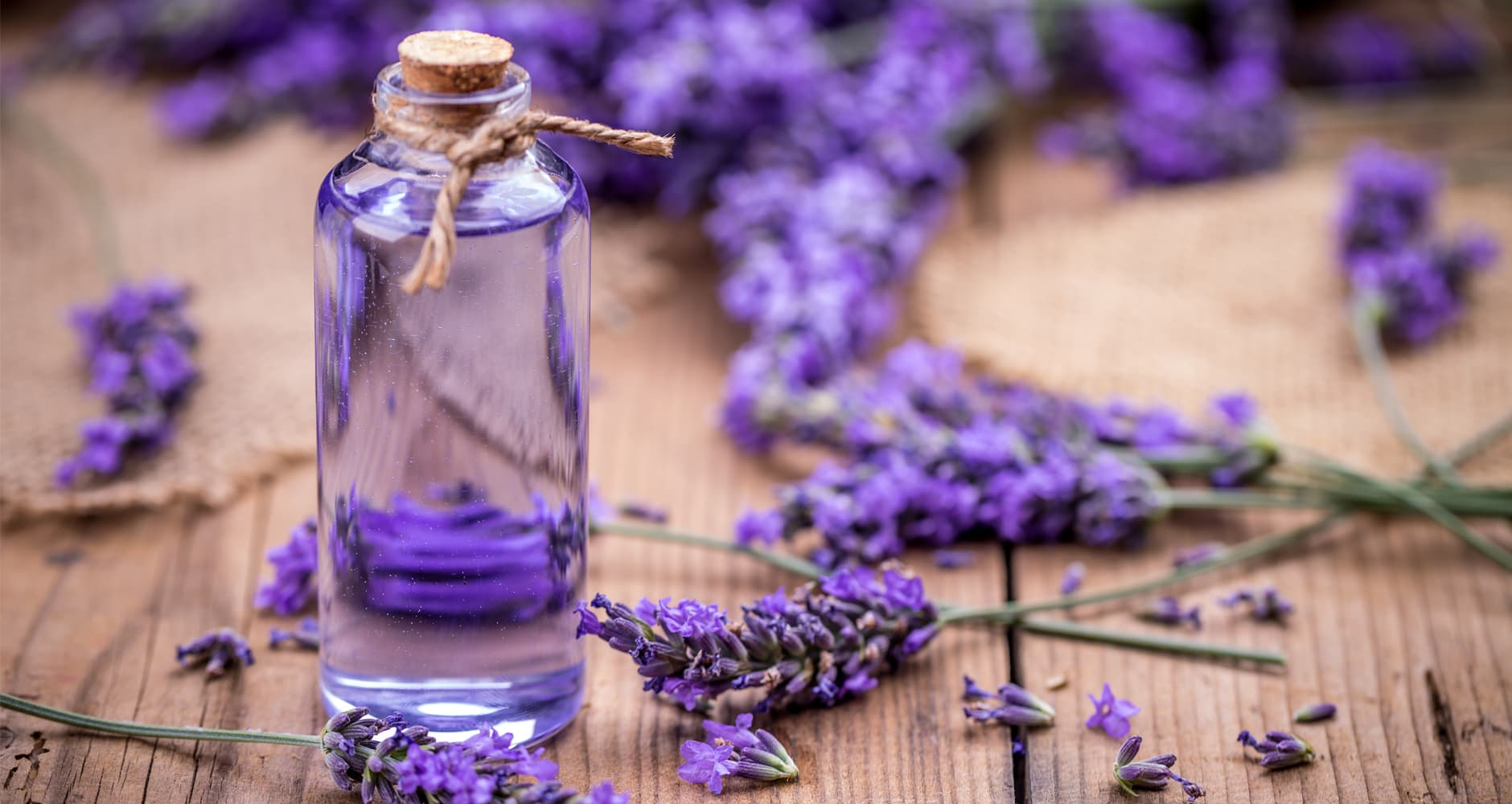
- Lavender bundles hung indoors or a lavender vinegar rinse.
- Marigolds planted as a border around the vegetable garden and patio.
- Mint and peppermint in pots near doorways.
- Pine branches or pine essential oil sprayed lightly around entry points.
- Rosemary sprigs in the kitchen or grilled on the coals.
- Vanilla oils and air fresheners (a folk favorite, mild and pleasant).
Most of these are above-ground herbs that prefer to be planted when the Moon is waxing toward full, per the Farmers’ Almanac Gardening by the Moon tradition. The Best Days dates change each month, so check the Planting Calendar before you put basil or marigolds in the ground. The herbs do double duty: they season the kitchen and keep the flies off the countertop.
Fly Repellent for Horses
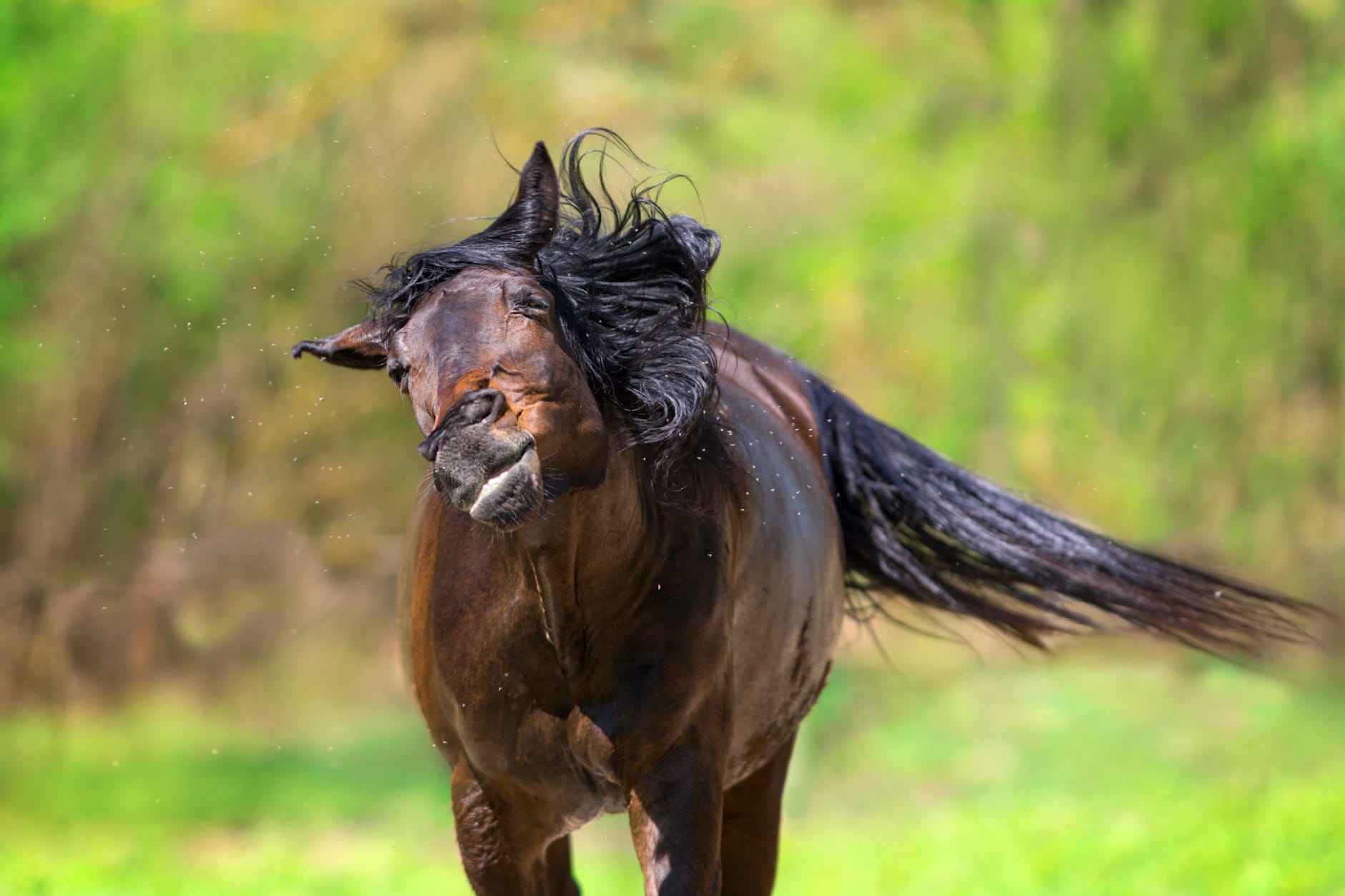
Anyone who cares for horses knows summertime flies can be especially abysmal in the barn area or out on the trail, for horse and handler alike. Horses do not like flies buzzing around their ears, and they do not have hands to shoo them away. Protective clothing for horses helps, and adding an effective repellent on top is a good idea. You can make the following sprays at home with regular household items.
Note: test a small amount on the animal first before spraying the entire body. Do not spray into the eyes or directly into the ears (spray into your hand first, then rub around the ears). Bathe away any remaining solution after your ride or workout.
- Fabric softener spray. In a spray bottle, combine equal parts liquid fabric softener, water, and apple cider vinegar. Spray on the animal before heading out on the trail.
- Skin-So-Soft spray. In a spray bottle, combine equal parts apple cider vinegar, Avon’s Skin-So-Soft, and water. You can also add a couple of drops of citronella essential oil to this mixture.
- Dryer-sheet halter trick. Tuck unused dryer sheets under the halter, where they sit close to the ears and the face without contacting skin.
Re-apply every two to three hours on heavy fly days, and always after the horse sweats through the first coat. None of these home recipes are insecticides, so they work by repelling rather than killing. If your barn has a stable-fly problem that is breeding from manure, no spray will fix it on its own, and you will need to combine the spray routine with a sanitation overhaul (see the next section).
Other Common Flies and How to Handle Them
“Fly” is a catch-all. The repellent that works for a horse fly in the pasture is not the one that works for a fruit fly on the banana bowl. A few specifics for the most common indoor and outdoor pests.
- Fruit flies in the kitchen. The apple cider vinegar trap above is the classic. Our guide to getting rid of fruit flies naturally walks through five recipes that target the small kitchen swarm.
- Love bugs on the porch. If you are in the Gulf Coast or Florida and the May and September swarms have arrived, the soap-and-water trap and citrus oils both help. See our how to get rid of love bugs guide for the regional specifics.
- Black flies in late spring. Cool-month biters that go for exposed skin and the back of the neck. Vanilla extract and lavender oil are the household defenses; check our black flies piece for the full method.
- House flies and stable flies. Sanitation first, traps second. The penny bag and the green apple soap trap both work indoors.
When the Folk Remedies Are Not Enough
If the flies in your area carry disease, or if you live in a region where biting flies and mosquitoes overlap heavily, an EPA-registered insect repellent is the right call for skin protection. The U.S. Environmental Protection Agency keeps a public-facing list of registered insect repellent active ingredients (DEET, picaridin, IR3535, oil of lemon eucalyptus) and rates the duration of protection for each. Use those on people and pets when bites are a real risk, and keep the kitchen-recipe sprays for the horses, the porch, and the countertops where you do not want chemicals.
Some Tips to Keep In Mind

In the home, the cleanest counter is the best fly defense. Quickly dispose of pet waste, take out the kitchen garbage daily during peak fly weeks, and never leave food sitting on countertops. If you keep a fruit bowl on the counter, cover it, because flies are especially attracted to apples and ripe mangoes. Wipe down counter tops with a disinfecting solution after every meal you prepare, and rinse the sink drain weekly so fruit-fly eggs do not get a start there.
- Empty the trash daily from late May through early September.
- Pick up pet waste in the yard at least every other day.
- Cover the compost with a layer of dry leaves or straw to seal the smell.
- Check window screens for tears the week before fly season opens.
- Run a small fan on the porch table during the cookout. Flies cannot fly well in a 3 mph breeze.
- Plant a herb border of basil, mint, and marigolds within ten feet of the back door.
None of this is a permanent fix, and on a 90 F July afternoon the flies will still find you. But layered together, the sanitation, the herbs, the traps, and the sprays cut the population enough that summer feels like summer again.

Natural Fly Repellents: FAQ
Do natural fly repellents actually work, or is the penny-bag trick just folklore?
Some work well, some are folklore. The green apple soap trap and the apple cider vinegar trap are physical mechanisms (scent attracts, soap breaks surface tension, fly drowns) and they work reliably. Herbs like basil, mint, lavender, and citronella have measurable repellent effects from their essential oils. The penny-in-a-bag trick is folklore with mixed scientific results, but it costs nothing and many readers swear by it for outdoor cookouts. Treat it as a low-cost porch experiment, not a guaranteed barrier.
What is the best homemade fly repellent for the kitchen?
For an active fly problem, the green apple-scented soap trap (3 tablespoons in a jar with a few inches of water) is the fastest knockdown. For ongoing prevention, a basil plant on the windowsill, a bay leaf in the fruit bowl, and a daily wipe-down of the counters with a vinegar-based cleaner do more than any single trap. Layer the two and you rarely see a fly past the first week.
Is the apple cider vinegar and Skin-So-Soft horse spray safe for daily use?
It is generally safe when mixed in equal parts and applied to the coat, not the eyes or inner ears. Test a small patch on the shoulder first and watch for any skin reaction over 24 hours before spraying the whole horse. Bathe off after exercise so the residue does not build up. Do not spray on open wounds or recently clipped skin. As always, do what is best for your animal, and check with your veterinarian if you are unsure.
What plants keep flies away from a patio or porch?
Basil, mint, lavender, rosemary, marigolds, and citronella grass are the strongest performers in pots or borders. Plant them within ten feet of the porch or doorway so the foliage releases its oils right where you sit. The Farmers’ Almanac Gardening by the Moon tradition recommends planting above-ground herbs during the waxing Moon phase for the strongest growth, which means stronger leaves and stronger repellent oils.
When does fly season start and end in the United States and Canada?
House fly activity starts around 50 F and peaks at 80 to 90 F. In most of the United States that runs from late May through early September; in the Gulf Coast and California low desert it can stretch from March to November. Across the Canadian Prairies and Maritimes, the season is short but intense, generally late June to August. See the regional table earlier in this article for the band that matches your zone.
Are natural fly repellents safe around children and pets?
The kitchen-counter recipes (soap traps, vinegar traps, herb sachets) are safe when used as written. Concentrated essential oils, especially peppermint, tea tree, citronella, and pine, can be toxic to cats and irritating to small dogs if applied directly or diffused heavily in a closed room. Use diluted oils, keep diffusers in well-ventilated areas, and ask your veterinarian before using anything on or near pets. For bite protection on people, the EPA’s list of registered repellents is the safer reference than a homemade skin spray.
What is the fastest way to clear a sudden swarm of flies in the house?
Open the windows, set up the green apple soap trap on the counter, and check every drain, garbage bag, and forgotten piece of fruit. A sudden indoor swarm usually means there is a hidden food or breeding source. Once it is removed and the trap is out, the swarm usually drops within 24 to 48 hours. Running a small fan on the kitchen table speeds things along, because flies cannot fly well in a steady breeze.


This article was published by the Staff at FarmersAlmanac.com. Any questions? Contact us at [email protected].
- Farmers' Almanac Staff

- Farmers' Almanac Staff

- Farmers' Almanac Staff

- Farmers' Almanac Staff



Don’t bother with the penny in the bag project…sure didn’t work for us!
como posso me livrar de ratos?
how do you get rid of fleas that bite, they are in my bed room esp my floor i do not have carpeting in my bedroom. Any suggestions?
Hi. Can anyone help me with how to rid my house of stink bugs? I don’t know about anyone else, but In the spring and fall stink bugs love my house. I’ve tried many things and can’t figure out how to get rid of em.
I found out if you put a small bowl of honey, wherever the flies are,they fly in ,and get stuck.Be sure not to drip any honey,or else the fly’s will just eat that honey.
Tried the penny trick… hogwash for sure.
Hi Ronnie, we’re sorry the penny trick didn’t work. The idea is to create a light refraction to confuse the fly’s many eyes. They tend to avoid distractions like that. Then If there’s no sun, you might have had poor results.
I use pine sol and water in a spray and spray it around the patio
Someone told me that Flies (even Horseflies) hate Pine-sol. So clean with it especially around doors.
I know spiders hate the smell of lemongrass.
Ants don’t care for Bay Leaves (I put them in shot glasses on my window ledge indoors.)
Fleas hate moth balls (put in vacuum then toss and clean canister or replace bag.) And wash your pet in Dawn dish detergent, leave the lather on for 5 minutes.
Also, put moth balls in your attic to repel furry critters, replace yearly, we just toss them every which way up there and no more squirrels.
Hi Matti, rather than moth balls, try cotton balls soaked in eucalyptus essential oil. Works great, without the chemicals! See #5 on the list: 5 Surprising Uses For Eucalyptus Oil
Regarding gnats – when I have a cookout at my cottage and gnats decide they are going to be where we are eating. I take a couple fans and aim them above the heads of diners and they visit the neighbors.
A flyswatter works well, but must be applied more frequently in the beginning,