

Persimmon Health Benefits: 6 Reasons to Try This Fruit
It looks like a tomato and can predict the weather, but this delicious fruit is a nutrition powerhouse. Find out why it earns the name "The Divine Fruit."
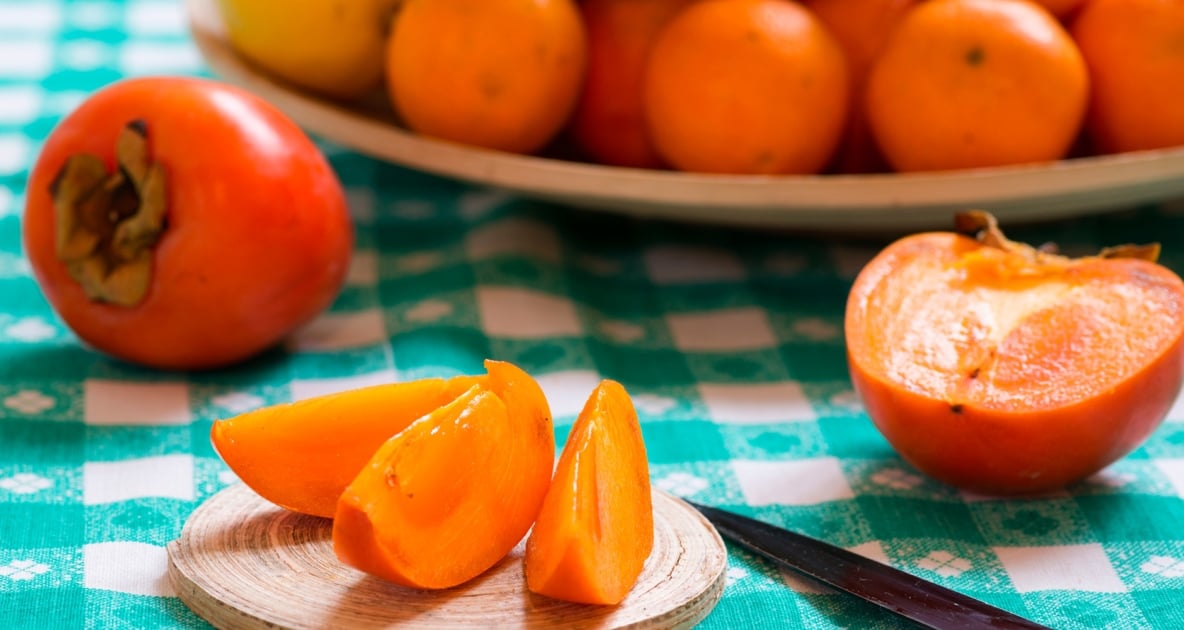
Quick Reference: Persimmon Health Benefits
- What it is: a sweet orange fall fruit, native to China, sometimes called “The Divine Fruit.”
- Nutrition per fruit: about 32 calories, 0 grams of fat, 0 mg of sodium, roughly 78 mg of potassium, and 6 grams of fiber (25% of the daily value).
- Key nutrients: provitamin A beta-carotene, vitamin C, lycopene, lutein, plus phosphorus, magnesium, manganese, copper, and calcium.
- Two types to know: astringent Hachiya (eat only when very soft) and non-astringent Fuyu (eat while still firm).
- In season: early fall through March, usually in the “exotic fruits” section of the produce aisle.
Winter weather folklore aside, there is more to persimmons than meets the eye, and the persimmon health benefits are a big part of the story. They are a soft, sweet, delicious fruit, native to China but grown in many regions around the United States. You will usually find them in your grocer’s “exotic produce” section, unless you are lucky enough to have a friend with a persimmon tree, and they can be oval or round, resembling a tomato but orange in color. Best of all, they are loaded with nutrients. There is a reason folks sometimes call this one “The Divine Fruit.”
6 Nutritional Benefits of Persimmon Fruit
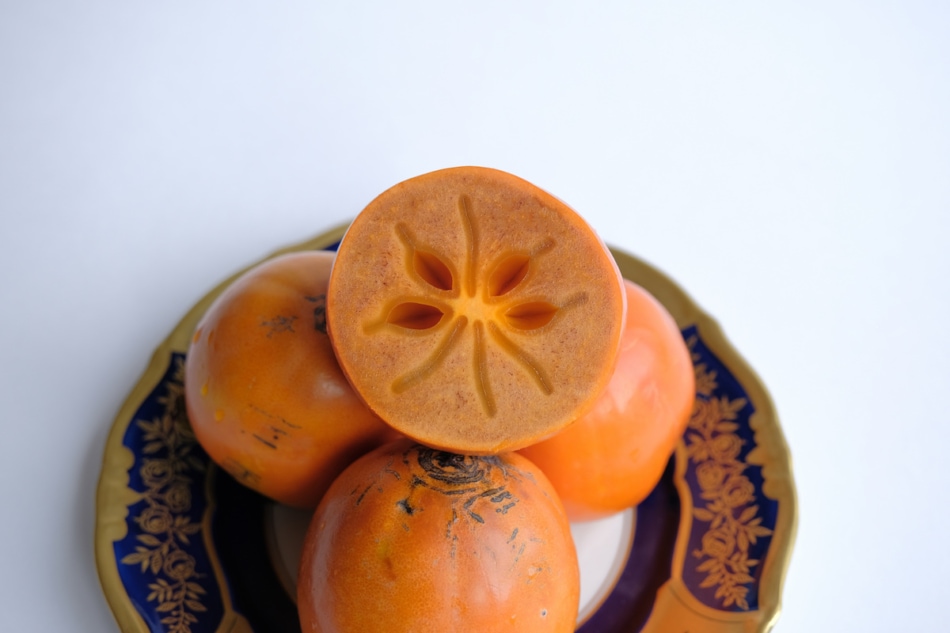
Here are 6 great reasons to give these interesting fruits a try:
- Persimmons are an excellent source of provitamin A beta-carotene, which studies show can reduce the risk of breast cancer in premenopausal women. Vitamin A is also important for healthy vision and keeps the heart, lungs, kidneys, and other organs working properly.
- Persimmons are a good source of antioxidants such as Vitamin C, which is important for a healthy immune system. It helps reduce inflammation and protect the body’s connective tissues, including bones, blood vessels, and skin. These fruits also contain the antioxidant compounds lycopene and lutein, which arm against free radicals that accelerate aging and various diseases.
- Persimmons contain healthy amounts of minerals like phosphorus, magnesium, manganese, copper, and calcium.
- Tired of bananas? Next time you want a healthy dose of potassium, reach for a persimmon fruit. The average persimmon provides about 78 mg of potassium, an important electrolyte that helps maintain the body’s fluid balance and the electrical activity of the heart and muscles.
- One persimmon fruit has only 32 calories, 0 grams of fat, and 0 mg of sodium.
- Persimmon pulp is high in fiber. One fruit has 6 grams of dietary fiber, which is 25% of the daily requirement for adults. Studies show a diet high in fiber can not only aid digestive health, but it helps you maintain a healthy weight, which lowers your risk of diabetes and heart disease. Fiber also helps keep you fuller longer, so a persimmon makes a perfect snack.
Persimmon Health Benefits at a Glance
If you like your nutrition in a single scannable box, here is what one medium persimmon brings to the table. The numbers are modest on calories and generous on fiber, which is the combination that makes this fruit such an easy snack.
| Nutrient or compound | Amount per 100 g (Japanese persimmon, raw) | Notes |
|---|---|---|
| Calories | 70 kcal | USDA FoodData Central (FDC ID 169941) |
| Dietary fiber | 3.6 g (13% DV) | Supports digestive regularity; most fiber is in the skin |
| Vitamin C | 7.5 mg (8% DV) | Antioxidant; supports immune function and collagen synthesis |
| Vitamin A (as RAE) | 81 mcg (9% DV) | Derived from beta-carotene in the orange flesh; supports vision and immune health |
| Vitamin B6 | 0.1 mg (6% DV) | Supports metabolism, neurotransmitter synthesis, and immune function |
| Manganese | 0.36 mg (15% DV) | Supports bone formation, enzyme function, and antioxidant defense |
| Potassium | 161 mg (3% DV) | Electrolyte; supports heart rhythm and muscle contraction |
| Tannins | Highest in unripe fruit; diminish as fruit softens and ripens | Cause the astringent, mouth-drying sensation in unripe persimmons; some research associates tannins with anti-inflammatory effects (PMC4817420) |
| Catechins | Present; not quantified in standard USDA tables | Flavonoid antioxidants also found in green tea and dark chocolate; associated with cardiovascular support in population research (PMC4817420) |
| Betulinic acid | Trace | Triterpenoid compound under active research; not an approved health claim; present in the peel (PMC4817420) |
| Carotenoids (beta-cryptoxanthin, lycopene) | Present in orange flesh; lycopene in red-fleshed varieties | Contribute to vitamin A activity; lycopene is also the pigment that gives tomatoes their red color |
That 6 grams of fiber is the standout. The National Library of Medicine’s MedlinePlus guide to dietary fiber notes that a fiber-rich diet supports digestion, helps steady blood sugar, and can lower the risk of heart disease. One persimmon covers a quarter of the day’s target before you have poured your morning coffee.

Persimmons in Weather Folklore
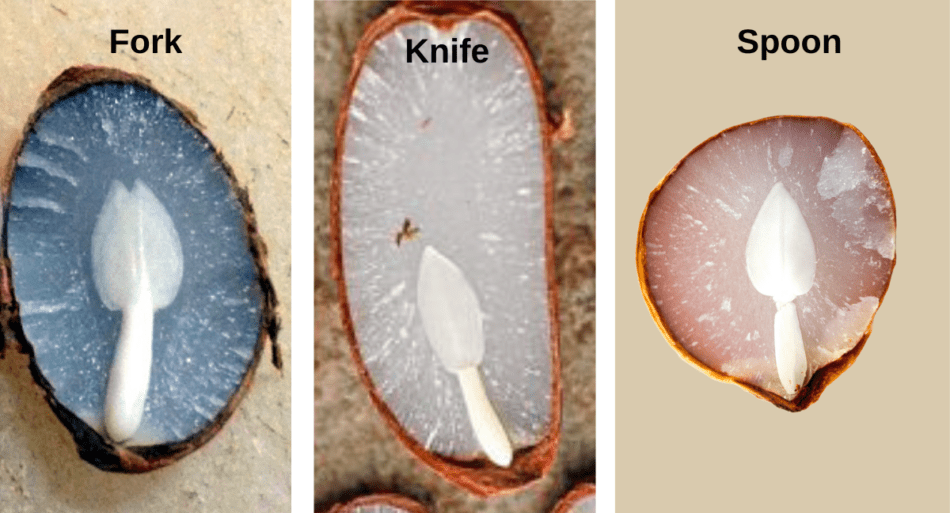
Persimmons are also known for their ties to folklore about winter weather. The seeds are said to forecast the severity of the season ahead, an Appalachian tradition that has been passed down for generations. See The Persimmon Lady’s predictions for this year!
Here is how to read one yourself. Cut open a ripe persimmon, split a seed in half, and look at the shape of the kernel inside. A fork shape means a mild winter is coming. A spoon shape means plenty of snow, enough to need a shovel. A knife shape suggests a cold, cutting winter with icy winds. For a reliable reading, folklore says to open about ten seeds and go with the shape that shows up most often. Melissa Bunker, the North Carolina forecaster known as The Persimmon Lady, has built a following by doing exactly this every autumn.
Does it hold up? Direct scientific evidence is limited, and the seeds tell you more about the growing season just past than the winter to come. Still, this is a method you can test in your own kitchen, and generations of families have enjoyed doing so. Try it against the long-range forecast and see which one calls it right.
Selecting The Perfect Fruit
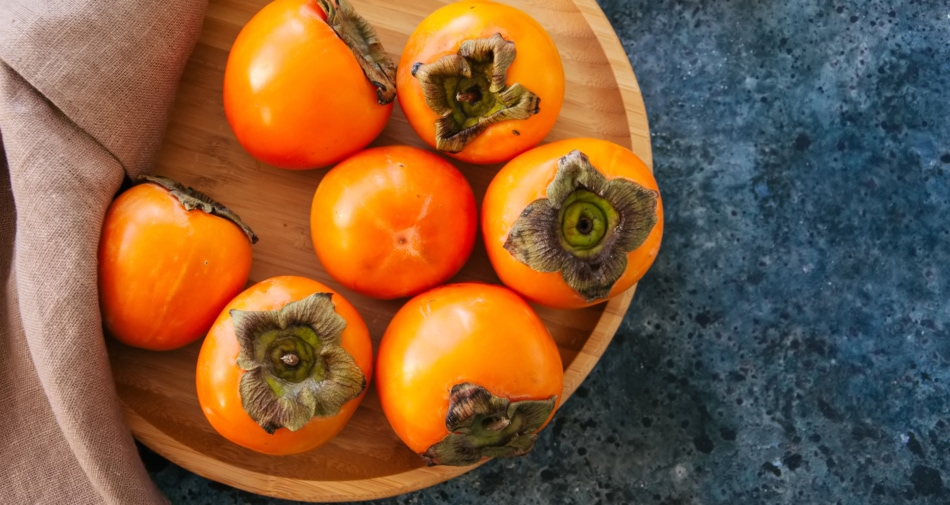
If you do not have a persimmon tree growing in your backyard, you will want to select the right fruit at the supermarket. How do you know how to pick the perfect persimmon? (Say that three times fast.) It starts with knowing your two main types.
Hachiya vs. Fuyu: Know the Two Types
There are two popular types of persimmons. Hachiya is an astringent variety that is pale and heart or acorn shaped. Take note that it is unpleasantly tart unless very ripe. Fuyu is a non-astringent variety that is orange, tomato shaped, and sweet, and it can be eaten while still slightly firm. The chart below sorts them out at a glance.
Where To Buy. Persimmons are typically available in the United States from early fall through March, in the “exotic fruits” section of the produce department. Look for plump fruit with glossy skin and no blemishes or bruises. Ripe fruit is not hard, but not mushy either.
How To Store. Ripe persimmons are soft to the touch and should be kept in the refrigerator until you are ready to eat them. Firm persimmons will continue to ripen at room temperature. To speed the ripening along, set the fruit where it will get sunlight for several days. You can also place persimmons in a container with apples, pears, or bananas to hurry them up.
How To Eat. Persimmons are ready to eat when the flesh is pressed and leaves a slight indentation. Ripe persimmons can be eaten raw by removing the flower-shaped stem and scooping out the creamy flesh with a spoon. Some say the flesh has a pudding-like consistency and tastes a bit like apricots. You can also slice the fruit into sections, peel each section, and eat the flesh, since the peel is usually removed when eating.
The pulp from ripe fruit can be scooped out and used in a number of delicious recipes. Try one of these! And if all this talk of homegrown fruit has you eyeing your own yard, our Gardening by the Moon Calendar will point you to the Best Days to plant a tree of your own.

Persimmon Health Benefits: Frequently Asked Questions
What are the health benefits of persimmon fruit?
The persimmon health benefits start with fiber and vitamins. One fruit delivers 6 grams of fiber, which is 25% of the daily value, along with provitamin A beta-carotene for vision, vitamin C for the immune system, and the antioxidants lycopene and lutein. It also carries potassium and minerals like magnesium and manganese, all for only about 32 calories.
How many calories are in a persimmon?
One persimmon fruit has only about 32 calories, with 0 grams of fat and 0 mg of sodium. It also provides roughly 78 mg of potassium and 6 grams of fiber, which is why it makes a filling snack that will not weigh down your day.
What is the difference between Hachiya and Fuyu persimmons?
Hachiya is the astringent type, pale and heart or acorn shaped, and it is unpleasantly tart unless it is very soft and fully ripe. Fuyu is the non-astringent type, orange and tomato shaped, sweet enough to eat while still slightly firm. If you are new to persimmons, start with a Fuyu.
How do you know when a persimmon is ripe?
Press the fruit gently. A ripe persimmon is soft and leaves a slight indentation when pressed, not hard and not mushy. Firm persimmons will keep ripening at room temperature, and you can speed things up by setting them in the sun for a few days or storing them with apples, pears, or bananas.
Can persimmon seeds really predict the winter weather?
Folklore says yes. Slice a seed and look at the kernel: a fork means a mild winter, a spoon means heavy snow, and a knife means a cold, cutting season. Direct scientific evidence is limited, since the seed reflects the growing season just past more than the winter to come. It is a fun tradition to test at home, and you can weigh it against our long-range forecast.
When are persimmons in season and where can I buy them?
Persimmons are typically in season from early fall through March. Look for them in the “exotic fruits” section of the produce department. Choose plump fruit with glossy skin and no blemishes or bruises, and remember that a ripe one gives slightly when pressed.


This article was published by the Staff at FarmersAlmanac.com. Any questions? Contact us at questions@farmersalmananac.com.
- Farmers' Almanac Staff

- Farmers' Almanac Staff
- Farmers' Almanac Staff
- Farmers' Almanac Staff





Persimmon cleans the blood I didn’t know this fruit I tasted it and fell in ,love
Persimmon cleans the blood I didn’t know what it was after reading it’s wonders i hit the jackpot delicious fruit
Freezing is the perfect way to preserve Haichaya (spelling) Persimmons. Pick them while they are still hard, but no more green showing and let them sit on the counter until they resemble water balloons. Soft and translucent. Then you can either freeze them whole or “squeeze” them into plastic bags, or what ever container is convenient for you. If you squeeze them into bags, you can remove the skin, although I eat them both with and without the skin. Flatten them out before freezing and then you can just slice off whatever amount you need after they are frozen, in smoothies, toppings for ice cream.. or just plain eating out of a bowl..
They taste like persimmon sherbet. You can also eat them frozen whole, just take them out of the freezer and let them thaw for just a few minutes and slice off pieces and munch away. I’m drooling just writing this.. They keep for a couple of years in the freezer prepared this way and don’t lose any if their taste.
We had wild persimmon trees on my Grandmother’s farm in Va. The trick was getting to them before the raccoons did. We usually lost the race! My daughter now lives on the Eastern Shore, and when I visit her in ” ‘simmon ” season we walk a path near her beach where the wild trees provide lots ore fruit than her local raccoons can eat. The fruit is sweetest after an early, light frost.
I live in Florida and am lucky to have a persimmon tree. This year it is loaded with fruit.how can I save them from spoiling. Ty
I tried a persimmon for the first time and it was delicious. I have yet to try one of the recipes. I would really like to see more recipes and information, on Persimmons.