

11 Unusual Winter Traditions From Around The World
Dress like a bear? Toss a shoe? We found some of the craziest wintertime customs and celebrations from near and far.
Quick Reference: 11 Unusual Winter Traditions
- What this is: a tour of 11 winter customs from around the world, most tied to the December Solstice, that most Americans have never heard of.
- Anchor date: the astronomical winter solstice falls on Monday, December 21, 2026 at 10:03 a.m. Eastern Time.
- Oldest custom on the list: Saturnalia, a Roman winter-solstice festival dating to at least 217 BC.
- Newest custom on the list: the polar bear plunge, which spread across the United States and Canada in the 20th century as a charity ritual.
- Most-searched by American readers: the Christmas pickle, the Yule log, and the Krampus Run.
- Underlying theme: almost every winter tradition, sacred or silly, is a way of coaxing the sun back after the shortest day of the year.
Winter, especially in December, is often associated with holidays like Christmas and Hanukkah. Around the world, though, dozens of winter traditions honor the change of seasons in ways that have nothing to do with a tree, a stocking, or a menorah. You may know the Yule log. You probably do not know the Yalda watermelon, the shoe toss over the shoulder, or the radish carvers of Oaxaca. Below are eleven of the more unusual customs, the folklore that produced them, and where they still live on today.
According to timeanddate.com, the December Solstice sits behind almost every entry on the list. When the sun hits its lowest point in the northern sky, ancient communities from Scandinavia to Persia to Rome answered with fire, feasts, and folklore designed to pull the light back.
11 Unusual Winter Traditions
1. The Feast of Juul (Yule Log)
The present-day custom of lighting a Yule log at Christmas is believed to have originated with the Feast of Juul. This was a Winter Solstice festival observed in Scandinavia when fires were lit to symbolize the heat and light of the life-giving Sun. A Yule or “Juul” log was burned on the hearth in honor of the Scandinavian god Thor.
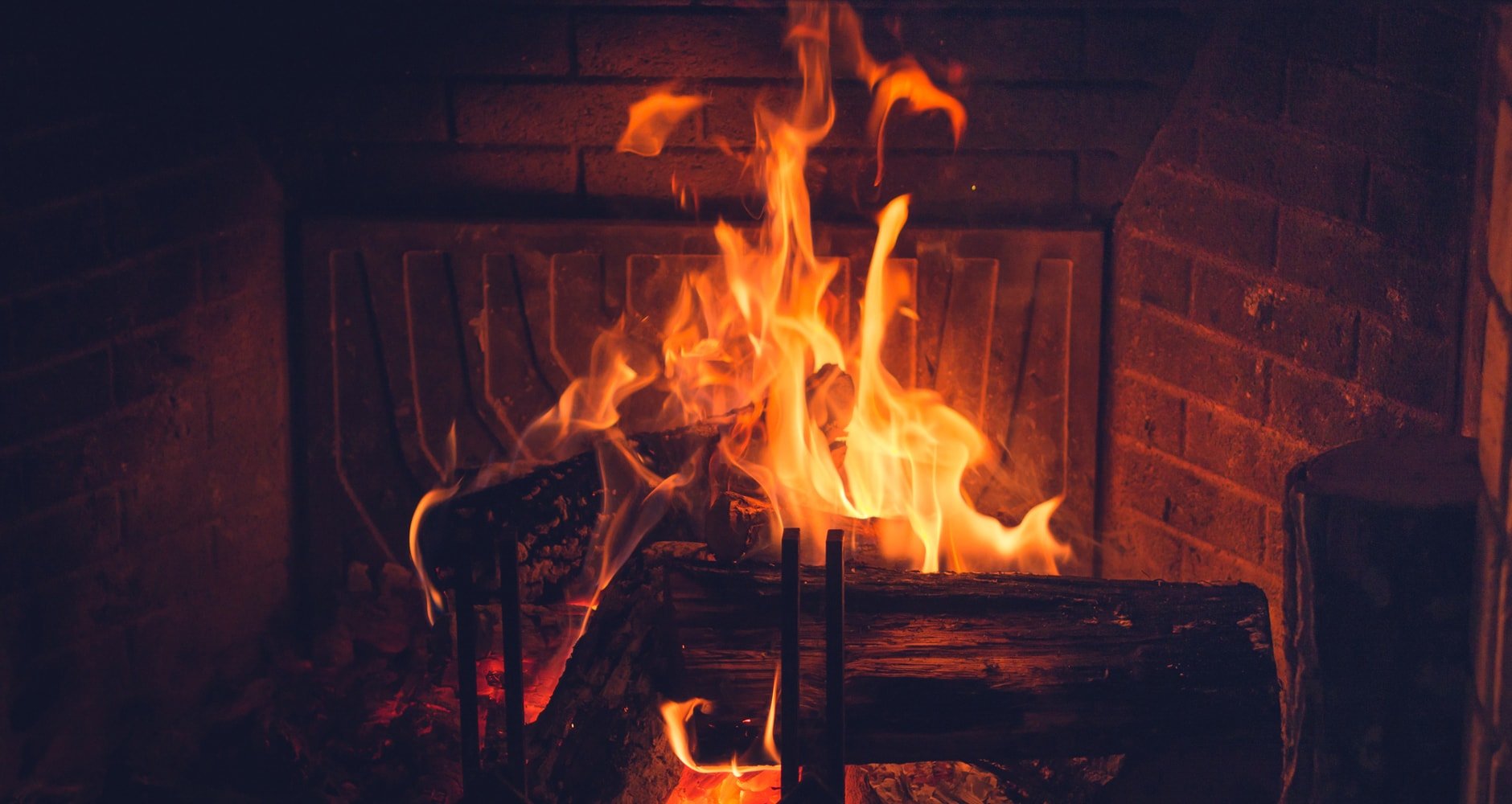
The log was never allowed to burn completely and was kept as a token of good luck, then used as kindling to start the following year’s log. In other European countries, the Yule log was burned until nothing but ashes remained, which were collected and spread into the fields as fertilizer every night until Twelfth Night, or worn around the neck as a charm.
2. Shoe Toss
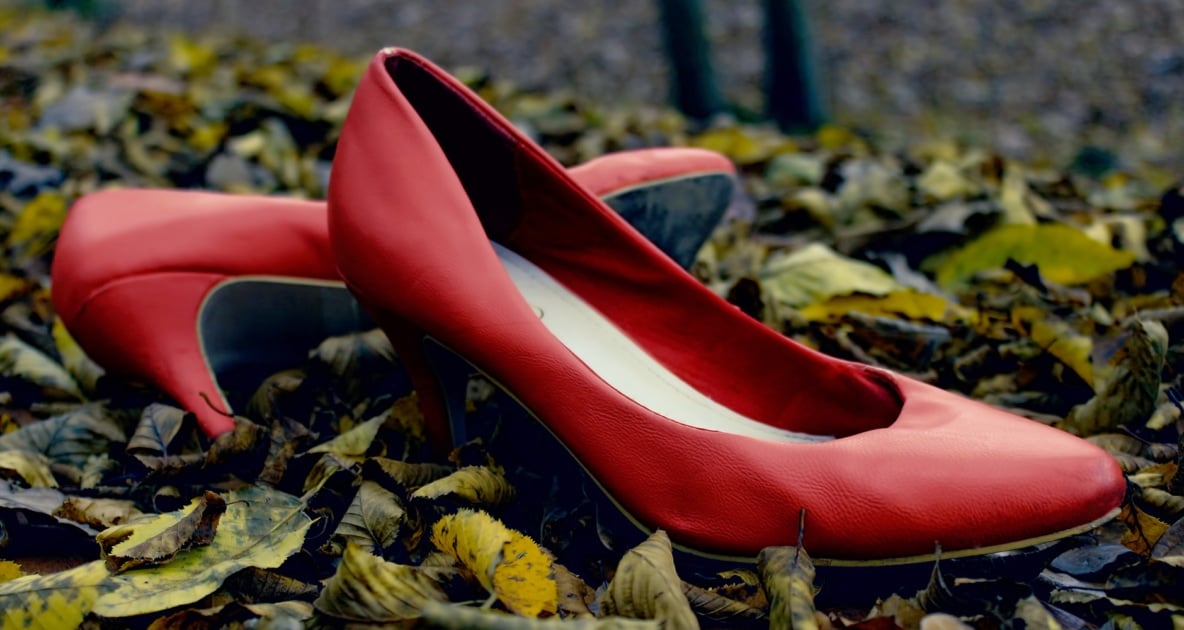
On Christmas Day in the Czech Republic, single women take part in a fortune-telling tradition to see what the coming year holds. Standing at the front door, each woman throws one shoe backwards over her shoulder toward the house. If the shoe lands with the toe pointing at the door, she will marry inside a year. If it lands with the heel toward the house, she will remain single throughout the next year.
3. Dongzhi Festival
Dongzhi festival is a Chinese celebration that marks the arrival of the Winter Solstice. It is closely tied to the concept of Yin and Yang. According to Chinese philosophy, Yang represents the positive while Yin represents the negative. After the solstice, positive elements, such as longer daylight hours and an increase in positive energy, become stronger. Families come together during this festival to enjoy a plentiful meal, often including dumplings. This tradition is rooted in an ancient legend where a compassionate physician fed dumplings to the homeless to protect their ears from frostbite. As a result, some dumplings served during the festival are shaped like ears.
4. Ursul, The Bear Dance
In Romania, carolers dress in bear costumes and dance on New Year’s Eve to drive away evil spirits and enrich the soil for the new year. Even though the bear costumes can look scary and sinister, the ritual is a time of joyful celebration and a rich tradition passed down through generations. The costume is usually a genuine bear pelt, often loaned from village to village.
5. Yalda Night
This is a celebration of the Winter Solstice in Iran, and one of the most important festivities of the year. The term “Yalda” means birth, and the festival commemorates the longest and darkest night of the year. According to ancient Persian beliefs, this night was dominated by malevolent forces, while the following day belonged to Ahura Mazda, the Lord of Wisdom.
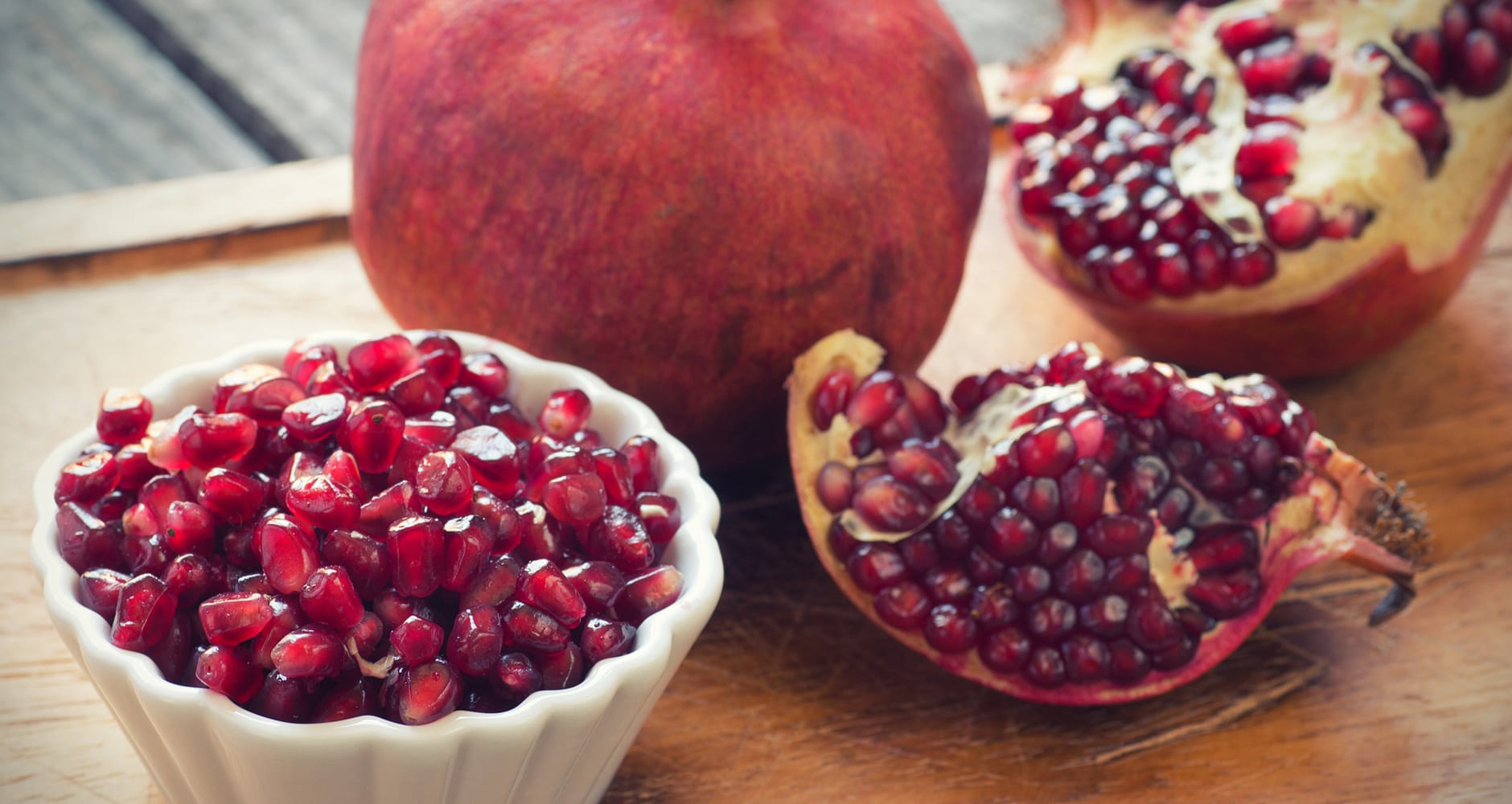
During Yalda, family members gather together to eat, drink, and recite the poetry of Hafez throughout the night. Watermelon and pomegranates, symbolic of the cycle of life, are served alongside nuts and dried fruit.
6. Saturnalia
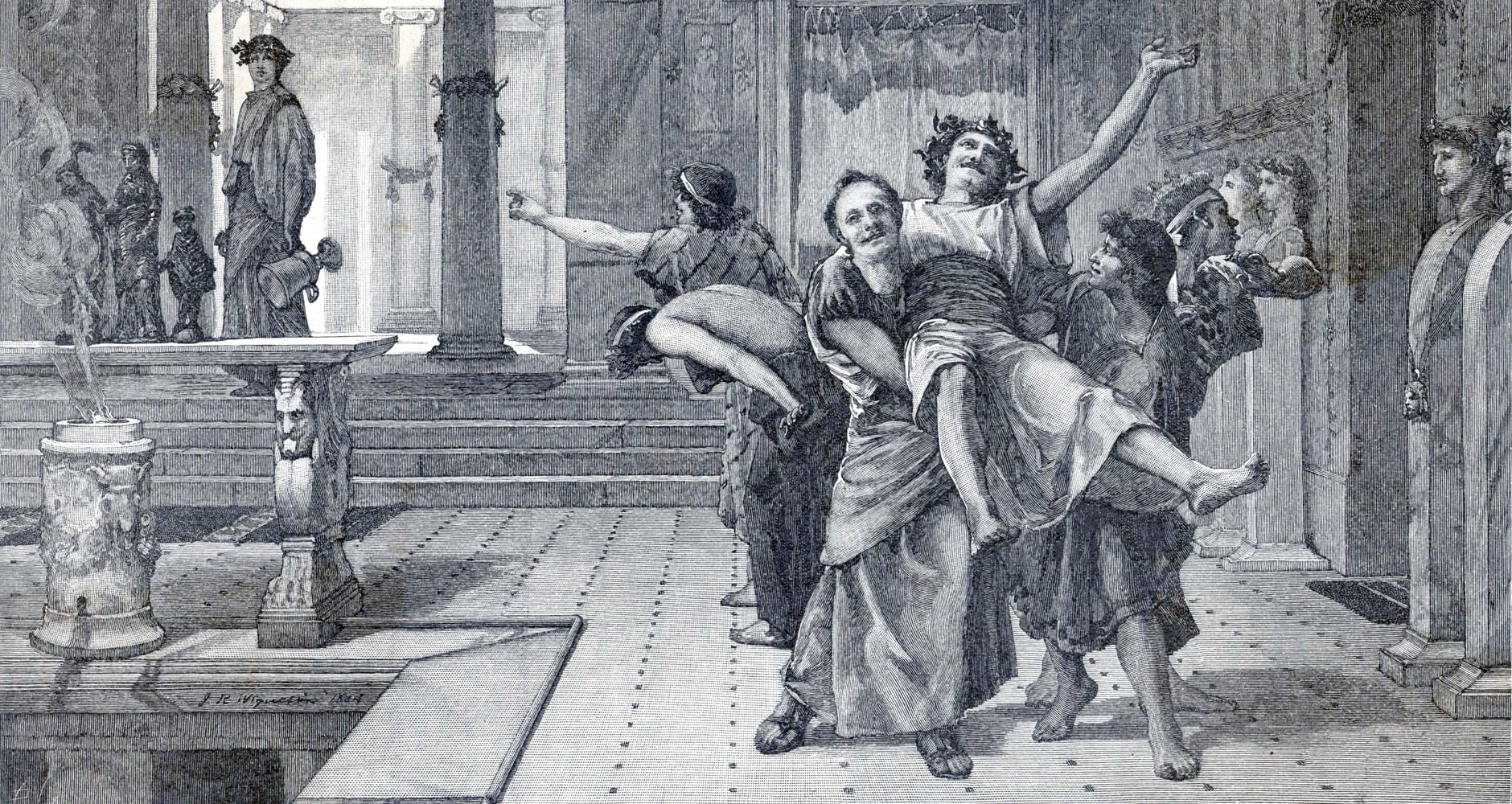
Saturnalia was an ancient Roman winter solstice festival held in honor of Saturnus, the Roman god of agriculture and harvest. It began on December 17 and lasted for seven days, and was characterized by the “suspension of discipline and reversal of the usual order.” Grudges were forgiven, wars were interrupted, and people engaged in carnival-like festivities. Some of the festival’s customs have influenced our present-day Christmas and New Year celebrations, including the exchange of gifts and the decoration of homes with greenery.
7. Krampus Run
In Austria, Krampus visits children in early December, but unlike Santa his visit is not welcome. Krampus seeks out only naughty children to punish them, and if he finds a particularly naughty one, he takes that child away with him in his sack. The celebration comes when people dress up as witches and devils and take to the streets, carrying torches and causing mayhem for the annual Krampus Run, which is designed to scare the “devil” out of people. The run traditionally happens on the night of December 5, the eve of the Feast of Saint Nicholas.
8. Hiding of Brooms
In Norway, it is a tradition for people to hide their brooms on Christmas Eve before going to bed. The custom comes from the old belief that witches and various mischievous spirits would steal brooms from households in order to ride them on Christmas Eve. Broomsticks tucked in a closet, cupboard, or under the bed keep them out of the wrong hands until the morning of Christmas Day.
9. Night of The Radishes
Known as Noche de los Rabanos, and held in Oaxaca, Mexico, this is a three-day festival that begins on December 23. Residents carve oversized radishes into scenes from the Nativity, Mexican folklore, and daily village life. Farmers began carving radishes into figures as a gimmick to attract customers’ attention during the Christmas market. It later turned into a formal competition, and today attracts thousands of visitors who want to see the veggie creations.
10. Polar Bear Plunges or Dips
These events are held annually in January throughout many parts of the Northeastern United States and Canada to ring in the new year. Participants brave often sub-zero temperatures and plunge into a nearby body of water quickly, foregoing wetsuits. The events are usually held to benefit a charity or to bring awareness to a cause. Coney Island in New York runs a plunge on New Year’s Day that has drawn crowds since 1903, and the L Street Brownies in South Boston have plunged into the Atlantic every January 1 since 1904.
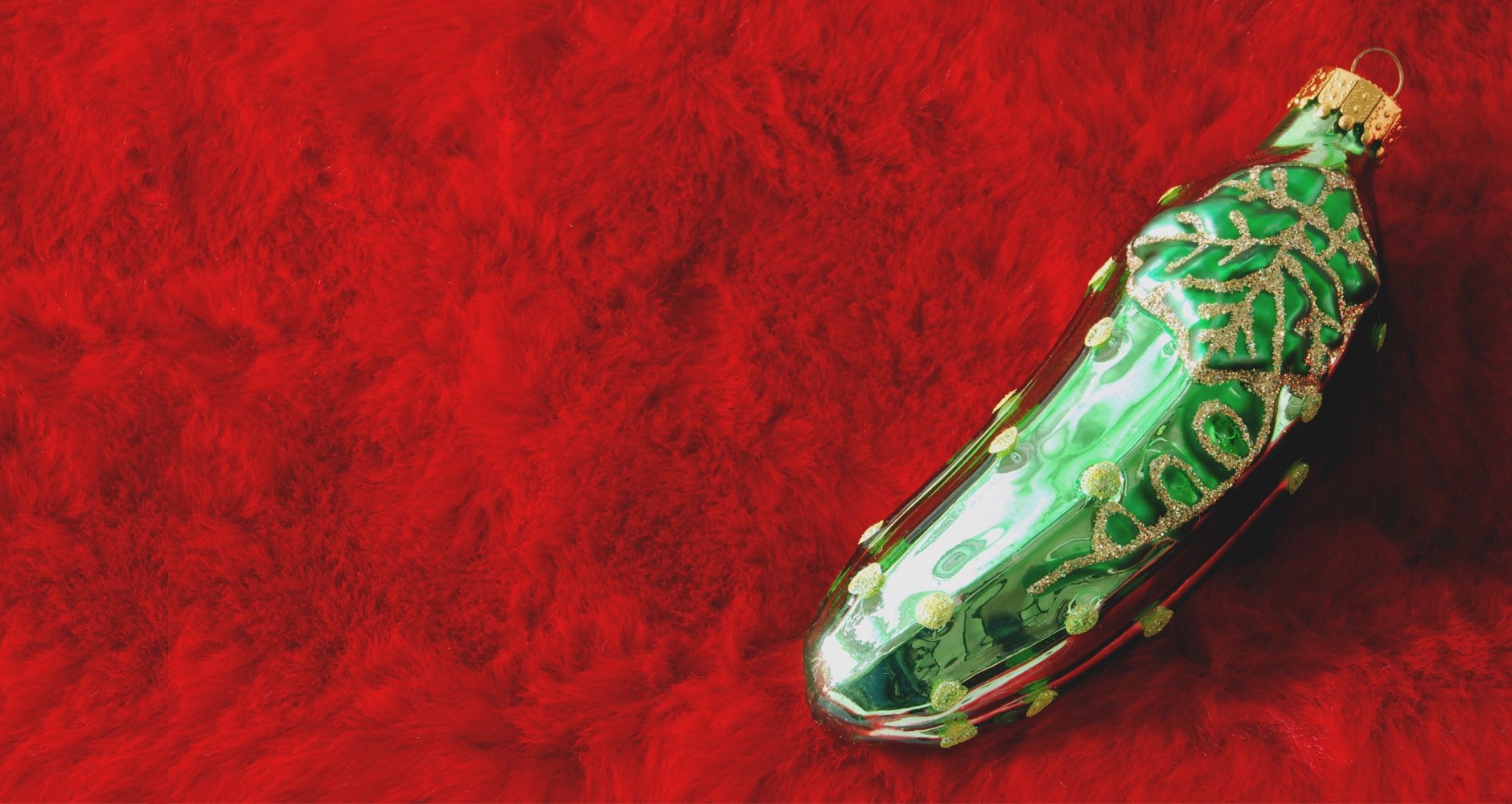
11. Pickles on the Christmas Tree
Households in the United States and Canada have a Christmas tree tradition of decorating with a glass pickle as an ornament. The origin of this tradition is disputed, but one story suggests that during the Civil War, Private John C. Lower, who was captured and taken prisoner, was given a pickle to eat on Christmas Eve, which saved his life. As a result, he started the tradition of hiding a pickle on the tree each year. Another theory is that this tradition originated in Germany, called Weihnachtsgurke, where the pickle was the last ornament hung on the tree, and the first child to find it received an extra gift. Some suspect that the whole thing was a marketing tactic by Woolworth & Company to sell more pickle ornaments imported from Germany in the late 19th century.
A Quick Map Of Where These Traditions Live
| Tradition | Where It Lives | Brief Description |
|---|---|---|
| Krampusnacht | Austria, Bavaria, Hungary, Alpine regions | On December 5 (the eve of St. Nicholas Day), the goat-demon Krampus accompanies St. Nicholas to punish naughty children. Krampus runs (Krampuslauf) are common in Austrian towns |
| Yule Log (Julebuk / Yalda) | Scandinavia and Persia/Iran (as Yalda Night) | Scandinavian countries burn a large log through Christmas Eve. In Iran, families gather for Yalda Night (Winter Solstice, December 21) to read poetry and eat pomegranates and watermelon |
| Burning the Clocks | Brighton, England | An art festival on the Winter Solstice in which paper and willow lanterns (shaped like clocks) are carried through town and burned on the beach; a secular solstice celebration begun in 1994 |
| Mari Lwyd (the Grey Mare) | Wales | A decorated horse skull mounted on a pole is carried door-to-door while participants sing; the household must answer in verse or offer food and drink. A mid-winter wassailing tradition |
| Sinterklaas and Zwarte Piet | Netherlands and Belgium | St. Nicholas (Sinterklaas) arrives by steamboat from Spain in mid-November and distributes gifts on December 5. The celebration is distinct from Christmas and predates it in importance |
| Hogmanay | Scotland | Scotland’s New Year celebration (December 31 to January 1) involves first-footing (being the first to cross a neighbor’s threshold after midnight, bringing gifts of coal, salt, whisky, and shortbread for luck) |
| Pongal | South India (Tamil Nadu) | A four-day harvest festival in mid-January celebrating the end of winter solstice and the sun’s northward journey. New clay pots, fresh-boiled rice, and decorated cattle are central |
The Thread That Runs Through All Of Them
Look at the list from a distance and one theme keeps showing up: light in the dark. The Yule log, the Yalda candles, the Krampus torches, the Dongzhi dumplings, the Saturnalia bonfires. Every one is a way of standing shoulder to shoulder with your household on the shortest night of the year and pushing back against the cold. That is not a small idea. It is why so many of these customs have survived, or been rebuilt, across centuries.
If none of the eleven fits your family, try the simplest version. Light a fire, cook a shared meal, invite the neighbors, and toast the sun on its way back north.

Frequently Asked Questions About Winter Traditions
What are the oldest winter traditions still practiced today?
Saturnalia and the Feast of Juul are two of the oldest documented winter customs, both centered on the December Solstice. Saturnalia dates to at least 217 BC in Rome, and the Feast of Juul is traced to pre-Christian Scandinavia. Elements of both, greenery, gifts, feasting, and firelight, survive in modern Christmas and New Year celebrations.
Why do so many winter traditions involve fire?
The December Solstice is the shortest day of the year in the Northern Hemisphere. Fire, candles, and bonfires are practical warmth and a symbolic pull on the sun to return. The Yule log, Yalda candles, Krampus torches, and Saturnalia bonfires all share that same origin story.
What is the Christmas pickle tradition?
A glass pickle ornament is hidden among the branches of the Christmas tree on Christmas Eve, and the first child to find it on Christmas morning gets an extra gift. The custom is popular in parts of the United States and Canada, and its true origin is disputed; a Civil War prisoner story, a German folk tale, and a Woolworth marketing tactic all lay claim.
When is the Winter Solstice in 2026?
The astronomical December Solstice falls on Monday, December 21, 2026 at 10:03 a.m. Eastern Time. It is the shortest day and longest night of the year in the Northern Hemisphere, and the astronomical start of winter.
What is Yalda Night?
Yalda Night is a Persian winter solstice celebration observed in Iran and across the Iranian diaspora. Families stay up together, eat pomegranates and watermelon, and read the poetry of Hafez to welcome the sun’s return. The word “Yalda” means birth, and the tradition is thousands of years old.
What is the Night of the Radishes?
Noche de los Rabanos is a three-day festival held in Oaxaca, Mexico, beginning on December 23. Local artists carve oversized radishes into scenes from the Nativity, Mexican folklore, and village life. It began as a Christmas-market gimmick and grew into a full competition that draws thousands of visitors each year.
What is the Krampus Run?
The Krampus Run, or Krampuslauf, is an Austrian and Bavarian tradition on the eve of Saint Nicholas Day (December 5). Participants dress as the horned folk figure Krampus, complete with wooden masks and bells, and run through village streets carrying torches. It is boisterous and, by design, a little scary.
Join the Discussion
Have you burnt a yule log?
How do you ring in the new season?
Are there any other traditions or customs we left off the list?
Share with your community here in the comments below.
Related
Meet the Birds of the Twelve Days of Christmas
6 Native American and Indigenous Winter Traditions


This article was published by the Staff at FarmersAlmanac.com. Any questions? Contact us at [email protected].
- Farmers' Almanac Staff

- Farmers' Almanac Staff

- Farmers' Almanac Staff

- Farmers' Almanac Staff


You didn’t mention Black-eye peas. I always serve them Jan 1. The night of solstice would be good as well. Eating Black-eyed Pea at the beginning of the year will bring good luck. In the cabins of the black plantation villages the food at family gathering had to be flexible and cheap. black-eye peas vines were grown for animal fodder so it was easy to get black-eyed peas. A big pot of beans at the edge of the fire could feed someone anytime. A touchstone for an underground community.
Hi Carolyn, we do have a story about what to serve for good luck on January 1 and Black Eyed Peas — thanks for your comment. Good idea for the Solstice as well. https://www.farmersalmanac.com/hoppin-john-11704
6. hiding of the broom
in Norway people hide their broom because of the spirit and witches that come at night
In the Bay of Fundy islands (Deer, Campobello and Grand Manan Islands), on Christmas Night (night before Boxing Day) Granny Goodie (supposedly Santa’s wife) would fill our stockings with common items (orange or clementine, nuts in shells, Christmas candy, and a few odds & sods as well as one special gift (like a wrist watch or small doll, or toy boat, etc). Not common everywhere. But particularly important on the Fundy Isles. Thank you for explaining the use of pickle ornaments, I always thought they were just plain weird!
That’s what we got in our stockings but it was from Santa. That’s what we got from Santa. Santa was not a big spender.
Italy. Throwing away an old pair of shoes on New Years Eve. ‘So you don’t go there again.
Emily – haha! Love that!
I may toss all my pairs this year if it makes 2020 go away
I’m Canadian and I have never, ever heard anything about pickles on a Christmas tree.
Here in the UK we have a Christmas day swim just like the one above in our tiny seaside town of Porthcawl.
#11 Pickles. One of the legends/myth of St. Nicholas is the rescue of a group of small children from a Pickle vat.
My great grandmother from Sicily would make lentil soup on New Year’s Eve. The more Lentils you ate… the more money you would make in the upcoming year. Needless to say, we kids ate mounds of lentils (in all honesty, if you tasted her scrumptious lentil soup, you didn’t need the $ incentive).
Interestingly, recently spent one holiday with friends who were from Ecuador, who gave small hand sewn packages of raw lentils to everyone on New Year’s Eve for luck.
Up Helly Aa– An annual festival of Fire of the Shetland Islands of Scotland. Held in January to mark the end of the Yule Season. They traditionally throw flame spear’s at a wood replica of a Viking Ship, burning it to ash. My husband a co worker’s have held their own version. It’s quite the event!!
Great information! It’s the type of info I like pass onto the Grand Kids>