

Native American Winter Traditions: 6 Ways to Honor the Season
Quick Reference: 6 Native American Winter Traditions
- Rest and heal: winter is a season to slow down, the time of the Rhythm Moon.
- Face North: the winter direction of ancestors, purity, and renewal.
- Visit a mountain: where ancestors sheltered and where snow becomes spring water.
- Watch the sky: look for the Pleiades, the “Seven Sisters,” around the December solstice.
- Learn from animals: buffalo, snow goose, bear, and hummingbird each carry a winter lesson.
- Give back: support a clean-water initiative in honor of the season.

When the winter solstice arrives on December 21, 2026, the shortest day of the year turns the calendar toward rest. For Native American and Indigenous Peoples across North America, the cold months are a season to slow down, visit the mountains, and recognize the connection between people, nature, and the stars overhead. It is a time to grow more conscious and to heal, individually and collectively, as one planet.
“We take care of Mother Earth, she will take care of us. It is our responsibility to make connections with the elements, with the Earth, the Moon, the Sun, and all the energies.”
-Verlinda Montoya, Medicine Woman
As we pull out our sweaters, the bear snuggles into his fur to hibernate. But what can we do to mark the change of the season? Below are 6 activities drawn from Native American and Indigenous Peoples’ perspectives to inspire you. Great thanks to the many contributors who shared their knowledge to create this article.
1) Rest, Move Slowly, And Heal
Winter is a time to rest and restore. Curl up under cozy blankets, let go, and dream. Alice Caparelli, a descendant of medicine women from the rainforests of Brazil, suggests that we find a slow, rhythmic pace of movement in winter. Caparelli’s work is based on an alternative calendrical system called the “Law of Time.” In this system, the Moon closest to the winter solstice is called the Rhythm Moon, as opposed to the Cold Moon that the Farmers’ Almanac tracks in December.
Indigenous wisdom says that human movement contributes to the flow of nature and affects the health of Mother Earth. By allowing yourself to rest and repair, you are taking part in a large-scale healing of the planet. If you keep a full-moon calendar, the December Cold Moon is an easy anchor for this slower rhythm. Our list of full Moon names shows how each month’s Moon carried its own seasonal meaning.
2) Recognize The North Direction
For the Indigenous Peoples of North America, each season is associated with a cardinal direction: North, South, East, or West. The winter months of December and January are associated with the North. This direction symbolizes purity, renewal, and your ancestors. Verlinda Montoya, of the Lakota and Picuris tribes, says, “We can draw on our strength and stamina when we look at our ancestors: Their very existence, how they changed our path, and how we can change the path of the next generation.”
Montoya says that the Picuris would spend time indoors, fireside, sharing passed-down stories during the winter. In so doing, they would connect to thousands of years of wisdom that sustained life. “Winter becomes a time of reflecting on the past that allows for fresh insight. Valuable remembrances incubate in the cold months, until they are ready to blossom in spring.”

3) Go To A Nearby Mountain
Find your nearest mountain or hilly peak, take the hand of someone you love, and listen to the sounds of the wind over the ridges.
Mindahi Bastida, who recently published the book Ancestors: Divine Remembrances of Lineage, Relations and Sacred Sites, suggests that there is a connection between ancestors and the mountains. “During the winter, our ancestors would go to the mountains.” This was because the mountains would provide more shelter from the elements. He says, “The ancestors have been informing us how to live in peace and balance. They can guide us in such a way that we have the opportunity to live in a better way.”
If you are not able to visit a mountain, you can picture one in your mind or otherwise imagine your ancestors. You may also honor them by placing cut flowers in front of family photographs.

4) Stargaze (Look For the Pleiades)
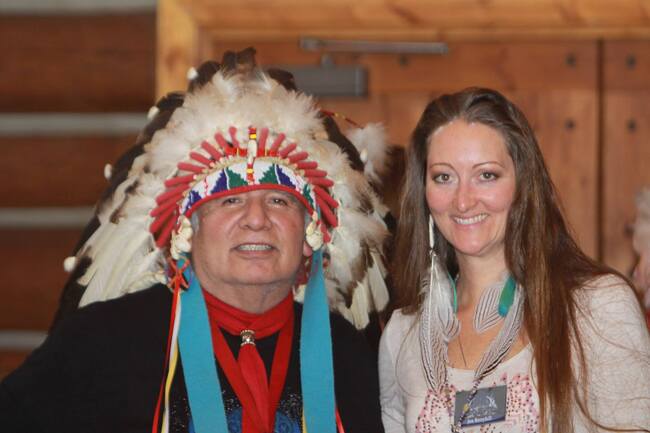
Indigenous wisdom says there are significant and trackable relationships between the stars, the Earth, and living beings. Native American Chief Golden Light Eagle (pictured above) taught that each Moon cycle is associated with specific constellations that have effects on the human body. During the winter, especially around the solstice, gazing upon the Pleiades star cluster, also known as “The Seven Sisters,” is believed to remove stagnation from the body, especially around the pelvis. Learn more about the Pleiades Star Cluster.
The Pleiades ride high in the winter sky, which is one reason so many traditions mark them in the cold months. NASA catalogs the cluster as Messier 45, a group of hot blue stars roughly 445 light-years away in the constellation Taurus, and notes it is one of the easiest star clusters to spot with the naked eye. You can read NASA’s plain-language write-up of the Pleiades (Messier 45) for viewing notes. Look toward the east after dark on a clear winter night, find the bright constellation Orion, then trace up and to the right to a small, misty knot of stars. For the darkest skies of the season, aim for the nights closest to the winter solstice, when the Sun sets early and the cluster climbs well before midnight.
5) Observe Animals In Nature
The animals show us ways to adapt to our environment through their behavior. “Animals activate a remembrance of how to heal ourselves,” says Jennifer Berryhill. “What they do is wisdom for us to see.” Here are a few animals revered in winter.
Buffalo
The Lakota Native Americans connect to the spirit of the Buffalo as part of winter ceremonies and rituals. This animal is significant because every part of it could be used to protect the people from the harsh winters of what is now called Minnesota, Wisconsin, Iowa, and the Dakotas.
Ceremonies that honor the buffalo are meant to fortify the people with purity, as they were utilizing the animal meat in a way that did not waste. The buffalo reminds us not to squander our resources. It is a season to be generous, but not at the cost of our survival.
Snow Goose
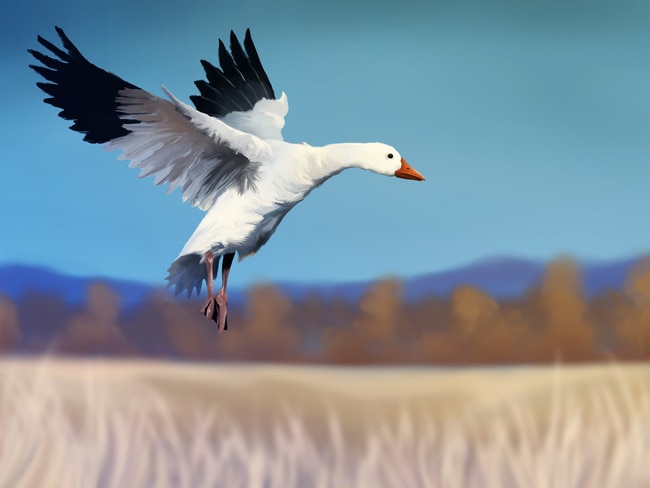
Snow Geese visit the United States during the winter. These migratory water birds move together, sharing leadership. During winter we flock to see family and close friends, as the old saying goes, “birds of a feather flock together.” The bird is also protective. It will bite if a member of the flock is threatened. The snow goose represents a time to preserve the goodness in our relationships through cooperation and empathy.
Bear
The bear totem animal represents slow movement and hibernation in winter. Its long sleep is a reminder that stillness is its own kind of work. Learn more about Native American totem animals.
Hummingbird
According to extensive research by Professor Geraldine Patrick Encina, the hummingbird is associated with December 11-January 7 for the Otomi-Toltec peoples. The hummingbird nests in the Otomi-Toltec regions, now modern-day Mexico, during the winter. The color of the bird itself, dark blue and green, represents the decreased daylight around the winter solstice. Its small stature signifies diminished light that will grow brighter in the next season.
The hummingbird is typically an active bird, constantly in the act of pollinating. So when this bird nests, it signals a time for us to slow down activity and care for the people and projects that are close to home. Learn more about hummingbirds. (By the way, ever hear of a hummingbird moth?)
6) Donate To A Clean Water Initiative
Native American and Indigenous Peoples’ ceremony is particularly important during the winter season, as it is believed to give the mountains snow which, in turn, brings water in spring.
Jyoti Ma has supported many cross-tribal conversations and is active in the restoration and flourishing of Indigenous knowledge. She emphasizes the importance of water during this time. This element is associated with rest, just as babies in gestation are immersed in water, continuing a theme of rebirth tied to the wintertime.
She explains how water is interconnected with human life. “Before a baby comes out, the water comes first. Water announces new life that is coming into this plane of existence. We live on a water planet. We grow in the water inside our mothers.” She says, “This is a moment we really have to wake up to as a human species. Why are we continuing to pollute and harm the waters that give life to all life here?”
In the winter, when many feel drawn to make charitable donations, consider finding a non-profit organization that supports ocean clean-up or clean-water accessibility. It is an unfortunate reality that one in 10 Indigenous tribes in the United States do not have access to safe tap water or basic sanitation.
Here are a few organizations to look into: WaterCulture.org, DigDeep.org, and CleanWaterFund.org.
Bringing These Winter Traditions Home
You do not need a mountain range or a ceremony to carry the spirit of these traditions into your own winter. Each one turns on a single, plain idea: slow down and pay attention. Here is a simple way to weave them into the season.
- Keep an early night. Let the long darkness around the solstice be an invitation to rest rather than a nuisance.
- Set a place for the ancestors. Fresh flowers or a candle by a family photograph is enough.
- Step outside and look up. Find the Pleiades on a clear night, even from a city sidewalk.
- Watch what the animals do. The birds at the feeder and the sleeping bear both model how to move through a hard season.
- Give in the spirit of water. A winter donation to a clean-water group closes the circle from snow to spring.
None of this requires belief in any one tradition to be worthwhile. Take what speaks to you, leave the rest, and do what feels right for you and your family this winter.

Native American Winter Traditions: Frequently Asked Questions
What are common Native American winter traditions?
Common threads include resting and moving slowly with the season, honoring the North direction and one’s ancestors, spending time near the mountains, watching the winter stars such as the Pleiades, observing animals like the buffalo and snow goose for guidance, and giving back through ceremony and care for water. Traditions vary widely from nation to nation, so treat these as inspiration rather than a single rulebook.
Why is the North direction connected to winter?
For many Indigenous Peoples of North America, each season is tied to a cardinal direction, and the winter months of December and January are associated with the North. That direction symbolizes purity, renewal, and the ancestors. Verlinda Montoya, of the Lakota and Picuris tribes, describes winter as a time to draw on the strength and stamina of those who came before.
How do I find the Pleiades in the winter sky?
Look east after dark on a clear winter night, find the bright constellation Orion, then trace up and to the right to a small, misty cluster of stars. That is the Pleiades, cataloged by NASA as Messier 45 and sitting about 445 light-years away. The nights around the December solstice offer long, dark viewing, and the cluster is bright enough to spot without a telescope.
What do winter animals like the buffalo and snow goose represent?
In these traditions the buffalo stands for using resources fully without waste, the snow goose for cooperation and protecting loved ones, the bear for rest and hibernation, and the hummingbird for slowing down and tending what is close to home. As Jennifer Berryhill puts it, “Animals activate a remembrance of how to heal ourselves.”
Is it respectful to take part in these traditions if I am not Native American?
The practices here, resting with the season, honoring family, watching the stars, and supporting clean water, are shared in a spirit of inspiration by the contributors to this article. Approach them with respect, credit the source of the wisdom, and avoid claiming sacred ceremonies as your own. Take what speaks to you and do what is right for you and your family.
How can I support Indigenous clean-water efforts in winter?
Roughly one in 10 Indigenous tribes in the United States lacks access to safe tap water or basic sanitation. In the season of giving, consider a donation to a group working on clean-water access or ocean clean-up, such as WaterCulture.org, DigDeep.org, or CleanWaterFund.org. It connects the winter theme of water and rebirth to a concrete act.
Related Article
Join The Discussion
What is one piece of information that you found meaningful in this article?
Let us know in the comments below!


Suzanne Astar
Suzanne Astar is a writer, bodyworker, and instructor based in the San Francisco Bay Area. She can be found at SuzanneAstar.com.
- Suzanne Astar


Beautiful rituals…thank you for sharing these!!
You are welcome! We are happy you enjoyed this article.