

What Is Lard? The Old Cooking Fat That’s Making a Comeback
It's pie-making season! And good pie bakers know that to achieve the most tender, flaky crust, there is no substitute for lard. But what is it, and is it healthier than butter? Find out!
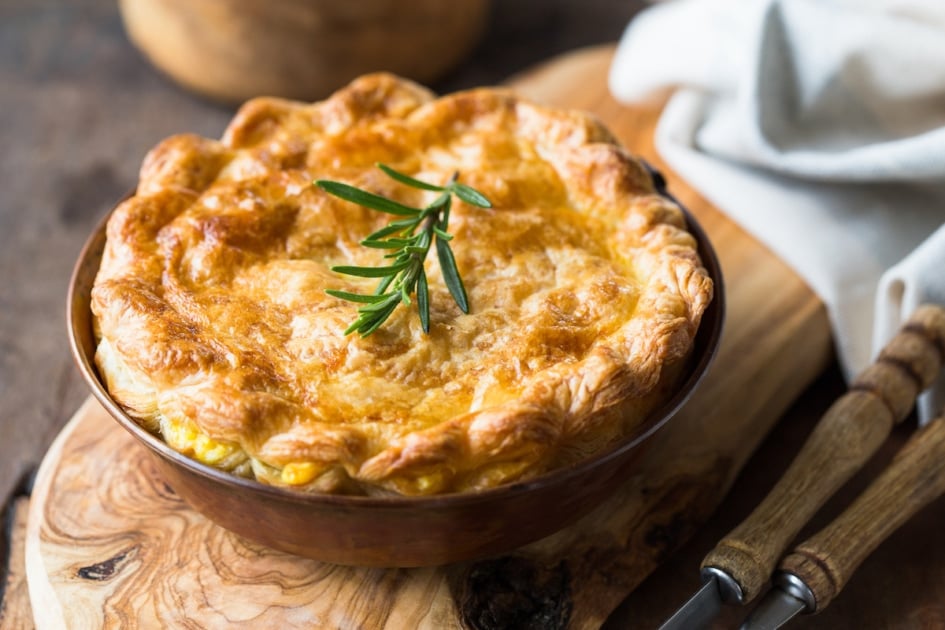
Lard fell out of favor in the 1960s when Crisco and other vegetable shortenings took over the American kitchen. For sixty years, baking with lard was nostalgic at best and considered nutritionally questionable. Recent food research has shifted the picture. Lard is no longer the villain it was made out to be, and home bakers are coming back to it for one important reason: the pie crust is unmatched. Here is the case for lard.
Quick Reference
- What it is: rendered pork fat. Solid at room temperature, off-white in color, mild and faintly nutty in flavor.
- Smoke point: about 370°F, lower than ghee but higher than butter.
- Best for: pie crust (flakiest known), biscuits, frying, refried beans, tortillas, sautéing.
- Health re-evaluation: recent nutrition research has found lard is not as bad as once thought. Most of its fat is monounsaturated (the same kind as in olive oil).
- Vitamin D: lard from pasture-raised pork is one of the richest food sources of vitamin D.
- Shelf life: 4-6 months refrigerated, up to a year frozen.
Lard Vs. Crisco?
Crisco hit the market in 1911 as the first commercial vegetable shortening. The marketing campaign positioned vegetable fat as cleaner and more modern than rendered animal fat. By the 1960s, the message had won; lard was old-fashioned, Crisco was modern. The reality was more complicated. Crisco is hydrogenated cottonseed oil, which by the 1990s had been linked to trans fats and heart disease (Crisco reformulated in 2007). Lard is a single, unprocessed ingredient. The narrative has flipped: lard is now the cleaner-label option.
6 Reasons to Bake With Lard
1. No Pork Flavor
Properly rendered, lard has no pork flavor. It is mild and faintly nutty, like a clean butter. Pie crusts, biscuits, and cookies made with lard do not taste like pork. The fear that they will is the most common reason people avoid lard, and it is unfounded.
2. Lard Has a High Smoke Point
Around 370°F, lard is higher than butter (350°F) and olive oil (375°F) but lower than ghee (485°F). High enough for sautéing, pan-frying, and roasting without breakdown.
3. It’s Shelf-Stable
Refrigerated lard keeps 4 to 6 months; frozen lard keeps a year. The fat resists rancidity better than vegetable shortening because the high saturated fat content makes it less prone to oxidation.
4. Doesn’t Cause Inflammation
Recent nutrition research has overturned the old assumption that saturated animal fats automatically promote inflammation. Lard is composed of about 40 percent monounsaturated fat (the same kind found in olive oil), 50 percent saturated, and 10 percent polyunsaturated. Eaten in moderation as part of a balanced diet, lard does not appear to be inflammatory.
5. Lard Is High in Vitamin D
Lard from pasture-raised pork is one of the richest food sources of vitamin D, second only to cod liver oil. The fat soluble vitamin makes its way into the pig’s fat from sunlight exposure. Confinement-raised pork lard has much less. Source matters.
6. Gives Butter a Run for Its Money
The single biggest argument for lard is pie crust. Lard pie crusts are widely considered the flakiest of any fat. The molecular structure of lard creates thin, irregular sheets when worked into flour, which translates to visibly flaky layers in the baked crust. Many old-school bakers use a half-and-half lard-butter mixture for crusts: lard for the flake, butter for the flavor.
Not All Lard Is Created Equal
Lard varies wildly by source. Three grades to know:
- Leaf lard. The highest grade. Rendered from the soft fat around the kidneys. Snow-white, no flavor, the gold standard for pie crusts.
- Back fat. Rendered from the fat on the back. Slightly stronger in flavor; good for cooking, decent for baking.
- Commercial lard. What grocery stores typically sell. Often hydrogenated and stabilized, similar to vegetable shortening in texture and far inferior to fresh-rendered lard. Some grocery brands also include BHT and other preservatives.
For baking, buy leaf lard from a butcher, farmer’s market, or specialty supplier. For sautéing or refried beans, commercial or back fat lard is fine.
Grannie’s Buttermilk Biscuits
Made with lard, these biscuits set the standard. Lard makes the flakiest biscuit; butter makes the tastiest; the combination of both makes the best.
Ingredients (makes 8 biscuits):
- 2 cups all-purpose flour (White Lily for true Southern)
- 1 tablespoon baking powder
- 1 teaspoon kosher salt
- 2 tablespoons cold leaf lard, cut into pieces
- 2 tablespoons cold unsalted butter, cut into pieces
- ¾ cup cold buttermilk
Instructions:
- Preheat oven to 450°F.
- Whisk flour, baking powder, and salt.
- Cut in cold lard and butter with a pastry cutter until the mixture looks like coarse cornmeal with pea-sized lumps.
- Pour in buttermilk. Stir until just combined.
- Turn out onto a floured surface. Pat to ¾-inch thickness.
- Cut with a 2½-inch biscuit cutter (do not twist).
- Place biscuits on a baking sheet with sides touching.
- Bake 12-15 minutes until tall, golden, and risen.

How to Render Your Own Lard
If you have a good butcher relationship, ask for leaf lard or back fat. Cut into 1-inch cubes, place in a slow cooker on low with a tablespoon of water (prevents sticking). Cook 4-6 hours until the fat is fully rendered and the solids (cracklings) sink. Strain through cheesecloth into clean jars. Yields about 1 cup of lard per pound of fat. Refrigerate or freeze.
Where to Buy Quality Lard
Local butchers and farmer’s market vendors often sell rendered leaf lard. Specialty online suppliers (Fatworks, US Wellness Meats) ship pasture-raised lard nationwide. Avoid grocery store “lard” labeled as hydrogenated; it is closer to vegetable shortening than to traditional rendered lard.

Frequently Asked Questions
Is lard healthier than butter?
Different, not necessarily better or worse. Lard has more monounsaturated fat (the kind in olive oil) than butter and is higher in vitamin D when from pasture-raised pork. Both are fine in moderation.
Does lard taste like pork?
Properly rendered lard, especially leaf lard, has no pork flavor. The fear that it will taste porky is the biggest myth keeping people from trying it.
Where can I buy lard?
Local butchers (best option for leaf lard), farmer’s market vendors, specialty grocers, online suppliers (Fatworks, US Wellness Meats). Avoid the grocery-store hydrogenated stuff; it is closer to shortening than to real lard.
How long does lard keep?
Refrigerated, 4-6 months. Frozen, up to a year. The fat resists rancidity well, especially when stored airtight in a cool, dark spot.
Can I substitute lard for butter in any recipe?
Yes, mostly. Use lard 1:1 for butter in baking. The result will be flakier with biscuit-style baked goods and slightly less flavorful in cookies (where butter’s milk solids contribute flavor). A half-butter, half-lard combination often wins both ways.


Deborah Tukua
Deborah Tukua is a natural living, healthy lifestyle writer and author of 7 non-fiction books, including Pearls of Garden Wisdom: Time-Saving Tips and Techniques from a Country Home, Pearls of Country Wisdom: Hints from a Small Town on Keeping Garden and Home, and Naturally Sweet Blender Treats. Tukua has been a writer for the Farmers' Almanac since 2004.
- Deborah Tukua

- Deborah Tukua
- Deborah Tukua
- Deborah Tukua





I’m not opposed to giving lard a try, but I am opposed to paying $14.00 + shipping per jar. Seriously?!
So any ideas where one can purchase a good lard online ??
New products are always publicized as being better in some way, or useful in solving a problem, otherwise they do not sell. People must be given a reason to change from what they have used historically; many of the new products do not stand the test of time. Next time you are watching television or reading/listening to news, consider the numbers of class-action lawsuits filed against medicines, herbicides and many other products once thought safe.
Our grandparents long ago cooked with lard….reason being that is all they had to cook with. Plus they did not have all the other things to eat that are full of bad things that will clog you arteries as the lard will do. I use Canola, Wesson and try to use very little of it….same as real butter, I love the taste but, I know it does not love us.
Hi Cathy, yes this seemed to be an ingredient of days gone by, but now it looks like it might not be so bad after all. Thank you for reading our story and commenting.
Our grandparents cooked with lard made from animal they grew free-range; and that they slaughtered. Today, Commercial lard in stores is not that healthy. Best to find a butcher or farm that sells their own lard, or will sell pork fat and you can render it yourself.
You are incorrect. New science says the fats our ancestors used are healthy. Vegtable oils are processed with hexane, oxidize quickly, full of omega 6s, and cause damage/inflammation to the endothelium.
Butter, lard, ghee, coconut oil, olive oil are excellent choices……in any quantity.
I always use lard to make my pie crusts…just the way my mother and grandmother did. I bake a LOT of pies every year for our church dinners, and everyone loves them. Have to order on-line as even our major grocery stores don’t carry it. Bummer!
What brand of lard do you use. I would love to try it..
Thanks for your response..
I am very curious too … what brand of lard do you use and where can it be ordered?
Hi Mary, see if you can find something local. Otherwise, Thrive Market makes a good one you can buy on their website. You’ll even find some on Etsy.
Hi Patti, there is a really good brand on Thrive Market that I love. Take a look here.
Do you share your lard pie crust recipe?