

November Birthstones: Topaz and Citrine, Folklore and Stories
Quick Reference: November Birthstones
- Primary stone: Topaz, especially the golden Imperial Topaz
- Modern alternate: Citrine, added to the November list in 1952
- Traditional meaning: Topaz for friendship and strength; citrine for prosperity and clear thinking
- Color family: Warm golds and lemon yellows, with topaz also turning up in blue, pink, and colorless
- Hardness: Topaz scores 8 on the Mohs scale; citrine, a variety of quartz, scores 7
- Zodiac signs: Scorpio (October 23 to November 21) and Sagittarius (November 22 to December 21)
- Anniversaries: Topaz marks the 4th and 19th wedding anniversaries
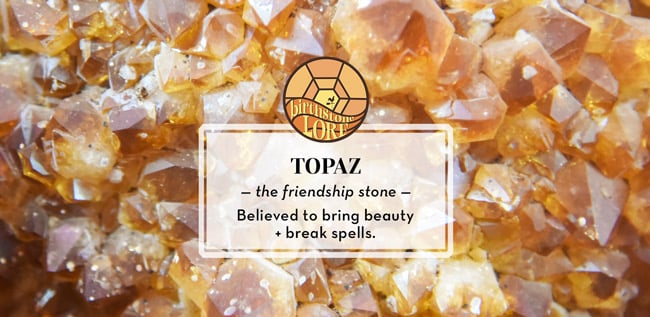
If you were born in November, you get two birthstones to claim: topaz, the warm-hearted friendship stone with centuries of folklore behind it, and citrine, the lemon-yellow quartz long carried for prosperity. Both stones run gold, both feel like a late-autumn fire on a cold evening, and both come with stories worth telling. Pull up a chair.
What Are the November Birthstones?
The modern birthstone list names two stones for November. Topaz is the older of the pair and the one most people picture first, in its honey-yellow and golden-orange forms. Citrine joined the list in 1952 when the American National Retail Jewelers Association expanded the calendar to give shoppers more affordable options alongside the rarer traditional gems.
The two are not closely related as minerals. Topaz is a silicate of aluminum and fluorine; citrine is a variety of quartz, the same mineral family as February’s amethyst. What they share is a color story: both run from pale lemon to deep golden brown, both look like sunlight caught in stone, and both feel right for the month when the harvest is in and the days run short.
Topaz: History and Lore
Topaz takes its name from the Greek topazios, the name of an island in the Red Sea where ancient writers said the stone was first found. (Mineralogists now think the island actually produced peridot, but the name stuck to topaz anyway.) The word is also linked to the Sanskrit tapas, meaning fire, which suits a stone that catches lamplight like a small ember.
Topaz Facts
Topaz is classified as a silicate mineral containing aluminum and fluorine. Before the 20th century, jewelers used the word “topaz” for almost any yellow, brown, or orange transparent gem, which is why old jewelry catalogs are full of “topazes” that are actually citrine or smoky quartz.
Although topaz scores an 8 on the Mohs scale of hardness, it is more fragile than that number suggests because of how it grows. Crystals form long striations along one axis, giving the stone a perfect cleavage plane. A sharp knock in the wrong direction will chip a topaz, much the way it can chip an emerald.
Greek and Roman writers tied yellow topaz to the Sun god, Apollo, and treated it as a stone of strength and protection in times of strife. They believed it would prevent injuries on the battlefield, calm the wearer, and give clear sight to the mind. Ancient Egyptians went further and linked golden topaz to Ra, their god of the Sun, treating the stone as a piece of solar fire pressed into the earth.
By medieval Europe, physicians prescribed topaz for fevers and insomnia. A stone laid on the forehead was supposed to cool a hot brow, and one held under the pillow was said to settle a restless mind. Modern medicine has moved on, but the prescriptions tell you how much faith the old healers placed in this gem.
Imperial Topaz and the Russian Tsars
The most famous variety, Imperial Topaz, has been mined from Ouro Preto in Brazil’s Minas Gerais state since the 18th century. Its color runs from golden orange through pink, and for a long stretch of the 1800s the finest crystals were reserved for the Russian Imperial family. The “imperial” name nods to that history, although the term is used more loosely today and there is no single official standard for what qualifies.
According to the Gemological Institute of America, Brazil remains the dominant source of fine topaz today. Sri Lanka, Pakistan, Nigeria, Burma (Myanmar), and parts of the United States also produce gem-quality stones.
What Makes It Rare?
Fluorine is the limiting ingredient. Only a few places on Earth carry enough fluorine-rich vapor in their cooling magmas to form topaz crystals, which is why the sources cluster in a handful of regions rather than appearing everywhere. The natural state of pure topaz is colorless. Trace impurities and natural radiation are what give it color, and those impurities are themselves uncommon in just the right balance.
Where Can Topaz Be Found?
- Brazil (Minas Gerais, source of Imperial Topaz)
- Sri Lanka
- Pakistan
- Nigeria
- Burma (Myanmar)
- Russia (Ural Mountains, historic pink topaz)
- Australia
- Italy
- Norway
- Sweden
- United States (Utah, Texas, Colorado)
Watch The Crystal Collector mine topaz in Utah in the following video:
Fun Fact
Topaz is a pleochroic gem, which means it absorbs different wavelengths of light along different crystal axes. The same stone can look one color from one angle and a slightly different color from another. Cutters lean on this property when they orient a rough crystal, choosing the axis that shows the richest color face-up.
Citrine: History and Lore
Citrine takes its name from the Latin citrus, for its lemon-yellow color. As a stone it is much older than the modern birthstone list. Ancient Greeks carved citrine into intaglio jewelry, Romans wore it set into rings and pendants, and merchants across the medieval Mediterranean carried it as a talisman, which is where its nickname, the “merchant’s stone,” comes from. The belief was that citrine drew prosperity to its owner and kept a clear head for trade.
Citrine is a variety of quartz colored gold to amber by trace iron. Natural citrine is genuinely rare. Most of the citrine in the modern jewelry trade is heat-treated amethyst or smoky quartz, which turns golden when warmed in a furnace. Brazil and Madagascar are the primary sources for the heat-treated material, with smaller deposits in Uruguay, Russia, and the United States.
Modern crystal-healing traditions have kept the prosperity association alive and added a few new ones, including manifestation (bringing your desires into reality) and releasing fears. Whether you take that seriously is your call. The historical link between citrine and clear-headed enterprise is more than 2,000 years old, and that alone is a good reason to wear it.
Topaz Varieties
This beautiful gem is naturally found in yellow, clear, orange, brown, red, blue, green, and pink. It also appears in a wide variety of treated and lab-created colors, with treated blue being the most common on the high-street market.
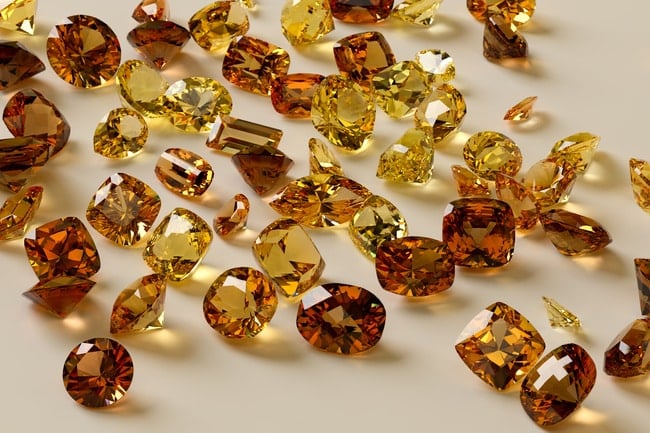
- Imperial Topaz: Golden orange to reddish orange. The premium variety, mined principally in Ouro Preto, Brazil. Highest market value per carat.
- Pink and Red Topaz: The rarest natural colors. In the 1800s the Ural Mountains in Russia were the leading source of pink topaz, and only the Czar, his family, and friends were allowed to own it in that region.
- Sherry Topaz: An older trade name for warm brownish-yellow to brownish-orange stones, named for the wine they resemble. Still seen on antique pieces.
- Blue Topaz: The everyday commercial color, almost always created by irradiating and heating colorless topaz. Natural blue topaz is extremely rare.
- White or Colorless Topaz: Common, inexpensive, and often used as a diamond substitute when faceted.
- Mystic Topaz: Colorless topaz coated with a thin metallic film that produces a rainbow sheen. A modern decorative treatment, not a natural color.
Pink topaz signifies spring and summer in old folklore, while every other topaz color signifies autumn, which is one reason the yellow-and-gold tones feel so right for November.
The natural colors of pink and red are valued highest, followed by the golden orange of Imperial Topaz (sometimes with a pink hue). A natural, untreated blue topaz also commands a premium because of its rarity. From there the value falls as the colors grow more abundant in the marketplace.
The Big “Blue Topaz” Confusion
Walk into almost any chain jewelry shop and you will see blue topaz at prices that seem too good to be true. They are not too good to be true; they are honest prices for a treated stone. The blue color comes from irradiating colorless topaz with neutrons or electrons, then heating it to stabilize the color. The treatment is permanent and the stone is safe to wear.
Trade names cover the spectrum:
- Sky Blue: The lightest, most everyday shade, close to the color of a clear winter sky.
- Swiss Blue: A brighter, more saturated mid-tone blue.
- London Blue: The deepest, most inky greenish-blue, named for the foggy color of the Thames on an overcast day.
None of these are natural colors at that intensity. Natural blue topaz exists, but it is pale and uncommon. A reputable jeweler will disclose the treatment in writing if you ask, and the American Gem Trade Association (AGTA) requires disclosure of treatment for any topaz sold by its members. If you want a stone with a story, ask.
Natural Citrine vs Heat-Treated Amethyst
Citrine and amethyst are the same mineral, quartz, colored by different trace ingredients. Heat a piece of purple amethyst to around 500 degrees Celsius and the iron inside rearranges and the purple shifts toward yellow, gold, or reddish-brown. Most of what is sold as citrine today began life as amethyst from Brazil or Madagascar.
How to tell the difference, roughly:
- Color: Natural citrine usually runs a softer, more even pale lemon to honey. Heat-treated material often shows a more reddish or “burnt” orange tone, sometimes with a brownish cast at the crystal tips.
- Color zoning: Heat-treated stones can show patchy color, with deeper concentrations at the points where the original amethyst was darkest.
- Price: Genuine, untreated citrine commands a real premium. If a stone is large, vivid, and cheap, it almost certainly began as amethyst.
Heat treatment is not a flaw. It is one of the oldest accepted treatments in the trade and the resulting stones are perfectly stable. The point is honest disclosure, so you know what you are paying for.
Geology and Sources
Topaz forms in fluorine-rich pegmatites and rhyolite cavities, where slow-cooling magmas leave behind pockets where large crystals can grow. The classic Imperial Topaz from Ouro Preto, Brazil, comes from weathered hillsides where miners follow narrow gem-bearing veins by hand. Sri Lankan and Burmese stones come from alluvial gravels, washed out of their parent rock by rivers over millions of years. Utah’s Thomas Range produces sherry-colored topaz inside rhyolite cavities, and Texas claims its own state gem with the pale blue Texas Topaz from Mason County.
Citrine, as quartz, forms in a much wider range of environments. The natural variety turns up where iron-bearing fluids cooled slowly inside hydrothermal veins. The heat-treated material that dominates the trade comes from amethyst geodes mined in Brazil’s Rio Grande do Sul state and from Madagascar, then baked in commercial furnaces before it ever reaches a cutter.
Famous November Birthstone Pieces
The American Golden Topaz
Housed at the Smithsonian National Museum of Natural History, the American Golden Topaz weighs 22,892.5 carats and stands among the largest faceted gemstones in the world. Cut from a Brazilian crystal by master cutter Leon Agee over the better part of two years, it is the size of a small grapefruit and the color of late-afternoon honey.
The Brazilian Princess Topaz
Also at the Smithsonian, the Brazilian Princess Topaz weighs 21,005 carats and ranks as the largest cut blue topaz on display anywhere. Its square emerald cut shows off 221 facets and a sky-blue color drawn out of a Brazilian crystal by treatment. The stone is an honest example of how a treated topaz can still be a remarkable object.
The Lindsay Uncommon Topaz
Donated to the Smithsonian by mineral collector Coralyn Lindsay, the Lindsay Uncommon Topaz is a 7,033-carat colorless crystal cut to show the natural transparency of high-clarity topaz. It is a quieter stone than the colored ones, but it makes the case for why colorless topaz used to be mistaken for diamond.
The El Dorado Topaz
The El Dorado topaz was discovered in Brazil in 1984 at an incredible weight of 81.57 pounds. After removing the host mineral and cutting the stone to a perfect emerald cut with good clarity, the yellowish-brown gem still held 31,000 carats (13.67 pounds). It is considered one of the largest faceted gemstones in the world.
The Chalmers Topaz
The Field Museum in Chicago hosts The Chalmers Topaz, named after former Field Museum trustee William and his wife, Joan Chalmers. This topaz weighs 5,899.50 carats (approximately 2.5 pounds) and is a clear topaz with a slight blue hue. The gemstone is one of the largest cut topazes in the world.
The Moon of Maraba
A rare grey topaz makes the list of famous gemstones as well. The Moon of Maraba (Lua de Maraba in Portuguese) weighs 25,250 carats and is cut in an octagonal shape with flawless clarity. The origin of the stone is unknown, although it is believed to have been mined in Brazil somewhere close to the city of Maraba.
November Birthstone Folklore and Healing Beliefs
None of the folklore below is medical advice. It is the inherited story of the stone, the kind your great-grandmother might have told over a teacup. Take it as story, and if a doctor is involved, call the doctor first.
Connection With the Sun, the Moon, and Jupiter
In many ancient legends, yellow topaz was thought to harness the energy of the Sun. The belief carries through to Ancient Egypt, where the stone symbolized Ra, the god of the Sun, and was carried for protection.
Greeks and Romans saw yellow topaz as a stone of protection and strength, especially in times of strife. They thought it would prevent injuries and linked it to Apollo, their own god of the Sun.
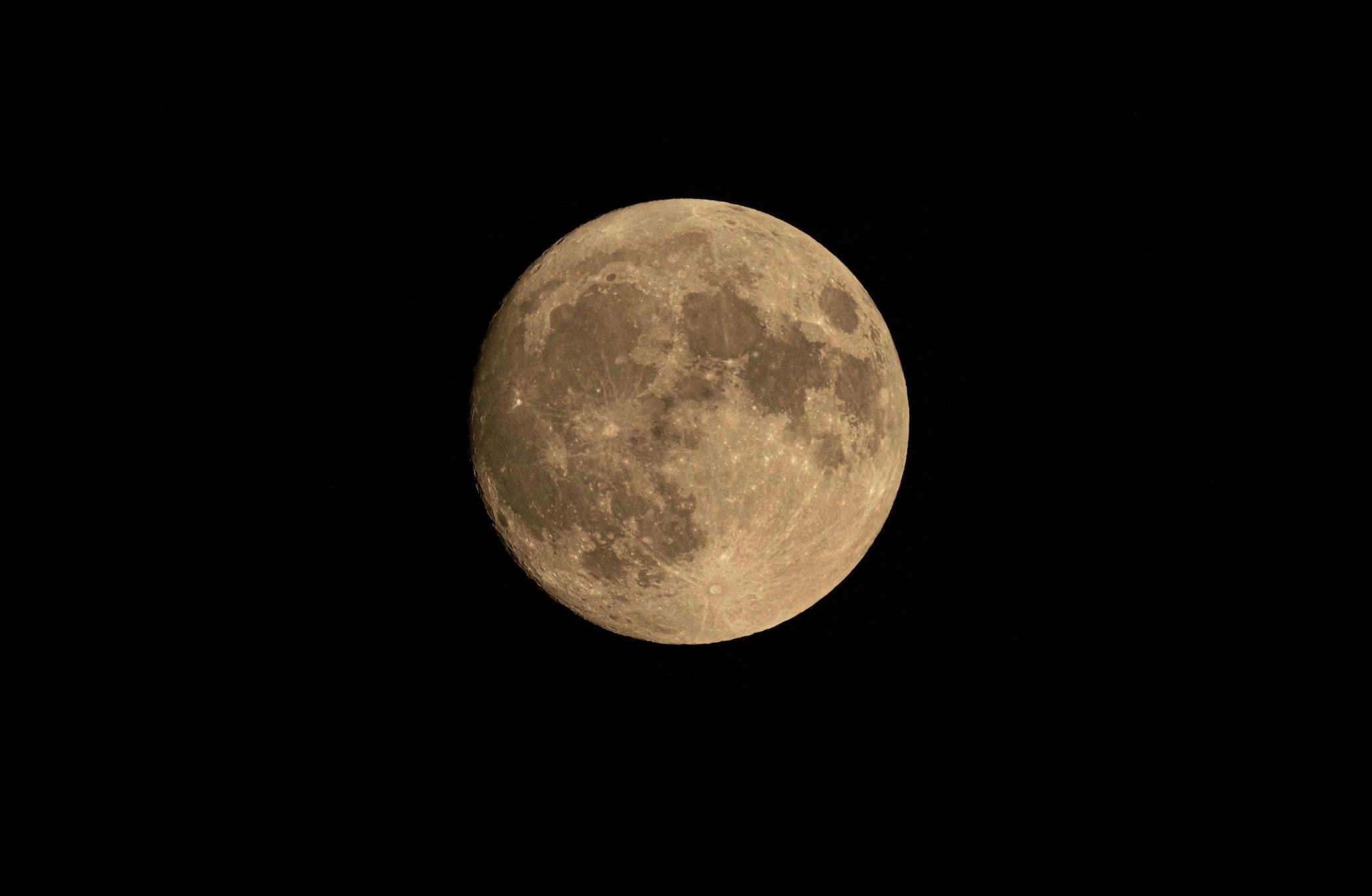
Interestingly, topaz was also believed to be linked to the Moon. Folk belief held that the stone’s color and powers waxed and waned with the Moon’s cycles. (See today’s Moon phase.) The stone is also associated with the planet Jupiter.
Attracts Riches
In parts of Africa, shamans used topaz in healing rituals and as a wealth talisman. Folk wisdom said the yellow color of topaz attracted gold, and a yellow topaz set in gold was said to amplify the effect. Citrine carries a parallel reputation as the merchant’s stone for the same reason, which is partly why the two ended up sharing the same birth month.
Protection Against Fires
In ancient Hindu culture, topaz was thought to protect homes against fire and to safeguard the wearer’s health and beauty.
Beauty, Wisdom, and Strength
It was also believed that wearing a topaz above the heart would secure a long life of beauty and wisdom.
Breaking Spells
As the centuries passed, topaz was linked to breaking spells and calming anger. The stone was worn on the left side of the body to protect the owner from curses.
More Metaphysical Properties
Topaz, in many ancient cultures, was used by physicians and healers for preventing sleepwalking, reducing inflammation, and improving eyesight. It was also believed to change color if it was placed near food that had been poisoned, which made it useful at the tables of suspicious nobles.
Topaz, Citrine, and the November Zodiac
November straddles two zodiac signs. Scorpio runs from October 23 to November 21, ruled by Mars and Pluto, traditionally associated with depth, secrecy, and quiet strength. Sagittarius runs from November 22 to December 21, ruled by Jupiter, associated with travel, optimism, and big ideas.
Imperial Topaz, with its long-standing link to Jupiter, is often paired with Sagittarius. Citrine, with its sunny optimism, also reads as a Sagittarius stone. For Scorpio, the deeper-toned topaz colors and the alternate stone rhodochrosite are the more traditional picks.
How to Care for Topaz and Citrine
Topaz scores 8 on the Mohs scale, which sounds tough, but it has a perfect cleavage plane along the long axis of the crystal. A sharp blow in the wrong direction will chip or split the stone, and abrupt temperature changes can crack it. Citrine, at Mohs 7, is a touch softer but more forgiving because it has no cleavage.
- Clean with warm soapy water and a soft brush. Rinse, then dry with a lint-free cloth.
- Skip the ultrasonic and steam cleaners, especially for treated blue topaz and heat-treated citrine. Both can fade or fracture under that kind of stress.
- Store each piece in its own pouch or padded compartment so harder stones (diamond, sapphire, ruby) cannot scratch the topaz or citrine.
- Keep both stones out of direct, prolonged sunlight. Long exposure can fade some citrine and lighten certain topaz colors.
- Take rings off before gardening, lifting weights, or any work where a sharp knock is likely.
Choosing November Birthstones
If you are shopping for a November birthstone, the choice runs along a familiar Almanac line: pick the stone that fits how you actually live.
- For heirloom value: Imperial Topaz from Ouro Preto in a golden-orange to pink-orange color. Ask for written disclosure of any treatment, and ask about origin.
- For everyday wear at a friendly price: A treated Sky Blue, Swiss Blue, or London Blue topaz. Honest treatment, stable color, easy to live with.
- For the prosperity story: A piece of citrine, ideally with disclosure of whether it is natural or heat-treated amethyst. Either way, the merchant’s-stone tradition is real.
- For the rarest natural stone: Unheated, untreated pink or red topaz. Expect a serious price tag and a serious paper trail.
Whichever stone you choose, buy from a jeweler who will put the treatment and origin in writing. Reputable sellers do this as a matter of course.
November Birthstone Anniversary Significance
Topaz is the traditional gift for the 4th wedding anniversary in some lists and the modern gift for the 19th. Blue topaz is sometimes singled out for the 4th, while Imperial Topaz is more associated with the 19th. Citrine is the modern alternate for the 13th anniversary. A birthstone-anniversary overlap turns the gift into two stories at once: the month they were born and the year you have built.
Alternative November Birthstones
Here are some other options to honor the month of November:
Citrine
Citrine was added to the November birthstone list in 1952. It is a stone of similar color to yellow topaz and far easier on the budget. In modern crystal traditions, citrine is linked to manifestation (bringing your desires into reality) and to releasing fears, on top of its older role as the merchant’s stone of prosperity.
Rhodochrosite
Another way to honor this month is to look to the zodiac. Rhodochrosite is associated with the zodiac sign Scorpio. The pink gem adds some color to the month and a softer feel than topaz or citrine. Rhodochrosite is linked to the heart chakra and is said to be a stone for love and forgiveness. No matter which stone speaks to you, each is a good way to honor the month of November.
Whichever stone you choose, the right one is the one that makes sense for the person wearing it. A November baby with a soft spot for autumn light will warm to Imperial Topaz. A practical-minded Scorpio may prefer the deeper tones, or a piece of rhodochrosite. There is no wrong answer here, only the answer that fits.
Related Articles
November Birth Flower: Chrysanthemum
December Birthstone: Turquoise, Tanzanite, and Zircon

Frequently Asked Questions
What is the November birthstone?
The November birthstones are topaz and citrine. Topaz is the older traditional stone, especially in its golden Imperial Topaz form. Citrine was added to the modern list in 1952 as a more affordable alternative.
Is the November birthstone topaz or citrine?
Both. Topaz is the primary and more traditional stone, with golden and orange hues most associated with November. Citrine is the modern alternative, similar in color but less expensive and easier to find in large pieces.
What does the November birthstone symbolize?
Topaz traditionally symbolizes friendship, strength, protection, and clear thinking. Citrine has a 2,000-year-old reputation as the merchant’s stone, carried for prosperity. Both stones run gold, and both feel like a small piece of late-autumn sunlight.
Is blue topaz natural or treated?
Almost all blue topaz on the market is created by irradiating and heating colorless topaz. The treatment is stable and the stone is safe to wear. Natural blue topaz exists but is pale and uncommon. Trade names like Sky Blue, Swiss Blue, and London Blue refer to treated color grades.
Is most citrine actually heat-treated amethyst?
Yes. Most citrine in the modern jewelry trade is amethyst (or smoky quartz) that has been heated to turn it golden. Natural citrine is rare and commands a premium. The treatment is permanent and the stone is stable, but a reputable jeweler will disclose it on request.
How hard is topaz, and how should I care for it?
Topaz scores 8 on the Mohs scale, which sounds hard, but it has a perfect cleavage plane that makes it vulnerable to sharp blows. Clean with warm soapy water and a soft brush, skip ultrasonic and steam cleaners, store each piece separately, and take rings off for rough work.
What anniversary is topaz?
Topaz is the traditional gift for the 4th wedding anniversary on some lists and the modern gift for the 19th. Blue topaz is more often paired with the 4th, while Imperial Topaz lines up with the 19th. Citrine is the modern alternate for the 13th anniversary.
Which zodiac signs go with the November birthstones?
November covers Scorpio (October 23 to November 21) and Sagittarius (November 22 to December 21). Imperial Topaz and citrine, with their long ties to Jupiter and to optimism, pair well with Sagittarius. For Scorpio, the deeper-toned topaz colors and the alternate stone rhodochrosite are the traditional matches.
Join The Conversation!
Were you born in November?
Do you own a piece of topaz or one of the alternate November birthstones?
What was one interesting new bit of information you learned from this article?
Let us know in the comments below!


Tamra Albright-Johnson
Tamra Albright-Johnson specializes in the unique histories and folklore around rare stones. She owns and operates a custom jewelry shop with her daughter, Kennie, in Iowa.
- Tamra Albright-Johnson

- Tamra Albright-Johnson
- Tamra Albright-Johnson
- Tamra Albright-Johnson

I really liked this article.. My Bday is Nov.9 and have always enjoyed the different colors of Topaz, with the original yellow being my favorite..only have a couple rings gifted to me of Topaz. BTW my one and only Grandson shares November birthday with me…and we are a lot like. He was born on 11/7…. He became 21 this year. Thanks for this interesting article.
We hope you and your grandson had a wonderful birthday!
Very interesting read. How do they tell what kind of stone is found? I am Nov. 22 born and love topez traditional gold color. But the colored ones baffle me wondering how do they know it is topez?
My birthday is the 22nd of November as well.
That there are other stones for November that I didn’t know about or have heard about