15 Summer Traditions That Have Almost Disappeared

Quick Reference
- What this covers: 15 classic American summer traditions that shaped the season before air conditioning, streaming, and smartphones took over.
- Peak era: roughly 1930 through the mid-1980s, before central AC hit 87 percent of US homes (US Energy Information Administration, 2020).
- Why they faded: screen time, indoor cooling, and organized youth activities replaced most of them by the 2000s.
- Fastest to bring back: homemade lemonade, front-porch reading, backyard stargazing.
- Regional hold-outs: Midwest (fireflies, sprinklers), Appalachia (berry picking, swimming holes), the South (porch culture, ice cream socials).
Classic Summer Activities and Old-Fashioned Summer Traditions We Still Miss Today
Summer traditions in America shifted more between 1975 and 2005 than in any generation before. Air conditioning went from a luxury to a default; the average US kid’s outdoor play time dropped from four hours a day in the 1980s to under seven minutes daily by 2018, according to research from the National Recreation and Park Association. Before smartphones, streaming services, and central AC became the norm, families spent summer days outdoors enjoying simple pleasures that created lasting memories.
From catching lightning bugs on warm evenings to gathering for homemade ice cream socials, many classic summer activities once defined the season. While some of these old-fashioned summer traditions are still practiced today, many have become increasingly rare. This list carries forward the 15 that show up most often when we ask Almanac readers what they miss most.
How many of these nostalgic summer traditions do you remember?


1. Catching Lightning Bugs on Summer Nights
One of the most beloved summer traditions was catching lightning bugs, also known as fireflies. As twilight settled in, children ran through yards and fields carrying mason jars, hoping to collect the flashing insects before releasing them back into the night. The Xerces Society reports that roughly a third of North American firefly species are now at some level of extinction risk from light pollution and habitat loss, which is a big part of why the tradition itself has faded.
Related: When Will the Fireflies Light Up Your Backyard? Weather Tells You
For many families, a summer evening was not complete without a yard full of glowing fireflies. Turning off the porch light and letting the yard go fully dark for even an hour still brings them back in many rural areas.
2. Sleeping on the Porch
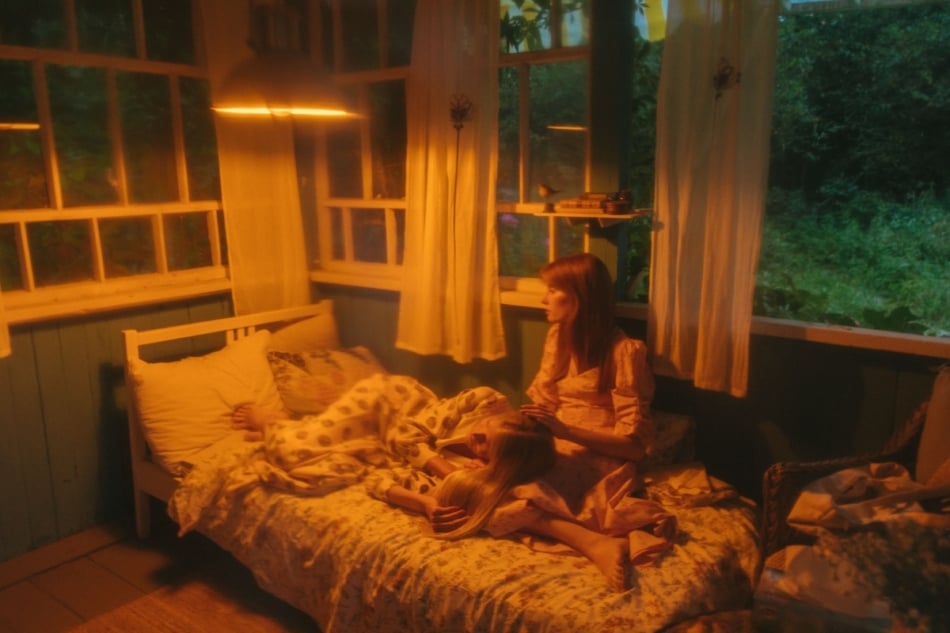
Before air conditioning became common, sleeping on a screened porch was a popular way to stay cool during hot summer nights. In cities like New York, Chicago, and St. Louis, families slept on fire escapes and rooftops for the same reason.
The sounds of crickets, tree frogs, and rustling leaves created a natural soundtrack that many people still remember fondly today. Sleep researchers at the National Institutes of Health have noted that cooler ambient temperatures (65 to 68 degrees F) support deeper sleep, which the screened porch delivered for free.
3. Hosting Homemade Ice Cream Socials
Homemade ice cream socials were once a staple of summer gatherings, from church lawns to backyard birthdays.
Family members took turns cranking hand-powered ice cream makers while neighbors gathered to enjoy fresh vanilla, peach, or strawberry ice cream. These social events brought communities together long before social media existed. A basic hand-crank freezer still costs about the same as a delivery meal, and the ice-and-rock-salt method your grandparents used has not changed.
4. Swimming in Local Swimming Holes
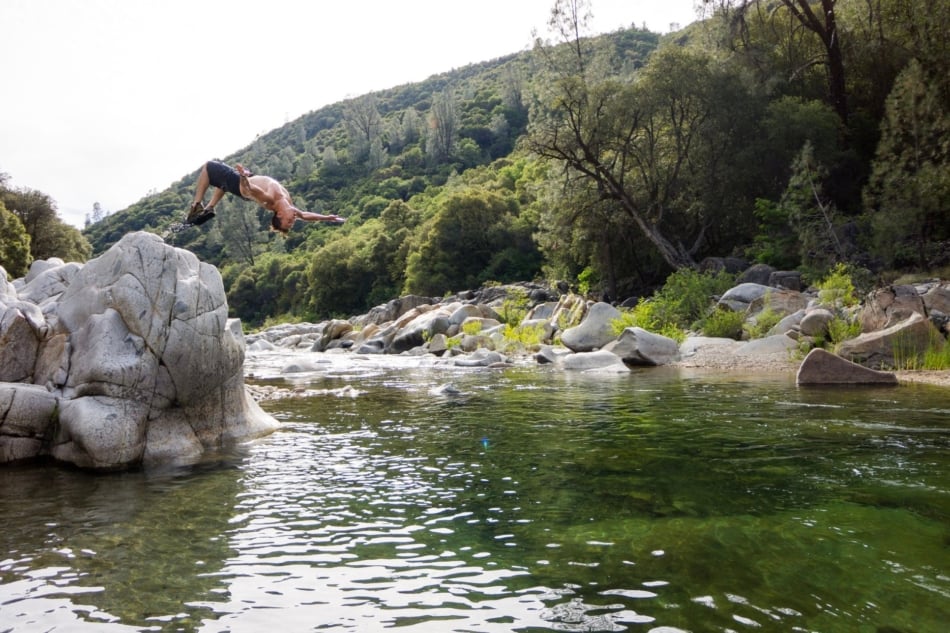
Before community pools and water parks became widespread, swimming holes provided a refreshing escape from the summer heat.
Nearly every town had a favorite creek, pond, river, or hidden swimming spot known primarily to local residents. Rope swings, flat rocks for jumping, and shaded banks for towels were the standard fixtures. Many of these spots are still there, if you ask an older neighbor for directions.
5. Picking Wild Berries
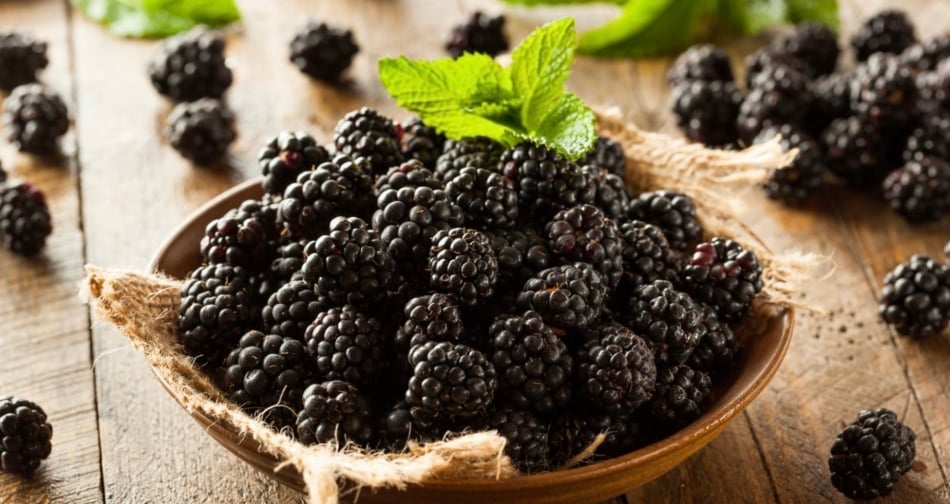
Berry picking was both a summer activity and a way to gather food for homemade desserts.
Families spent warm mornings collecting blackberries, raspberries, blueberries, and other seasonal fruits that later became jams, pies, cobblers, and preserves. Wild blackberries alone still produce roughly two to four pounds per plant across most of the eastern half of the country, according to the USDA Plants Database.
Related: How to Identify Common Wild Berries
6. Reading on the Front Porch
Reading outdoors was once one of the most relaxing summer pastimes.
Many people spent afternoons in rocking chairs enjoying books, newspapers, and magazines while taking advantage of a cool summer breeze. For generations of readers, the Farmers’ Almanac was a trusted companion on porches across America, and still is: the print edition has landed on porch swings every August since 1818.
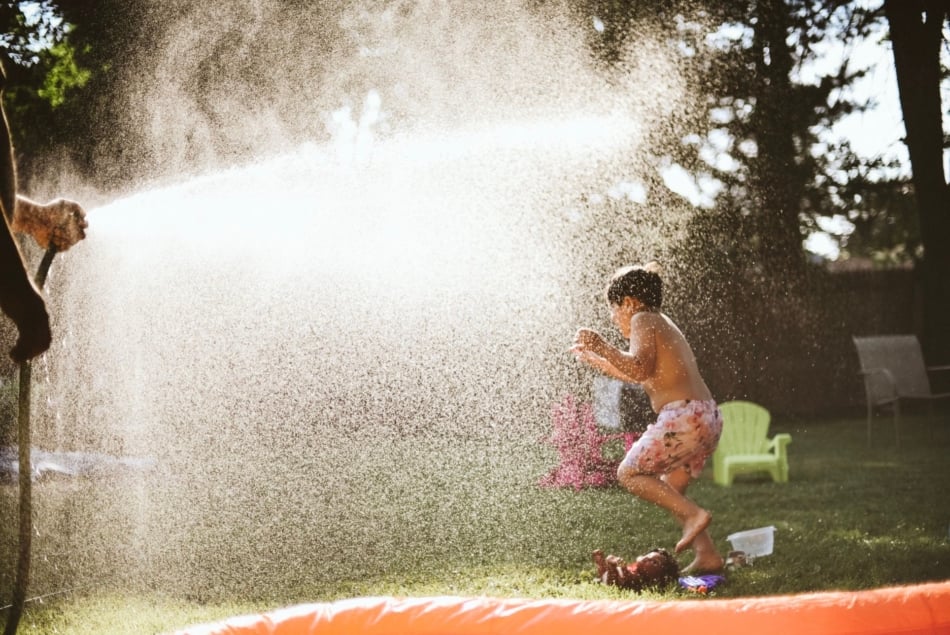
7. Running Through the Sprinkler
Long before inflatable water parks and backyard splash pads, children found endless entertainment running through lawn sprinklers.
This simple summer activity provided hours of fun and helped families beat the heat without spending a dime. An oscillating sprinkler uses roughly the same water as a 5-minute lawn watering session, so it costs almost nothing to bring back.
8. Stargazing on Warm Summer Evenings
Looking at the stars was a popular family activity before screens dominated evening entertainment.
Families gathered blankets, identified constellations, searched for shooting stars, and shared stories beneath the night sky. The peak of the Perseid meteor shower every August 12 and 13 remains one of the best free shows of the year, with 50 to 100 meteors per hour under dark skies.

9. Family Picnics at the Local Park
Packing a picnic basket and spending the day outdoors was a summer tradition enjoyed by generations.
Simple meals, outdoor games, and time spent with family often created some of the season’s most cherished memories. A basic picnic (sandwiches, lemonade, a blanket, one board game or a deck of cards) still runs cheaper per person than a chain-restaurant lunch, and it lasts three times as long.
10. Neighborhood Baseball Games
Pickup baseball games once filled vacant lots and neighborhood parks throughout the summer.
Without organized leagues or strict schedules, children gathered to play simply for the love of the game. The Aspen Institute’s Project Play tracks a steady drop in unstructured youth sports since 2008, and pickup baseball is one of the sharpest declines.
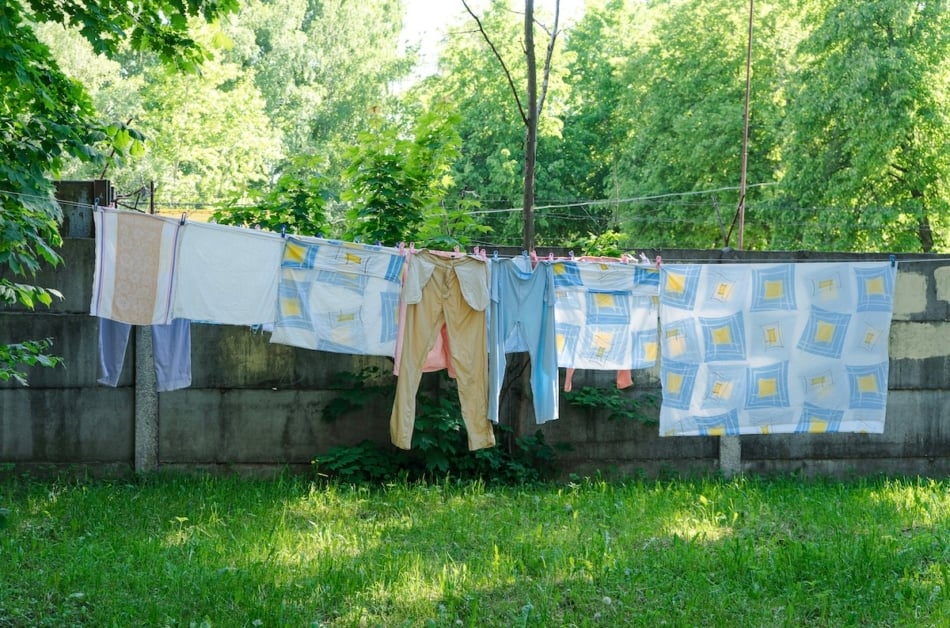
11. Hanging Clothes on a Clothesline
Outdoor clotheslines were once a common sight in neighborhoods and rural communities alike.
Fresh air and sunshine naturally dried clothing and bedding, creating a scent many people still associate with summertime. A clothes dryer is one of the single most energy-hungry appliances in the average American home (about 5 percent of household electricity use per the US Department of Energy), so a summer clothesline still pays off on the utility bill.
12. Listening to Baseball on the Radio
For decades, baseball on the radio was one of summer’s defining sounds.
Families listened from front porches, garages, and backyards as announcers described every pitch and play. The rhythm of a slow-paced radio broadcast is one of the few things a screen still cannot replicate.
13. Visiting With Neighbors on the Front Porch
Front porches served as gathering places where neighbors shared stories, exchanged news, and built strong community connections.
These casual conversations were an important part of everyday life during the summer months. Harvard’s Making Caring Common project has linked a steady decline in casual neighboring since the 1970s to what researchers now call “social loneliness,” and the front porch was a low-cost antidote.
14. Making Fresh Lemonade From Scratch
Before powdered drink mixes became popular, homemade lemonade was often made with freshly squeezed lemons, water, and sugar.
It remains one of the most refreshing and timeless summer beverages. The classic ratio: one cup of sugar, one cup of fresh lemon juice (roughly four to six lemons), and four to five cups of cold water. Chill and serve over ice.
15. Chasing the Ice Cream Truck
The familiar music of an approaching ice cream truck could instantly bring children running from every direction.
For many people, hearing that distinctive tune remains one of their strongest summer memories. The two songs most trucks still use, “Turkey in the Straw” and “The Entertainer,” date to 1834 and 1902 respectively.
A Look Back: How Fast These Traditions Faded
Why These Summer Traditions Still Matter
Many of these old-fashioned summer traditions required little money, no technology, and minimal planning. Yet they provided something many people feel is missing today: time spent outdoors, meaningful family connections, and a deeper appreciation for the simple joys of summer.
While some classic summer activities have faded over time, many families are rediscovering them as a way to slow down and reconnect with nature, neighbors, and one another. The good news: the barriers to reviving any of them are low. Most take an afternoon, a small budget, and a willingness to leave your phone inside.
What Are Your Favorite Summer Memories?
Which of these nostalgic summer traditions do you remember?
Are there any classic summer activities from your childhood that deserve a spot on this list? Share your memories in the comments below.

Frequently Asked Questions
What are the most iconic old-fashioned summer traditions?
Catching lightning bugs, sleeping on the screened porch, homemade ice cream socials, swimming holes, and picking wild berries top most Almanac reader lists. The common thread is that all of them happen outside, in the evening or early morning, without a screen.
Why did so many summer traditions almost disappear?
Three big shifts: central air conditioning became standard (roughly 87 percent of US homes by 2020), the average child’s outdoor play time collapsed, and organized youth leagues replaced pickup games. Light pollution and habitat loss finished off the firefly-in-a-jar tradition in most cities.
Are fireflies really vanishing?
Yes, in many regions. The Xerces Society estimates around one third of North American firefly species are now at some level of extinction risk from light pollution, pesticide drift, and habitat destruction. Turning off outdoor lights and leaving a patch of leaf litter through summer helps the local population recover.
Which of these summer traditions is easiest to bring back this weekend?
Homemade lemonade, an evening on the front porch, or a walk to look for constellations after dark. None require gear you do not already own. A hand-crank ice cream maker is the next tier up if you want a project the whole family joins in on.
Is it safe for kids to catch fireflies in a jar today?
Yes, if you punch air holes, add a damp paper towel, and release them within a few hours. Fireflies do not bite or sting. If your local population is thin, watching without catching is a good tradeoff.
Do people still hang laundry on clotheslines?
Yes, and the number is growing. Sun-dried laundry cuts household electricity use and gives clothing that unmistakable summer scent. Many HOAs that once banned clotheslines have loosened their rules under state “right to dry” laws.
What is the best summer tradition to teach kids first?
Stargazing on a summer evening. It costs nothing, works anywhere with a dark sky, and gives kids one lifelong story per meteor. Aim for the Perseid peak on August 12 and 13, or any night the Moon is new or thin.

- Tim Konrad

- Tim Konrad
- Tim Konrad
- Tim Konrad