

How to Identify Common Wild Berries: Blackberries, Raspberries, Elderberries, and Their Lookalikes
Quick Reference: Wild Berry ID
- 3 safest most-common edibles: blackberries, raspberries, elderberries (when properly cooked).
- 3 most dangerous lookalikes: pokeberry (toxic), baneberry (toxic), deadly nightshade (toxic).
- Universal safety rule: never eat a berry you cannot positively identify. The classic field-guide “berry rule” of color is unreliable.
- Tool: the Almanac’s Best Days harvest calendar for foraging windows.
- Pro tip: always cross-reference at least 2 reliable sources before sampling.
On this page
Related Almanac guides
Sources cited in this guide
Most North American wild berry poisonings each year are not exotic foragers seeking rare plants. They are children and casual hikers picking what they thought were blackberries. The three most dangerous lookalikes (pokeberry, baneberry, deadly nightshade) all grow in the same hedgerows and meadows as the three safest edibles (blackberry, raspberry, elderberry). This guide is the visual differences USDA NRCS and US Forest Service field staff use to tell them apart, plus the safety rules every forager should follow.
The Universal Foraging Safety Rules
Per UMN Extension’s edible wild plant guidance, three rules eliminate the vast majority of foraging risk.
- Never eat a berry you cannot positively identify. Cross-reference at least 2 reliable sources (field guide + extension website + experienced forager) before sampling.
- Color is not a reliable safety cue. The old “red is safe” rhyme is wrong (pokeberry is bright purple-red and toxic; deadly nightshade berries are black and toxic).
- Confirm the plant, not just the berry. Match leaves, stem structure, growth habit, and habitat. Cluster shape is more diagnostic than color.
- If in doubt, do not eat. The marginal calories are not worth the risk.
Quick Field ID for the 3 Safest Berries
These three are the easiest and most-common safe wild berries in the eastern and northern US.
- Blackberry. Black aggregate berry (small drupelets clustered into one fruit). Thorny canes. Compound leaves (3 to 5 leaflets). Sweet ripe, white center when picked.
- Raspberry. Red (or black) aggregate berry. Comes OFF the white inner core when picked, leaving a hollow cap (key difference from blackberry, which keeps the core).
- Elderberry. Tiny dark purple-black berries in flat-topped umbrella clusters. Opposite compound leaves. Hollow stems with white pith. Must be COOKED before eating; raw berries cause mild GI upset.
The 3 Most Dangerous Lookalikes
These are the wild berries that USDA-listed poisoning reports most often confuse with edible ones.
- Pokeberry (Phytolacca americana). Bright purple-red berries in long drooping clusters, NOT clustered drupelets. Thick reddish-purple stem. All parts toxic.
- Baneberry (Actaea spp). Single shiny white or red berries on bright red stalks. “Doll’s eyes” baneberry has black-dotted white berries. All parts toxic.
- Deadly nightshade (Atropa belladonna). Single shiny black berries the size of small cherries. Bell-shaped purple flowers. Highly toxic to children even in small amounts.
Wild Berry Identification (Detail)
Below are the original detail sections on blackberries, raspberries, elderberries, and their lookalikes.
Blackberries and Their Lookalikes
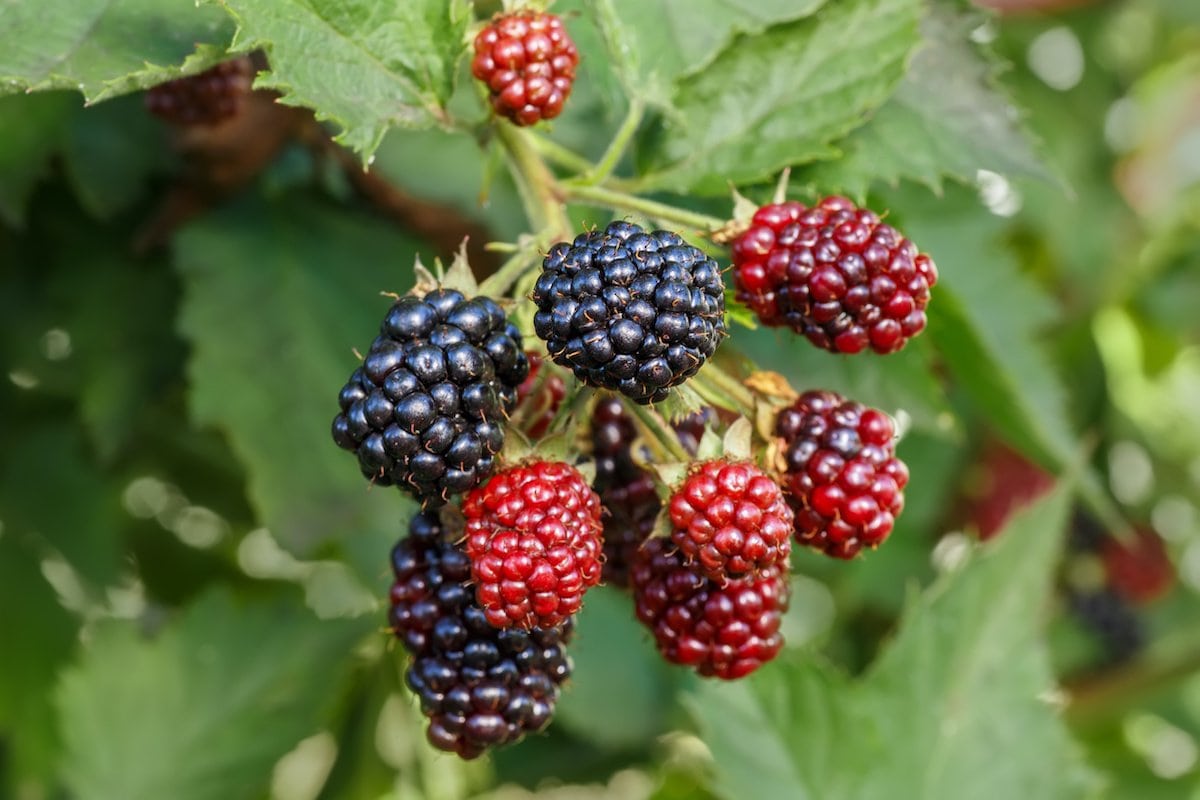
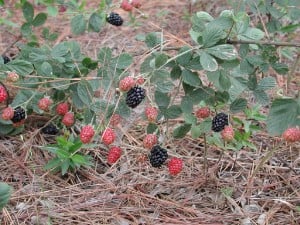
Blackberries and their lookalikes, dewberries, are two of the most commonly harvested wild berries, and with good reason. These fruits are wonderful for anything from pies, cobblers, to jam and preserves. You’ll find blackberries along the edges of wooded areas, and sometimes out in the open, although frequently mowed fields are unlikely to have mature plants.
Blackberries are also popular because, even though they have many lookalikes, none of those lookalikes are dangerous. In different parts of the United States, you may run into olallieberry, marionberry, boysenberry, loganberry, and dewberry. Most of these berries are native to the Pacific Northwest, with the exception of dewberries, which grow throughout the eastern half of the United States.
To tell the difference between dewberries and blackberries, first look at the structure of the shrub. Blackberries produce tall canes, while dewberries are a trailing bramble that rarely exceeds two feet in height. The berries on a dewberry bush are also a little larger than blackberries.
Raspberries and Their Lookalikes
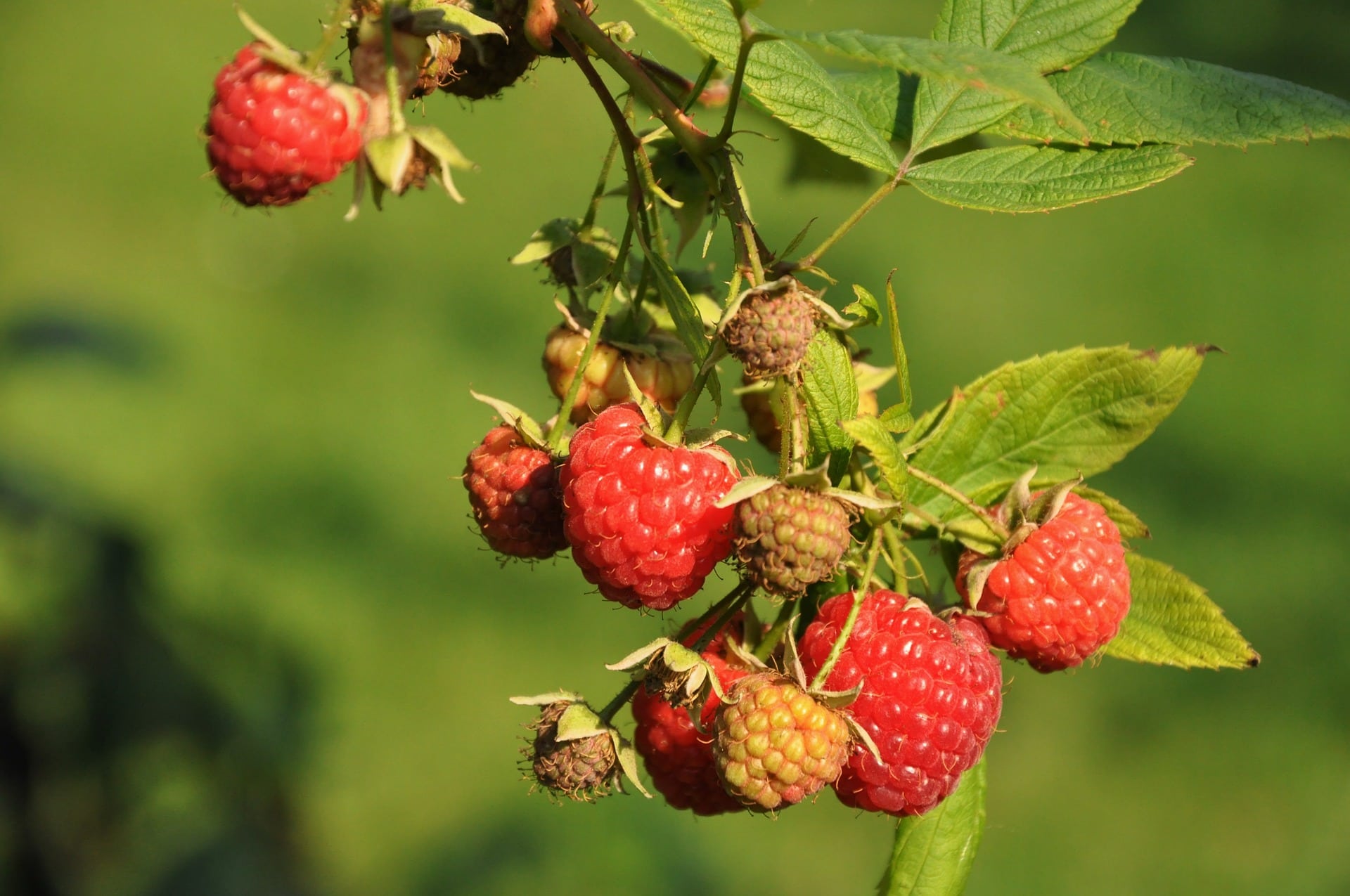
Black and red raspberries are one of the most popular berries in the United States, ranking third right after strawberries and blueberries. Black raspberries are often confused with blackberries, but it’s easy to tell the difference between the two. Blackberries always have a white core, while black raspberries are hollow, blackberries are also larger, shinier, and they appear later in the growing season. The red raspberry has fewer noteworthy lookalikes than blackberries and black raspberries.
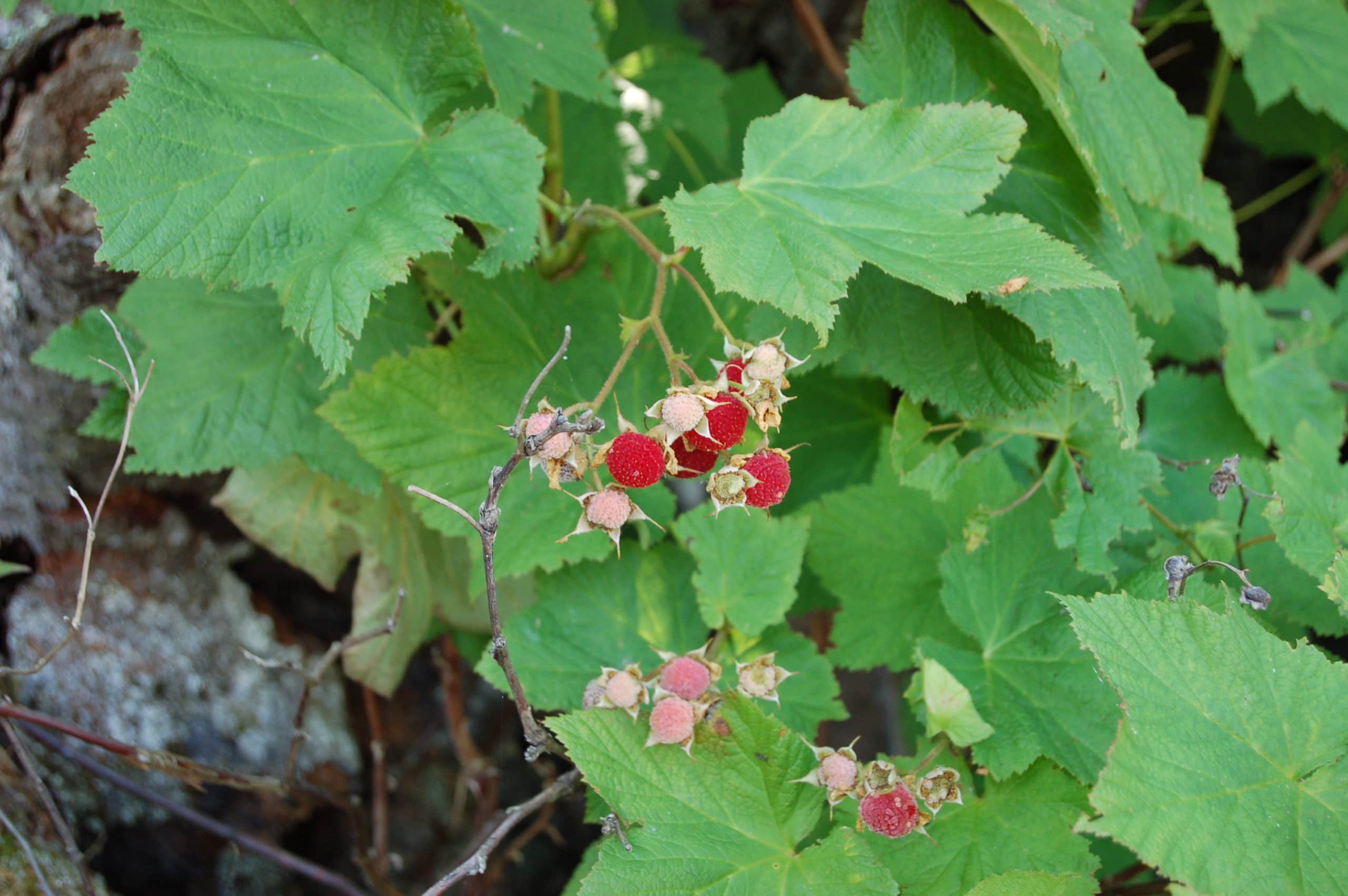
However, if you’re foraging in the Western or Midwestern United States, you’re quite likely to find non-toxic thimbleberries. The easiest way to tell the difference between these two berries is by looking at the plants’ stems. Raspberry plants have lots of small to medium thorns, while thimbleberries are thornless. You can also sometimes distinguish between thimbleberries and raspberries by looking at the berries themselves. Thimbleberries look a lot like thimbles (hence the name), they’re flatter and wider than raspberries. Birds love thimbleberries!
Elderberries and Their Lookalikes
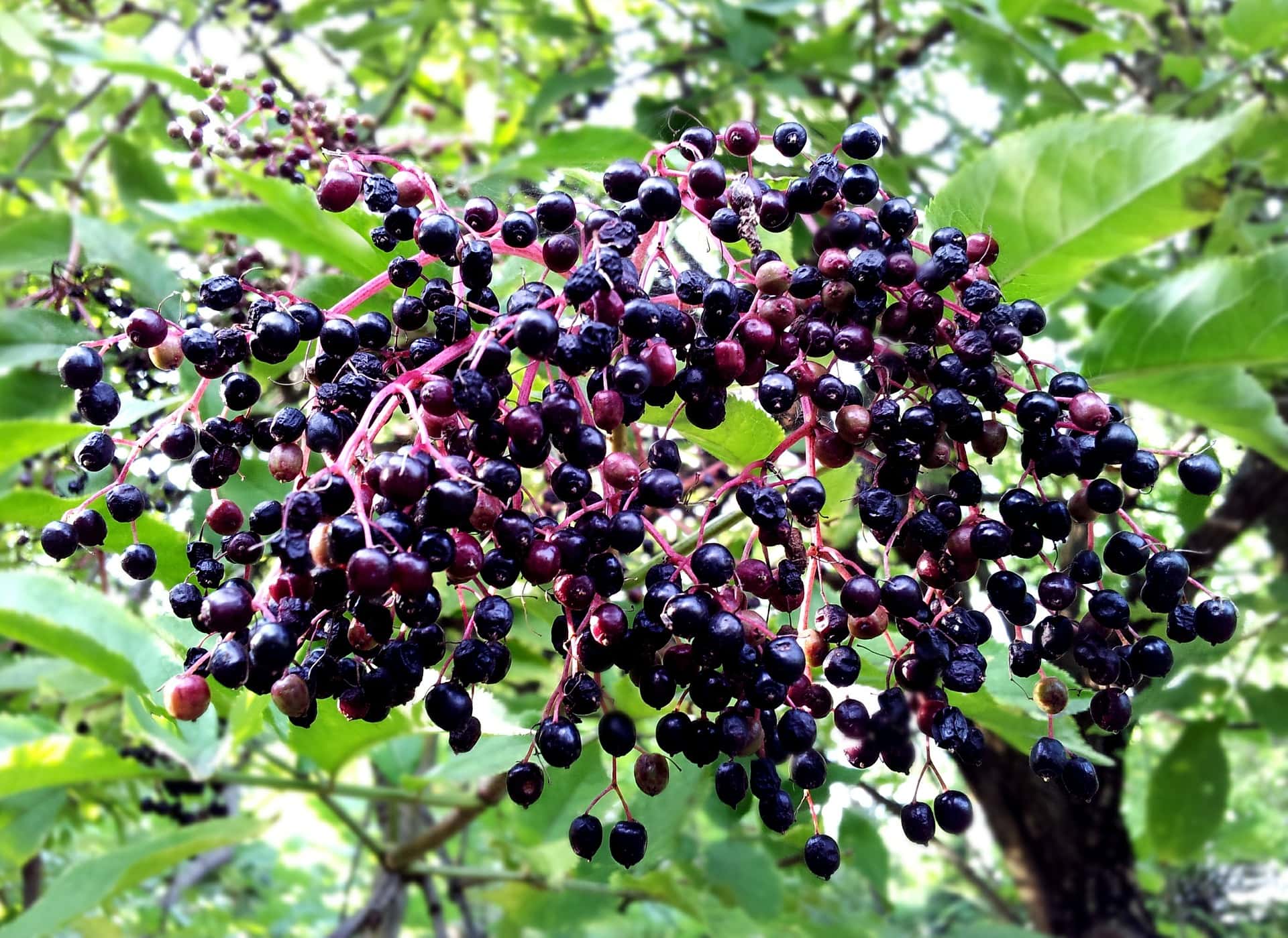
Elderberries (Sambucus nigra) are another native species that grow throughout the United States. They are commonly used to make a syrup to help treat colds and flu, but some pickers avoid them because there are a couple of dangerous lookalikes. However, if you know what to look for, it’s very easy to safely harvest the elderberries you need (but they can’t be eaten raw).
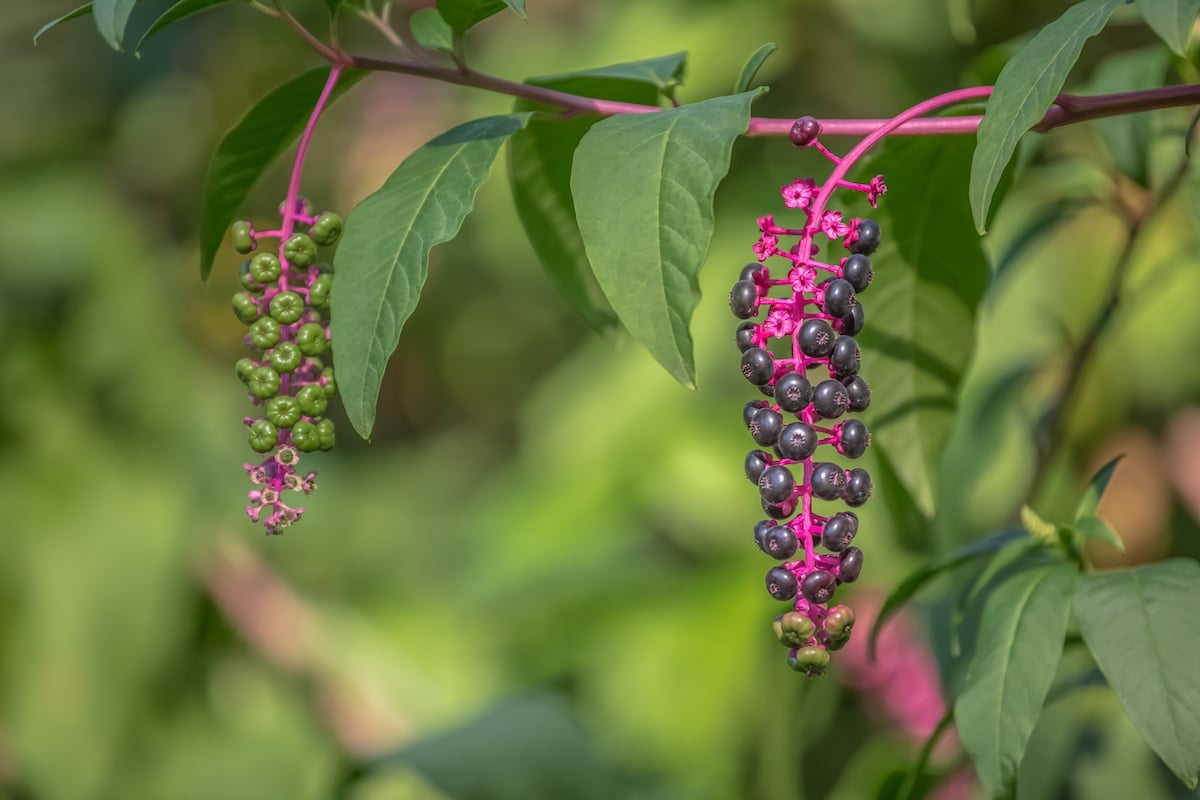
When harvesting elderberries, always look for large, flat clusters of dark blue or purple berries. If you spot berries that look similar to a long cluster of grapes, you may be looking at pokeberries, which are mildly toxic.
Pokeberries are also roughly the size of a pea and they’re somewhat flat. Elderberries are much smaller and they’re perfectly round.
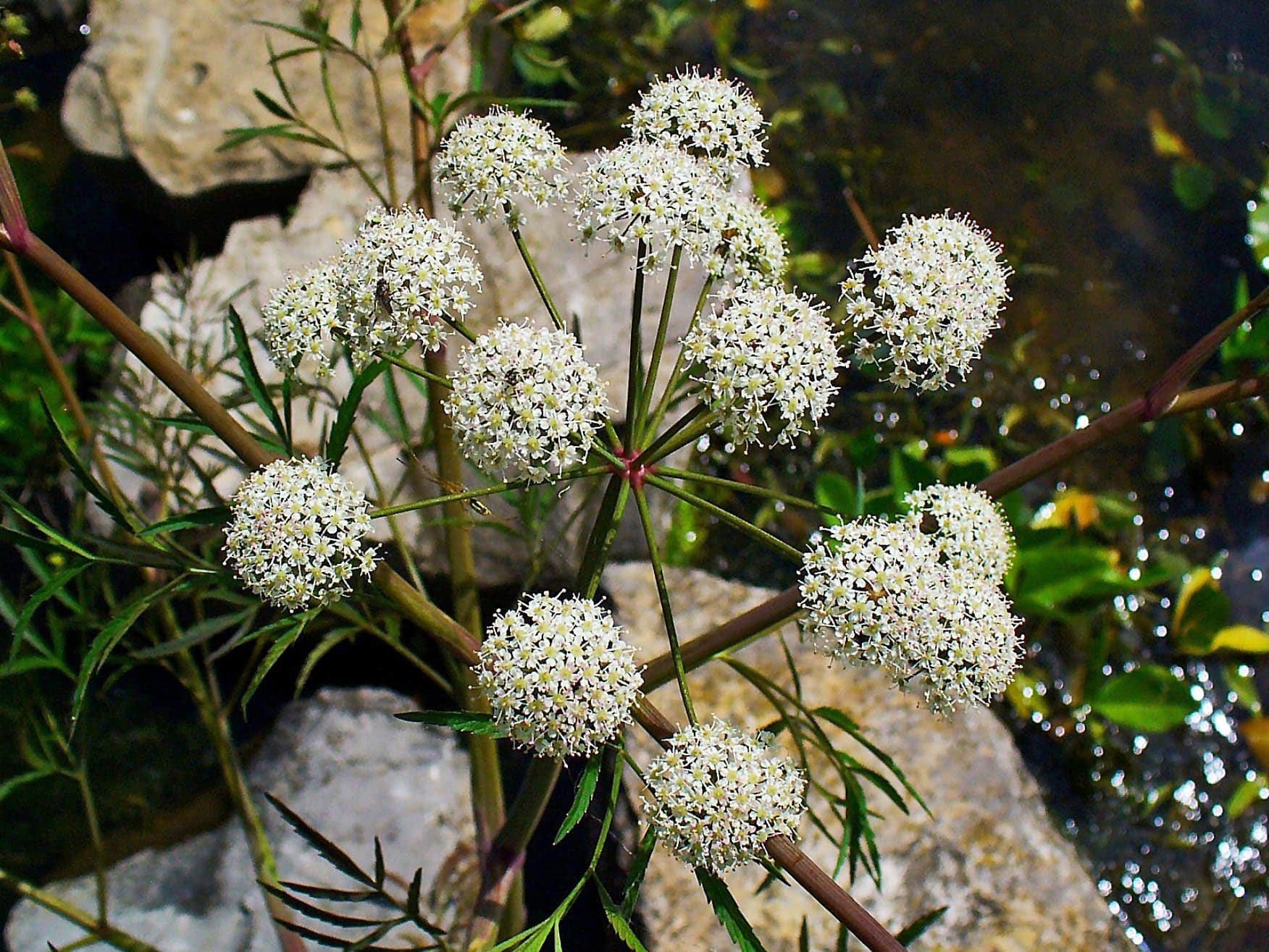
Water hemlock berries look very similar to elderberries, and they’re highly toxic. Fortunately, you can check the stems of these two plants to tell the difference between them. Elderberries are a woody shrub while water hemlock is herbaceous. In other words, if the stems aren’t covered in bark, don’t pick the berries! Water hemlock always has green or green and purple stems.
Here are some images that highlight a few more differences:
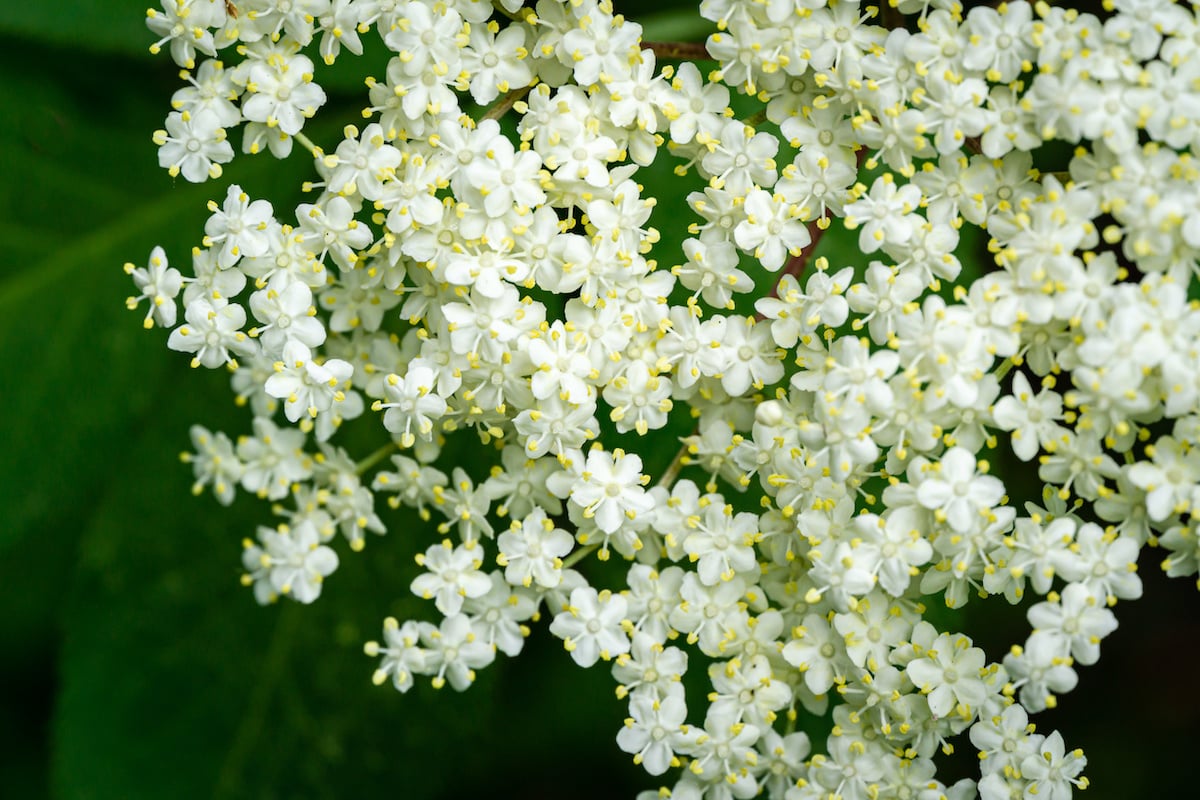
It’s important to note that elderberries need to be cooked before eating. Raw berries, bark, and leaves of the plant are also known to be poisonous and cause stomach problems. The flowers can be eaten raw and can be fried into fritters in this delicious recipe.
There are few better ways to spend bright summer mornings than harvesting wild berries. Just make sure that you know what you’re picking so that you can enjoy the harvest to its fullest!



Wild Berry ID FAQ
How do you tell a blackberry from a raspberry?
Pick the berry from the plant. Raspberry separates cleanly from the white inner core (leaving a hollow cap). Blackberry keeps the core inside the fruit. Both are aggregate berries (clusters of small drupelets) but the picking behavior is the easiest diagnostic.
What wild berries should you never eat?
Pokeberry (Phytolacca americana), baneberry (Actaea), deadly nightshade (Atropa belladonna), and yew berries (Taxus). Each is responsible for several poisoning cases per year in the US, mostly children and inexperienced foragers.
Can you eat raw elderberries?
Not recommended. Raw elderberries contain trace cyanogenic glycosides that cause mild gastrointestinal upset in most adults and more severe symptoms in children. Cooking destroys the compound. Elderberry syrup, jam, and wine are the standard safe preparations.
What does poisonous nightshade look like?
Deadly nightshade has single shiny black berries the size of small cherries, bell-shaped purple flowers, and an erect 3 to 5 foot stem. Bittersweet nightshade (less deadly but still toxic) has bright red berries in clusters on a vining stem. Both grow in shaded edges.
When is the best time to forage wild berries?
Blackberries and raspberries: late July through August in most of the US. Elderberries: August through September. Always pick on a dry sunny day for highest sugar content.
Are there phone apps that identify wild berries?
Apps like iNaturalist and Seek are useful for narrowing identification but should NEVER be your only source for safety-critical foraging decisions. Always cross-reference an app suggestion against a reliable field guide or extension website before sampling.


Amber Kanuckel
Amber Kanuckel is a freelance writer from rural Ohio who loves all things outdoors. She specializes in home, garden, environmental, and green living topics.
- Amber Kanuckel

- Amber Kanuckel

- Amber Kanuckel
- Amber Kanuckel





I have a huge Elderberry tree by my barn with dozens of young trees spreading out from it and when I pick the I eat more than I can pick for the first hour and I eat them uncooked. I never get sick🤷♀️
I grew up in eastern OH and picked wild berries all the time. You could find elderberries growing along most roadsides. We used to make pie (lots of seeds), but the best was elderberry jelly. Delicious! Just be aware, they will permanently stain anything that isn’t metal or glass. I still own a plastic spoon with a greenish/purple stain from making jam. We didn’t have silicone kitchen tools back in the 80’s, so I don’t think those would stain. I live in CO now and wild berries are hard to find here.
Lemon juice will take the stain off your hands like magic. Also, off of clothes depending on the fabric
I live in Knox TN and I have some wild berries growing in my backyard. They range from white, red, to ripened black, very plump and long, perhaps 2ft in height, with tiny thorns. Does this sound like Dewberries? I’m pregnant and would love to feast on these but want to make sure they are safe. Is there a way to send a photo?
Enjoyed this article! Well done-very informative. Thank you!
Thanks Rose! Glad you found it useful. Hope you check out a few more article on our web site.
Crazy i been making my mom hemlock tea for a decade now no wander she looks so old.
wow for 3 years I thought I was eating blackberries but it turns out they were dewberries
The berries I’ve found are not raspberries, blackberries, nor their lookalikes. They are smooth, dark (purple/black) and perfectly round. They grow on a lush, green plant, which I mistook today for bindweed. Can I submit a photo? I live in dry, eastern Colorado where berries in the wild, here on the plains are uncommon. They were growing on the north side of a large equipment shed which within the past couple years had imported soil.
You might have huckleberry or a poisonous look-alike. Do a Google search for ‘poisonous huckleberry look alike’ for help identifying the bush (that is the search that led me to this article actually).
Thanks for the post. Heaps of great information. A tasty superfood.
Just picked some wild blackberries today. I’m in Maryland
there is a red elderberry that is native in alaska. It is sometime said to be poisonous if eaten raw but the joke is that you can’t keep them down long enough to be poisoned. (emetic)