When Does Fall Really Begin Where You Live? Nature May Say Something Different Than the Calendar
The calendar says fall begins on one date. Meteorologists say another. But trees, birds, butterflies, and frost may tell an entirely different story. Here are the three ways autumn really begins—and how to tell when fall has arrived where you live.
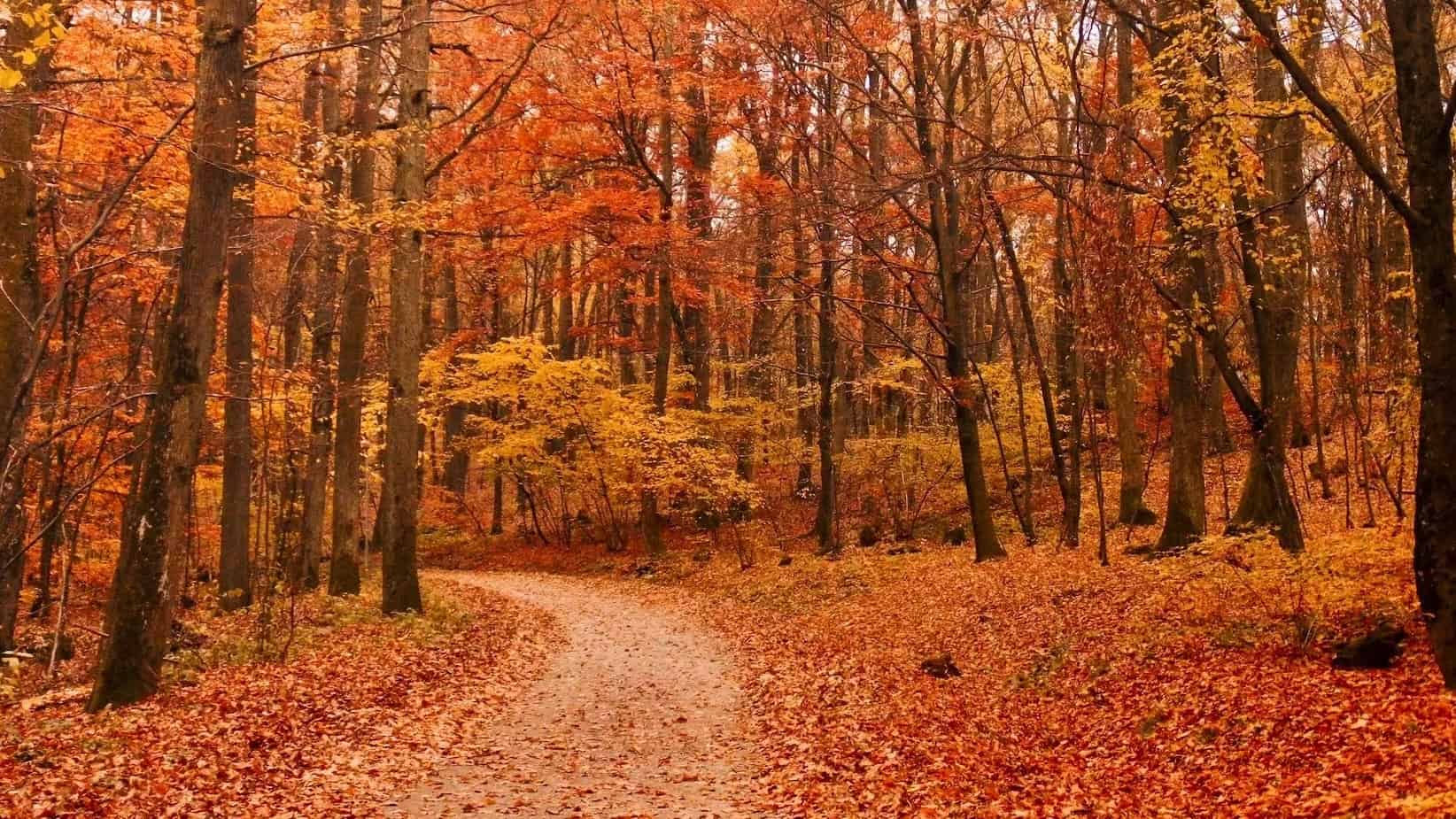
When does fall begin? The answer could be September 1, September 22—or an entirely different date depending on where you live. Here’s why meteorologists, astronomers, and Mother Nature don’t always agree on the first day of fall.
Ask someone when fall begins, and you might get a surprisingly heated answer.
Some people say September 1.
Others insist it isn’t autumn until the fall equinox.
And then there are those who say fall begins with the first chilly morning, the first red maple leaf, the first flock of migrating geese, or the first night you suddenly need a sweater.
Here’s the interesting part:
They can all be right.
There are actually several ways to define the beginning of fall—and the season unfolding outside your window may have very little interest in what the calendar says.
Meteorologists use one date. Astronomers use another. And scientists who study plants and animals can track an entirely different kind of autumn known as phenological fall.
So when does fall really begin where you live?
Take a look outside.
Quick Answer: When Does Fall Begin in 2026?
In the Northern Hemisphere, there are three useful ways to think about the beginning of autumn:
| Type of Fall | When It Begins | What Determines It |
|---|---|---|
| Meteorological Fall | September 1 | Calendar months and annual temperature cycle |
| Astronomical Fall | September 22, 2026 | Earth’s position relative to the Sun |
| Phenological Fall | Varies by location and year | Changes in plants, animals, temperature, daylight, and weather |
Meteorological fall is already underway as September begins.
Astronomical fall arrives with the autumnal equinox on Tuesday, September 22, 2026, at 8:05 p.m. EDT. The U.S. Naval Observatory places the equinox at 00:05 UTC on September 23, which is why you may occasionally see September 23 listed as the date internationally.
But outside?
Nature may have started autumn weeks earlier—or may continue behaving like summer well into October.
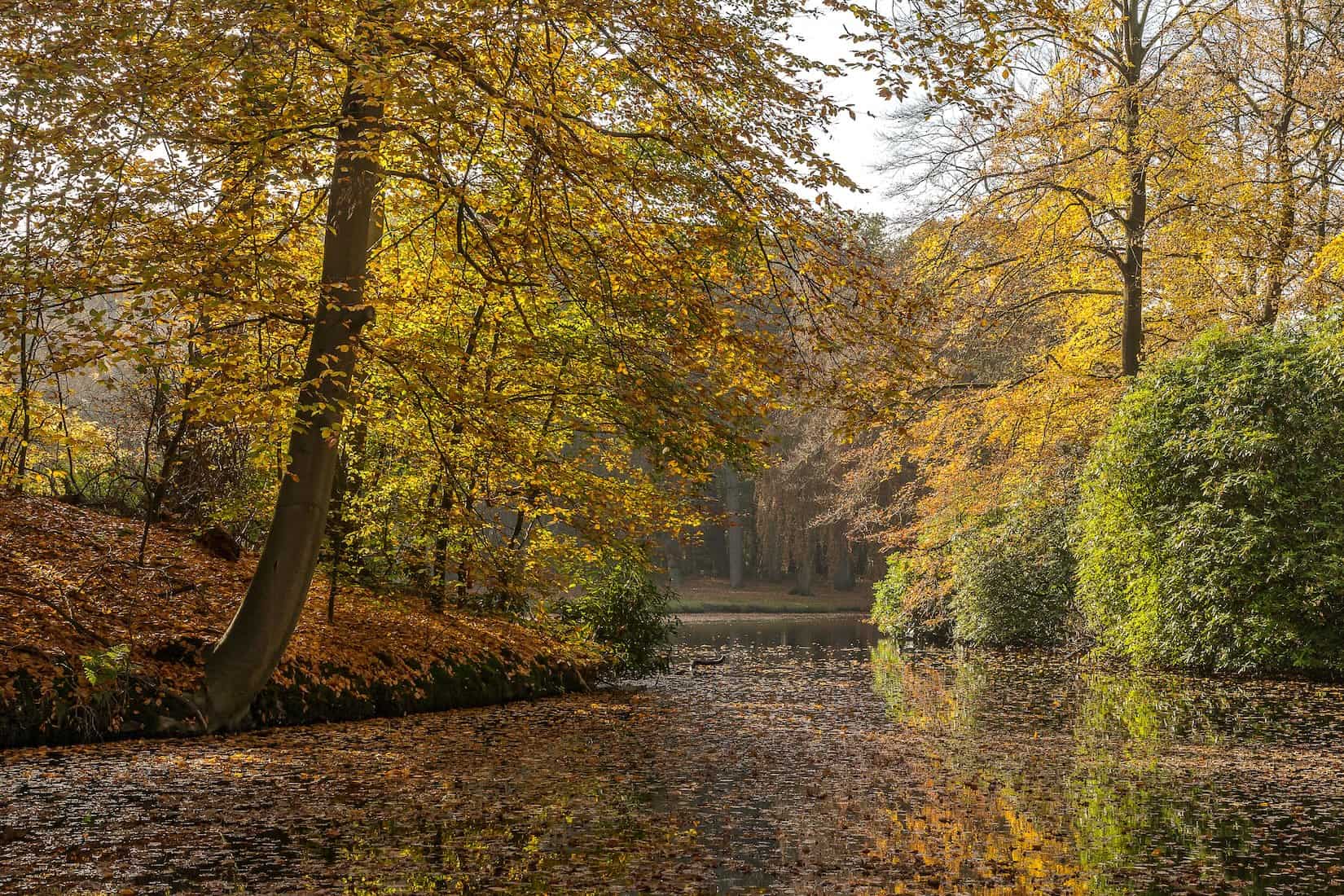
1. Meteorological Fall: September 1st
For meteorologists and climatologists, autumn is wonderfully simple.
Fall begins every year on September 1 and ends November 30.
September, October, and November are meteorological fall in the Northern Hemisphere.
Why?
It makes weather statistics much easier to compare.
Astronomical seasons change slightly in length and can begin on different dates from year to year. Meteorological seasons divide the year into four tidy three-month blocks based roughly on the annual temperature cycle.
NOAA’s National Centers for Environmental Information explains that this system makes it easier to calculate and compare monthly and seasonal climate statistics from year to year. NOAA’s explanation of meteorological and astronomical seasons
We explain the distinction in greater detail in our Farmers’ Almanac guide to why meteorological fall begins September 1.
So from a weather recordkeeping standpoint:
September 1 = Fall.
Yet step outside in Miami, Houston, Phoenix, or much of the South on September 1 and autumn may seem very far away.
That brings us to the second definition.
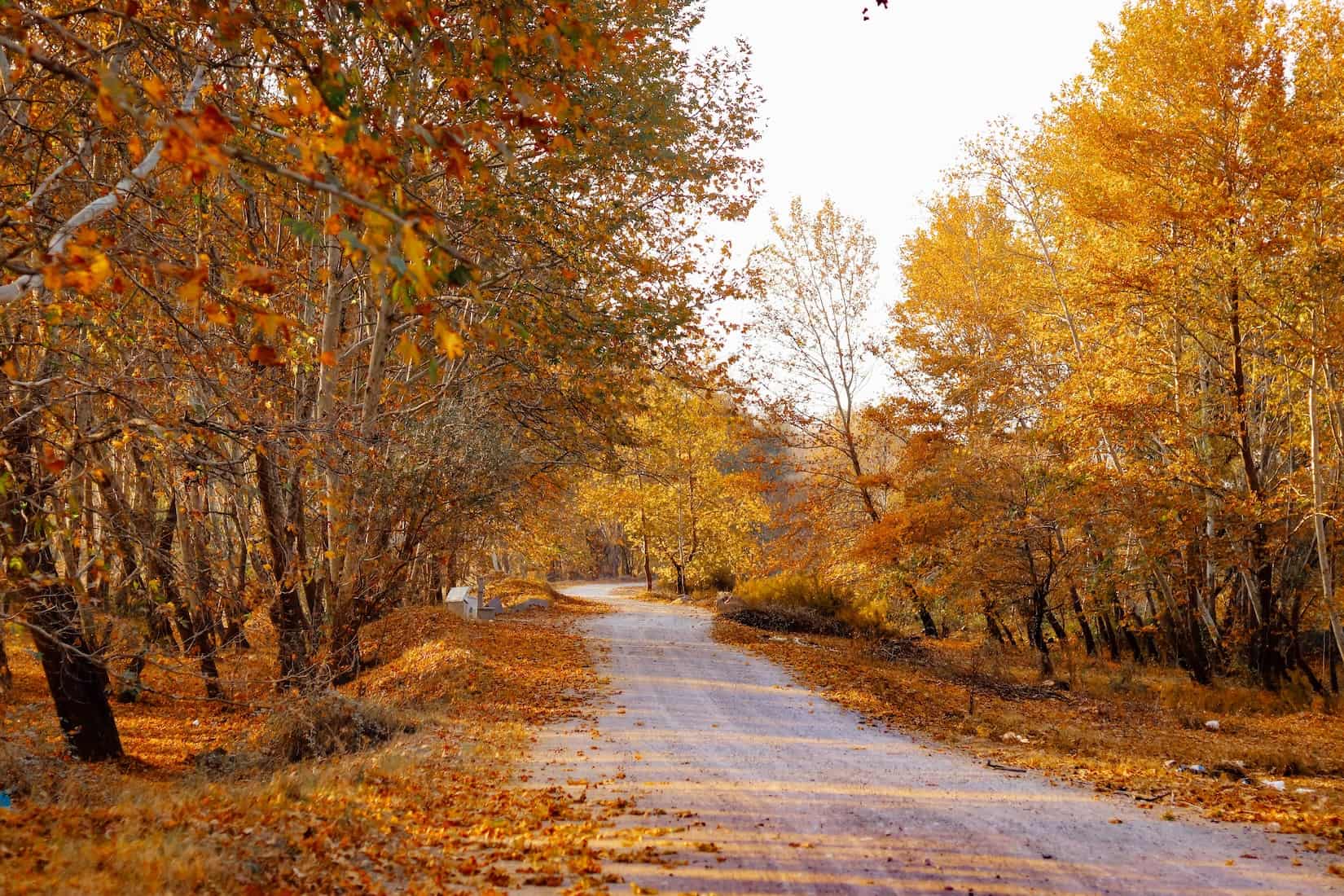
2. Astronomical Fall: The Autumnal Equinox
Astronomical fall follows the movement of Earth around the Sun rather than the calendar months.
In 2026, the first day of astronomical fall in most of the United States is Tuesday, September 22.
The autumnal equinox occurs at:
8:05 p.m. EDT
7:05 p.m. CDT
6:05 p.m. MDT
5:05 p.m. PDT
At that moment, the Sun crosses the celestial equator heading south, marking the astronomical beginning of autumn in the Northern Hemisphere. See the U.S. Naval Observatory’s 2026 seasonal calculations
You can explore the event more deeply in our complete guide to the Fall Equinox and First Day of Fall 2026.
Contrary to a popular saying, however, the equinox does not necessarily produce exactly 12 hours of daylight and 12 hours of darkness where you live. Atmospheric refraction and the way sunrise and sunset are measured mean the closest day to truly equal daylight and darkness—the equilux—may occur on another date.
The equinox is nevertheless an exact astronomical moment shared by the entire planet.
At precisely 8:05 p.m. EDT on September 22, New England and Florida enter astronomical fall simultaneously.
Nature, of course, has other ideas.
3. Phenological Fall: When Nature Says Autumn Has Arrived
This may be the most interesting definition of all—and perhaps the most traditionally Almanac way to think about the seasons.
Phenology is the study of the timing of recurring events in the natural world.
When do maple leaves begin changing?
When do acorns fall?
When do monarch butterflies migrate?
When do asters bloom?
When do certain birds head south?
When does the first frost arrive?
These events form what the USA National Phenology Network calls “nature’s calendar.” Learn more about phenology from the USA National Phenology Network
Unlike the astronomical equinox, there is no single instant when phenological fall begins.
Instead, autumn advances across the landscape.
And it doesn’t move in a perfectly straight line from north to south.
Elevation, latitude, rainfall, drought, temperature, tree species, soil moisture, and even the conditions of the previous spring and summer can change the timing.
That means fall can arrive at different times in places only a few miles apart.
Nature’s Fall Has No Fixed Date
Imagine September 15.
High in the mountains of Colorado, aspens may already be flashing yellow while nighttime temperatures approach freezing.
In northern Maine, maples may be beginning their transformation.
Farther south, trees could remain almost completely green.
Along the Gulf Coast, afternoon temperatures may still feel thoroughly summery.
Yet every one of those places is experiencing the same date.
That’s the difference between calendar fall and biological fall.
The seasonal transition we actually experience happens gradually.
The USA National Phenology Network notes that even the factors controlling autumn leaf color vary by region. Recent research using observations from more than 100 woody plant species found that summer temperature was particularly important in determining the timing of leaf color in the eastern United States, while precipitation played a stronger role in parts of the West.
Nature doesn’t simply look at September 22 and flip a switch.
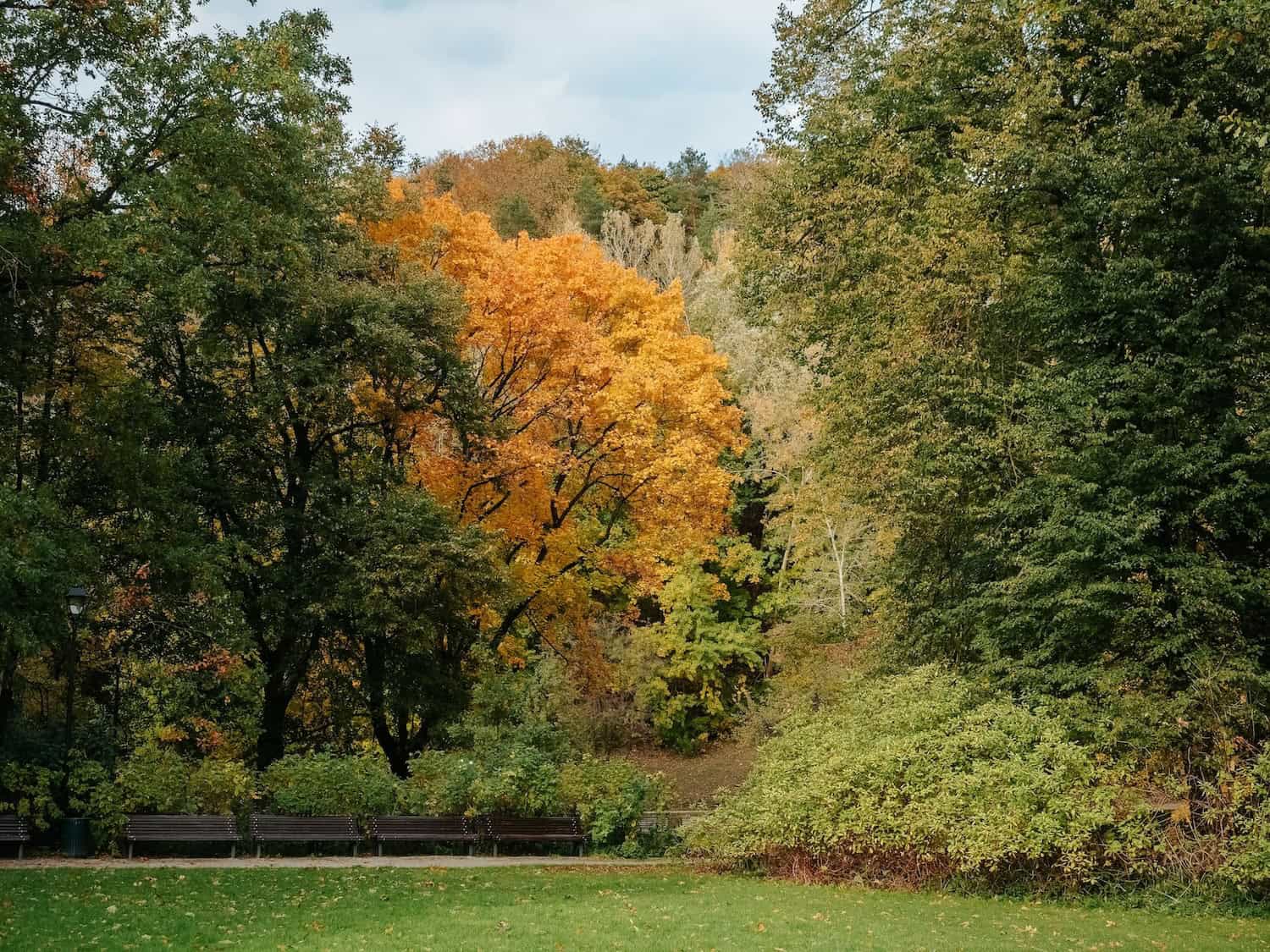
How to Tell When Fall Has Arrived Where You Live
Forget the calendar for a moment.
Walk outside.
Here are some of the most reliable signs that the natural world around you is moving from summer toward autumn.
1. The Days Are Getting Noticeably Shorter
This is one autumn signal that occurs everywhere.
After the summer solstice, daylight begins decreasing across the Northern Hemisphere.
By September, the difference becomes difficult to ignore—especially across northern states.
That changing day length, or photoperiod, is also an important biological cue for plants and animals.
Trees don’t need to wait for frost to know winter is coming.
The changing light is already telling them.
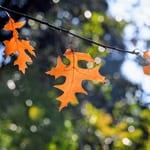
2. The First Leaves Begin to Change
Peak foliage gets all the attention, but nature’s autumn begins much earlier.
Often it starts with a single branch.
A maple develops a splash of red.
A birch begins yellowing.
Sumac turns crimson along a roadside.
Those first leaves can appear well before the landscape reaches peak color.
Shorter days help trigger trees to wind down chlorophyll production, revealing yellow and orange pigments and helping set the stage for autumn coloration.
Weather then influences the quality and timing of the display.
Warm, sunny days followed by cool—but not freezing—nights can produce especially attractive autumn color.
Read more about what weather produces the brightest fall foliage.
3. Mornings Suddenly Feel Different
Sometimes you can feel fall before you can see it.
The afternoon might still reach 80°F, yet early morning suddenly carries that unmistakable chill.
Dew becomes heavier.
Low spots feel colder.
Mist hangs above fields and ponds.
The Sun is lower.
Shadows seem longer.
There is a quality to September light that is difficult to put into numbers—but generations of farmers have noticed it.
A handful of cool mornings doesn’t necessarily mean summer weather is finished.
But it is often one of the first signs that the seasonal balance is shifting.
4. Birds Begin Gathering and Moving
Look up.
Autumn migration may already be underway while your neighborhood still looks completely green.
September is a major migration month across North America, as many songbirds and other species begin moving south.
You may notice birds appearing in larger groups, species you haven’t seen since spring passing through again, or nighttime flight calls overhead.
Migration is another reminder that animals don’t use our calendar to decide when a season begins.
They respond to a combination of biological rhythms and environmental signals.
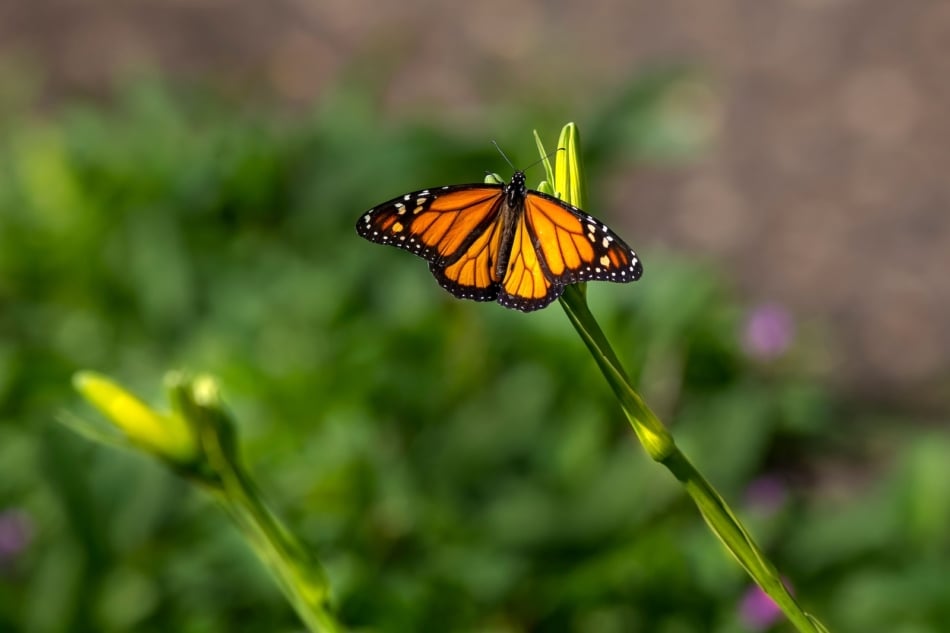
5. Monarch Butterflies Begin Moving South
The monarch migration is another spectacular traveling sign of autumn.
Monarchs leaving southern Canada and the northern United States begin working their way toward central Mexico as summer ends, with waves of butterflies appearing in different regions at different times.
In one place, monarch migration may feel like one of the earliest signs of fall.
Hundreds of miles farther south, those same butterflies may not arrive until weeks later.
Autumn is literally moving across the continent.
6. Acorns Start Hitting the Ground
Sometimes fall announces itself loudly.
Thunk.
Acorns begin bouncing off roofs, decks, cars, and sidewalks.
Oak trees naturally begin dropping mature acorns toward the end of the growing season, and squirrels quickly take notice.
Heavy acorn crops have also inspired generations of weather folklore.
You’ll often hear claims that an abundance of acorns predicts a harsh winter. Science doesn’t support acorn abundance as a dependable long-range winter forecast, but the sight of squirrels gathering nuts remains one of the classic seasonal scenes of autumn.
See more early signs of fall you can watch for in nature.
7. The First Frost Arrives
For gardeners, the first frost may feel like the most decisive boundary of all.
One morning the garden is still producing.
Then temperatures dip toward freezing.
Tender plants wilt.
Pumpkin vines collapse.
The growing season suddenly feels over.
But even frost has no national schedule.
It may occur surprisingly early in northern or high-elevation regions, while portions of the South can wait until November or later.
Our 2026 First Frost Dates guide shows just how dramatically the timing changes around the country.
So When Does Fall Begin Where You Live?
There is no single biological date that works everywhere, but the general progression looks something like this:
Far North and High Elevations
Nature can begin showing signs of fall surprisingly early—sometimes in late August and early September. Cool nights, changing leaves, migrating wildlife, and early frosts can all arrive before the astronomical equinox.
Northern New England, Upper Midwest and Northern Rockies
September often brings unmistakable signs of seasonal change. Trees begin coloring, nights become considerably cooler, and migration becomes increasingly noticeable.
Mid-Atlantic and Central United States
September often behaves like a transition month. Early autumn signals appear, but the most obvious transformation usually builds from late September into October.
Southeast and Lower Elevations of the South
The equinox can arrive while the landscape still looks remarkably summery. Cooler nights and foliage changes may not become prominent until October or even November.
Gulf Coast and Warmest Parts of the Country
Autumn can be subtle. Instead of brilliant leaf color or an early frost, the best signals may be declining humidity, cooler evenings, changing bird populations, shorter days, and the gradual end of summer heat.
Peak foliage follows a similarly staggered progression, generally moving from northern and high-elevation areas toward southern and lower elevations as autumn progresses.
See our Fall Foliage Dates by State and region and our 2026 Fall Foliage Outlook for a closer look at this year’s color.
Perhaps Our Ancestors Had the Better Calendar
Long before smartphones, satellites, and standardized calendars, people had another way of keeping track of the year.
They watched.
They knew when a particular flower bloomed.
They noticed when the swallows disappeared.
They watched the angle of the afternoon Sun.
They knew when certain fruits ripened, when nuts dropped, when frost settled into the low fields, and when trees on a particular hillside began changing color.
These observations weren’t always perfect predictors of future weather—despite some wonderful bits of old weather folklore.
But they were extraordinarily useful descriptions of what the season was actually doing in one particular place.
And that’s a tradition worth keeping.
Create Your Own Local Fall Calendar
Here’s a simple Farmers’ Almanac experiment.
Beginning today, write down the date when you notice:
- Your first noticeably chilly morning
- Your first changing maple or other deciduous tree
- Acorns beginning to fall heavily
- A large flock of migrating birds
- Monarch butterflies passing through
- Your first morning below 50°F
- Your first frost
- Peak foliage
- The first day that truly feels like fall
Do it again next year.
Then the year after that.
Before long, you’ll have something surprisingly valuable:
A miniature almanac for your own backyard.
You may discover that some signs arrive almost like clockwork while others can shift by days—or even weeks—from year to year.
That is phenology in its simplest form.
And it answers a question no national calendar can:
When does fall really begin where you live?
The Bottom Line
So, when is the first day of fall?
September 1, if you’re a meteorologist.
September 22, 2026, if you’re an astronomer in the United States.
But if you’re a maple tree, monarch butterfly, migrating warbler, gardener—or simply someone paying attention outside—the answer may be completely different.
Maybe fall begins when the first maple turns red.
Maybe it starts when the first cold morning sends you looking for a jacket.
Maybe it’s when the geese begin gathering overhead.
The calendar gives autumn a date.
Nature gives it a season.
What is the first sign that tells you fall has arrived where you live?
Tell us what you’re seeing—and where you’re seeing it—in the comments.
Frequently Asked Questions
When does fall begin in 2026?
Meteorological fall began September 1, 2026. Astronomical fall begins with the autumnal equinox on Tuesday, September 22, 2026, at 8:05 p.m. EDT in the eastern United States.
Why do meteorologists say fall begins September 1?
Meteorologists divide the year into three-month seasons that make climate statistics easier to organize and compare. In the Northern Hemisphere, meteorological fall consists of September, October, and November.
What is phenological fall?
Phenological fall refers to seasonal changes occurring in plants and animals, such as leaves changing color, leaf fall, migration, fruit ripening, and other recurring biological events. Because these respond to local environmental conditions, phenological autumn does not have one universal starting date.
Does fall begin earlier in the North?
Generally, many visible signs of autumn—particularly foliage change and frost—occur earlier at higher latitudes and higher elevations, although local weather, vegetation, elevation, drought, and other conditions can alter the timing substantially.
Does the first frost mean fall has begun?
The first frost is an important seasonal milestone, especially for gardeners, but it is not the official beginning of fall. Some locations experience frost before the astronomical equinox, while warm climates may not experience freezing temperatures until very late in autumn—or at all in some years.


- Farmers' Almanac Staff

- Farmers' Almanac Staff
- Farmers' Almanac Staff
- Farmers' Almanac Staff