

Why Are Barns Painted Red? The Real Reason: Iron Oxide, Cheap Linseed Oil, and 1800s Frugality
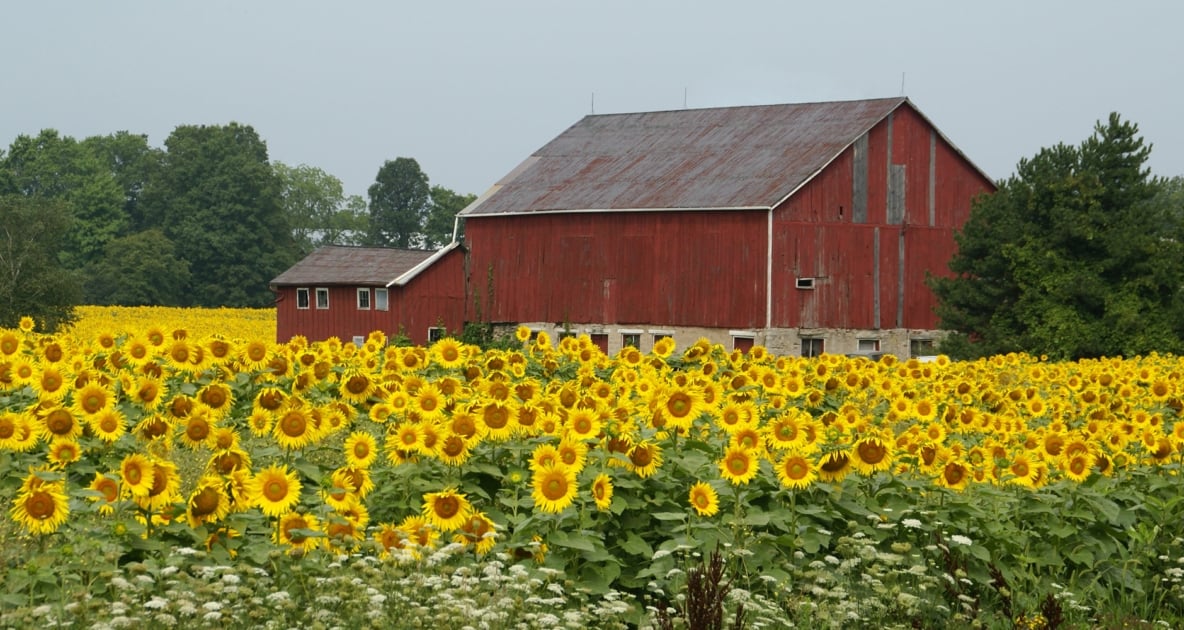
Quick Reference: Why Barns Are Red
- The real reason: iron oxide (ferrous oxide, rust) was the cheapest pigment available to 1800s American farmers.
- How they made it: mixed iron oxide with linseed oil + milk or buttermilk for a durable wood preservative paint.
- The myth: red barns to attract dying-star light, scare away witches, or bull-related folklore. None are the actual origin.
- Why it lasted: tradition + the paint still works + cultural symbolism of the heartland.
On this page
Related Almanac guides
Sources cited in this guide
Red barns are an American icon, but the reason they are red has nothing to do with folklore. The answer is pure 19th century frugality. Iron oxide (rust) was the cheapest pigment a farmer could find. Mixed with linseed oil and skim milk, it produced a durable rust-red wood preservative that protected barn siding for decades. By the time commercial white paint became affordable, the red barn had become a cultural symbol too strong to give up. This guide is the real history, the chemistry, and the modern paints that replaced the original recipe.
The Real Reason: Iron Oxide Was Cheap
Per Smithsonian American agricultural history and Britannica’s paint history.
- 1800s rural America: farmers needed to protect wooden barn siding from rot but commercial paint was expensive.
- Iron oxide (rust) was abundant, often farmed as a byproduct of iron production, and cost nearly nothing locally.
- The recipe: mix iron oxide with linseed oil (from flax seed) and skim milk or buttermilk. Apply with brush. Lasts 20+ years.
- The result: deep rust-red color, durable wood preservative, and the cheapest paint a farmer could produce.
- The shift: commercial white paint became affordable in the early 20th century. Many farms switched, but the red-barn tradition held.
Why the Tradition Held
Multiple factors reinforced the red barn long after commercial white paint became affordable.
- Cultural symbolism. Red barns became visual shorthand for the American heartland, family farms, and rural identity.
- Practical visibility. Red contrasts strongly with green fields, snow, and most natural surroundings, making it easy to spot from a distance.
- The paint still works. Modern barn red is still iron-oxide based for the most part, still durable, and still relatively inexpensive.
- Photographic appeal. Red barns photograph beautifully against any seasonal landscape, reinforcing the cultural symbol.
Why Are Barns Red (Detail)
Below is the original Almanac coverage of why American barns are traditionally painted red.

Why Barns Are Red FAQ
Why are American barns painted red?
Frugality. In 1800s rural America, iron oxide (rust) was the cheapest available pigment. Mixed with linseed oil and skim milk it made a durable wood preservative paint for almost no cost. By the time commercial paint became affordable, the red barn had become a cultural symbol too strong to give up.
What is the original barn red paint recipe?
Iron oxide pigment mixed with linseed oil (from flax seed) plus skim milk or buttermilk as a binder. Some farmers added blood, lime, or other locally available ingredients. The pigment was the key. Modern barn red commercial paints still use iron oxide as their primary colorant.
Are all barns red?
No. White barns are common in dairy regions (white-washed barns reflect heat in summer and look clean). Black tobacco barns are common in the South. Untreated wood is common in many regions. Red remains the iconic American barn color but is not universal.
Why is iron oxide red?
Iron oxide has a deep rust-red color because of how the iron atoms absorb light at the molecular level. The same pigment is found in red rocks, red soils, and yes, ordinary rust. It is one of the oldest and most stable pigments known.
When did farmers stop painting barns red?
Many still do. The transition started in the early 20th century when commercial paints became affordable, but the red barn tradition held strong through the 1950s and continues in many regions today. White and unpainted barns have grown in popularity, but red remains the dominant traditional choice.

This article was published by the Staff at FarmersAlmanac.com. Any questions? Contact us at [email protected].
- Farmers' Almanac Staff

- Farmers' Almanac Staff

- Farmers' Almanac Staff

- Farmers' Almanac Staff

I agree with you Rick my great grandpa never painted his barn and it is still standing today weathered but in excellent shape
I do not agree that barns were painted red for the protection of the barn barn boards were never painted if not treated the boards would be harder then it painted and better protected that’s why you see barn boards over 100 years old that are gray in color because they have never been touched
Right. Mostly Hemlock was used for barn siding . It is very impervious to weather.
Your comment is so ridiculous. If your statement had any validity you would see gray barns everywhere and you well don’t. The interior of barns were untreated as not exposed. The barn wood you purchase has been stripped for resale on the open market. Please use that oval thing atop your neck.
To honor the roosters some have beautiful colors and I believe they attract all animals for feed and Love and confront and shelter! Thus they picked the color Red!
Did people honour animals of any kind, at any time? N.A. Aboriginals and people from India are the only peoples I’m aware of who honour animals. Along with some other tribal peoples whose very existence relies on them for food. We whites have shown repeatedly through history to be quite cruel to livestock.
My barn is red, it needs new paint, but I’m thinking of something different. I love the look of the tabacco barns in the south. Kentucky is my husband’s birth place. We live in Webberville mi.
There are several painted black barns north of Howell, MI and around lower Genesee Co. I think they look beautiful!!