

10 Fascinating Facts About Bats (Plus Why Your Garden Needs Them)
When you learn about bats, they're not so scary. Read more about these fascinating nocturnal creatures!
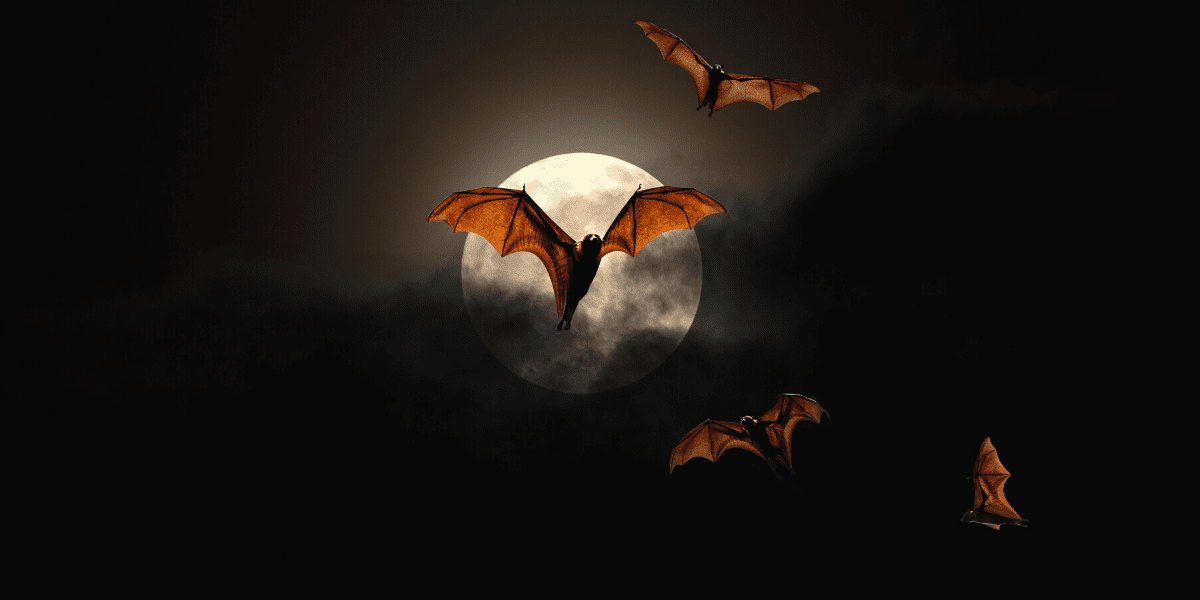
Quick Reference
- Are bats blind? No. Bats see in low light and use echolocation on top of that.
- Do bats fly into your hair? No. Their sonar picks out a mosquito in flight.
- How many mosquitoes does one bat eat? A single little brown bat catches up to 1,200 mosquito-sized insects per hour.
- How long do bats live? Up to 30 years, a very long life for a small mammal.
- Are they endangered? Yes, populations are falling from habitat loss and white-nose syndrome, currently confirmed in 40 US states per the White-Nose Syndrome Response Team.
- Baby bats are called: pups.
Bats get a bad rap. Around Halloween they turn up on every doorstep beside a plastic tombstone, and folklore ties them to vampires and haunted attics. The truth is closer to a farmer’s best friend than a horror-movie prop. Bats are beneficial to your garden, they are quiet neighbors, and the numbers on their pest-control work are genuinely startling. Here are ten facts about bats to bring on your next October night walk.
10 Facts About Bats
- Bats are not blind and can see in the dark. Their eyes are adapted for low-light hunting. Contrary to the old saying, many bat species see roughly as well as a house cat at dusk.
- Bats use sonar to navigate, called echolocation. They emit high-frequency calls and read the echo, which gives them a sharp map of every branch, moth, and mosquito in flight. That is why the “bats fly into your hair” tale simply is not true.
- Bats can carry rabies, but most do not. Like all mammals, they are capable of contracting the disease. In practice, only a small percentage of wild bats test positive. The US Centers for Disease Control still recommends never handling a bat with bare hands and reporting any bite for evaluation.
- A single little brown bat can catch 1,200 mosquito-sized insects in one hour. No smelly lotions required. Bat Conservation International reports this figure across peer-reviewed field studies.
- A colony of 150 big brown bats can protect local farmers from up to 33 million or more rootworms each summer. That is a serious dent in the corn-belt pest load. USDA-funded research values total US bat pest-control services at roughly 3.7 billion dollars per year, per a 2011 Science paper by Boyles and colleagues.
- Bats can live up to 30 years. That is an unusually long lifespan for a mammal this small, and one reason biologists study their DNA for clues about slow aging.
- Bats are vital to rain forests. Many tropical trees rely on bats for pollination and seed dispersal, and forest regrowth after clearing slows dramatically where bats are lost.
- Bats are behind many familiar foods and derivatives, including dates, bananas, guavas, balsa wood, vanilla, tequila (agave is bat-pollinated), and even chewing gum.
- Bat populations are under real pressure. Habitat loss, deliberate killing, wind-turbine strikes, and white-nose syndrome (a cave-dwelling fungus first identified in New York in 2006) have hit North American cave-bat species hard.
- Yes, one bat does drink blood, but it is picky. The vampire bat feeds on cattle and bird blood, not human blood. It lives in Central and South America and does not kill the animals it feeds on.
Bats Across North America
Why Bats Matter to Farmers and Gardeners
A working bat colony saves the farmer downstream from a lot of pesticide. Big brown bats target rootworms and stink bugs. Mexican free-tailed bats work the corn-earworm moth. Little brown bats keep the mosquito population honest in the evening. That is the reason a well-sited bat house on a barn or an oak tree can pay for itself in one summer.
Attracting bats to your yard is straightforward: put up a bat house facing south, mount it 12 to 20 feet up, keep it within a quarter mile of a water source, and leave a dead limb or two on the property line for daytime roosting.
The Real Threats: What Is Actually Killing Bats
Three pressures dominate. First, white-nose syndrome, a cold-loving fungus (Pseudogymnoascus destructans) first documented at Howe’s Cave, New York in 2006 and now confirmed in 40 US states and 8 Canadian provinces. Second, habitat loss as caves are closed off, forests thinned, and mature trees felled. Third, wind-turbine strikes, which the US Geological Survey estimates kill hundreds of thousands of bats a year in North America.
How To Help Bats This Year
- Install a certified bat house before spring. Bat Conservation International sells vetted plans.
- Leave dead limbs and snags where safe. Bats roost inside peeling bark.
- Skip broad-spectrum insecticides in the evening. You are killing your bats’ dinner.
- Never seal off a cave without a bat-friendly gate. Consult your state wildlife agency first.
- Report a dying or sick-looking bat to your state’s fish and wildlife department to help track white-nose syndrome.
Today many organizations, both privately and government-run, work toward the preservation of bats. For more on how to help or how to draw bats into an insect-infested yard, see Bat Conservation International.
Fun Fact: Baby bats are called “pups”!


Frequently Asked Questions About Bats
What are 10 fascinating facts about bats?
Bats are not blind, they use echolocation, they eat up to 1,200 mosquitoes an hour, they live up to 30 years, they pollinate bananas and agave, they are vital to rain forests, a colony of 150 can eat 33 million rootworms a summer, most do not carry rabies, populations are under pressure, and only the vampire bat drinks blood (from cattle, not humans).
Are bats blind?
No. Bats can see in low light and often as well as a house cat at dusk. Echolocation adds a second sense on top of vision, which is why the “blind as a bat” saying is folklore, not biology.
Do bats really fly into your hair?
No. Echolocation lets a hunting bat pick a mosquito out of mid-air. Your head is a much larger and slower target. If a bat swoops near you, it is usually chasing an insect you did not notice.
How do I attract bats to my yard?
Mount a certified bat house 12 to 20 feet up, facing south, within a quarter mile of a water source. Cut back on evening insecticides. Leave a dead limb or two for daytime roosting.
Are bats dangerous?
Wild bats are wild animals and can carry rabies, though the actual infection rate is low. Never touch a bat with bare hands. If you find one indoors, contact your local animal control or state wildlife office rather than handling it.
What is killing bats in North America?
Three pressures: white-nose syndrome (a cold-loving fungus first documented in New York in 2006, now in 40 US states), habitat loss, and wind-turbine collisions. Together they have caused major declines in cave-hibernating species like the little brown bat.
What are baby bats called?
Pups. A group of pups is a colony, and a group of adult bats roosting together is also called a colony or a cloud (Mexican free-tailed).


This article was published by the Staff at FarmersAlmanac.com. Any questions? Contact us at [email protected].
- Farmers' Almanac Staff

- Farmers' Almanac Staff

- Farmers' Almanac Staff

- Farmers' Almanac Staff



When I was a kid, I used to love to be by our pond at twilight to watch the bats skimming the pond to drink water. Sadly, there are no more bats here. As I type this, I can hear the sound of a giant tree shredder destroying the forest near us. My heart weeps for all the wildlife being killed or made homeless. Developing the land is killing us all.
Can bats help me with a spider problem on my outdoor patio? Maybe they would eat insects out there but I don’t want bats flying around my head while we enjoy the view of the lake.
Hi Toni, they mostly eat flying bugs, rather than spiders. They home in on them with their internal sonar. I have had them pluck insects off my screens. But they really have no interest in humans and will avoid them, so you don’t have to worry about them.
The fungal disease, white nose disease of bats, is killing off large numbers of our bat friends. I don’t know if there is a solution to this problem ?!?
Bats are so misunderstood! I’m glad to see this article pointing out the many benefits of bats. One thing, though. Vampire bats don’t suck blood. They lap it up from the skin.
We live in western ny state, see the bats every summer, love to listen to them talk
I’m just starting to get to know them but, I’m going to put up a bat house on the garage to help them in the city.
I love the bats. I sit outside at night all summer long watching them fly, they are amazing. We don’t have as many as we used to, that bothers me, I believe it’s because there is so much “clear cutting” going on around us. I was thinking to find someone to build me some bat houses.
I live in the woods and have my whole life… We have always had a policy of leaving them alone.. Last week I removed some dangerous and dead trees near my house.. at dusk I see dozens of bats flying low and close to the house… Is this just natural for them this time of year or is it that I disturbed their homes??
Good facts to know! I am glad to see bats out at my house.