

Favorite Fish by Region: A U.S. Angler’s Guide
There are lots of fish to be found in this country, whether for good eating or the perfect sporting challenge, find out what anglers say are the best fish to catch from Maine to California.
Favorite Fish by U.S. Region at a Glance
- Northeast: striped bass (the “striper”), surfcaster’s prize, world-record 81 lb 14 oz (IGFA).
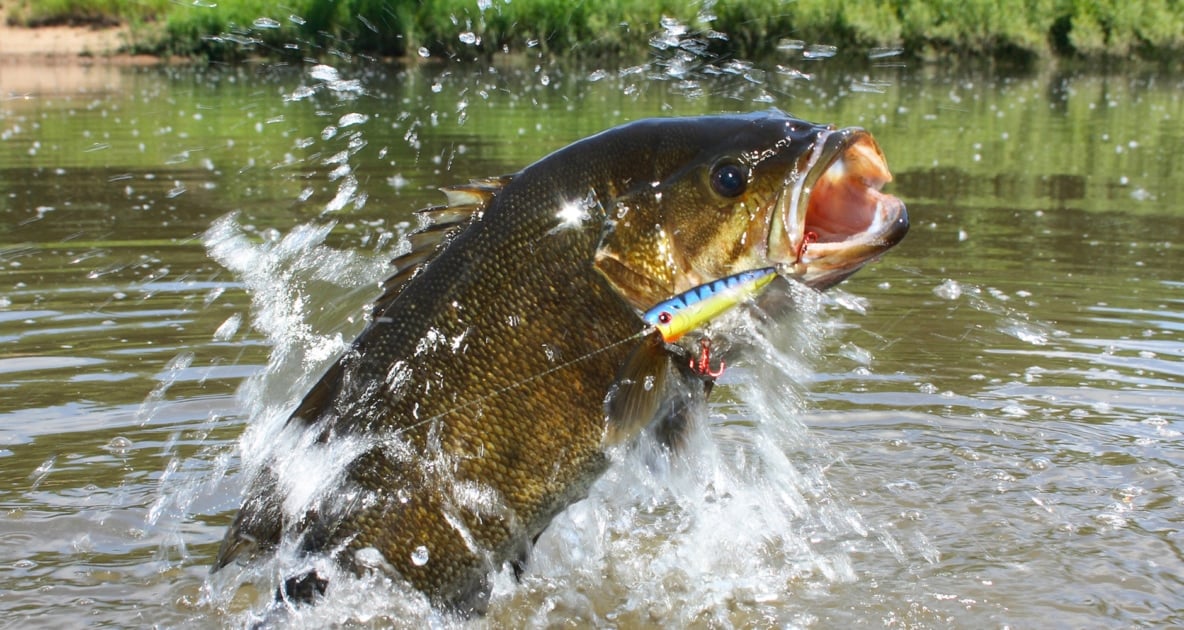
- Midwest / Great Lakes: smallmouth bass, hard-fighting on rocky water and reservoirs.
- Southeast: largemouth bass, America’s national game fish, up to 20 lb in southern oxbows and farm ponds.
- North Central Plains: walleye, the deep-water glass-eye, the table star of the Plains lakes.
- South Central: bluegill, the entry-level fish that still rewards a careful angler.
- Northwest: Chinook (king) salmon, big-river migrant up to 97 lb (Kenai River, AK, 1985).
- Southwest: California golden trout, jewel of high-mountain Sierra streams.
Favorite fish by region is one of those Friday-night arguments at the bait shop that never quite ends. Fish are a part of the American experience, and the country is blessed with a vast number of them that vary by place, not too unlike the people who try to catch them, from Maine to California. Here’s a look at a few of the favorite fish to catch by region.
According to the NOAA Fisheries recreational program, more than 40 million Americans fish each year, and what they target varies more by geography than almost any other sport. The list below tracks the most common regional favorites, drawn from state-record data and creel surveys.
Northeast, Striped Bass
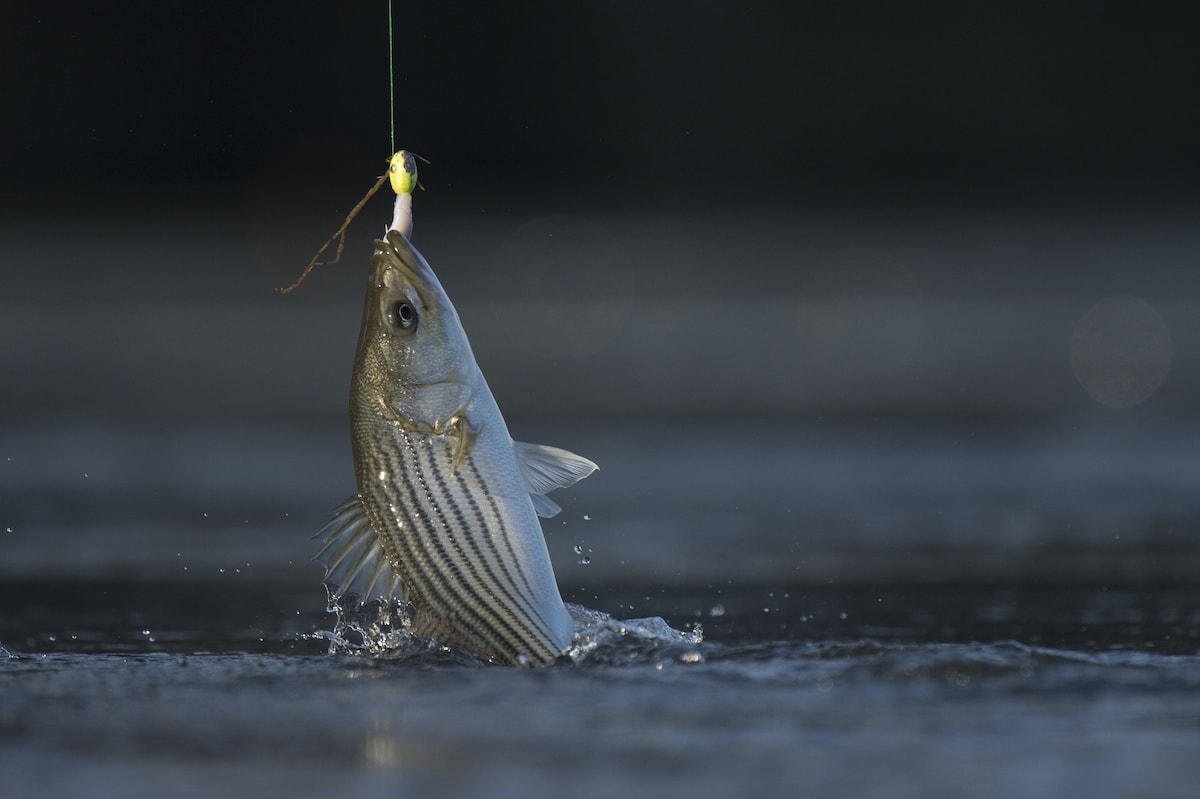
It’s a fish of the surf, a great prize of the Atlantic Coast. The striped bass is a hard-battling fish that grows to immense size. This fish lives at sea in near-coastal waters and migrates inland to spawn in fresh water in the spring of the year.
Stripers can reach 100 pounds. Their favored fare varies by age and time of year, but they are meat-eaters from a very early age. Young fish eat worms, crayfish, fish, and bugs. In reservoirs, they have an affinity for shad and herring. At sea, the adults take lobsters, shrimp, clams, blue crabs, and fish, and are nicknamed “squid hounds” for a reason.
Midwest / Great Lakes, Smallmouth Bass
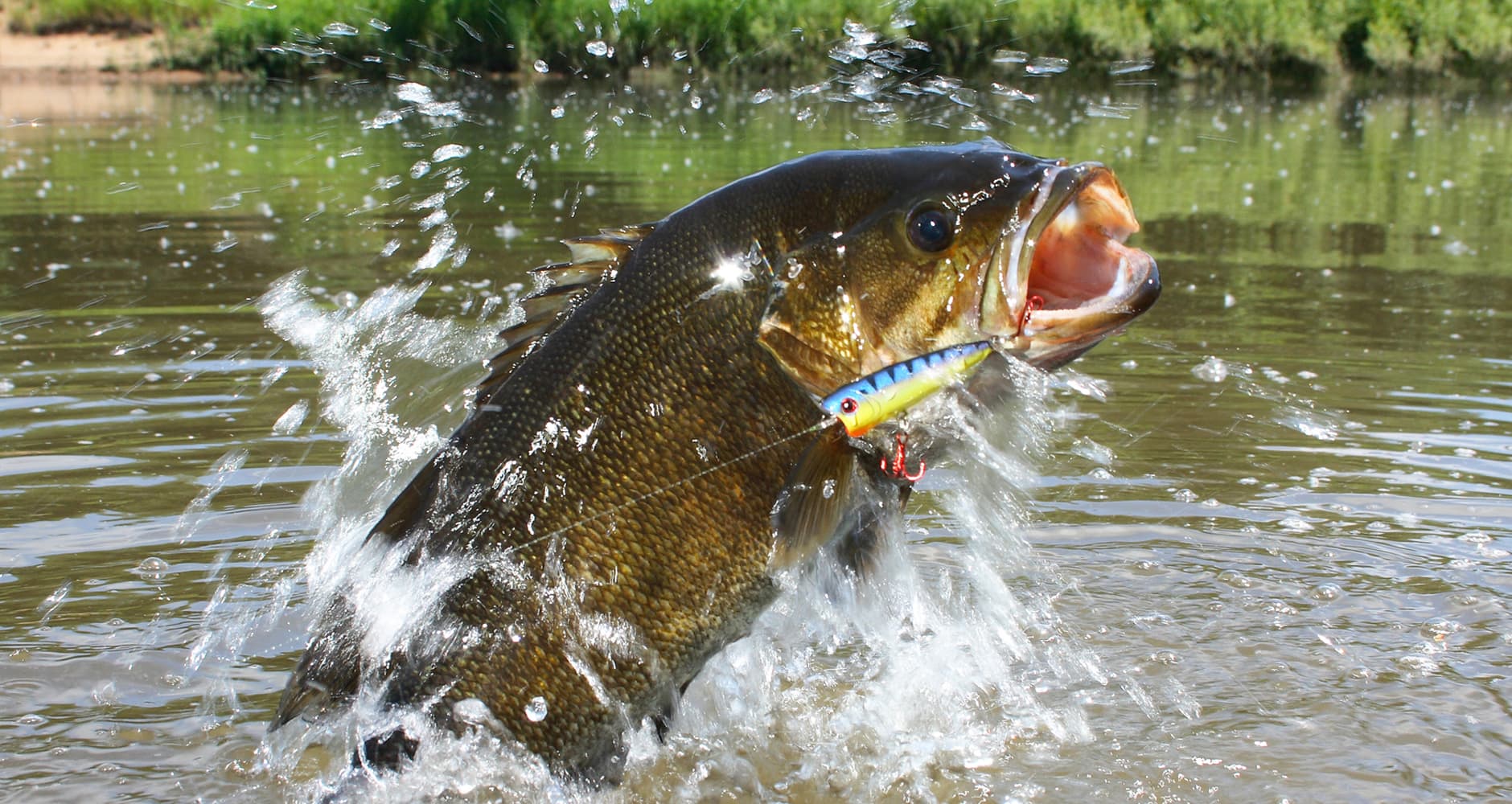
From small, bouldery, upland, farm creeks to big, deep reservoirs, the smallmouth bass is as Midwestern as corn. Native Americans in the upper Midwest called the fish “ichigan,” meaning “the one who struggles.” Ask anyone who’s tangled with a smallmouth bass and they will tell you the reference applies.
Any smallmouth bass over two pounds will leave a mark in your mind. Pull a spinner through a clear creek and with the taut tug of a smallmouth bass, it’s game-on.
Southeast, Largemouth Bass
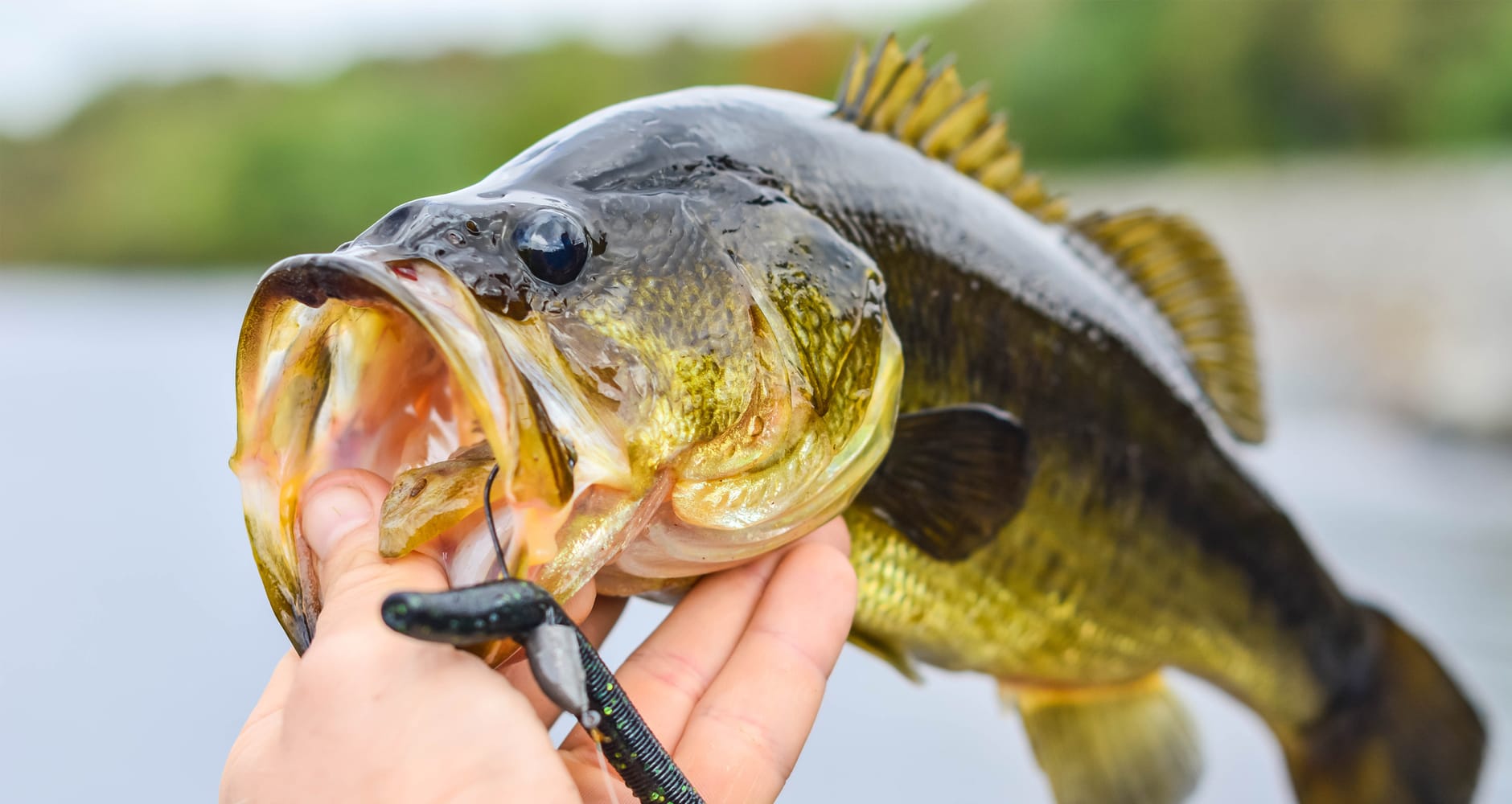
It’s lauded and lamented. The largemouth bass, which grows to 20 pounds, is without a doubt America’s national game fish. Its aggressive demeanor and willingness to attack a lure with explosive force keeps fishermen coming back for more.
Warm, shallow waters of sluggish southern rivers, oxbows, and farm ponds are home to largemouth bass. They take cover near stumps, rocks, and weed beds, usually over sand or mud. Rarely do they wander beyond the area of rooted vegetation. Depending on the season, they can be found at depths from 10 inches to 40 feet. By habit, they let food come to them as they linger in cover.
North Central (Plains States), Walleye
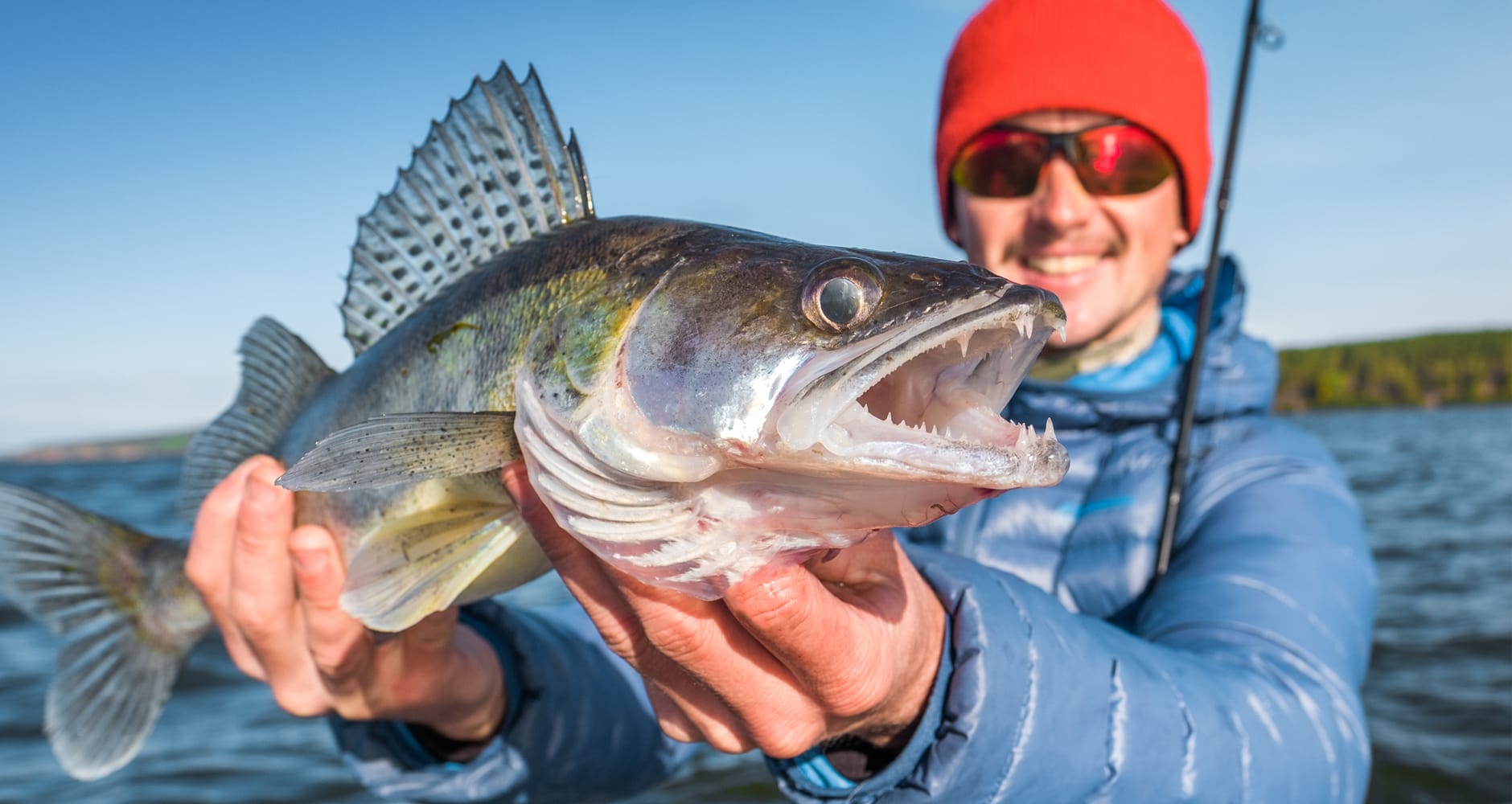
With some imagination, they look like snakes with fins. Walleye are also known by other names like perch, walleyed-pike, pike-perch, yellow pickerel, glass-eye, and marble eye.
Anglers seek walleye in big rivers and big lakes throughout the Plains States. It’s named for its glassy, bulbous eyes that give off a memorable ghostly milky reflection at night. They like dark, deep water. It’s there that they survive, feeding on small fish. They have the teeth for it.
South Central, Bluegill
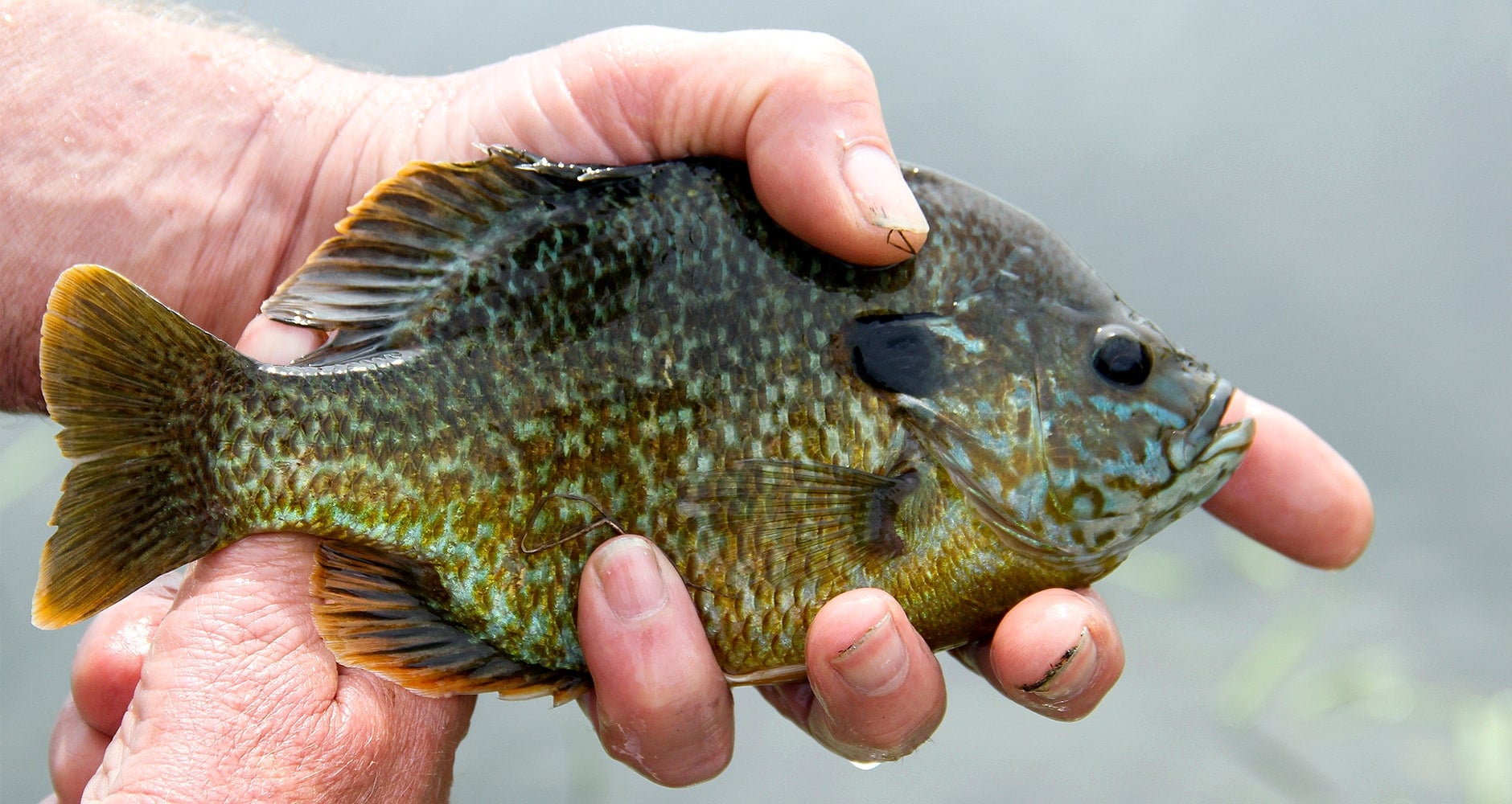
Bluegill is the people’s fish. Below the glimmering surface of creeks and ponds, eager, slab-sided bluegills from the size of a silver dollar up to those as big as your hand, throw caution aside to bite any bait.
The bluegill is for many anglers a portal to the sport and to conservation. That’s not to say that only kids fish for bluegill. This fish is prone to stunting, and for that reason they are thought of as an entry-level fish. But bluegills can grow to an enormous size in the right habitat and the right conditions. It’s hard to imagine, but they reach 16 inches long, bigger than a dinner plate.
Northwest, Chinook Salmon
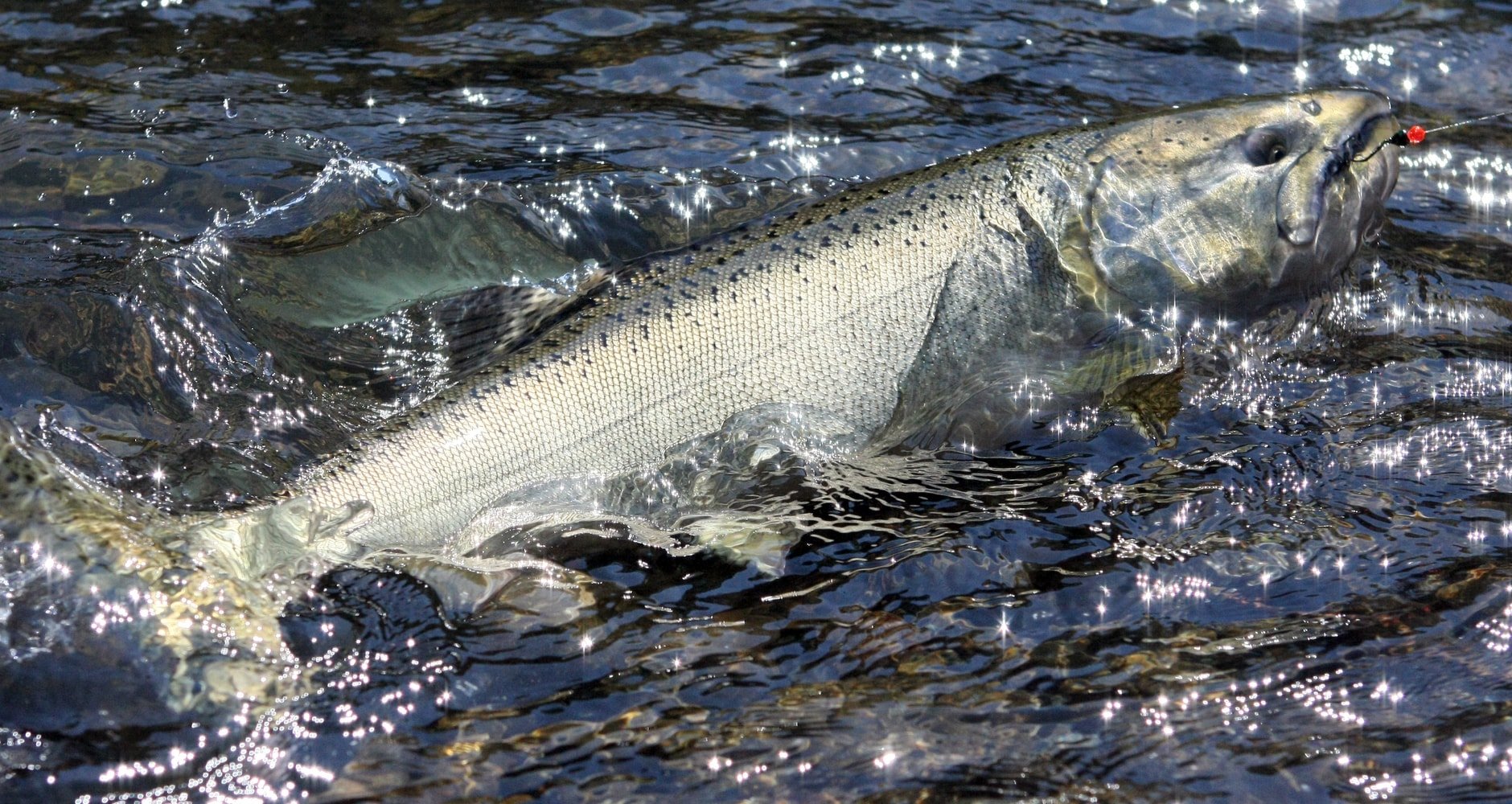
The Chinook salmon has another common name, the king salmon, and for good reason: its massive size. In 1986, an angler reeled in a Chinook from the Kenai River that went over 97 pounds. The Chinook salmon naturally occur from California’s San Joaquin River, northward to Point Hope, Alaska, and points well inland along the coast, as deep as Idaho.
The Chinook is a big-rivers fish. Reddish-brown fish pound their way upstream in the face of fast flows that pour back to the ocean. The Chinook migration is long and arduous, hundreds and hundreds of miles long, slugging upstream all the way toward a certain death after spawning.
Southwest, Golden Trout
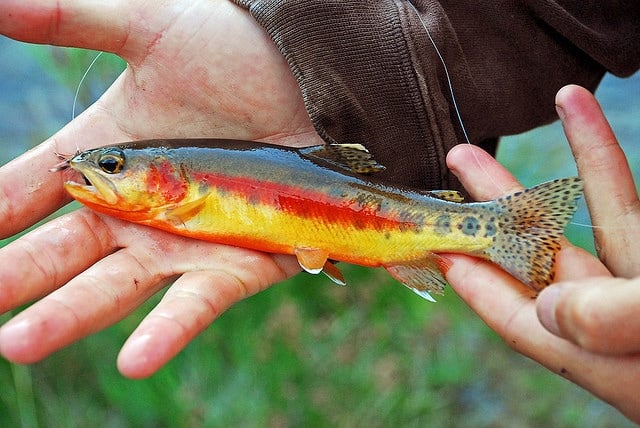
Stanford University’s founding president, David Starr Jordan, discovered the golden trout in 1893. Trout typically live in pretty places, and the golden trout is no exception. Golden trout live in cold mountain creeks and lakes in the western U.S. While it is a matter of taste, this fish is among the prettiest fish that swims. They are found in small waters, and the fish don’t grow very large. But what they lack in size they make up for in good looks.
From east to west, the fact that there is an abundance of good fishing is undeniable. Across this whole country, fish diversity abounds to suit every angler.
Favorite Fish by Region: A Quick Reference
| Region | Favourite fish | Where to look for it |
|---|---|---|
| Northeast | Striped Bass | Coastal surf, estuaries and tidal rivers |
| Midwest and Great Lakes | Smallmouth Bass | Rocky lake shorelines and clear river runs |
| Southeast | Largemouth Bass | Warm lakes, ponds and slow backwaters |
| North Central and the Plains states | Walleye | Big lakes and reservoirs, best at dawn and dusk |
| South Central | Bluegill | Farm ponds and lake margins. The classic first fish |
| Northwest | Chinook Salmon | Rivers running to the Pacific, on a long upstream spawning migration |
| Southwest | Golden Trout | Cold mountain creeks and high lakes. Small waters, small fish, remarkable colour |
Check out our Best Days Fishing Calendar here.

Frequently Asked Questions About Regional Favorite Fish
What’s the most popular freshwater game fish in the U.S.?
Largemouth bass, by a wide margin. NOAA recreational data and most state surveys put largemouth at the top of pursued species in the Southeast, Midwest, and South, and competitive bass tournaments dwarf every other freshwater format.
Why are stripers called “squid hounds”?
Because of how aggressively the adults take squid as forage at sea. Surf anglers up and down the Atlantic exploit the habit, casting squid strips and squid-imitating plugs into the wash where stripers feed.
What’s the difference between smallmouth and largemouth bass?
Habitat and habits. Smallmouth prefer clear, cool, rocky water (rivers, gravel-bottom lakes) and fight harder pound-for-pound. Largemouth prefer warm, weedy, shallow water (oxbows, farm ponds) and grow bigger. The jaw line tells them apart instantly: smallmouth’s jaw ends at the eye; largemouth’s extends past it.
Why are walleye such good table fish?
Walleye live in cold, deep water and eat a high-protein diet of minnows and shad. The result is firm, white, low-fat flesh that grills, fries, and bakes beautifully. They are the unofficial state fish of nearly every Plains and northern lake state.
How big is a really big bluegill?
The all-tackle world record stands at 4 pounds 12 ounces, caught in Ketona Lake, Alabama, in 1950. A 1-pound bluegill on a small pond is the catch most anglers dream of, hand-sized fish are excellent table fish.
What is the difference between Chinook and other salmon?
Chinook (king) are the largest of the five Pacific salmon species, with the highest fat content (and the priciest fillets). They migrate the farthest inland, up to 1,000 miles in the Yukon. Coho (silver), sockeye (red), chum (dog), and pink (humpy) are the other four Pacific salmon.
Where do you actually find California golden trout?
Only in the high Kern River drainage of the Sierra Nevada in California, and in transplanted populations in similarly high alpine lakes across the western U.S. The California golden trout is California’s state fish.
Join the Discussion
What are some of your favorite fish to catch? Let us know in the comments below.
Get your Fishing License now via Take Me Fishing.
For more fishing reading, see best weather for fishing, our Best Days fishing calendar, and how the Moon affects the tides.



Here in Colorado, it’s all about the trout, at least in the mountains. I can chase brookies all day, any day. 🙂
From the Southern States: #1 Catfish is probably the most fished for — followed by the Bass and Crappie. However anytime your fishing a fish regardless of species is a good catch…..
The fish looks like a golden breem.
What’s the name of the fish in the photo and where can it be found, it’s very colorful?
Which one? The Golden Trout? I have only caught 1 in my life. They are in the high Sierra lakes and rarely get over 12″
Yummy, yummy walleye!!!!!!! 🙂
We live in the Northeast, VT and NH actually and we are HUGE Striped bass fishers!
I live in SW Kansas, and 9 out of every 10 fishermen I know are fishing for catfish.
Striped Bass the favorite of the Northeast? I think you must have saltwater on the brain. I would be willing to bet that for every Striper fisherman there are 20 Trout fishermen.
Fromthe description above for the Northern Palains it appears the authro has confused the Waleye wiht the north pike. Walleyes have a shape akin to perch and carp. Nothern Pike have a shape akin to a torpedo or muskellunge.