Great Backyard Bird Count 2026: Dates, How to Count, and What to Expect
This special weekend is for the birds and the people who love them!
Quick Reference
- Great Backyard Bird Count 2026 dates: Friday, February 13 to Monday, February 16.
- Minimum commitment: 15 minutes on one day. That is it.
- Who runs it: Cornell Lab of Ornithology, National Audubon Society, and Birds Canada.
- Where to submit: the Merlin Bird ID app or eBird Mobile, then upload from Birdcount.org.
- Cost: free. All ages, all skill levels, anywhere in the world.
- Reality check (2024 GBBC): 641,652 people from 210 countries submitted checklists that logged 7,920 species, per the Cornell Lab of Ornithology’s 2024 summary.
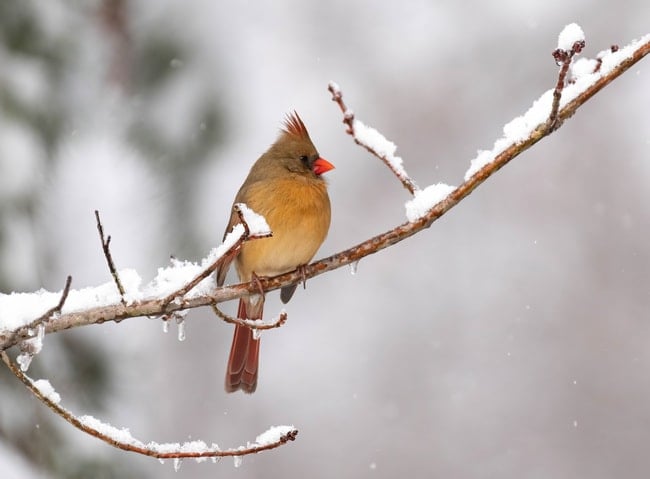
If you love birds, there is a special weekend coming up so you can show it. The Great Backyard Bird Count, held every February, is how citizen scientists give researchers a live picture of where birds are and how many of them are showing up. Populations shift with weather, climate, and habitat, which is why researchers at the Cornell Lab of Ornithology and the National Audubon Society ask ordinary birdwatchers to count for as little as 15 minutes on a single day, and to log every bird they see or hear. Your list, plus 640,000 other lists, becomes the largest instantaneous snapshot of global bird populations available anywhere.

Backyard Bird Count Dates in 2026
February 13 to 16, 2026. A four-day window running Friday through Presidents’ Day Monday.
What is it?
Participants count birds for as little as 15 minutes on one day, or across all four days, and report what they see. Every checklist counts, even a checklist of one species.
Who Can Participate?
Anyone. This is a fun, free event open to beginner birdwatchers and experts alike, and you can participate from your backyard, a local park, a school yard, or anywhere in the world during the four days of the event.
To get started, visit Birdcount.org.
Each year, hundreds of thousands of participants submit their bird observations online, creating the largest instantaneous snapshot of global bird populations. View the results from 2023.
Have fun. This event is a great way to add purpose to your love of backyard birdwatching.
What the Numbers Showed in the Most Recent Count
The most recent full data set is the Cornell Lab of Ornithology GBBC 2024 summary, which reported 641,652 participants from 210 countries, 7,920 species observed, and 384,416 checklists submitted in four days. India had the highest number of species reported (1,073). The United States had the highest number of checklists submitted (218,090). Colombia, Ecuador, and Brazil rounded out the top-five species-diversity list. If you want a moment of perspective, that means roughly two of every three known bird species on Earth were counted in one long weekend by ordinary people looking out their windows.
How to Actually Count Birds. A 15-Minute Recipe.
- Pick a spot with a clear view. A window facing the feeder, a park bench, a school patch. Anywhere with sky.
- Open Merlin Bird ID (free) or eBird Mobile. Both apps handle the checklist for you and share it with GBBC automatically.
- Start the clock. 15 minutes minimum. Record every distinct species you see or hear, and the highest number of individuals of that species you see at any one time (so two counts of five chickadees is still five, not ten).
- Submit. The app uploads it. That is the whole science project.
Beginners: use Merlin’s Sound ID feature to catch birds you hear but cannot see. It is not perfect, but it will name a chickadee or a red-winged blackbird from song in three seconds, and every ID is worth logging.
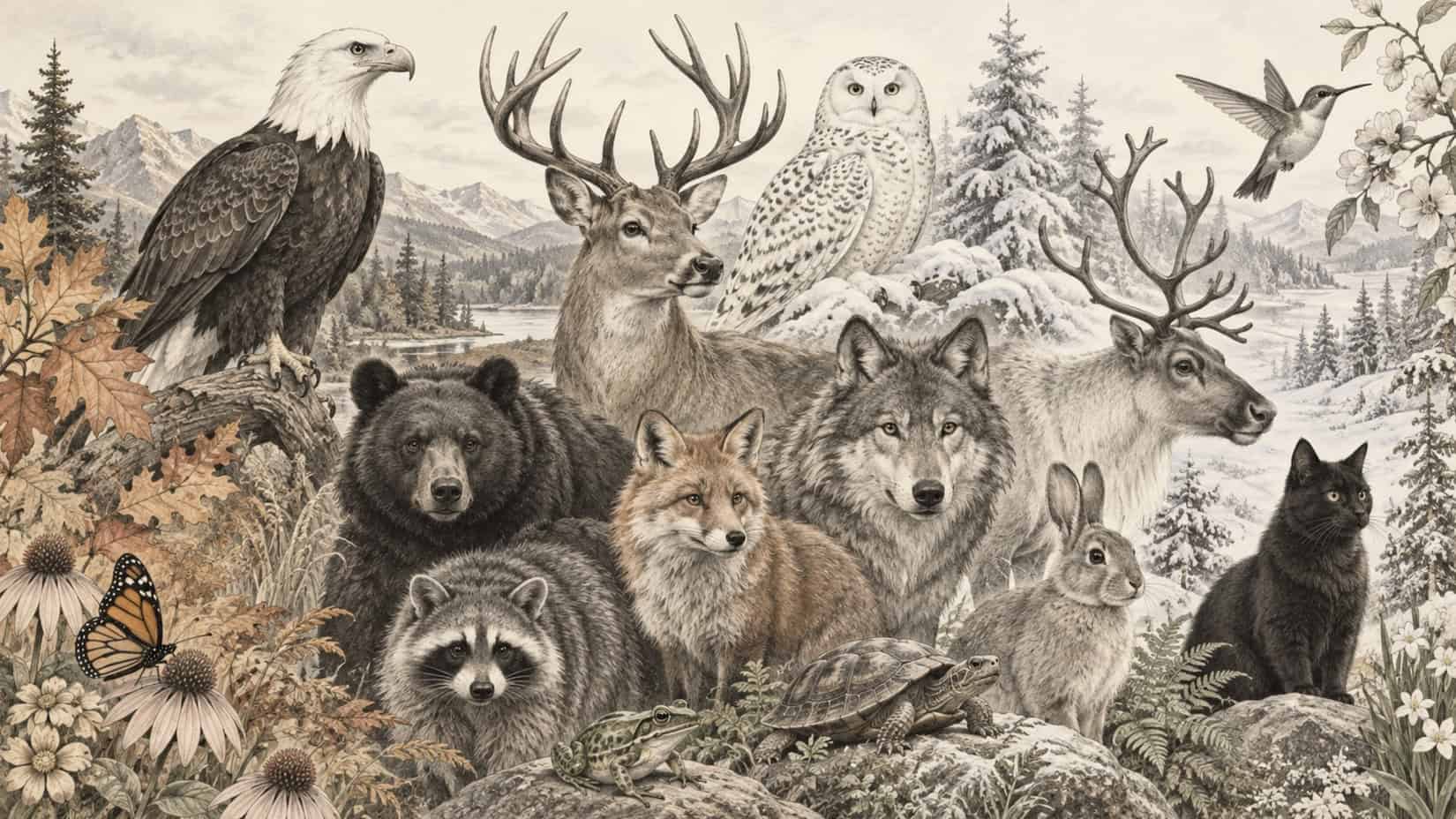
What You Might See In Your Region In Mid-February
Join The Discussion!
Will you participate? How many birds do you think you will see? (See 2023 results, and check the Cornell Lab’s 2024 summary for a benchmark.)
Let us know in the comments below.

Great Backyard Bird Count FAQ
When is the Great Backyard Bird Count in 2026?
Friday, February 13 through Monday, February 16, 2026. That is a four-day window running through Presidents’ Day.
Do I have to be an expert birder to take part?
No. The count is designed for all skill levels. Beginners can use the free Merlin Bird ID app to identify birds by photo or sound. Anyone who can watch a feeder for 15 minutes is qualified.
What is the minimum time I have to spend?
15 minutes on a single day. You can also count for as long as you like across all four days. Multiple short sessions in different locations count as separate checklists.
Does it cost anything?
No. Participation is free, the Merlin and eBird apps are free, and Birdcount.org is free. Cornell Lab of Ornithology, National Audubon Society, and Birds Canada run the count as a public science project.
Where do the data actually go?
Directly into eBird, the Cornell Lab’s global bird database, where researchers use them to model bird populations, migration timing, and range shifts. The 2024 count logged 7,920 species across 210 countries, roughly two-thirds of all bird species on Earth.
What if I only see one species?
Log it. A checklist of one species from a location where no one else counted is still useful data. The count is designed to catch presence and absence, not just abundance.
What time of day is best?
The first two hours after sunrise are strongest for songbird activity. If you cannot make morning, an hour before sunset is the second-best window. Feeder birds are active all day if it is cold and clear.


This article was published by the Staff at FarmersAlmanac.com. Any questions? Contact us at [email protected].
- Farmers' Almanac Staff

- Farmers' Almanac Staff

- Farmers' Almanac Staff

- Farmers' Almanac Staff