

What Are Frankincense and Myrrh? The Wise-Men Gifts Explained
You've probably heard that frankincense and myrrh were two of the gifts brought to the Baby Jesus by the Three Wise Men, along with gold. But what are they? Are they used today? We have the answers.
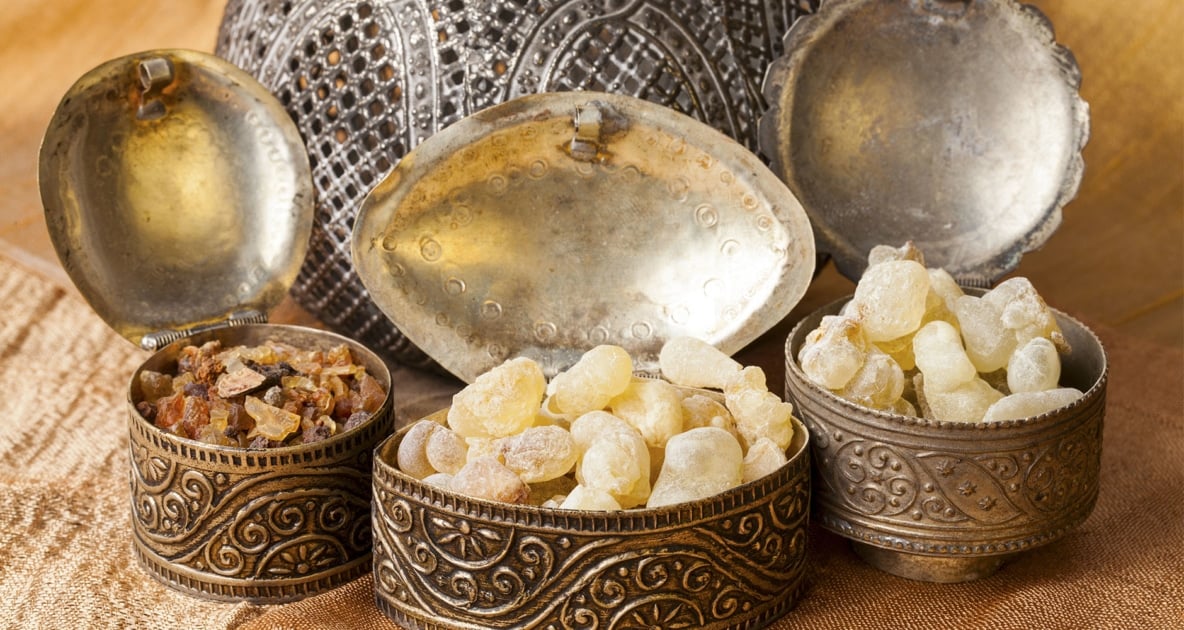
Frankincense and Myrrh at a Glance
- What they are: dried tree resins. Frankincense comes from Boswellia species; myrrh comes from Commiphora species.
- Where they’re from: Arabian peninsula and the Horn of Africa, principally Oman, Yemen, Somalia, and Ethiopia.
- The Wise Men reference: Matthew 2:11 names gold, frankincense, and myrrh as the gifts brought to the infant Jesus.
- Modern uses: incense, essential oil, perfume base, skincare, mouthwash, throat lozenges, and folk-medicine tinctures.
- Important caution: not for use in pregnancy, nursing, or by anyone under six. This is general background, not medical advice.
If you’ve ever heard of frankincense and myrrh, it’s most likely because they are known historically as the precious gifts presented to the Baby Jesus by the Three Wise Men, along with gold. According to Matthew, 2:11:
And when they were come into the house, they saw the young child with Mary his mother, and fell down, and worshipped him: and when they had opened their treasures, they presented unto him gifts; gold, and frankincense, and myrrh.
But have you ever wondered why the Wise Men chose these items as gifts? What are they, and are they really that valuable?
According to the Encyclopaedia Britannica, both are aromatic tree resins, harvested by cutting the bark of slow-growing desert trees and collecting the hardened sap. In the ancient Mediterranean, they were trade goods comparable in price to gold itself, hauled across the Arabian peninsula on the Frankincense Road.
What Are Frankincense and Myrrh?
Both frankincense and myrrh were valuable commodities that were exported by camel caravans throughout the known world. Only royalty or the wealthy could afford either, making them a fitting gift for the King of Kings. These costly commodities were used not only by the ancient Hebrews but by the Egyptians and Romans as well. Both were used in embalming and burned as incense for fragrance, purification, and in religious rites.
Frankincense was used as medicine; the resin was chewed for digestive issues. Ancient Egyptian queens and pharaohs used frankincense and myrrh topically for skincare and rejuvenation, in cosmetics and facial masks. The dark eyeliner that Egyptian royalty wore thickly around their eyes, referred to as kohl, was made from charred powder from burned frankincense resin.
Both are derived from the resin of trees. Myrrh comes from an Arabian tree known as Balsamodendron myrrh. And frankincense is derived from the Boswellia trees. It became known as frank + incense because of the prominent odor and steady, long-lasting flame it gives when burned. To extract frankincense and myrrh, incisions are made in the tree bark, and the sap that oozes from the cuts hardens into beads of resin. The resin is harvested and used in a variety of applications.
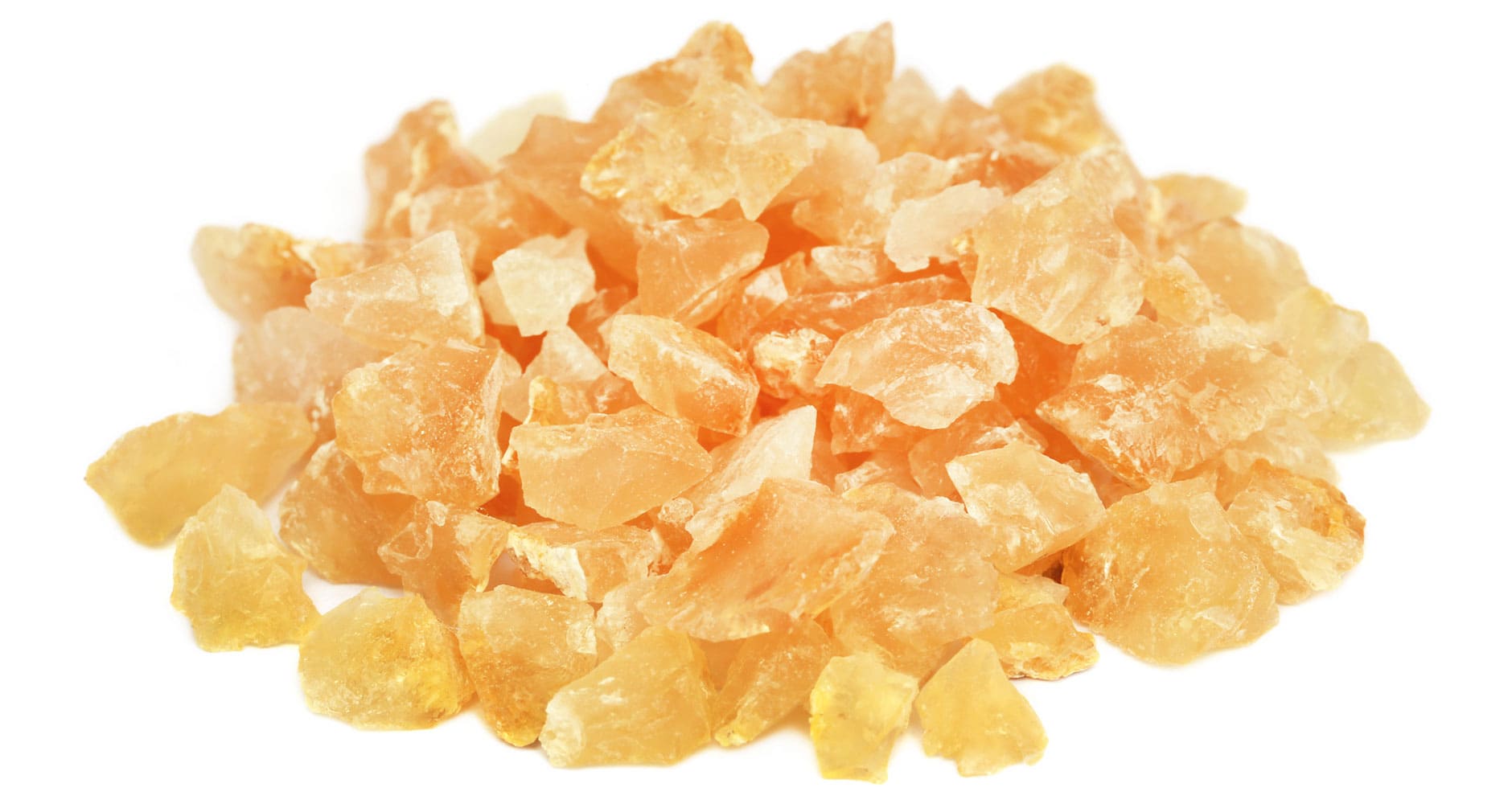
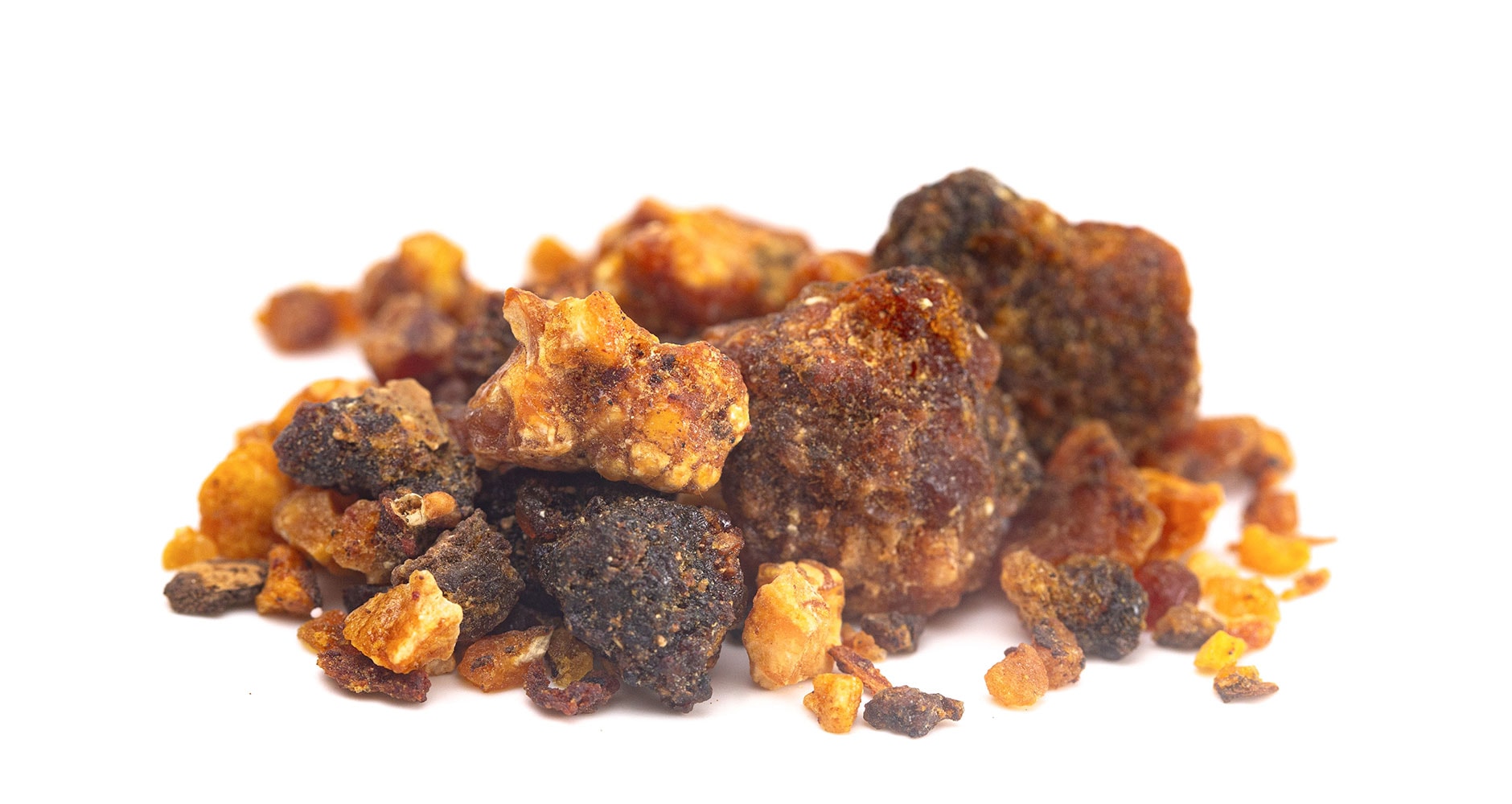
Frankincense vs Myrrh, A Quick Map
| Frankincense | Myrrh | |
|---|---|---|
| Comes from | Boswellia trees | An Arabian tree, Balsamodendrum myrrha (now reclassified as Commiphora myrrha) |
| What it is | Hardened tree resin | Hardened tree resin |
| How it is harvested | Incisions cut into the bark; the sap oozes out and hardens into beads | The same method |
| Where the name comes from | Old French franc encens, meaning pure or high-quality incense: franc (noble, pure) plus encens (incense) | From the resin itself, long traded under that name |
| Traditional uses | Burned as incense; charred and powdered into kohl, the dark eyeliner worn by Egyptian royalty | Chewed as a medicine for digestive complaints |
| Shared history | Used topically by Egyptian queens and pharaohs in cosmetics and facial masks | The same, alongside frankincense |
How Are Frankincense and Myrrh Used Today?
Fortunately, we don’t need camel caravans to deliver these beneficial resins and oils. Frankincense and myrrh are typically sold by herbal companies as essential oils, resin, and powders. They can be burned and compounded and used to make incense, perfume, and medicinal tinctures.
Frankincense essential oil can be diffused to relieve respiratory issues such as colds and asthma, or for its relaxing, focus-enhancing aroma. Added to salves or carrier oils, it is used to treat dry skin and enhance the healing of skin abrasions. A drop of frankincense essential oil can be taken daily in a spoon of honey, coconut oil, or in a glass of water to boost the immune system. Current research on frankincense and other essential oils is revealing promising findings. Certain species of frankincense have been found to aid digestion, treat asthma, arthritis, ulcerative colitis, kill cancer cells, and prevent the growth of tumors. In clinical trials, it was reported to reduce cerebral swelling in brain-cancer patients.
Myrrh essential oil can be diffused to relieve respiratory issues, soothe mucous membranes, or enhance focusing and centering. Myrrh is used in various cosmetic and skincare applications to promote healthy, youthful skin. Myrrh is valued for promoting oral health and is used in mouthwash, throat lozenges, and toothpaste. It is used to relieve sore throats, toothache, mouth ulcers, and is an effective breath freshener. A drop of myrrh essential oil can be taken orally in a spoon of honey, coconut oil, or in a glass of water to support the immune system and protect your body from infection. Myrrh has many beneficial properties: antioxidant, antiviral, antifungal, anti-inflammatory, and is an expectorant. In recent studies, myrrh was found to kill breast and skin cancer cells.
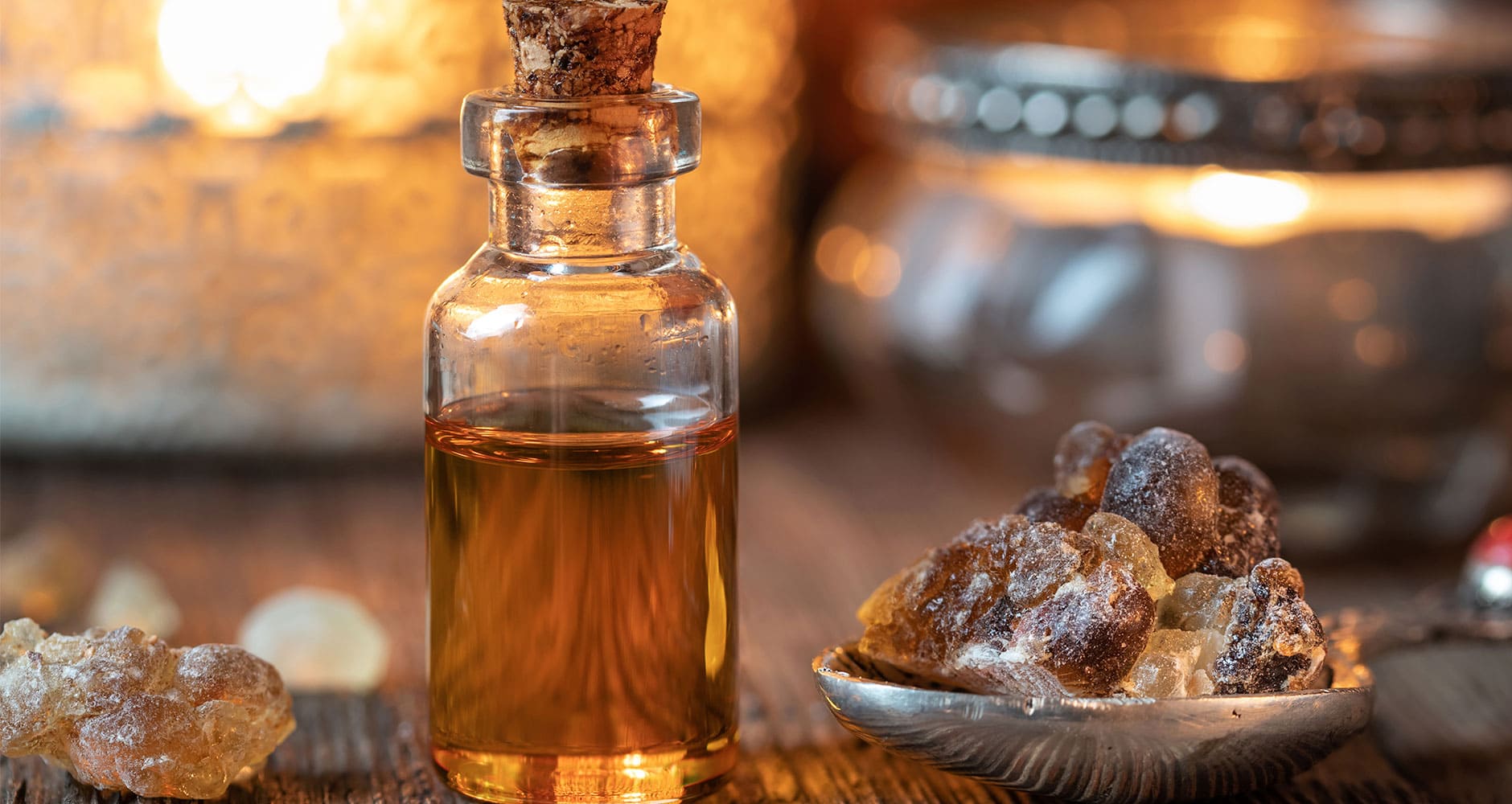
Use only 100% pure therapeutic-grade essential oils that are derived from plant sources instead of fragrance oils that may contain synthetic chemicals.
NOTE: Use of frankincense or myrrh essential oil is not recommended when pregnant or nursing, or by those six years of age or under. This article is not a complete report on frankincense or myrrh, nor is it a guide to usage, and is not intended as medical advice.

Frequently Asked Questions About Frankincense and Myrrh
What exactly are frankincense and myrrh?
Both are dried tree resins, the hardened sap collected from cuts in the bark of slow-growing desert trees. Frankincense comes from Boswellia species (Oman, Yemen, Somalia); myrrh comes from Commiphora species (Somalia, Ethiopia, Yemen).
Why did the Three Wise Men bring them as gifts?
In the ancient Mediterranean, frankincense and myrrh were as valuable as gold, the going prices of all three were comparable. The traditional Christian reading is symbolic: gold for kingship, frankincense for priesthood and divinity, and myrrh (used in embalming) foreshadowing death.
How is frankincense actually harvested?
Harvesters make shallow cuts in the bark of a mature Boswellia tree. White sap oozes out and hardens into amber-yellow “tears” over two to three weeks. The tears are scraped off and sorted by color and clarity. The same tree is tapped repeatedly across a season.
Are frankincense and myrrh still expensive today?
High-grade resin is, especially first-pick “Hojari” frankincense from Oman. Bulk-grade resin and essential oils are affordable at any health-food store. Most of what is sold as “frankincense” is the more common varieties from Somalia and Ethiopia.
Is frankincense safe to use?
Burned as incense and diffused as oil, yes, in normal use. Internal ingestion of the essential oil is contraindicated in pregnancy, nursing, and for children under six. Skin applications should be patch-tested first. Talk to your doctor before relying on it for any medical condition.
Does myrrh really help with mouth health?
Yes, with caveats. Myrrh has been used in mouthwashes, toothpastes, and gum tinctures for centuries, and modern studies do confirm antimicrobial activity against common oral bacteria. It is not a substitute for professional dental care.
What does myrrh smell like?
Warm, earthy, faintly bitter, with a touch of smoke and resin. It is the deeper, more grounded counterpart to frankincense’s brighter, lemony-piney scent. Combined, they are the classic Christian incense profile.
For more holiday-history reading, see what the heck is mincemeat, who was Saint Nick, and mistletoe meaning and lore.



Deborah Tukua
Deborah Tukua is a natural living, healthy lifestyle writer and author of 7 non-fiction books, including Pearls of Garden Wisdom: Time-Saving Tips and Techniques from a Country Home, Pearls of Country Wisdom: Hints from a Small Town on Keeping Garden and Home, and Naturally Sweet Blender Treats. Tukua has been a writer for the Farmers' Almanac since 2004.
- Deborah Tukua

- Deborah Tukua
- Deborah Tukua
- Deborah Tukua




The author couldn’t bear to mention that Frankincense and Myrrh are ARABIAN substances native to the ARABIAN peninsula.
Where can I purchase both?
Hi Dee, you can purchase on Amazon and Etsy.
any new age/religious shop should have both, and many co-op type stores (think those places that are often high priced and carry organic everything) will also likely have them if well stocked.
You can buy small charcoal discs that will fit in a small incense burner. Put the resin chunks right on the burning disk. Soon it will smell devine
Wonderful!
The “Wise Men” were actually astrologers. They actually worshiped false gods. King Herod summoned them to him first because he wanted to know where God’s son, Jesus was born. He wanted to kill Jesus. The Astrologers followed the “star” to Jesus but as Matthew 2:12 says: “However because they were given divine warning in a dream not to return to Herod they departed for their country by another way”. God intervened and did not allow Herod to exactly where Jesus was.
Awesome!
I actually buy frankincense salve at Walgreens to use on my feet to help with pain.
Really? I have bad Plantar Facialis and my feet hurt constantly hurt. Do you soak your feet in it?
Melissa, do the e-cises from Pete Egoscue.
Contrary to popular belief, the “wisemen” or better translated astrologers. So they would have looked to the stars for guidance instead of God. Notice, Herod ordered young boys 2 years and up to be killed. On the contrary, God’s angels informed lowly shepherds of the birth and location of Jesus. So they visited the infant, ,not the Magi.
I have Frankensense and Myrrh resins sent to me back in the late ’90’s early 2000’s…….by a friend I end from Saudi Arabia……they haven’t deteriorated at all as far as I can tell. I use them on lighted coals for insence…..the fragrance is just beautiful.
The Three wise men brought Jesus those gifts because they KNEW He was the King of Kings and He would one day die on the cross for our salvation!
Absolutely Abby!
I really enjoyed that I have heard a lot about both of them but haven’t read much about them Thank you