

Keep Ticks Off Pets: 8 Natural Methods For Dogs And Cats 2026
Tick season is here! Check out these chemical-free ideas that work to keep these nasty parasites off your pets.

Quick Reference
- Peak tick season: April through September across most of the U.S., with a smaller spike in October and November
- Best daily habit: a head-to-tail tick check every time your dog or cat comes inside
- Yard fix that helps most: mowed grass, trimmed shrubs, and a three-foot wood-chip border between lawn and woods
- Natural repellent for dogs: 7 drops of lemon eucalyptus oil in 32 ounces of distilled water, sprayed between the shoulder blades
- Cats only: never use essential oils on cats. Use grooming, indoor time, and vet-approved products instead
- When in doubt: call your vet. They know your pet’s history and your region’s tick load
Tick season is here, and for most of the United States it does not really end. The American Veterinary Medical Association reports that ticks are now active in every state and across much of Canada, and the warm months from April through September are when your dog or cat is most likely to pick one up on a walk, in the yard, or even on the back porch. The good news is that you do not have to rely on chemicals to keep them off. A short list of yard fixes, grooming habits, and a daily tick check will do most of the work.
This guide is the pet-side companion to our 7 natural tick remedies that actually work, which covers people and your yard. Below, you will find eight natural methods focused on dogs and cats, a regional look at where ticks hit hardest in 2026, a head-to-tail tick-check routine, and answers to the questions pet owners ask us most often.
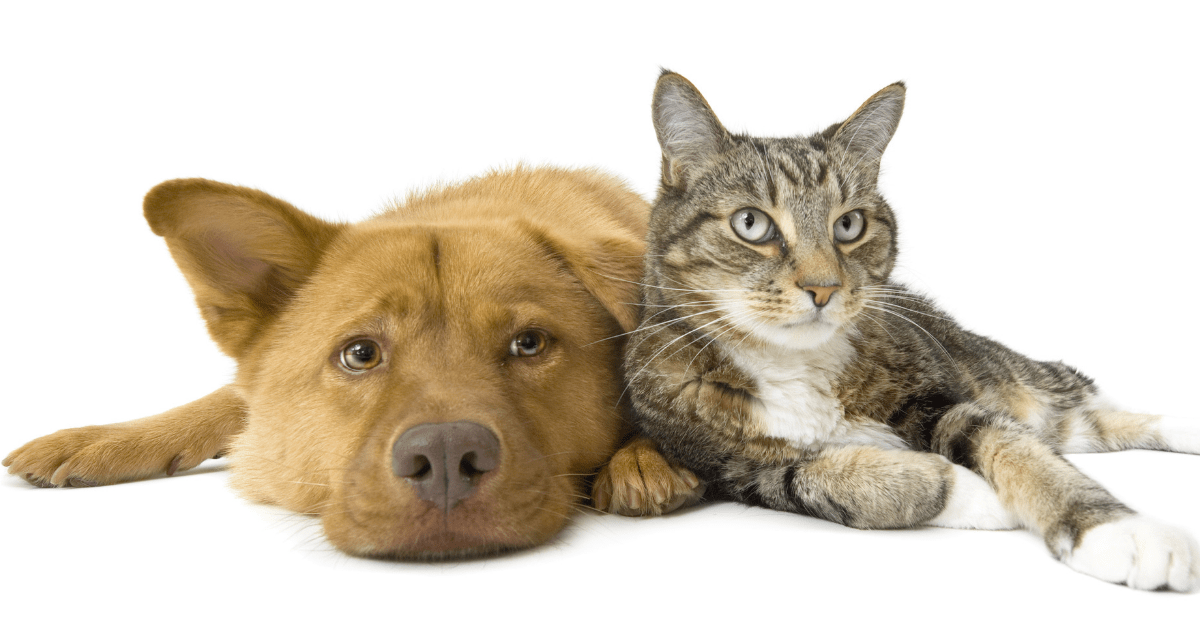
Why Ticks Are A Bigger Problem For Pets In 2026
Ticks live in tall grass, leaf litter, and the shady edge between lawn and woods. Your dog or cat brushes past, the tick hitches a ride, and within hours it has found a warm spot near the ears, between the toes, or under a collar. The Centers for Disease Control and Prevention tracks roughly 300,000 new Lyme disease cases in people every year, and the same ticks that carry Lyme also carry anaplasmosis, ehrlichiosis, and babesiosis, all of which show up in dogs. Cats catch fewer tick-borne illnesses than dogs, but they do bring ticks indoors on their fur, and they are more vulnerable to topical insecticides, which is why this guide leans on grooming and prevention for them.
The Companion Animal Parasite Council publishes a monthly tick-forecast map for the United States. Their 2026 outlook calls for high tick activity across the Northeast, the Upper Midwest, the Mid-Atlantic, and pockets of the Pacific Northwest, with a smaller fall spike in October and November once the weather cools and deer ticks come back out. Plan ahead for the months when you live: in most regions, the protective routine that follows runs from early spring through late autumn.
8 Natural Ways To Keep Ticks Off Your Dogs And Cats
These eight methods come from years of reader-tested almanac advice, paired with current veterinary guidance. Each one is something you can start this week. Used together, they keep ticks off pets without leaning on monthly chemical spot-ons if you would rather avoid them. If your pet has a heavy tick load or a history of tick-borne illness, talk to your veterinarian about adding a prescription preventive on top of these habits.
- Keep The Weeds Down – Ticks live in tall grass, weedy patches, and shrubs where they can hitch a ride on a passing pet or person. The single most useful yard fix is a well-mowed lawn. Keep grass short, pull weeds in your gardens, and leave plenty of space between shrubs and perennials so your dog or cat is not brushing through dense growth. The CDC recommends a three-foot border of wood chips or gravel between lawn and woods, which is enough to stop most ticks from crossing into the yard.
- Try Lemon Eucalyptus Oil, Topical Treatment (Dogs Only) – Even a tidy yard cannot keep ticks off a dog that walks through the woods. Lemon eucalyptus oil, the specific variety, not a homemade mix of lemon and eucalyptus, is a natural repellent that works on ticks, mosquitoes, and biting flies. Mix 7 drops into a 32-ounce spray bottle of distilled water. Spray your dog’s bedding, or mist lightly between the shoulder blades before a walk. Essential oils should never be ingested, and they should only be used diluted on the pet’s fur. Do not use this method on cats. Their livers cannot metabolize many essential oils, and exposure can be toxic.
- Keep Long-Haired Pets Groomed – Long hair gives ticks more places to hide and more time to find skin. Consider a short summer clip for long-haired dogs, but leave enough coat to protect against sunburn. For long-haired cats, the better play is to keep them indoors during peak tick season or give them a confined outdoor area away from tall grass and brush. Either way, brush them daily during tick months. A slicker brush picks up loose ticks before they can attach.
- Scatter Food-Grade Diatomaceous Earth In Your Gardens – Food-grade diatomaceous earth dehydrates insects on contact. Scattered along garden edges, under shrubs, and around the perimeter of a dog run, it adds a quiet second line of defense against ticks, fleas, and other yard pests. Use only the food-grade kind, wear a dust mask while applying, and reapply after heavy rain.
- Bring Wildlife To Your Backyard – Ticks have natural predators, and a wildlife-friendly yard puts those predators to work. Songbirds, opossums, ground beetles, and some amphibians eat ticks. Plant a mix of native flowering shrubs and perennials to draw them in. Opossums in particular are tick-eating workhorses. One study put their per-season consumption in the thousands.
- Keep Chickens Or Guinea Fowl – It sounds odd, and it works. Backyard chickens and guinea fowl will eat almost any insect they can reach, ticks included. Researchers in South Africa documented chickens picking off as many as 10 ticks per hour in heavily infested areas. If your zoning allows it and you have a fenced yard, a small flock will dent the tick population and give you fresh eggs in return. Guinea fowl are louder but cover more ground.
- Use A Lint Roller – The lint-roller trick works best with short-haired pets. After a walk in the woods or tall grass, run a tape-style lint roller over your dog, your own pants, and your sleeves. It picks up loose ticks that have not yet attached. Throw the used sheet in a sealed bag in the outdoor trash, not the kitchen bin.
- Do Frequent Tick Checks – Even with every other method in place, a tick will sometimes find its way onto your pet. A daily tick check, ideally every time your pet comes inside, is the single best habit you can build. Run your hands slowly from nose to tail, parting the fur. Pay special attention to spots your pet cannot easily reach: around the head, behind and inside the ears, under the collar, in the armpits, between the toes, and along the belly. Smaller deer ticks sometimes attach to eyelids. Be thorough.

Regional Tick Zones For Pet Owners In 2026
Tick pressure is not the same everywhere. Use this regional breakdown to decide how aggressive your routine needs to be this year. These call-outs combine CAPC 2026 forecast maps with CDC active-tick reporting.
If you live in a high-pressure region (Northeast, Upper Midwest, Gulf Coast), assume a tick check after every outdoor session, not just at the end of the day. In drier mountain and desert zones, peak months are shorter, but a single bite can still transmit disease.
How To Do A Head-To-Tail Tick Check On Dogs And Cats
A proper tick check takes about three minutes once you build the habit. Do it outside on a porch or in the garage if you can, so any unattached ticks you find do not end up in your living room. Run through this order every time:
- Head and muzzle. Slide your fingers around the eyes, the lip line, and the bridge of the nose. Deer ticks sometimes attach to eyelids.
- Ears, inside and out. Cup each ear and look in the folds. Run a finger around the outer rim, then gently inside. Ticks love the warm, hidden skin there.
- Under the collar. Lift or remove the collar and feel the full neck. A new bump in this spot is almost always a tick.
- Shoulders, chest, and armpits. Press flat-palm against the fur, sweeping in slow circles. Pay extra attention to the soft skin in the armpits.
- Belly and groin. Roll your dog onto their back if they tolerate it. For cats, do this while they are relaxed in your lap.
- Legs and between the toes. Spread the toes gently. Ticks love the webbing.
- Tail and rear. Run your hand the length of the tail and around the base.
If you find an attached tick, use fine-tipped tweezers, grasp the tick as close to the skin as possible, and pull straight up with steady pressure. Do not twist, do not burn it, and do not squeeze the body. Drop the tick into a small jar of rubbing alcohol or seal it in tape. If your pet shows fever, lethargy, lameness, or appetite loss within the next few weeks, call your veterinarian.
What About Tick Collars, Spot-Ons, And Prescription Preventives?
The eight natural methods above keep ticks off pets in low-to-moderate pressure regions and reduce the chemical load on your dog or cat. In higher-pressure areas, or for pets with a history of tick-borne illness, your vet may recommend adding a prescription chewable, a topical spot-on, or a long-acting collar. According to the American Veterinary Medical Association, modern oral and topical preventives are highly effective when used correctly, and the right product depends on your pet’s species, weight, age, and any medical conditions. Cats in particular must never receive a dog-labeled spot-on. Permethrin, a common ingredient in canine products, is toxic to cats.

Keep Ticks Off Pets: Frequently Asked Questions
Do natural methods actually keep ticks off dogs and cats?
Yes, when used together. A mowed yard, daily tick checks, grooming, food-grade diatomaceous earth, and a wildlife-friendly garden cut tick numbers significantly. In high-pressure regions or for pets with a history of tick-borne illness, your veterinarian may add a prescription preventive on top of these habits.
Is lemon eucalyptus oil safe for cats?
No. Lemon eucalyptus oil is for dogs only. Cats cannot metabolize many essential oils, and even small exposure on the skin or fur can be toxic. For cats, rely on grooming, indoor time during peak season, daily tick checks, and vet-approved products.
How often should I do a tick check on my pet?
Daily during tick season, and ideally every time your pet comes back inside from grass or woods. A head-to-tail check takes about three minutes once you build the habit. Pay special attention to the ears, under the collar, armpits, belly, and between the toes.
What is the best time of year to keep ticks off pets in 2026?
Most of the United States and southern Canada see peak tick activity from April through September, with a second smaller spike from October into November in cooler regions. The Gulf Coast and Deep South see tick activity nearly year-round. Start your prevention routine in early spring and keep it going until the first hard frost.
Can chickens really help control ticks in my yard?
Yes. Research in South Africa documented chickens picking off as many as 10 ticks per hour in heavily infested areas. Guinea fowl work just as well and cover more ground, though they are noisier. If your zoning allows a small flock and you have a fenced yard, they will put a real dent in the tick population.
How do I safely remove a tick from my dog or cat?
Use fine-tipped tweezers, grasp the tick as close to the skin as possible, and pull straight up with steady pressure. Do not twist, burn it, or squeeze the body. Drop the tick into rubbing alcohol or seal it in tape. If your pet shows fever, lethargy, lameness, or appetite loss in the following weeks, call your veterinarian.
If you are unsure about the right tick treatment for your pet, consult your veterinarian. They know your pet’s medical history, the species and conditions in your region, and which products are safe for your dog or cat. Plan ahead, do the daily check, and the season takes care of itself.
Want more natural tick remedies for people and your yard? We have them here.


Amber Kanuckel
Amber Kanuckel is a freelance writer from rural Ohio who loves all things outdoors. She specializes in home, garden, environmental, and green living topics.
- Amber Kanuckel

- Amber Kanuckel
- Amber Kanuckel
- Amber Kanuckel





What natural spray can I use around outside of house lawn and entry ways to keep ticks away
I heard of a medicine called neonik for ticks please advise
Hey where would you recommend getting natural eucalyptus lemon oil? I would love to try it on our dogs. We live on a farm so they find them very easy even with the meds the vet prescribes to give them by mouth.
Hi L, you do NOT want your pets eating the oil. It’s strictly for topical use. Check with your vet about treatments.
Young Living has very high quality oils.
We use lemongrass essential oil on our dogs. 10-15 drops in a cup of water, put in spray bottle, and spray on them every 3 days.
Enjoyed reading your artical on portecting you pets from ticks.I have three german shepards and two cats.So thats very helpfull.
The Center For Public Integrity released information on its website for its Perils of the New Pesticides study in 2008. At least 1,600 pet deaths related to spot on treatments with pyrethroids were reported to the EPA over the last five years, according to an analysis of EPA pesticide incident exposure data by the center. The EPA assigns risk levels to all pesticides for their potential dangers to humans and some flea and tick products contain chemicals, specifically permethrins, that are “likely to be carcinogenic to humans.”
They suggested putting the oil on a collar for a feline…..
Re #3: You should never use essential oils on a cat. They have delicate and thin skin, which allows for quicker absorption of these concentrated oils into the bloodstream. Most importantly, cats cannot efficiently metabolize the compounds in essential oils, which can lead to toxic build-up in their bodies. Please do your homework.
Hi C Atkins: We are recommending only to use a few drops on a collar. Many of the flea and tick remedies prescribed even by veterinarians, are toxic to pets if ingested. We always try to explore a natural option. We are strictly talking topical in our article, and if you check with PetMD, “Any discussion of natural flea and tick repellants requires a warning that many of these substances, despite being natural, can be toxic if ingested by your pet. The safest way to use herbs and oils is to put them on a collar, which is hard to reach during doggy and kitty self-cleaning sessions.”
Essential oils that are known to cause poisoning in cats include oil of wintergreen, oil of sweet birch, citrus oil (d-limonene), pine oils, Ylang Ylang oil, peppermint oil, cinnamon oil, pennyroyal oil, clove oil, eucalyptus oil, and tea tree oil. Symptoms that develop depend on the type of oil involved in the exposure and can include drooling, vomiting, tremors, ataxia (wobbliness), respiratory distress, low heart rate, low body temperature, and liver failure.
Lavender Essential Oil and Neem oild are safe on and near cats. Both are effective bug deterrents and neem oil is know to be effective on ticks. As a matter of fact, if a tick is imbedded in the skin you need only to drop a few drops of neem oil on the tick and it will immediately remove itself. In a small travel spray bottle, drop about 5 drops of lavender essential oil and about a tablespoon of Neem oil. Fill the bottle with a neutral oil such as sweet almond oil up to the top of the top of the wide part of the bottle. You should allow enough space in the bottle to vigorously Shake the bottle to thoroughly mix all 3 ingredients. I would shake it again each time I prepared to use it. Spray this directly onto your cat and rub it onto the skin. This is also safe to use on yourself.
Send info