

Historic HeatWaves:The Heatwave of ’36
In the summer of 1936, temperatures across the U.S. and Southern Canada reached record highs. Learn about this record-breaking heatwave that struck during the Great Depression.
Quick Reference
- When: Late June through August 1936.
- Where: Most of the United States and Southern Canada. Worst in the Plains and Midwest.
- Death toll: About 5,000 people, in an era before widespread air conditioning.
- Records: 120+ degrees F in North Dakota, South Dakota, Kansas, and Arkansas.
- Context: Mid-Great Depression, tail end of the Dust Bowl. Crops failed, food prices spiked.
In the summer of 1936, temperatures across the United States and Southern Canada reached record highs, many of which have not been broken to this day. Crops died from the heatwave, and so did many people, 5,000 of them, in fact, in a time before air conditioning was widespread.
What is more, the heatwave struck at a difficult time in history, right in the middle of the Great Depression, and at the tail end of the historic Dust Bowl era, when drought and poor farming practices combined to turn the once rich farming land of the American prairies into a barren wasteland.

Temperatures in the Triple Digits
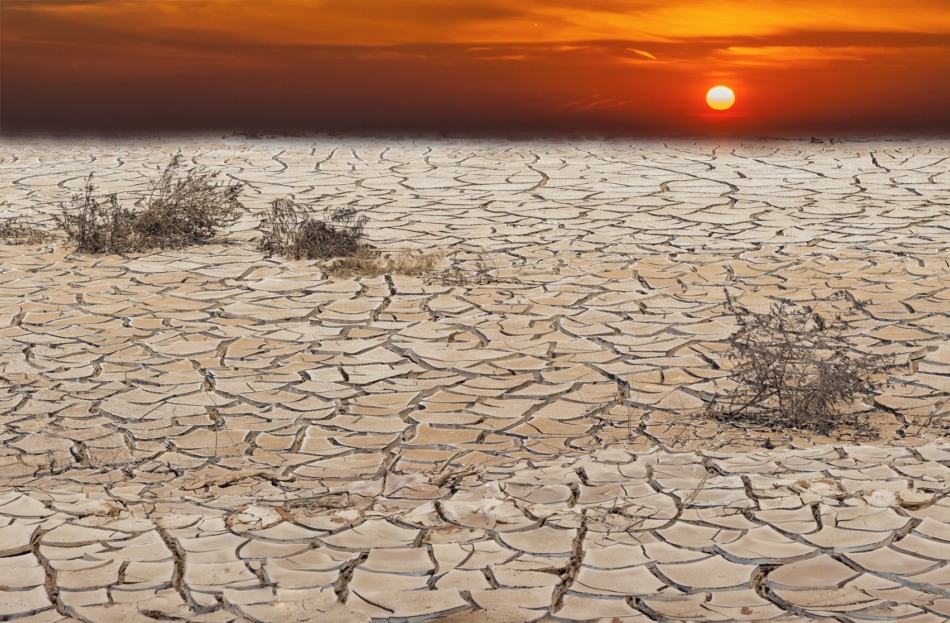
The heatwave began at the end of June 1936, as temperatures across North America soared into the triple digits, and the skies dried up, baking the ground below it. Many cities set heat records in excess of 110 degrees F, while communities in North Dakota, South Dakota, Kansas, and Arkansas all topped 120 degrees F. Even at night, lows dipped only into the nineties in many areas.
As usually happens in a drought year, the dry soil worsened the heat conditions, creating a heat feedback loop that stabilized the heat wave. Soil temperatures reportedly reached temperatures in excess of 200 degrees F in some areas, curtailing the ability for new life to grow. Farmers experienced the worst growing season on record, causing the price of staple foods, such as corn and wheat, to skyrocket.
Punishing Heat
Heat exhaustion and heat stroke were common during this time, and people did what they could to cool off. Numerous photographs exist of people packed like sardines at Coney Island, as the temperature in New York City reached 106 degrees F, while residents of several Midwestern cities slept outside, on their lawns, in public parks, or, in one notable instance, on the lawn of the state capital, to get relief from the punishing heat.
North America finally cooled down in September of that year, as temperatures and precipitation returned to normal, but the cruel summer of 1936 was one that no one forgot for many years after.
State Records That Still Stand
| State | Record set in 1936 | Still the state record? |
|---|---|---|
| North Dakota (Steele) | 121 F | Yes |
| South Dakota (Gann Valley) | 120 F | Tied with 2006 |
| Kansas (Alton) | 121 F | Tied state record |
| Arkansas (Ozark) | 120 F | Yes |
| Minnesota (Moorhead) | 114 F | Yes |
| New Jersey (Runyon) | 110 F | Tied 2011 |
| Wisconsin (Wisconsin Dells) | 114 F | Yes |
The National Weather Service still benchmarks every U.S. heat dome against July and August 1936. Most state-level high-temperature records that fell that summer remain unbroken nine decades later.

Frequently Asked Questions
When was the heatwave of 1936?
Late June through August 1936. The peak weeks were in July, with cooling finally arriving in September.
How hot did it get?
Many U.S. cities exceeded 110 degrees F. Communities in North Dakota, South Dakota, Kansas, and Arkansas reached 120 degrees F. Soil temperatures topped 200 degrees F in places.
How many people died?
About 5,000 deaths from heat exhaustion and heat stroke. Air conditioning was rare, and most homes had no insulation against extreme heat.
What made the 1936 heatwave so bad?
Drought-stripped Dust Bowl soils could not hold moisture or provide evaporative cooling. The dry ground heated the air, the hot air dried the ground further, and the feedback loop locked in a heat dome over the continent.
Do any 1936 records still stand?
Yes. North Dakota’s 121 F at Steele, Wisconsin’s 114 F at Wisconsin Dells, Minnesota’s 114 F at Moorhead, and Arkansas’s 120 F at Ozark all still stand as state all-time highs nearly nine decades later.
How did people cope without air conditioning?
Many slept outside on lawns, in parks, or even on the steps of state capitals. City dwellers crowded beaches like Coney Island, where New York City reached 106 F. Movie theaters and department stores became unofficial cooling centers.
What was the connection to the Dust Bowl?
Decades of plowing fragile prairie soil left the Plains exposed and dry. The 1936 heat baked what little topsoil remained, accelerating the migration of farm families that had begun earlier in the decade. The summer of 1936 marks the climax of the Dust Bowl era.
Tell Us
Family stories from 1936? Tell us in the comments. For more historic-weather reads, see our historic blizzards and Great Blizzard of 1899 entries.


Jaime McLeod
Jaime McLeod is a longtime journalist who has written for a wide variety of newspapers, magazines, and websites, including MTV.com. She enjoys the outdoors, growing and eating organic food, and is interested in all aspects of natural wellness.
- Jaime McLeod

- Jaime McLeod
- Jaime McLeod
- Jaime McLeod




My grandmother was pregnant with my father during that summer. And i remember my grandfather telling me that they pulled the hay wagon up by the house and my uncles would asleep the ground under the wagon, and my grandparents slept on the wagon.
I pray for 110° F in the summers. It tops 120° F here all the time even hitting 131 three times since I moved here 16 years ago. We start with triple digit numbers by the end of May and stays until September. I really wish I knew how hot it gets here in AZ before I moved. I would have gone up a little past Kingman where in the summers are in the 80’s.
Although Kim is correct 1980 reached over one hundred in MN.
We built in Nov 1986, thisI believe was the beginning of the drought. Had it been a normal winter, trucks ie: cement, lumber, etc would have never made it back up the driveway(125ft) that saved us but, the 1000 of seedling we planted the following year and many years to follow was try until maybe believe by 1992 the worst was over. This winter was the coldest I had ever had to go out in to work. It was brutally cold then snow, then repeat, repeat. Just a shift now with El Nino, we’ll see how that works out for us!
1936 was before my time but I remember my mother talking about it. She lived in a NYC tenement at the time. People slept out on the fire escapes at night to have some comfort. NYC’s alltime high temp of 106° was reached on 07/09/1936. And it was probably hotter because in those days the official weather station was located at the old Battery Maritime building near the water. Unofficial temp of 112° near Times Square was probably the real high temp.
Summer 2012 is pretty cruel if you ask me! Over 60% of the nation is in drought conditions. The largest in more than 50 years. The plains, midwest, and east coast is suffering through very high heat and sufficating humidity. Its amazing how all of these cities broke ALL TIME records. We got up to 110 degrees in early July. Its never been that hot!! Im 54 years old, but i have heard about 1936 from my mother. I even asked her about the dust bowl summers and she said they were just horrible. Night time lows were only in the 90s! So there was no escaping the heat but everybody is saying that this summer is one for the record books
I was born in 1936 and I never heard my Parents or siblings mention about the heat of June 1936. I wish that I had heard about it.
I moved to USA from Croatia few years ago and I was shocked to see people in the richest country in the world to live in the worst built houses in the world. In Croatia to this day people don’t have AC but ALL the houses are built out of concrete, brick, large stone blocks and they are wonderfully cool inside when it is 45C or 115F outside. What is with Americans and their paper/plywood houses ?! Why people here don’t build houses as God and common sense demands ?
It’s summer and just like some winters are colder than others, some summers can be hotter. 1936 was before my time but I remember many hot summers when I was a kid. And it just shows that all this ‘man-made global warming’ stuff is a bunch of hooey.
Interesting comments. I grew up in Dallas in the 50s, 60s. My dad had an AC in his bedroom in the late 60s. We used to sit out in the evenings and make hand cranked icecream on Fridays. Or we would go to the drive in theaters. Homes built back in the day usually had porches or verandas. Many were screened in and folks could sleep there. These are the fondest memories of my youth. It was over 100 every day and we were still happy.
When iIwas youg in the 40’s we used to sleep on the sumer porch at the farm and my Mom and Gram would put their feet in cold water in an enamel pan and sit outside under the trees.