Honey Bee Legends: Tell It to the Bees and Bee Lore
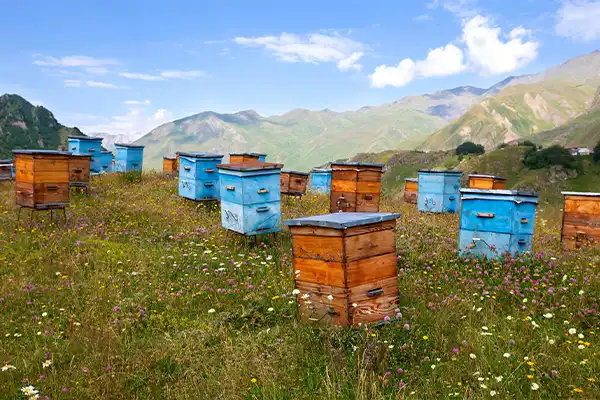
Quick Reference: Honey Bee Legends
- Tell it to the bees: an old custom of announcing births, marriages, and deaths to the hive so the bees are not offended and do not leave.
- Sing, do not swear: tradition says a hive treated with gentle words and even singing stays productive, while arguing near it does not.
- Honeymoon: the word traces to a Scandinavian gift of a month of honey wine, or mead, for newlyweds.
- Bee omens: a bee in the house means a visitor is coming, and a bee landing on your hand or head foretells a reward.
- Why it matters: honey bees pollinate much of what we eat and are estimated to add $19 billion to the U.S. economy each year.
Ever hear the expression “tell it to the bees?” It is one of the oldest bits of household folklore in the English-speaking world, and it is still whispered near hives today. Long before this 2026 growing season, people kept the family news flowing to the bees, sang to their hives, and read omens in a stray bee at the window. Here is what “tell it to the bees” means, along with the other honey bee legends that have followed these busy insects for thousands of years.
Honey Bee Lore and Legends
The value of honey bees has been recognized for millennia. In ancient Egypt, bees were believed to have been formed from the tears of the sun god, Ra, to bring his messages to earth. Likewise, in ancient Greece and Rome, bees were seen as messengers of the gods. Ancient Chinese and Celtic civilizations considered honey a sacred gift that helped the dead in the afterlife.
RELATED: Finding Dimes? Signs from the Deceased
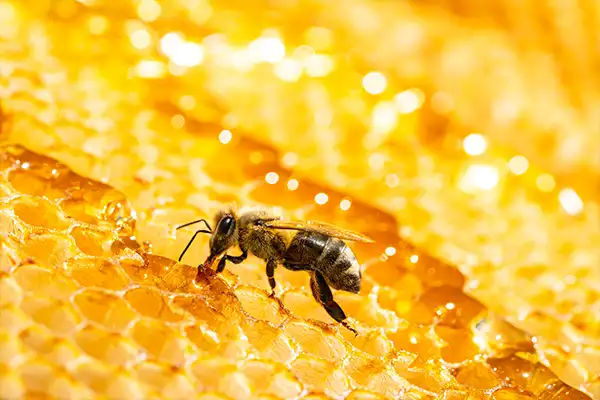
“Tell It to the Bees”
The ancient practice of “telling it to the bees” is still kept in both western Europe and Appalachia here in the United States. Bees were once such a valuable resource for supporting a family that people in these areas felt the hive deserved the same respect as any other member of the household, especially when there were major changes at home.
RELATED: 10 Common Superstitions
For example, when a beekeeper dies, the bees must be gently told of the change of family leadership (the keeper is the head of the “family” hive). If not, the bees may abandon the hive and the family, or mourn so deeply that their productivity drops sharply. In many accounts the hive is also draped in a strip of black cloth so the bees can grieve along with everyone else.

Sing, Don’t Swear
Beekeeping lore insists on always treating a hive with respect and gentleness. Singing to the hive is even encouraged to improve the bees’ productivity. Old beekeepers passed down soft work songs the way gardeners pass down planting rhymes.
Bees are believed to be sensitive creatures. Many hold that their productivity can suffer if they hear swearing or arguments near the hive. Whether or not a bee can tell a kind word from a cross one, the habit kept beekeepers calm and careful, which never hurt the bees.

Honeymoon
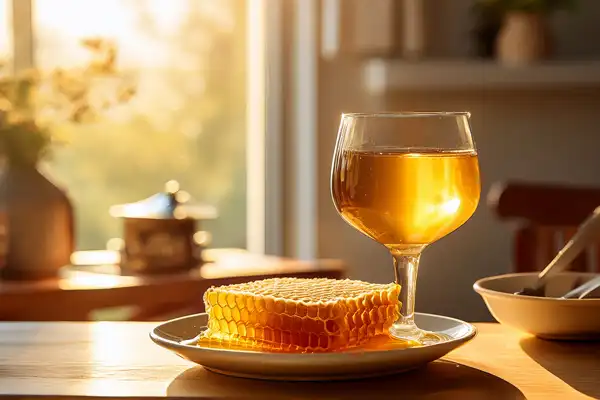
The word “honeymoon” is believed to originate with a Scandinavian tradition of giving a newly married couple a month’s worth of “honey wine,” or mead, which is a fermented honey drink. The gift celebrated the sweetness of a new marriage and was meant to encourage happiness through that first moon of married life.
RELATED: Best Days to Get Married
More Bee Lore
- If a bee flies into your house, you will have a visitor. However, be sure to keep it safe, or the visitor may bring bad news.
- If a bee lands on your hand or head, you will receive a reward soon.
RELATED PRODUCT: Good Luck Bracelet
- Ancient Greeks believed that if a bee landed on a baby’s lips, that baby would grow up to be a great speaker.
- Romans believed that Jupiter gave bees their stingers so they could defend their honey. To repay Jupiter for the gift, the story goes, a honey bee had to die when it stung.
RELATED: How to Locate Jupiter in the Night Sky
- Cheating spouse? Supposedly, if you lead a man you suspect of cheating past a beehive, he will only be stung if he has been unfaithful.
Where Telling the Bees Came From
The custom did not stay in one country. Folklorists have traced “telling the bees” across England, Ireland, Wales, and the wider Celtic world, and it crossed the Atlantic with settlers who carried both their skeps and their sayings to Appalachia. In the old accounts, the household was expected to share every major turn of family life with the hive, a death most of all, but births and weddings too.
The steps varied from village to village. Someone would walk to the hive, knock gently or tap it with the house key, and say the news in a low, plain voice. For a death, the hive might be draped in black crepe and turned to face the funeral procession. For a wedding, folks left a slice of cake or a ribbon of celebration cloth. Skip the ritual, the belief warned, and the bees would sicken, stop making honey, or leave for good. You can read a fuller history of the practice in the folklore record kept at this survey of “telling the bees” traditions.
Whether the bees ever understood a word is another matter. What the custom really did was keep the beekeeper close to the hive, checking on it at every big moment, and that attention is exactly what keeps bees healthy. The folklore carried a practical habit inside it, which is often how the best old traditions work.
Bee Omens at a Glance
Much of the bee lore above boils down to reading a single bee as a sign. Here is a quick chart of the most common omens and what tradition says each one means.
Keep the Legends Alive
With so much wonderful lore tied to bees, the best way to honor it is to help the real bees thrive. Here is what you can do this season.
- Minimize chemical use, including fertilizers, pesticides, and herbicides, to help prevent the toxic contamination that kills bees.
- Plant a bee garden with flowers rich in nectar and pollen. This gives bees a refuge, and adding a shallow “bee bath” as a water source is a great step. Time your plantings with the Gardening by the Moon Calendar for a bloom-friendly start.
- Do not mow patches of your lawn, so honey bees have places to nest and the next generation has somewhere to settle.
- Buy local honey and bee-related products to support the next generation of beekeepers and keep local hives thriving.
These habits matter more than they used to. Beekeepers have watched hives collapse in recent decades, and the U.S. Department of Agriculture keeps a running record of the research into colony collapse disorder and pollinator health. Doing right by your local bees is folklore turned into action.
Do you have any questions? Let us know in the comments below!
What Bees Give Us
Honey bees are essential to our ecosystem. There are more than 16,000 species of bees in the world, found on every continent except Antarctica. Bees pollinate beautiful flowers as well as a wide range of fruits and vegetables, from apples, blueberries, and cherries to avocados, pumpkins, coffee, and mangos.
Bee venom is often used in homeopathic or alternative remedies for its anti-inflammatory properties, and beeswax is used for candles and soap. Note: Farmers’ Almanac does not offer medical advice. Information here is for educational purposes only.
Beekeeping has been a skilled profession since ancient Rome and Egypt, and it continues today. Between bee-related products and the greater agricultural yields that come with more pollination, bees are estimated to contribute $19 billion to the U.S. economy annually, and more than $217 billion to the worldwide economy.
With so many positive impacts, it is no wonder these industrious insects have been part of our lore, superstitions, and cultural beliefs for centuries.
How to Tell It to the Bees Yourself
If you keep a hive, or you simply like carrying an old custom forward, telling the bees is an easy tradition to try. There is no wrong way, but here is the shape most accounts follow.
- Walk to the hive quietly and tap it once, gently, to get the bees’ attention.
- Share the news in a low, plain voice, whether it is a birth, a wedding, a move, or a loss.
- For sad news, some drape the hive in a small strip of black cloth. For happy news, leave a bit of cake or a ribbon nearby.
- Thank the bees before you step away, and check that the hive is healthy while you are there.
Do what feels right for your family. The tradition asks for nothing more than a moment of attention, which is a gift to any hive whether or not the bees are listening.
Join The Discussion
Do you believe that if you “tell it to the bees” or sing to your hive, you will get more honey?
Do you know any fun facts or bits of folklore about bees not mentioned here?
Share with your community here in the comments below!

Honey Bee Legends: Frequently Asked Questions
What does “tell it to the bees” mean?
It is an old custom of announcing major family news to the hive, especially a death, but also births and marriages. Tradition held that bees were part of the household and would be offended, stop making honey, or leave if they were not told. The practice was common in western Europe and Appalachia.
Why do people sing to bees?
Beekeeping lore says a hive treated with gentle words, and even singing, stays calm and productive, while swearing or arguing near it can hurt the bees. Whether or not bees hear the difference, the habit kept beekeepers soft-spoken and attentive, which is good for any hive.
Where does the word “honeymoon” come from?
The word is believed to come from a Scandinavian tradition of giving newlyweds a month’s worth of honey wine, or mead. The sweet drink was meant to celebrate the new marriage and encourage happiness through that first moon of married life.
What does it mean when a bee lands on you?
Folklore treats it as good luck. A bee landing on your hand or head is said to foretell a reward coming soon, and a bee that flies into the house means a visitor is on the way. The old advice is to let the bee out unharmed so any news it brings stays good.
Are honey bee legends based on any truth?
The omens are folklore handed down through generations, and the customs carried practical habits. Telling the bees and singing to the hive kept the beekeeper close and gentle, which genuinely helps bees stay healthy. Do what feels right, and enjoy the tradition for the connection it builds.
Why do honey bees matter so much?
There are more than 16,000 species of bees, found on every continent except Antarctica, and they pollinate a huge share of our fruits and vegetables. Honey bees are estimated to contribute $19 billion to the U.S. economy each year and more than $217 billion worldwide, which is why protecting them is worth the effort.


Melissa Mayntz
Melissa Mayntz is a writer who specializes in birds and birding, though her work spans a wide range—from folklore to healthy living. Her first book, Migration: Exploring the Remarkable Journeys of Birds was published in 2020. Mayntz also writes for National Wildlife Magazine and The Spruce. Find her at MelissaMayntz.com.

This article was published by the Staff at FarmersAlmanac.com. Any questions? Contact us at [email protected].
-
Farmers' Almanac Staff

-
Farmers' Almanac Staff

-
Farmers' Almanac Staff

-
Farmers' Almanac Staff