

Why Folklore Still Matters in the Modern World
With all the technology we have access to at our fingertips, do we really still need folklore in our everyday lives?
Quick Reference: Why Folklore Still Matters
- What folklore is: the stories, sayings, and rules of thumb passed from one generation to the next, often by word of mouth.
- Why it lasts: it connects us to the past and packs hard-won observation into something short and easy to remember.
- Weather lore example: “Mackerel sky, mackerel sky, never long wet, never long dry,” a rhyme that tracks real cirrocumulus and altocumulus clouds.
- The Almanac’s role: we have collected and tested weather folklore since 1818, sitting it right beside our math-based long-range forecast.
- How to use it: watch the sky, the trees, and the animals, then plan ahead with the rule the old timers left you.
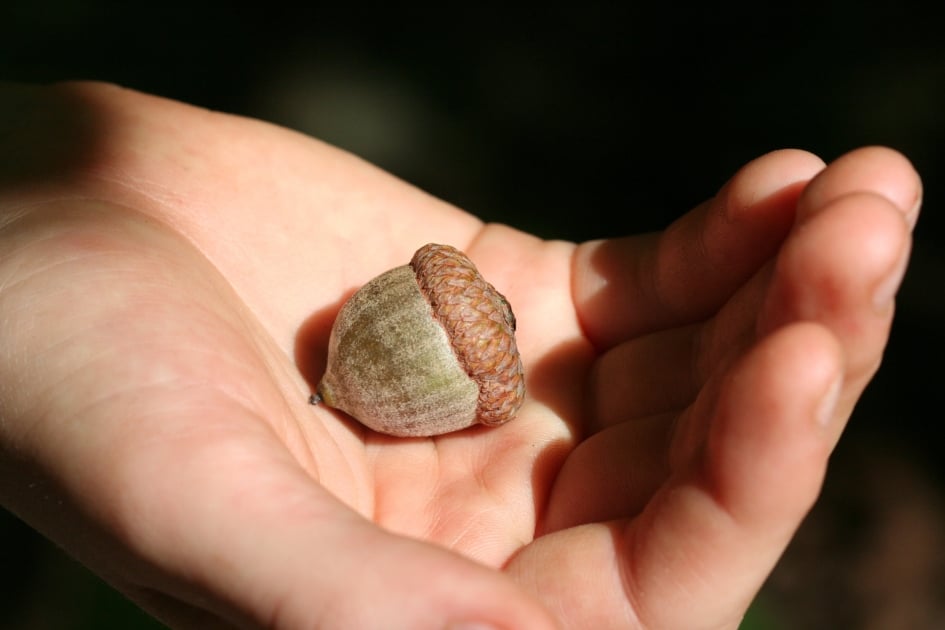
In a world filled with advancements in science, technology, education, and medicine, you may wonder why people still subscribe to the idea of folklore. We live in a time where we can order food from our smartphones without having to leave the comforts of home, and getting updates on world news and events takes a matter of seconds. We even have weather apps on our phones that tell us the forecast, so why is it still important to know if persimmon seeds, an abundance of acorns, or woolly worm caterpillars can predict the weather?
The Farmers’ Almanac has been asking that question and gathering the answers since 1818. Folklore is not a substitute for the radar map. It is the older companion to it, the part of weather wisdom that came from watching the sky long before anyone could explain the science. Here is why these tales still earn their keep, and how to put them to work today.
What Folklore Actually Is
Folklore is the shared body of stories, sayings, songs, and rules of thumb that a community passes along, usually by word of mouth, from one generation to the next. It covers far more than ghost stories. It includes the weather rhymes a grandmother recited, the planting signs a farmer swore by, and the kitchen remedies handed down without a single written recipe. Folklorists at universities and the American Folklore Society study it as living knowledge, not quaint superstition. The Almanac has treated it the same way for more than 200 years, collecting the sayings, naming the source where we can, and letting you decide what holds up.
Folklore Connects Us
If you consider yourself a nay-sayer of folklore because it no longer seems relevant, you may be discounting an important connection to our past.
Everyone has the same experiences, yet everyone responds differently to them. Hunger and pain. Hot and cold weather. Joy and sorrow. Our reactions to these events may vary, but all of these things are unavoidable. Folklore gives us the wisdom to understand these moments from different points of view. It showcases that all of our problems and successes happen in every culture and throughout different periods of history. We are unique as individuals, but we are all connected through these moral truths.
A Unique Perception

We often associate folklore with stories or sayings we heard as children. Perhaps from a relative, a book a teacher read to the class, or perhaps through the many weather lore sayings shared by the Farmers’ Almanac. While a lot of these tales are easy enough for children to understand, the same story can resonate with us in different ways throughout our lives, offering different meanings at different ages and levels of development.
For example, the folklore surrounding the concept of the “fairy ring,” where mushrooms grow in a circular pattern. There are different tales surrounding this bit of folklore because it has been interpreted differently over the centuries. Some say it is good fortune to find a fairy ring; others say it is a sign of evil in an area. If a child heard this tale, he might believe in the magic of fairies. If a teenager hears it, she might get interested in botany due to the curiosity of it, while an adult might hear this tale and find magic in their lives again.
Folklore Sayings Ring True
It is also worth mentioning that the power of observation is an element that makes folklore thrive. For example, an ancient mariner initially might have noticed that when clouds look like scales of a fish, precipitation is on its way but will be gone quickly, hence the folklore saying:
Mackerel sky, mackerel sky.
Traditional mariners’ weather rhyme
Never long wet, never long dry.
If mariners spotted this cloud pattern, they began to notice they could expect rain, but it would not last long (“never long wet”). Over time word of this observation spread. The result is a folklore rhyme we are familiar with, one that is easy to remember. A rhyme helps it travel better without getting misinterpreted.
Science now tells us that when puffy cirrocumulus and altocumulus clouds appear in the sky, they usually accompany high pressure, which indicates rain is coming, but the weather system will be moving along quickly.
Folklore, tales, and sayings have been around long before science could articulate it further, so listening to the tales told from family member to family member might prove valuable, even today, if you take the time to listen.
Weather Folklore the Almanac Has Tracked
The Almanac has spent two centuries writing down the signs our readers watch for. None of these are promises. They are observations that proved worth remembering, and most of them line up with something a meteorologist can now explain.
- Weather lore tells you what is coming. The Best Days Calendar tells you the favorable days to act on it.
- Pair the old signs with our long-range forecast, built on the same math-based formula we have used for over 200 years.
How to Keep Folklore Alive
Folklore only survives if someone keeps repeating it. You do not need a degree to do your part. Watch your own corner of the world, write down what you see, and pass the good rules along.
- Listen first. Ask the oldest gardener, farmer, or fisherman you know what signs they watch, and write the saying down word for word.
- Test it yourself. Note the sign and the weather that followed. Over a few seasons you will see which rules hold for your region.
- Keep the rhyme. A saying that rhymes travels better and gets misremembered less, which is why so much weather lore is in verse.
- Browse the archive. Our weather folklore collection and our wider folklore library gather hundreds of these sayings in one place.

Folklore: Frequently Asked Questions
What is folklore, in simple terms?
Folklore is the shared store of stories, sayings, songs, and rules of thumb that a community passes along, usually by word of mouth, from one generation to the next. It includes weather rhymes, planting signs, kitchen remedies, and tales like the fairy ring, and it survives because people keep repeating it.
Why does folklore still matter today?
Folklore connects us to our past and packs hundreds of years of observation into something short and easy to remember. A saying like “mackerel sky, never long wet, never long dry” tracks real cloud patterns, which is why generations of mariners and farmers trusted it long before weather apps existed.
Is weather folklore actually accurate?
Some of it lines up well with science. Cirrocumulus and altocumulus clouds, the “mackerel sky,” really do tend to signal a fast-moving system with rain on the way. Other signs, like a heavy acorn crop foretelling a hard winter, are observations worth watching rather than guarantees. The Almanac shares the lore and lets you test it for yourself.
What is a fairy ring and what does it mean?
A fairy ring is a circle of mushrooms growing in a ring, and the folklore around it has shifted over the centuries. Some traditions call it good fortune to find one; others read it as a sign of evil in an area. The science is simpler: it is a single fungus spreading outward through the soil in a circle.
How has the Farmers’ Almanac preserved folklore?
Since 1818 the Almanac has collected weather lore, planting signs, and Best Days wisdom, printing them right alongside our math-based long-range forecast. We name the source where we can and treat folklore as living knowledge to be tested, not mocked.
How can I help keep folklore alive?
Ask the oldest gardeners, farmers, and fishermen you know what signs they watch, and write the sayings down word for word. Test them against your own seasons, keep the rhyme intact so it travels well, and pass the rules that hold to the next person. Share your favorite weather saying in the comments.


Larry Fleury
Larry Fleury is a writer and outdoor photographer who has a background in atmospheric science, marketing, astrophotography, creative writing, and all things outdoors. His photography has been featured by The Weather Channel, Midwest Living Magazine, and National Geographic Your Shot. Larry lives on the edge of the Ozark Mountain Range in Southeast Kansas, where he spends his free time fishing, camping, hunting, hiking, storm chasing, and playing guitar on the porch.
- Larry Fleury

- Larry Fleury
- Larry Fleury
- Larry Fleury



Love this! Thank you!
Glad you enjoyed it. Thank you for reading and following us online!