

Signs of Bad Winter Coming: 20 Clues From Nature
Before there were weather apps for your smartphone, people looked to nature to prepare for what's to come. What signs of a hard winter are you already seeing in your backyard?
Quick Reference: Signs of a Bad Winter Coming
- Where the list came from: Cleveland weather guru Dick Goddard, featured in the 1978 Farmers’ Almanac, 20 signs in all.
- Look to the animals: early geese and ducks, thick-tailed raccoons, busy squirrels, secluded bees, and mice working to get indoors.
- Look to the plants: thick onion skins and corn husks, and an unusual abundance of acorns.
- Look to the sky and the bugs: heavy August fogs, halos around the Sun or Moon, big spider webs, and a narrow orange band on the woolly worm.
- Want a second opinion: cut a ripe persimmon seed and read the shape inside, then check the Almanac long-range forecast for your region.
Long before there was a weather app on every phone, farmers and our ancestors read the season ahead in the world around them. Nature kept handing out clues, and folks who paid attention planned better for the cold months. Most of us have stopped watching for those signs, but they are still out there in the backyard, the garden, and the night sky. Here are 20 of them, the same list the Farmers’ Almanac has shared for decades, so you can judge for yourself what kind of winter is coming.
A wonderful friend of Farmers’ Almanac’s editor Ray Geiger, the Cleveland weather guru Dick Goddard, put together a laundry list of 20 signs from nature that can point to a harsh winter ahead. We featured the list in the 1978 Farmers’ Almanac, and it is still relevant today.
20 Signs of a Cold and Harsh Winter
According to weather lore, if you spot any of these signs, winter could be a tough one, with plenty of cold temperatures and snow. None of them is a guarantee, but taken together they make a fine excuse to step outside and watch the season turn.
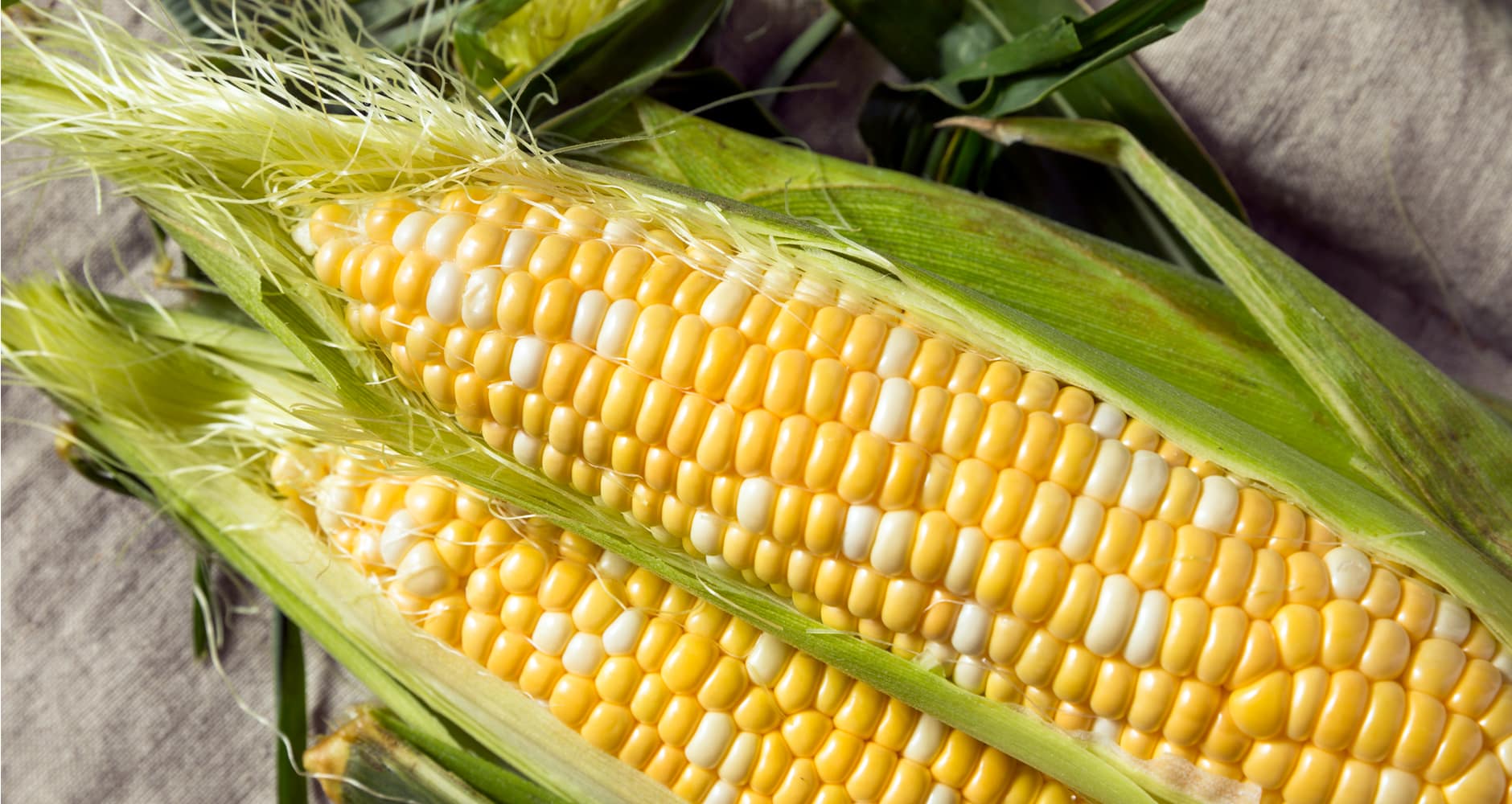
1. Thicker-Than-Normal Onion Skins or Corn Husks
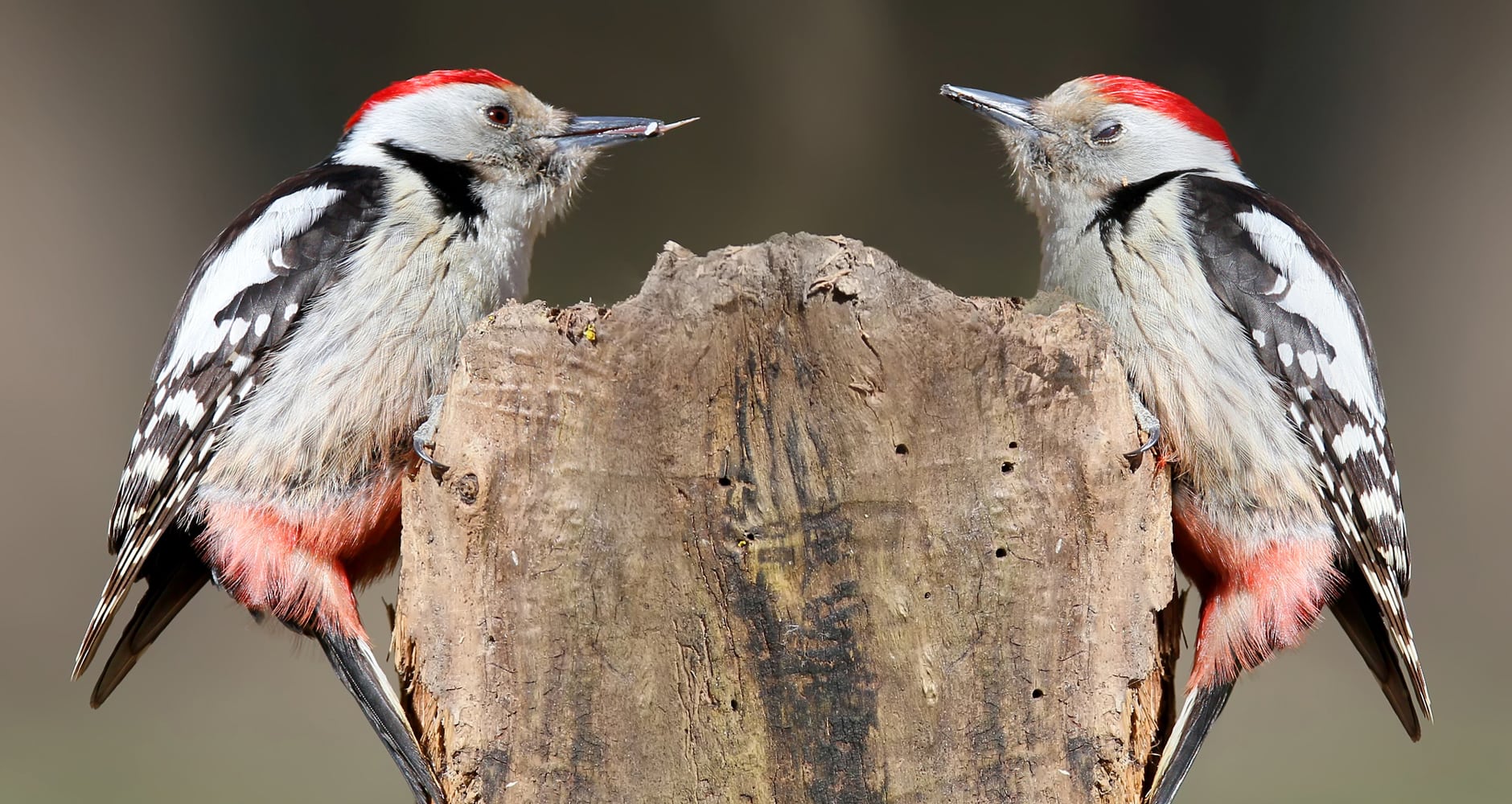
2. Woodpeckers Sharing a Tree
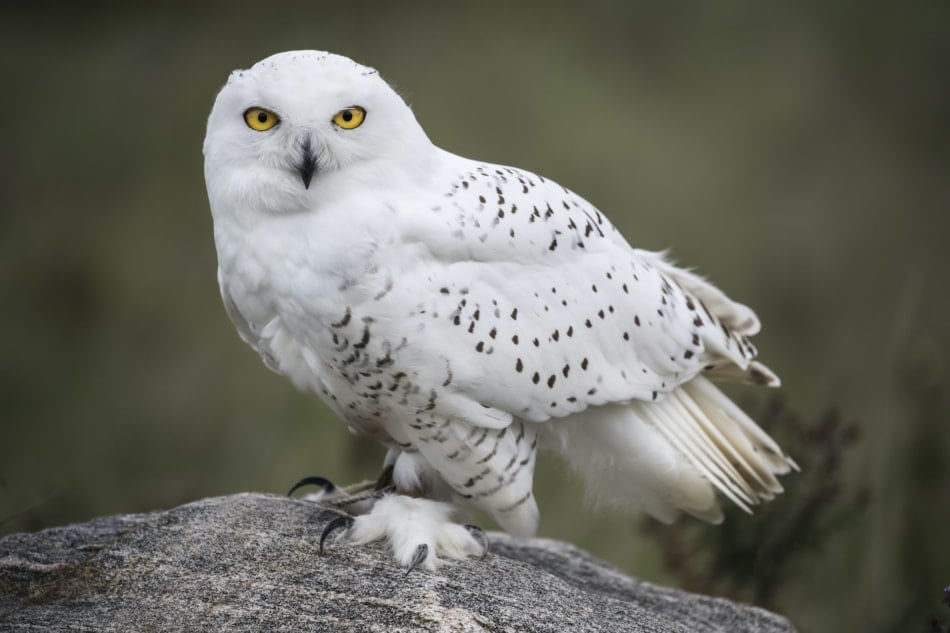
3. The Early Arrival of the Snowy Owl
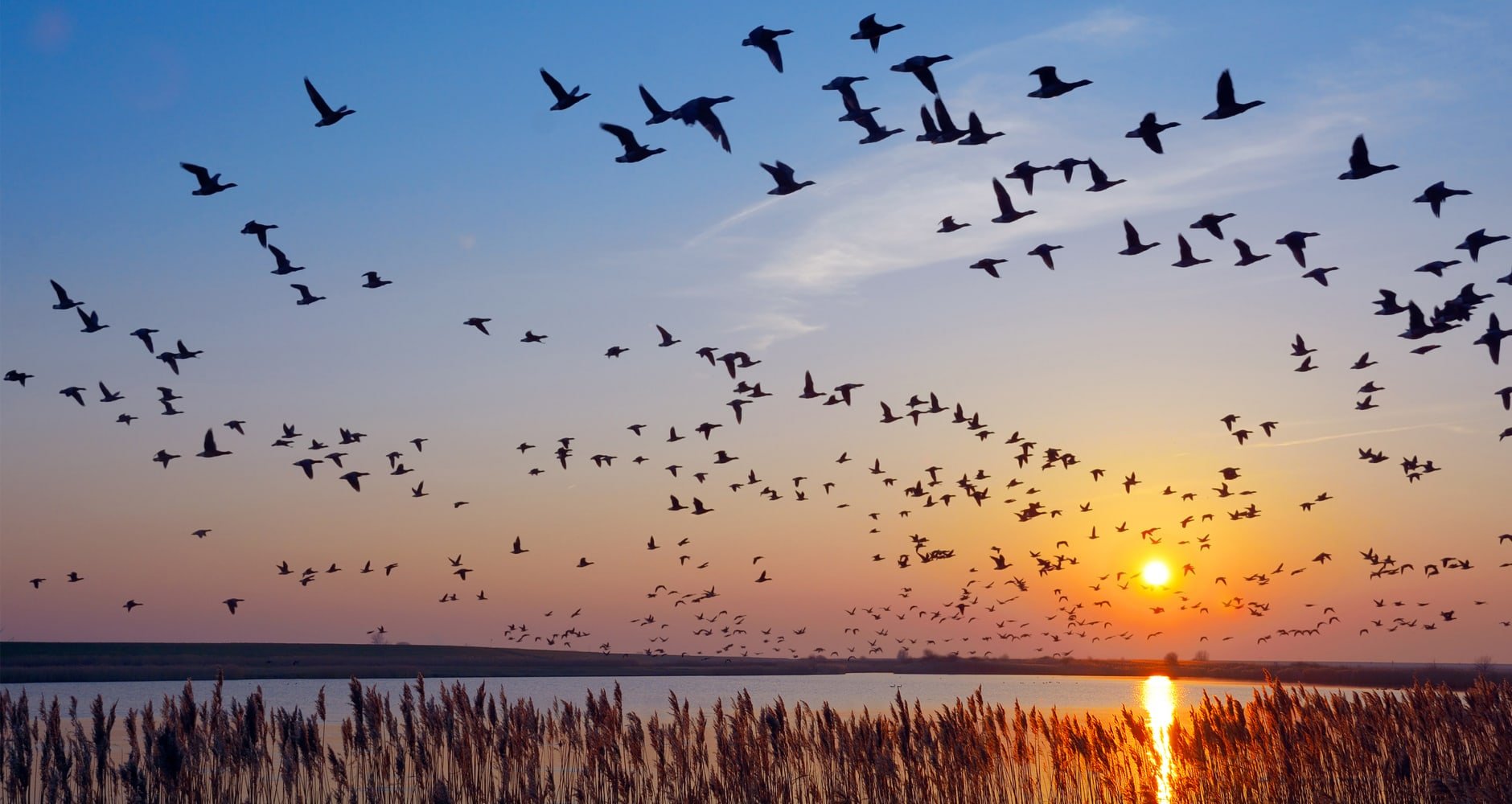
4. The Early Departure of Geese and Ducks
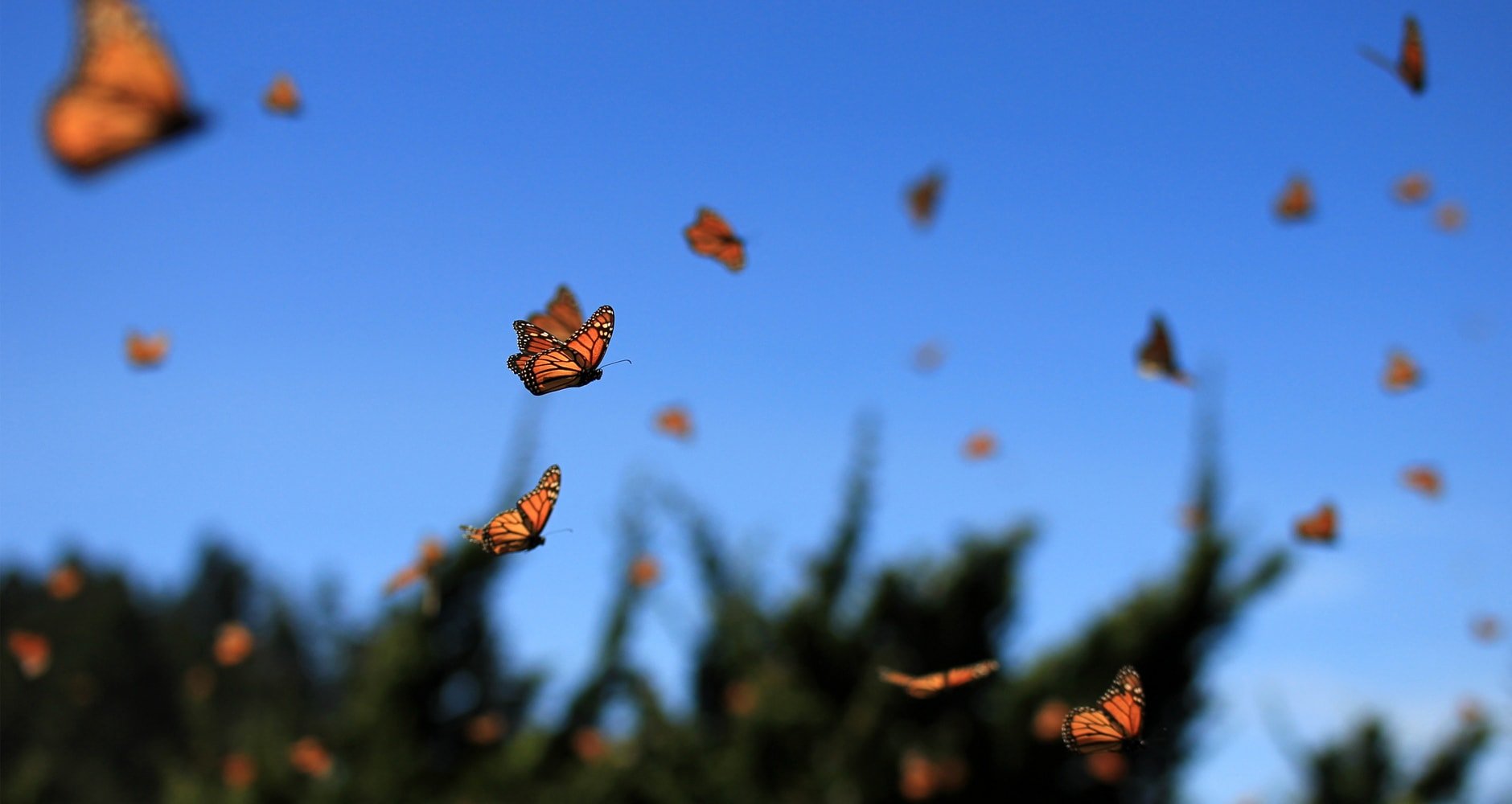
5. The Early Migration of the Monarch Butterfly
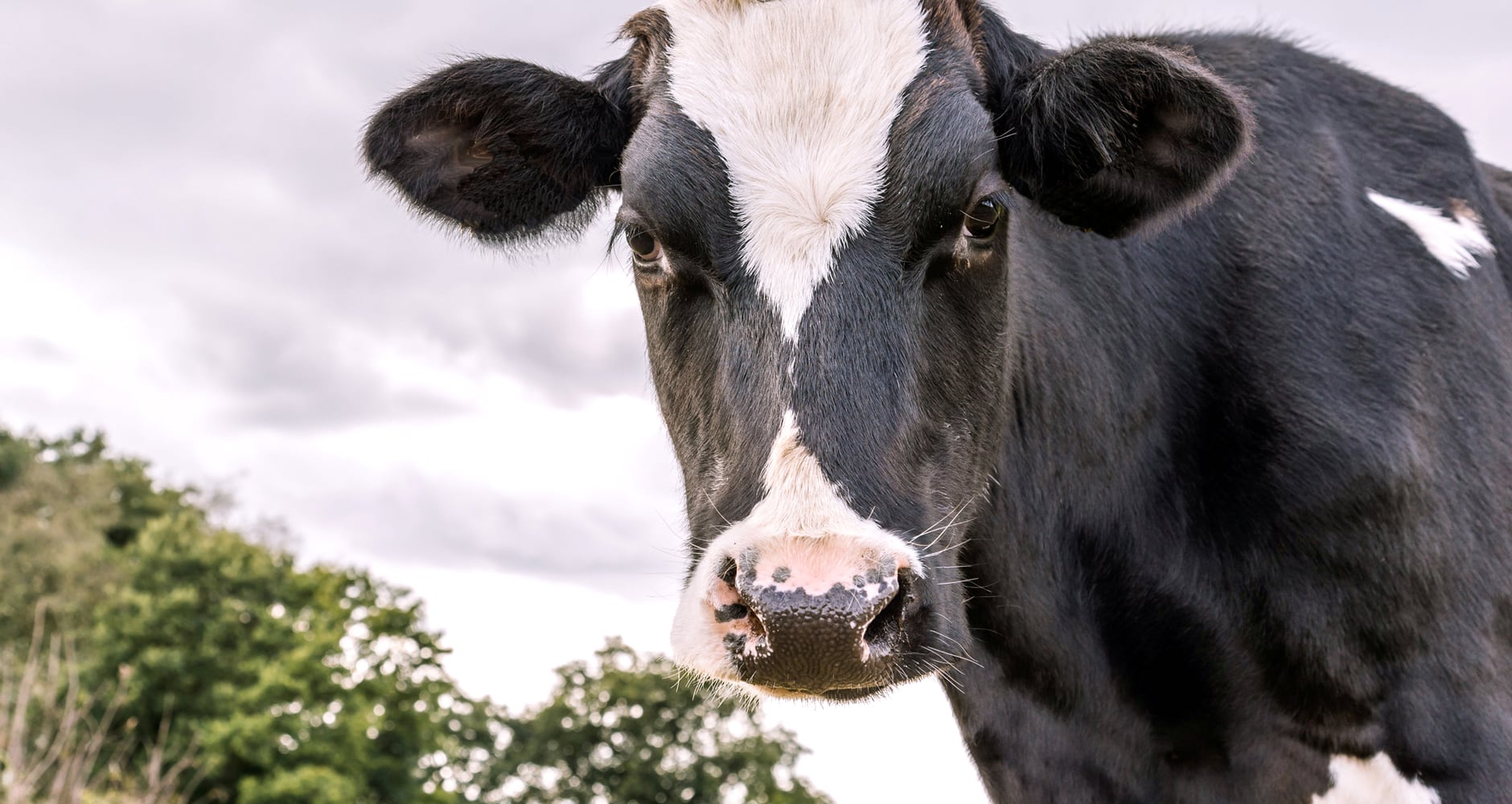
6. Thick Hair on the Nape of a Cow’s Neck
7. Heavy and Numerous Fogs During August

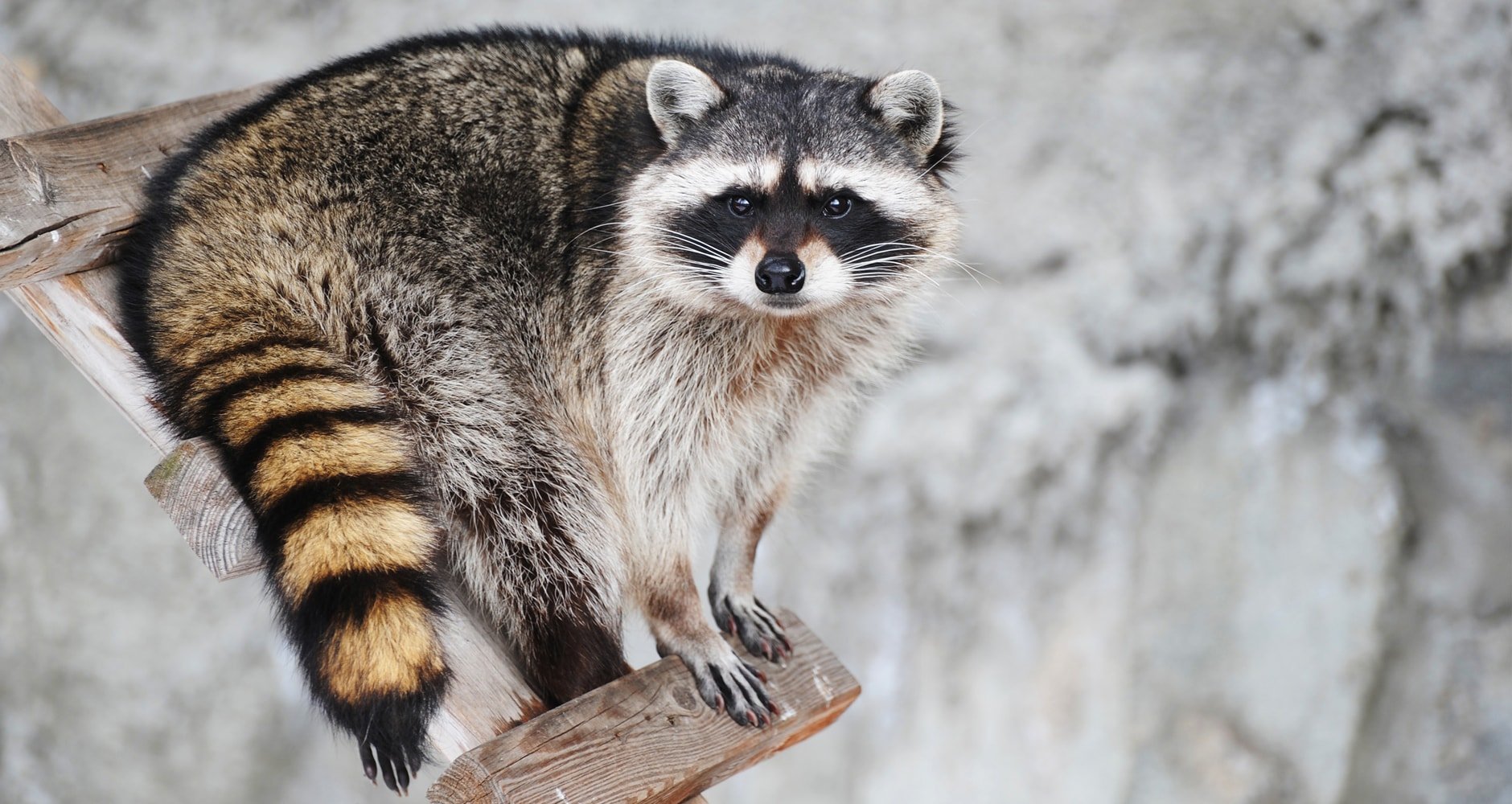
8. Raccoons With Thick Tails and Bright Bands
Any questions? Contact [email protected]

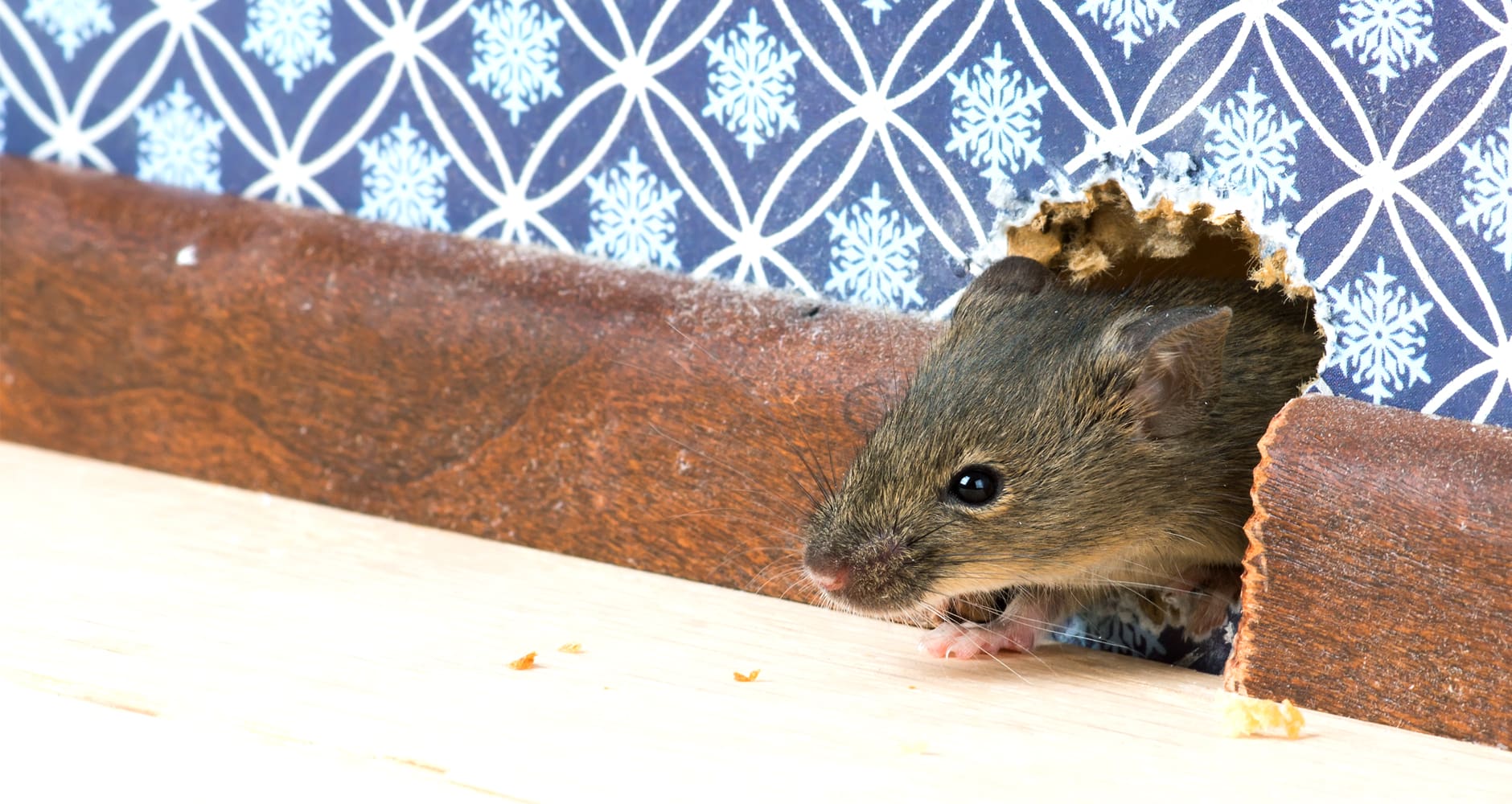
9. Mice Chewing Furiously To Get Into Your Home
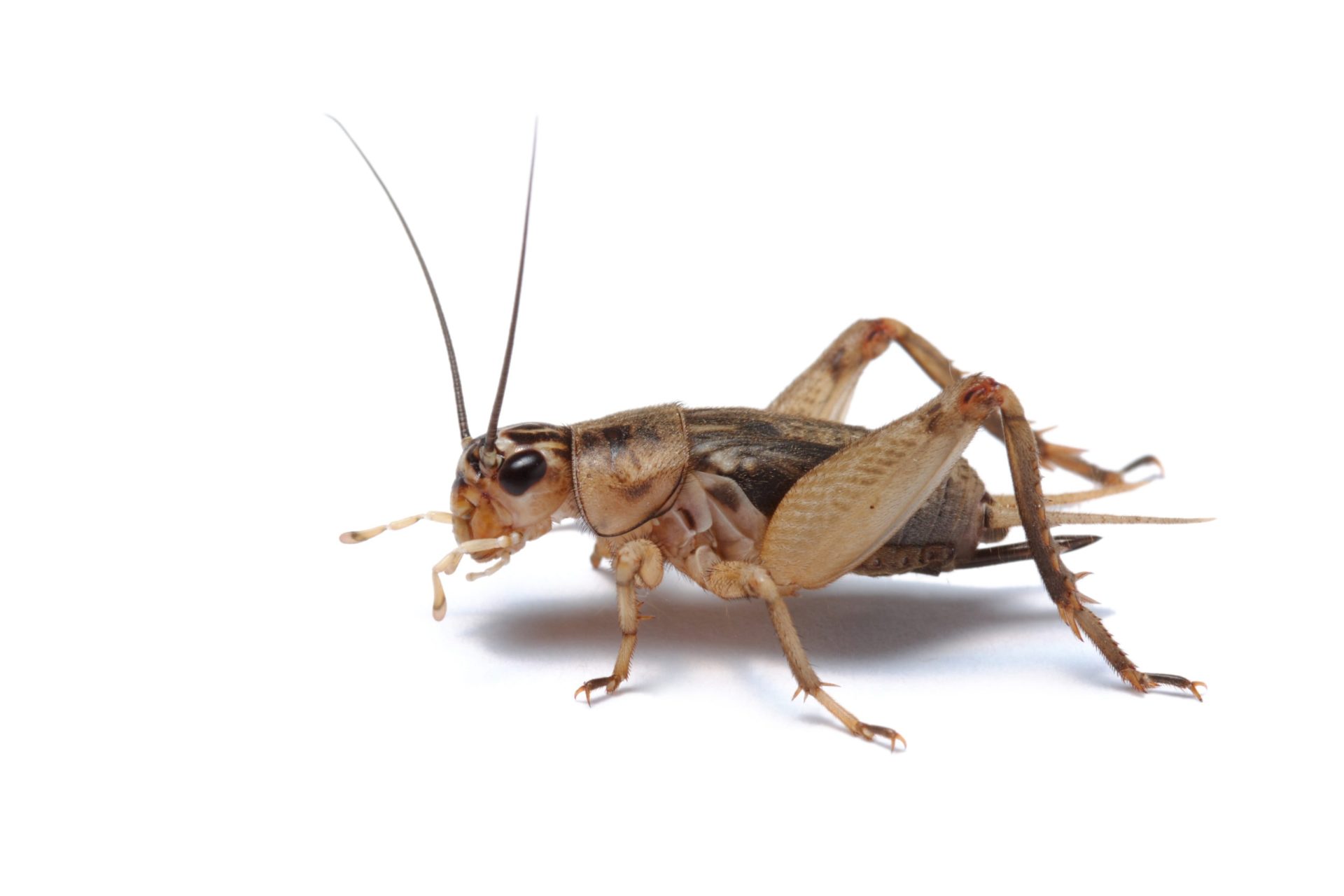
10. The Early Arrival of Crickets on the Hearth
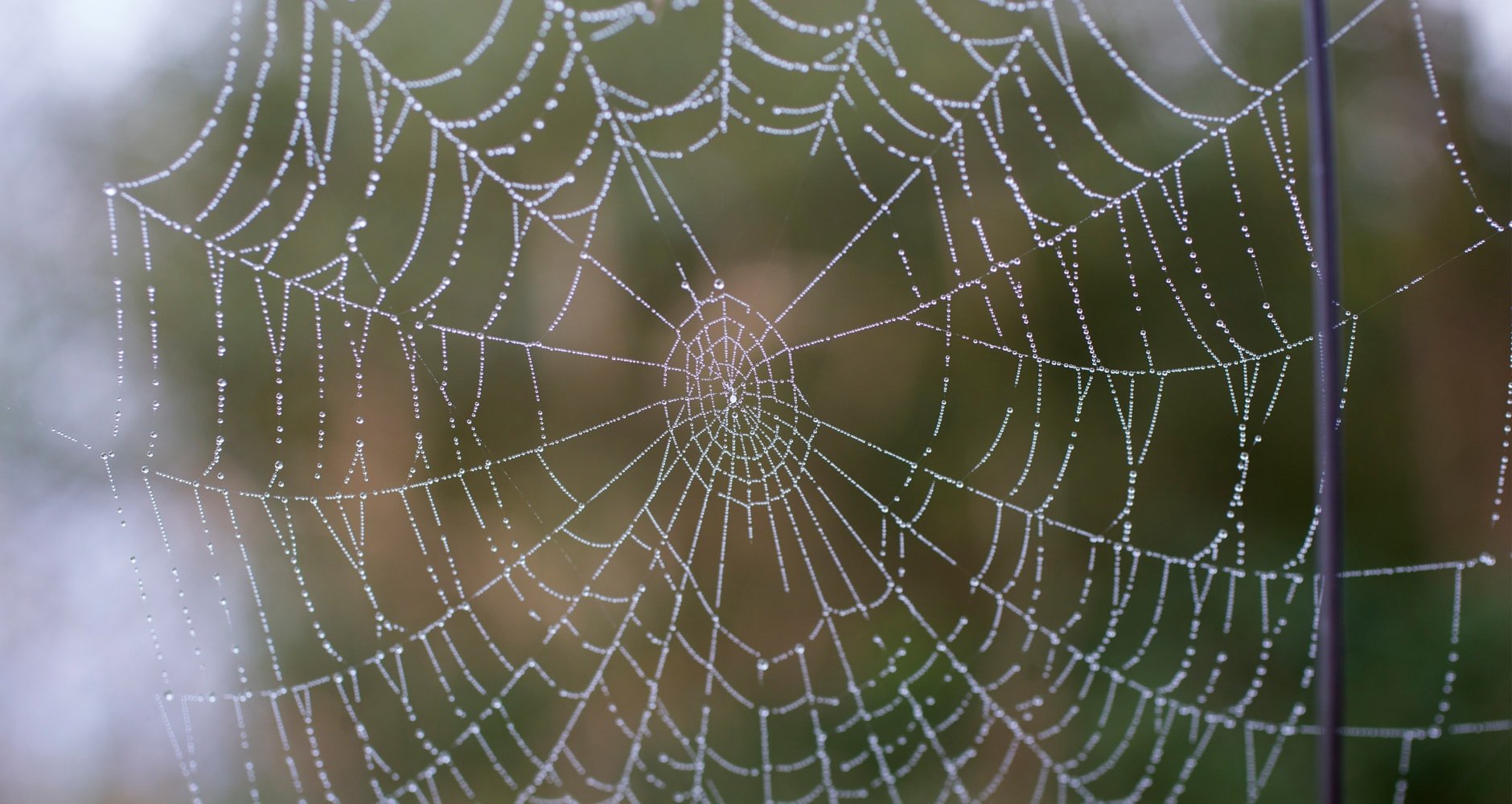
11. Spiders Spinning Larger-Than-Usual Webs and Entering the House in Great Numbers
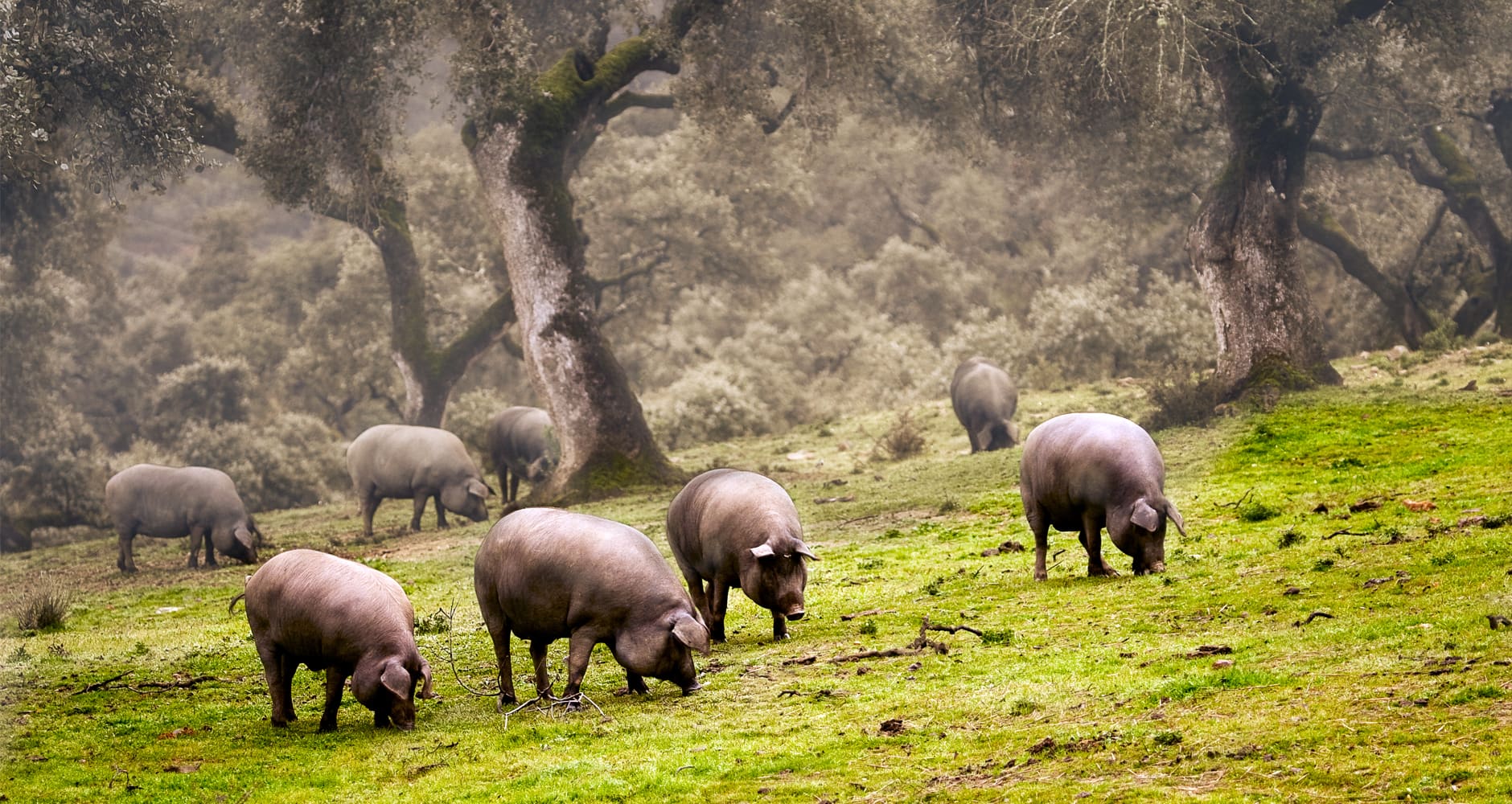
12. Pigs Gathering Sticks
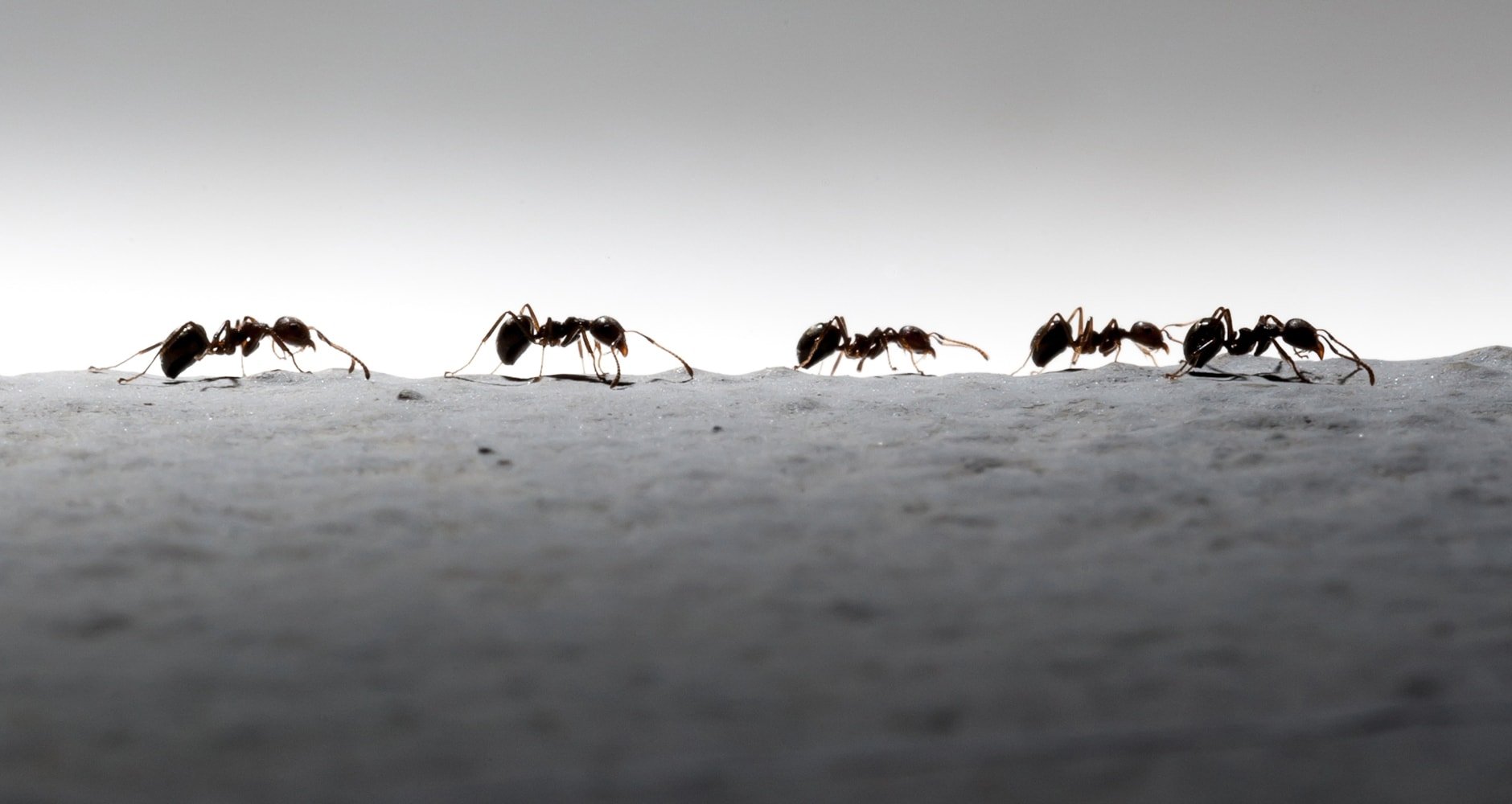
13. Ants Marching in a Line Rather Than Meandering
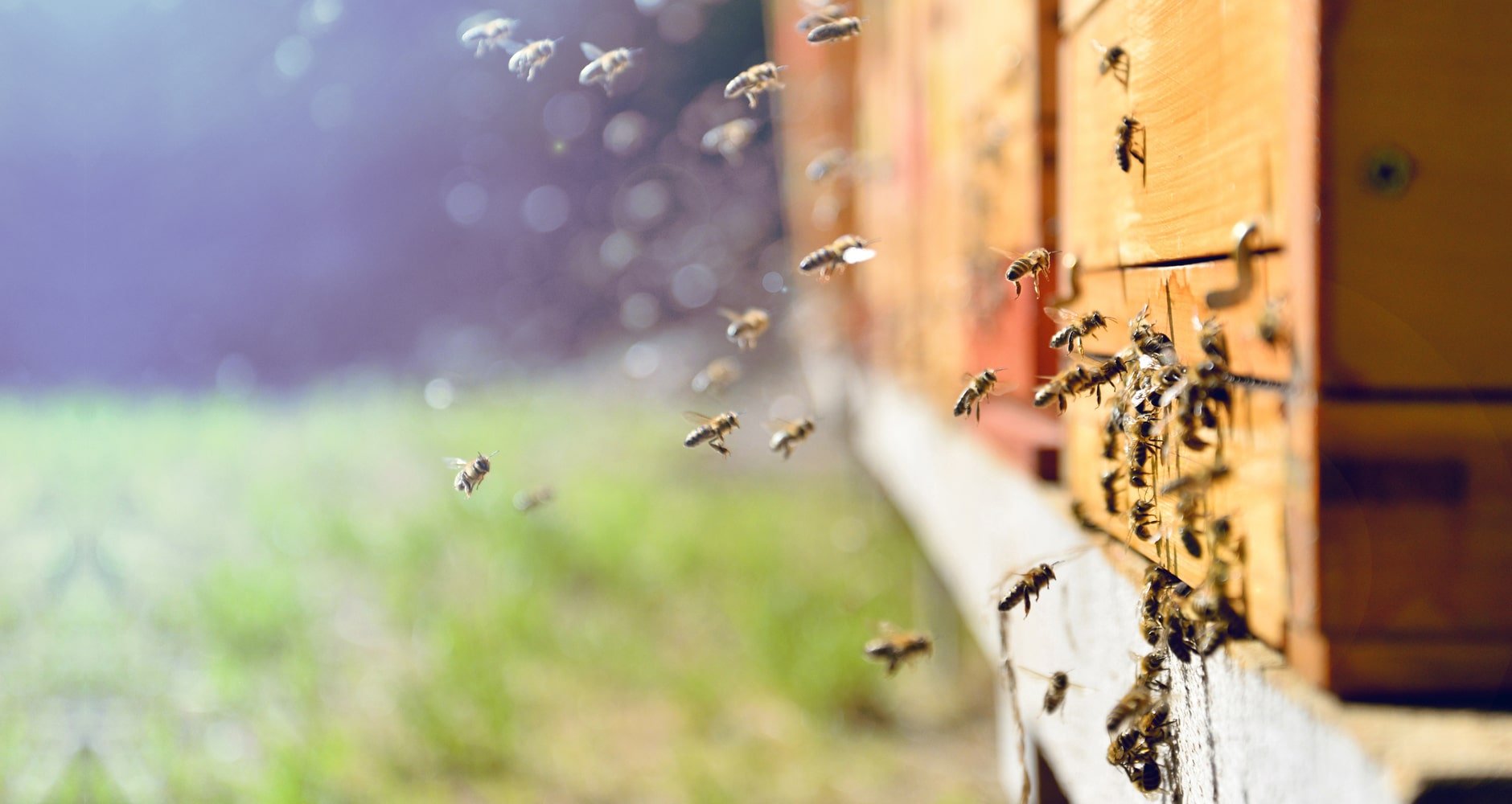
14. Early Seclusion of Bees Within the Hive
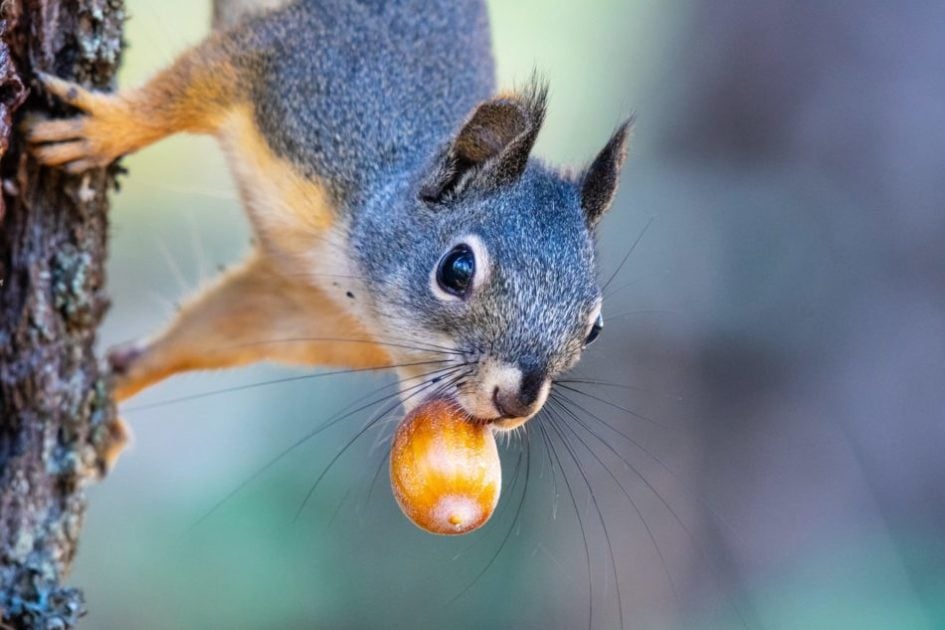
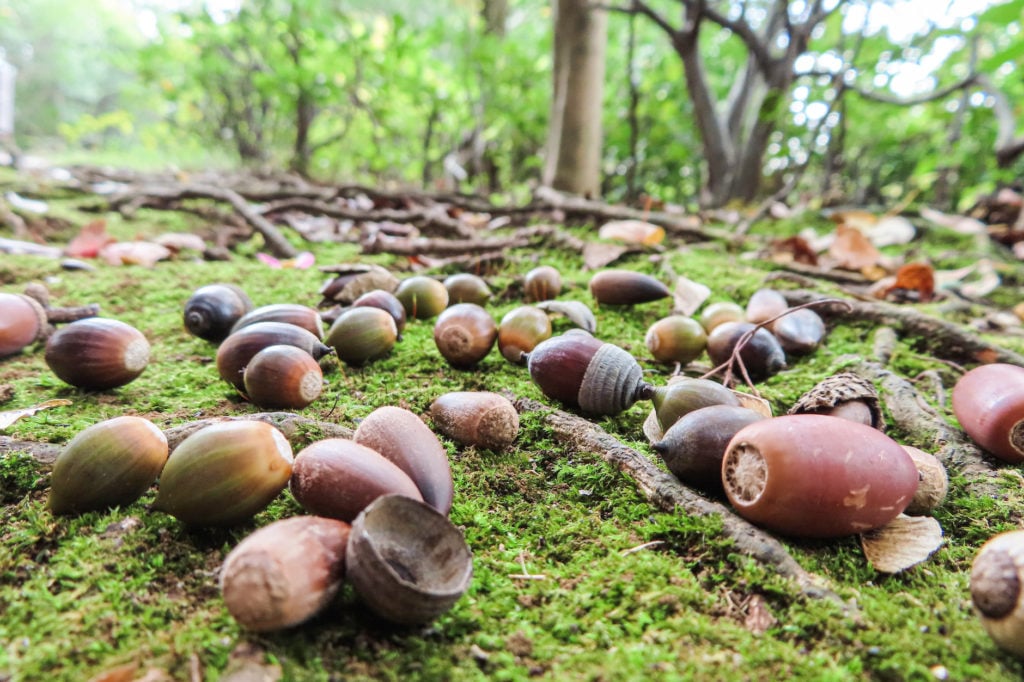
15. Unusual Abundance of Acorns
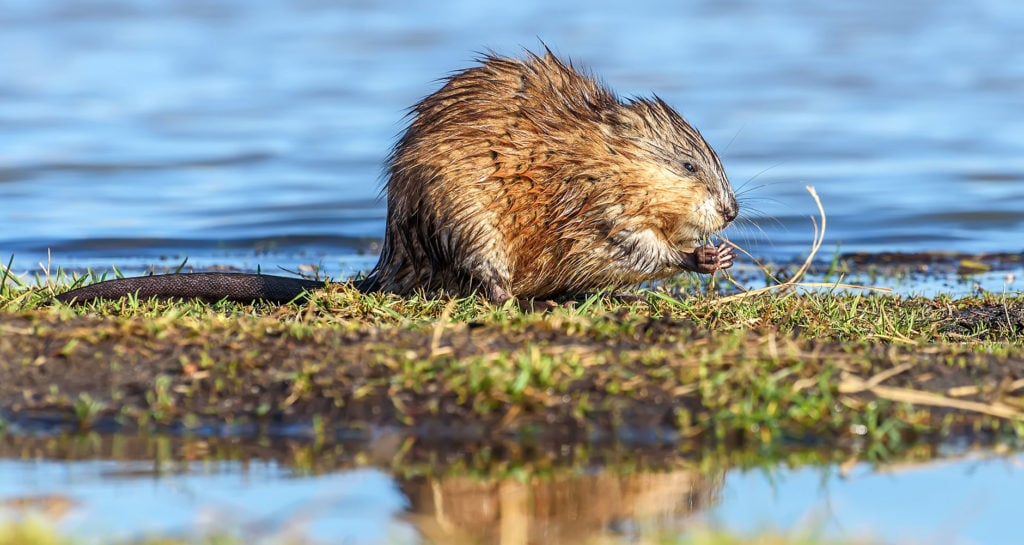
16. Muskrats Burrowing Holes High on the River Bank
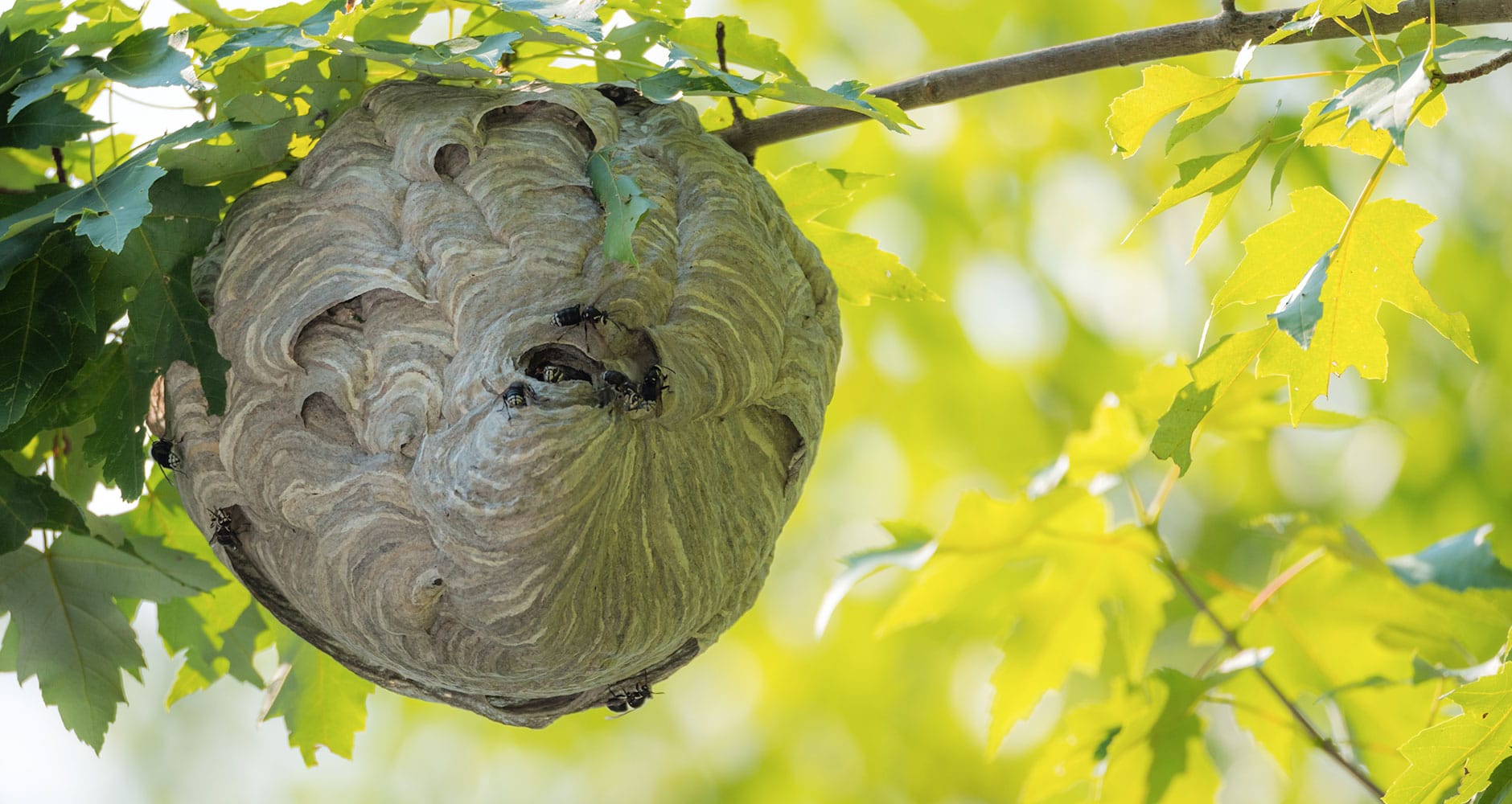
17. “See how high the hornet’s nest, ’twill tell how high the snow will rest.”
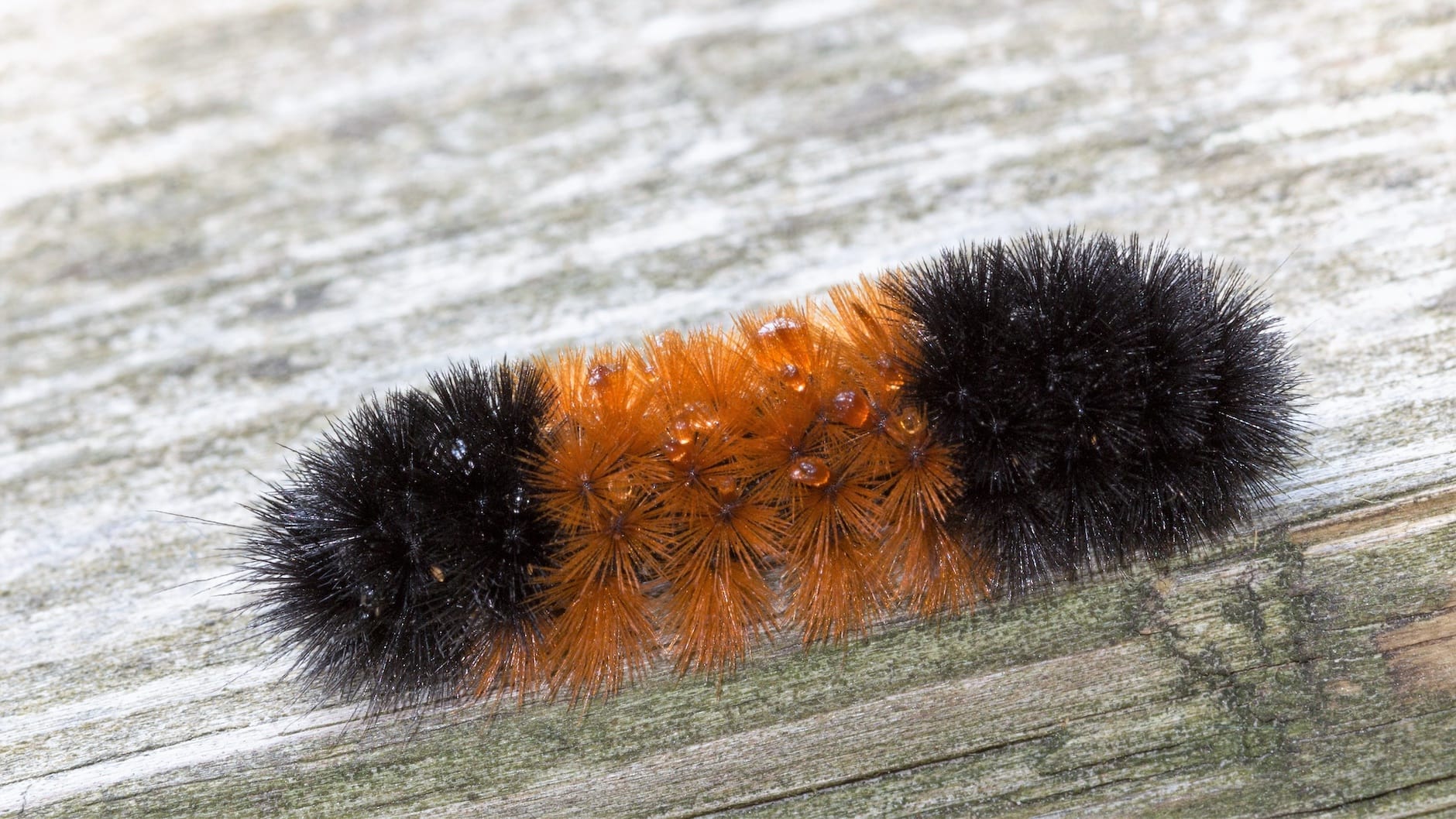
18. The Size of the Orange Band on the Woolly Bear (or Woolly Worm) Caterpillar
According to folklore, if the woolly worm caterpillar‘s orange band is narrow, the winter will be snowy. A wide orange band, on the other hand, means a mild winter (and remember, all-black caterpillars are not woolly worms). A fuzzier-than-normal woolly worm is said to mean that winter will be very cold.
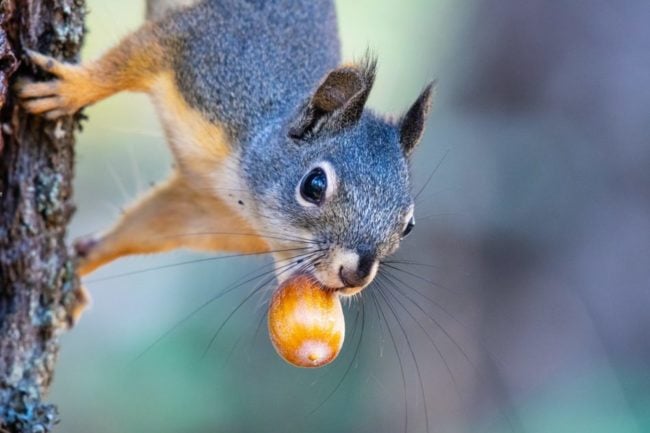
19. Squirrels Gathering Nuts Early to Fortify Against a Hard Winter
20. Frequent Halos or Rings Around the Sun or Moon Forecasts Numerous Snowfalls
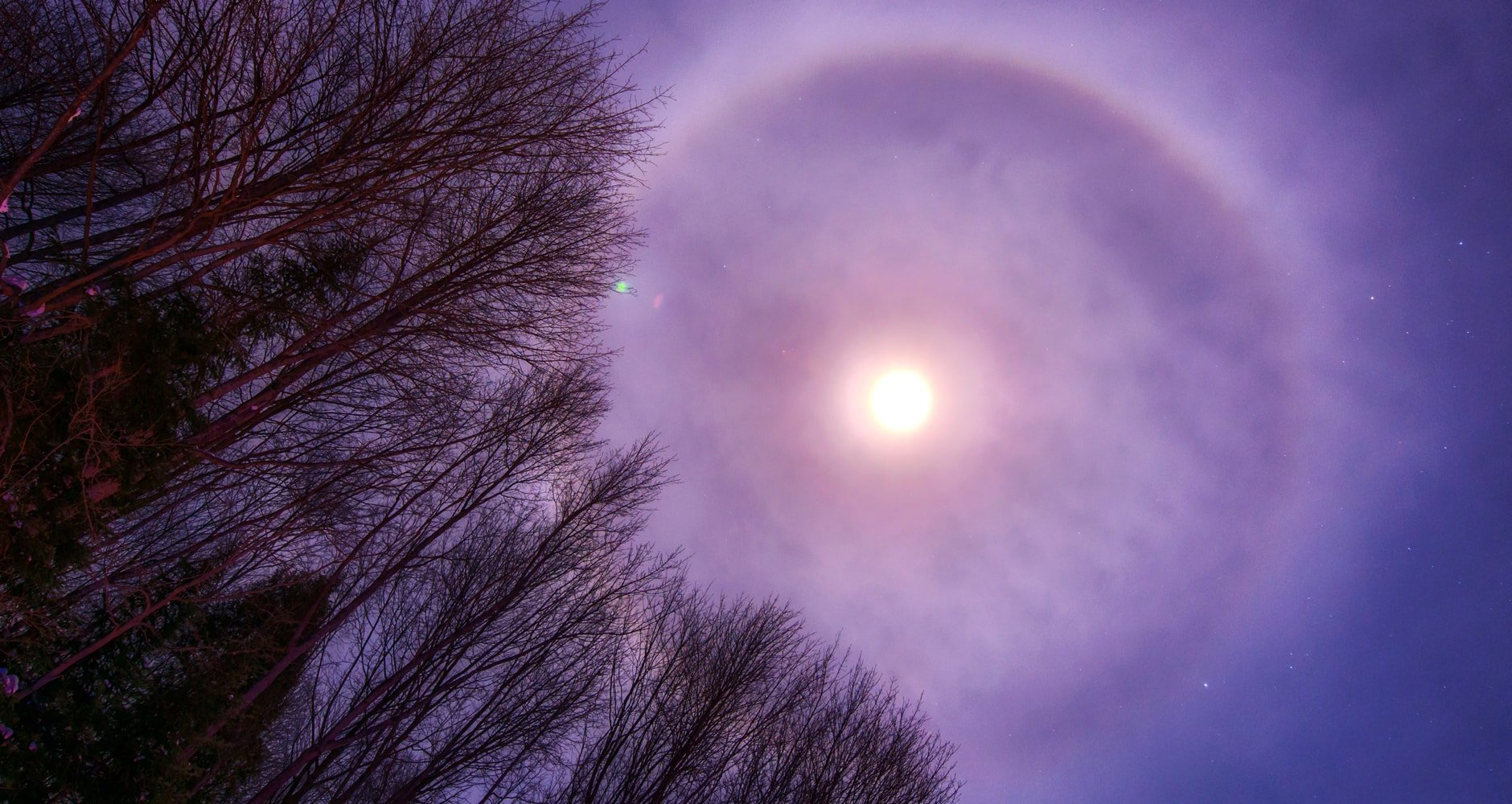
Related: What Is A Moon Halo Or Moonbow?
What About Persimmons?
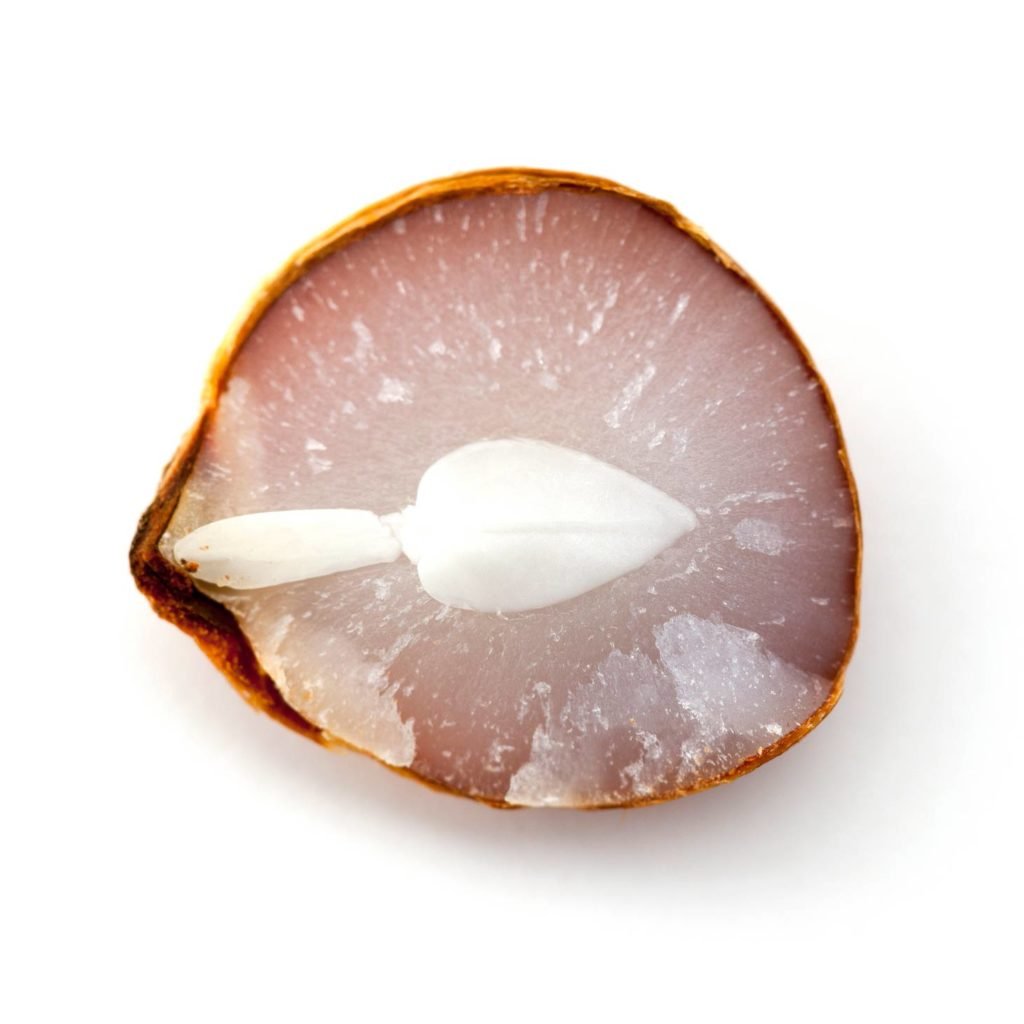
Winter weather lore says that if you cut into the seed of a ripe persimmon, the shape of the cotyledon inside will tell you what is in store for winter. A spoon shape points to heavy, wet snow, a fork means a mild winter, and a knife suggests a bitter, cutting cold. Read more about how to predict the weather with your locally grown persimmon.
Do These Signs of a Bad Winter Coming Actually Work?
Here is the honest answer. Most of these signs are weather lore, passed down for generations because folks watched the same patterns play out year after year. Some have a grain of plain sense behind them. Thick onion skins and corn husks, a heavy coat on a cow’s neck, or squirrels storing nuts in a hurry can all reflect a cool, food-rich autumn, and a cool autumn sometimes runs into a cold winter. Others, like pigs gathering sticks or ants marching in a line, are kept alive more for their charm than their track record.
Direct scientific proof for any single sign is thin, and biologists will tell you that an animal’s thick coat or an early migration usually answers to current conditions rather than the winter still to come. That said, there is real value in slowing down and watching the season turn. The signs are a reminder to look up, count the August fogs, check the acorns underfoot, and get ready. When you want a forecast built on math rather than lore, the Almanac has used the same formula for over 200 years to look ahead, and you can read it alongside the woolly worms.
Join The Discussion
Are you seeing any of these signs in your backyard?
Do you know of any other signs from nature that foretell a harsh winter?
Share with your community here in the comments section below!
Related
Can pine cones predict the upcoming winter?
Snow lore – what lore points to snowy conditions?

Signs of a Bad Winter Coming: Frequently Asked Questions
What are the signs of a bad winter coming?
Classic signs of a bad winter coming include thicker onion skins and corn husks, squirrels gathering nuts early, raccoons with thick tails and bright bands, geese and ducks leaving early, heavy August fogs, big spider webs, halos around the Sun or Moon, and a narrow orange band on the woolly worm caterpillar. The Farmers’ Almanac shared a list of 20 such signs from Cleveland weather guru Dick Goddard.
Where did the list of 20 signs come from?
The list was put together by Dick Goddard, a Cleveland weather guru and a friend of Farmers’ Almanac editor Ray Geiger. The Almanac featured his 20 signs in the 1978 edition, and the list is still shared today.
What does the woolly worm caterpillar tell you about winter?
Folklore says a narrow orange band on the woolly worm (or woolly bear) caterpillar means a snowy winter, while a wide orange band means a mild one. A fuzzier-than-normal coat is said to mean a very cold winter. Keep in mind that all-black caterpillars are not woolly worms.
How do persimmon seeds predict the winter?
Cut open the seed of a ripe, locally grown persimmon and look at the shape of the cotyledon inside. A spoon shape points to heavy, wet snow, a fork means a mild winter, and a knife suggests a bitter, cutting cold. It is a fun folk method to try alongside the other signs of a bad winter coming.
How many August fogs mean a hard winter?
An old rule says to count the heavy fogs during August, since the number is supposed to match the number of snowstorms in the coming winter. It is one of the easier signs to track yourself, so mark each foggy morning on the calendar and see how the tally holds up.
Are these signs of a hard winter scientifically accurate?
These signs are weather lore, not science. Direct scientific proof for any single sign is limited, and animals usually respond to current conditions rather than the season ahead. They are still a fine reason to pay attention to nature. For a forecast based on math, check the Farmers’ Almanac long-range forecast, which has used the same formula for over 200 years.


Peter Geiger
Peter Geiger is the Editor Emeritus of the Farmers' Almanac. Read his full biography.
- Peter Geiger

- Peter Geiger
- Peter Geiger
- Peter Geiger


Wasp nest 10 feet high under the balcony of my barn; lots of acorns on the oak trees; lots of August morning fogs though I did not count them; can’t speak about the mice as I have too many cats though I have had a bat get into my house twice in the last 2 weeks; wooly caterpillars have not yet made their appearance though I will be watching for them. Located on the north shore of Lake ONTARIO.
I have never seen as many acorns in 35 years as I have this year. And the hickory nuts and black walnuts also produced a larger amount than I’ve seen in the last 15 or 20 years.
I have n seen a large number of Pinecones from a single Tree this year
I did notice an owl a few evenings ago, can’t say if that was a snow owl. There does seem to be a good number of acorns. We have had the crickets as well. New England.
Hi Rose! Thanks for sharing what you’re seeing. Let’s see what happens this winter! ❄️ 🙏
We’ve had a lot of large acorns and lot of spiders and big webs and I live in South Carolina
Hi Brenda, Big spider webs? … Here we go! Let it snow! ❄️ ❄️ ❄️
Lotts of spider webs
Hi Bella, Please let us know where you are located, so that we can track the weather folklore with you. 🧡
We had an unusual amount of acorns with squirrels doing frenetic gathering.
Also, our holly trees filled with berries.
We live in Kentucky and have had 6 inches of snow with 1/2 ice. Another snow storm on the way and frigid temps.
My walnut trees shed very few walnuts this year and that’s very unusual. I thought this could be a sign of a mild winter?
I had several Harvestman Spider in my Apartment this Spring and Summer
Up in North Jersey, we are not seeing much of any these signs. Very few acorns or even the dust from the caps being crush by our cars. We had a cricket or 2 in the home but that is it. A couple of high webs last month but nothing as in the past years. Even critter activity is low.