

Lucky New Year Food Recipes: Hoppin’ John, Collard Greens, and Cornbread
Feast Your Way to Fortune: New Year's Day Lucky Foods & Recipes
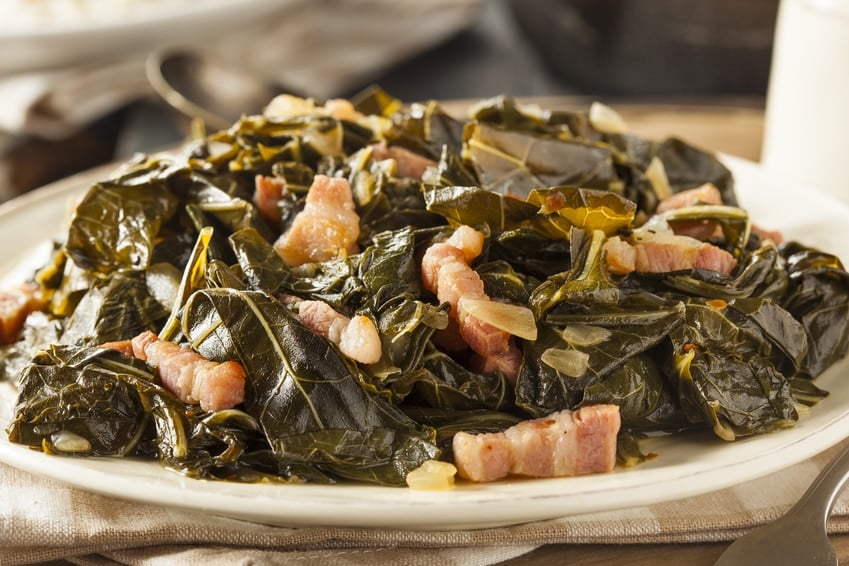
Every Southern household has its own New Year’s Day plate, but three foods show up almost universally: black-eyed peas, collard greens, and cornbread. Each carries a symbolic meaning passed down for generations. The peas are coins. The greens are paper money. The cornbread is gold. Eaten together on January 1, they promise a year of prosperity.
Quick Reference
- The Southern tradition: black-eyed peas for coins, collard greens for paper money, cornbread for gold. All three on the table = a year of prosperity.
- When: eaten on New Year’s Day, January 1.
- Origin: the tradition is most strongly associated with the American South. It draws from West African, Sephardic Jewish, and Anglo-American influences that converged in the early 1800s.
- Hoppin’ John: black-eyed peas with rice and pork. Three components: peas (coins), rice (extras), pork (forward-motion).
- Collard greens: simmered with ham hocks for a slow, deep flavor.
- Cornbread: the gold on the plate. Also a vehicle for soaking up “pot liquor” (greens juice).
Hoppin’ John Recipe
Ingredients (serves 6-8):
- 1 pound dried black-eyed peas, soaked overnight
- 1 pound smoked pork (ham hock, smoked turkey leg, or bacon)
- 1 large onion, diced
- 3 cloves garlic, minced
- 1 bay leaf
- 1 teaspoon dried thyme
- 1 teaspoon smoked paprika
- ½ teaspoon red pepper flakes
- 6 cups water or chicken broth
- 2 cups long-grain rice, cooked separately
- Salt and black pepper to taste
- Chopped scallions to garnish
Instructions:
- Drain the soaked black-eyed peas.
- In a large pot, brown the pork in 1 tablespoon of oil over medium heat.
- Add onion and garlic. Cook 5 minutes until softened.
- Add black-eyed peas, bay leaf, thyme, paprika, red pepper flakes, and water or broth.
- Bring to a boil, reduce to a simmer, partially cover. Cook 1 to 1½ hours until peas are tender.
- Remove pork bones; shred meat back into the pot.
- Adjust salt and pepper to taste.
- Cook rice separately. Serve hoppin’ John over rice. Garnish with scallions.
Collard Greens with Ham Hocks Recipe
Ingredients (serves 6-8):
- 2 pounds collard greens, washed and chopped
- 2 smoked ham hocks (or 1 smoked turkey leg)
- 1 large onion, diced
- 4 cloves garlic, minced
- 6 cups chicken broth
- 2 tablespoons apple cider vinegar
- 1 tablespoon brown sugar
- 1 teaspoon red pepper flakes
- Salt and black pepper to taste
- Hot sauce to serve
Instructions:
- In a large pot, combine ham hocks, onion, garlic, and chicken broth. Bring to a boil.
- Reduce to a simmer. Cook 1 hour to render the smoky flavor.
- Add collard greens, vinegar, brown sugar, and red pepper flakes.
- Simmer 45 minutes to 1 hour until greens are tender.
- Remove ham hocks; shred meat back into the pot.
- Adjust salt, pepper, and vinegar to taste. Serve with hot sauce and cornbread.
Classic Cornbread Recipe
Ingredients (makes one 8×8 pan):
- 1 cup yellow cornmeal
- 1 cup all-purpose flour
- ¼ cup sugar (optional; Southern purists may use less or none)
- 1 tablespoon baking powder
- 1 teaspoon kosher salt
- 1 cup buttermilk
- 2 large eggs
- 4 tablespoons unsalted butter, melted
Instructions:
- Preheat oven to 400°F. Place an 8-inch cast-iron skillet in the oven to heat.
- Whisk cornmeal, flour, sugar, baking powder, and salt.
- In another bowl, whisk buttermilk, eggs, and melted butter.
- Pour wet into dry, stirring until just combined.
- Remove the hot skillet and pour batter in. Sizzle.
- Bake 20-25 minutes until golden and a tester comes out clean.
- Cool 10 minutes. Slice into wedges. Eat warm with butter.

The Tradition Behind the Plate
The Southern New Year’s plate combines three influences. West African tradition (carried by enslaved people to South Carolina) brought black-eyed peas and the dish that became hoppin’ John. Sephardic Jewish tradition (carried by 18th-century immigrants) reinforced eating legumes at the new year for prosperity. Anglo-American Southern cooking added the smoked pork. The pairing came together by the early 1800s and has been a January 1 staple ever since.
Other New Year’s Lucky Foods
In Italy, lentils (their disc shape echoes coins) and pork sausage are eaten at midnight. In Spain, twelve grapes are eaten at the twelve strokes of midnight, one per chime, for twelve months of luck. In Greece, a coin is baked into vasilopita cake; the finder gets a year of good fortune. The pattern repeats across cultures: legumes for coins, greens or grains for money, pork (forward-motion animal) for progress.

Frequently Asked Questions
Why are black-eyed peas lucky on New Year’s?
The peas resemble coins and represent prosperity. The tradition came to the American South through West African cooking, where black-eyed peas were a staple, and was reinforced by Sephardic Jewish New Year traditions that emphasize legumes.
Do you have to eat all three foods?
Tradition says yes, but most modern Southern households serve at least two: peas and greens are standard, cornbread or rice nearly always joins them. Each food has a separate symbolic meaning.
What does cornbread symbolize?
Gold. The yellow color of cornbread on the plate represents wealth. Also practical: cornbread is the vehicle for soaking up the “pot liquor” from the greens, which is too good to waste.
Can vegetarians eat hoppin’ John?
Yes. Replace the ham hock with smoked paprika, mushrooms, and a teaspoon of liquid smoke for the same depth. The black-eyed peas are still the symbolic center.
Is this tradition only Southern?
Strongest in the American South, where it remains nearly universal. Many other cultures have prosperity-food traditions at the new year: Italian lentils, Spanish twelve grapes, Greek vasilopita coin cake. The Southern version is the best-known American expression.

Dondra Vaughn
- Dondra Vaughn



I have done this once in my life. Made no difference. Its just a old tradition.
Our tradition is black eyed peas for the coins, cooked with pork jowls and ham, cornbread for the gold, and greens for the paper dollars cooked with ham. This year I’m changing it up and making my greens green beans with bacon. Im looking so forward to it. I LOVE black eyed peas. I only eat them on New Years Day and I don’t know why. Lol. I started the tradition in our family when I was in Junior High school when I spent the night at a friends house. My mom and dad never heard of it. Mom was raised on a farm in Missouri and Dad was raised a Seventh Day Adventist (vegetarian) in the Southern California mountains. Here’s to all being healthy another year! Mom is 92 and going strong. I make a copycat recipe of Marie Colanders. I don’t eat gluten or sugar any more but I make the recipe with healthy substitutes and its just as good. No mom won’t eat sweet cornbread but I don’t mind eating her share. ?
Wishing all a good 2022,myself. I enjoy the greens , corn bread ,and black – eye peas w/ham
These recipes are uncomplicated and delicious!
When I was growing up my family’s traditional New Year’s dinner was roast goose with potato stuffing, sauerkraut, blackeyed peas and baked apples. Can’t find a goose anywhere these days!
Breakfast–Silver Dollar Pancakes with Bacon
Lunch–Black Eyed Peas with Lentils, Greens, Cornbread and Ham Hocks
Dinner–Pork with Sauerkraut and Yukon gold mashed potatoes.
Growing up we always had ham, cabbage and boiled potatoes. Still having to this day.
Pork & sauerkraut with mashed potatoes for good luck….no chicken on New Years Day or you will be scratching for money all year
In Maryland, we typically cook a pork roast, chops or ribs (an animal that doesn’t walk backwards; to welcome a new year of blessings); we do sauerkraut, cabbage, coleslaw, kale or collards (symbolize a good financial year ahead, money in the new year & luck); potatoes, beets or carrots (a root vegetable that keeps our feet firmly planted with friends and family); fruit (sweet fruit like grapes & oranges for a sweet year ahead of good health).
A lot of people from the South eat Chitterlings and Hog Maws with Blackeyed Peas and Ham Hocks.