

Worm Moon 2026: Total Lunar Eclipse, March Full Moon Date, and Viewing Guide
Why is March's full moon called the Full Worm Moon?
Quick Reference
- Worm Moon 2026: Tuesday, March 3, 2026
- Peak illumination: 6:38 a.m. Eastern Time (11:38 UTC)
- TOTAL LUNAR ECLIPSE same night: totality 6:04 a.m. to 7:03 a.m. ET (11:04 to 12:03 UTC), maximum at 6:33 a.m. ET
- Blood Moon window: 58 minutes and 19 seconds of full totality
- Visible from: North and Central America, western South America, eastern Asia, Australia, the Pacific
- Rule of thumb: the Worm Moon is the first full Moon of March, the last full Moon of winter
- Other names: Crow Moon, Sap Moon, Sugar Moon, Lenten Moon, Wind Moon, Sore Eye Moon, Chaste Moon, and more
The Worm Moon of 2026 arrives with a rare bonus. The March full Moon peaks Tuesday, March 3 at 6:38 a.m. Eastern Time, and on the same morning it slides fully into Earth’s shadow for a total lunar eclipse. From the moment totality begins at 6:04 a.m. ET, the Moon takes on the deep copper-red glow that gives a total lunar eclipse its nickname, the Blood Moon. The eclipse runs almost an hour at full totality, and most of North America catches it in the predawn sky.
Below the spectacle, the rest of the Worm Moon story is still on schedule. The ground softens, the last snow patches retreat, and earthworms, beetle larvae, and grubs work their way back to the surface for the first time since fall. Birds and animals coming out of hibernation find their first easy meal in weeks. The full Moon rides high in a still-bare sky, marking the turn from winter to early spring.
Worm Moon 2026: Exact Date and Time
Full Moon March 2026: Tuesday, March 3
Peak Illumination: 6:38 a.m. Eastern Time (5:38 a.m. Central, 4:38 a.m. Mountain, 3:38 a.m. Pacific, 11:38 UTC)
The Moon reaches full phase at the same instant everywhere on Earth, so the local clock simply shifts by time zone. It looks full to the naked eye for about a day on either side of peak, which means Monday night, March 2, and Tuesday night, March 3, both offer a worthwhile view. Peak times are computed from U.S. Naval Observatory lunar phase tables. For the year’s full list of dates and peak times, see our Full Moon Dates, Times, And Names.
The 2026 Total Lunar Eclipse: A Blood Moon Worm Moon
The headline event for March 2026 is not just the full Moon. It is the total lunar eclipse that lands on the same night. The Worm Moon will pass directly through the darkest part of Earth’s shadow, the umbra, and turn a deep copper-red for nearly an hour. Astronomers call this color a Blood Moon, an unofficial but old term for any total lunar eclipse. The red comes from the same physics that paints a sunset: sunlight bent through Earth’s atmosphere and stripped of its shorter blue wavelengths, leaving only the long red rays to fall on the lunar surface.
Eclipse Timing on March 3, 2026 (Eastern Time)
| Stage | Eastern Time, March 3, 2026 | UTC |
|---|---|---|
| Penumbral eclipse begins | 3:43 a.m. EST | 08:43 |
| Partial eclipse begins, Moon enters the umbra | 4:50 a.m. EST | 09:50 |
| Totality begins | 6:04 a.m. EST | 11:04 |
| Totality ends | 7:02 a.m. EST | 12:02 |
| Partial eclipse ends | 8:17 a.m. EST | 13:17 |
| Penumbral eclipse ends | 9:23 a.m. EST | 14:23 |
Totality lasts 58 minutes and 19 seconds, the longest stretch of Blood Moon any 2026 viewer will see. For most of North America the show happens in the predawn hours, before the Moon sets in the west. Eastern viewers will see the Moon redden as it sinks toward the western horizon during morning twilight; viewers in the Mountain and Pacific time zones get the cleaner view, with the Moon still high in a dark sky through all of totality.
Where the Eclipse Is Visible
The March 3, 2026 total lunar eclipse favors the Pacific. Totality is visible from North and Central America, western South America, eastern Asia, Australia, New Zealand, and the Pacific islands. Most of Europe and Africa miss this one. The Moon will already have set, or the eclipse will land during daylight. For an up-to-the-minute local map and exact times in your zip code, see timeanddate.com’s March 2026 eclipse page.
How to See the Blood Moon
- No special gear is required. The Moon is more than bright enough for the naked eye, and the color is more saturated without optics.
- Set an alarm. Totality is the showpiece, and it lands in the early morning. In Eastern Time, you want to be outside by 5:45 a.m. on Tuesday, March 3, with a clear view of the western sky.
- Find a low western horizon. The Moon is heading toward setting for most U.S. viewers, so trees and hills along the western skyline will cut your window.
- Bring binoculars if you have them. The contrast at the umbra’s edge sharpens nicely through 7x or 10x glass.
- Dress warmer than you think. Predawn temperatures in early March still drop near freezing across most of the country.
Why Is The March Full Moon The “Worm” Moon?
The March full Moon has one of the most unexpected names in the lunar year. Most months take their nicknames from the weather, the harvest, or a familiar animal: May has the “Flower Moon,” September the “Harvest Moon,” July the “Buck Moon,” August the “Sturgeon Moon.” So why worms?
The answer is in the soil. In March the ground begins to warm, and the very first signs of life return. Earthworms, beetle larvae, and grubs emerge from winter dormancy and work their way back to the surface. These invertebrates are some of the earliest spring food sources for birds and animals, including bears, skunks, and other species coming out of hibernation. The castings left behind by earthworms, sometimes called vermicasts, enrich the soil and make it possible to start planting and gardening once winter loosens its grip.
There is a second story attached to the name. Captain Jonathan Carver, an English explorer writing in 1798, recorded that the Naudowessie and other tribes used the name “Worm Moon” not for earthworms but for the beetle larvae that emerge from beneath the bark of trees as the wood thaws in March. Both readings point at the same thing: the first stirrings of insect life after a long winter.
A Sign Spring Is Close
Earthworms do more than feed the robins. According to the USDA Natural Resources Conservation Service, earthworms break down organic matter, mix soil layers, and open channels that let water and air move through the ground. When they show up at the surface in March, the soil is warm enough to garden again, and the bigger machinery of spring is about to start. The Worm Moon is the heads-up before the planting calendar opens.
More March Moon Names
March has more nicknames for the full Moon than almost any other month, because more is happening outside in March than in almost any other month. Names vary by origin: ancient European cultures, Native American nations, regional climates, geography, and even individual dialects. Most of them point at the same idea: winter is finally breaking.
End-of-Winter Names
Many northern cultures kept end-of-winter names for the March full Moon. The Ojibwe and Chippewa near the Great Lakes called it the “Snow Crust Moon” or “Hard Crust on the Snow Moon.” In March, deep snow thaws during warm days and refreezes hard during cold nights, building a brittle layer on top that crunches underfoot or cuts a deer’s leg.
Another late-winter name is the “Sore Eye Moon,” common to the Sioux, Lakota, and Assiniboine of the Great Plains, northern plains, and Dakotas. In those open landscapes, the bright late-winter sun reflects off the last remaining snow and produces snow blindness or simple eye soreness. The Moon name is a practical warning: cover your eyes when you go out.
Wind Names
Early spring runs on wind. As temperatures climb, the air mixes hard and gusts pick up. The Choctaw and Cherokee of the southeastern United States, along with the Catawba of South Carolina, named the March full Moon the “Wind Moon” for exactly that reason. The Celtic tradition kept a near-identical name, “Moon of Winds.” In the desert southwest, the Hopi called it the “Moon of the Whispering Wind,” and the Zuni called it the “Little Sand Storm Moon,” a name that captures what March feels like when dry wind hits open ground.
Spring and Renewal Names
“Spring Moon” is a more general term, used by the Inupiat in Alaska and the Passamaquoddy of the northeastern United States. The Creek of the southeast use “Little Spring Moon” as a similar description. Some cultures recognize specific spring milestones in the Moon name. The Pueblo peoples of the southwest call it the “Moon When the Leaves Break Forth,” a phrase that does double duty as a date marker and a folk almanac in one.
Sap, Sugar, and Lenten Names
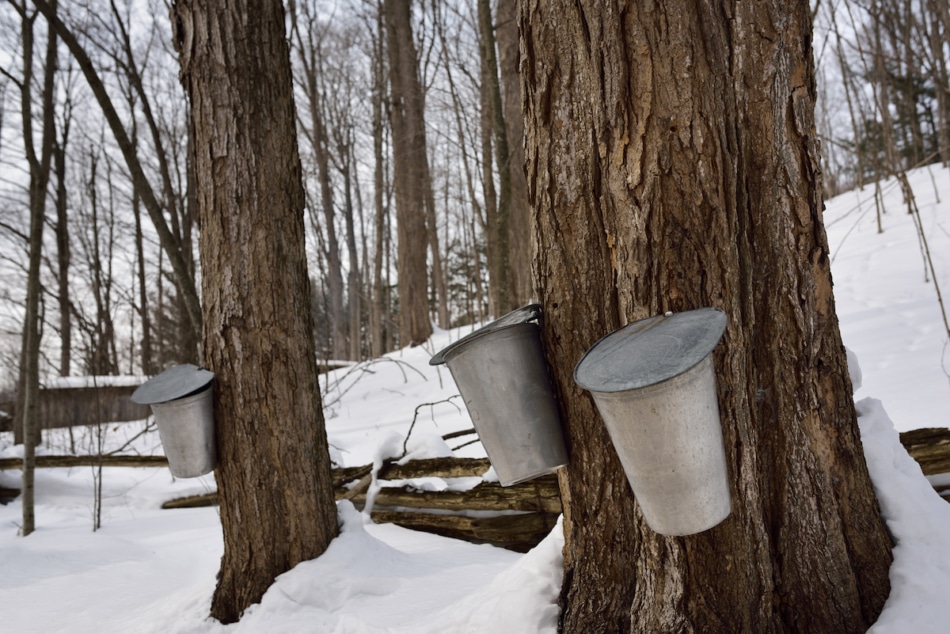
One of the most useful signs of early spring is the rise of sap in maple trees, the window that lets sugar makers tap their stands and boil down syrup. The Ojibwe of southern Canada call the March full Moon the “Sugar-Making Moon” or simply “Sugar Moon” to mark that work. The Shawnee of Ohio and Pennsylvania use the equivalent “Sap Moon” for the same reason.
The Christian calendar adds another. The March full Moon is often called the “Lenten Moon” because it tends to fall during Lent, the 40-day season of fasting and reflection that leads to Easter. In years when the Worm Moon is the last full Moon of winter, it sometimes carries the additional weight of marking the final pre-Easter full Moon as well. The next Paschal full Moon, the one that sets the date of Easter, falls on April 1, 2026.
In more southerly areas where spring arrives in early March, the name “Strawberry Moon” sometimes shows up. The Catawba of South Carolina and the Cherokee of North Carolina occasionally apply it to the March Moon when wild strawberries appear that early. The name belongs more naturally to June’s full Moon, when wild strawberries are widely ripe across the continent.
Animal Names For The March Full Moon
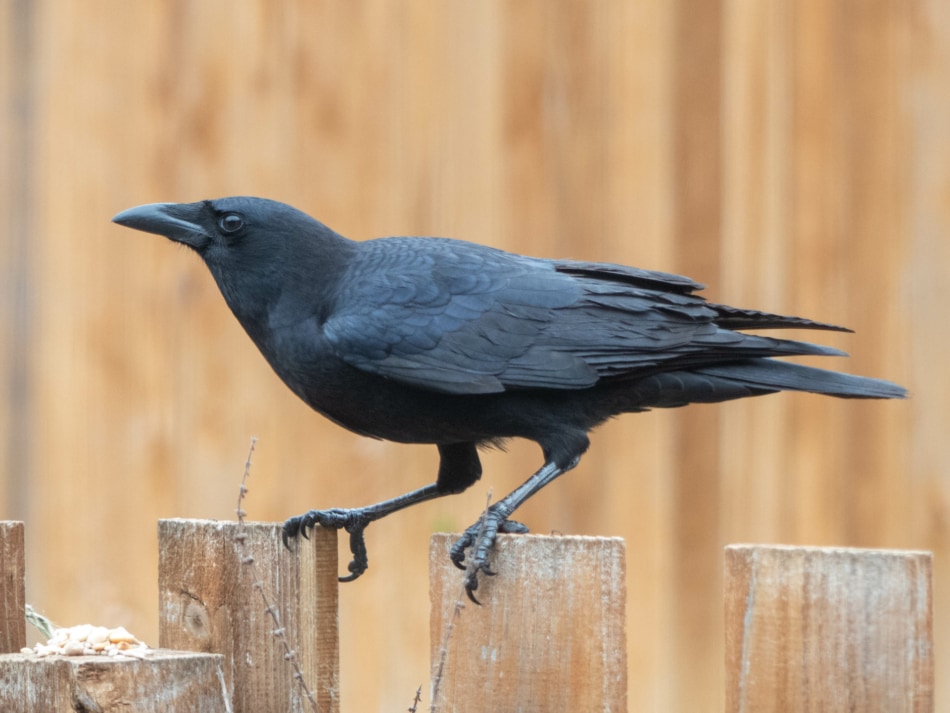
Not every March Moon name leans on weather or plants. Several Indigenous nations named the Moon after the animals that announced spring loudest. The Ojibwe of southern Canada call March’s full Moon the “Crow Moon,” after the cawing of crows reclaiming territory and seeking mates as winter ends. Anyone who has stood in a bare March woodlot at dusk knows the sound.
Seasonal animal patterns shaped other names. The Arapaho, whose lives moved with the buffalo, called the March full Moon the “Buffalo Dropping Their Calves Moon” to mark the spring birthing season. The Algonquin of the Great Lakes region called it the “Catching Fish Moon” because fish were the most reliable food in early spring, when plants had not yet returned and game was still scarce. American colonists picked up the same name from their Algonquin neighbors and used it for generations.
Speaking of catching fish, if you want to plan a March trip around the best days, see the Farmers’ Almanac Fishing Calendar for your area.
Unexpected March Full Moon Names
A few names for the March Moon land further from the obvious than even “Worm” or “Sap.” Seasons and plant cycles run the opposite way south of the equator, so the March full Moon there marks the end of summer and the start of fall. “Corn Moon” and “Harvest Moon” are common March names in South Africa and other Southern Hemisphere regions, exactly the same way “Harvest Moon” lands on a September date in the United States.
The “Chaste Moon” is another unusual option. The name turns up in neo-Pagan circles and refers to the purity of the season as life renews after winter. It also has a long English pedigree: medieval English writers used “Chaste Moon” for the March full Moon centuries before the modern revival.
With so many possibilities, every culture, region, and interest finds a March Moon name that fits. The naming itself is part of the tradition, a way of reading the season by what is happening outside the door.
Indigenous And Folk Names At A Glance
| Name | Tradition or Nation | What it marks |
|---|---|---|
| Crust on the Snow Moon (Onaabani-giizis) | Ojibwe / Anishinaabe | The freeze-thaw cycle that forms a hard ice crust on late-winter snow |
| Sugar Making Moon (Ziinzibaakwadooke-giizis) | Ojibwe / Anishinaabe | Maple sap begins to flow; marks the Anishinaabe new year |
| Crow Moon (Aandego-giizis) | Ojibwe / Anishinaabe | Crows return and call as winter breaks |
| Wild Goose Moon (Nika Kizis) | Algonquin | Geese returning north signals the end of winter |
| Sore Eyes Moon (Istawicayazan Wi) | Lakota | Bright late-winter sun reflecting off snow causes eye discomfort |
| Buffalo Dropping Their Calves Moon | Arapaho | Calving season on the Great Plains in late winter |
| Wind Moon | Choctaw, Cherokee | March winds across the Southeast; Cherokee also use Windy Moon for this period |
| Chaste Moon | Medieval English; neo-Pagan tradition | Purity and restraint of the late-winter season; the last full moon before spring renewal |
The March Sky and the Spring Equinox
The Worm Moon sits inside the most dramatic monthly handoff on the calendar. On Friday, March 20, 2026, the spring equinox arrives at 10:46 a.m. Eastern Time, the moment the Sun crosses the celestial equator heading north. Day length passes 12 hours across the continent, and the astronomical season formally changes.
The Worm Moon on March 3 lands well before that line, so it is technically the last full Moon of winter. Seventeen days later, the equinox swings the door open on spring, and the next full Moon, the Pink Moon, arrives April 1 as the first full Moon of the new season. The Worm Moon is the transition Moon, the one that holds the last cold and the first thaw in the same night.
This handoff is also why the March Moon carries so many spring-renewal names. If you want to track the rest of the lunar cycle around the equinox, see when the next new Moon falls in our When Is the Next New Moon guide.
Worm Moon Folklore and Weather Lore
Old farm wisdom treats the March full Moon as a turning-point Moon, watched closely because what it does or does not do gets read as a forecast for the rest of spring. A few common sayings:
- “A March wind and a April shower bring May flowers.” If the Worm Moon rises into a gusty sky, the saying takes it as a sign of a productive spring to come.
- “Worm Moon ring, ring of rain.” A halo around the Moon often means high cirrus cloud, which often precedes a wet front.
- A clear, cold Worm Moon was traditionally read as a sign the last frost was still some weeks out.
- If the Moon “wears a coat” (a dim, fuzzy halo), some traditions said snowmelt would be slow and the planting window would shift later.
Treat lunar weather folklore as part of the season’s flavor. The full Moon changes the night sky, the tides, and the way a farmyard looks at 10 p.m. in early March. That is enough to earn its place in the planting calendar.
Worm Moon Gardening and Best Days
The Worm Moon is the traditional cue to walk the garden. The soil is warming, the worms are working, and the early cool-season crops can start to go in. Across most of the country, the practical planting list around the Worm Moon looks like this:
- Above-ground crops to plant as the Moon waxes (late February into the first days of March): peas, spinach, lettuce, kale, Swiss chard, broccoli, cauliflower, cabbage starts.
- Below-ground crops to plant as the Moon wanes (after March 3 through mid-month): onions, shallots, garlic if not yet in, potatoes in warmer zones, radishes, carrots.
- Outdoor tasks: prune fruit trees before bud-break, dress beds with compost, set out cold frames, scout for deer damage on shrubs.
For region-specific dates tied to the Moon’s phase and zodiac sign, the Best Days Calendar and Gardening by the Moon Calendar are the planning tools Farmers’ Almanac has published for more than two centuries.
How To See The Worm Moon In 2026
The Worm Moon does not ask much of you. It rises in the east near sunset on the night of full phase, climbs to its high point in the southern sky around midnight, and sets in the west near sunrise. No telescope, no binoculars, no app required. A clear sky and a view of the horizon will do the job. The added bonus this year is that the same Moon turns red in the predawn hours of March 3, so the night gives you two distinct moments worth being awake for.
Best Viewing By Region
| Region | What to expect in March | Tip |
|---|---|---|
| Northeast and New England | Humid haze near the horizon reddens the Moon as it rises | Wait an hour after moonrise to get above the worst haze |
| Southeast and Gulf | Afternoon storms usually clear by late evening | Look after 10 p.m. once the convection dies down |
| Midwest and Great Lakes | Often the cleanest horizons of the month | Lake-effect cloud can shut the show down with little warning |
| Great Plains | Wide, low horizons and very little light pollution | Among the best viewing anywhere in North America. Wind is the main nuisance |
| Mountain West and Southwest | Thin, dry air at altitude gives exceptional clarity | Get above any valley inversion for the cleanest view |
| Pacific Northwest | Coastal marine layer forms after dark | Drive inland or uphill to get above the cloud deck |
| California and the Southwest deserts | Reliably clear skies through most of the season | Coastal fog is the only common spoiler; a few miles inland fixes it |
| Southern Canada | Long twilight in summer delays true darkness | Northern latitudes see the Moon lower in summer and higher in winter than the US does |
Practical Tips
- Step outside about 20 minutes before sunset on Monday, March 2, to catch moonrise low in the east. The Moon looks largest near the horizon, an optical illusion that has fooled humans for centuries.
- For the eclipse, set a second alarm for 5:45 a.m. Eastern Time on Tuesday, March 3. Totality begins at 6:04 a.m. ET.
- Let your eyes adjust for 5 to 10 minutes; even a faint city sky shows surprising contrast against a bright full Moon, and the red of totality reads more clearly the longer you watch.
- For photography, a phone in night mode handles the wider scene; a DSLR at 1/125 second, f/8, ISO 200 holds detail on the lunar disc. During totality, slow the shutter to 1 to 2 seconds at f/5.6, ISO 800.
- If you keep a garden, the Worm Moon is the cue to walk your beds. Look for soft soil, the first earthworm castings, and any spots that drain poorly after the thaw.
- Check local moonrise and moonset for your zip code in our Moon Phases Calendar before heading out.

For more on the season around the Worm Moon, see our deep-dives on the March birth-month symbols and the March birthstone, aquamarine. Both are tied to the same window of thaw, renewal, and new beginnings the Moon name has carried for centuries.
Worm Moon FAQ
When is the Worm Moon in 2026?
The Worm Moon peaks on Tuesday, March 3, 2026, at 6:38 a.m. Eastern Time (11:38 UTC). It looks full to the naked eye for about a day on either side of peak, so Monday night, March 2, and Tuesday night, March 3, both offer good viewing.
Is there a lunar eclipse with the 2026 Worm Moon?
Yes. The same Worm Moon passes through a total lunar eclipse on the morning of Tuesday, March 3, 2026. Totality runs from 6:04 a.m. to 7:03 a.m. Eastern Time (11:04 to 12:03 UTC), with maximum eclipse at 6:33 a.m. ET. The Moon will glow deep copper-red, a Blood Moon, for 58 minutes and 19 seconds.
Where will the 2026 total lunar eclipse be visible?
Totality is visible from North and Central America, western South America, eastern Asia, Australia, New Zealand, and the Pacific. Most of Europe and Africa miss this eclipse because the Moon has set or the eclipse falls during daylight. Western U.S. viewers get the best view, with the Moon still high in a dark sky throughout totality.
Why is the March full Moon called the Worm Moon?
The name marks the moment in March when the soil warms enough for earthworms, beetle larvae, and grubs to return to the surface. These invertebrates are some of the earliest spring food sources for birds and for animals coming out of hibernation. Earthworm castings, known as vermicasts, enrich the soil and signal that planting season is close. Captain Jonathan Carver wrote in 1798 that the name may have originally referred to the beetle larvae emerging from tree bark as the wood thawed.
What are other names for the March full Moon?
Many. The Ojibwe and Chippewa call it the Snow Crust Moon or Hard Crust on the Snow Moon. The Sioux, Lakota, and Assiniboine call it the Sore Eye Moon. The Choctaw, Cherokee, and Catawba call it the Wind Moon. The Hopi call it the Moon of the Whispering Wind and the Zuni the Little Sand Storm Moon. The Ojibwe of southern Canada call it the Sugar-Making Moon (Sugar Moon) or Crow Moon, the Shawnee the Sap Moon, the Arapaho the Buffalo Dropping Their Calves Moon, and the Algonquin the Catching Fish Moon. Christian tradition uses the Lenten Moon. Celtic tradition kept the Moon of Winds, and medieval English used the Chaste Moon.
Do worms really come out at the March full Moon?
Worms surface when the soil warms above roughly 40 degrees Fahrenheit, which tends to line up with March in most of the continental United States. The full Moon is a calendar marker, not a trigger. The earthworms care about soil temperature; the name simply notes that the two things happen in the same month.
Is the Worm Moon a “spring” Moon?
In most years, yes. The March full Moon is usually the last full Moon of winter or the first of spring, depending on where the spring equinox falls. In 2026, the Worm Moon on March 3 lands well before the March 20 equinox, so it is technically the final full Moon of winter.
Do I need a telescope to see the Worm Moon?
No. The full Moon is easily visible to the naked eye, and the Blood Moon during totality is brighter and more saturated to the unaided eye than through high magnification. Step outside near moonrise on Monday night, March 2, or near 6 a.m. on Tuesday, March 3, and look up. A clear sky and a low western horizon are all you need.
What can I plant or do around the Worm Moon?
The Worm Moon is the traditional cue to walk your garden, check soil temperature, and plan the first cool-season plantings. Peas, spinach, lettuce, and other above-ground crops can go in as soon as the soil is workable. Root crops follow as the Moon wanes. For region-specific timing, see the Farmers’ Almanac Gardening by the Moon Calendar inside an All-Access membership.
Join The Discussion
What is your favorite name for March’s full Moon?
If you could rename the Worm Moon, what would you call it?
Will you be up early on March 3 to catch the Blood Moon? Tell us where you’re watching from in the comments.
Related Articles
- Full Moon Names And Times
- Moon Phases Calendar
- When Is The Next New Moon?
- First Day of Spring: Spring Equinox
- March Birth-Month Symbols
- March Birthstone: Aquamarine
- Backyard Maple Sugaring
- Fishing Calendar: Best Days To Fish
- Subscribe To The Farmhouse, Our Members-only Community!


Melissa Mayntz
Melissa Mayntz is a writer who specializes in birds and birding, though her work spans a wide range—from folklore to healthy living. Her first book, Migration: Exploring the Remarkable Journeys of Birds was published in 2020. Mayntz also writes for National Wildlife Magazine and The Spruce. Find her at MelissaMayntz.com.
- Melissa Mayntz

- Melissa Mayntz
- Melissa Mayntz
- Melissa Mayntz




I’m confused. Earthworms disappeared from most of North America after the last ice age. The earthworms of North America are not native. They are from Europe, and were brought by settlers within the past few hundred years. So did the Natives really call it the Worm Moon, or did the translation just get it wrong?
I would like to call the March full moon simply “The Spring Moon”.
Amazing words descriptive too
Worm casts and robins?
Enjoyed my first news letter would like to know if this moon is also for worming children or adults if not is it the new moon would like to know.
Hi Cora McPhee, there is no relationship with this full Moon to deworming. It’s just the name of the Moon given by Native Americans due to springtime. We don’t offer a “best day” task for this.
Any full moon is the best time
Go to the Best Days section of the Farmers Almanac and you can find the Best Days to plant seeds. You can also find the section you live in and the best days for planting in your area as well.
If you want to know about the moon stay up late and go outside.
I love the little obscure facts that you publish in this Farmers Almanac newsletter, such as the names of moons and other such interesting bits of knowledge.
I want to start planting flower seeds and plants. When would be the best time to start.
Please consider turning Down the Music Volume. It Over Powers the Narration, which is the Reason for the Video.