

What Are Ramps? The Wild Spring Onion That Has Foragers Setting Calendars
It's spring, and that means many will be foraging for the delicacy known as ramps. But what exactly are they? We explain and provide 3 recipes!
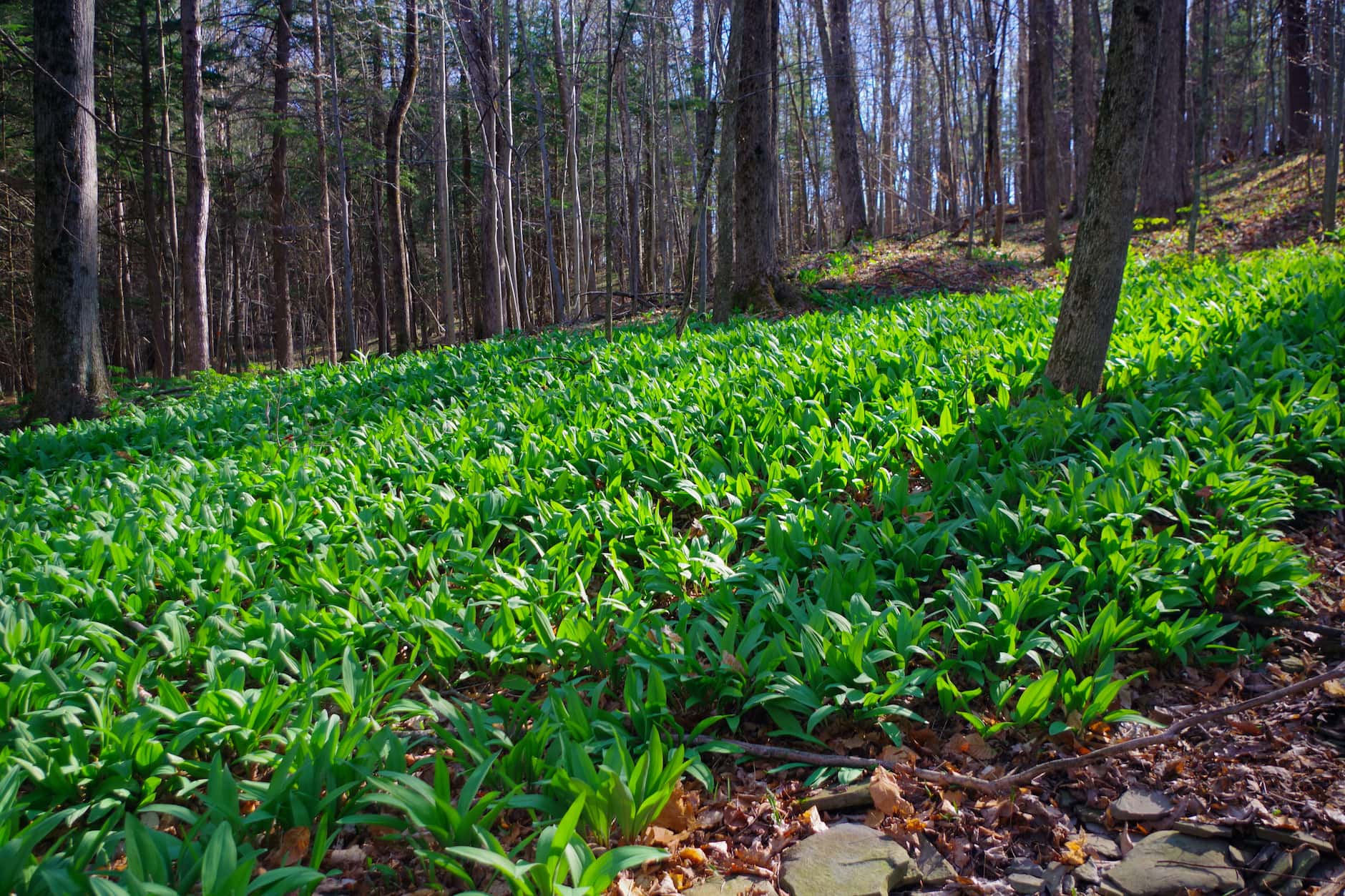
For three or four weeks each spring, ramps light up Appalachian hillsides like a green carpet rolled out under the bare hardwoods. The flat, broad leaves push up before the trees leaf out, and a foraging trip on a chilly April morning can fill a basket fast. The flavor is unmistakable: garlic and onion at the same time, with a sharper bite than either. Restaurants pay $20 a pound for them. Mountain families have been eating them free for centuries.
Quick Reference
- What they are: Allium tricoccum, a wild onion native to eastern North American hardwood forests.
- Native range: Appalachia (especially West Virginia, North Carolina, Tennessee, Kentucky), New England, the Upper Midwest, and southern Canada.
- Season: March through early May. Short window. Picked too early they are small; too late they go bitter.
- Flavor: intense, somewhere between garlic and onion, with a sharper, more pungent edge.
- Sustainable harvest rule: take leaves only or take whole plants from no more than 5-15% of any patch. Ramps regenerate slowly.
- Where to celebrate: the annual Cosby Ramp Festival in Tennessee and Whitetop Mountain Ramp Festival in Virginia draw thousands.
What Are Ramps?
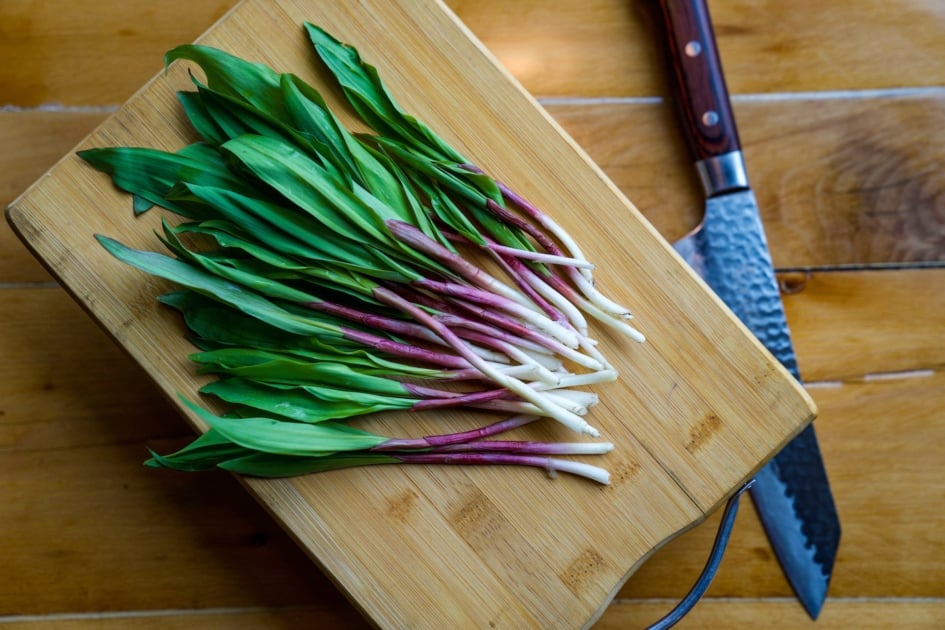
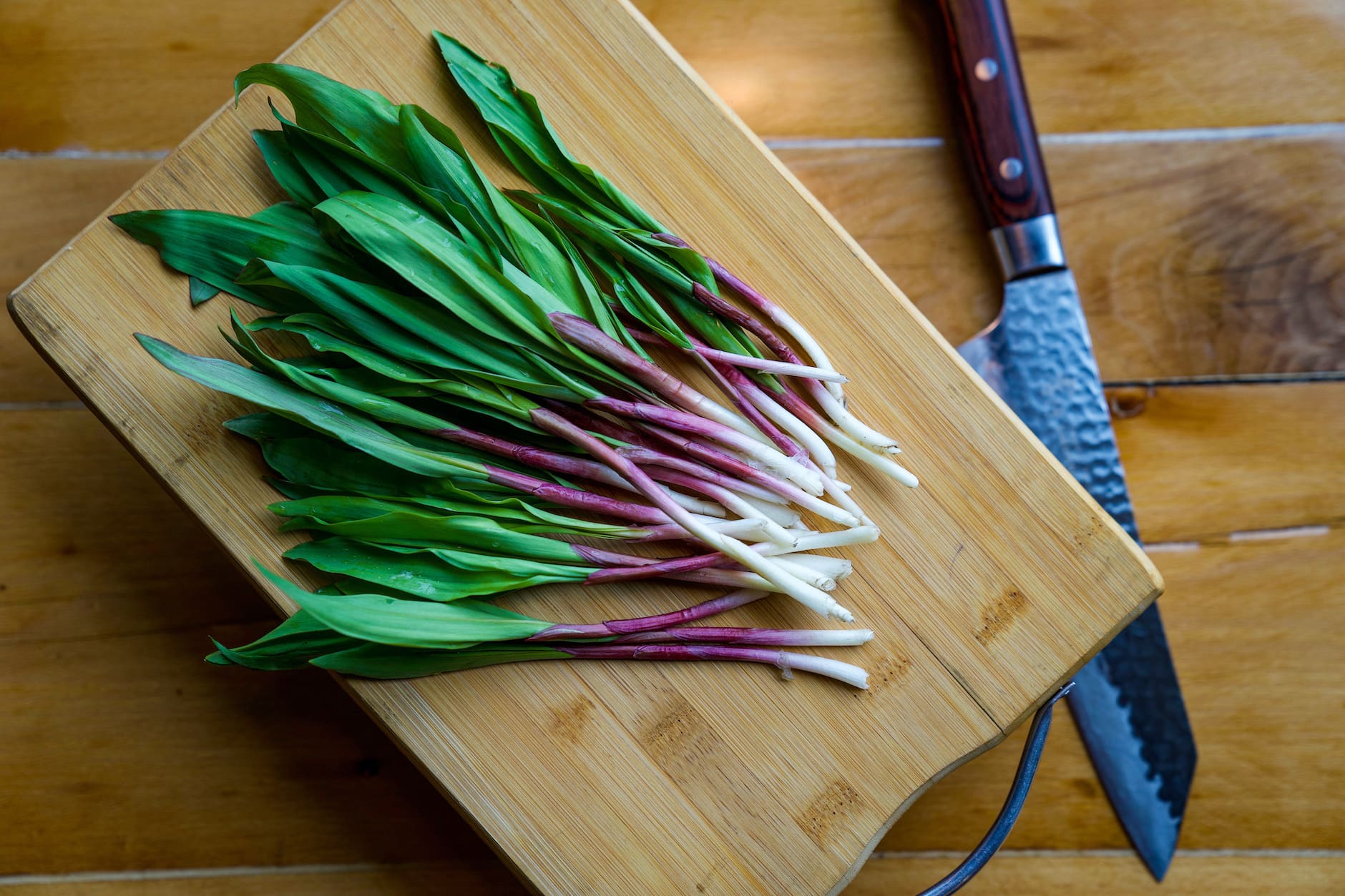
Ramps (Allium tricoccum) are a wild spring onion in the same genus as garlic, onions, leeks, and chives. The plant produces two broad, flat green leaves that emerge from a small white bulb with a purple-pink base. The leaves smell like a cross between scallion and garlic when crushed. After about four weeks the leaves wither, the plant flowers in mid-summer, and the cycle restarts the following spring.
Other regional names: wild leek, wood leek, spring onion, ramson (the European cousin), and ramp lily. Ramps are native to deciduous hardwood forests across eastern North America, with the densest populations in the Appalachian Mountains.
Are Ramps Healthy?
Ramps share most of the health benefits of cultivated alliums: a meaningful dose of vitamin A and C, plus the sulfur compounds (allicin, related to the same compound in garlic) that traditional folk medicine has long credited for circulation and immune support. They are a spring tonic in Appalachian tradition for exactly that reason: the first fresh greens after a long winter.
How to Harvest Ramps Sustainably
Ramps regenerate slowly. A patch that gets stripped will take a decade or more to come back. The sustainable practice, taught by every responsible foraging guide and most Appalachian elders, is to take leaves only, or to take whole plants from no more than 5 to 15 percent of any patch. Leave the bulbs of the rest. Better yet, pinch off one leaf per plant rather than digging.
Several national forests now have ramp-harvest permits or outright bans because of years of commercial overharvesting. Check local rules before you forage on public land.
Western North Carolina holds the most famous ramp celebration, the annual Smokies Ramp Festival in May, alongside Tennessee’s Cosby Ramp Festival and Virginia’s Whitetop Mountain Ramp Festival. Each weekend draws thousands of locals and visitors for ramps cooked every way the mountains know.
Grilled Ramps and Asparagus Recipe
The simplest, best preparation. Skip the recipe if you can; toss ramps and asparagus with olive oil and salt and put them on a hot grill until they char. Serve.
Ingredients:
- 1 pound fresh ramps, trimmed and rinsed
- 1 pound asparagus, woody ends snapped off
- 3 tablespoons olive oil
- 1 teaspoon kosher salt
- ½ teaspoon black pepper
- 1 lemon, halved
- Flaky sea salt to finish
Instructions:
- Heat a grill or grill pan to medium-high.
- Toss ramps and asparagus with olive oil, salt, and pepper.
- Grill 3 to 4 minutes per side until charred and tender.
- Transfer to a platter. Squeeze lemon over the top. Finish with flaky sea salt.
Pickled Ramps
Captures peak-season ramps for the rest of the year.
Ingredients (1 pint jar):
- 1 cup ramp bulbs, trimmed and cleaned
- 1 cup white wine vinegar
- ½ cup water
- 2 tablespoons sugar
- 1 tablespoon kosher salt
- 1 bay leaf
- ½ teaspoon mustard seeds
- ½ teaspoon black peppercorns
Instructions:
- Pack the ramp bulbs into a clean pint jar.
- Combine vinegar, water, sugar, salt, bay leaf, mustard seeds, and peppercorns in a small saucepan. Bring to a boil.
- Pour hot brine over the ramps, covering completely.
- Cool, lid, refrigerate at least a week before eating. Keeps 3 months refrigerated.
Potato Ramp Skillet Soup
A spring soup that uses everything in the fridge.
Ingredients (serves 4):
- 3 tablespoons butter
- 1 bunch ramps (about 1 cup), white bulbs and green leaves separated, chopped
- 4 medium Yukon Gold potatoes, peeled and diced
- 4 cups chicken or vegetable broth
- ½ cup heavy cream
- Salt and pepper to taste
- Crisp bacon, optional, to garnish
Instructions:
- Melt butter in a Dutch oven over medium heat.
- Add the white ramp bulbs. Cook 3 minutes until softened.
- Add potatoes and broth. Bring to a simmer. Cook 20 minutes until potatoes are tender.
- Add the chopped ramp leaves. Cook 2 minutes.
- Puree half the soup with an immersion blender for a chunky finish; puree all for smooth.
- Stir in cream. Season with salt and pepper. Serve hot, topped with crisp bacon if you have it.
For other allium tricks, see our guide to uses for onion and garlic skins.

Frequently Asked Questions
What do ramps taste like?
Intense. Closest comparison: garlic and onion at the same time, with a sharper, more pungent edge than either.
When is ramp season?
March through early May, depending on elevation and latitude. Higher elevations and more northern latitudes run later. The window is short, often only 3 to 4 weeks for any one patch.
Are ramps endangered?
Not formally endangered, but several national forests now restrict or ban commercial harvest because of years of overharvesting. Always check local rules before foraging on public land.
How do you sustainably harvest ramps?
Take leaves only, or whole plants from no more than 5 to 15 percent of any patch. Leave the rest of the bulbs to regenerate. A clean-stripped patch takes a decade or more to come back.
Where can I buy ramps?
Farmers’ markets in the Mid-Atlantic, Appalachia, New England, and the Upper Midwest in April and May. Some high-end grocery stores stock them seasonally. Restaurants pay top dollar to feature them on spring menus.


Jaime McLeod
Jaime McLeod is a longtime journalist who has written for a wide variety of newspapers, magazines, and websites, including MTV.com. She enjoys the outdoors, growing and eating organic food, and is interested in all aspects of natural wellness.
- Jaime McLeod

- Jaime McLeod
- Jaime McLeod
- Jaime McLeod





what do you do with the bacon you set aside?
Hi Mikki, we have fixed the story: it’s used to top the soup, but you can snack on it, too!