

10 Clever Uses for Garden Mint (Plus How to Tame It)
Check out these 10 clever uses for fresh garden mint so it doesn't go to waste!
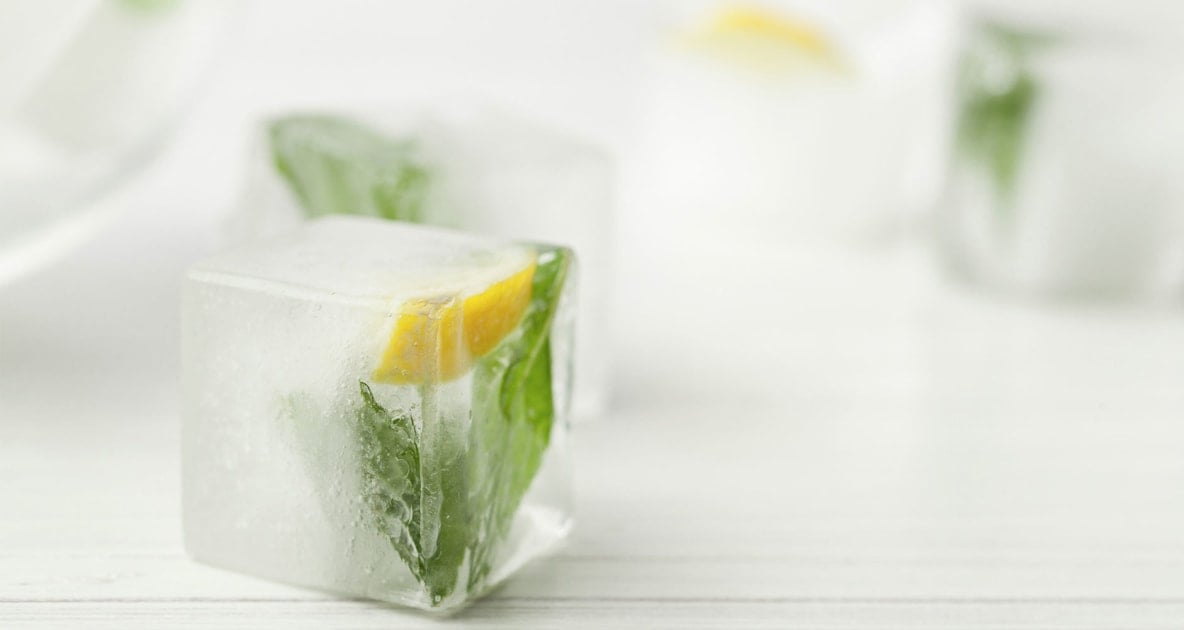
Quick Reference: Uses for Garden Mint
- Drinks: mojitos, mocktails, iced tea, lemonade, and mint ice cubes.
- Food: fresh spring rolls, fruit salad and salsa, and tabouleh salad.
- Home remedy: a fresh mint oil rub for sore muscles and homemade mint tea after a meal.
- Around the house: dried potpourri sachets and a natural bug repellent.
- Keep it in check: mint is invasive, so grow it in a pot or a sunken, bottomless container.
If you are like many gardeners, you tucked in a little mint this year thinking a sprig or two would be nice in your summer iced tea. By midsummer you have learned the hard way that mint is a very prolific plant, and now you have more of it than you know what to do with. That is the nature of the herb. We have shared tips for growing mint as well as its medicinal properties, and here are 10 clever uses for all that mint so it does not go to waste.
Why Mint Takes Over, and How to Tame It
Before you put all that mint to use, it helps to know why you have so much. Mint spreads by underground runners, called rhizomes, that creep outward and send up new shoots wherever they go. The two kinds most folks grow are spearmint, the milder mint for cooking, and peppermint, the sharper, cooler one. Both can run 1 to 3 feet tall and both spread fast. Illinois Extension notes that peppermint and spearmint are the most common garden mints, and both will take over a bed if you let them. You can read their plain-English guide to growing mint for the full rundown.
The old-timer’s fix is simple: do not plant mint loose in the garden. Grow it in a pot instead, or sink a large bottomless container into the bed so the runners cannot escape. A 12 to 16 inch pot gives one plant plenty of room and keeps the rest of your garden yours. Contained that way, mint gives you all the harvest you can use without staging a takeover. If you want to plant by the calendar, our Gardening by the Moon Calendar lists this month’s Best Days to set out herbs.

10 Uses For Your Garden Mint
1. Add It to Drinks

Whether you are making mojitos, mocktails, iced tea, or fresh lemonade, your garden mint adds a refreshing taste to any summer drink. Just toss a few sprigs in each glass or pitcher. Spearmint is the gentler choice for sweet drinks, while peppermint gives a cooler bite.
2. Freshen Up Your Fresh Spring Rolls
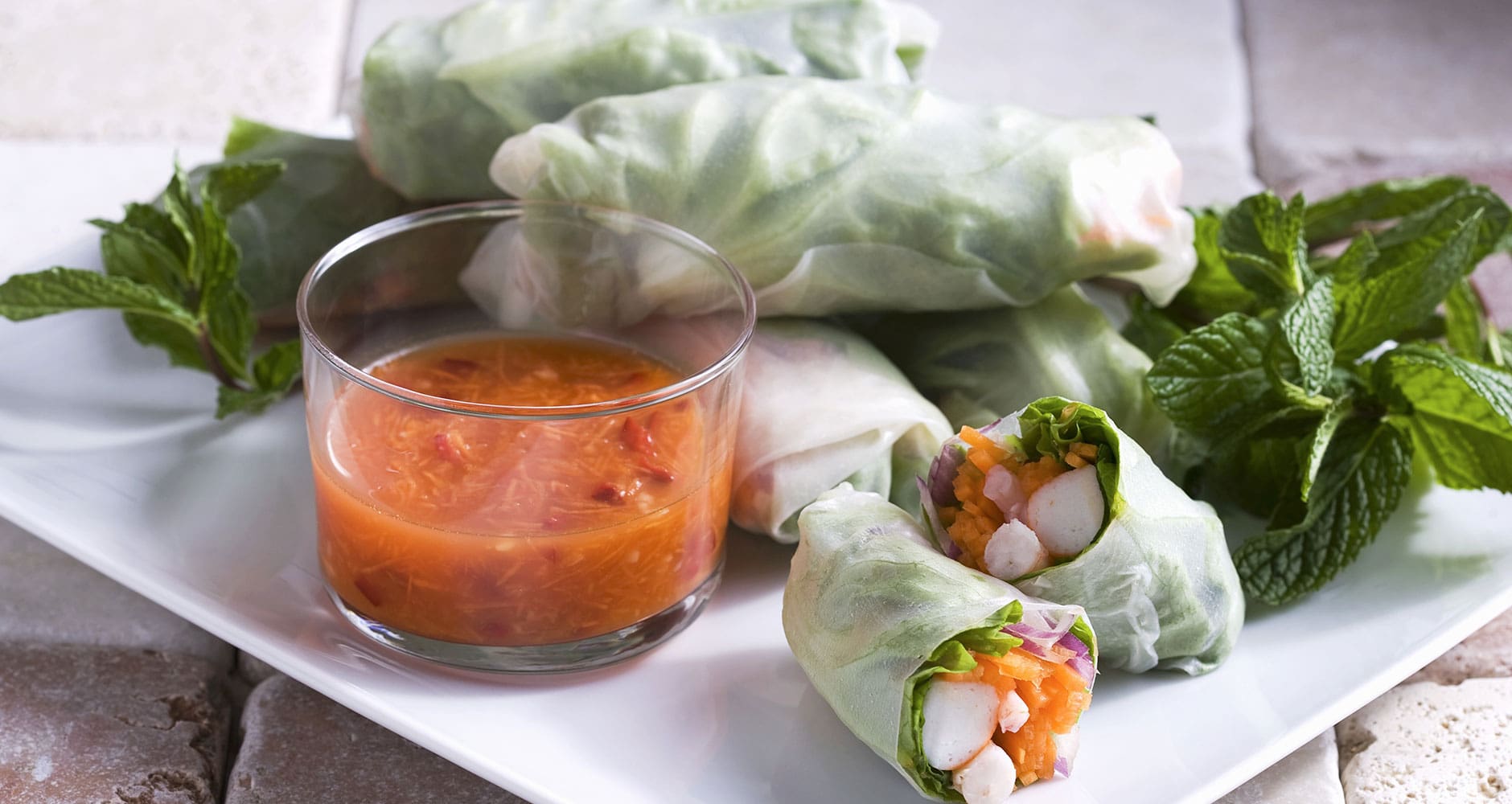
Fresh spring rolls make a delicious and healthy meal on a hot summer night, and they are a great way to use up your mint. Give them a try with this recipe here.
3. Make Mint Ice Cubes
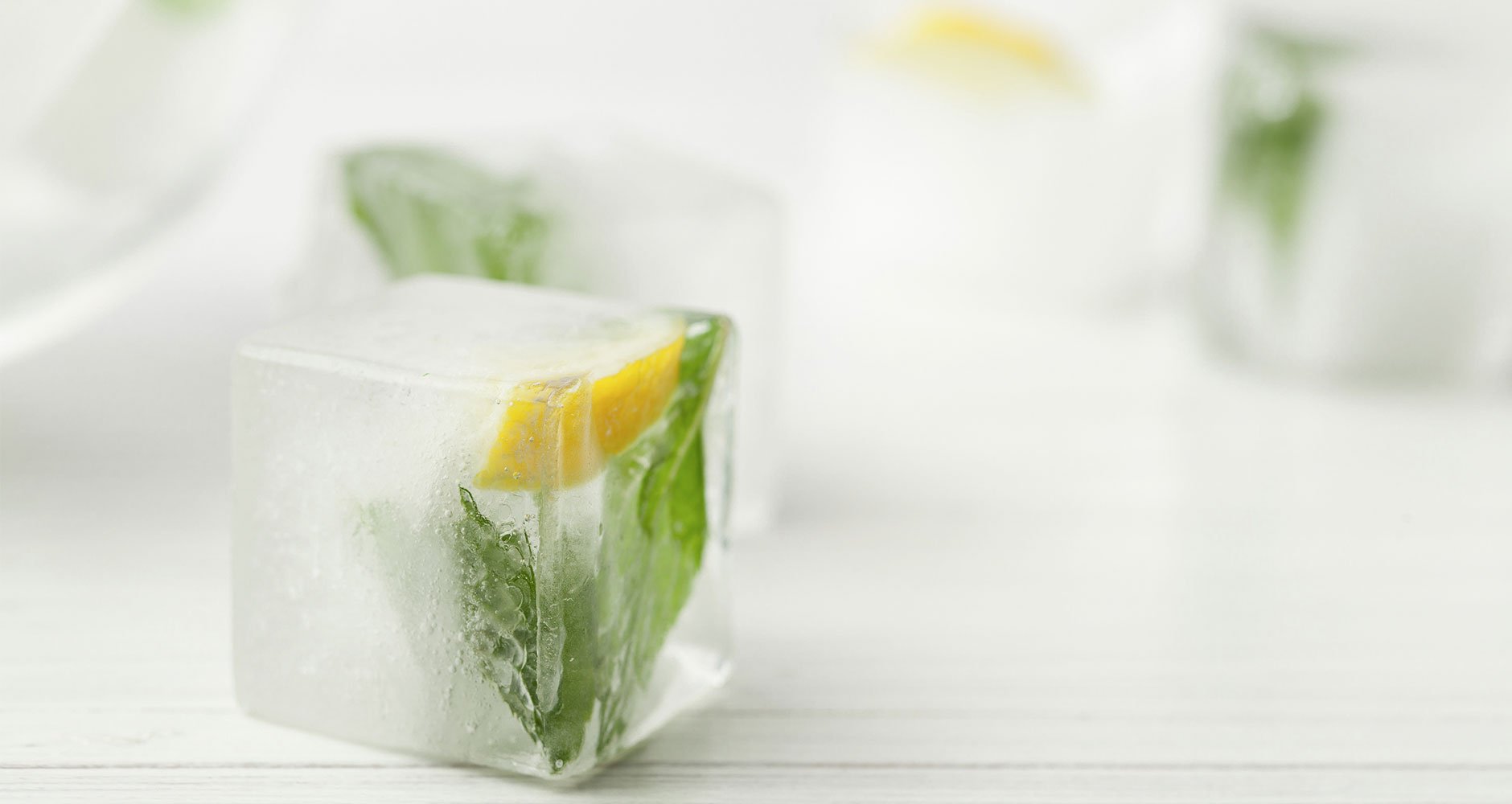
Freeze a mint leaf in a large silicone cube tray, the kind available at most dollar stores, to add a little pizzazz to your summer drinks. Drop one into iced tea or lemonade and your guests will love them.
4. Make Your Own Mint Tea
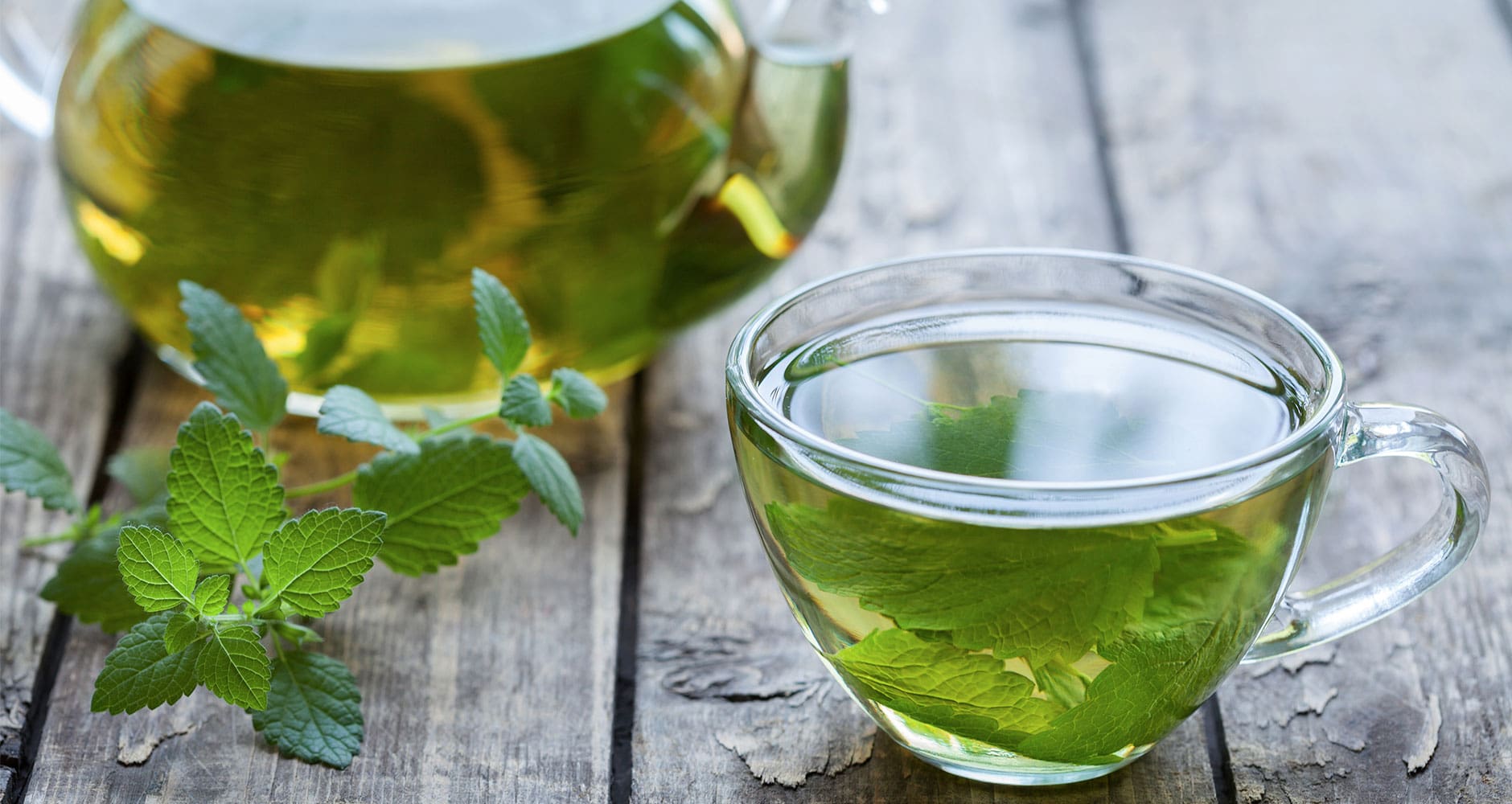
You can buy pre-made mint tea bags, but it is so easy to make your own. Just steep your fresh mint leaves in boiling water for about 5 minutes and serve. Sweeten with honey if you like. It makes a fine digestive aid after a big meal, and peppermint is the traditional choice here.
5. Add It to Your Fruit Salad and Fruit Salsas

Chop a few leaves and mix them in for a refreshing treat. Mint brightens watermelon, berries, and stone fruit, and a spoonful of chopped spearmint turns a plain bowl of fruit into a salsa for grilled chicken or fish.
6. Make a Fresh Mint Oil Rub
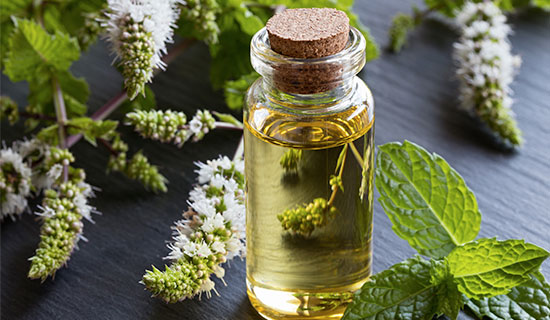
For a home remedy that soothes sore muscles, crush fresh mint leaves with a mallet or a mortar and pestle to release the oils. Place the mint in a jar and cover it with about 2 oz. of a flavorless, odorless carrier oil, such as jojoba oil or almond oil. Shake to combine. Set the jar in a warm place for 24 hours, then strain the oil through a piece of cheesecloth to remove the leaves. Apply topically to soothe sore muscles.
7. Whip Up a Batch of Healthy Tabouleh Salad
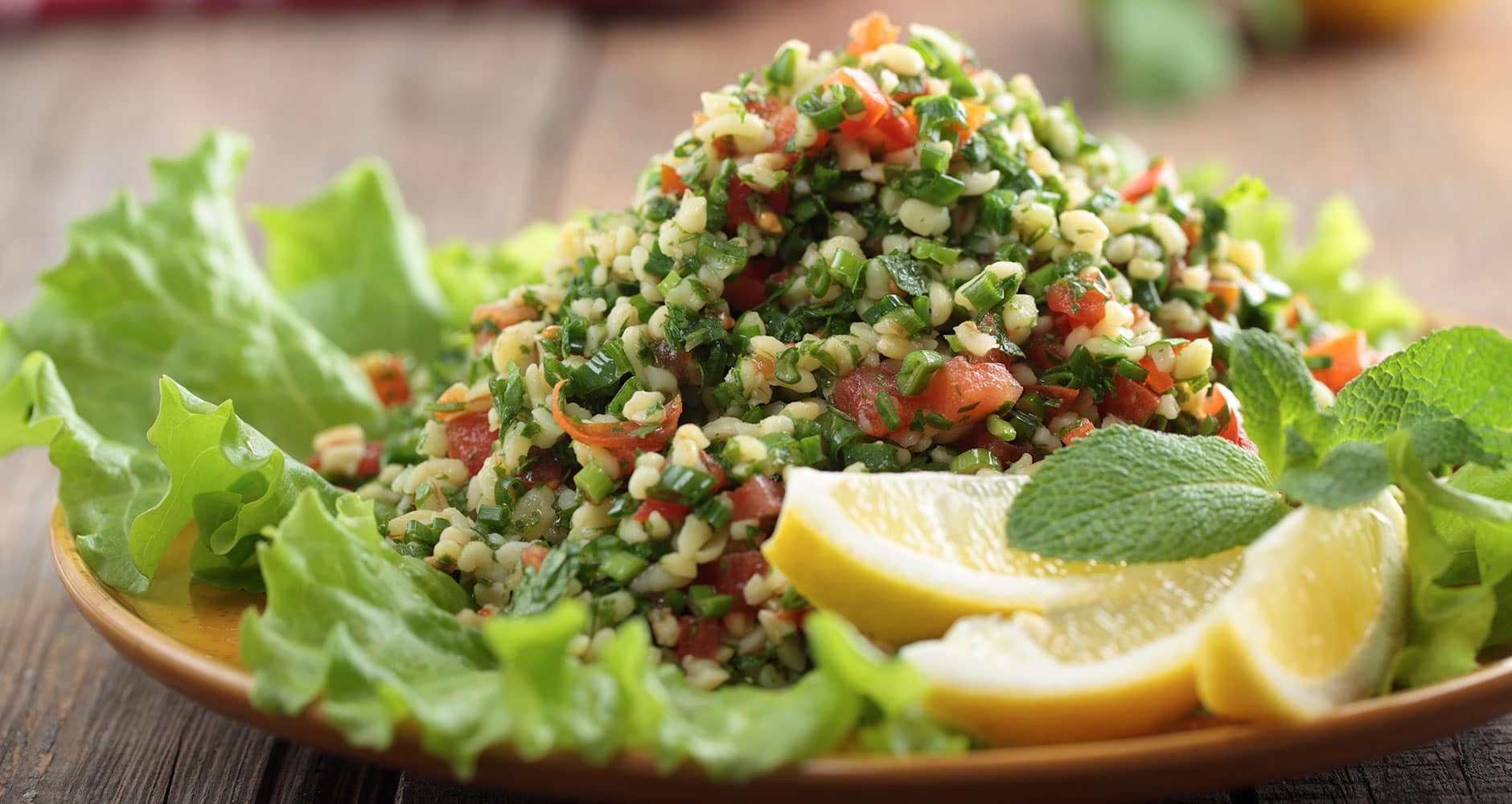
One of the key ingredients in tabouleh, besides bulghur wheat, is fresh mint. It is a tasty dish that is easy to make and good for you. Try this recipe.
8. Make a Sachet of Homemade Mint Potpourri
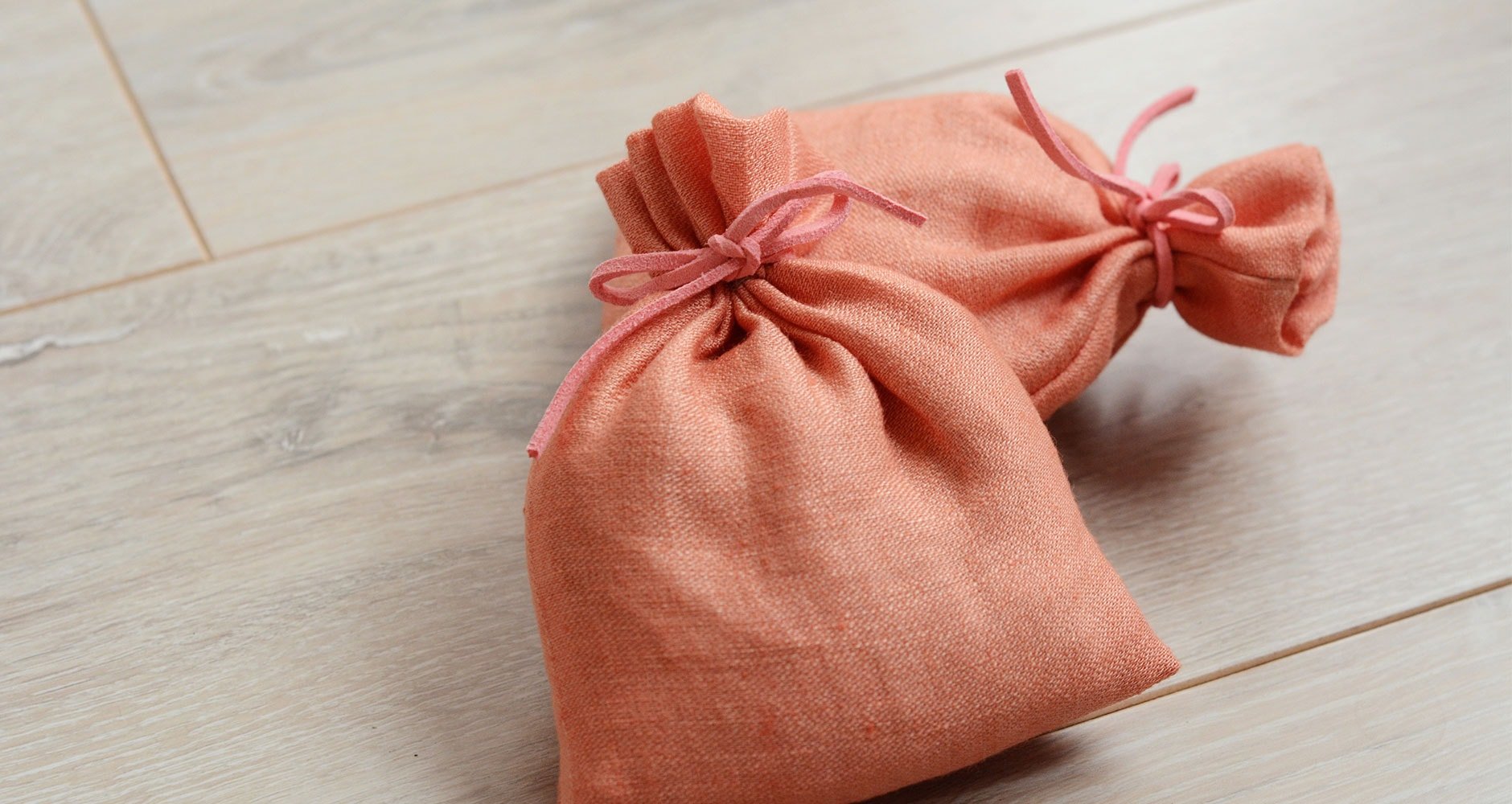
Dry fresh mint leaves in your dehydrator or in the oven at the lowest temperature. Once dried, chop them and place them in a cloth bag. Secure it with a ribbon and tuck the sachets inside drawers, or give them as gifts come the holiday season and tell your friends and neighbors it is mint from your own garden.
9. Use Mint to Repel Bugs

Many critters find mint unpleasant. Try these repellent ideas:
- Make a spray repellent by adding fresh mint leaves and a few citrus peels to a small pan covered with water. Bring it to a boil. Let the mixture sit overnight, then strain out the solids. Add 1/4 cup rubbing alcohol, pour it into a spray bottle, and spray it on your body before going outdoors. Be careful around clothing to avoid staining.
- Use the oil of fresh mint to repel biting insects. If there is no time to make a spray, just crush a few leaves and rub the oils on your skin. Note: garden mint is not safe for pets.
- In places where ants are a problem, crush some mint leaves in your hand to release the oils, then scatter them around where you see ants in your home.
10. Make a Healthy “Shamrock” Milkshake for St. Patrick’s Day (or Any Day)
Mint is the green star of a copycat Shamrock shake, and this version skips the food coloring in favor of fresh spinach. Blend it up for St. Patrick’s Day, or any day you want a cool, minty treat.
Healthy Shamrock Milkshake

Make these yummy copycat recipes for St. Patrick's Day or any day!
- 2½ cups milk (dairy or non-dairy, such as coconut milk, almond milk, or oat milk)
- 1 cup fresh spinach
- 1 banana
- ½ avocado
- 8 fresh mint leaves
- Optional: honey or maple syrup to sweeten
- Vegan whipped coconut cream (recipe here)
- Optional Healthy Toppings: Cacao nibs, mint leaves
Place everything except whipped coconut cream and toppings in a blender and blend on high until smooth. Pour into chilled glasses and top with whipped coconut cream, and sprinkle with toppings of your choice. Serves 2.
Looking for a classic mint julep recipe? We have one.
Storing and Preserving Your Mint Harvest
When the plant outpaces your recipes, put the surplus up for later. Fresh mint keeps about a week in the refrigerator, stems trimmed and stood in a jar of water like a little bouquet, loosely covered with a bag. For the long haul, dry the leaves as you would for the potpourri sachets above and store them in a jar, or freeze chopped mint in an ice cube tray with a little water so you always have some on hand for drinks. Either way, a contained plant gives you steady harvests without overrunning the bed.

Using Garden Mint: Frequently Asked Questions
What can I do with too much mint from my garden?
Plenty. Add it to drinks like mojitos, mocktails, iced tea, and lemonade, freeze it into mint ice cubes, steep it for tea, fold it into fruit salad or tabouleh, or dry it for potpourri sachets. You can also crush the leaves into a sore-muscle oil rub or a natural bug repellent.
What is the difference between spearmint and peppermint?
Spearmint is the milder, sweeter mint most cooks reach for in salads, fruit, and savory dishes. Peppermint is sharper and cooler, thanks to its higher menthol, which makes it the usual choice for tea and the mint oil rub. Both spread by underground runners and both can run 1 to 3 feet tall.
Why is my mint taking over the garden?
Mint spreads by rhizomes, underground runners that send up new shoots as they travel, so a single plant can fill a bed in a season or two. It is invasive by nature. To keep it in check, grow mint in a 12 to 16 inch pot, or sink a large bottomless container into the bed so the runners cannot escape.
How do I make mint tea from fresh leaves?
Steep your fresh mint leaves in boiling water for about 5 minutes, then serve. Sweeten with honey if you like. Peppermint is the traditional choice, and a cup makes a fine digestive aid after a big meal.
Does mint really repel bugs?
Many critters find mint unpleasant. You can simmer mint leaves and citrus peels, strain them, add 1/4 cup rubbing alcohol, and spray the liquid on your skin before going outdoors, or just crush leaves and rub the oils on. Scatter crushed leaves where ants come in. One caution: garden mint is not safe for pets.
Is garden mint safe for pets?
No. Garden mint is not safe for pets, so keep the leaves, the oil rub, and any homemade repellent away from dogs and cats. If you use mint outdoors as a deterrent, place it where your animals cannot reach it, and do what is best for your household.
Got your own clever ways to use mint? Share your ideas with us in the comments below.


This article was published by the Staff at FarmersAlmanac.com. Any questions? Contact us at [email protected].
- Farmers' Almanac Staff

- Farmers' Almanac Staff

- Farmers' Almanac Staff

- Farmers' Almanac Staff




You have “(recipe here)” next to the listing for “Vegan whipped coconut cream,” but there is no link to a recipe! I hope someone can correct this.
I first had this drink in Israel and it’s become a seasonal favorite! https://www.touchpointisrael.com/2018/07/31/limonana-the-israeli-beverage-of-summer/
We moved into a home that had mint in the garden and oh my goodness how it took over the entire garden. It’s very difficult to remove as it spreads by runners. If you grow it, it’s best to contain it in a planter or flower pot. Each summer we pull out tons of it and it just grows right back. The only thing I can do to is trim it short so it doesn’t block the sun to other plants. If you grow large shrubs like hydrangea or spirea or lilacs you’d be OK. But it doesn’t go well with other tender perennials – it will take them over and crowd them out.
Hi Sally, yes, we always recommend planting mint and all its cousins, like catnip, in containers.