

How to Tell If Old Seeds Are Still Good Before Planting: Viability Test + Storage Charts
Don't waste time and effort! Before you get growing, check to see if your seeds will germinate with these helpful tips.
Quick Reference: Seed Viability
- Quick test: 10 seeds on a damp paper towel sealed in a bag at 70 F. Check after 7 to 10 days. 7 of 10 = good. 3 of 10 = sow heavier.
- Typical vegetable seed shelf life: tomato (4 to 6 yr), pepper (2 to 4 yr), bean (3 yr), lettuce (5 yr), onion (1 yr).
- Best storage: cool dry dark. Glass jar in fridge or unheated basement.
- Seal with silica gel. Adds 1 to 3 years to most shelf lives.
- Tool: the Almanac’s seed starting chart.
On this page
Related Almanac guides
Sources cited in this guide
Most gardeners have a stash of old seed packets from previous years. Some of them are still good. Some are not. This guide is the simple paper-towel germination test that tells you exactly which packets are still viable, plus the extension-research-backed storage life charts for vegetable, herb, and flower seeds.
The Paper-Towel Germination Test
Per Penn State Extension seed-viability testing guidance.
- Count out 10 seeds from the packet you want to test.
- Dampen a paper towel with water (wrung out, not soaking).
- Place seeds in a row on half the towel. Fold the other half over them.
- Seal in a zipper bag at room temperature (around 70 F).
- Check daily for 7 to 14 days. Count how many seeds sprout.
- Interpret: 8 to 10 sprouts = good viability; 5 to 7 = sow at 1.5x normal rate; under 5 = discard packet.
How to Store Seeds Long-Term
Per UMN Extension seed storage research.
- Cool: 32 to 50 F. Refrigerator is ideal. Unheated basement works.
- Dry: below 50 percent relative humidity. A few silica gel packets in the storage container help.
- Dark: light degrades viability slowly. Opaque containers or covered boxes.
- Sealed: glass jar with tight lid, mason jar, or zipper freezer bag.
- Label clearly: variety, source, year purchased.
- Wait for the year of use to remove from cold storage. Let seeds warm to room temperature in the sealed container before opening (prevents condensation).
Seed Viability and Storage Life Tables (Detail)
Below are the original detailed sections covering the viability nutshell, vegetable/herb/flower storage life tables, other considerations, viability testing, and storage tips.
Seed Viability Test For Older Seeds
If you have older seeds, it’s wise to do a quick viability test prior to planting when using older seeds. Here’s what to do:
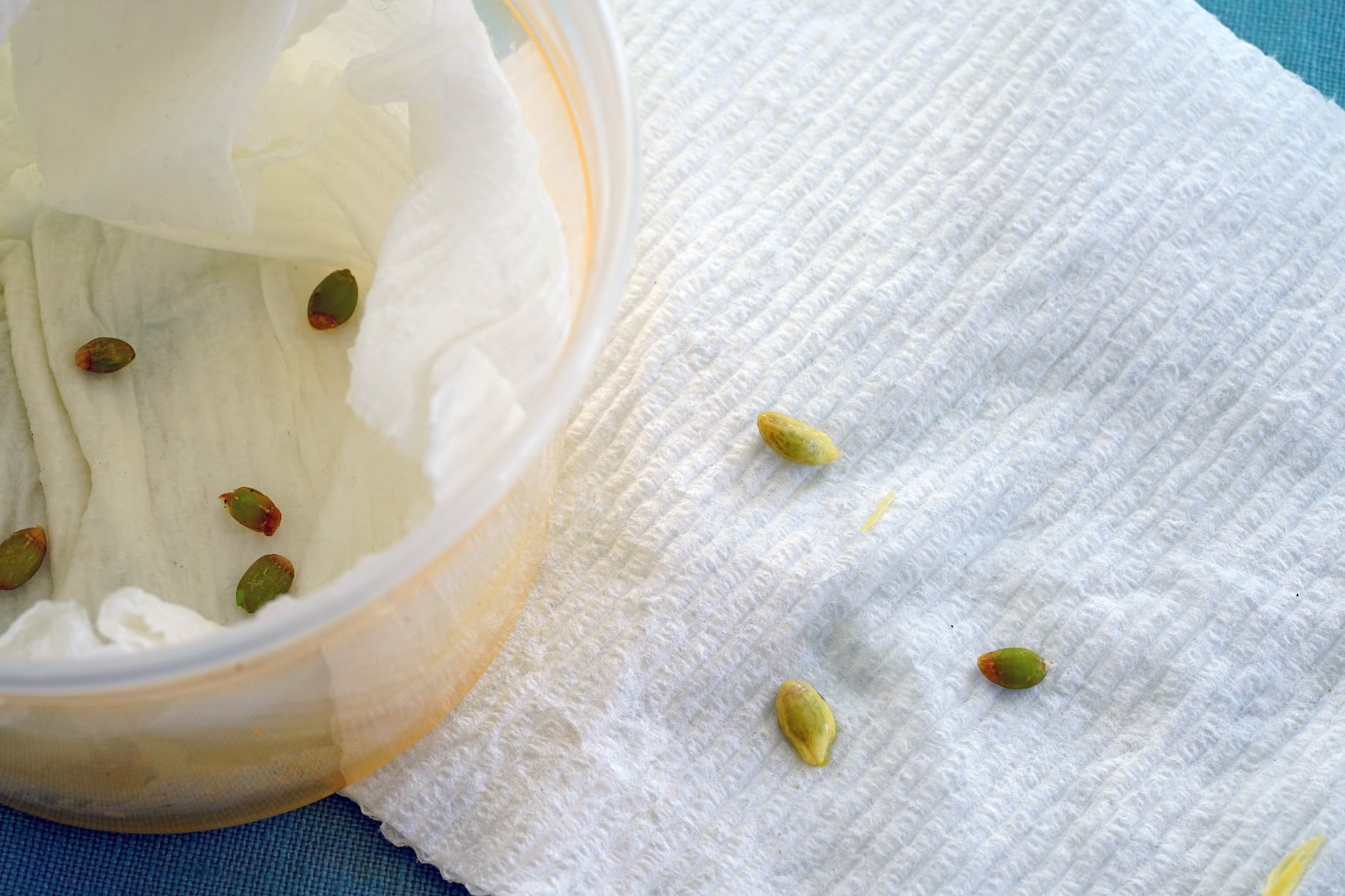
- Fold a dampened paper towel in half.
- Take 2-3 seeds and place them on the damp towel.
- Fold the towel over the seeds and place them in a zippered plastic bag or airtight container in a warm location.
- After a few days, open the bag and take a peek to see if any sprouted. This will give you a good gauge of how your seeds are germinating.
If the germination rate is low, but there is still some viability (for example, maybe only 2 of the seeds in your test sprouted), simply plant more of those seeds in the garden, knowing that not all may sprout. You’re just increasing the sprouting odds.
If none of them sprout, obviously, you’ll have to purchase fresh seeds.
Seed Storage Tips
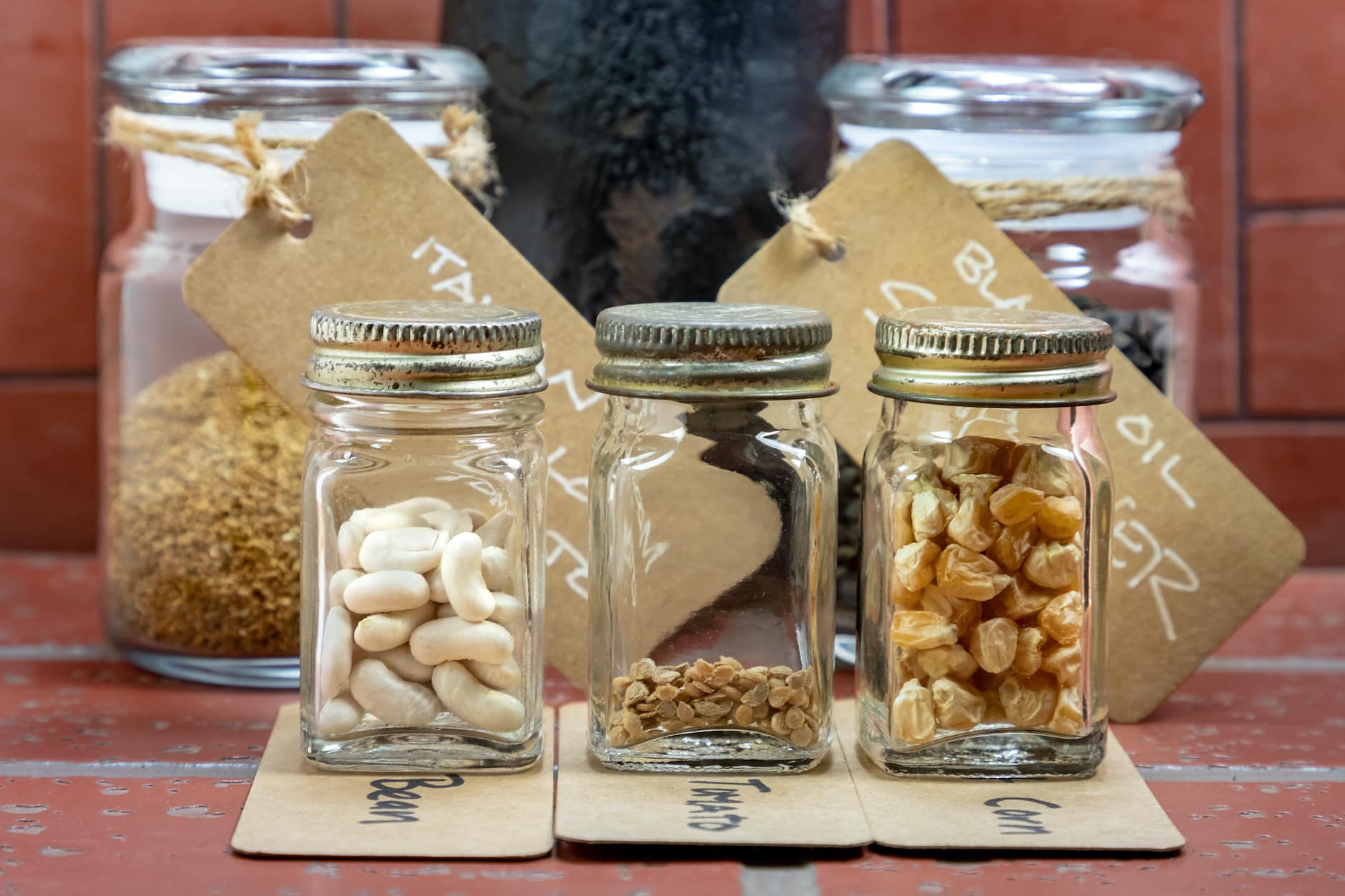
The key to keeping your seeds viable for a few seasons is proper storage. Be sure to do the following:
- Keep your seeds in a cool spot that offers a consistent temperature. Your best bet is to put them in a moisture-proof sealed container (if they’re already in packets, you can keep them right in the packets while storing) and store in your freezer or refrigerator. It is extremely important the seeds are 100% dry or mold will develop. You can even add some rice to the container to wick away any possibly moisture.
- Keep them out of direct sunlight.
- Keep them away from any humidity or moisture.
How you store them won’t only be for the long-term, it will be your day-to-day access while you’re outside sowing.

Seed Viability FAQ
How long do seeds stay good?
Varies widely by species. Per USDA seed longevity research: tomato 4 to 6 years, pepper 2 to 4 years, bean 3 years, lettuce 5 years, onion 1 year. Stored cool, dry, dark, and sealed, most seeds keep 2 to 4 years past their packet date.
How do I test if seeds are still viable?
Paper-towel germination test. Wet a paper towel, lay 10 seeds on it, fold over, seal in a zipper bag at 70 F. Check after 7 to 10 days. 8 to 10 sprouts means good seed. 5 to 7 means usable if sown heavier. Below 5 means discard.
What is the best way to store seeds for next year?
Cool (32 to 50 F), dry (below 50 percent humidity), dark, and sealed. A glass jar in the refrigerator with a few silica gel packets is ideal. Label with variety and year. Let seeds warm to room temperature before opening the container in the new year.
Can old seeds still grow?
Yes, often. Most vegetable seeds remain at least partially viable for 2 to 4 years past the packet date when stored well. Onion and parsnip seeds are exceptions (1 year). When in doubt, run the paper-towel test before throwing them out.
What seeds last the longest?
Tomato, melon, watermelon, and cucumber are among the longest-lived (4 to 6+ years). Most legumes and cruciferous vegetables are 3 to 5 years. Onion family and parsnip are shortest at 1 year. Lettuce, chard, and beet hold for around 5 years.


Allison Vallin
Allison Vallin is the Farmers' Almanac Art Director. When she's not busy designing, you can find her out in her permaculture paradise in Maine where she lives with her husband, two sons, pets, and a flock of chickens. With over two decades of organic gardening experience, she loves sharing the secrets of living the good life. Visit her on her Finch + Folly website, or find her on Instagram and Facebook.

I have to try this out! I was given a ton of seeds from a family member that might be good to plant.