

Halloween Herbal Folklore: 7 Protection Herbs to Ward Off Evil (and the History Behind Them)
Here's a fun look at some of the more spooky lore surrounding popular herbs.
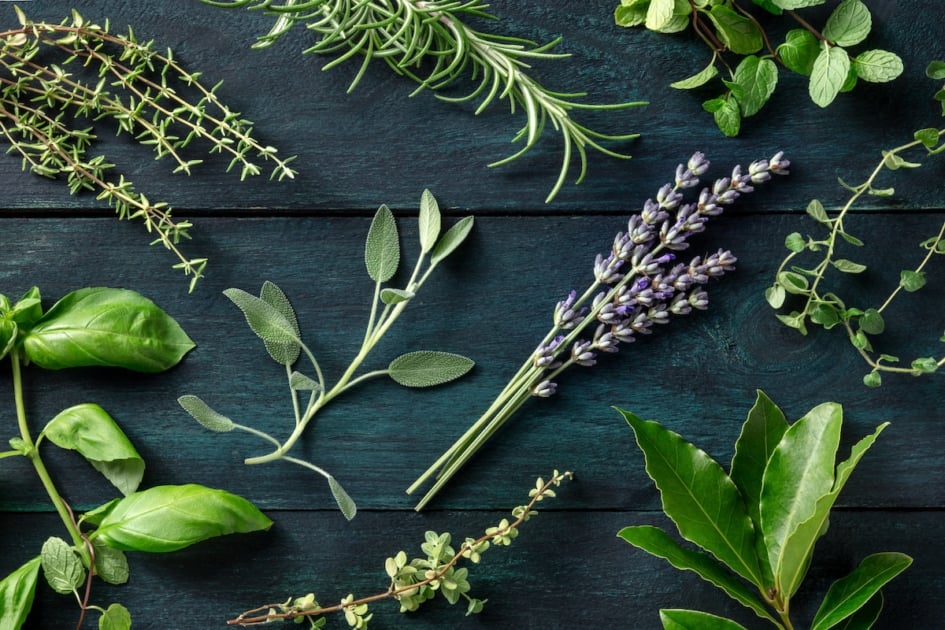
Quick Reference: Halloween Protection Herbs
- What: 7 herbs Western folklore used to ward off evil, harm, or restless spirits, especially around Samhain (October 31 to November 1).
- The 7 herbs: aloe vera, cayenne pepper, lavender, nettles, sage, St. John’s wort, and thyme.
- When they were used: hung over doorways, burned in bonfires, tucked into pillows, or carried as sachets on the eve of Samhain.
- Origin: Celtic Samhain (over 2,000 years old), later absorbed into Christian All Hallows’ Eve and modern Halloween.
- Tool: the Almanac’s Best Days calendar for the traditional harvest window for medicinal and protection herbs.
On this page
Halloween herbal folklore traces back over 2,000 years to the Celtic festival of Samhain, when the boundary between the living world and the spirit world was believed to be at its thinnest. Households across Ireland, Scotland, Wales, and (later) Appalachian and New England communities reached for the same handful of herbs every year: aloe, cayenne, lavender, nettles, sage, St. John’s wort, and thyme. This guide is the Almanac’s 7 protection herbs, the Samhain history behind each one, and how the same plants are still used today as everything from kitchen-garden staples to ritual cleansing bundles.
The Samhain Origin of Halloween Protection Herbs
The ancient Celtic year ended at sundown on October 31 and the new one began at sunrise on November 1. That 12-hour window was Samhain, the night when the veil between worlds was thinnest. Per Encyclopedia Britannica, communities lit hilltop bonfires, set out food for the dead, and (most relevant here) burned or hung herbs at doorways to keep harmful spirits from crossing the threshold.
- October 31, sundown: hearth fires were extinguished and rekindled from a communal bonfire so every home shared protective flame.
- Doorway herbs: bundles of dried sage, thyme, and St. John’s wort were hung over thresholds to repel restless spirits, witches, and the sidhe (Celtic fairy folk).
- Carried sachets: children and travellers wore small pouches of lavender, salt, and dried herbs around their necks for the same purpose.
- Bonfire ash: the morning of November 1, ash from the Samhain bonfire was scattered around the home and barn as a final layer of protection for the year.
When the early medieval Church layered All Hallows’ Eve (October 31) and All Saints’ Day (November 1) onto the Samhain calendar, the protective-herb tradition carried over largely intact. Irish and Scottish immigrants brought it to North America in the 1800s, where it merged with German, Appalachian, and African diasporic herbal traditions into what is now broadly known as American folk magic.
How Each Protection Herb Was Actually Used
Folklore varies by region, but four uses come up across nearly every Western European and Appalachian tradition.
- Hung over a doorway. A dried bundle (often three herbs tied with red thread) above the front door or hearth. Refreshed every Samhain.
- Burned as smoke. Sage and thyme were the most common; smoke was walked through every room to “clear” the house before the new year.
- Tucked into a pillow. Lavender and St. John’s wort were sewn into pillow sachets to ward off bad dreams, especially on the nights leading up to Samhain.
- Carried as a charm. A small drawstring pouch of dried herbs (sometimes mixed with salt or iron) worn around the neck or kept in a pocket.
7 Halloween Protection Herbs
Here are the seven herbs at the heart of Halloween folklore. Each section covers the herb’s traditional protective use plus what modern botany and medicine know about it today.
1. Aloe Vera
Native Americans and Indigenous Peoples held deep respect for the aloe vera plant, reverently referring to it as the “mystery plant,” “medicine plant,” and “burn plant.” Fascinated by its extraordinary properties, they lovingly called it the “wand of heaven.”
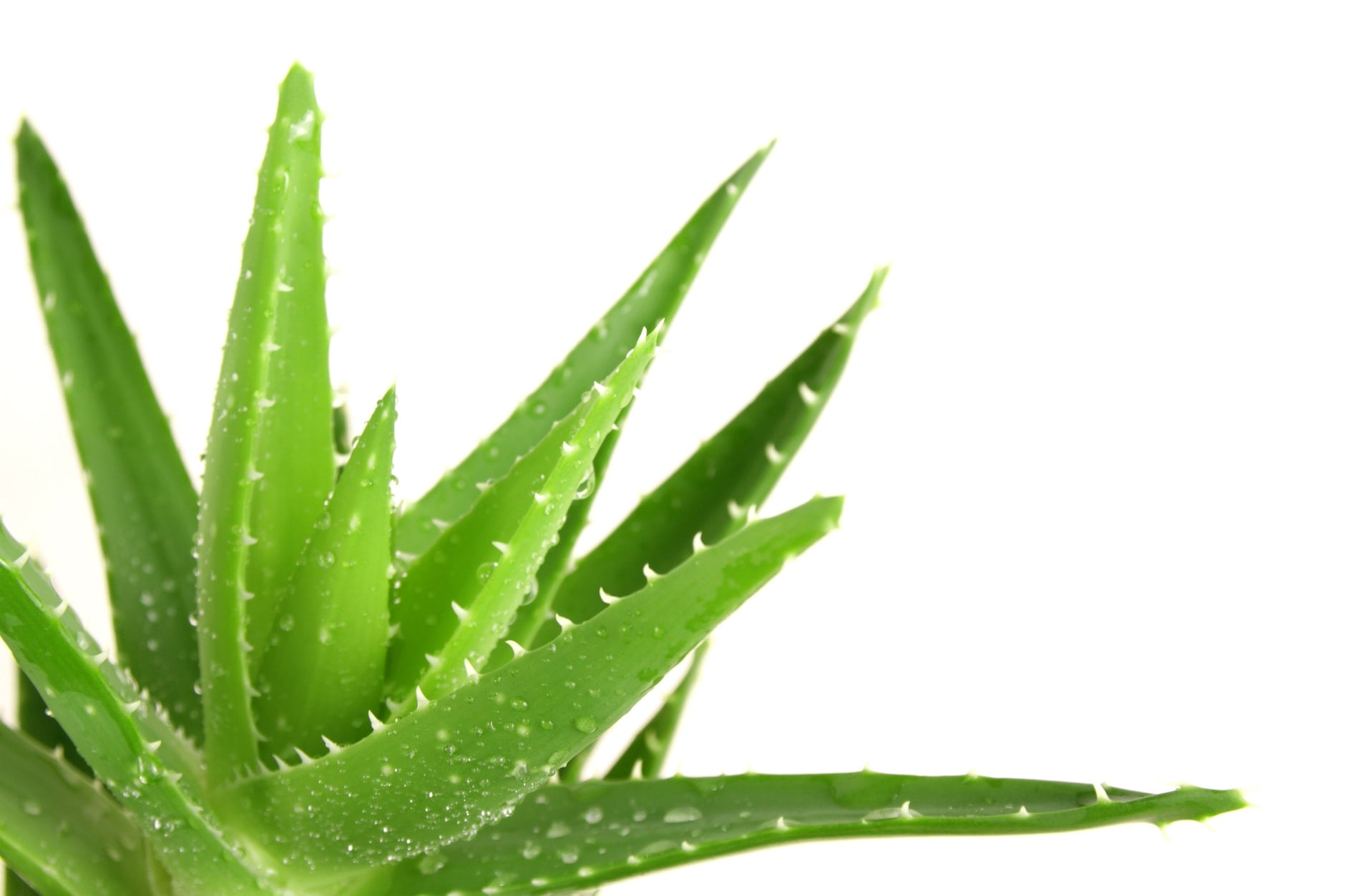
Herbal folklore states that owning an aloe plant in your home safeguards against accidents, especially burns. Across Africa, aloe plants are often hung above doors, believed to summon good luck and banish negativity. Aloe Vera is often planted outsides people’s homes (in warmer climates) to ward off evil and keep the home safe from evil spirits.
2. Cayenne Pepper
Cayenne pepper has a long history, dating back thousands of years to Central and South America. It was cultivated by Native Americans for both culinary and medicinal purposes. It was used to alleviate stomach discomfort, cramps, gas, and circulatory system issues.
Notably, both salt and cayenne pepper are believed to possess protective qualities that help ward off evil. Many people sprinkle them in specific areas or at entry points of their homes to create a barrier against negative energies or entities, serving as spiritual protection.
To keep negative energy away and attract prosperity, some hang a string of red peppers by their front door. Another method involves encircling a protection candle with chili powder to repel negative spirits. Additionally, red pepper can be mixed into home protection powders, added to spell jars, or incorporated into meals for an extra layer of protection.
3. Lavender‘s Herbal Folklore
From healing wounds to warding off the plague, lavender has been utilized in countless ways over the centuries. It is a popular plant in gardens throughout the world.
Lavender symbolizes devotion, purity, luck, cleanliness, and compassion. It also signifies constancy, faith, humility, and love Interestingly, in the Victorian language of flowers, it was associated with distrust.
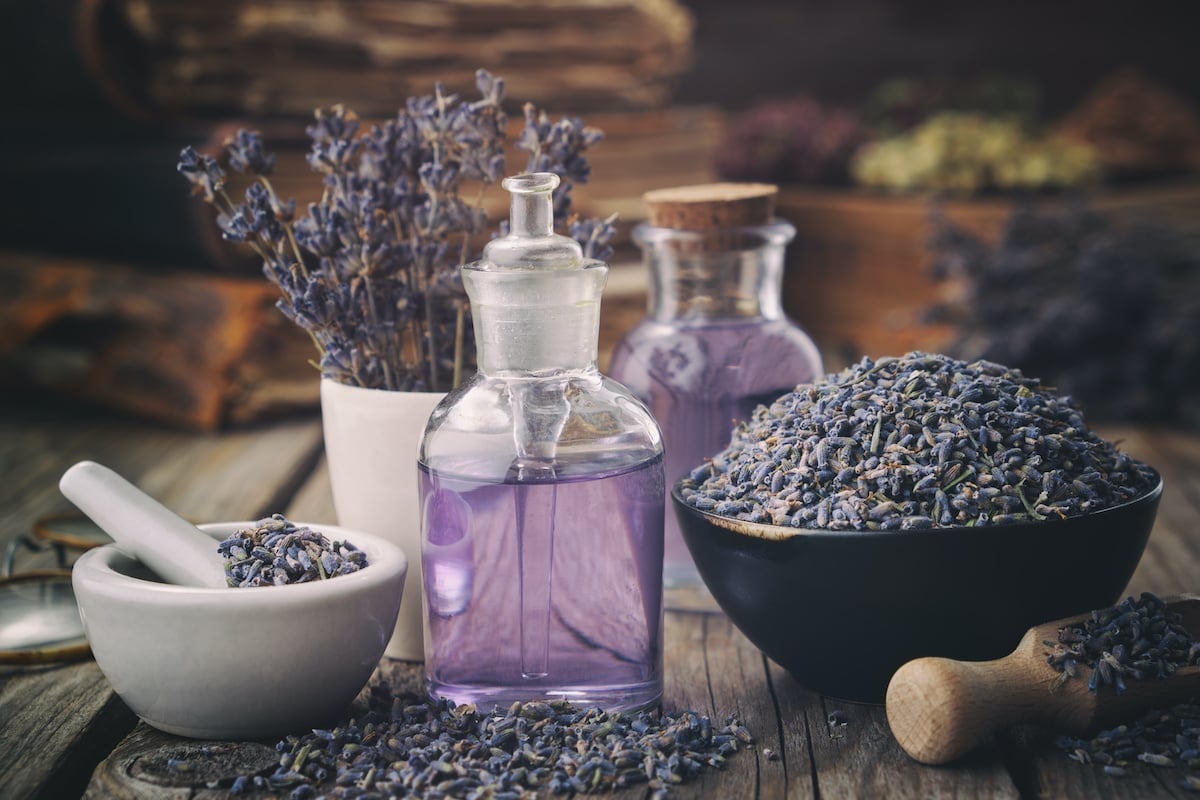
Some link this herb to attracting good luck or repelling misfortune. This association seems to come from lavenders are history and association with St. John’s Day, during which it was burned in bonfires to ward off evil spirits that supposedly roamed among humans.
According to another old belief, inhaling the scent of lavender endowed one with the ability to see ghosts.
4. Nettles
Nettles, also known as stinging nettles, are powerful plants with a global presence. They have their origins in the colder regions of northern Europe and Asia but have since spread worldwide.
According to British folklore, it was believed that nettles picked on a Saturday would lose their medicinal properties. Additionally, holding a nettle leaf in the mouth was thought to cure toothache. Moreover, nettle was considered effective in breaking spells and curses, often used in protective charms.
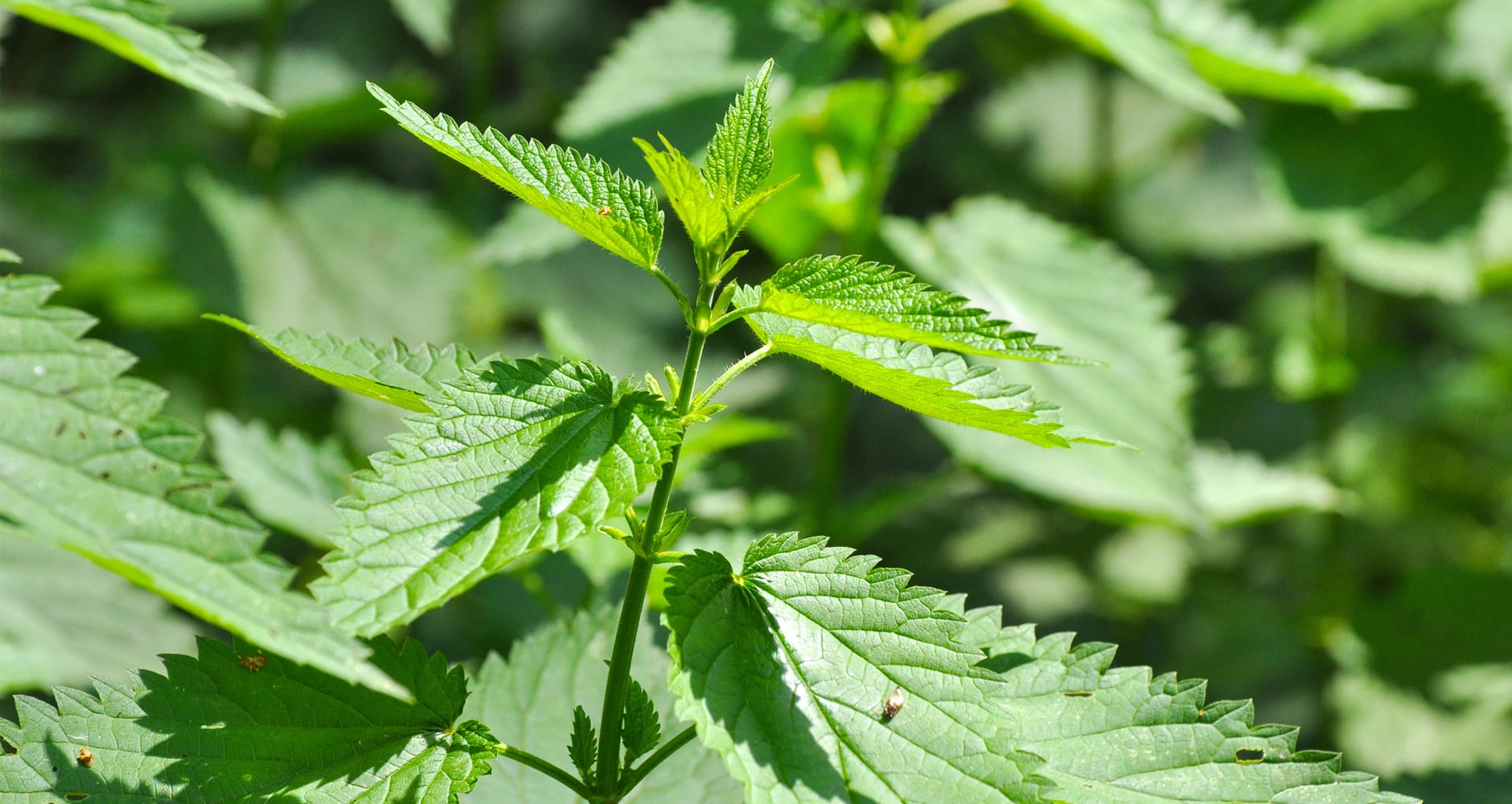
To ward off fear and evil spirits, an old tradition involved carrying nettle and milfoil. Carrying nettles in a pouch was believed to break curses and send them back to the sender. Opting for the pouch was a wise choice to avoid accidentally getting stung.
Ancient societies attempted to prevent thunderstorms by tossing nettles into the fire, as these plants were associated with Thor, the deity who governed over them.
Farmers utilized nettle to safeguard their livestock from evil spirits and promote their overall well-being.
5. Sage
Sage, a herb known for its association with wisdom, has been linked to wise individuals throughout history (ever heard of sage advic?). One interesting belief is that sage is most potent before it blooms.
In Greek mythology, sage was revered as a powerful protector and healer, cherished by the gods themselves. It was also said to enhance memory, hence the phrase “a sage” to signify a wise person with a wealth of memories and profound wisdom.
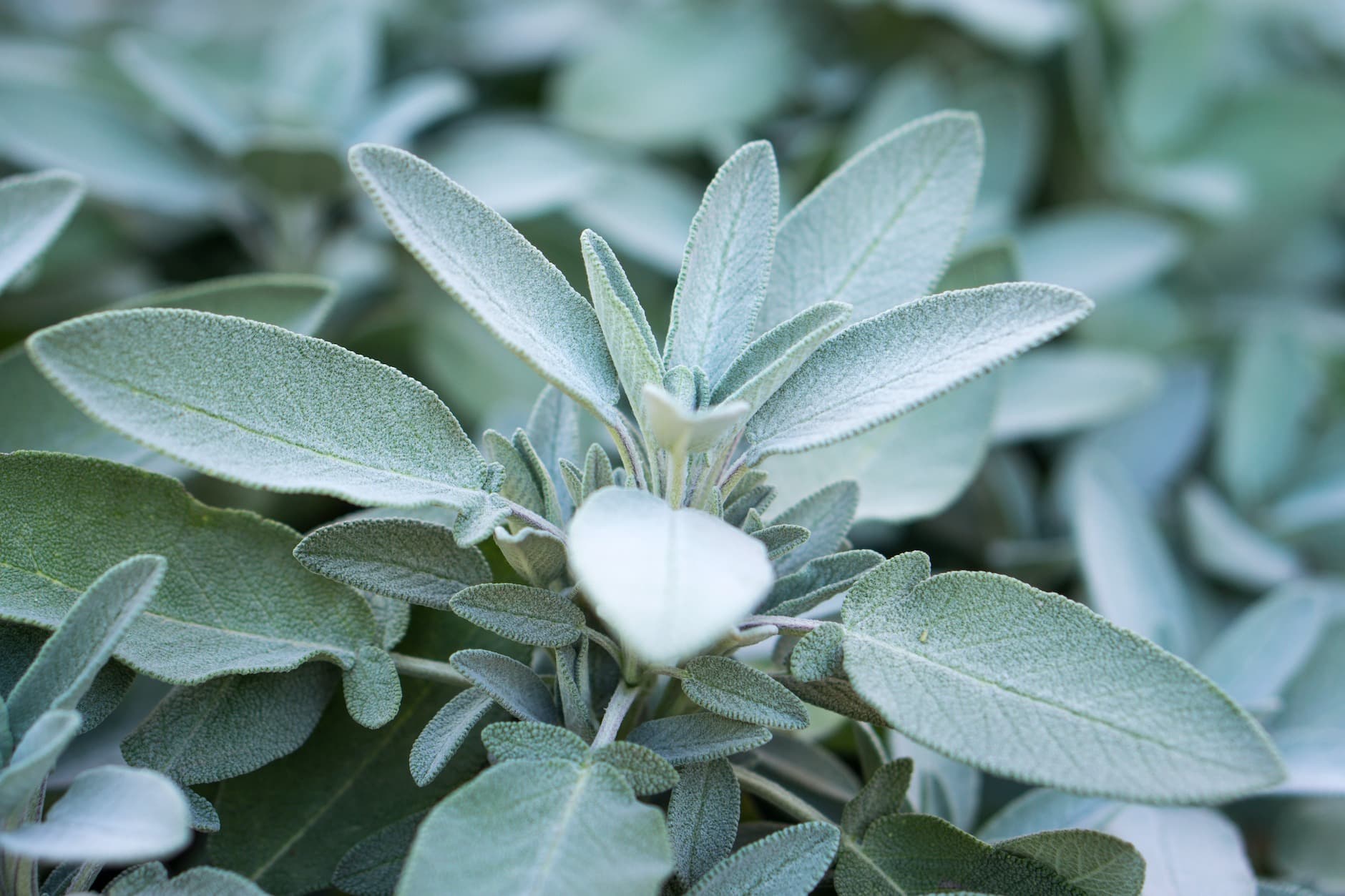
Interested in attaining immortality? According to Medieval folklore, all you need to do is consume a little sage each day, especially in May. Additionally, the ancient practice of burning sage, also known as “smudging,” is still used today to purify and cleanse homes of negative energy and influences.
6. St. John’s Wort
For centuries, this herb has been a beloved choice for spiritual protection, passed down through folklore. Nowadays, it is widely recognized as a valuable herbal supplement.
With its reputation as a lucky plant, St. John’s Wort has been cherished across many cultures, who would keep sprigs of it in their homes or carefully store it between the pages of books for spiritual defense.
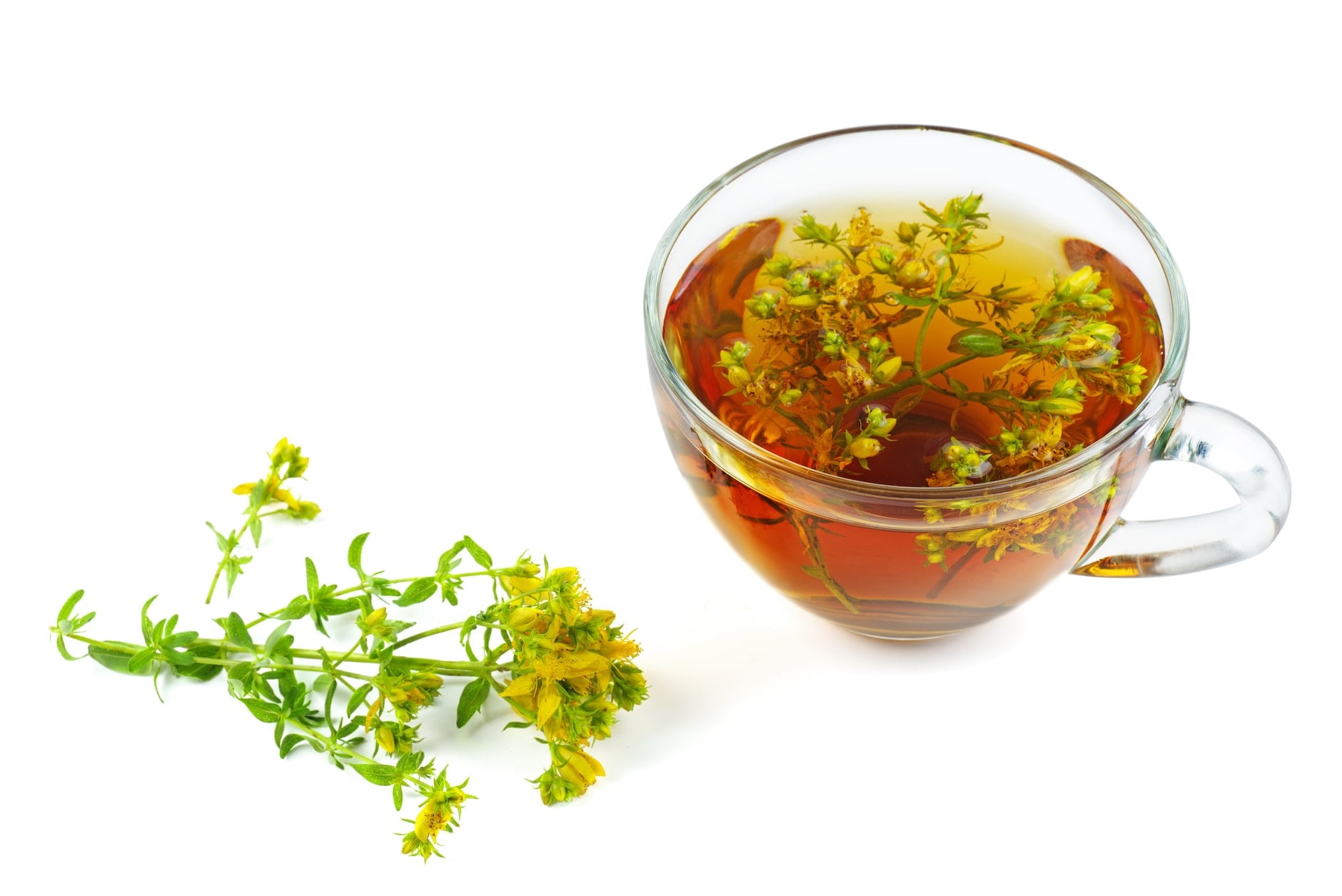
Legend has it that Johns wort possessed extraordinary protective abilities. Collected on Midsummer Eve, it had the power to ward off imps, evil spirits, and the shadows of sadness. When hung on doorways and windows, or carried in one’s pocket, it acted as a shield against thunderstorms and witches.
7. Thyme
Thyme is believed to bring good fortune in finances, gambling, and love. In France, it was a common practice to include Thyme in the garden to attract fairies for a visit.
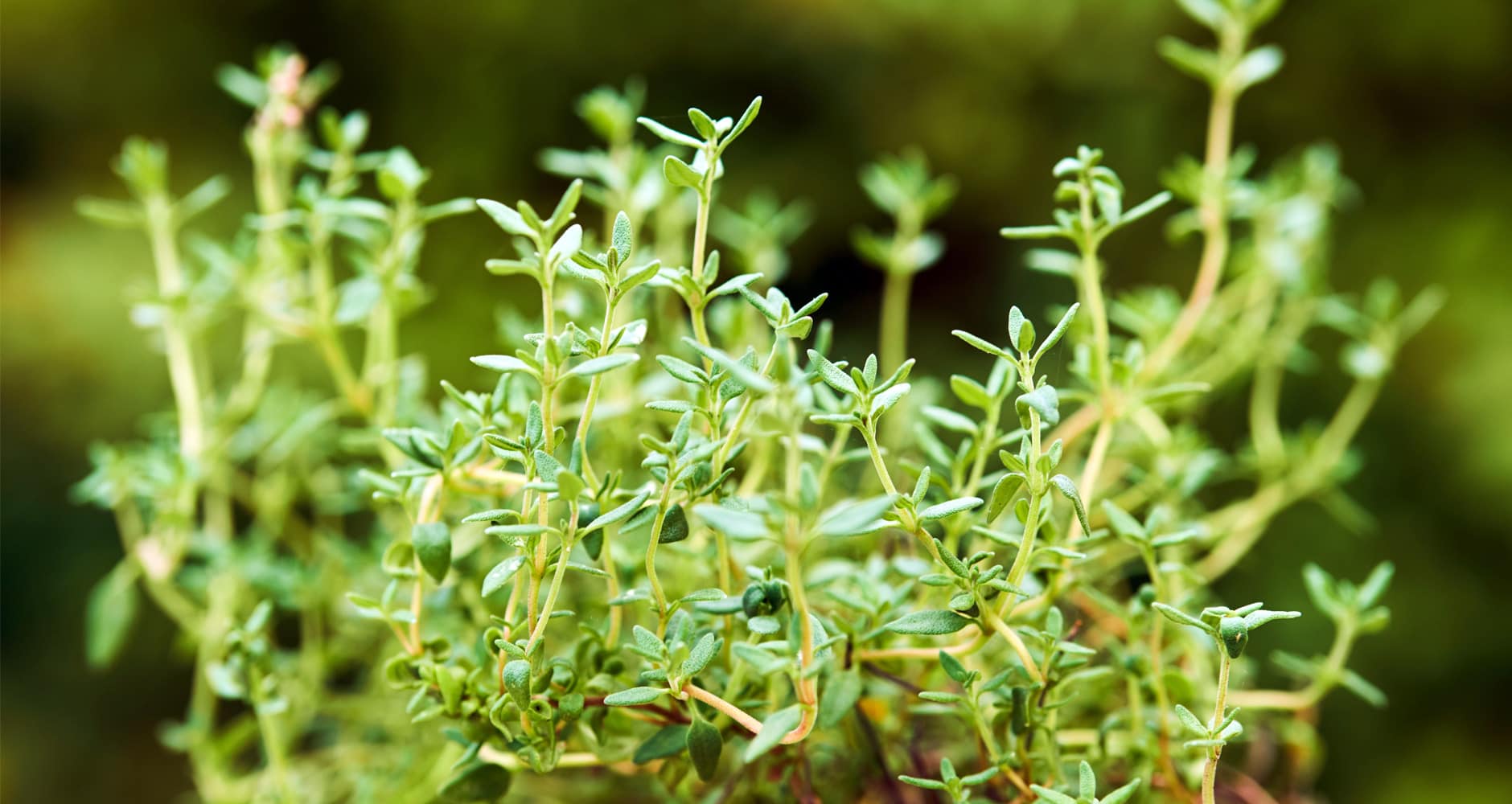
Many believe that if you want to boost your career luck, you should consider adding a thyme plant to your office as it’s believed to enhance your self-confidence and self-worth. In addition, burning thyme in your home is thought to promote good health, while stuffing a pillow with thyme is believed to prevent nightmares.
Folklore also suggests that thyme can be used as a means to communicate with fairy folk and the spirits of the departed.

How to Use Protection Herbs Today
You do not need to believe in Celtic spirit veils to use these herbs at home. Most of them have well-documented culinary, medicinal, or aromatic uses and the traditional preparations still work as relaxation, decoration, and cleansing rituals.
- Halloween doorway bundle: tie 3 to 5 stems each of dried sage, thyme, and lavender with twine. Hang over the front door from October 25 through November 2.
- Herb-smoke house clearing: burn a small bundle of dried sage and thyme in a heatproof bowl. Walk it through every room, then leave a window open for 5 minutes.
- Halloween pillow sachet: mix 2 tablespoons dried lavender + 1 tablespoon dried St. John’s wort + 1 cinnamon stick. Sew into a cotton square. Tuck under the pillow.
- Protective bath salts: 1 cup epsom salt + 1 tablespoon dried sage + 1 tablespoon dried thyme + 5 drops lavender essential oil. Use the evening before any “thin places” date in your own calendar.
- Garden border: plant sage, thyme, and lavender in a continuous border around your kitchen garden. The folklore reason is protection; the practical reason is they repel deer, attract pollinators, and grow back every year.
Safety and Sourcing Notes
A few cautions worth flagging before you reach for any of these herbs medicinally.
- St. John’s wort interacts with many prescription drugs including SSRIs, blood thinners, hormonal birth control, and some HIV medications. Check with a pharmacist before any internal use.
- Cayenne on broken skin or near eyes causes painful burning. Wear gloves when crushing fresh peppers.
- Aloe vera latex (not the inner gel) is a strong laxative and is not generally recommended for internal use. The inner gel is the part used in skincare.
- Nettles sting fresh. Wear gloves to harvest. They lose the sting when dried, blanched, or cooked.
- Source dried herbs from a reputable seller. Mountain Rose Herbs, Frontier Co-op, and Penzeys Spices are widely trusted. Avoid unmarked herbs from social-media sellers.

Halloween Protection Herbs FAQ
What herbs are used to ward off evil?
The seven most widely cited in Western European and Appalachian folklore are aloe vera, cayenne pepper, lavender, nettles, sage, St. John’s wort, and thyme. They were typically hung over doorways, burned as smoke, tucked into pillows, or carried as sachets, especially on the night of Samhain (October 31).
What is the connection between Halloween and protection herbs?
Halloween descends from the Celtic festival of Samhain (October 31 to November 1), when the boundary between the world of the living and the world of spirits was believed to be at its thinnest. Households used herbs as a low-cost, replenishable layer of protection at doorways, hearths, and bedsides. The tradition carried over into Christian All Hallows’ Eve and modern Halloween.
Which is the most important protection herb in folklore?
Sage is the most universally cited across Western European, Indigenous American, and Appalachian traditions. It was burned for cleansing smoke, hung at doorways, and woven into bedside bundles. Thyme runs a close second for its role in bonfires and as a herb of courage.
Do protection herbs actually do anything?
Not in the supernatural sense any reputable source will claim. Many of them do have well-documented properties: sage and thyme have measurable antimicrobial activity, lavender reduces self-reported stress in controlled trials, and St. John’s wort has been shown effective for mild to moderate depression in some studies (with significant drug interactions to watch for). The protective tradition is symbolic and seasonal.
When is the best time to harvest protection herbs?
Most aromatic protection herbs (sage, thyme, lavender) reach peak essential-oil concentration just before flowering, typically mid-summer through early September in the Northern Hemisphere. Cut on a dry morning after the dew has lifted. The Almanac’s Best Days calendar lists traditional moon-aligned harvest windows.
How do you make a Halloween doorway herb bundle?
Take 3 to 5 stems each of dried sage, thyme, and lavender. Tie at the stem end with red or natural twine. Hang above the front door, hearth, or window from late October through early November. Replace each year with the new season’s harvest. Optional: add a sprig of rosemary for remembrance of the dead.
Can you grow protection herbs in a home garden?
Yes, and most of them are some of the easiest perennials to grow. Sage, thyme, and lavender are hardy in USDA zones 5 to 9. St. John’s wort and nettles are vigorous and may need to be contained. Cayenne is an annual and needs full sun and a long warm season. Aloe vera grows indoors as a houseplant or outdoors in zones 9 to 11.
For more Halloween reading: Halloween folklore and superstitions, witches in folklore, companion planting guide, Best Days for harvesting herbs, Full Moon dates and times.


This article was published by the Staff at FarmersAlmanac.com. Any questions? Contact us at [email protected].
- Farmers' Almanac Staff

- Farmers' Almanac Staff

- Farmers' Almanac Staff

- Farmers' Almanac Staff



I think you needed to include rosemary and rue and bay leaves!
Thanks Jamie =D
I also enjoyed this fun folklore using herbs, love burning white sage~
I loveeeeeee herbs and what a FUN article! I think I’ll tweet it.
these are all nice but im looking for natural remedies for inflamation and pain
LaDonna,
This was just a fun little folklore story for Halloween. It wasn’t meant to be about curing actual ailments. There are numerous stories in our healthy living section about various herbal remedies.
Here’s one on healing foods: Amazing Healing Foods- What are they?
One on fish oil (which has been recommended for inflammation): Can Fish Oil Cure What Ails You?
And one on Irish herb lore (including remedies for pain and inflammation): Irish Herb Lore
Hope that helps.
Tumeric powder mix with hot water drink for inflammation and pain
Love these old remedies and I’m putting an aloe in my kitchen and wearing lavender around my neck. It can’t hurt and who knows???? Thanks for all the informative and interesting articles!