

Where Did the Easter Bunny Come From? Origins Explained
Ever wonder where the Easter Bunny came from? How did the tradition get started? We have the answer.
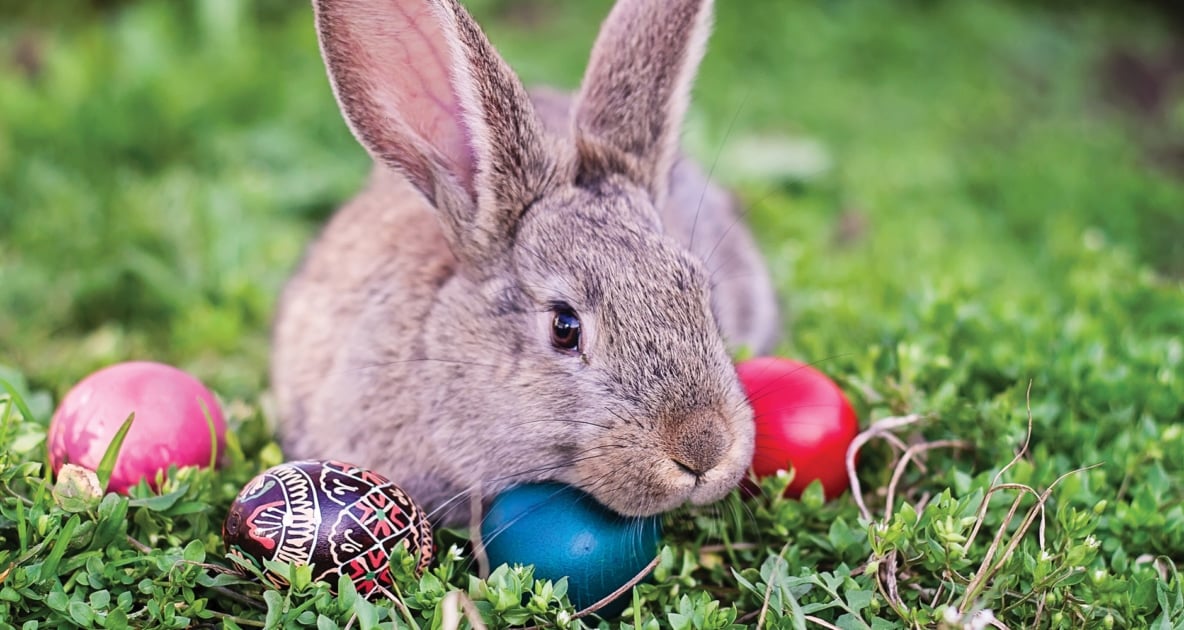
Quick Reference: Where the Easter Bunny Came From
- Oldest written trace: 16th century literature describes a bunny that rewarded good children with eggs each spring.
- First edible bunnies: made of pastry and sugar in Germany during the early 1800s.
- Older roots: the hare and rabbit appear in pre-Christian fertility lore as symbols of new life in spring.
- How it reached America: German settlers brought the “Oschter Haws” to Pennsylvania Dutch country in the 1700s.
- The original baskets: children built nests from caps and bonnets, not store-bought baskets.
The Easter Bunny did not start as a chocolate figure in a foil wrapper. The earliest written trace of an egg-bringing rabbit shows up in 16th century literature, in accounts of a bunny who, each spring, would reward those who were good with eggs. The first edible Easter rabbits, made out of pastry and sugar, were made in Germany during the early 1800s. Here is how a springtime hare became one of the most familiar figures of the Easter season.
Prior to the Christian holiday of Easter, the hare and rabbit showed up often in pre-Christian fertility lore. These animals often served as symbols of new life during the spring season. It is an easy connection to follow. Rabbits and hares are famously prolific, born in litters just as the fields green up, so older European traditions tied them to spring, renewal, and the return of growing weather. According to Britannica, that fertility symbolism is exactly why the hare became associated with the season long before it carried a basket.
Where Did The Easter Bunny Originate?
How the Easter Bunny tradition began isn’t entirely clear; however, Germany has been credited with the origin of associating a bunny with Easter. The German tradition is sometimes called the “Osterhase,” or Easter hare, and it is the thread that runs straight through to the rabbit children look for today.
The Oschter Haws Comes to America
In America, the Easter Bunny was introduced by the German settlers who arrived in the Pennsylvania Dutch country during the 1700s. The arrival of what they referred to the bunny as “Oschter Haws” was considered “childhood’s greatest pleasure” next to a visit from Christ-Kindel on Christmas Eve. The children believed that if they were good the Oschter Haws would lay a nest of colored eggs.
That belief shaped a custom that still feels familiar. Good behavior earned a visit, and the reward arrived overnight in a hidden nest. The same idea carries through to the modern Easter morning hunt, even if the nest has since traded places with a wicker basket.
Nests Before Baskets
The children would build their nest in a secluded place in the home, the barn or the garden. Boys would use their caps and girls their bonnets to make the nests. The use of elaborate baskets would come later as the tradition of the Easter bunny spread throughout the country.
- Easter is a moveable feast, set by the first Sunday after the first full Moon of spring. See current dates on our Full Moon Dates and Times page.
- Planning an egg hunt, a family dinner, or a spring project? The Best Days Calendar lists the most favorable days for the things you want to get done.
Why a Rabbit, and Not Some Other Animal?
Of all the creatures stirring in early spring, the hare and rabbit earned the role for a plain reason: they are everywhere, and they breed early and often. To people living close to the land, that made them a natural emblem of fertility and fresh life, the same qualities the spring season represents. Eggs carried the same meaning, a small sealed shell holding new life inside, so pairing the two was a short step. The egg-laying rabbit folds both symbols into one tidy figure.

From Pastry Rabbits to Chocolate Bunnies
The treat came before the chocolate. The first edible Easter rabbits, made out of pastry and sugar, were made in Germany during the early 1800s, a sweet stand-in for the hare that brought the eggs. As the custom traveled and candy-making grew cheaper, the pastry rabbit gave way to the molded chocolate one most folks know now. The figure stayed the same. Only the recipe changed.
Easter Bunny Traditions: A Quick Timeline

Where Did the Easter Bunny Come From: Frequently Asked Questions
Where did the Easter Bunny come from?
The egg-bringing rabbit traces back to 16th century literature describing a bunny that rewarded good children with eggs each spring, with deeper roots in pre-Christian fertility lore where the hare and rabbit stood for new life. Germany is credited with associating the bunny with Easter, and the first edible Easter rabbits were made of pastry and sugar in Germany during the early 1800s.
How did the Easter Bunny come to America?
German settlers introduced the Easter Bunny when they arrived in the Pennsylvania Dutch country during the 1700s. They called the bunny the “Oschter Haws,” and a visit from it was considered “childhood’s greatest pleasure” next to a visit from Christ-Kindel on Christmas Eve. Children believed that if they were good, the Oschter Haws would lay a nest of colored eggs.
Why is a rabbit connected to Easter?
Long before the Christian holiday, the hare and rabbit appeared often in pre-Christian fertility lore as symbols of new life during the spring season. They breed early and often, which made them a natural emblem of renewal. Pairing the rabbit with the egg, another symbol of new life, gave the season a single memorable figure.
What did children use before Easter baskets?
Children built nests in a secluded place in the home, the barn, or the garden. Boys used their caps and girls used their bonnets to make the nests for the Oschter Haws to fill. The use of elaborate baskets came later, as the tradition of the Easter Bunny spread throughout the country.
When did chocolate Easter bunnies start?
The first edible Easter rabbits, made out of pastry and sugar, were made in Germany during the early 1800s. As the custom spread and candy-making became cheaper, those pastry rabbits gave way to the molded chocolate bunnies common today. The figure stayed the same while the recipe changed.
What does “Oschter Haws” mean?
“Oschter Haws” is the Pennsylvania Dutch name for the Easter hare, related to the German “Osterhase.” It is the egg-laying rabbit that German settlers brought to America in the 1700s, the same tradition that grew into the Easter Bunny known across the country.
Happy Easter, happy Passover, and happy Spring!


This article was published by the Staff at FarmersAlmanac.com. Any questions? Contact us at [email protected].
- Farmers' Almanac Staff

- Farmers' Almanac Staff

- Farmers' Almanac Staff

- Farmers' Almanac Staff




Let’s be honest. “Easter” didn’t START with celebrating Jesus Christ’s death and resurrection for our sins. It started millennia before, as a pagan ritual… in fact, “Easter’ eggs started with the rolling of eggs in a baby’s blood in worship of the goddess Inanna. Look into that transgender goddess and you’ll find why we have the Virgin Mary and baby Jesus in the Roman Catholic Church’s ‘temples’ (they were originally temples that were converted to churches during Emperor Constantine’s creation of the state religion of Roman Catholicism). All of those pagan idols that God Most High, in Exodus 20:4-5 as part of the 10 Commandments, told us NOT to worship were renamed to biblical people to convert the pagans to worship them. So, this statue of the Virgin Mary and the baby Jesus has been renamed, numerous times over, throughout the millennia… Astheroth (the real origin of the word ‘Easter’) and her baby, Tammuz and her baby, et al.
Now, the story of the Germans, who were mostly Lutherans as well as Roman Catholics (Lutherans were the Protestant Reformation version of RCC, as they kept many of the RCC’s rituals… another thing we’re not supposed to do is these rituals of worship), may have created the Easter bunny icon, and that’s how we ended up with this nonsense of ‘worshipping’ a bunny, rather than Jesus Christ, the Only Begotten Son of God Most High, and that’s why I choose not to observe Easter, today. I know the roots of the pagan rituals involved, and choose to keep God Most High’s ways and commandments. That’s my Joshua 24:15 moment to be obedient to Him, and Him alone. Your choice is up to you.
Another twist on the “mixing” of pagan holidays with early Christianity’s observations…..
and you’ll no doubt shoot this down……. The early Christians, as you were sought out and brutally treated for that adherence to Christ’s teachings and invitation to salvation thru His death. And so. The early Church would “piggyback” on the pagan days and do their own observations of celebrating Christ. I’m sure it didn’t always protect them from being brutally treated or killed if found out. In our culture we know nothing of such persecution. However, the day may be close at hand we experience it up close and personal.
You are 100% correct!!! America today is not leaning towards Christian ways; they say “ Right is wrong and wrong is right”. Every word you wrote is the truth. Praise God for your stand.
Thank you! Many people call on God, but continue to not educate themselves on the history of these pagan holidays.