

10 Edible Bugs and How to Eat Them (Forager’s Guide)
Would you eat a bug? Believe it or not, many are both nutritious and delicious. Go ahead, we dare you!
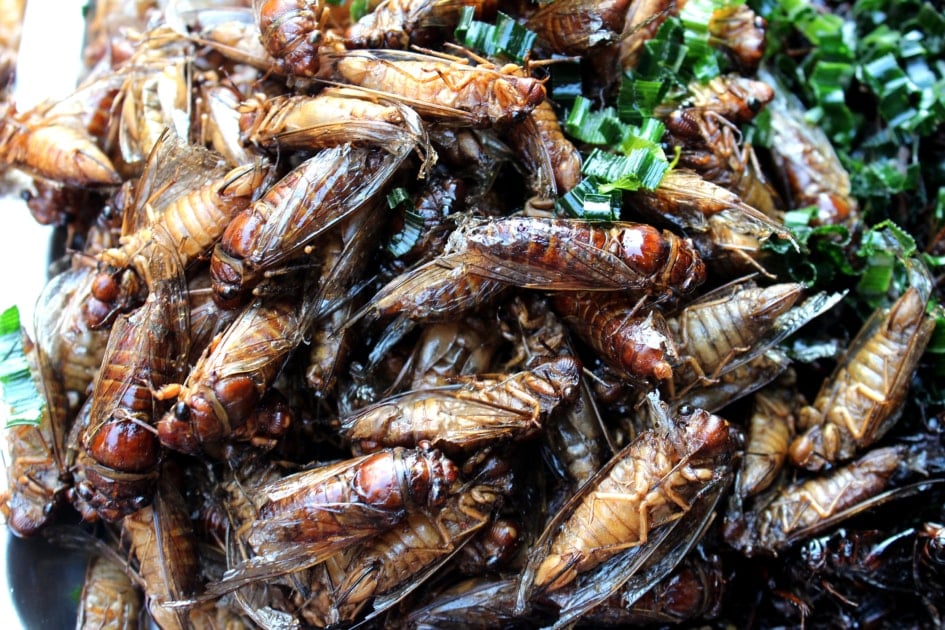
Quick Reference: Edible Bugs at a Glance
- The list: crickets, cicadas, mealworms, scorpions, June bugs, grasshoppers, ants, wax worms, termites, pill bugs.
- Color rule: stick to black, brown, green, or cream and tan. Skip bright yellow, red, or orange markings.
- Source rule: forage well away from pesticide-sprayed land, or order from a farmed supplier.
- Cook first: roast, fry, or saute. Raw is for survival only.
- Authority: the United Nations Food and Agriculture Organization counts roughly 2 billion people worldwide who already eat insects as part of their everyday diet.
Two billion people already eat bugs. That is the headline number from the 2013 United Nations report on edible insects, and the figure has only grown as protein costs climb and home gardeners look for backyard food sources that do not need a pasture. This guide walks you through 10 edible bugs worth trying, the safe way to source them, and how folks around the world actually cook them. Plain food, plainly explained, with a wink at the dare.
We grew up knowing that one kid at recess who would swallow a bug for a dollar. In most of the world, that is not a stunt, it is dinner. More and more North American gardeners and homesteaders are catching the “bug” too, partly for nutrition, partly for sustainability, partly because the gross-out factor fades fast once you taste a roasted cricket.
Bugs As Protein
In wildcrafting or survival situations, bugs are an essential source of protein. Many species are also surprisingly tasty once cooked. The Food and Agriculture Organization of the United Nations lists more than 1,900 edible insect species worldwide and notes that crickets, mealworms, and grasshoppers carry protein levels comparable to beef, with a fraction of the land and water needed to raise them. See the full FAO report on edible insects and food security for the numbers.
If you have never sampled bugs as food, start with the cooked varieties. While many species can be eaten raw, the texture and the gross-out factor are both easier to manage after a few minutes in a hot pan. Raw is for survival, not for your first try.
Foraging Safety: Four Rules Before You Snack
The same caution you use when foraging wild berries applies to bugs. Pick the wrong one or pick from the wrong patch of ground and a tasty experiment turns into a trip to urgent care. Four rules, all of them simple.
- Source matters. Be sure you have a reliable, wild source, well away from areas likely to have been sprayed with pesticides. Farmed mealworms and crickets from a food-grade supplier remove the guesswork.
- Color is a warning. Survival experts say avoid insects with bright yellow, red, or orange markings. Stick to insects that are black, brown, green, or cream and tan colored.
- Their last meal becomes your meal. The flavor of an edible bug depends heavily on what the insect has been eating before you capture it. Many traditional cooks feed captured insects fruit, oats, or other sweet treats for a few days before cooking.
- Cook it. Roast, dry-fry, or saute. Heat kills parasites and improves the texture every single time.
Allergy note. If you react to shellfish, you may react to insects too. Crustaceans and most edible bugs share a similar protein, tropomyosin, which is why pill bugs and cicadas keep getting nicknamed the “shrimp” of their respective worlds. Skip insect tasting if you have a known shellfish allergy until you have cleared it with a clinician.

10 Best Edible Insects
Here is the list of edible bugs, ranging from “delicious for a bug” to actually tasty once the gross-out factor fades. Pictures and cooking notes follow each entry.
1. Crickets
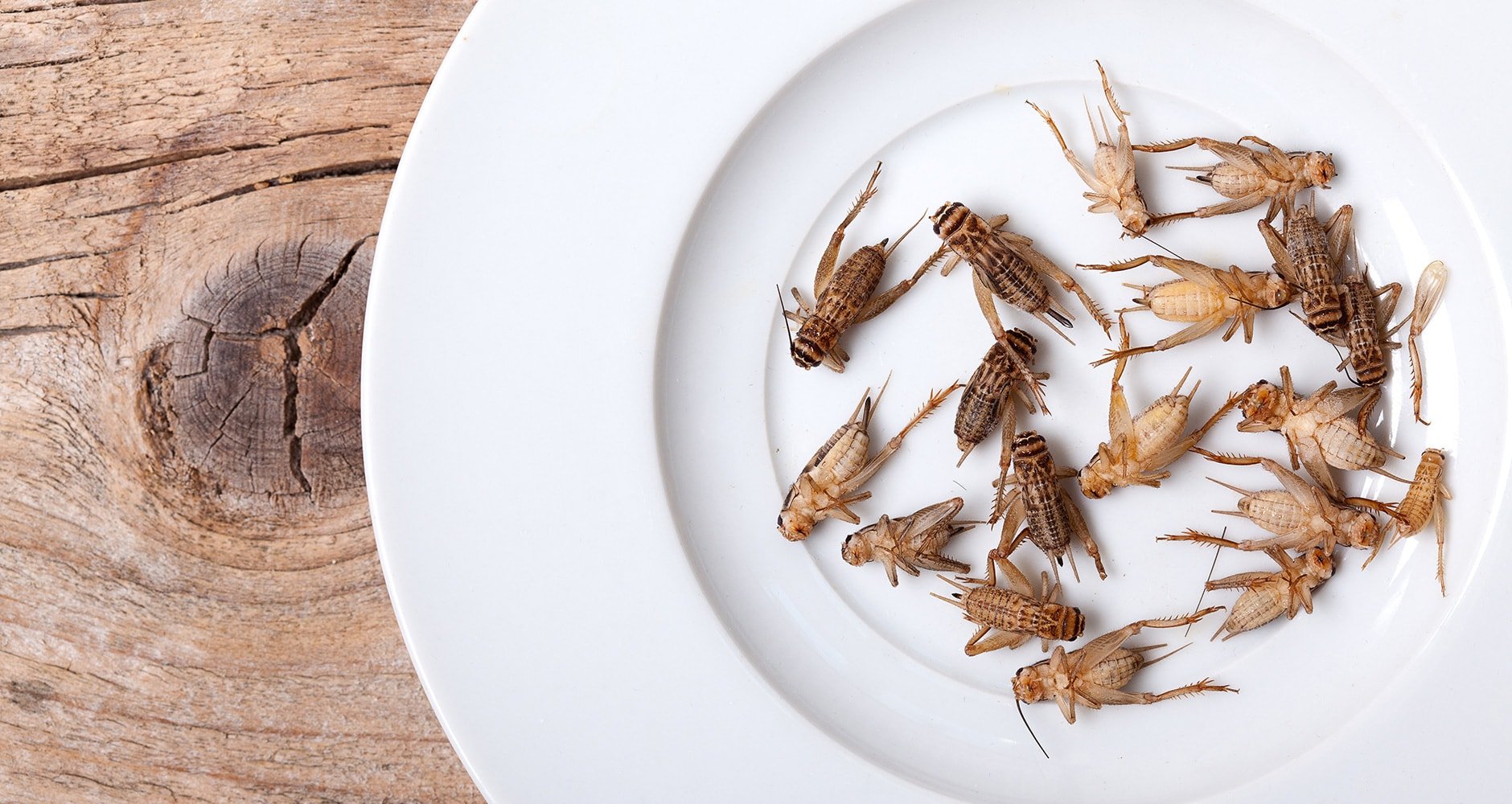
The starter bug. Remove the legs and dry roast, fry, or stir-fry. The flavor is nutty, almost like roasted sunflower seeds, and the texture goes crisp the longer you cook them. Crickets are the most common farmed insect in North America for human food, which makes them the easiest edible bug to find at a reputable supplier.
2. Cicadas
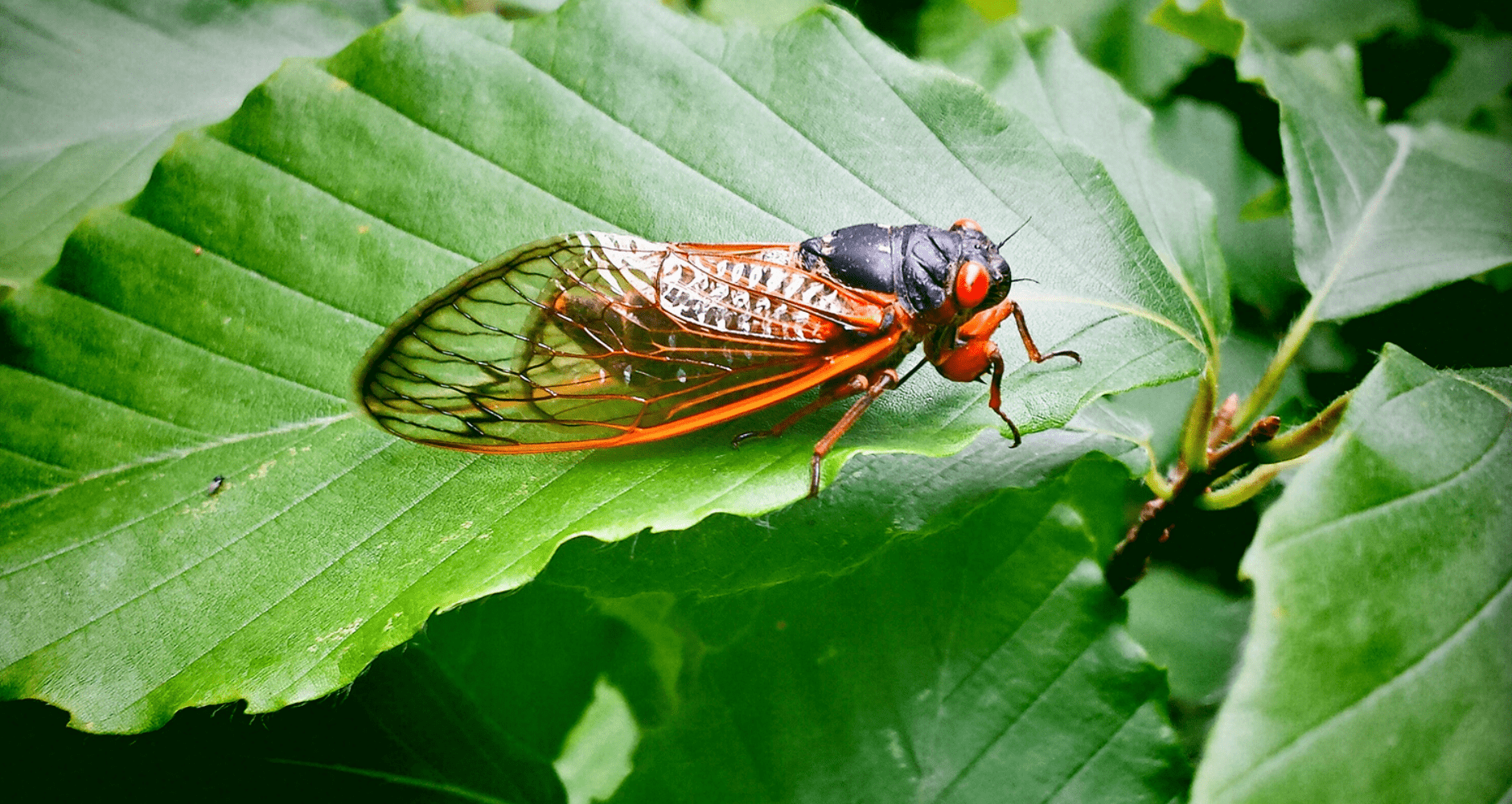
Also known as “the shrimp of the land.” Cicadas are delicious roasted over an open fire, or deep-fried and tossed with salt and seasonings like chili powder or honey mustard. Brood years are the easiest harvest. Pick the freshly molted “tenerals” early in the morning, before the shells harden.
3. Mealworms
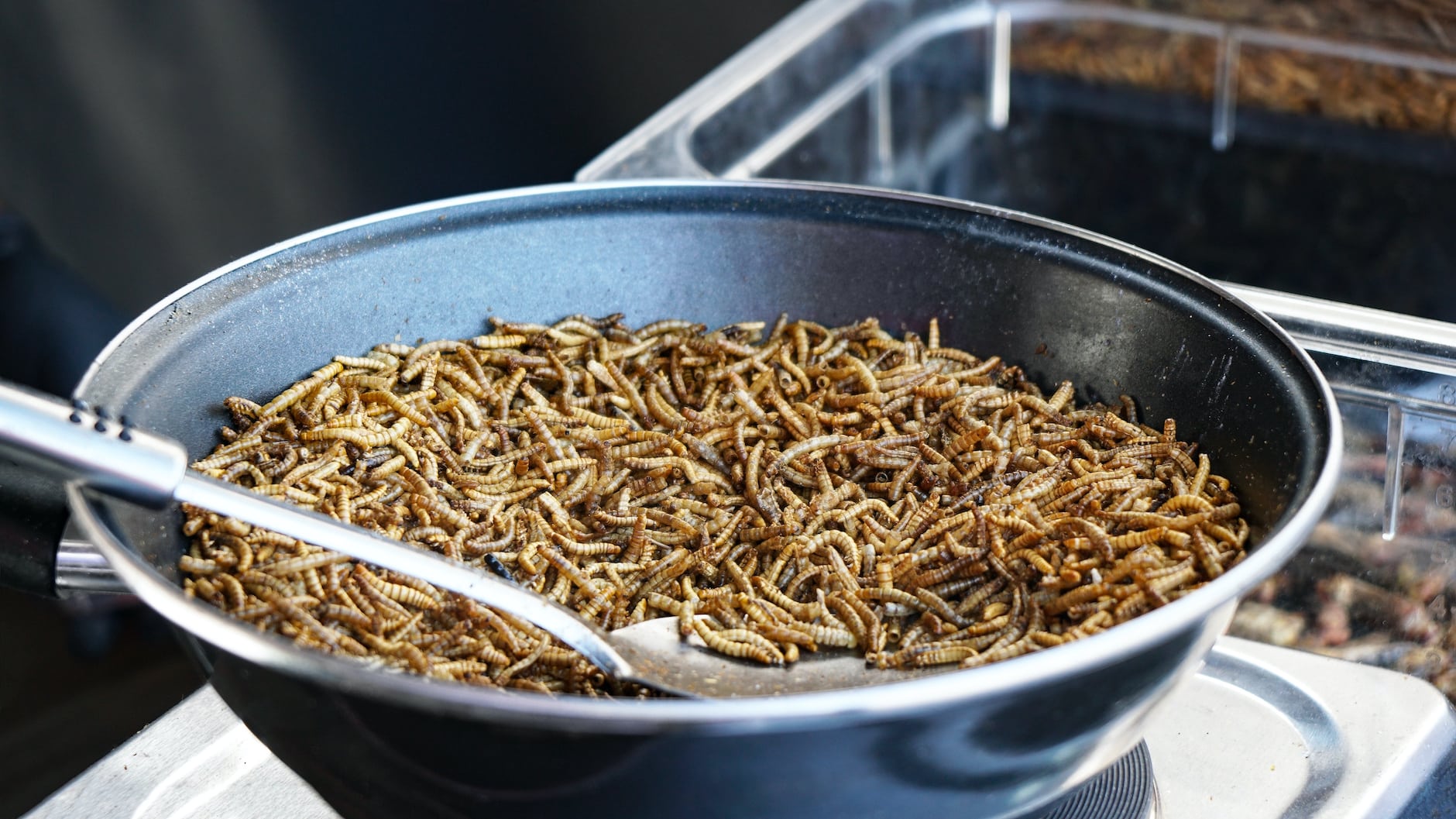
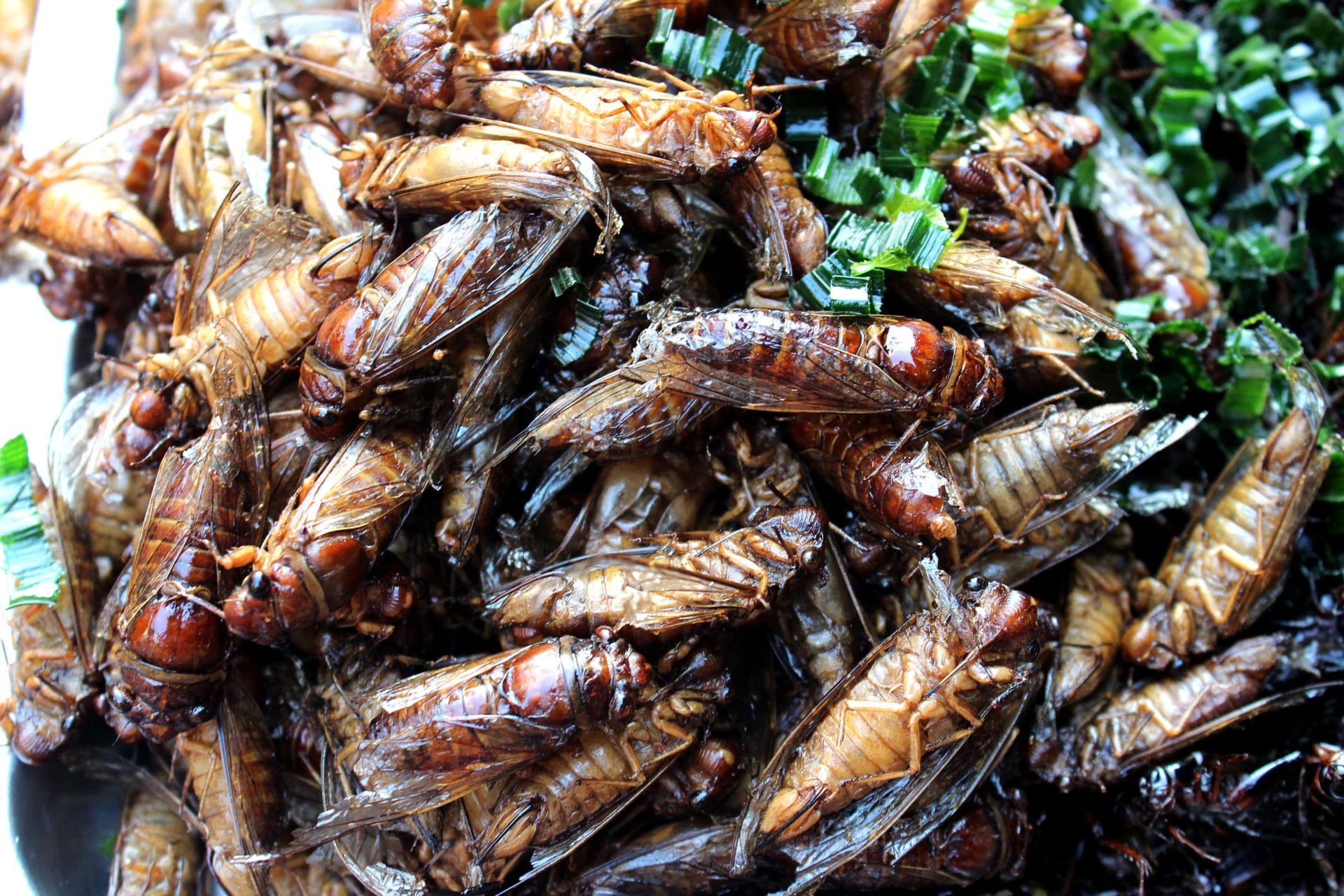
Mealworms are the larvae of the darkling beetle. Both dried and live mealworms are readily available online. Roast them in the oven and salt them like popcorn, or marinate them in ginger, garlic, and soy and finish in an Asian-style stir-fry. The European Union approved dried yellow mealworms as a novel food in 2021, which means the larvae now show up in commercially baked snacks and protein bars.
4. Scorpions
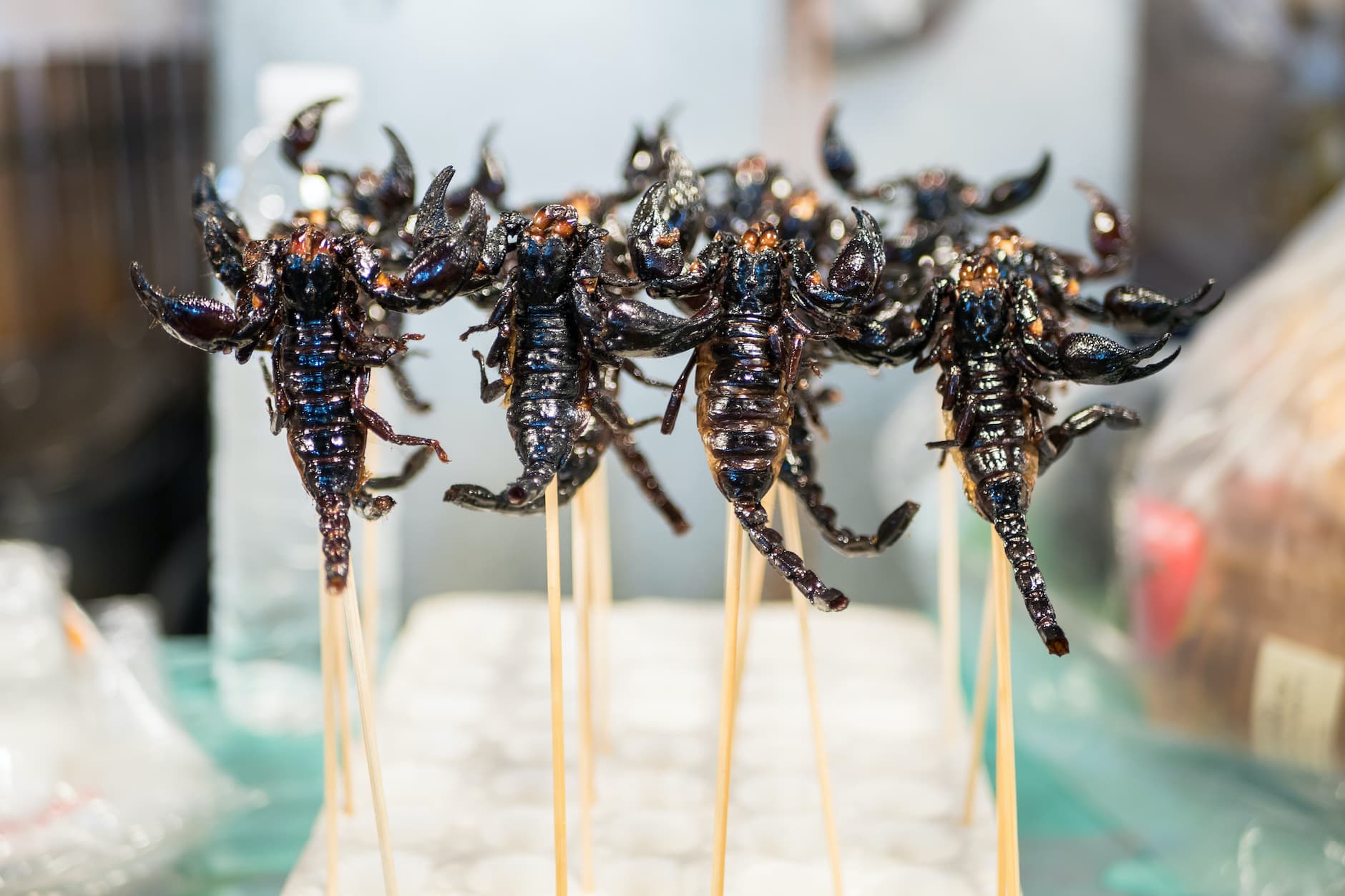
In China and Thailand, these critters are often served skewered and fried. They apparently taste similar to soft shell crab. The cooking heat neutralizes the venom in the tail, but most cooks still trim the stinger before serving. Stick to commercially farmed scorpions raised for food, not wild-caught.
5. June Bugs
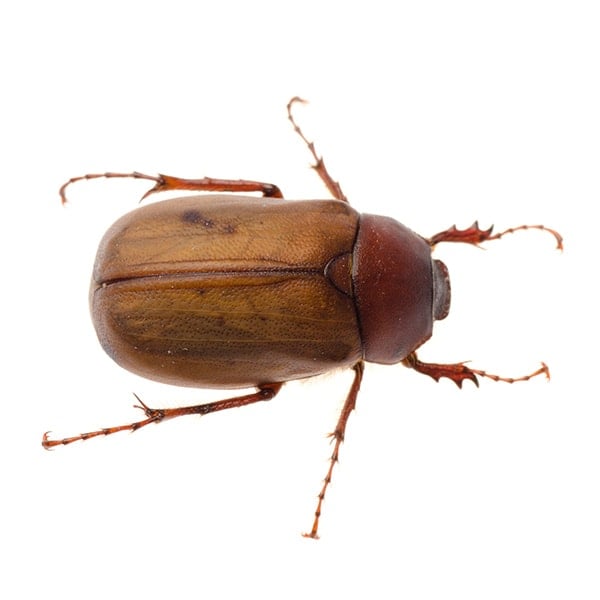
Fry in oil or butter with shallots. Or try this sauteed June bug recipe from Food52. June bugs swarm porch lights in early summer, which makes them one of the easiest edible bugs for a backyard cook to gather in volume. Catch a clean jar full at dusk, fast the bugs on greens for a day or two, and the flavor mellows.
6. Grasshoppers
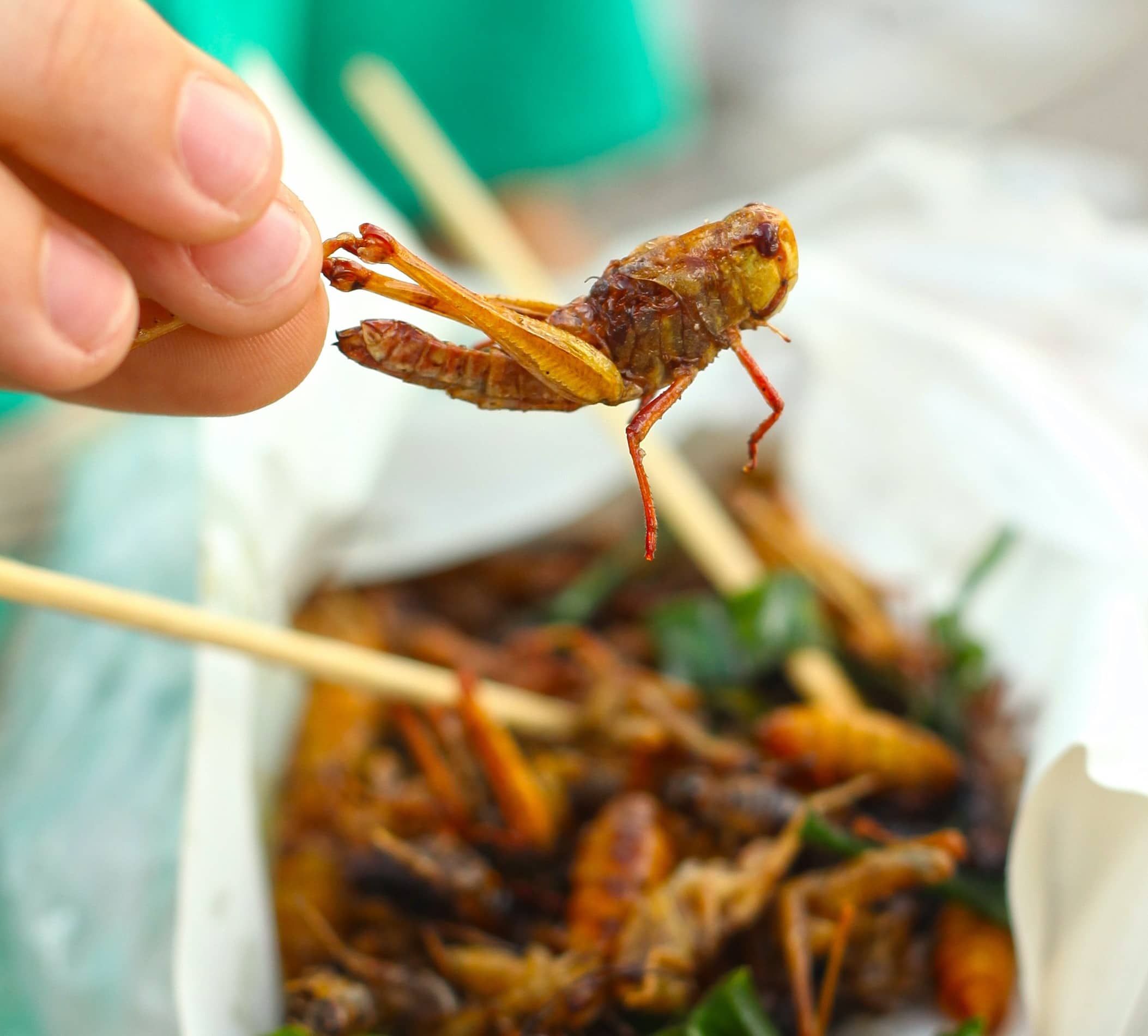
Remove the legs, skewer, and roast over coals. Great brushed with teriyaki sauce while roasting. In Oaxaca, Mexico, toasted grasshoppers (“chapulines”) have been a staple food for centuries, seasoned with lime, salt, and chili. They snap like potato chips when cooked right.
7. Ants
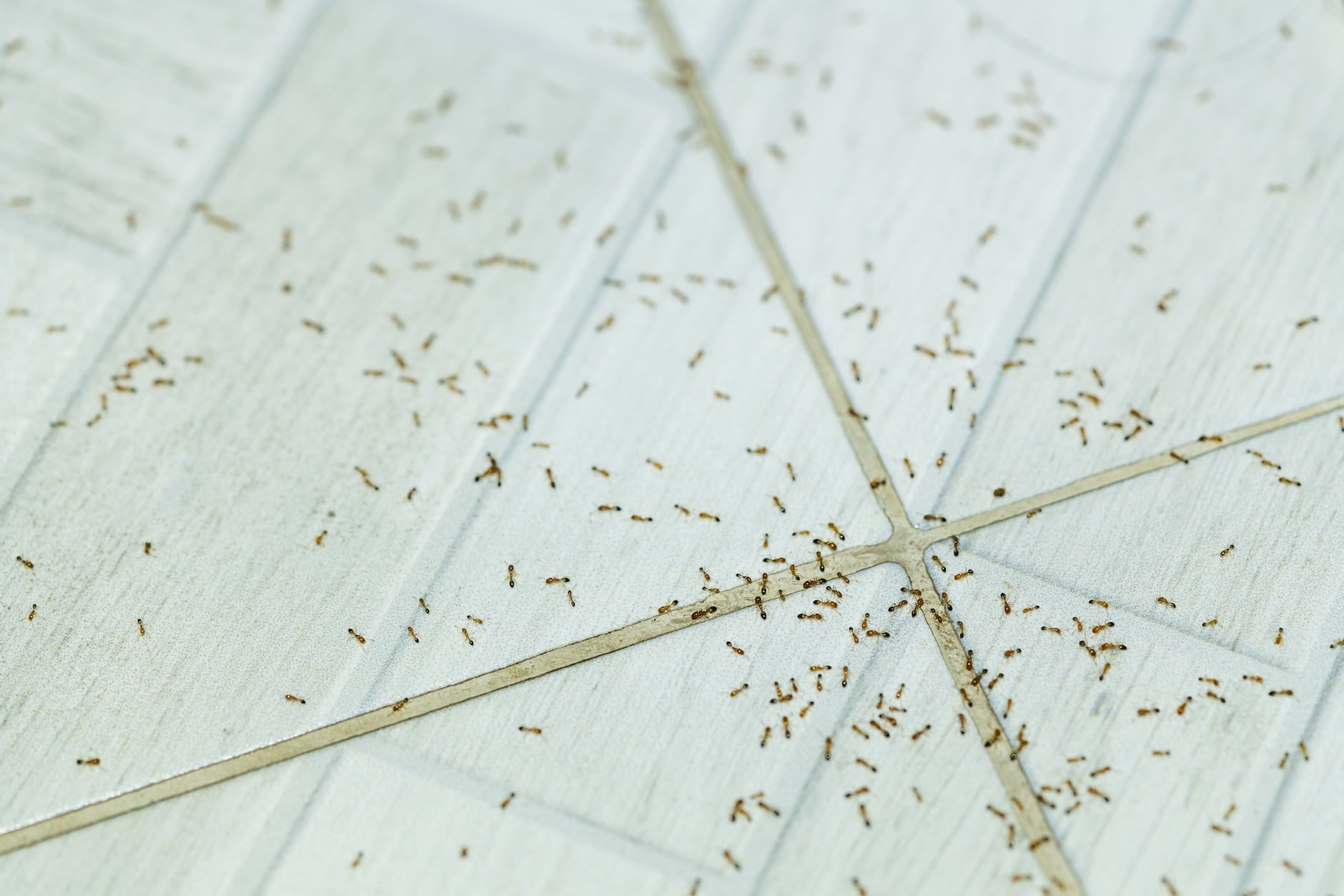
Although it takes a lot of ants to make a meal, these can be roasted in a dry pan and then added as a flavoring or crunchy topping to other dishes. Their flavor is sour, more like vinegar. Lemon ants from the Amazon are bright and citrusy, and Colombian “hormigas culonas” (big-bottomed ants) are roasted with salt as a seasonal delicacy. Skip fire ants and any ant species you cannot positively identify.
8. Wax Worms
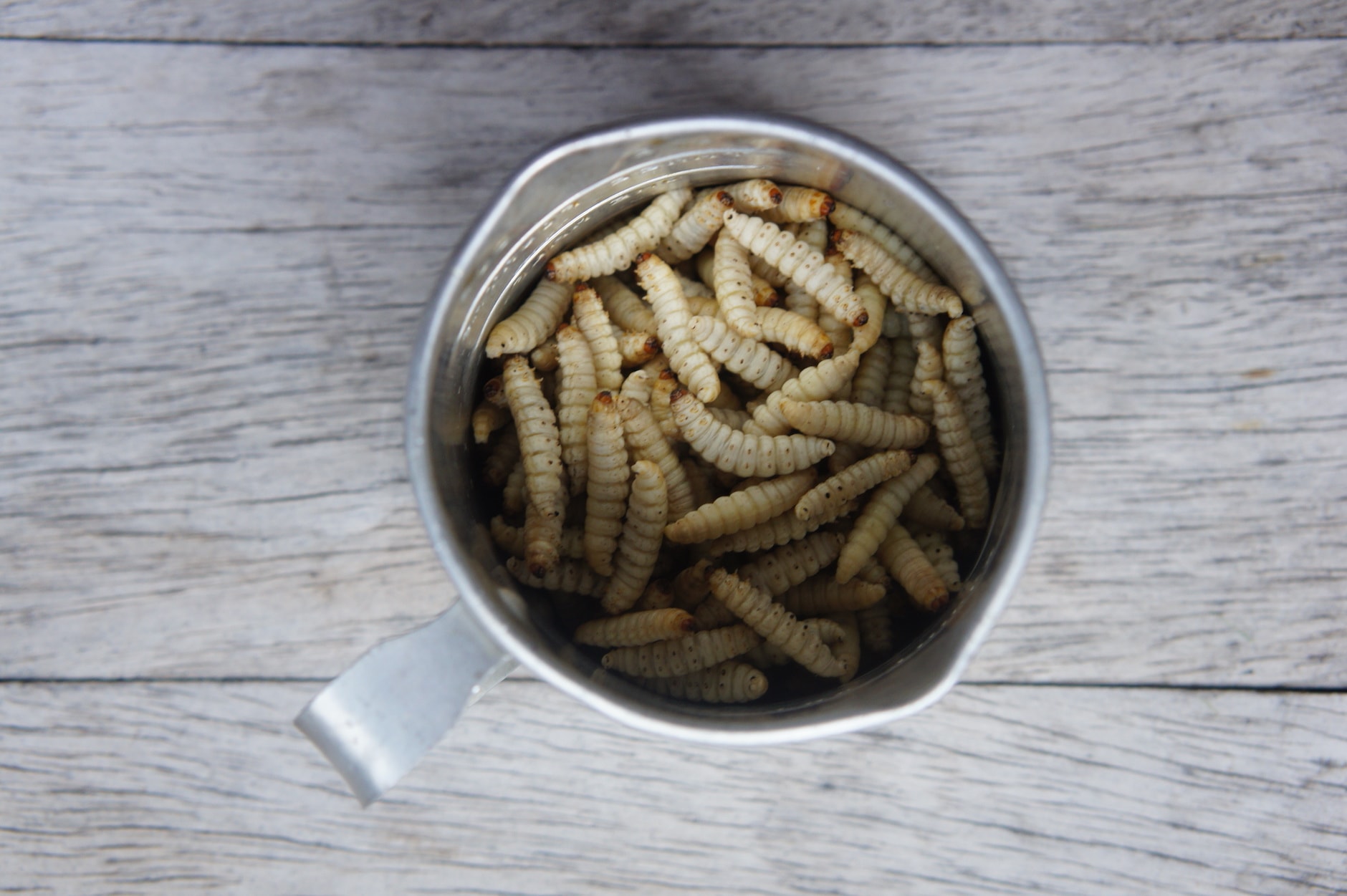
These worms are the larvae of the wax moth. Today, they are raised on farms for human consumption. They are a good source of protein but a little higher in fat than other edible insects. The flavor is somewhat like pine nuts, and they can be roasted or sauteed. Some North American chefs use them in shortbread because the fat content browns the cookie beautifully.
9. Termites
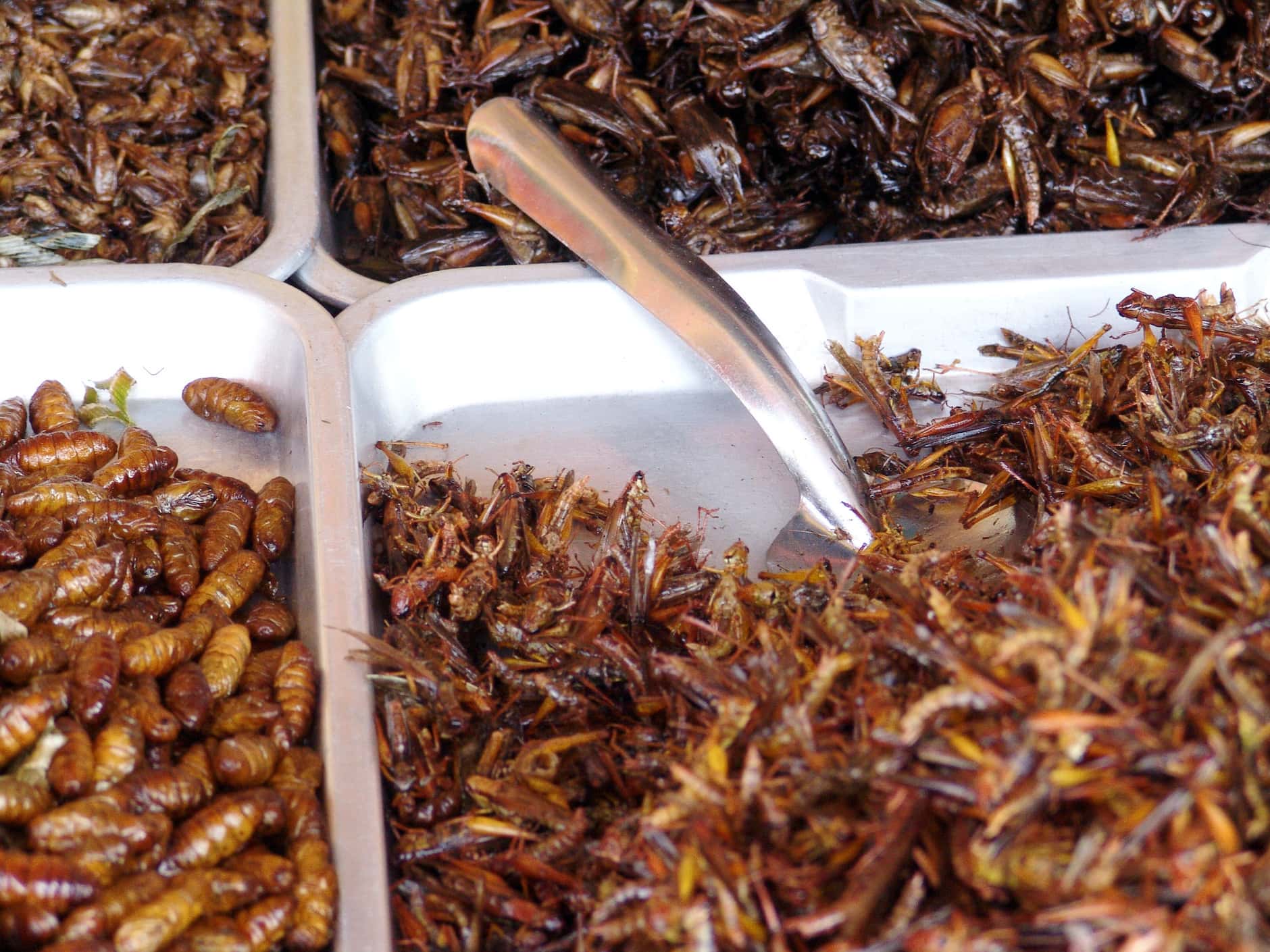
Forage swarming termites from rotten trees in the forest, but stay away from house termites. The wood-eating soldiers from a treated home foundation are not food, they are a structural problem and may carry pesticide. Roast or fry forest termites. They are said to taste a bit like carrots. In parts of central and southern Africa, swarming termites are a celebrated seasonal protein after the first rains.
10. Pill Bugs
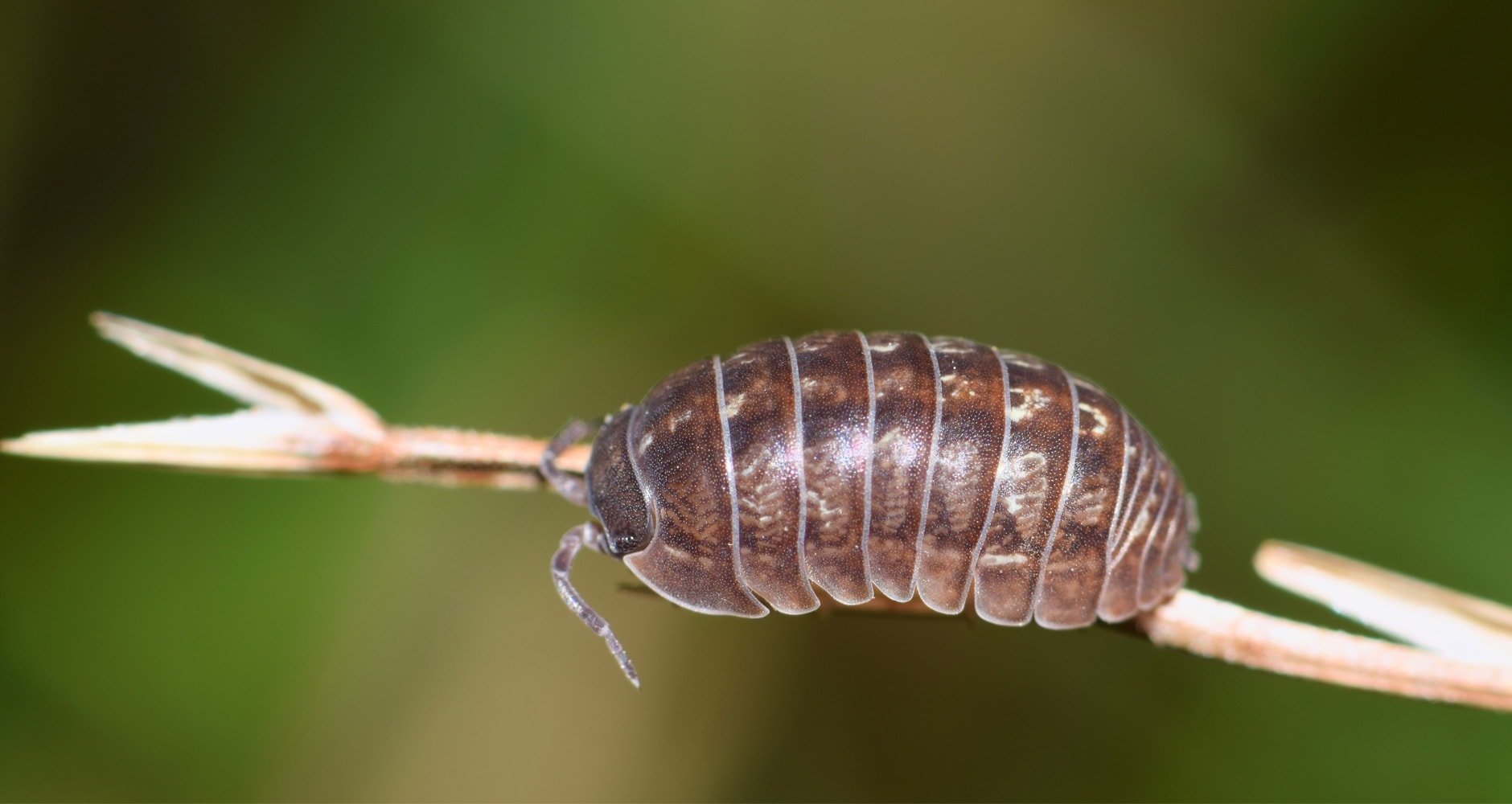
Those little roly poly bugs, some say, taste like shrimp. Boil or saute in butter. In his 1885 book Why Not Insects, Vincent Holt wrote about pill bugs, stating “I have eaten these, and found that, when chewed, a flavour is developed remarkable akin to that so much appreciated in their sea cousins. Wood-louse sauce is equal, if not distinctly superior to, shrimp.” Pill bugs are not technically insects at all, they are land crustaceans, which is why the seafood comparison keeps surfacing.
A Regional Guide to Edible Bugs in North America
Where you live shapes the species you can responsibly forage. The table below pulls the most likely candidates for the four growing zones the Farmers’ Almanac follows for its long-range forecasts. Treat this as a starting point, not a license. Local extension offices keep the most up-to-date guidance on which species are abundant and which are stressed.
For yard foragers, the easiest rule of thumb is to follow your nature-detective habits. Spend a week watching where the insects gather, what they are eating, and whether the area has any chemical history. The bugs that walk the cleanest path through your garden are the ones worth your skillet.
What the Numbers Say About Bug Nutrition
Edible bugs are not a fad protein. The FAO reports that cricket flour runs around 60 to 70 percent protein by dry weight, with respectable iron and B-12 levels and a fat profile that includes the same omega-3 and omega-6 fatty acids found in fish. Mealworms carry about 50 percent protein dry, and grasshoppers test even higher. The carbon and water footprint per pound of protein is a fraction of beef or pork.
That said, the science is honest about its limits. Long-term human nutrition studies on insect-based diets are still thin, and individual species vary widely. Use bugs the way most cultures already do, as one protein source among several, not the only one.
What Not to Eat: Bugs to Leave Alone
A short list of bugs to skip, no matter how hungry the survival podcast made you. Some of these are toxic. Some are simply too valuable to your garden to eat.
- Bees. Critical pollinators. Leave them alone. If you want to help, support local hives instead.
- Caterpillars with bright colors or spines. The colors warn you off for a reason. Many are toxic.
- Centipedes and millipedes. Both can carry irritating defensive chemicals.
- Blister beetles, ladybugs, and any beetle with bright red or orange markings. Cantharidin and similar compounds make these a hard pass.
- House termites and pantry pests. Habitat too close to chemicals.
- Spiders. Some are eaten in parts of Cambodia, but identification matters and venom is real. Not a beginner bug.
How to Cook Edible Bugs at Home
Plain method. Plain pan. The recipe below is the one most home cooks land on after a season of experimenting. It works for crickets, mealworms, grasshoppers, and June bugs.
- Clean. Rinse the bugs in cold water. Pat dry on a clean towel.
- Fast and feed. Hold the bugs in a clean container with greens or oats for 24 hours so the gut clears.
- Freeze. Freeze for at least one hour. This is the most humane dispatch and firms the texture for cooking.
- Trim. Remove wings and legs from larger species like grasshoppers, crickets, and June bugs.
- Roast or fry. Toss with a teaspoon of oil, salt, and your seasoning of choice. Dry roast at 350 F for 10 to 12 minutes, or shallow fry until crisp.
- Taste. Try a few plain before you season the rest. Cooking time and salt are the only variables that matter for most species.
Bon appetit. Not sure which to try? Have fun browsing this edible bug web site for sourcing and species notes.

Edible Bugs FAQ
Are edible bugs safe to eat?
Yes, with two caveats. First, source matters. Forage well away from pesticide-sprayed land, or buy from a farmed supplier. Second, cook them. Heat kills parasites and makes the texture much more palatable. If you have a shellfish allergy, talk to a clinician before tasting insects, because crustaceans and edible bugs share similar proteins.
What do edible bugs actually taste like?
Most of them taste nutty or shrimp-like once cooked. Crickets and mealworms land closer to roasted sunflower seeds. Cicadas, pill bugs, and wax worms read more like soft-shell crab or pine nuts. Ants are the outlier, with a bright sour flavor that works as a topping more than a main course. Seasoning carries the dish in every case.
How do I prepare edible bugs at home?
Clean, fast for 24 hours on greens or oats, freeze for at least an hour, trim wings and legs from larger species, then roast at 350 F for 10 to 12 minutes or shallow fry in oil. Salt and seasoning go on at the end. Most home cooks land on this same simple method after a season of trying recipes.
Where can I buy edible bugs in the United States or Canada?
Cricket flour, dried mealworms, and seasoned grasshoppers are sold by several North American food-grade suppliers and on major online marketplaces. For a curated catalog of edible bug species and prepared products, browse a directory like edibleinsects.com. Always confirm the supplier is rearing for human consumption, not for pet feed.
Is eating bugs really better for the environment?
The Food and Agriculture Organization of the United Nations puts the land, water, and feed footprint of farming crickets at a small fraction of beef per pound of protein delivered. The headline number is roughly 12 times less feed for crickets than cattle for the same protein. The science is still developing, but the direction of the data is clear.
Which bugs should I avoid eating?
Skip anything with bright yellow, red, or orange markings, plus caterpillars with spines, centipedes, millipedes, blister beetles, ladybugs, and bees. House termites, pantry pests, and any insect from a chemically treated area are also off the list. When in doubt, leave it on the ground.
Are edible bugs a good protein source for kids?
Many cultures introduce insects to children as part of an everyday diet. For families in the US and Canada, the Almanac suggests starting with farmed, fully cooked crickets or mealworms in a familiar form like a flour-based snack, and waiting on whole-insect dishes until kids are old enough to consent. Do what is best for your child.
Go ahead. We dare you to eat a bug.


Edward Higgins
Edward Higgins is a freelance writer, artist, home chef, and avid fly fisherman who lives outside of Portland, Maine. He studied at Skidmore College and Harvard University. His article 10 Best Edible Insects appears in the 2020 Farmers' Almanac.
- Edward Higgins

- Edward Higgins
- Edward Higgins
- Edward Higgins





The problem with articles like this is, they mention “protein” like all protein is equal.
IT IS NOT!!!
The body’s ability to use protein is based on the amount of essential amino acids in the source.
There are 9 essential amino acids the human body cannot metabolize, and unless these 9 are present in the correct amount, those unbalanced protein sources are simply excreted. The body can use a small amount of that protein as energy, but nowhere close to that of animal fat.
Eggs have a metabolizable index of 100.
All other sources are indexed based on that 100 index of eggs.
Crickets, by the way, have an index between 55 and 72 depending on the type or breed.
OMG THESE ARE SO YUMMY YUMMY YUM YUM IN MY TUMMY
The most appetizing way to eat the insects would be to put them in a blender with spices and make a sauce to pour over and flavor other wild foods, such as wild greens, etc. You would get the protein without the gagging.
Great idea Betty! Let us know how it goes :)!
I am a elementary student at Hirsch..
mrs mize
Cool! This helped me a lot
Good to know for when the SHTF.. Knowledge is power. Thank Farmers Almanac!
Remember, for those of you who say “GROSS.” You don’t have to chew them and savor the flavor or feel the texture. Steam/Boil/Bake them, cut them into small pieces, and swallow them like vitamin pills.
I work for an edible insect company Entosense located in Lewiston, Maine. We sell most of the bugs on the list.They are raised for human consumption. Check out edibleinsects.com for more information on entomophagy (eating bugs).
Wow! We ate bugs all the time when I was growing up in the Philippines. Crickets are the best, you can sautee’ them with tomatoes, garlic and onions, yumm! Cicada, well we did not really eat those but I used to play with my friends and we did eat them, they were actually pretty good, they weren’t really on the menu though. I am really happy to see them on this list:)