

12 Uses for Castile Soap: All-Purpose Cleaner, Face Wash, Laundry, and Pest Spray
Looking for one soap that does it all? Castile soap may be your answer. See why this may be your new go-to soap!
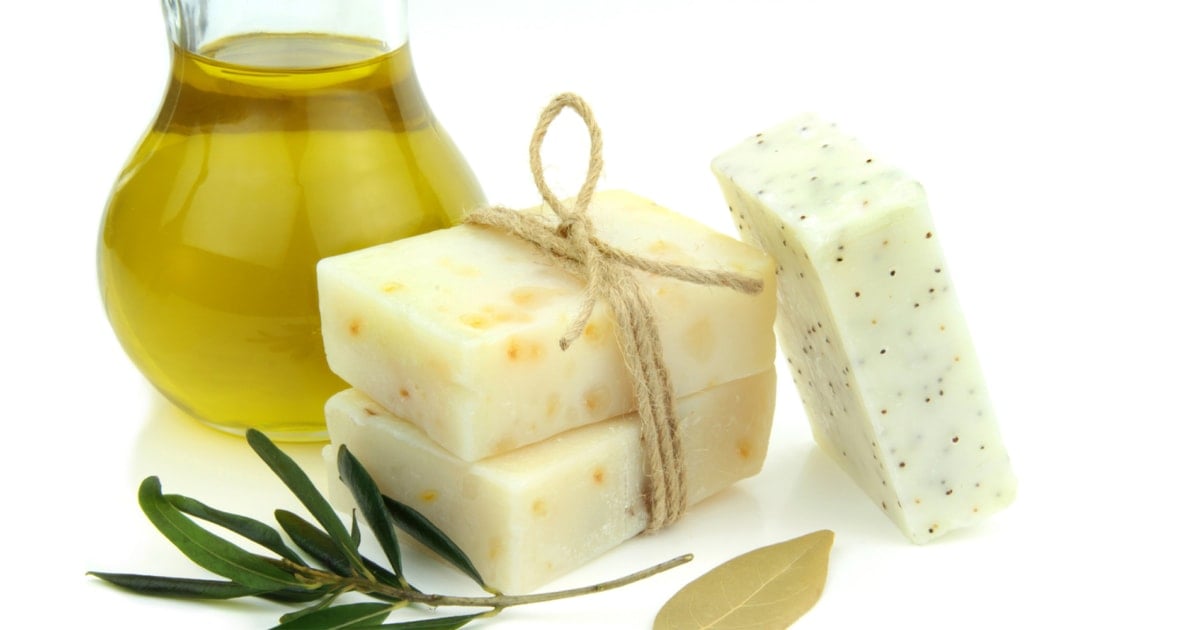
Quick Reference: Castile Soap
- What it is: traditional olive-oil based soap (originally from Castile, Spain). Modern castile soaps use olive, coconut, hemp, or other plant oils.
- Top brand: Dr. Bronner’s Pure Castile (Magic Soap).
- Universal dilution rule: 1:10 with water for most cleaning uses. 1:40 for face wash. Undiluted on tough grease.
- NEVER combine with vinegar. They cancel each other out and leave a sticky residue.
- Tool: the Almanac’s cream of tartar uses.
On this page
Related Almanac guides
Sources cited in this guide
Castile soap is the closest thing to a universal cleaner in a typical household. One bottle of Dr. Bronner’s or similar pure castile soap can replace dish detergent, laundry detergent, hand soap, shampoo, body wash, floor cleaner, and several other specialty products. This guide is the 12 most-used applications, the right dilution for each, and the one critical mistake to avoid.
Why It Works (the Pure Plant-Oil Recipe)
Per Britannica’s soap history and Dr. Bronner’s company resources.
- Origin. Traditional olive-oil based soap from Castile, Spain, dating to medieval times.
- Pure plant oil. No animal fats, no synthetic surfactants, no fragrances unless added separately. Biodegradable.
- Concentrated. Castile soap is sold in concentrated form. Most applications dilute heavily; one bottle lasts months.
- Gentle. Less stripping than synthetic detergents, suitable for sensitive skin.
- The vinegar caveat. Castile soap is alkaline; vinegar is acidic. Combining them cancels both into water plus salt plus sticky residue. Never mix in the same cleaning product.
Universal Dilution Chart
Standard dilution rates.
- All-purpose spray cleaner: 1 tablespoon soap per quart of water.
- Floor cleaner: 1/4 cup soap per gallon of water.
- Hand soap (refillable foaming dispenser): 1 part soap to 3 parts water.
- Dish soap (sink): 1 tablespoon per sink.
- Laundry: 1/3 cup per large load. Add 1/2 cup white vinegar to rinse cycle (not wash cycle).
- Face wash: 1 part soap to 40 parts water.
- Pest spray: 1 tablespoon per quart water + 1 teaspoon vegetable oil.
12 Castile Soap Uses (Detail)
Below are the original 12 detailed uses with dilution rates and method notes.
1. All-Purpose Household Cleaner
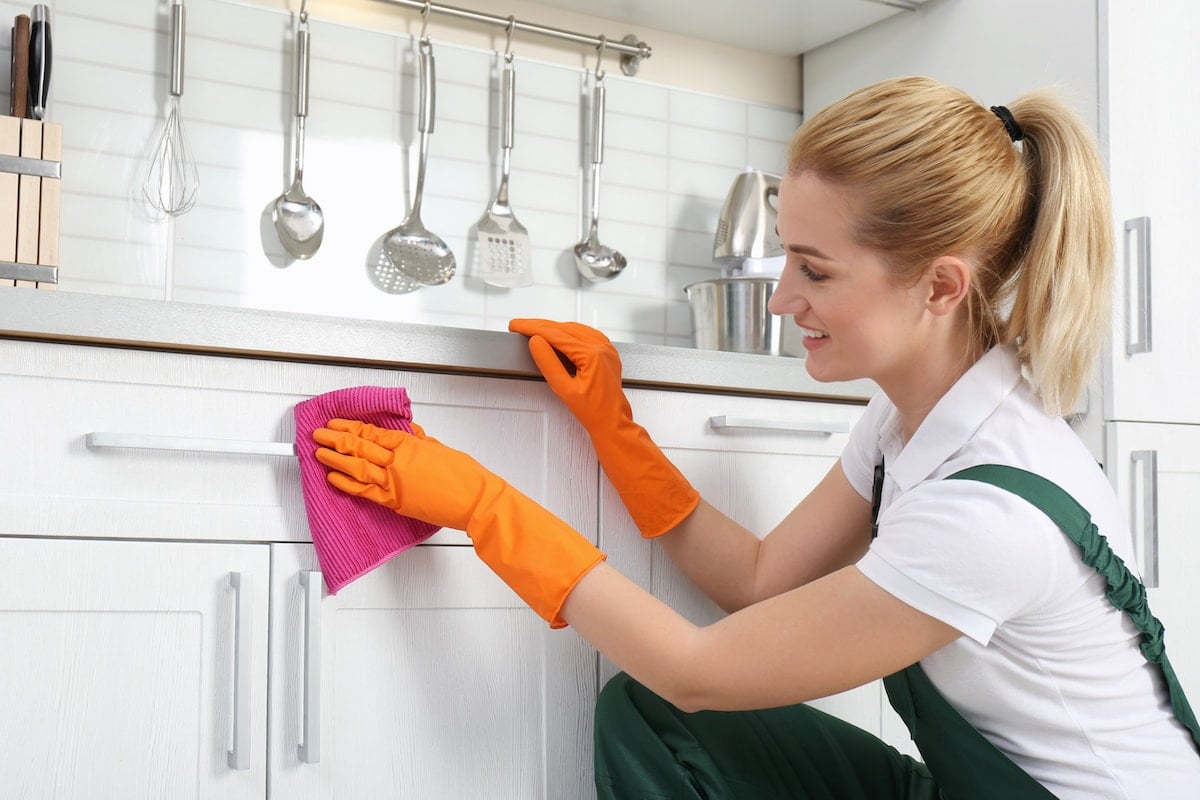
Use Castile soap to clean regular household surfaces. Mix with water in a spray bottle and spray on surfaces such as kitchen countertops, bathroom tubs, tile floors, and the bathroom sink. For light cleaning mix 1/4 cup of Castile soap into a quart of water. For heavy-duty grease-dissolving jobs use 1:1 or full strength to get the job done.
2. Makes A Great Hand Soap
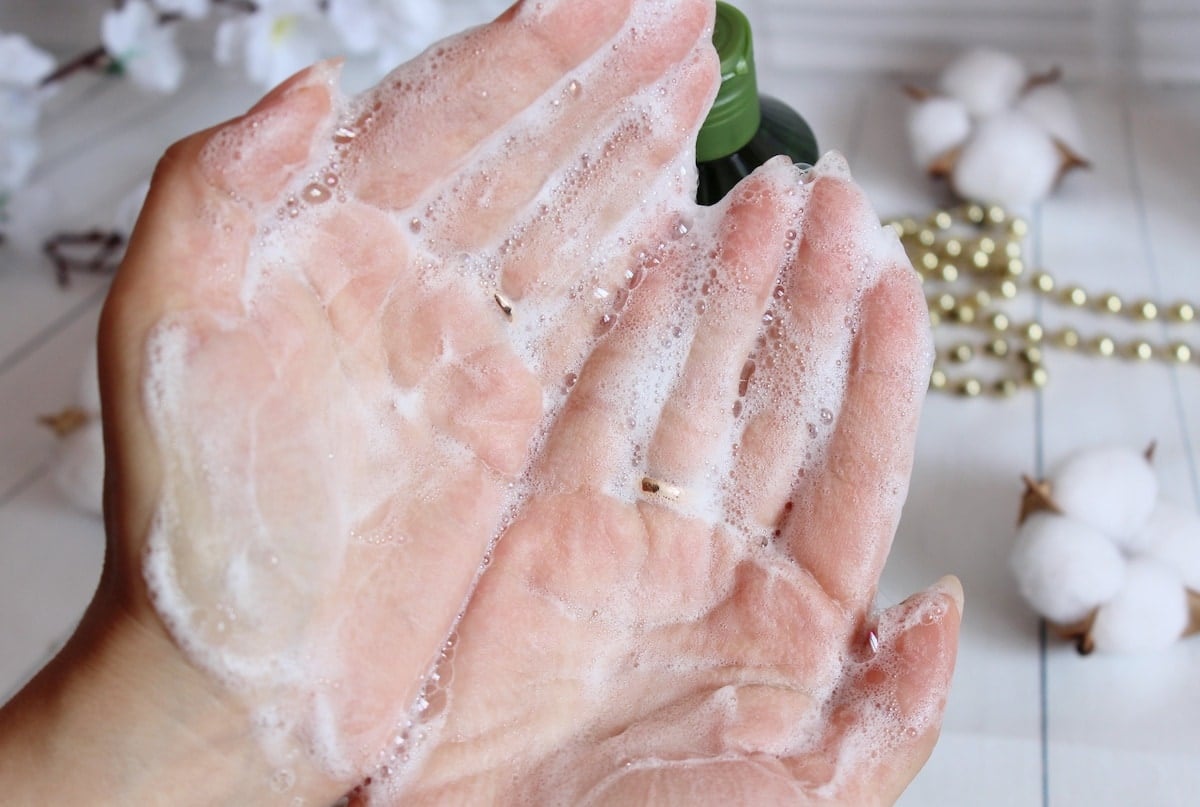
Add a squirt of Castile soap to a pump dispenser and fill the rest with water. For added scent and antibacterial properties try adding a dozen drops of essential oils such as cinnamon, lemon, lavender, tea tree, orange, or oregano. The addition of fractionated coconut oil, or “liquid coconut oil,” will help keep your hands smooth.
3. Dish Soap
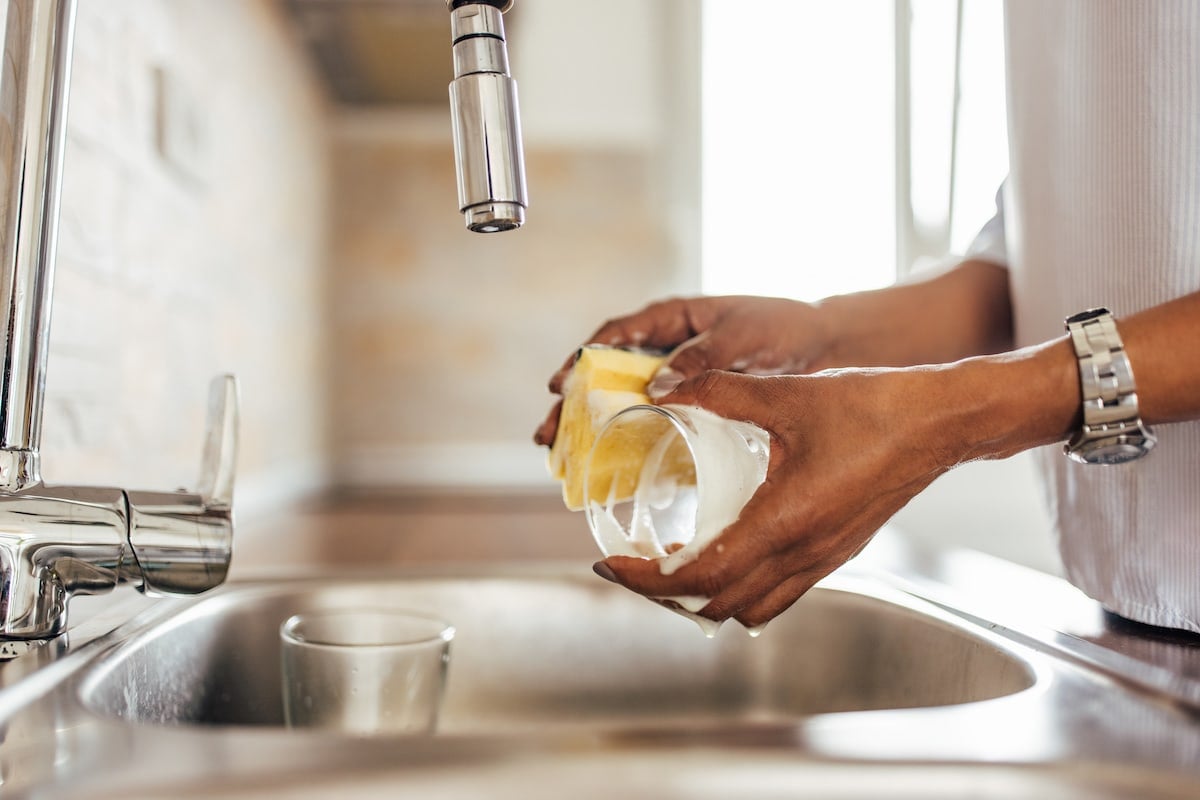
Mix 1/2 cup Castile soap with 1/2 cup water in a squeeze bottle. Shake, and you have a high-powered dish soap.
4. Powerful Laundry Detergent

Castile soap is a gentle alternative for washing your clothes. It even works well for baby clothes and cloth diapers. For top-loaders use 1/4 cup per wash and 1/8 cup for front loaders. Adding a dash of baking soda is also helpful for extra cleaning power.
5. Face Wash
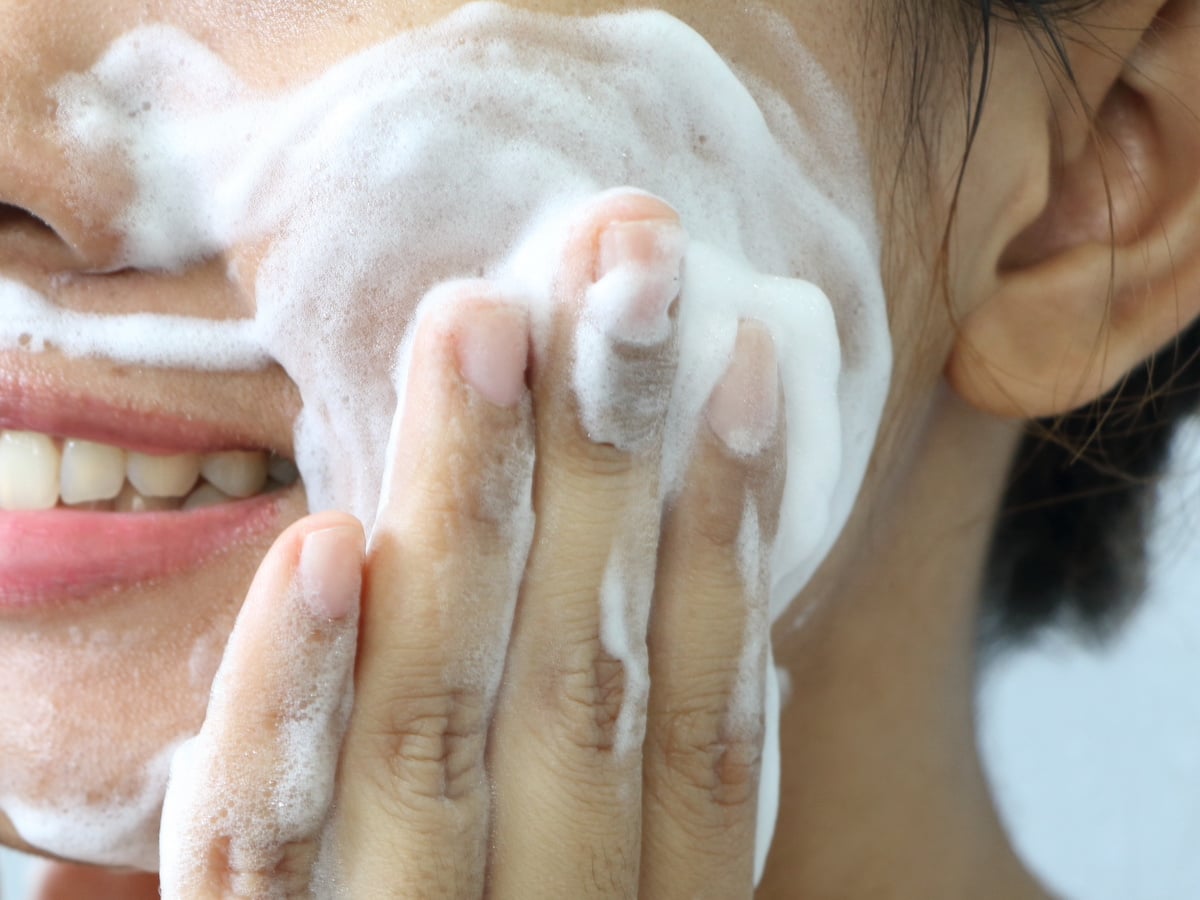
Castile soap works well as a facial cleanser. Add your favorite Castile soap with distilled water in a 1:4 ratio in a foaming soap bottle.
6. Shaving Cream
Apply directly to skin or dilute with water to use as a shaving lubricant.
7. Foot Soak

Place 1 tablespoon of Castile soap to your warm foot bath and let them soak. Peppermint is great for cracked heels, while tea tree oil helps treat fungal infections.
8. Floor Cleaner
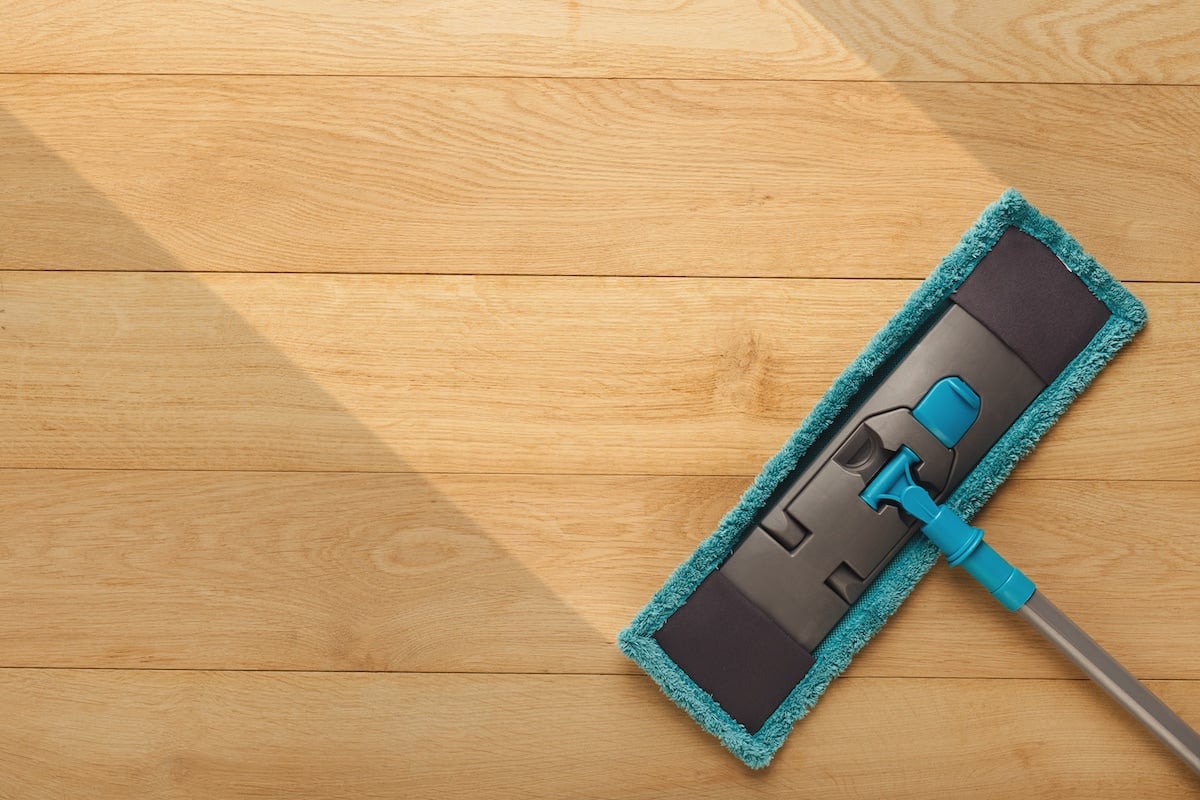
Castile soap is a great alternative cleaner to mop your floors with and is even safe for your hardwood. Mix 1/2 cup of Castile soap with three gallons of warm water in a bucket and use your usual floor mop. To clean your carpets: blend 1/4 cup of Castile soap with 1 cup water until it creates a stiff foam. Slather on carpet spills for an eco-friendly and non-toxic carpet cleaner. Try a variety with a scent, like lemon or orange, to give your whole house a fresh smell.
9. Toilet Bowl Cleaner
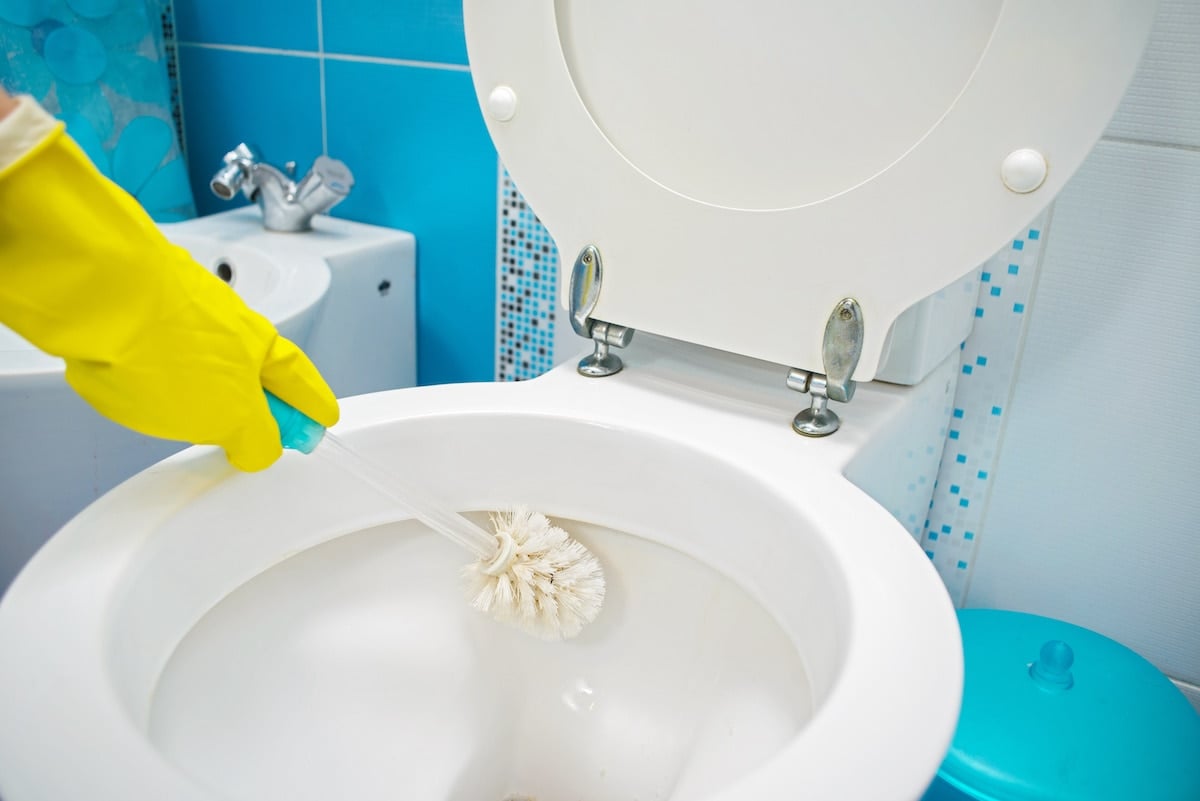
This “magic soap” is tough enough for the dirtiest of jobs. Squirt a few drops into your toilet, let it sit for a few minutes, and then scrub it clean.
10. Fruit and Veggie Wash
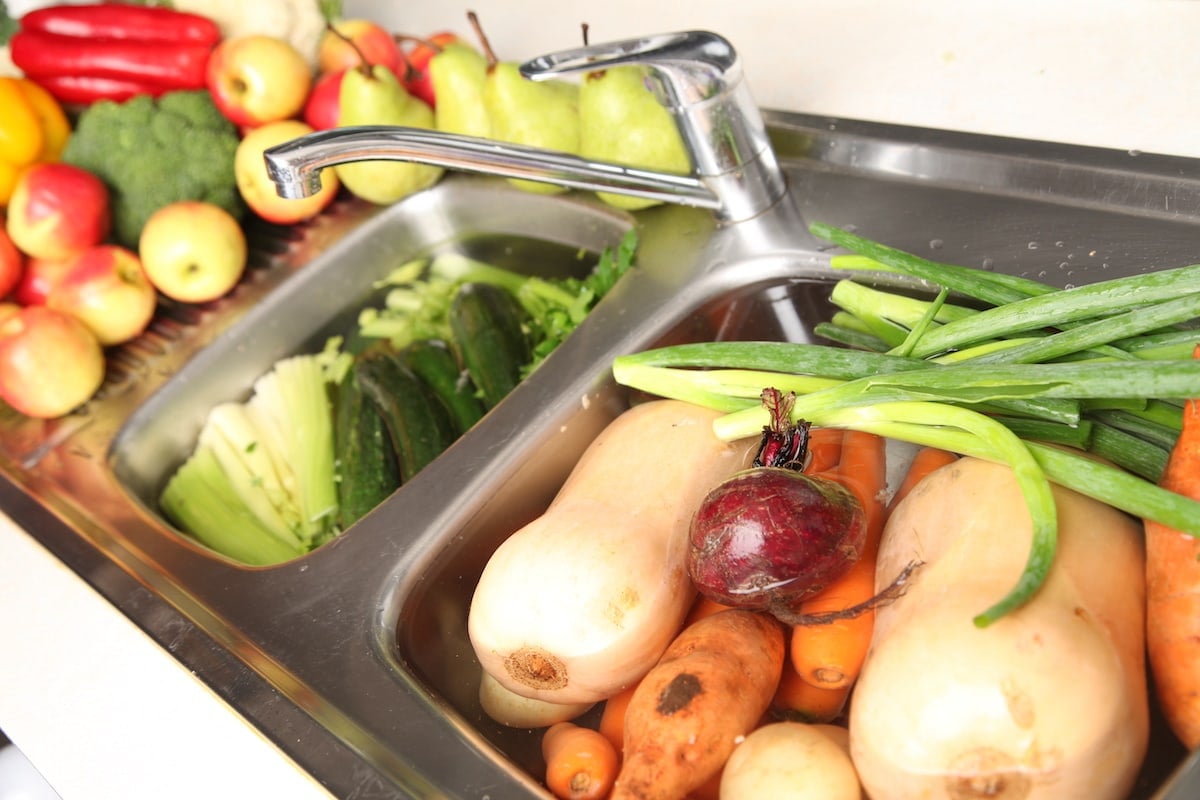
Add a few drops of liquid Castile soap into a bowl or sink full of water. Let your fruits or veggies soak in the soap mixture for a few minutes and then scrub/rinse them off. Alternatively, add this mixture to a squirt bottle to keep on hand for a quick clean of veggies.
11. Dog Shampoo
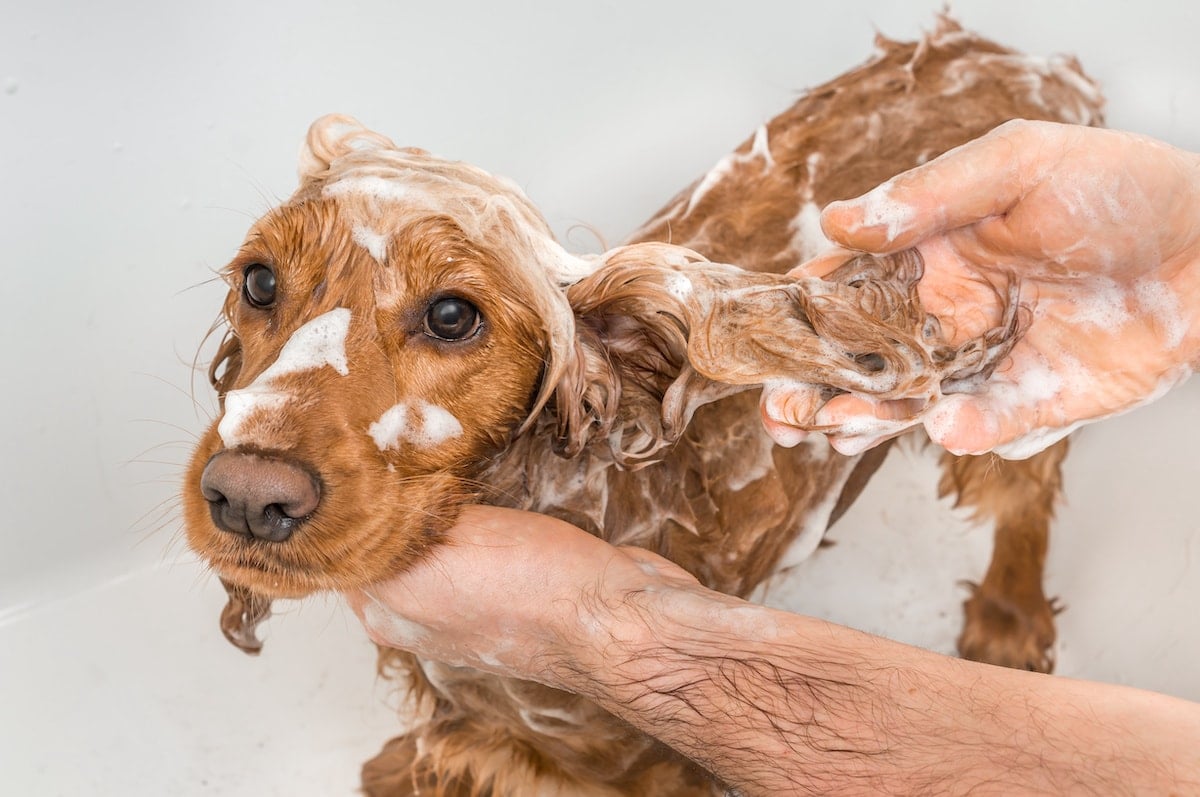
If you can wash yourself with it, why not wash your four-legged family member with it as well? Mix with water 2:1 or use it undiluted from the bottle and lather up your furry friend.
12. Pest Spray
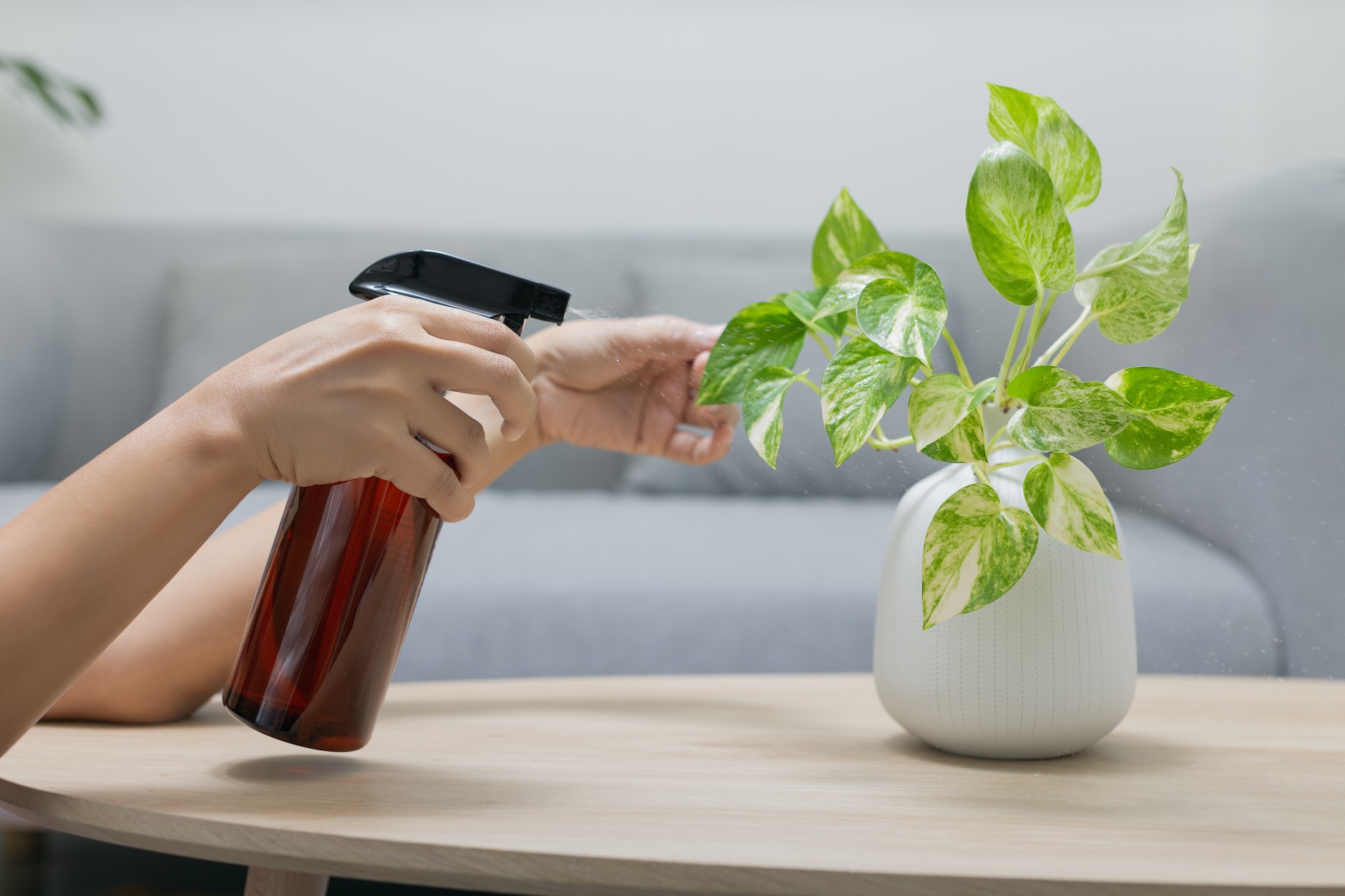
Use Castile soap to keep pests away from indoor and outdoor plants. Add 1 tablespoon of Castile soap to 1 gallon of water and spray on plants to keep them safe from pesky insects. Castile soap is also effective at keeping away ants. Like diatomaceous earth, Castile soap dissolves the waxy coating on the outside of the ant. Simply spray the soap and water mix along cracks or where you notice ants entering your home.
Note: Never mix Castile soap with lemon juice or vinegar to clean. It can leave a white residue on surfaces. Additionally, it is not safe for color-treated hair.

Castile Soap FAQ
Is castile soap really safe for everything?
Generally yes for the 12 uses described, with one major caveat: never combine castile soap with vinegar. The alkaline soap and acidic vinegar cancel each other out, producing sticky residue and no cleaning action. Use one or the other, not both at the same time.
What is the difference between castile soap and regular soap?
Castile soap is made from plant oils only (olive, coconut, hemp). Most commercial ‘soap’ bars are actually detergents or contain animal fats, synthetic surfactants, and added fragrances. Pure castile soap is biodegradable and gentler than typical bath products.
Can you use castile soap on plants?
Yes for pest control. Dilute 1 tablespoon per quart of water with 1 teaspoon vegetable oil. Spray on aphids, spider mites, and other soft-bodied pests. Test on a small area first; some plants react to direct soap spray.
Can you use castile soap as shampoo?
Yes but with caveats. Pure castile soap is alkaline and can leave hair feeling stripped or coated. Best practice: dilute heavily (1:5 with water) and follow with an apple cider vinegar rinse (1:10 with water) to restore hair pH.
What is the best castile soap brand?
Dr. Bronner’s Pure Castile is the most widely available and most well-known. Other reputable brands include Kirk’s Original Coco Castile and Sierra Cocoa & Hemp. All major brands use pure plant oils and are biodegradable.


Natalie LaVolpe
Natalie LaVolpe is a freelance writer and former special education teacher. She is dedicated to healthy living through body and mind. She currently resides on Long Island, New York, with her husband, children, and dog.
- Natalie LaVolpe

- Natalie LaVolpe
- Natalie LaVolpe
- Natalie LaVolpe




The picture of the toddler at the dryer is scary. No child should be introduced to laundry appliances. Crawling inside is deadly.
This is very interesting. I have been using Cove unscented castile soap for few months now and I can say that castile soap is indeed a magic soap. I actually used it for laundry, cleaning the kitchen sink and floor and making my DIY face mask and insecticidal soap.
Interesting read on the benefits of castile soaps and why one should start using Castile Soaps…
Did I read that the soap is “chemical free”? Nothing is “chemical free”. Nothing. It may not have chemicals other than the bare minimum to create soap, but not “chemical free”. A coconut is made of dozens of chemicals like fats, minerals, vitamins and proteins.
Unless the message intended was “artificial chemicals” which is also a vague statement.
Always wanted to make my very on soap, what book would you recommend I read to get the knowledge I need to make sum soap to be proud of? Thank you. LJ
Hi LJ, we aren’t familiar with any good soap making books, but you could research online and see which has gotten the best reviews. Good luck!
I picked up a large bottle of Castile soap with Peppermint Oil a few weeks ago at Costco, and have been using it as a general household cleaner. Now let me tell you . . . SPIDERS do NOT LIKE that peppermint oil ! They start running out of crooks and crannies like crazy ! Not only am I getting a good, yet mild, cleaning agent, but creepy-crawly- critters scatter ! Oh yeah . . . I’m sold !
Castile soap has been the preferred bath soap for expensive race horses for many years. Their coats are always shiny, and healthy.
It’s an AMAZING makeup brush cleaner! I’ve tried everything from shampoo to actual makeup brush cleaner and this beats everything.
Castile soap is great, but if you have hard water or water with additives, then Castile contributes to soap scum.
I use the following recipe for foaming hand soap: 3/8 cup liquid Castile soap, 1/4 cup glycerin, 16 oz distilled water, essential oils optional. I pour this into a foaming soap dispenser.
I also use Kirk’s Castile bar soap (now available in unscented) with my laundry. 1 tbsp grated soap, 1 tbsp borax, 1 tbsp washing soda (not baking soda). But I don’t usually follow the recipe. I just keep a wooden-handled cheese grater by the washer and scrape about 30 times for a large load.
#7. “heel” not “heal”
Thanks Gale! Fixed it!