

10 Natural Ways to Help Manage a Fever (and the Red-Flag Symptoms to See a Doctor)
Flu season can mean fevers, which are no fun. Try these home remedies to naturally treat a fever to keep you comfortable and get you back on your feet fast.
Quick Reference: Natural Fever Care
- Normal body temperature: 97 to 99 F (36 to 37.2 C). Fever generally starts at 100.4 F (38 C) adult.
- Top 3 supportive measures: hydration, rest, lukewarm (NOT cold) sponge baths.
- Herbal traditions: elderberry, ginger, yarrow, peppermint tea.
- Red flags (call doctor): fever over 103 F adult, stiff neck, severe headache, breathing difficulty, confusion, infant fever any duration.
- This is supportive care, not a substitute for medical treatment.
On this page
Related Almanac guides
Sources cited in this guide
A fever is the body’s natural immune response, not a disease in itself. For most adult fevers under 103 F, the medical consensus per Mayo Clinic and CDC is supportive care rather than aggressive temperature reduction. This guide is 10 natural ways to help your body manage a fever, the herbal traditions that have stood up to modern research, and the red-flag symptoms that mean you need a doctor, not herbal tea.
Why Fever Is Not Always Bad
Per CDC and Mayo Clinic fever guidance.
- Immune response. Fever raises body temperature to a range that inhibits viral and bacterial replication.
- White blood cell activity. Many immune cells work more efficiently at slightly elevated temperatures.
- Lowering a low fever can prolong illness. Per multiple studies, suppressing low-grade fever (under 101 F) with medication can extend the duration of viral illness.
- The line. Adults: supportive care under 103 F; medical attention above 103 F or with red-flag symptoms. Infants under 3 months: ANY fever is a medical event.
The Red-Flag Symptoms (Get Medical Care)
Per CDC and Mayo Clinic guidance.
- Adult fever above 103 F (39.4 C) or any fever lasting more than 3 days.
- Severe headache and stiff neck. Possible meningitis. Emergency care.
- Difficulty breathing or chest pain. Possible pneumonia or pulmonary issue. Emergency care.
- Confusion, drowsiness, or seizure. Always an emergency.
- Infant under 3 months with any fever. Always call pediatrician immediately.
- Recent travel to malaria or dengue regions. Mention this to your provider.
10 Natural Fever Approaches + Red Flags (Detail)
Below are the original detailed sections covering the 10 natural approaches and the fever red flags to watch for.
10 Natural Ways To Treat A Fever

1..Stay Hydrated: Rule #1 is to stay properly hydrated. Dehydration can happen easily, particularly with babies and young children. Often you will not have an appetite for food with a fever, as your body is busy using its energy to fight the illness and doesn’t want to expend it to digest food. There is no need to force your body to eat if you have no appetite, but keep up with the liquids. Try eating steamed vegetables, soups and, broths if possible to stay nourished. Drink plenty of water and herbal teas. Coconut water is a good choice to add electrolytes to your system. If you are too ill to eat or drink, try sucking on ice chips or ice pops.

2. Get Some Rest! Sleep is the body’s most powerful natural method for recovery from illness. In fact, lack of sleep can even make you sick. Be sure to get plenty of sleep to allow your body to use the energy it has to fight the illness. This is the perfect time to use those sick days and to keep your kids home from school. Extra sleep will ensure a quicker recovery, while also preventing spreading something if you happen to be contagious.
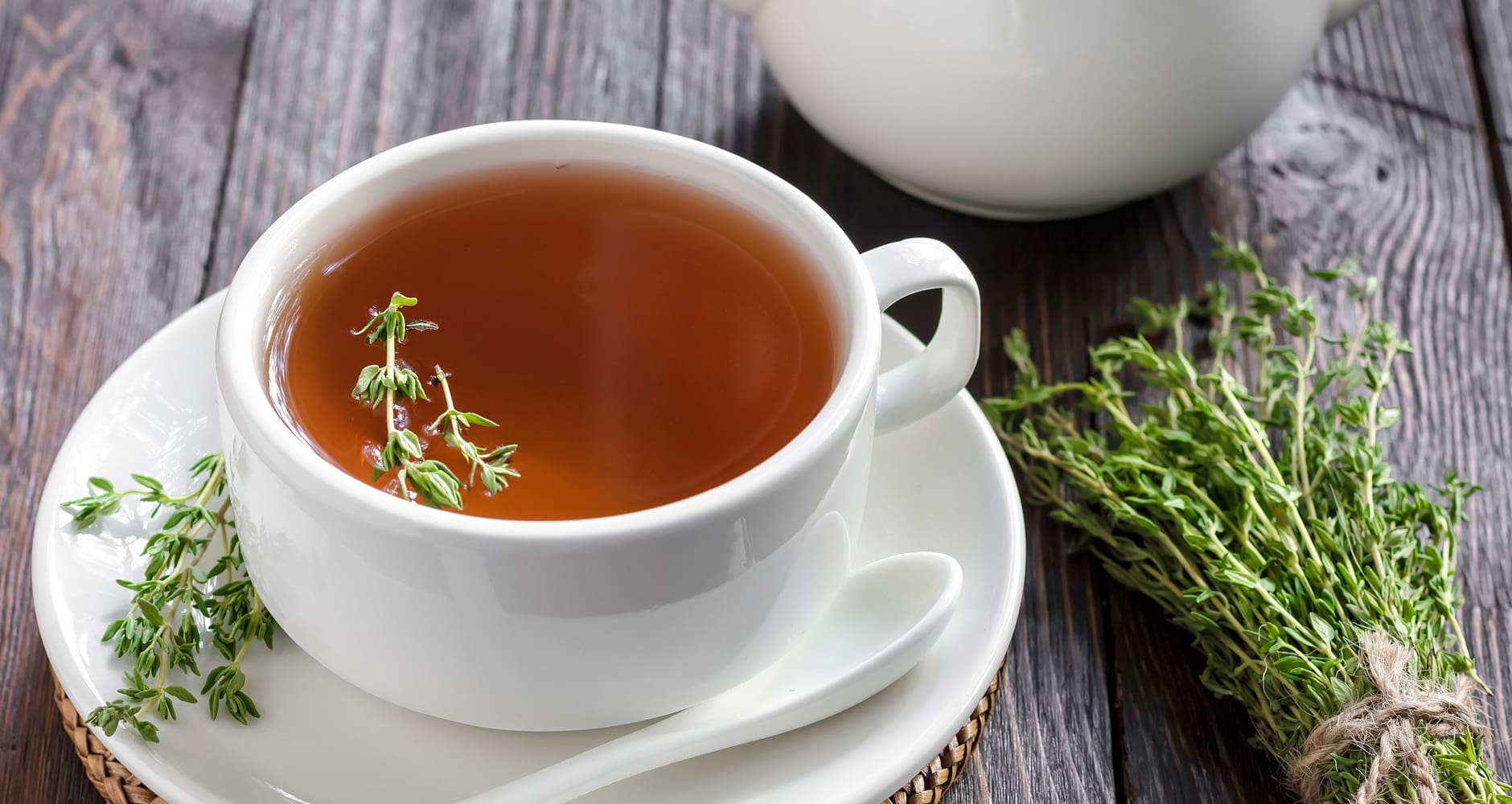
3. Drink Herbal Teas: Herbal teas are a great choice in aiding a fever. Not only do they help keep you hydrated, but they can produce perspiration while also strengthening your immune system to help you get better faster. Elderflowers, catnip (gentle choice for children), yarrow, white willow bark, Echinacea, and lemon balm are all known to assist in the treatment of fevers. Lemon juice and raw honey can be added to the tea for an extra boost of vitamin C (but never give honey to a child under one year of age).
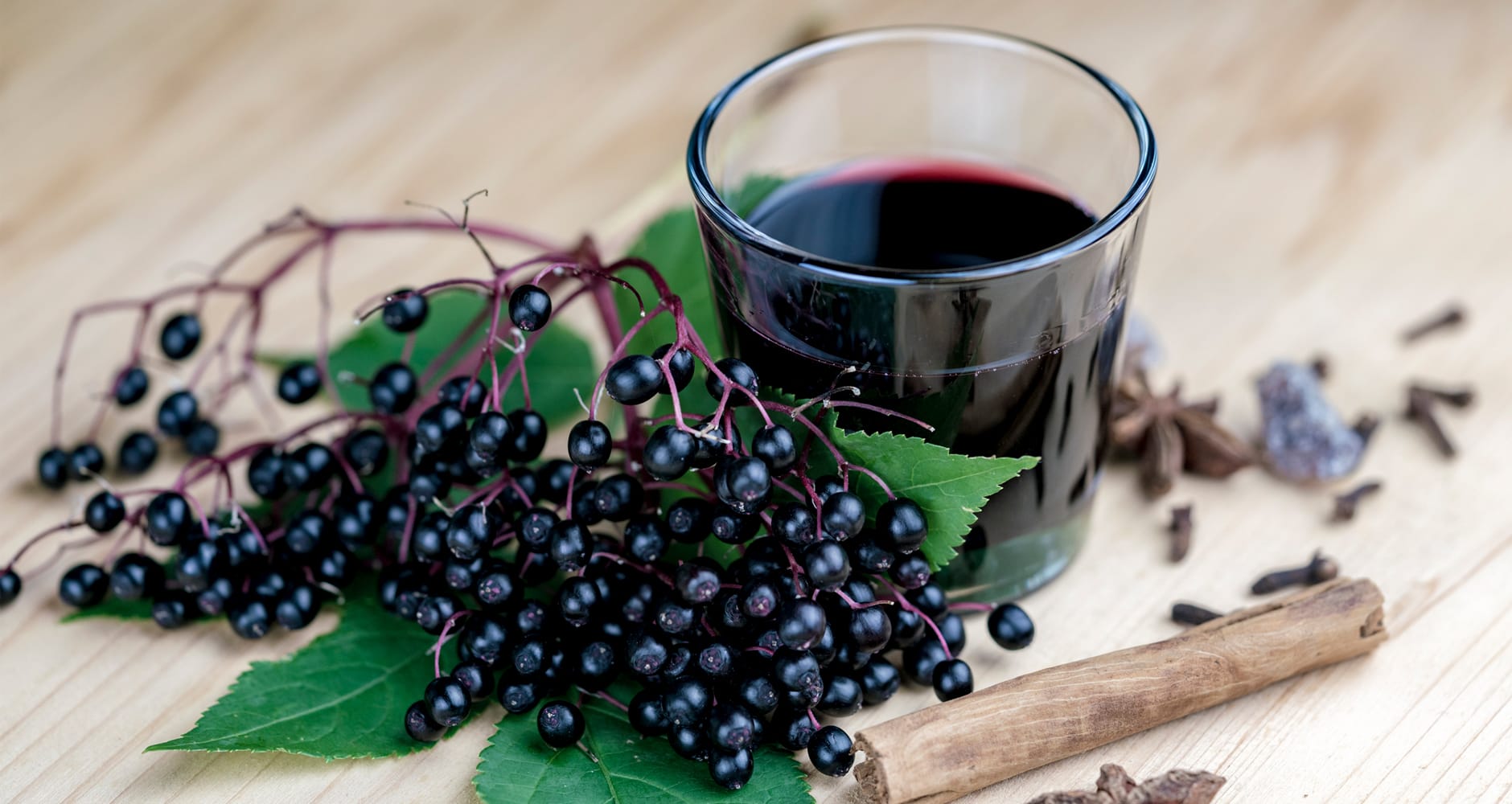
4. Boost Your Immunity: Assist your body in fighting the illness: echinacea, elderberry syrup, Vitamin C (rose hips are a good source) and colloidal silver are all good options to have on hand to give your immune system a helping hand.
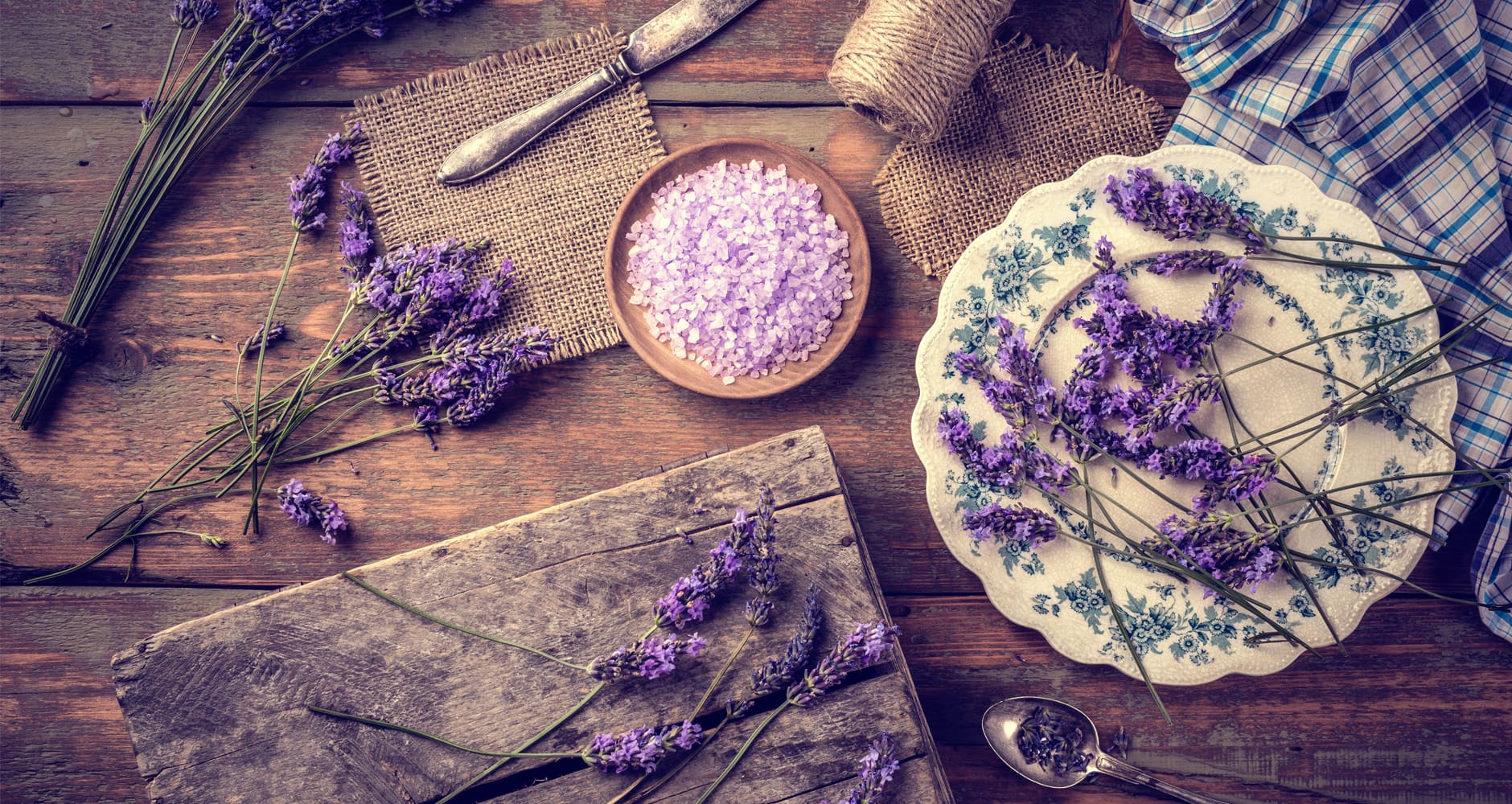
5. Try An Epsom Salt Bath: Epsom salt provides the body with hydration and magnesium while also drawing toxins from your body. Add 2 cups of Epsom salts to a warm (not cold) bath and soak (10-15 minutes for children and 20-30 minutes for adults).
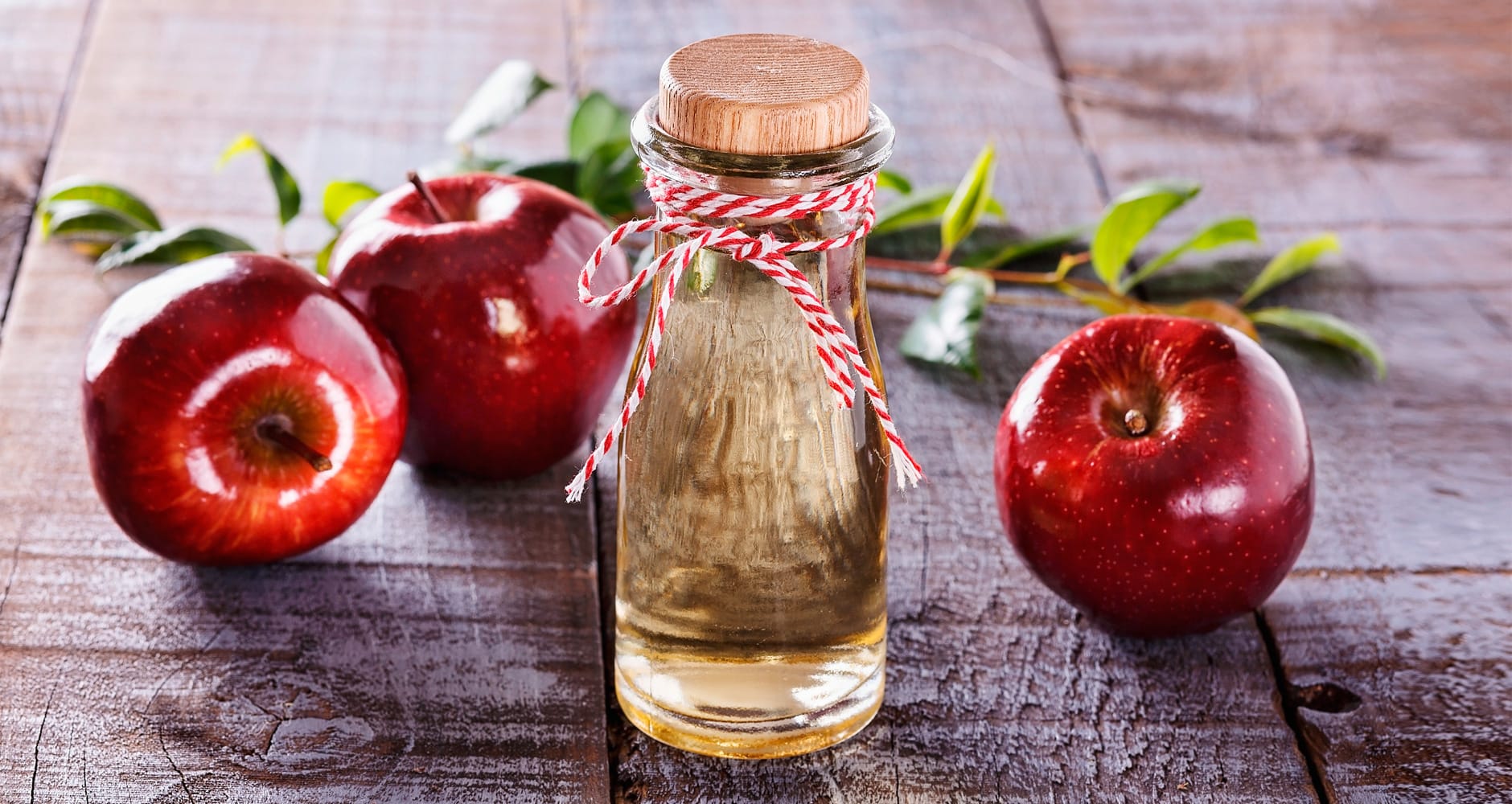
6. Apple Cider Vinegar To The Rescue: Apple cider vinegar is another age-old remedy used to help “draw out” the fever. Soak a couple washcloths in diluted apple cider vinegar (1 part vinegar to 2 parts water) and place them on your forehead and tummy or wrap them around the soles of your feet. Alternatively, you can add a cup of apple cider vinegar to a warm bath.
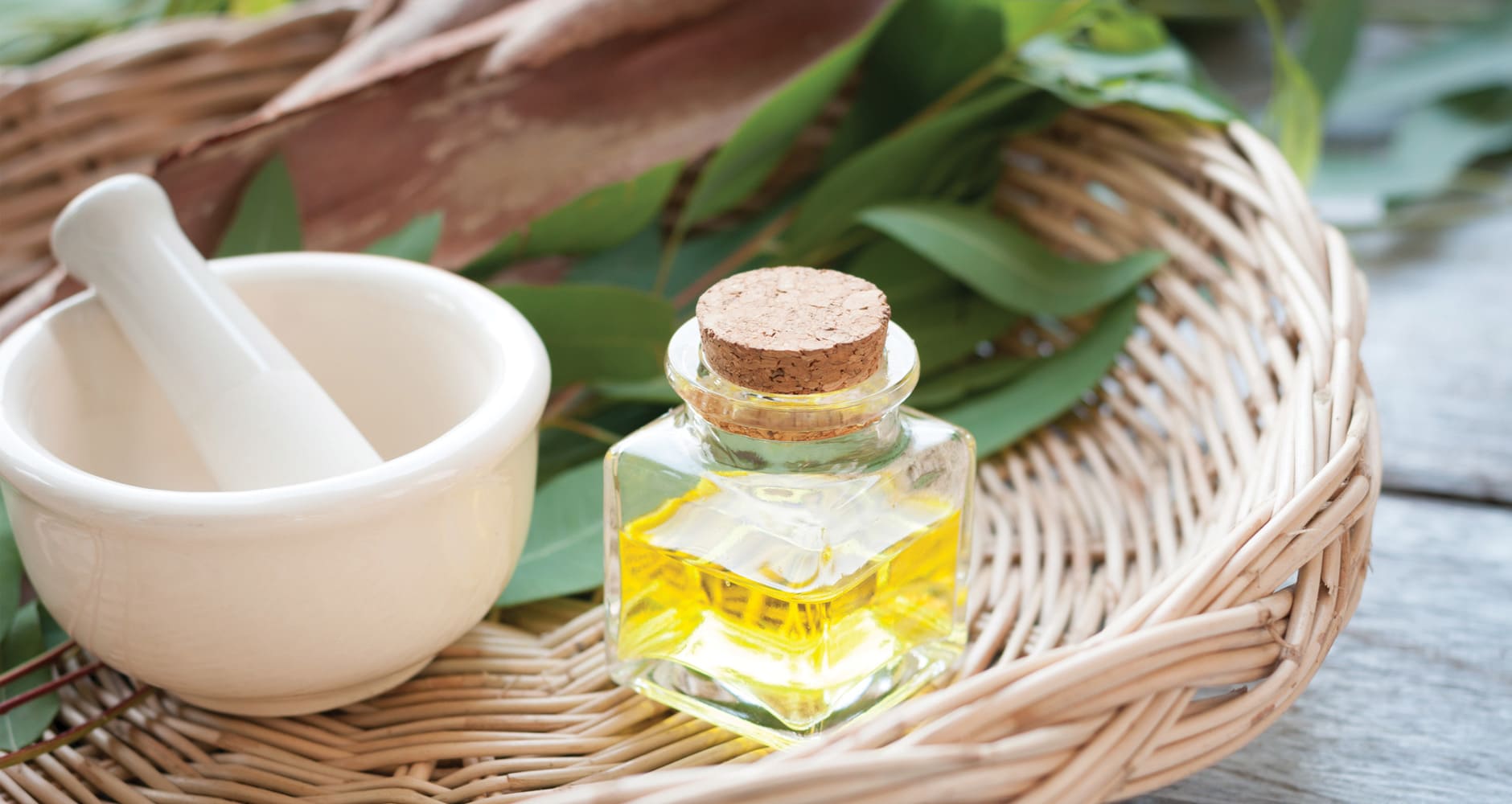
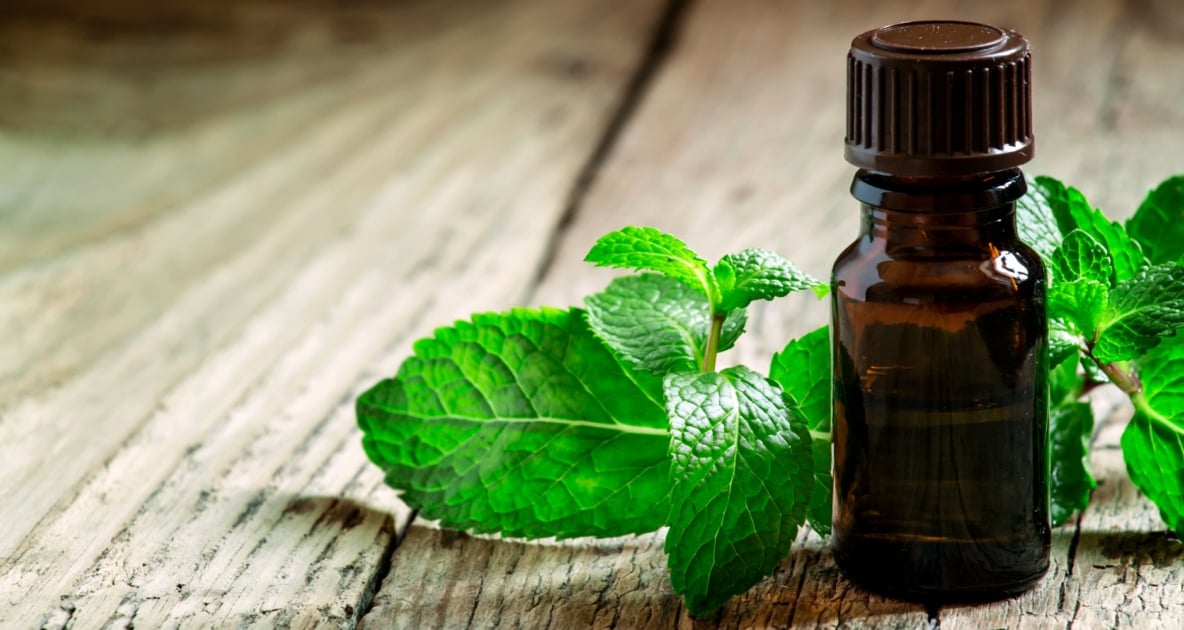
7. Turn To Essential Oils: “Sweat it out” with peppermint oil, ginger oil, and cinnamon bark oil which can help warm the circulatory system and cause sweating. Lavender, thyme, rosemary, eucalyptus, and sage oils also help to provide soothing comfort when treating a fever. Try applying a few drops of lavender oil in cool water and soak a washcloth in the mixture. Rest it on your forehead for a cooling, relaxing effect. Alternatively, mix a few drops of peppermint oil with coconut oil and rub it on the bottoms of your feet and the back of your neck.
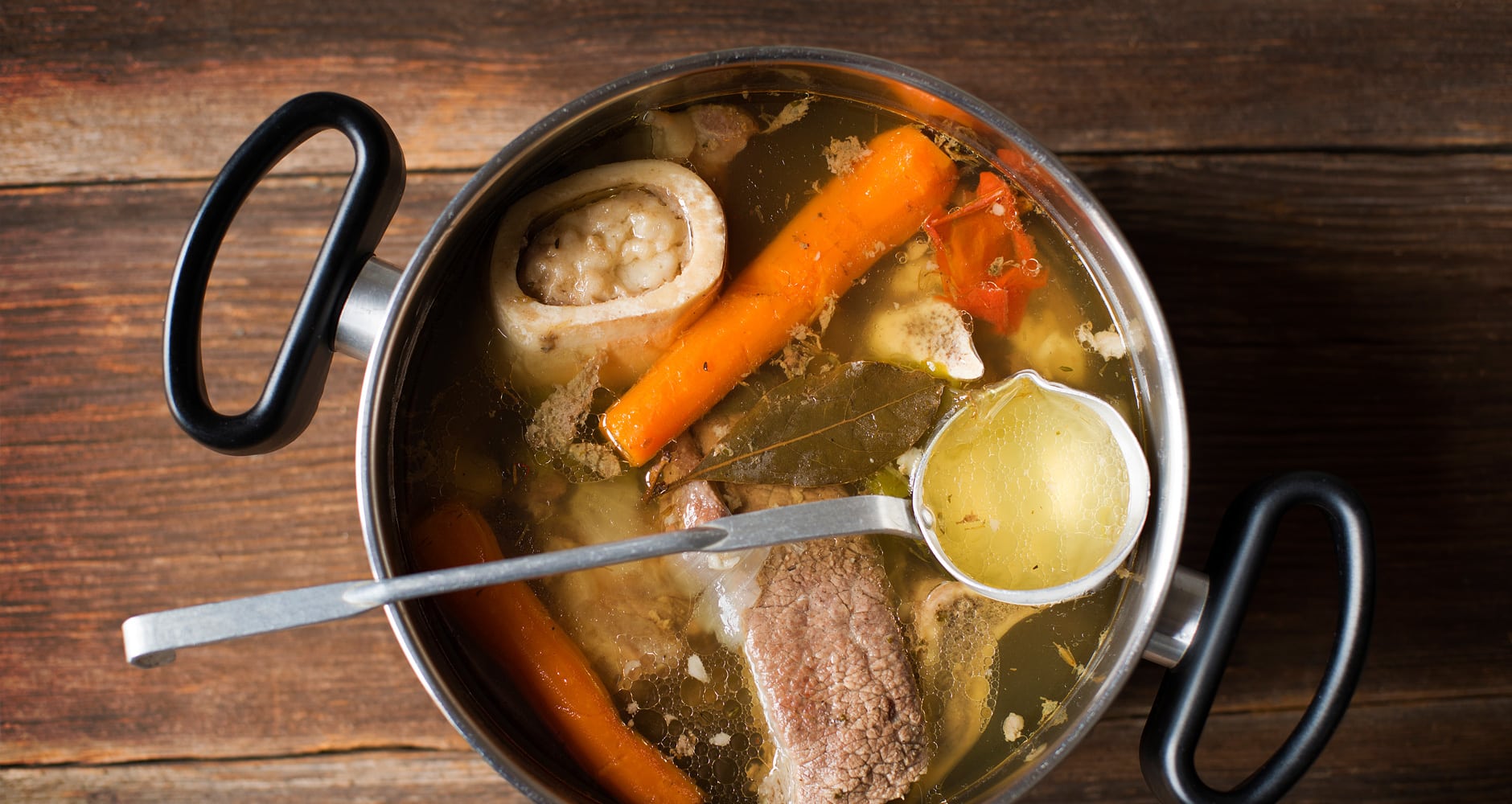
8. Drink Bone Broth: Grandma was right, chicken soup is good for more than just the soul, and bone broth kicks healing into a higher gear. Bone broth contains gelatin and cartilage which support healthy immune function. Drink a cup the next time a fever strikes to give your immune system a boost with the added benefit of keeping you hydrated. Homemade bone broth, using healthy, organic bones and vegetables, is always preferred, however, there are many store-bought varieties available as well.
9. Try Homeopathy: Homeopathy is the belief that the body has the ability to heal itself, and homeopathic remedies are natural ways to support your body during a fever. Belladonna, Aconite, Nux Vomica, and Pulsatilla are among the most common homeopathic remedies used to treat fevers effectively. They are said to stimulate the body’s natural ability to self heal, shortening the duration of illness and recovery time. These remedies can be found at most health food stores, drug stores, or can be ordered online. See our note on homeopathic medicines, below.
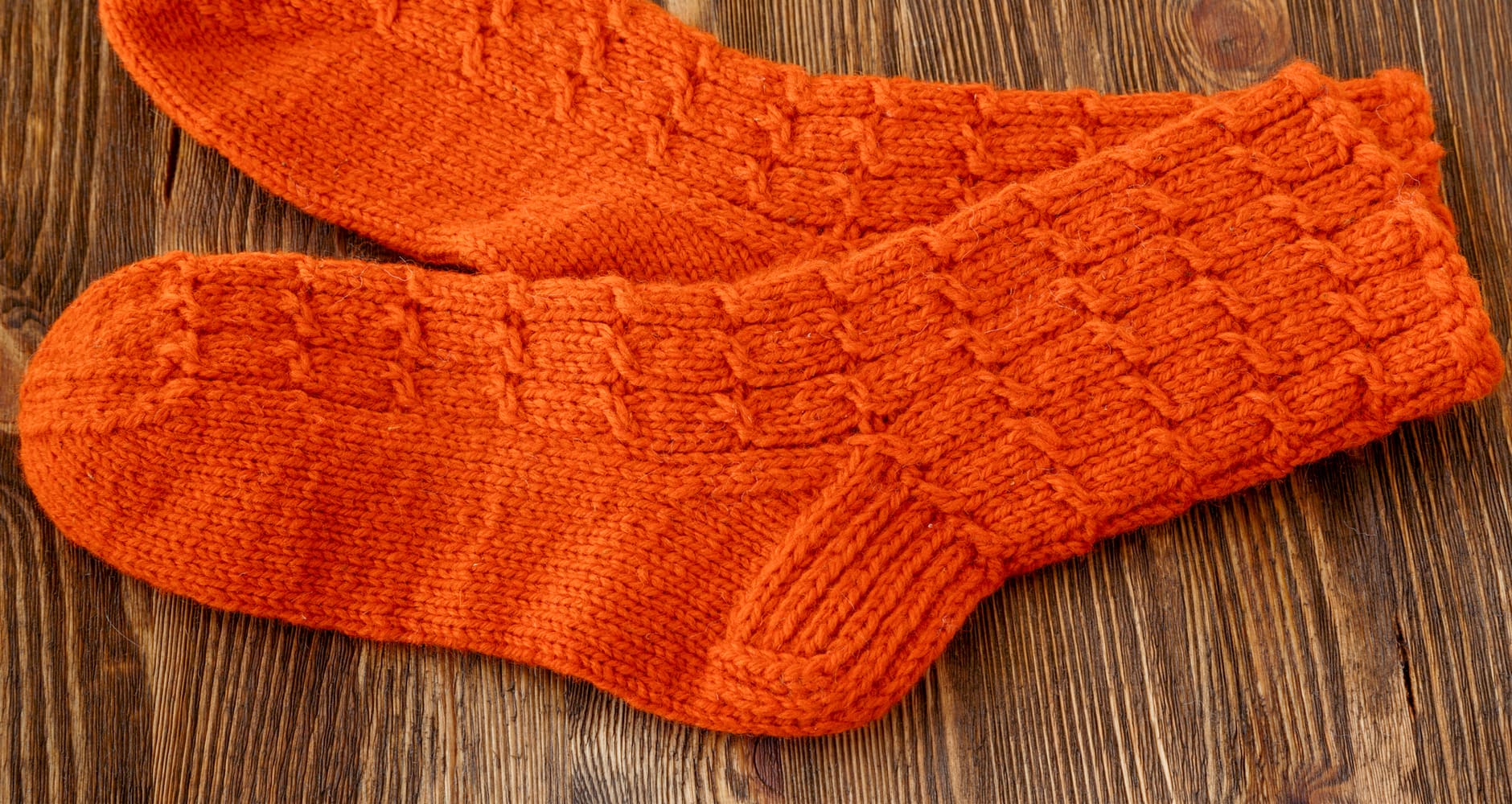
10. Wet Sock Treatment: The wet sock treatment may sound strange, but many people swear by this natural remedy to help stimulate the immune system and increase blood circulation. It is best to use this technique on the first day of the illness and to do it for a few nights in a row for maximum effectiveness. First, you will need to warm your feet in a warm bath or shower. Dry them completely. Then, right before going to bed, soak a thin pair of cotton socks in cold water, wring them out and slip them on. Cover with a pair of dry wool socks. The wet socks should be warm and dry in the morning. If you wake in the middle of the night and the socks are already dry, repeat before going back to sleep.
Fever Red Flags
While it is generally advisable to let a fever run its course, there are certain red flags to watch for that may indicate a need for a trip or call to the doctor:
- Dehydration.
- Persistent fever lasting more than 2-3 days.
- Any fever over 100.4º F in a baby under 3 months.
- A fever over 104º F, or when the person has a compromised immune system or is undergoing chemotherapy treatment.
- No clear source of the fever (no runny nose, no cough, no pain, etc.).
- Excessive lethargy.
- Trouble breathing.
While most fevers are harmless and are actually helpful, always use your best judgment and consult your doctor if there is a cause for concern.
* A Note on Homeopathic Remedies: Homeopathic medicines usually come in the form of a pill (pellet) or liquid which are absorbed by mouth. They contain highly-diluted active ingredients (usually a plant or mineral) for treatment of various diseases. While homeopathic remedies are regulated as drugs under the Federal Food, Drug and Cosmetic Act (FDCA), the FDA does not evaluate the remedies for safety or effectiveness. They can be purchased over the counter with no prescription, but it is often advisable to consult with a homeopath to find the best mixtures for your specific symptoms.

Natural Fever Care FAQ
What temperature is considered a fever?
Per CDC, fever generally starts at 100.4 F (38 C) measured orally for adults. Normal body temperature varies from 97 to 99 F. Children may run slightly higher baseline temperatures. Infants under 3 months with any fever above 100.4 F need immediate medical attention.
Should I take medicine to lower a fever?
For adult fevers under 101 F, medical consensus per Mayo Clinic is that medication is not necessary and can prolong viral illness. Above 102 F or with significant discomfort, acetaminophen or ibuprofen can help. Always follow dosing guidelines, especially for children.
Does sweating help break a fever?
Sweating happens naturally as a fever resolves. You cannot ‘sweat out’ a fever by adding blankets or running a hot bath; that raises body temperature dangerously. Hydration is what allows the body to sweat appropriately as the fever resolves on its own.
What herbs help with fever?
Elderberry (some evidence for shortening flu duration), ginger tea (folk-traditional, supports comfort), yarrow tea (traditional febrifuge with some research support), and peppermint (mild cooling sensation). None replace medical care for high or prolonged fever.
When should I call a doctor about a fever?
Adult fever above 103 F or lasting more than 3 days. Any fever in an infant under 3 months. Fever with stiff neck, severe headache, chest pain, breathing trouble, confusion, or seizure. Recent travel to malaria or dengue regions plus fever.


Natalie LaVolpe
Natalie LaVolpe is a freelance writer and former special education teacher. She is dedicated to healthy living through body and mind. She currently resides on Long Island, New York, with her husband, children, and dog.
- Natalie LaVolpe

- Natalie LaVolpe
- Natalie LaVolpe
- Natalie LaVolpe



This is very helpful, thank you. I’m shivering and shaking with pretty high fever at the moment and was looking into natural remedies to assist my body a little. It came all of a sudden. Not having a cold or so, no pain, only my neck is somewhat stiff and I’m a bit dizzy, but I guess that is normal when going through high fever… So the herbal tea is ready and am going to soak in a hot bath with epsom salt, which I do have in my cabinet! And also ACV. Hardest thing now is to stay warm… Yikes!
Yes, of course everyone has these things in their cabinet.
I would never suggest belldonna ever. It’s toxic…also known as “deadly nightshade”and for good reason. Suggesting a “Correct dosage” isn’t really helpful either. It’s not wise to suggest known toxic plants as remedies in general when there are non-toxic remedies more easily available. You never know what would happen if someone inexperienced tries it out and has a terrible outcome. I know people who have tried it and now suffer from ailments, mental and physical, which are much worse than a fever.
Homeopathic remedies have no trace of the source ingredient in them. They are made by diluting the main ingredient EXTREMELY well.
For example, many of them are labeled as 30C dilution rates. Meaning 1 drop of the main ingredient is placed in 99 drops of pure water. Then that’s mixed together very well. That’s a 1C dilution rate. Then one drop of that mixture is placed in 99 drops of pure water again. That’s a 2C dilution rate. That is done 30 times. So 30C dilution means there is 0.0000000000000000000000000000000000000000000000000000000001% of the initial ingredient. Nobody gets hurt from that. The idea is the energy of the main ingredient is still in the water, not the actual ingredient itself.
In fact, most homeopathic remedies are made from toxic initial ingredients, because “like cures like” in homeopathy. If you have a fever, you take a thing that creates a fever, dilute it, and use that to heal a fever. If you have an itchy rash, you take Apis, which is diluted from something that causes an itchy rash, etc.
Jotting this down to keep handy for this fall& winter.My mom swore by onions in your socks!
You can’t consume belladonna. It is deadly and toxic. Please do not eat this.
? it’s perfectly fine in the correct dosage.
My son started convulsing at age of 7years without him have body temperature.i don’t know what to do,now he is 8year, before he convulse within 3month now is 1month interval.am scare pls help me
please see a specialist, maybe is some sort of epilepsy, I am no expert, but I have heard cannabis oil helps with seizures, but always ask a professional
Look into CBD, I personally know of two people and a dog is worked on.
I hate the taste of a.c.vinegar so I bought capsules with the mother on Amazon. I have suffered from urinary tract infections for years. After taking the capsules for 30 days, I had no more urinary infections. I have taken them for over a year now and no infections.
I also use acv for acid reflux
Whats acv?
ACV is short for Apple Cider Vinegar. 🙂
Thanks a lot for sharing your useful experience. It may be helpful for my son’s recurrent uti who develops acidity after consumption of ac vinegar .
I READ YOU NEED TO DRINK WATER BEFORE YOU GO TO BED , STOPS LEG CRAMPS, CHARLIE HORSES, YOU HAVE TO GET UP TO PEE, BUT ITS BETTER THAN THE PAIN! I THINK
the information about the apple cider vinegar. I am using it for arteritis 2 teas. in water and drink it helps with leg cramps
Very helpful. Thanks