How to Clean Cast Iron Properly: Care Tips, Rust Fixes, and Recipes
Do you have a cast-iron skillet you love? Be sure you're caring for it properly so that it will provide you with non-stick heaven for generations.
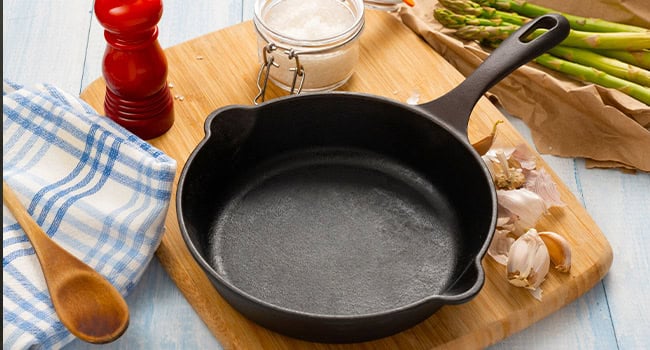
Quick Reference
- Best way to clean a cast iron skillet: warm water, soft brush or chainmail scrubber, a drop of mild soap if needed, dry on the stove, wipe with a thin coat of oil.
- Time from cook to clean: 5 to 10 minutes. Do not soak. Do not put it in the dishwasher.
- Rust rescue: vinegar soak or salt-and-potato scrub, then re-season at 450 to 500 degrees Fahrenheit for one hour.
- Foods to keep short in the pan: tomatoes, wine, citrus, and dairy (they can lift the seasoning if cooked long).
- Seasoning oil to use: flaxseed, grapeseed, canola, or vegetable shortening. Not olive oil for the seasoning bake.
- Weight of Lodge 10-inch classic vs Field No. 8: about 5.35 pounds vs about 4.5 pounds; nitrided cast iron pans typically come in under 2 pounds.
Learn the simple steps for looking after cast iron and your favorite pots and pans will outlast you. A well-cared-for skillet is often passed down through generations, and, despite the rumors, it is easy to clean if you keep four things in mind: warm water, gentle scrubbing, a full dry, and a thin coat of oil. Here are the care instructions from the Farmers’ Almanac that keep our own cast iron in great shape, along with two of our favorite recipes (the perfect cast iron steak and skillet pizza). If you want to skip straight to the food, jump to the recipes. Follow the basics, and your cast iron will become the most reliable pan in your kitchen.
Cast iron has been the American kitchen workhorse for a long time. The Griswold Manufacturing Company started producing cast iron cookware in Erie, Pennsylvania in 1865, and Lodge Manufacturing opened in South Pittsburg, Tennessee in 1896 (still open, still family-run). The reason the pans still sell is straightforward: seasoned cast iron takes a screaming-hot sear, moves from stove to oven without complaint, and gets more non-stick the more you use it. According to a 2021 America’s Test Kitchen review, a properly maintained cast iron pan holds heat almost twice as long as stainless steel of the same weight.
How to Clean Cast Iron: 4 Essential Steps
How long your cast iron skillet lasts, and how well it cooks, comes down to how well you clean it. Three families of pan sit under the same “cast iron” label: regular (traditional, seasoned), enameled (coated in porcelain), and hard nitriding (nitrogen-hardened). Each family has its own routine. Get the routine right and the pan lasts a lifetime; get it wrong and you spend a Saturday re-seasoning it. Here is the plain-English guide to each one.
Regular Cast Iron
- Wash with warm water right after cooking. Once you are done cooking, grab warm water and a sponge and clean the pan right away. Do not shock a hot pan with cold water; the sudden temperature change can warp or crack it. If food is stuck, a little mild soap is fine (Lodge has told Cook’s Illustrated for years that modern soap will not strip modern seasoning). Skip strong cleaners and the dishwasher; they lift the protective layer. And never leave your cast iron sitting in water; it will rust. Rust does more than look bad. It weakens the surface, dulls how evenly the pan cooks, roughens the polished bottom, damages the oil layer that keeps food from sticking, and can leave a metallic taste in your food.
- Gently brush off leftover food. A soft brush handles most bits. For truly stuck-on food, a scrub of coarse salt with a splash of water lifts the mess without touching the seasoning. Steel wool works on rust, but do not use it for regular cleaning; it strips the coating you have built up. A chainmail scrubber is the one exception; the flexible rings polish off food without cutting the seasoning. Jump to more information about this in our “Do’s and Don’ts” section.
- Make sure it is completely dry. To stop rust from forming, dry the skillet fully after you wash it. A clean towel first, then a minute or two on the stove over low heat, is the routine our editors use.
- Rub some oil on it. Like putting lotion on dry skin, your skillet needs a bit of oil after every wash. Spread a light layer with a paper towel once the pan is dry. If your skillet has lost its shine and food sticks, it is time to re-season with a fresh coat of oil and an hour at 450 to 500 degrees Fahrenheit in the oven. Regular care keeps it ready to cook.
Enameled Cast Iron
Enameled cast iron carries a fused porcelain coating that does not rust and does not need seasoning. The coating is usually applied inside and out and comes in colors (French blue, flame orange, cream). Le Creuset and Staub are the best-known makers. The coating is what changes the routine.
- Wash with gentle soap and a soft sponge. Warm, not boiling.
- Stay away from rough cleaners or scrubbers so you do not scratch the coating. Do not use metal tools that can chip the porcelain.
- Dry the pan well after cleaning. The exterior can rust at the rim if left wet.
- You do not need to add any oil for protection; the enamel is the protection.
Hard Nitriding Cast Iron
Hard nitriding cast iron is heat-treated with nitrogen so the surface hardens beyond regular cast iron. Check the paperwork from the maker; if your pan has been nitrided, it will say so on the box, the instructions, or the product page. Nitriding is common on lighter modern pans marketed for backpackers and small kitchens.
Jump to more facts about hard nitriding cast iron
- Clean with hot water and a soft brush or cloth. Use a mild soap if needed.
- Do not use rough cleaning tools that might scratch the tough surface.
- Dry quickly to prevent moisture-related issues (reduced hardness, surface erosion, corrosion of the nitrided layer).
- You may not need to oil it the way you do regular cast iron. Follow the manufacturer’s recommendations; the treatment can change the oil needs.
Note: Always follow the cleaning instructions that come from the company that made your cookware; brand-specific coatings vary.

How to Resurface and Remove Rust from Cast Iron
Here is how to bring your rusty cast iron back to life in six easy steps. This routine works whether the pan has surface bloom (light orange dust) or a deeper coat of pitted rust from a wet cabinet.
- Clean off the rust. First, brush off any loose rust with a hard plastic brush or a non-metal scraper. Be careful where you do this, as rust can leave marks on countertops. If the rust is really stuck on, use a scouring pad with a bit of dish soap and hot water. You can also make a paste with baking soda and vinegar and scrub that in.
- Salt and potato trick. Try the natural method: sprinkle coarse salt across the pan, then use a cut potato (cut side down) and rub it around in circles. The salt does the scrubbing. A few drops of oil helps break the rust loose faster. This was the trick our grandmothers taught, and it still works.
- Vinegar soak. To quickly get rid of rust, soak the pan in a 50/50 mix of white vinegar and water. Do not leave it in longer than an hour; vinegar pits the iron if you forget it. Take the pan out as soon as the rust looks like it is under control.
- High heat. If nothing else works, use high heat. Run your oven’s self-cleaning setting to burn the rust off. Put the pan upside down on the bottom rack and make sure nothing else that could get damaged is nearby. After it cools, scrub any leftover rust with a wire brush.
- Final wash. Once the rust is gone, wash the pan with soapy water; do not soak it. Wipe with a dry cloth to get any loose grit. Put the pan on the stove over medium heat for about 5 to 8 minutes to be sure it is bone dry.
- Put the seasoning back. Cleaning strips the protective coating, so you will need to season your cast iron pan again. Spread a very thin layer of flaxseed, grapeseed, or vegetable oil across the whole pan (inside, outside, handle), wipe it back until the pan looks almost dry, then bake upside down at 450 to 500 degrees Fahrenheit for one hour. Repeat two or three times for a fresh, glassy layer.
Related: Rust Remedies: 6 Natural Ways to Remove Rust
Note: Some readers have asked us, “Why is my cast iron brown?” If you have recently cleaned and re-seasoned your skillet, it may have a bronze or brownish tint. Do not worry, it is not rust. Each time you season the pan or cook in oil, the color deepens, eventually becoming black through a process called carbonization. Caramelize some onions and your pan will be black in no time. (Cast iron is gray when it first comes out of the mold; most pans on the market ship black because they have already been factory seasoned.)
Do’s and Don’ts
Make your time cooking with your cast iron skillet on the stove better with these simple rules of the road.
Warm it up. Heat the skillet on medium for 5 to 10 minutes before you cook. This helps food cook evenly and stops it sticking. You can check the pan is ready by holding your hand two inches above the surface; you should feel steady warmth in a few seconds.
Use oil. The skillet needs oil to keep its non-stick layer. Put a good amount of oil in the pan and let it shimmer before adding food. Think of Southern cooks who use their skillets every day for eggs, cornbread, and gravy; the pan gets better with each round.
Related: The Best Cooking Oils, 15 Kinds and Uses
Control the heat. Cook well by managing the heat. Cast iron heats slowly and holds heat for a long time, so drop the flame down when you need to. This keeps the food cooking evenly and keeps the seasoning intact.
Watch out for sour foods. Cast iron can react with acidic foods, and they can leach a small amount of iron into your food. A well-seasoned skillet can handle a quick tomato sauce or a splash of wine, but be careful with foods that can lift the seasoning if cooked long. Consider avoiding long simmers of tomatoes, citrus fruits, wine, and dairy in a bare cast iron pan. (You can also line the pan with aluminum foil, or build foil packets, to take advantage of the even heat while keeping certain foods off the surface.)
Related: 10 Tips for Grilling Fish
Do not boil water. Boiling water in a bare skillet can lift the seasoning and lead to rust. If you are adding wine, use a pan that is already well seasoned. Instead, use your skillet to roast dry foods like nuts, tortillas, and flatbreads.
Clean gently. Use soft methods when cleaning. Do not use rough scrubbers or metal tools that scratch the seasoning. A soft brush or cloth is best for regular cleaning to keep the surface smooth. The one exception is the chainmail scrubber (a flexible sheet of stainless steel rings) which is safe for cast iron and does not destroy the seasoning layer.
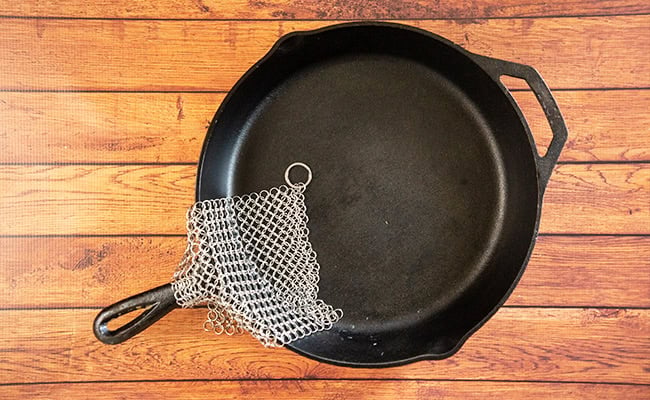
Keep it dry. Do not let water sit in the skillet, and never put it in soaking water. Water is the fastest route to rust.
Be careful with steel wool. Only use steel wool when you need to rescue an old skillet. Regular use will scrape off the oil layers you have built up.
Take it camping. Your skillet is a favorite for cooking over a fire because it can take the beating a campfire dishes out. It cleans up with a little water and a scrape, which makes it ideal for fresh-caught fish, one-pot beans, or a Dutch-oven cobbler.
Related: Easy Camping Meals That Wow!
Do not worry about mistakes. If you scorch, discolor, or let the pan sit dirty, it is okay. Oil it, heat it until it lightly smokes, and the seasoning rebuilds. Cast iron is forgiving; unless it has a crack, you can rescue it.
Store with care. When you put the skillet away, place a paper towel or cloth between stacked pans so the top pan does not chip the one below. Keep them in a spot with good air flow so moisture does not build up and start rust.
Use these tips with your cast iron and the pan (and your cooking) will get better every week.
Storage Tips
After you have cleaned and dried your cast iron pans, put them away in a spot that is not wet or humid, and keep them away from the sink splash zone. If you put pans away while they are still wet, or in a moist cabinet, they will start to rust within a week.
To keep the oil coating safe, stack your pans with paper towels between them. Hanging your pans looks handsome in the kitchen, saves cabinet space, and helps stop rust by letting air move around them. Just make sure the hooks are rated for the weight; a Lodge 12-inch skillet with lid runs about 9 pounds.
Some cooks like to keep the pan in the oven or on the stove between uses, both to keep it easy to reach and because a warm dry oven is a hostile place for rust.
What Can I Cook in My Cast Iron?
There is a good reason cast iron is the workhorse in so many American kitchens. From a hard sear on a ribeye to a fudgy skillet brownie, the pan is tough and versatile.
Cast iron heats quickly and cooks evenly, and it retains heat like almost nothing else, which makes it perfect for browning and caramelizing. It moves from stovetop to oven cleanly, which is why it is the favorite for one-pan dinners. The possibilities are endless, but two of our favorite uses are cast iron steak and cast iron pizza.
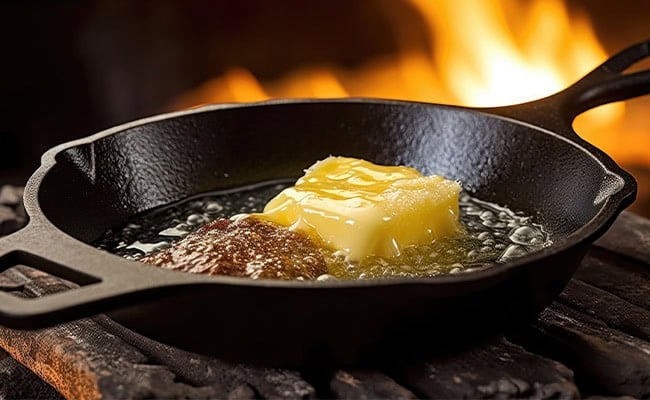
The Perfect Cast Iron Steak
One of the most beloved uses for a cast iron skillet is cooking a steak. The pan heats evenly and holds heat well, which builds the crust you cannot get in a thin pan. Follow these steps and you may second-guess using your grill.
- Let steaks warm up. Take the steaks out of the fridge about 30 to 40 minutes before cooking so they come to room temperature. A cold center gives you a gray band under the crust.
- Dry and season. Pat the steaks dry with a paper towel and season generously with kosher salt and cracked black pepper. Dry meat sears; wet meat steams.
- Heat the skillet. Warm the skillet on high for about five minutes. You want it hot enough that a drop of water skitters and steams off, at least 400 degrees Fahrenheit at the pan surface.
- Add oil or butter. Once the skillet is hot, add 1 to 2 tablespoons of a high-smoke-point oil (canola, grapeseed, avocado) or butter and coat the whole bottom. For more flavor, add smashed garlic and a sprig of thyme or rosemary.
- Quick flipping while cooking. Put the seasoned steaks in the hot skillet and flip them every 30 seconds. Keep flipping until the steak is about 5 degrees Fahrenheit less than your target internal temperature (125 for medium-rare, 135 for medium). If the steaks are thick, sear on the stove, then finish in a 400 degree oven.
- Let steaks rest. Move the steak to a board, tent with foil, and let it rest for 5 to 10 minutes. Do not cut it right away. Resting lets the juices redistribute so the steak stays juicy.
Cooking a Cast Iron Steak Like Chef Gordon Ramsay
Even Gordon Ramsay loves the skillet. Cook the perfect cast iron steak the Ramsay way (via chefgordonramsayrecipe.com). His routine adds a butter baste with garlic and thyme in the last minute; the herbs perfume the pan and the butter builds a glossy finish.
Better Tasting Pizza
Looking for a delicious deep-dish pizza? Swap your pizza pan for your trusty cast iron skillet and get a golden crust that a regular tray cannot match.
- Place a cast iron skillet in the oven and preheat to 500 degrees Fahrenheit.
- Shape the dough into a big, flat circle, about 14 inches across, wider than your cast iron skillet.
- Take the skillet out of the oven carefully and add a little oil, then lay the dough into the skillet and press the dough against the sides.
- Put half a cup of tomato sauce on the dough and spread it to the edges. Do not add too much sauce. Prolonged moisture can lift the seasoning, invite rust, and (worst of all for dinner) leave you with a soggy crust.
- Add pepperoni or whatever you like on top, then place fresh mozzarella slices over it (leaving the edges bare for a crispy rim). Do not overload your pizza with excessive toppings. Cast iron skillets are robust, but overcrowding leads to uneven cooking. Aim for a balanced distribution of toppings. Note: while dairy is generally kept short in a bare cast iron pan, a well-seasoned skillet handles a pizza bake without harm.
- Put a bit of olive oil on the parts of the dough that you can see.
- Cook on the lower shelf of the oven until the edges look lightly browned, which should take about 12 to 14 minutes.
- After it is cooked, add pieces of fresh basil on top.
- Remove the pizza from the cast iron pan and place it on a board.
- Cut into pieces, let cool for a few minutes, and it is ready to eat.
- Most importantly: clean your cast iron skillet immediately. Warm water, chainmail scrubber, dry on the stove, thin coat of oil.
Take me to the top of this page to see “How to Clean Cast Iron” tips
Other Favorite Uses
- Dutch Baby. Part pancake, part popover, Dutch babies are a slightly sweet breakfast treat cooked right in your cast iron skillet: Take me to the Dutch Baby Pancake Recipe
- Cornbread. Cast iron gets very hot and goes from stovetop to oven, which is perfect for a crispy bottom on your cornbread. Served with softened butter or drizzled with honey, this skillet cornbread recipe is a must: Take me to the Cornbread Recipe (via Pioneer Woman)
- Skillet apple crisp. Sliced apples, cinnamon, brown sugar, oat topping, 25 minutes at 375 degrees; the pan holds heat so the fruit finishes cooking on the way to the table.
- One-pan chicken thighs. Sear skin-side down on the stove, then slide the whole pan into a 425 degree oven for 15 minutes.
What is Hard Nitriding Cast Iron?
While most cooks know traditional cast iron, the newer hard nitriding cast iron is less familiar in the kitchen. Fans say the nitrogen treatment makes it the best option for light cast iron. The process, borrowed from industrial tool-making, involves heating the pan in a nitrogen-rich atmosphere so the surface hardens.
Hard nitriding cast iron gives the pan a lot of strength and helps it resist rust. People who prefer nitrided cast iron cite three reasons: the pans are lighter (typically under 2 pounds for a 10-inch skillet, versus about 5.35 pounds for a traditional Lodge 10-inch), they resist scratches, and they come naturally non-stick with no seasoning bake required. The pans are made with food-safe materials.
Cookware should not be so heavy it hurts your wrist to lift. The many good points of nitriding cast iron have made it more popular, and some cooks prefer it over the traditional pan. Nitrided pans are not everywhere, but you can buy them from specialty manufacturers online and in some cookware stores.
Have you ever tried a hard nitriding cast iron pan? We would love to hear your feedback and comparisons to traditional cast iron.

Cast Iron FAQ
What is the fastest way to clean a cast iron skillet after cooking?
Rinse with warm water within 5 to 10 minutes of cooking, scrub with a soft brush or chainmail scrubber (a drop of mild dish soap is fine if food is stuck), dry the pan on the stove over low heat, and wipe on a thin coat of oil. Total time: about three minutes.
Can I use soap on cast iron?
Yes, in small amounts. Modern dish soap will not strip a modern seasoning layer, which is polymerized fat, not raw oil. Skip the dishwasher, skip long soaks, and skip harsh degreasers, but a drop of dish soap on a sponge is fine.
What oil should I use to season cast iron?
Flaxseed, grapeseed, canola, vegetable shortening, or refined sunflower oil. All have a high smoke point and polymerize into a hard seasoning layer. Skip extra-virgin olive oil for the seasoning bake; its smoke point is too low and it can leave a sticky finish.
How do I remove rust from cast iron?
Scrub the rust off with steel wool or a scouring pad, or soak in a 50/50 white vinegar and water mix for up to an hour, then wash, dry on the stove, and re-season with a thin coat of oil baked upside down at 450 to 500 degrees Fahrenheit for an hour. Repeat the season two or three times for a glassy finish.
Why is my cast iron sticky after seasoning?
Because there was too much oil on the pan when you baked it. Wipe the oil back until the pan looks almost dry before it goes in the oven; the seasoning layer needs to be thin. If it is already sticky, put the pan back in a 500 degree oven for another hour to finish polymerizing.
Is cast iron safe to cook acidic foods in?
Short cooks (a pan sauce, a quick tomato reduction, a splash of wine) are fine on a well-seasoned pan. Long simmers of tomato, citrus, wine, or vinegar can lift the seasoning and add a metallic taste. For long acidic cooks, reach for enameled cast iron or stainless.
Can I put my cast iron in the dishwasher?
No. The dishwasher’s long hot water bath and detergent will strip the seasoning and start rust within one cycle. Enameled cast iron survives an occasional trip through, but most makers still recommend hand-washing to keep the enamel bright.
How often should I re-season my cast iron?
If you use the pan often and wipe it with oil after each wash, you may never need a full re-season. Plan on a full oven-baked re-season once or twice a year, or any time the pan looks dull, feels rough, or starts to stick.
Join the Discussion
How old is your beloved skillet?
What are your tried-and-true tips for how to clean cast iron?
Have you ever made cast iron steak?
Share with your community here in the comments below.


Natalie LaVolpe
Natalie LaVolpe is a freelance writer and former special education teacher. She is dedicated to healthy living through body and mind. She currently resides on Long Island, New York, with her husband, children, and dog.
- Natalie LaVolpe

- Natalie LaVolpe
- Natalie LaVolpe
- Natalie LaVolpe