

Olla Irrigation: How to Keep Your Garden Watered

Quick Reference: Olla Irrigation
- What it is: unglazed clay pots, called ollas, buried beside your plants and filled with water that seeps into the soil as the roots need it.
- Why it works: soil moisture tension draws water through the porous clay, so plants are never over or under watered.
- What it saves: a connected olla system can carry up to 70% of your garden’s watering load.
- Best for: raised beds, vegetable rows, and containers, especially through hot, dry summer weather.
- What you need: ollas, a tile drill bit, 1/2″ or 1/4″ irrigation tubing, barbed Ts, ball valves, and a garden hose adapter.
Your spring garden has been in for weeks, the first of the season’s foods have been picked and eaten right off the vine, and then summer arrives. Those long, hot days are many gardeners’ favorite stretch of the year, but the heat is hard on thirsty plants, and a few missed waterings can undo a season of work. Olla irrigation, an old clay pot method, keeps the soil evenly moist so you can spend less time lugging hoses and more time enjoying the harvest.
What your garden needs on a scorching afternoon is a self-watering system that gives each plant exactly what it needs, no more and no less. And if a vacation or a business trip pulls you away for a week, a system like this keeps working while you are gone. It sounds complicated and expensive to set up, but with a clay pot irrigation system it is neither.
What Is Olla Irrigation (Clay Pot Irrigation)?
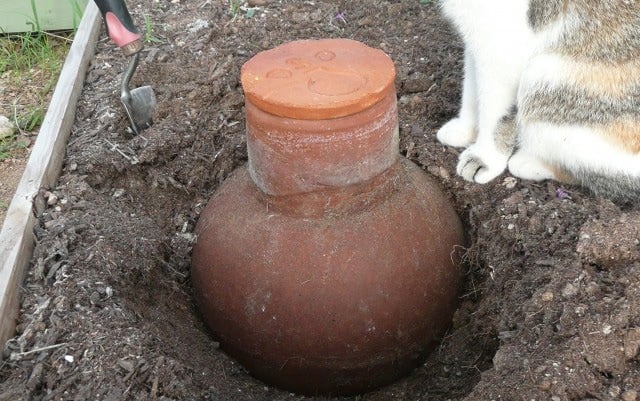
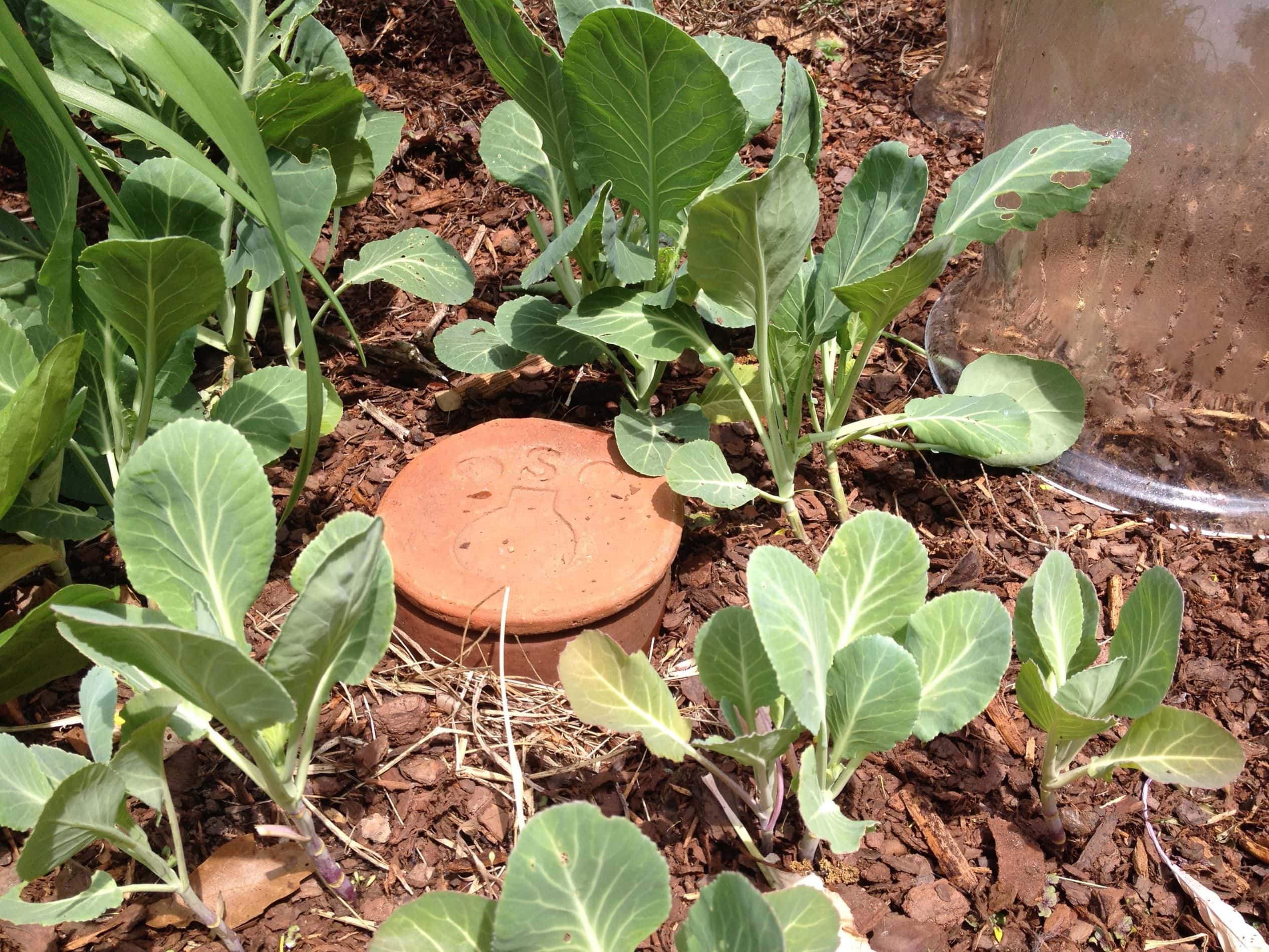
Olla irrigation is an ancient technology that works by soil moisture tension. Clay pots, called ollas, are buried in the ground next to your plants and filled with water. Because the clay is porous and unglazed, the water is pulled out into the surrounding soil only as fast as the soil dries, which means the pot never over or under waters the plants around it. Roots learn where the moisture is and grow toward the pot, sipping steadily instead of drowning after a heavy hose day and going dry the next.
Why Ollas Save So Much Water
A hose or sprinkler wets the surface, where most of the water evaporates or runs off before it ever reaches a root. An olla does the opposite. It delivers water below the surface, right at the root zone, so almost none is lost to the sun or the wind. Michigan State University Extension notes that this buried, slow-release approach can water plants efficiently while cutting back on how often you have to turn on the tap. You can read their overview of using ollas in the garden for the science behind the method.
The trade is simple. You do a little digging up front, and in return the pot meters out water on the plant’s schedule instead of yours. Ollas work beautifully alongside a layer of mulch and a bed of drought-tolerant plants, and they fit right into container gardens where drying out is the usual worry.
Where Ollas Work Best by Region
Ollas help almost anywhere the summer turns dry, but how often you refill them and how you put them away for winter changes with your region. One rule holds everywhere: unglazed clay cracks when the water inside it freezes, so empty and store your ollas before the first hard freeze.
| US Region | What to Expect With Ollas |
|---|---|
| Desert Southwest | The climate ollas were made for. Expect the biggest water savings and the most frequent refills at the peak of summer. |
| South & Gulf Coast | Strong performer. Humid air slows evaporation, so the soil holds moisture longer and you refill less often. |
| Great Plains & Midwest | Good for summer vegetable beds. Drain and store the pots before the first hard freeze. |
| Northeast & New England | Useful from June through September. Empty the ollas in fall so the clay does not crack over winter. |
| Pacific Northwest | Handy through the dry stretch of mid to late summer, less needed during the rainy months. |

How Do I Connect My Ollas?
One olla is great for your garden, but interconnecting them is even better. A landscaping company, EcoSense Sustainable Landscape, of Tucson, Arizona, came up with this method in 2016 and shared the instructions on how to put it together, below.
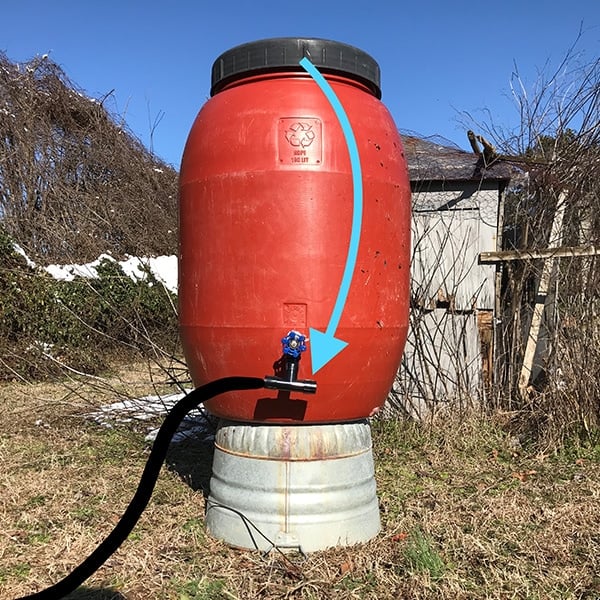
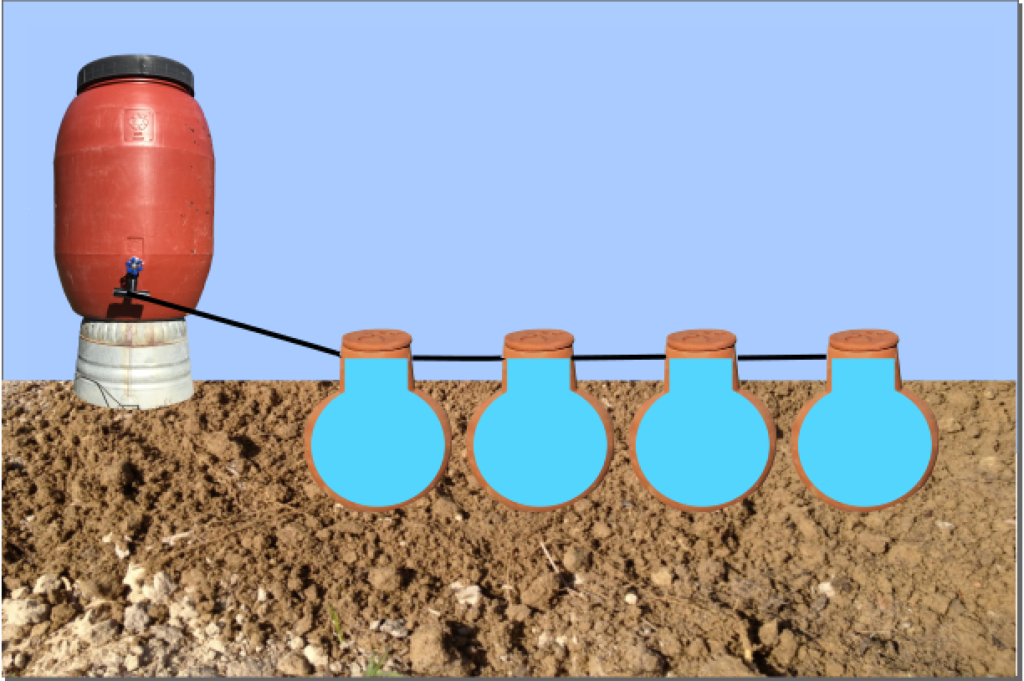
When you set up the system, connecting the thick-neck, full-bodied ollas, it can draw water from a rain barrel or a common house spigot. With a plain tile drill bit, some irrigation tubing, and a few irrigation fittings, you are on your way to letting your ollas take up 70% of the watering load. It helps if you are comfortable with light home improvement projects. Here is how it is done.
Materials Needed
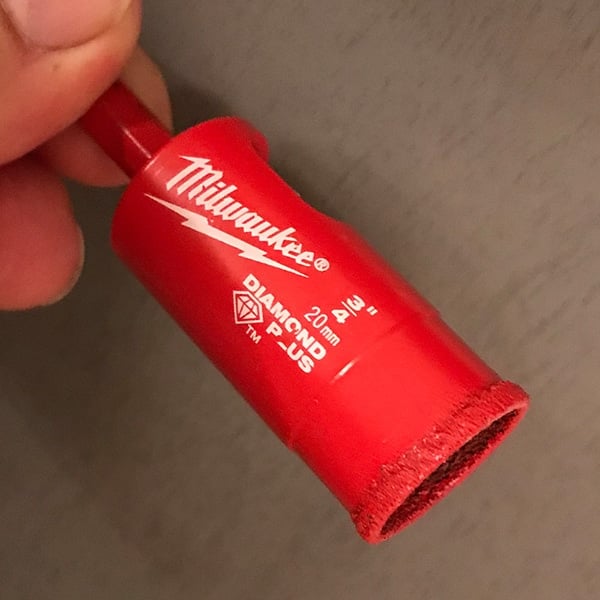
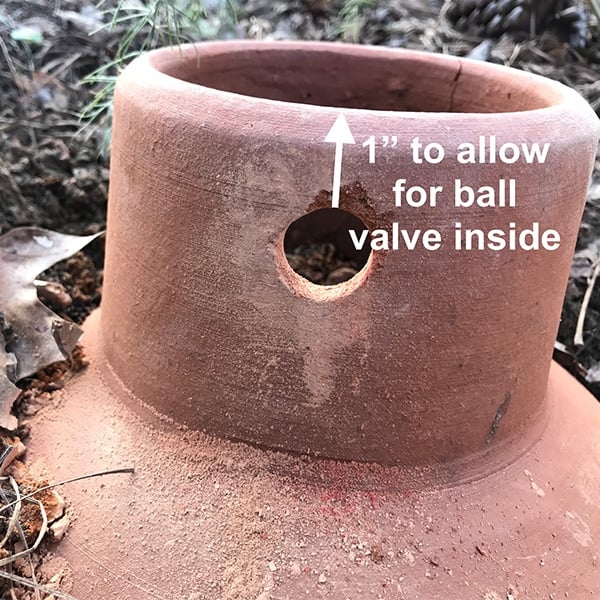
1. A drill bit. Any brand will do, as long as it is rated for tile or masonry so it can bite into the clay without cracking the pot.
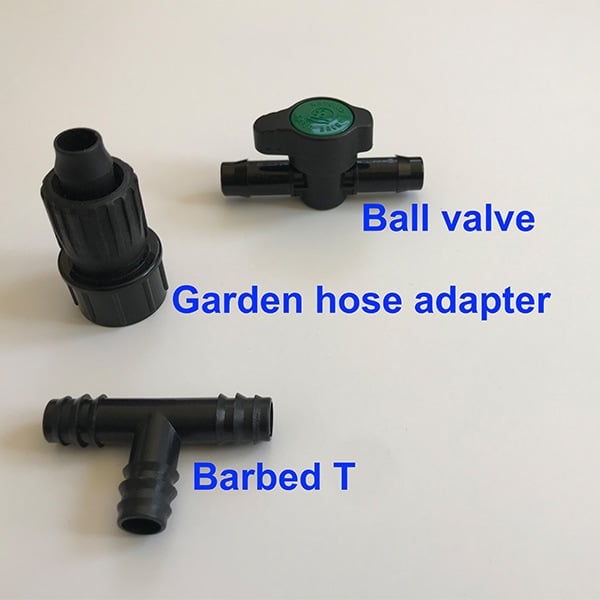
2. A green back ball valve, a garden hose adapter, and a barbed T.
3. Some irrigation tubing, which comes in 1/2″ and 1/4″. The choice is yours, but be sure to match the barbed Ts, ball valves, and adapter to the size tubing you pick (1/2″ or 1/4″).
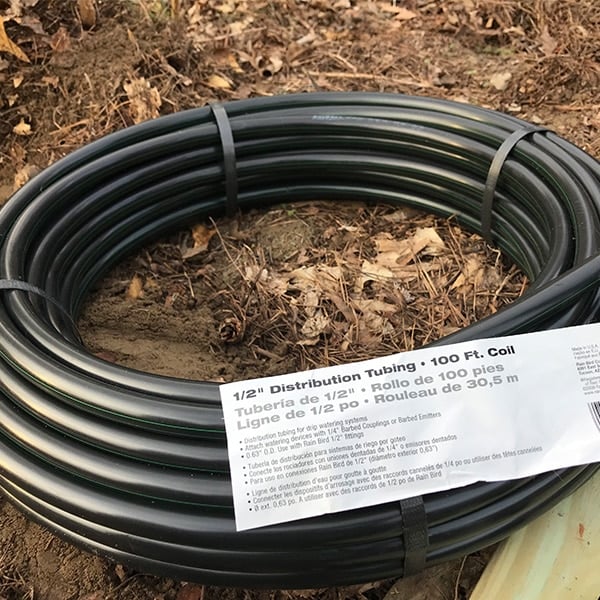
Instructions
1. Drill a hole into your olla clay pot (see Image #1, below).
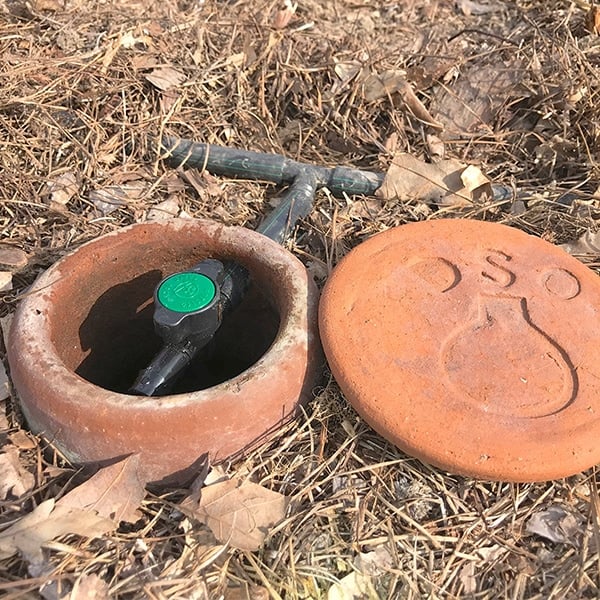
2. Attach the T outside the olla, or inside the olla, whichever you prefer (see Images #2 and #3, below).
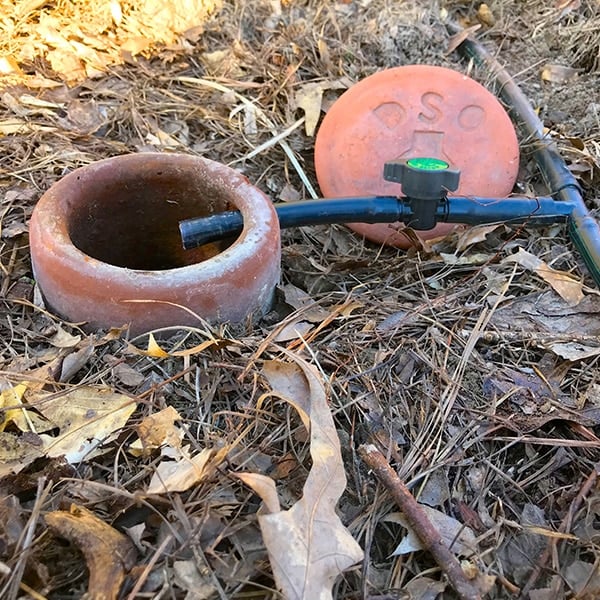
3. Attach the rest of the tubing. One end connects to the water source, such as a rain barrel, and the other end runs to the next olla. Then keep running the tubing from olla to olla.
4. Open all the valves.
5. When the last olla has been set up, hook up the water (see Image #4, below).
6. As the water flows to the ollas, adjust the ball valves. The olla closest to the water source sits under the most pressure, so open that valve only a small amount.
7. The olla farthest from the water source sits under the least pressure, so open that valve the greatest.
8. These ball valve adjustments will take some “fiddling” to get just right. Expect to walk the line once or twice, nudging each valve until every pot fills at a steady, even pace.
Caring for Your Ollas Through the Season
Ollas ask for little once they are in the ground, but a few habits keep them working their best. Top them up before they run dry, checking every two or three days in the hottest part of summer and less often once the weather cools. A single olla can go a week between fills in mild weather and only a day or two during a heat wave, so let the pot and your plants set the pace.
Cap the opening with a flat stone or a fitted lid. That one step slows evaporation from the top of the pot and keeps out debris and mosquitoes looking for standing water. Over a season or two, minerals from hard water can glaze the inside of the clay and slow the seep. When you notice the pot draining more slowly than it should, lift it, scrub the inside with a stiff brush and a splash of vinegar, rinse it well, and set it back in place.
For a garden that runs itself with even less fuss, pair your ollas with plants that like the same steady, moderate moisture. Our companion planting guide can help you group thirsty and thrifty plants so a single olla serves the right neighbors.
- Set your ollas and start your beds on the Best Days for your region.
- The Gardening by the Moon Calendar lists this month’s Best Days to plant and water in your area.

Olla Irrigation: Frequently Asked Questions
What is olla irrigation?
Olla irrigation is an ancient watering method that uses unglazed clay pots, called ollas, buried in the soil next to your plants. You fill the pot with water, and soil moisture tension draws it out through the porous clay only as fast as the surrounding soil dries. The result is steady moisture at the root zone with very little waste.
How does an olla actually water plants?
The clay is porous, so water inside the buried pot slowly moves into the drier soil around it. Roots grow toward the moisture and draw what they need. Because the water is delivered below the surface, almost none is lost to evaporation or runoff, unlike a hose or sprinkler that wets the top of the ground.
How much water can ollas really save?
A connected olla system can carry up to 70% of a garden’s watering load, according to the method EcoSense Sustainable Landscape of Tucson, Arizona, developed in 2016. Because ollas water below the surface, they avoid the evaporation and runoff that waste so much hose and sprinkler water, which is why they shine in hot, dry climates.
How often do I need to refill my ollas?
It depends on your weather and your plants. In mild conditions a single olla can go about a week between fills, while a summer heat wave may drop it to every day or two. Check the pots every two or three days at the peak of summer, and cap each opening with a stone or lid to slow evaporation.
Do ollas work in cold-winter climates?
Yes, through the growing season. The one rule to remember is that water freezing inside unglazed clay will crack the pot, so empty and store your ollas before the first hard freeze. Gardeners in the Great Plains, Midwest, Northeast, and New England should plan to lift them in fall and set them back out in spring.
Can I connect several ollas together?
Yes, and interconnecting them is where the real savings come in. Drill each pot, fit it with a barbed T and a ball valve in either 1/2″ or 1/4″ tubing, and run the line from a rain barrel or spigot pot to pot. Then adjust the valves so the olla nearest the source opens only a little and the farthest opens the most, since it sits under the least pressure.

Mary Kathryn Dunston
Mary Kathryn Dunston has been an avid gardener for decades, as well as a health advocate. She currently works for Dripping Springs Ollas, a company dedicated to helping others help themselves, by supporting community and school gardens with water conservation. You can contact her at [email protected].

Would water flow out of the top of Olla’s?
Most Olla’s have a cover on them.
Sucks in most states one cannot store rain water,they say it’s because of zeckie viruse,but if that was true????how and why is city’s all over America tareing down houses and building a pit ,so when flooding takes place water resides and hooked to main drain allows it to consume as needed,!!!problem is !!!not all the water leaves creating a mosquito heaven , in truth they are not only spreading it ,but they fine yes fine any and all whome collect rain water for there gardens why what’s the big deal ,well it’s called aluminum barreume it’s what is helping rise the numbers of dementia and allhimers diesels, whit collective rain water you could test it and see how high that is, it comes from chemical weapons used to modify the weather as well as control it. Geingionering. Net as well as stop the crime 5g has been band in many country’s because of its dangers 17 points over state regulations, none fact China has the most 5g towers in the world were the new corona viruses have came from time to change the less than 1 percent that control the world
/ bot
Hi Dan, I would be interested in corresponding with you. Could you email me?
[email protected]