

How to Prepare and Freeze Fresh Pumpkin Easily
Put those decorative pumpkins to use! With just a little effort, you can get a generous amount of nutritious fresh pumpkin for all your favorite pumpkin recipes.
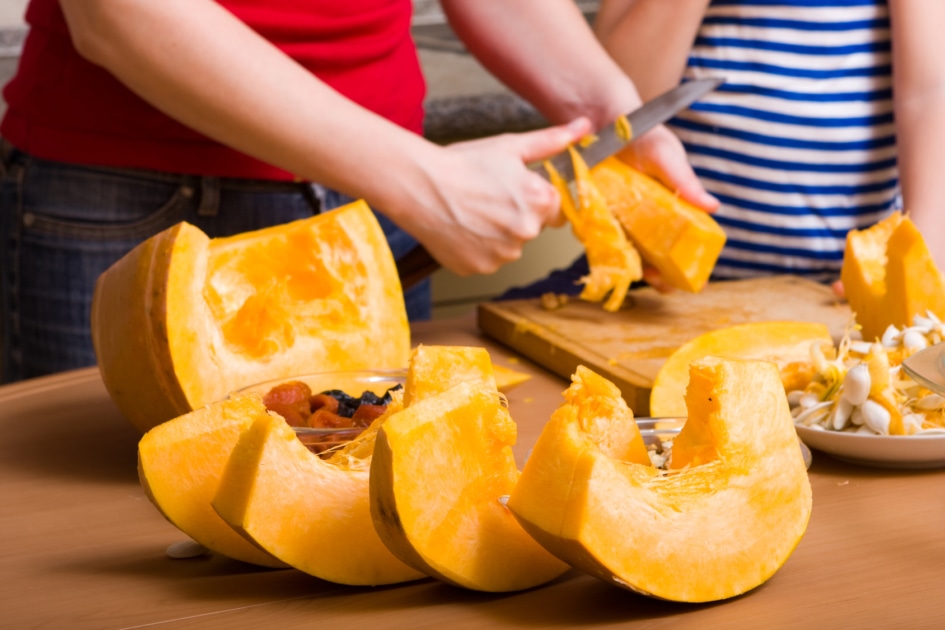
Canned pumpkin is convenient, but fresh pumpkin tastes noticeably better in pies, breads, and soups. The work is mostly waiting (the oven does it for you), and a single small pumpkin yields enough puree to fill a freezer drawer for the year. Here is the easiest method, broken into two steps.
Quick Reference
- Best pumpkins: sugar pumpkins (also called pie pumpkins, sweet pumpkins, or New England pie). Avoid carving jack-o’-lantern pumpkins; they are watery and stringy.
- Method: roast, scoop, puree, freeze. About 1 hour of active time for several cups of puree.
- Storage life: 6 to 12 months in the freezer; 1 week refrigerated.
- Best uses: pies, pumpkin bread, muffins, soups, pancakes, smoothies.
- Portion tip: freeze in 1-cup or 15-ounce portions (the size of a standard can) for easy substitution in recipes.
- Why bother: fresh pumpkin tastes brighter, less metallic, and lets you control the moisture and salt.
To Prepare Fresh Pumpkin:
- Choose the right pumpkin. Look for a sugar pumpkin (also sold as pie pumpkin, New England pie, sweet pumpkin), about 4 to 6 pounds. Carving pumpkins are stringy and watery; they will work but the puree is thinner and less flavorful.
- Wash and halve. Rinse the pumpkin to remove field dirt. With a sturdy chef’s knife, cut in half through the stem.
- Scoop out seeds and strings. Set the seeds aside; they roast beautifully with salt and oil (see our roasted pumpkin seed guide for the technique).
- Roast. Preheat oven to 375°F. Place pumpkin halves cut-side down on a parchment-lined baking sheet. Roast 45 to 60 minutes, until a knife pierces the skin and flesh easily and the flesh has softened all the way through.
- Cool slightly. Let the pumpkin sit until cool enough to handle, about 15 minutes.
- Scoop and puree. Scoop the soft flesh into a food processor or blender. Puree until smooth. If you want a thicker, less watery puree, transfer to a fine-mesh strainer lined with cheesecloth and let drain for an hour over a bowl.
To Freeze Fresh Pumpkin
- Cool completely. Hot puree expands and can crack containers in the freezer.
- Portion. Scoop into 1-cup portions for general baking, or 15-ounce portions (equivalent to a standard can) for direct recipe substitution. Freezer bags or rigid containers both work.
- Squeeze out air. Press the bag flat to remove as much air as possible before sealing. Lay flat in the freezer for easy stacking and faster thawing.
- Label. Write the date and amount on each container. Tomato-stained markers are real; pumpkin streaks last too.
- Freeze. Use within 6 to 12 months for best flavor. Thaw overnight in the fridge before using.
What to Make With Frozen Pumpkin
Thawed pumpkin puree slots directly into any recipe calling for canned pumpkin. Classics include pumpkin pie, pumpkin bread, pumpkin muffins, pumpkin pancakes, and pumpkin spice latte syrup. Beyond baking, the puree thickens soups (cream of pumpkin, curried pumpkin, pumpkin chili), enriches risotto, and lightens a tomato sauce for pasta. A spoonful in smoothies adds creamy texture and a hit of vitamin A.
Tips for Best Results
A 4-pound sugar pumpkin yields about 4 cups of puree. Plan accordingly. The flesh just under the skin is the most flavorful; scoop carefully to capture it. If the puree feels too watery for your recipe, drain it in cheesecloth for an hour. Frozen puree may separate slightly on thawing; stir to combine.
Pumpkin lore runs deep in the American autumn calendar. For more on pumpkin tradition and use, see our pumpkin lore guide and our roundup of jack-o’-lantern myths.

Use the Whole Pumpkin
Roasted seeds, frozen flesh, and even the skin (composted) leave nothing wasted. A small sugar pumpkin can produce a pie, two loaves of pumpkin bread, three muffin batches, and a cup of seeds for snacking, all from $4 of grocery store produce. The economics make a strong case for the fresh route every fall.

Frequently Asked Questions
Can you freeze pumpkin without cooking it first?
It is possible but not recommended. Raw pumpkin gets watery and stringy after thawing. Roasting first concentrates the flavor and produces a much better puree.
How long does frozen pumpkin keep?
Six to twelve months for best flavor and texture. Sealed and squeezed of air, frozen pumpkin is safe to eat much longer but quality declines.
Can you use a jack-o’-lantern pumpkin for cooking?
Technically yes, but the result is watery and stringy. Sugar pumpkins (pie pumpkins) are bred for kitchen use; they are smaller, sweeter, and have firmer flesh.
How much puree does a sugar pumpkin produce?
About 4 cups (roughly 32 ounces) from a 4-pound pumpkin. A 6-pound pumpkin yields about 6 cups.
Is frozen pumpkin better than canned for pie?
Yes, for flavor. The roasted-and-pureed flavor is brighter and less metallic than canned. Canned has more uniform moisture, so you may need to adjust spice and liquid in some recipes when substituting fresh.


Deborah Tukua
Deborah Tukua is a natural living, healthy lifestyle writer and author of 7 non-fiction books, including Pearls of Garden Wisdom: Time-Saving Tips and Techniques from a Country Home, Pearls of Country Wisdom: Hints from a Small Town on Keeping Garden and Home, and Naturally Sweet Blender Treats. Tukua has been a writer for the Farmers' Almanac since 2004.
- Deborah Tukua

- Deborah Tukua
- Deborah Tukua
- Deborah Tukua





I cut fresh pumpkin into approximately 2 inch cubes. Put them in ziplock freezerbags and froze them. About two weeks later, I removed one of the freezer bags and thawed it in the refrigerator overnight. To my surprise, the pumpkin cubes had released a lot of water when defrosted. Can I prevent that from happening again.
Love Farmers Almanac.
Just needed a reminder on peeling and blanching for freezing. Been a long while since I had processed my own pumpkin puree. Thanks so much for the easy, clear, simple dirrections.
This is my first season making pumpkin puree from pumpkins I grew. I found some instructions that said to place in a baking pan, cover with foil and bake…BUT! I had some pumpkin come out of the oven way too hard – something I didn’t discover until the pumpkin had cooled. So, I went hunting for different ways to bake pumpkin and found this always-reliable Farmer’s Almanac article. Went out and bought myself a large roasting pan, followed these instructions and the pumpkins baked up perfectly! Thank you, thank you, thank you. Next time I need to learn something new like this (or find a recipe) I’ll come here first.
Hi Jennie, thanks so much for your comment and for trusting the “time-tested” almanac. Let us know if there’s anything we can share that would be helpful to you!