

Turnip vs Rutabaga: How to Tell the Difference (Plus 2 Recipes)
Many people confuse these two root vegetables. We help you sort it out so this Thanksgiving, you'll be in the know!
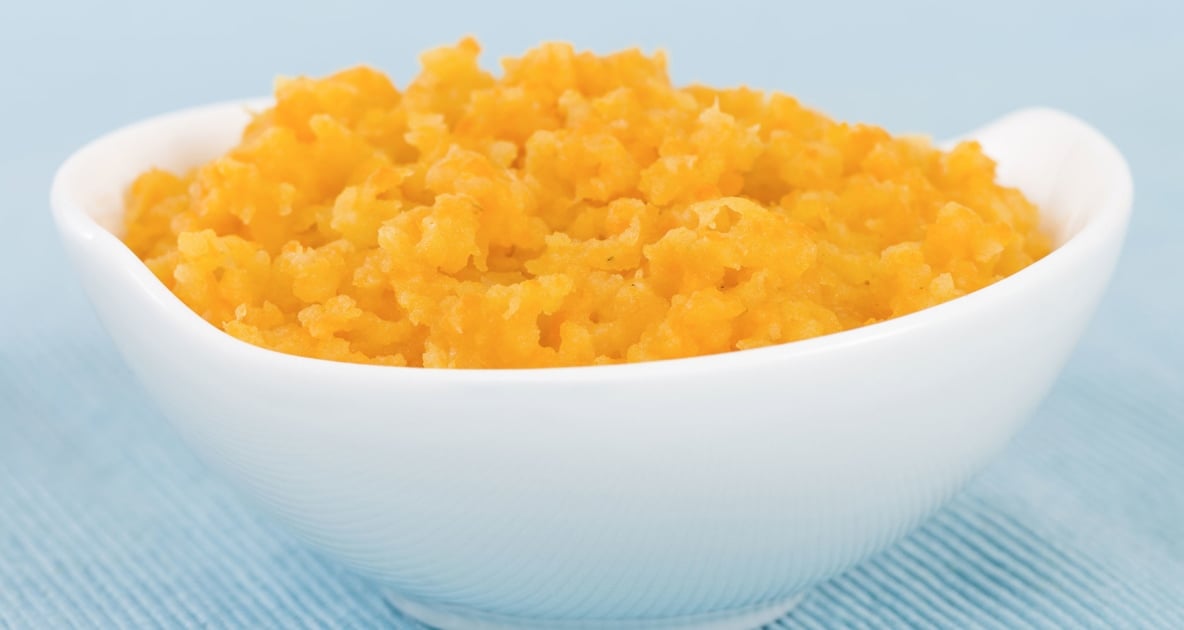
Turnip vs Rutabaga at a Glance
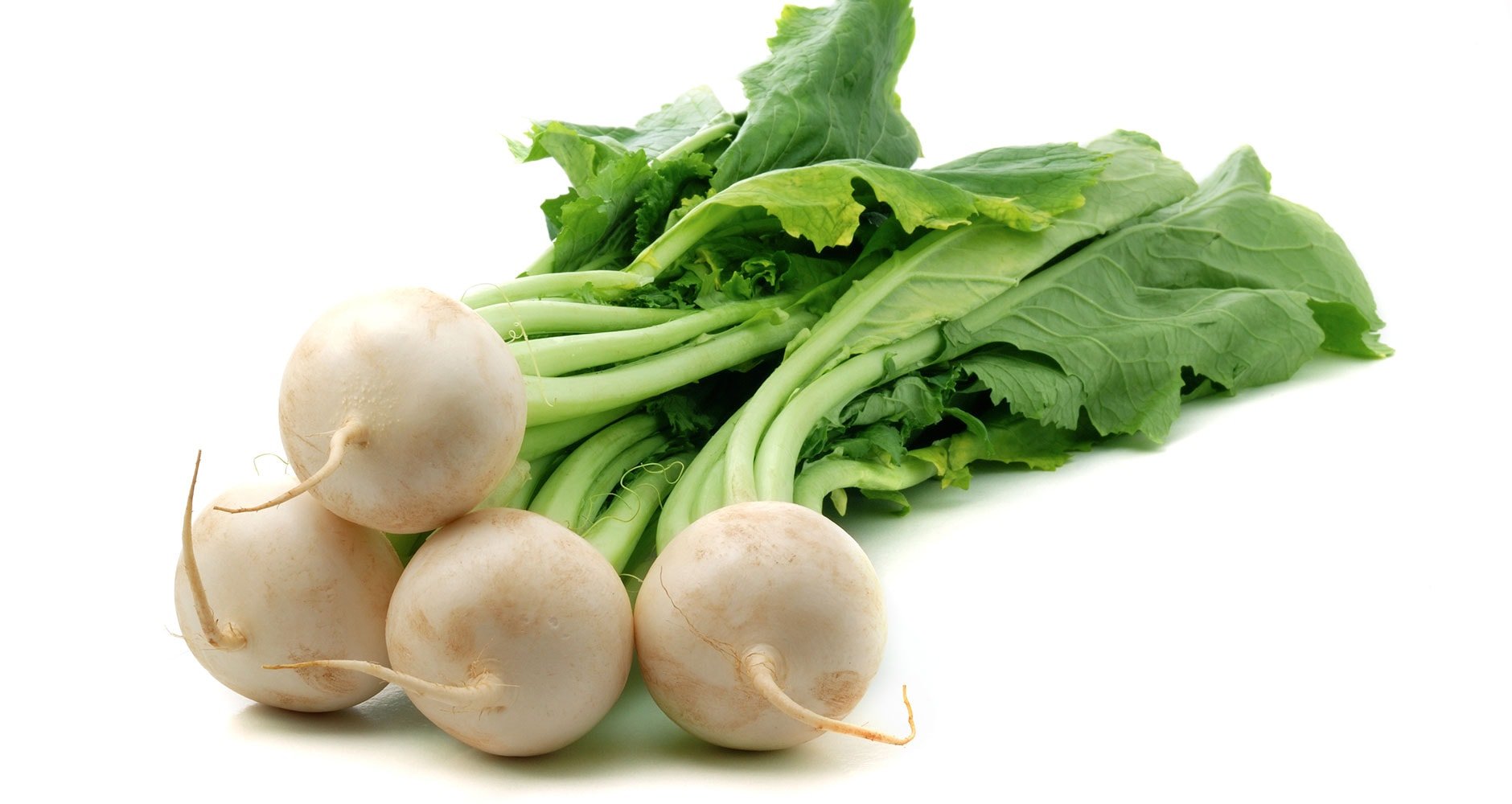
- Turnip: smaller, smooth white or purple-and-white skin, white flesh, sharper peppery flavor; Brassica rapa.
- Rutabaga: larger, rougher tan-yellow skin (usually waxed), golden flesh, milder sweeter flavor; Brassica napus, a turnip-cabbage hybrid.
- Scottish name for rutabaga: “neep.” In English-speaking Canada the rutabaga is often just “yellow turnip.”
- How to peel: turnip with a vegetable peeler; rutabaga with a paring knife to cut through the wax.
- Best cooking methods: roast at 400°F, mash with butter, simmer into soup. Greens of both are edible, sauteed.
One of our favorite side dishes on the Thanksgiving table is a steaming bowl of mashed rutabaga with butter, salt and pepper. Or is it turnip? These vegetables (the turnip vs rutabaga question) always seem to get confused.
Many vegetables have an identity crisis as they’re often confused with other vegetables, because of their similarities in flavor, color, shape, or just general mis-labeling over the years (see Is It A Yam Or A Sweet Potato?). Turnips and rutabagas are two such veggies. Both are members of the Brassica family, which includes cabbages, but there are key differences. So as you plan your Thanksgiving menu, you’ll know exactly which one you’re serving.
According to the Encyclopaedia Britannica, the turnip (Brassica rapa) is the older of the two and has been cultivated in Europe since at least 600 BC. The rutabaga (Brassica napus) is a much more recent natural hybrid of a turnip and a cabbage, first recorded by botanists in Bohemia in 1620. Different ancestors, different vegetables, easy mix-up.
Rutabaga Or Turnip? Which Is Which?
Rutabaga
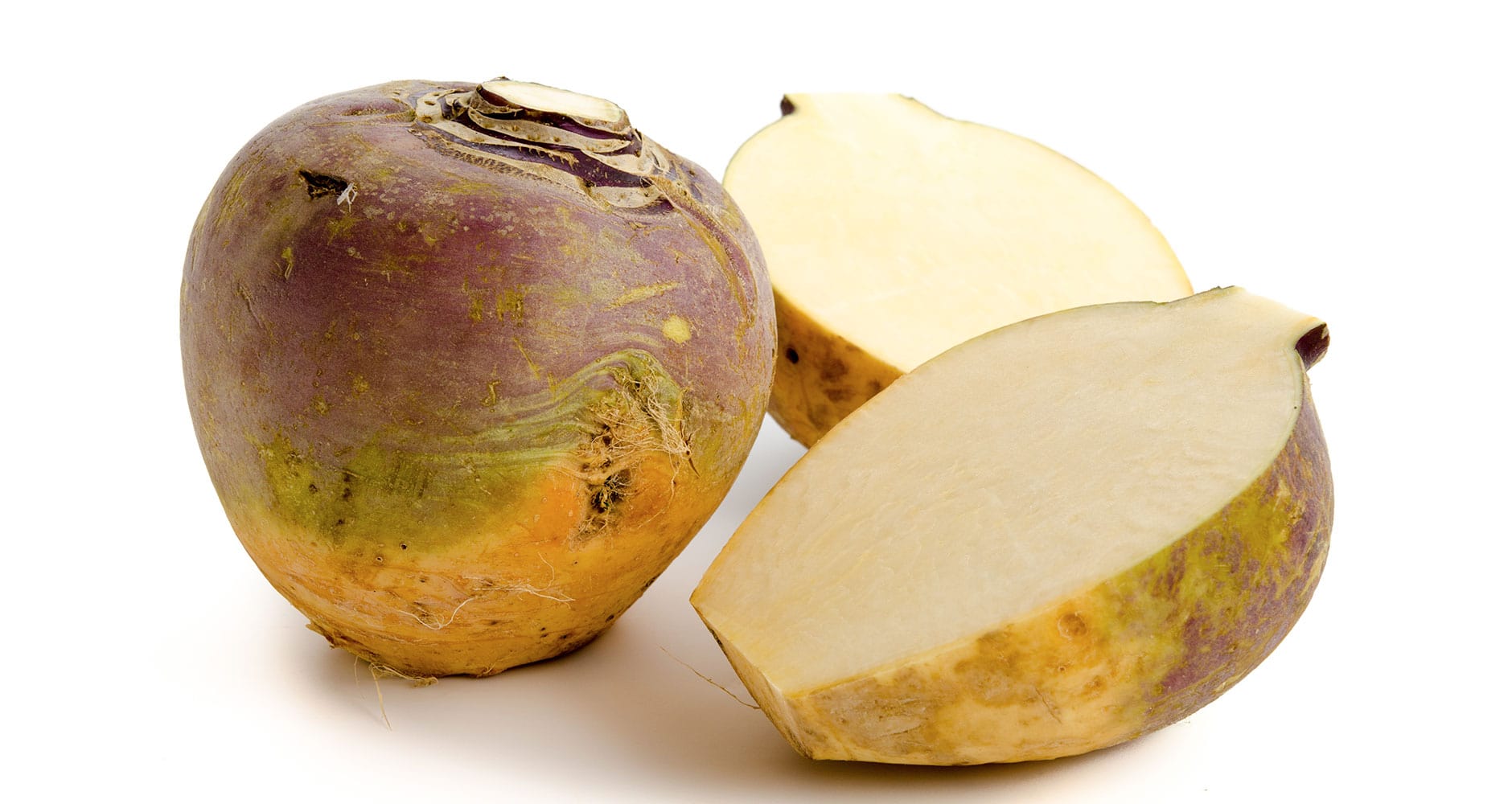
Introduced to America in the 19th century by European immigrants, the rutabaga is larger, rougher-skinned, and usually sold coated with food-grade wax. The flesh is golden in color and a bit milder in flavor than the turnip. Often, they are marketed as “wax turnips” or “yellow turnips.”
Fun Fact: In Scotland, rutabagas are known as “neeps.”
Turnip
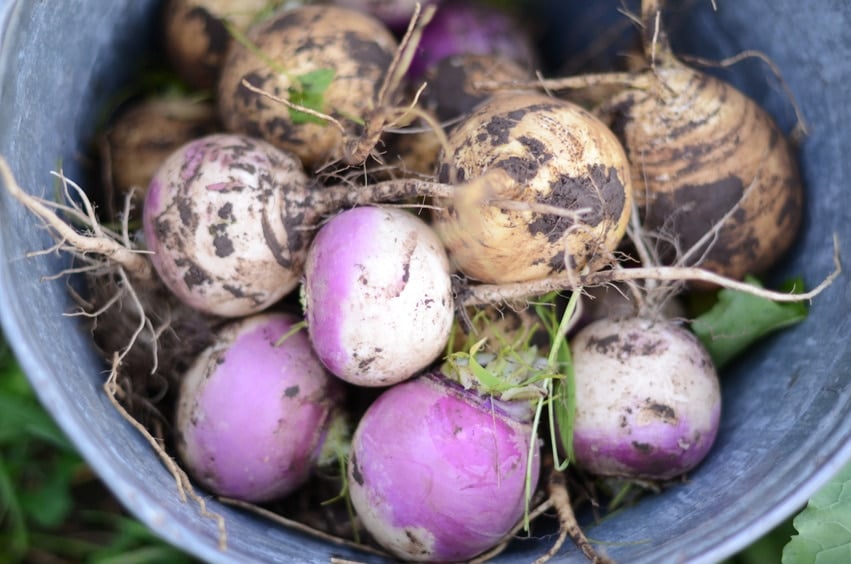
Turnips are a smooth white or violet-and-white bulb with white flesh and have been around since ancient times. In the early 1800s, seed catalogs began featuring “the cabbage turnip” and “turnip-rooted cabbage,” which would later be referred to as rutabagas.
Both vegetables are low in calories and rich in vitamin C, dietary fiber, potassium, and antioxidants.
To make matters worse for turnips, they can get confused with radishes.
Turnip vs Rutabaga at a Glance, A Quick Map
Turnip vs. Rutabaga at a Glance
| Feature | Turnip | Rutabaga |
|---|---|---|
| Botanical name | Brassica rapa | Brassica napus (a natural hybrid of turnip and cabbage) |
| Skin color | White and purple | Tan-yellow and purple, thicker skin |
| Flesh color | White | Yellow-orange |
| Size | Smaller (tennis-ball sized at peak) | Larger (softball-sized or bigger) |
| Flavor | Milder, slightly peppery when raw; mellow when cooked | Sweeter, earthier, slightly richer; holds flavor through long cooking |
| Best uses | Slaws, quick pickles, roasting, mashing | Mashing, stews, gratins, haggis accompaniment (Scotland) |
| Season | Spring or fall; bolts in summer heat | Fall and winter; improves with light frost |
Quick check: if the flesh is white, it is a turnip. If yellow-orange, it is a rutabaga.
How To Eat Them
Both vegetables are peeled before cooking. But before peeling a turnip or rutabaga, trim off the top and bottom to give you a sturdy surface. Turnip skin is tender enough to peel with a vegetable peeler. However, rutabagas usually require paring with a knife.
You can get away with not peeling a turnip if you grow your own, but supermarket rutabagas must be peeled because of their wax-coated skin. Rutabagas are waxed after harvesting to keep them from drying out. With a wax coating, they can be stored for weeks, like other root vegetables.
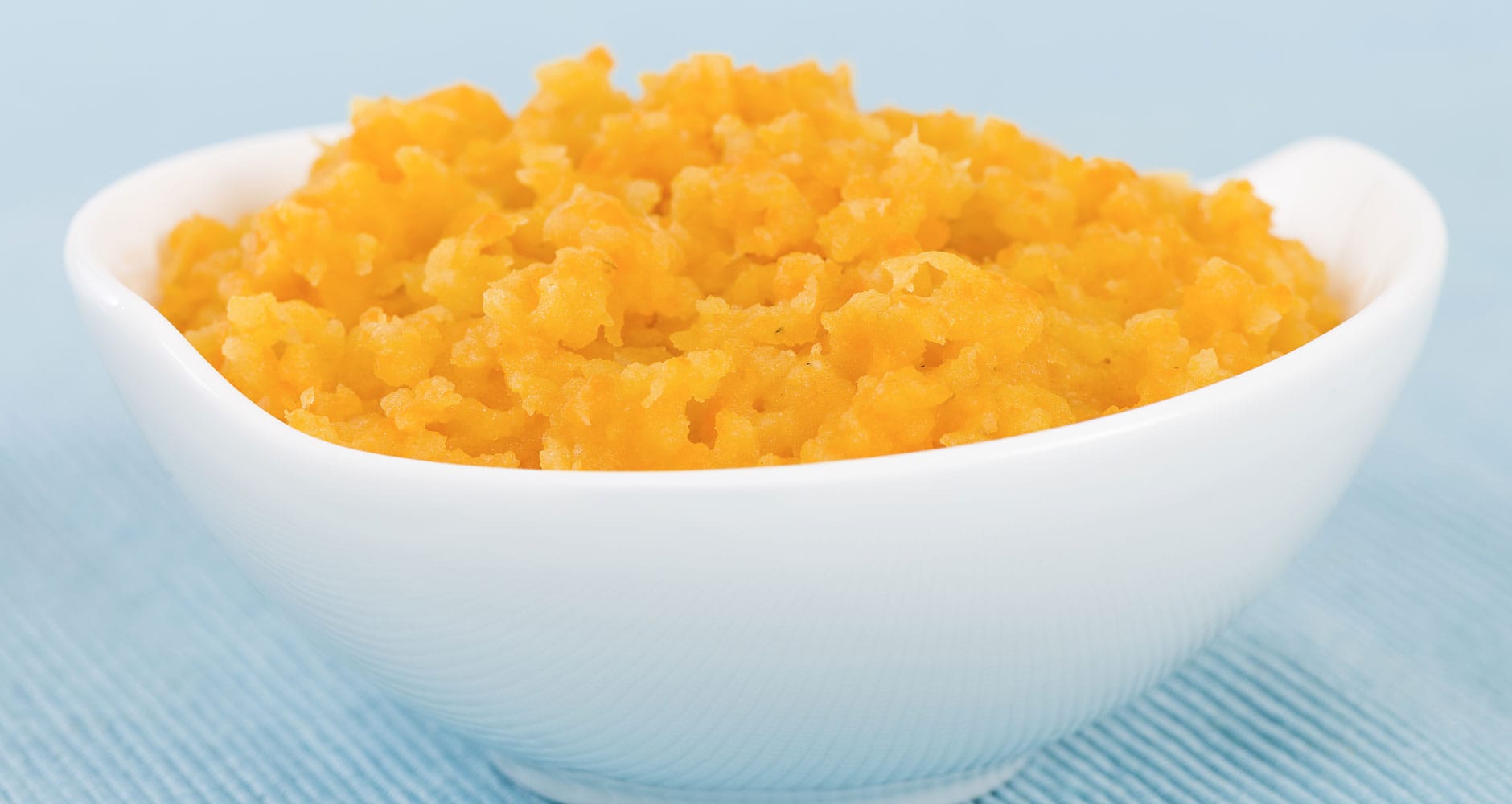
Both are often cubed and boiled or oven-roasted until tender (add some butter, salt and pepper, and mash, or leave cubed). Some people actually enjoy eating turnips raw in salads or whole like an apple. And while most people are more familiar with turnips, many cooks prefer rutabagas for their milder flavor and the color they add to dishes.
You can also enjoy turnip greens, steamed or sauteed.
We’ve included two recipes for you to try, below.
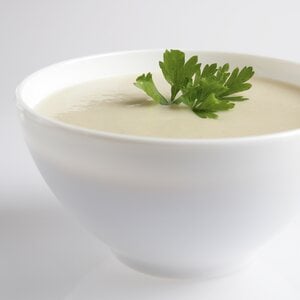
Silken Turnip and Potato Soup
- 1/2 stick butter ( (4 tablespoons; use olive oil if making a vegan recipe))
- 2 onions, thinly sliced
- 4-6 turnips, peeled and thinly sliced ( (about 2 pounds),)
- 3-5 potatoes, peeled and thinly sliced ((1/2 to 1 pound), )
- 2 teaspoons salt
- 2 quarts chicken stock (or vegetable stock) ( (use vegetable stock if you prefer))
- 1/4 teaspoon nutmeg
Melt butter in a large soup pot over medium-low heat.
Add onions and saute until translucent, about 10 minutes.
Add turnips, potatoes, and salt.
Stir to combine, cover, and let cook for another 15 minutes.
Add the stock and simmer 20 minutes or until veggies are soft.
Puree with an immersion blender, or in batches in a blender or food processor. Serve hot.
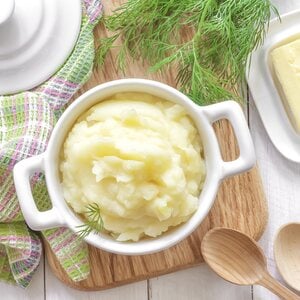
Rutabaga Casserole
- 1 large rutabaga, cooked and mashed
- 4 eggs, separated
- 4 tablespoons butter, melted
- 1 tsp fresh dill, chopped
- 1 tsp salt
- 1 dash pepper
- 1 dash paprika
Preheat oven to 375°F.
Combine mashed rutabaga, egg yolks, butter, dill, salt, pepper, and paprika in a large mixing bowl.
Beat egg whites until stiff peaks form and fold into the rutabaga mixture.
Place mixture in a greased 1-1/2-quart casserole dish.
Bake at 375°F oven until golden brown, about 30-40 minutes.

Frequently Asked Questions About Turnips and Rutabagas
What’s the easiest way to tell a turnip from a rutabaga?
Size and skin. Turnips are tennis-ball to softball size with smooth white-and-purple skin. Rutabagas are bigger (softball to grapefruit), with rougher tan-yellow skin that is almost always coated in a clear food-grade wax at the supermarket.
What do turnips and rutabagas taste like?
Turnip has a peppery, slightly sharp bite, with a tender crunch when raw. Rutabaga is milder, sweeter, and earthier, almost a cross between a turnip and a sweet potato. Both mellow further when roasted at 400°F.
Why is the rutabaga waxed?
To prevent moisture loss in storage. A thin food-grade wax coating lets a rutabaga sit in a root cellar or refrigerator drawer for weeks without going soft or wrinkly. The wax must be peeled off before cooking, a paring knife works better than a vegetable peeler.
Are turnip and rutabaga greens edible?
Both, yes. Turnip greens are the more common cooking green and a Southern U.S. staple, traditionally simmered with bacon or sauteed with garlic. Rutabaga greens are milder and less often sold, but if you grow your own, treat them like turnip greens.
Can you eat turnips raw?
Yes. Young, small turnips have a crisp peppery crunch, like a softer radish, and work beautifully sliced into salads or shaved over butter on toast. Larger, older turnips get bitter and are better cooked.
How long do turnips and rutabagas keep?
Turnips: 1 to 2 weeks in the crisper. Rutabagas: 2 to 3 weeks at cool room temperature with the wax intact; longer in a root cellar at 32 to 40°F and high humidity. Trim and bag the greens separately, they wilt in days.
Are they actually the same plant?
No. The turnip is Brassica rapa, an ancient European cultivar. The rutabaga is Brassica napus, a natural turnip-and-cabbage hybrid first noted by botanists in 1620. They look like cousins and cook similarly, but their genetics are different.
Join The Discussion
Have you ever cooked a turnip or a rutabaga?
Share your experience in the comments below.
For more root-vegetable reading, see getting ready for garlic, don’t toss those peelings, and the foods you shouldn’t refrigerate guide.



This article was published by the Staff at FarmersAlmanac.com. Any questions? Contact us at [email protected].
- Farmers' Almanac Staff

- Farmers' Almanac Staff

- Farmers' Almanac Staff

- Farmers' Almanac Staff




My grandma would take equal amounts of carrots and rutabagas put in a pressure cooker til tender enough to mash, then mash with butter, salt, pepper, the very best could eat everyday but where I live finding rutabagas at all is a task. Anyway try it it’s easy and delicious.
I’m a brassica fiend! One dish my
Mother served that was one of the favored dishes at gatherings was rutabaga and cabbage. Juice from a ham was heated and cubed rutabaga was added and cooked near tender. Then the cabbage was added. Cooked until the roots were soft to the touch. I’ve started adding thinly sliced onions and peppers that I have sautéed. Add them when the roots are near done. Serve with cornbread.
I roast turnips and rutabagas with carrots, potatoes and a head (yes, a head) of garlic with lots of good olive oil, salt, and some oregano. 450 for a bit and everything turns out soft with a crunchy skin. Can’t go wrong with high roasting!
Bit of brown sugar ,not but.
If I have a turkey for the Holidays here in Canada,We always have turnip/rutabaga,I boil it like potatoes,drain,& mash, the I add butter,pepper,& some brown sugar to taste.I have also made a cassarole with potatoes & turnip,more spuds than turnip,mashed & mixed together with butter salt pepper, but of brown sugar , egg & milk(beaten together),put in a greased bake pan & put in oven til nicely brown on top. So good.
My Grandmother was a farm girl, too. She cooked cubed turnips with a pork steak or chop, added a spoonful of sugar, and always with cornbread. Served in bowls, to get all the juices. Delicious!
I am from Newfoundland and we use rutabagas all the time .we boil them with our other veggies and I like them mashed with potatoes and fried onions.you can even have meatballs and gravy with this . Yummy !!!!!! ?
I boil turnips with butter and some sugar. Helps take out some of the bitterness! They are so good!! My best friend’s mom makes them that way. She always said a spoonful of sugar helps the veggies go down! Lol
I was introduced to the Rutabaga a few years ago and was told to just cook it like a baked potato, I added nothing and it was delicious, I have made other dishes with it, cubed it, cooked it, and added an Alfreado sauce, yummy.
I live in South Georgia, USA. I cook turnips the way my mother did. Boil some pork, preferably neck bones, long enough to get all the good flavor from them. Strain the water to get any little bone chips out, put broth back into clean pot and add throughly washed, maybe 5 or 6 times, the turnip greens AND the chopped up peeled roots. Always remove the stems of the turnip leaves. It is labor intensive, but worth it.