

Dogwood Winter: When It Hits By State, Why It’s Called That, and What It Means for Planting
Much like a "badger summer", a period of unseasonable warmth in the middle of autumn, periods of cold snaps during springtime have a name. Learn more about these "Little Winters."
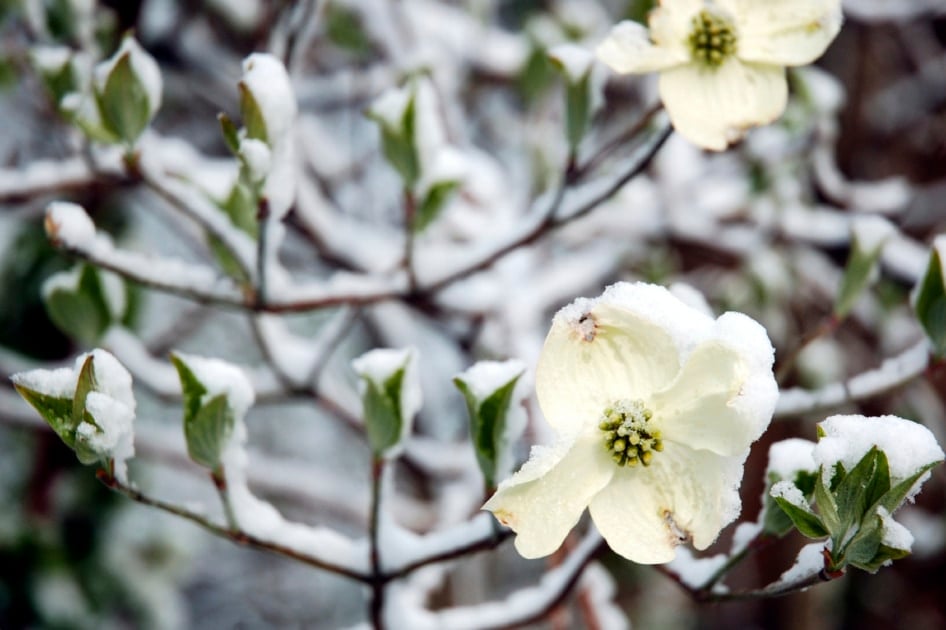
Quick Reference
- What it is: A short cold snap in late April or early May, right when the dogwoods bloom. Folk weather term, recognized by meteorologists as a “singularity.”
- Other names: Blackberry Winter, Locust Winter, Whippoorwill Winter, Redbud Winter, Linsey-Woolsey Britches Winter.
- Why farmers used it: Marker for when to plant. The rule was “do not plant until the dogwoods bloom.”
- Singularity rule: A weather pattern earns the name if it shows up in at least 50% of years.
- Where it shows up: Most of the eastern and central United States. Patterns shift west and north depending on which tree blooms first in your region.
- Best companion read: The Almanac average frost dates map.
Spring can be an unpredictable time of year, with warm, summer-like conditions one day and snow the next. It is easy to get lulled into a false sense of security that the weather will stay friendly, when a freak cold snap hits and reminds you that winter only ended a few weeks ago. Here is everything you need to know about the “dogwood winter” phenomenon and the half-dozen other “little winters” that go with it.

“Little Winters” By Another Name
Much like “badger summer,” a period of unseasonable warmth in the middle of autumn, these periods of springtime cold have a name. Actually, they have several names. The “little winters” in the middle of spring are called variously Dogwood Winter, Blackberry Winter, Locust Winter, Whippoorwill Winter, Redbud Winter, and a few other regional variations.
5 Best Flowering Trees to Brighten Up Your Yard
Though predictable, the climb from the cold of winter to the warmth of summer and back again is not completely smooth. Small “blips” in the overall pattern reveal noticeable fluctuations that can be observed from year to year. These blips are called singularities in weather lingo. For a singularity to be recognized, it has to occur during at least 50% of years. Badger Summer is a long-established singularity. Dogwood Winter is another.
Why Is It Called Dogwood Winter?
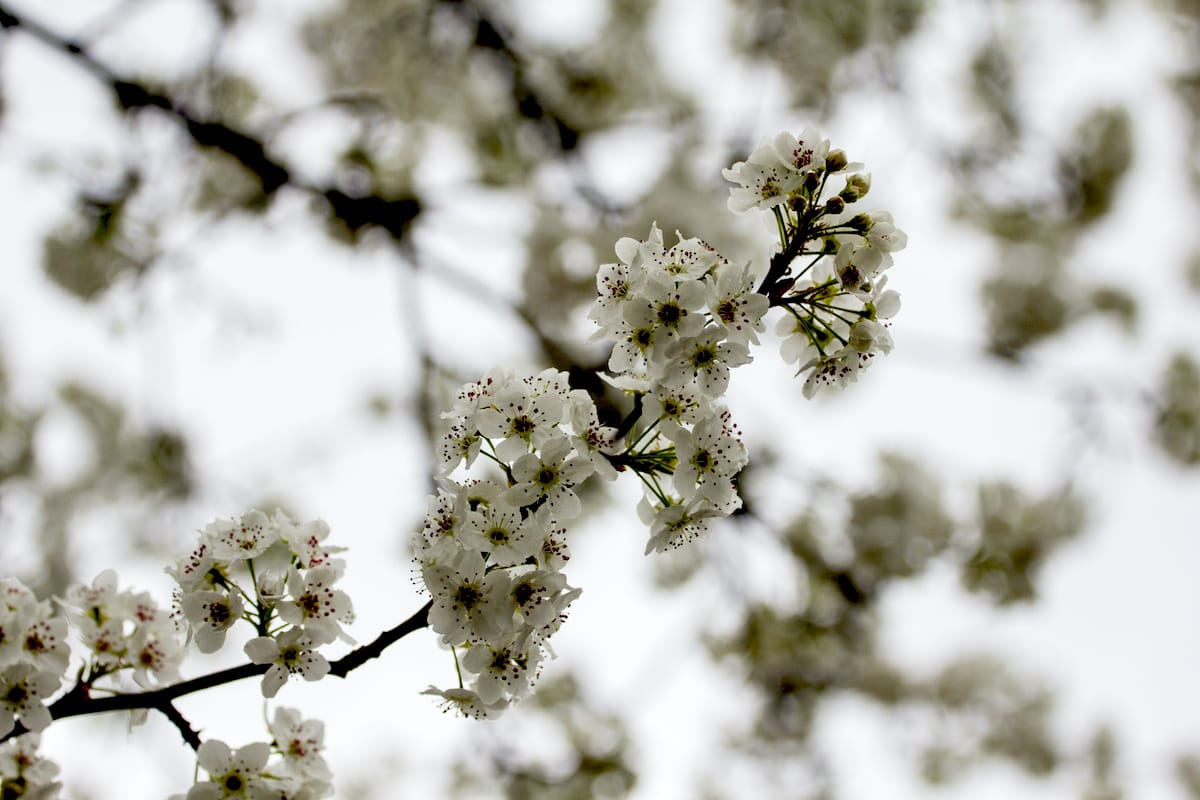
But why is it called Dogwood Winter, or any of those other names, for that matter? Today, we keep track of the passing of the year with a calendar. If you want to know when the last frost of the year is likely to be, you can look up the date in your Farmers’ Almanac or see the average frost dates online. Our ancestors did not have calendars to consult. They relied on the signs of nature around them.
A Dogwood Winter usually falls during late April or early May, right around the time the dogwood trees start blooming in many regions. Farmers knew it was not safe to plant their crops until after the dogwoods bloomed.
Farmers knew it wasn’t safe to plant their crops until after the dogwoods bloomed.
Likewise, it takes a few days of cold weather to stimulate blackberry canes to start growing, which is why Blackberry Winter is another popular term for this weather phenomenon. Locust trees and redbud trees are also seen as harbingers of a spring cold spell. Which name you choose depends on which kind of tree is most abundant in your neck of the woods.
One largely forgotten term for a patch of cold during the springtime is Linsey-Woolsey Britches Winter. “Linsey-Woolsey britches” is an old nickname for long johns, usually spun from a combination of linen and wool. This end-of-spring cold snap marked the day when the Linsey-Woolsey britches could be packed away for the season.
No matter what you call it, if you have a garden, or even if you just plan on packing away those winter sweaters, remember that Dogwood Winter could still be waiting to catch optimistic sun-lovers unprepared.
Expecting a cold snap, frost, or snow in spring? Here’s how to protect your spring plants!
When Is Dogwood Winter By State?
Dogwood Winter does not arrive on the same week everywhere. It tracks the dogwood bloom, which shifts north and uphill across the spring. The window below is the typical bloom-and-cold-snap range for each state. Frost during these windows is the cold snap people call Dogwood Winter.
| State / region | Typical dogwood bloom window | Dogwood Winter cold-snap window |
|---|---|---|
| Northern Florida, southern Georgia, southern Alabama | Mid-March | Late March to early April |
| Northern Georgia, central Alabama, central Mississippi | Late March | Early to mid April |
| Tennessee, North Carolina, South Carolina | Early to mid April | Mid to late April |
| Kentucky, Virginia, southern Missouri, Arkansas | Mid April | Late April |
| Southern Indiana, Ohio, West Virginia, southern Pennsylvania | Late April | Late April to early May |
| New York, New England, Great Lakes states, Iowa | Early to mid May | Mid May |
Treat these as anchors, not promises. Bloom timing shifts a week or more year to year with the spring’s overall warmth, and the cold snap can land a few days before, during, or just after peak bloom. Check your Farmers’ Almanac planting calendar for your zip code’s frost-safe date.
When Is Blackberry Winter By State?
Blackberry Winter is the cold snap that lands a week or two after Dogwood Winter, when the blackberry canes flower. Same logic as the dogwood table above, just shifted later.
- Alabama: Mid to late April. Most years it follows Dogwood Winter by 7 to 10 days.
- Tennessee: Late April to early May. The mid-state and east-state windows can split by a week.
- Georgia: Mid April in the north of the state; early to mid May in the higher elevations of the Appalachian counties.
- Kentucky: Late April through the first week of May.
- North Carolina: Late April in the Piedmont, early to mid May in the mountains.
- Virginia: Late April to mid May, again shifting later with elevation.
Some farmers also call the period Whippoorwill Winter in any state where the whippoorwill bird’s first call coincides with the cold snap (most often Kentucky, Tennessee, and the Carolinas).
The Six “Little Winters” Across the Calendar
| Name | Tree or sign | Typical timing | Where it is most reported |
|---|---|---|---|
| Redbud Winter | Eastern redbud blooming | Late March to early April | Mid-South, Appalachians |
| Dogwood Winter | Flowering dogwood blooming | Late April to early May | Eastern and central US |
| Locust Winter | Black locust blooming | Mid May | Mid-Atlantic, Ohio Valley |
| Blackberry Winter | Blackberry canes flowering | Mid to late May | South and Midwest |
| Whippoorwill Winter | First whippoorwill calling at night | Late May | Appalachian South |
| Linsey-Woolsey Britches Winter | Final cold snap of spring | Late May to early June | Old Appalachian and New England usage |
What Causes a Dogwood Winter?
Dogwood Winter is the same kind of meteorological behavior that National Weather Service offices describe as late-season cold-air advection. After winter ends, the polar jet stream still carries cold air masses south on a regular basis. When one of those masses pushes through after the trees start to bud, the result is a sharp cold snap with frost or near-frost temperatures, often paired with cloud and a brisk north wind. The trees and shrubs are not ahead of the season. The cold is just behind it.
How to Plan Around the “Little Winters”
- Wait for the bloom you trust. If you are in dogwood country, wait until the white bracts open to start setting tomatoes outside.
- Check your frost-date map. Pair the bloom rule with the Almanac frost-date table for your zip code.
- Watch the 7 to 10 day forecast. A north wind followed by clear sky is the classic frost setup, even after the dogwoods open.
- Have row cover ready. A single sheet over young tomatoes, peppers, or beans buys you four to six degrees of frost protection.
- Keep the long johns handy. A Linsey-Woolsey Britches Winter can show up after Mother’s Day in the upper South.

For other spring weather quirks, see animal weather folklore, spring weather lore and the signs of changing seasons, and the onion snow tradition.
Frequently Asked Questions
What is Dogwood Winter?
A short cold snap in mid to late spring, lining up with when the dogwood trees bloom. The folk name tracks the bloom because the cold snap and the bloom historically appear in the same week, in at least half of years (the meteorological definition of a singularity).
When is Dogwood Winter?
Most years, late April or early May. The exact window shifts by latitude. In Alabama and Georgia it is late March to early April. In Kentucky and Tennessee it is mid to late April. In New England it is mid May.
When is Dogwood Winter in Alabama?
Most years it arrives in late March or early April, right when the dogwoods bloom across the central and northern part of the state. Frost during that window is the cold snap people call Dogwood Winter.
When is Blackberry Winter in Tennessee?
Most years, late April or early May, about one to two weeks after Dogwood Winter. The east of the state can run a week behind the mid-state window.
When is Blackberry Winter in Alabama?
Mid to late April, typically about a week after Dogwood Winter. Northern Alabama can be a few days behind the south of the state.
When is Blackberry Winter in Georgia?
Mid April in the north of the state. The higher elevations of the Appalachian counties run early to mid May.
What are the Kentucky little winters?
Kentucky tracks all of the classic spring cold snaps: Dogwood Winter in mid to late April, Blackberry Winter in late April through early May, Locust Winter and Whippoorwill Winter when those signs of nature are active, and the old Linsey-Woolsey Britches Winter (when the long johns get packed away).
Dogwood Winter vs Blackberry Winter, what is the difference?
Two different cold snaps, named after different blooms. Dogwood Winter lands first, when the dogwoods bloom. Blackberry Winter lands a week or two later, when the blackberry canes flower.
Why is it called Dogwood Winter?
Because the cold snap historically lines up with the dogwood bloom. The dogwood was the planting signal: farmers waited until the dogwoods bloomed before planting frost-sensitive crops, so naming the cold snap after the tree made it easy to remember.
Should I plant before the dogwoods bloom?
For frost-sensitive crops (tomatoes, peppers, beans, squash), no. Wait until the dogwoods finish blooming AND your local average last-frost date passes. For cold-hardy crops (peas, lettuce, spinach, brassicas), planting before bloom is fine.
What is a singularity in weather?
A weather pattern that occurs in at least half of years on the same calendar window. Dogwood Winter, Indian Summer, and the January Thaw are all recognized singularities.
Is Dogwood Winter happening less often with climate change?
The cold snap still occurs in most years, but the bloom is shifting earlier overall and the cold-snap window has narrowed. Some recent springs have skipped Dogwood Winter altogether in the warmer southeast.
What other little winters are there?
Blackberry Winter, Locust Winter, Whippoorwill Winter, Redbud Winter, Linsey-Woolsey Britches Winter. Each is named after the sign of nature (bloom, animal call, garment) that coincides with the cold snap in a given region.
When does Dogwood Winter usually happen?
Late April or early May in most of the eastern and central United States, right when the flowering dogwoods bloom. Earlier in the Mid-South, later in the upper Northeast.
Why is it called Dogwood Winter?
Because the cold snap usually arrives the same week the dogwoods bloom. Farmers without calendars used the trees as the marker for when it was safe to plant.
What is a singularity in weather?
A singularity is a weather pattern that recurs reliably enough at the same point on the calendar to earn a name. The accepted threshold is 50% of years. Badger Summer is one. Dogwood Winter is another.
What is Blackberry Winter?
A second cold snap, slightly later in spring, that lines up with blackberry canes flowering. Cold weather actually triggers the canes to grow, which is why the timing matches the cold so reliably.
What is Linsey-Woolsey Britches Winter?
An old name for the very last spring cold snap, named for the linen-and-wool long johns farmers stopped wearing once it passed. Still used in parts of Appalachia and the South.
Should I plant before the dogwoods bloom?
In most of the eastern United States, the answer is no for tender tomatoes, peppers, beans, and squash. Cool-season crops like peas, lettuce, and brassicas can go in earlier. The dogwood rule is for warm-season crops that frost will take.
Is Dogwood Winter happening less often with climate change?
The trees are blooming a little earlier, but the polar jet still pushes cold air south after spring starts. The pattern shifts on the calendar, but the singularity holds. Plan with the bloom signal you actually see in your yard, not the date you used last year.
Tell Us
What do you call your “little winter” where you live? Dogwood, Blackberry, Locust, or Linsey-Woolsey? Drop your name and your county in the comments and we will fold the regional variations into the next round.


Jaime McLeod
Jaime McLeod is a longtime journalist who has written for a wide variety of newspapers, magazines, and websites, including MTV.com. She enjoys the outdoors, growing and eating organic food, and is interested in all aspects of natural wellness.
- Jaime McLeod

- Jaime McLeod
- Jaime McLeod
- Jaime McLeod


The dogwood trees are one of my very fav trees to see in the spring but after lastnites cold temps mine are gone I don’t even see a bloom I can look out my living room see them seriously their gone
WOW where are you.Florida is burning up
I love the old almanac my dad planted by it and the old winter name’s I grew up with did control a lot of things..Like right now in N.Alabama blackberries are in full bloom.
I swear by these theories of weather predictions, when I was younger I thought my grand parents didn’t know what they were talking about, but oh was I wrong!
Maida, thank you for all of the “summers” . I love this kind if information. Also,I certainly understand about the achy joints in the cold and damp seasons. Although that pain is less, I still am so miserable in hot weather that I had rather be in the mountains. (I think)
Vicki no one talks like that…I am from Eastern KY so I know.
I grew up around the old folk of East Tennessee and was taught much about moon signs and weatherlore. I’ve heard of 6 little winters…it starts out with Apple Blossom Winter (redbud winter), Dogwood Winter, Locust Winter, Blackberry Winter, Longjohn Winter, and Whippoorwill Winter. All tending to be about a fortnight (2 weeks) apart. If apple trees bud before March 20-21, it means an early Spring. If not they bloom around the Spring Equinox. Dogwood Winter usually comes second thru third week of April (10th – 17th) and is followed by Locust Winter at April’s end (May Day or Maying time). Blackberry Winter hits around 10th-15th of May and Longjohn Winter finishes May. Before Summer Solstice you’ll hear the sad cry of the whippoorwill on a bright starry night and know that next morning the better be an extra log ready for the fire.
I never heard of winters until I came to Tennessee. My mother-law taught me a lot. red bud winter middle of March. Dog wood winter around April 20. Locust winter around first of May 1st. Blackberry winter between May 10 and 15. It’s not a good idea to plant your tomatoes until after May 15. A cool snap comes just before the blooming of the next. So when it warms up after the cool snaps, that’s when you will see the next blooming. Another thing my father-in law would never plant corn when there was a full moon, because he said it would only grow moon high, and nit produce any corn.
My dogwood trees are in full bloom and its the18th today. They bloom out last week so say around the 10-12 of April they started blooming. I believe it’s came a little earlier this Year
Ive planted my seeds and tote my plants in and out of my home, every morning if warm enuff, I bring my timey plants out into the sun, I’m in Minnesota, so I am accustom to the coolerweather.
Ruth: Now that’s a new one on me! I grew up in the Ozarks border in Western Missouri and there are a lot of those old sayings that had some truth to them! I learned about splitting oak logs with charcoal and sulfur as an explosive. Black powder is a whole lot better!
I grew up in the Appalachian Mts in far southwest VA. We always planted a huge garden, so I grew up knowing about all these winters. Especially about not planting certain crops until after May 10th. When I moved to coastal NC, people there looked at me as if I was crazy when I said, ” Oh, it’s —- winter.” Another weather phenomenon not mentioned is the “10th of May rains.” There is always a rainy spell either right before the 10th or right after the 10th. I have known of that rainy spell to last close to a week, but it is often shorter. The end of frost can depend on which side of the 10th the rains come.
Does anyone know if there’s a name for a very warm spell in late winter? It’s early March and has been in the 70’s here all week. Nice weather, but I’m worried all the trees will bloom and then get frostbite when our regular March weather comes back.
Yeah its called spring
Does anyone know when “Blossom Day” is? I’ve always been told not to plant a garden on this day.
Another folk term that is used for Linen Britches is “Stump” winter. Which is known to be the last cold snap before Spring/Summer sets in. This typically is the coldest one of the “winters” – Its name is derived from the fact that this is the last winter to put the last stump on the fire.
I was raised by my grandparents in South-central Kentucky and was taught these wonderful folklores by my Grandmother aka “Mammy”. When I tell others of these winters they laugh and think I am making them up, it is nice to see others that recognize what my ancestors have taught me.