

Why Asparagus Makes Your Pee Smell Funny: The Asparagusic Acid Explanation
If you’re an avid eater of this springtime delicacy, you probably want to know! We have the answer.
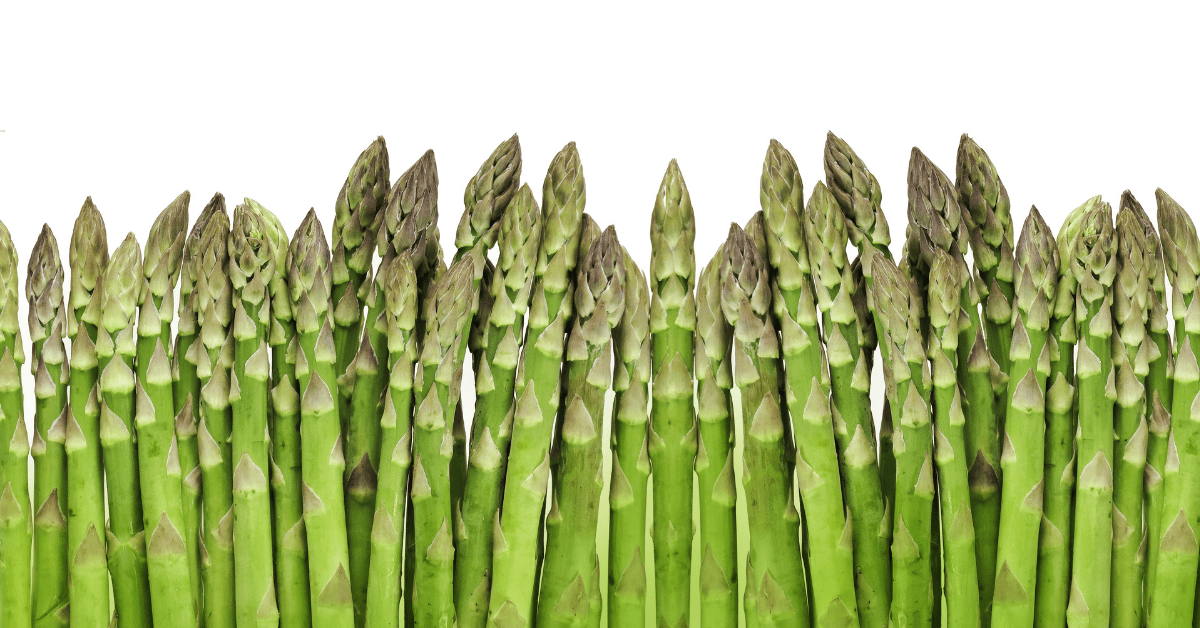
Quick Reference
- The compound: asparagusic acid, found only in asparagus.
- How fast: the smell can appear as quickly as 15 minutes after eating.
- Genetics: a 2016 BMJ study of 6,909 people identified 871 genetic variants tied to asparagus-pee anosmia; roughly 40 percent of the population cannot smell it.
- Ben Franklin, 1781: noted in a letter that a few stems of asparagus would give urine a disagreeable odour.
- Nutrition: a 1-cup serving of cooked asparagus has 27 calories, 3 grams of fiber, 2.9 grams of protein, plus vitamins K, A, C, and folate.
- The verdict: the smell is harmless. Keep eating the asparagus.
Spring means asparagus, and asparagus means the peculiar bathroom smell that has puzzled dinner guests since at least 1781. There is a name for the culprit chemical, a 2016 British Medical Journal study that mapped the genetics of who smells it, and a reassuring answer for anyone who has recently checked WebMD in a panic: this is normal, harmless, and remarkably common.
It is that time of year when the delicate stalks of delicious asparagus make it to dinner tables everywhere. We love it grilled, steamed, stir-fried, in soups, with a squeeze of lemon, and many other ways. It is the ultimate springtime vegetable, hitting peak season from April through June in most of the United States and Canada.
But if you are an avid eater of this vernal delicacy, you have probably noticed something a little, um, smelly after you have consumed it. There is no reason for alarm: it is perfectly normal, and you are not alone.
Even Benjamin Franklin, writing to the Royal Academy of Brussels in 1781, noted that “a few stems of asparagus eaten, shall give our urine a disagreeable odour.”

Why The Funny Smell?
Science has an explanation for why asparagus can make your pee smell funny, and it all trickles down to one chemical compound: asparagusic acid, which can only be found in asparagus. This is why no other vegetable seems to cause such a stinky curiosity. The National Institutes of Health chemistry review traces the reaction step by step.
When our body digests the vegetable, it breaks it down and creates volatile sulfur-containing compounds. The two main ones are methanethiol and dimethyl sulfide. These are the same compounds that give onions, garlic, and skunk spray their characteristic smell. That is why the odor is sharp, sulfurous, and unmistakable to anyone who can detect it. And in most cases, it can happen in as quickly as 15 minutes after eating, whether the asparagus is raw or cooked.
But interestingly, not everyone suffers from this fetid phenomenon. A 2010 British study suggested that “differences existed between individuals in both the production and detection of the scent.” A follow-up 2016 study published in the BMJ, based on 6,909 people, identified 871 genetic variants linked to the inability to detect the smell. Scientists have also discovered that nearly 40 percent of the population either cannot detect anything unusual in their urine after eating asparagus, or their bodies simply do not manufacture the sulfur compounds. Whether participants could not smell it or did not produce the compounds was not entirely clear from earlier work; the 2016 study concluded both effects are at play, deepening the asparagus mystery in a good, science-backed way.

How Fast, How Long, and How Strong
The odor is one of the fastest-appearing food effects the human body produces. Here is what the peer-reviewed studies have found:
- Onset: as fast as 15 minutes after eating, per the NIH chemistry review; typical onset is 30 to 60 minutes.
- Peak: intensity peaks at 1 to 2 hours after eating.
- Duration: the smell tapers off over 4 to 8 hours as the compounds clear the kidneys.
- Cooking method: makes no difference. Grilled, steamed, roasted, and raw all trigger the reaction in producers.
- Amount: even three or four spears are enough to trigger the effect in producers, matching Franklin’s 1781 note about a few stems.
Who Smells It, and Who Does Not
The population splits into four groups when it comes to asparagus pee. The BMJ 2016 study cross-tabulated production and detection, and the results explain a lot of dinner-party disagreements:
Percentages vary by study; the BMJ figures give the broad picture. If you have never noticed the smell, you probably fall into the last two groups. If a family member insists there is no smell after a shared dinner, it is not gaslighting, it is genetics.
When Asparagus Is In Season Where You Live
Asparagus is a perennial. Established beds send up spears from the crown as soon as soil temperatures pass 50 degrees Fahrenheit. The Farmers Almanac planting calendar gives spear-emergence targets by region:
- USDA Zones 3-5 (Upper Midwest, New England, Prairies): mid to late May through mid June.
- Zones 6-7 (Mid-Atlantic, Ohio Valley, Pacific Northwest): mid April through late May.
- Zones 8-9 (Southeast, Texas, coastal California): late February through April.
- Canada (Zones 2-8): late May through June, with British Columbia’s Fraser Valley an exception at early May.
Peak flavor happens in the first 3 weeks of the local harvest. Look for spears the thickness of a pencil, tight tips, and a snap when you bend them.
Still A Healthy Option
Aside from the smelly aftereffect, asparagus is loaded with vitamins, fiber, and antioxidants, making it an important vegetable to keep in your diet. A single cup of cooked green asparagus contains only 27 calories, 3 grams of fiber, 2.9 grams of protein, and one third of your daily vitamin K target, plus vitamin A, vitamin C, and 22 percent of daily folate.
Asparagus also carries glutathione, a natural antioxidant that supports liver function. If the pee smell has kept you from serving it, the nutritional case for putting a spear-lined platter back on the dinner table is strong. Grill with olive oil and lemon; the flavor pairs well with grilled fish, roast chicken, and pasta.

Frequently Asked Questions
Why does asparagus make your pee smell funny?
Asparagus contains asparagusic acid, a compound found in no other vegetable. When your body digests asparagus, it breaks this compound into volatile sulfur molecules, mainly methanethiol and dimethyl sulfide. These are the same compounds that give onions and garlic their sharpness, and they exit the body through the urine.
How fast does the smell appear?
As quickly as 15 minutes after eating a few stems, per NIH chemistry data. Onset for most people is 30 to 60 minutes, and the smell tapers off over 4 to 8 hours as the sulfur compounds clear the kidneys.
Is the smell dangerous?
No. The compounds are completely harmless. They are the byproducts of normal digestion. If your urine ever smells sharply of something else (sweet, ammonia, or metallic) for reasons unrelated to asparagus, see a doctor, but a post-asparagus whiff is not a health concern.
Why can I not smell it when my partner can?
Genetics. A 2016 BMJ study of 6,909 people identified 871 genetic variants tied to asparagus-pee anosmia. Roughly 40 percent of the population cannot detect the odor even when it is present.
Does cooking method change the smell?
No. Grilled, steamed, roasted, and raw asparagus all trigger the reaction in producers. The asparagusic acid survives every cooking method.
How much asparagus is enough to trigger it?
Three or four spears are usually enough for producers. Benjamin Franklin’s 1781 letter noted a few stems eaten shall give our urine a disagreeable odour, and modern studies confirm the effect kicks in well before the whole side dish is finished.
Does asparagus have any real health benefits?
Yes. A single cup of cooked green asparagus contains 27 calories, 3 grams of fiber, 2.9 grams of protein, plus one third of your daily vitamin K, plus vitamin A, vitamin C, folate, and glutathione, an antioxidant that supports liver function.


This article was published by the Staff at FarmersAlmanac.com. Any questions? Contact us at [email protected].
- Farmers' Almanac Staff

- Farmers' Almanac Staff

- Farmers' Almanac Staff

- Farmers' Almanac Staff




I love to get oven roasted turkey breast and put a few slices of asparagus in it and roll it up, sauté and seal the seam with butter in a frying pan on medium heat. So good!
Sounds delish!
I had read in a Cleveland Clinic article that asparagus detoxifies your kidneys and in some cases it reversed some kidney damage. Anyway, I love this veggie and eat it 2 to 3 times a week. Try Pickled Asparagus…it’s awesome.
A few years ago there was an email going around that said Asparagus would kill cancer cells!!! Do you know anything about it!!?? I love asparagus, and never noticed a different scent with my urine!! Joyce
I have heard of this. My aunt took two tablespoons of pureed canned asparagus morning and night for cancer inside her lip. It was successful in curing it. A few years later, it came back. She did the same thing and it went away again. She is 98 now and still living alone.
One reason should I go out to a restaurant, I never order asparagus.. it’s within 10 minutes with me and I’m a pharmacist, I’ve smelled sulpher, which is a bit worse but what’s interesting is how far that smell can travel in a very short period of time; talking the elimination part…
All that aside i adore this veggie.. I’ll cook up two bunches just for me & I love it cold also and no one cares @ that smell. Just a fascinating veggie.. how it grows- I may make a quiche now. Got my 2 bunches in the fridge
Cheers
Tony/ nyc
LOL My wife and I have joked about “here comes the stinky pee” for years. My dad always told me it was because there is a little natural arsenic in it, and it cleans out your kidneys.