

What Does Weather Lore Say About Hurricanes?
Hurricane season begins June 1st! What signs from nature did our ancestors watch to warn against weather's fiercest storm? Check out the list and watch the cows and alligators.
Quick Reference
- Lore #1: Seagulls sit on the sand when bad weather is coming offshore.
- Lore #2: Sparrows hide under hedges or roof ledges before a hurricane.
- Lore #3: A cow with its tail held upright signals an approaching storm.
- Lore #4: Sharks move to deeper water hours before a hurricane makes landfall.
- Lore #5: Alligators bellow extra long when a Gulf hurricane is imminent.
Countless wives’ tales and folklore sayings center around storms. Whether it is the color of skies or wisps of clouds that look like mare’s tails, these sayings and rhymes warned sailors and farmers to pay attention to the signals nature was sending about the weather that was coming. But did our ancestors warn about hurricanes, weather’s fiercest of storms? We searched our archives for hurricane weather lore and found the following (some of which we have never heard before).

Seagull, seagull, sit on the sand;
It is never good weather when you are on land.
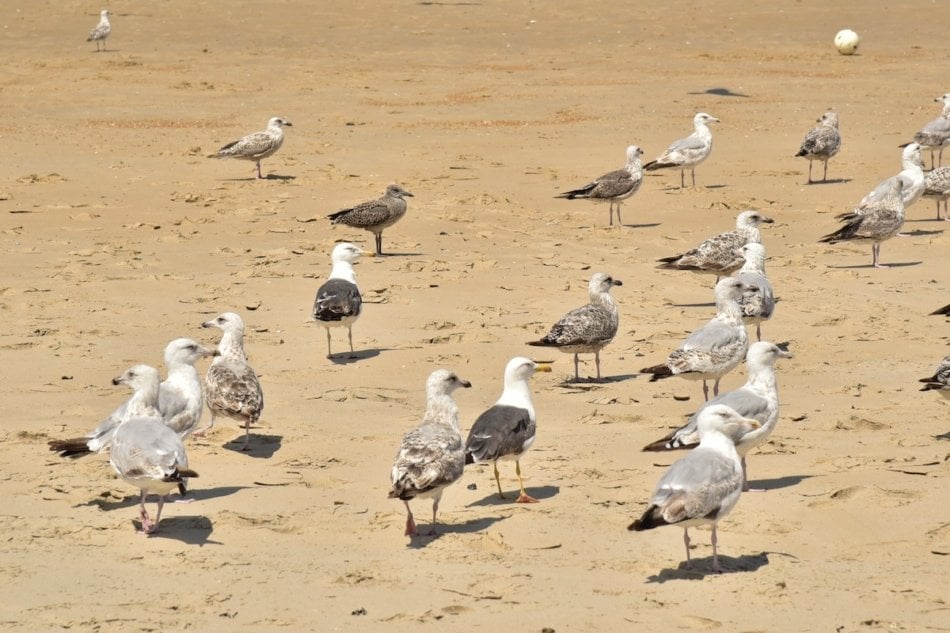
If there is one bird that will know when a hurricane is approaching over the ocean, surely it is the seagull. Seagulls spend the majority of their time flying over the ocean or sitting on its surface, so if you see them lingering on land it is a sure sign there is ill weather at sea. One reason why they do this is that they can sense changes in barometric pressure, and hurricanes have the lowest pressure of any kind of storm. Another explanation for why gulls land and wait for storms to pass is because the incoming low pressure also discourages thermals (the rising currents of warm air that allow birds to effortlessly soar to higher altitudes).
When sparrows hide under hedges or roof ledges, a hurricane is coming.
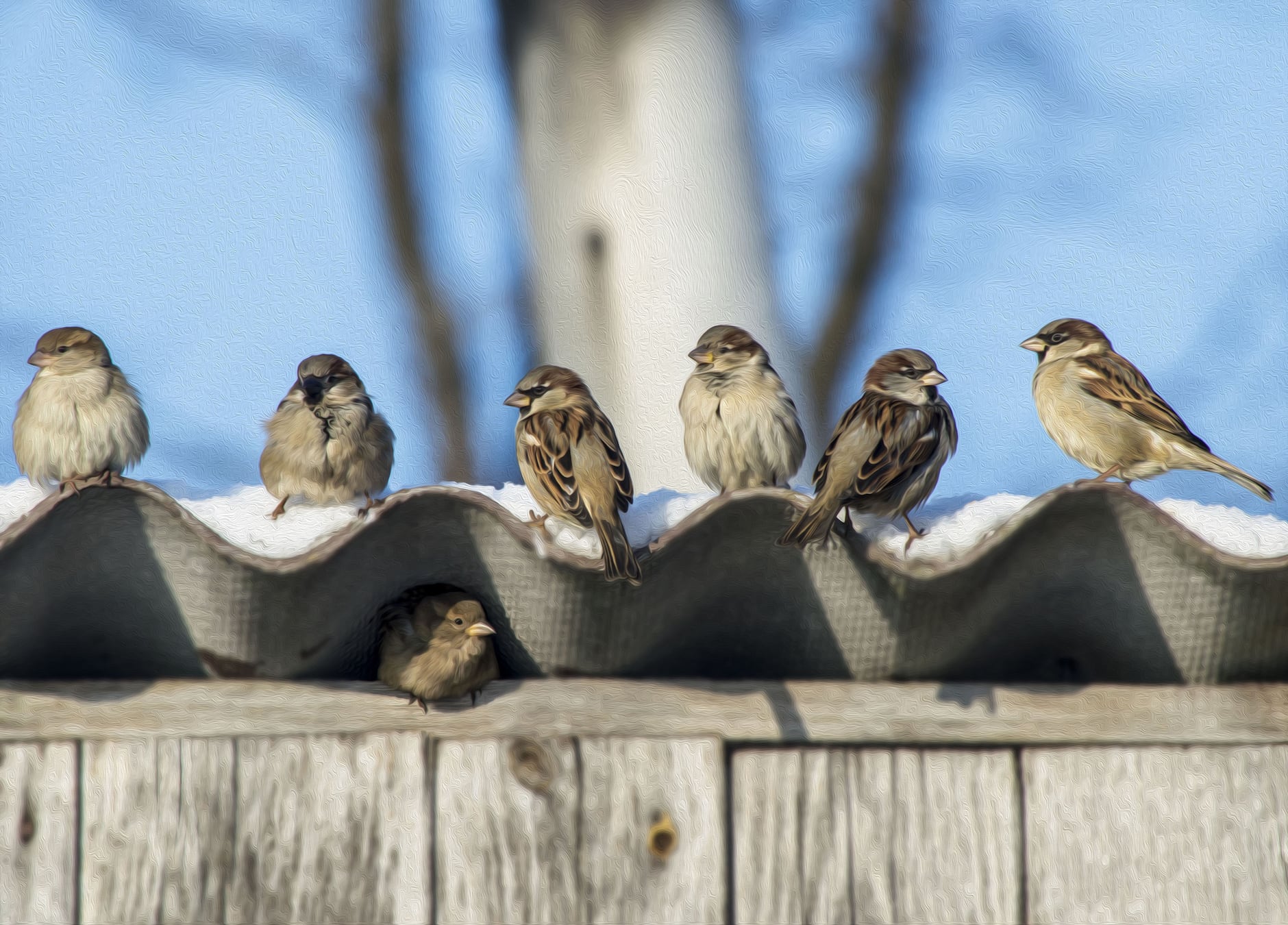
Like gulls, sparrows can also be observed roosting whenever low-pressure systems move in, and for the same reasons.
When a cow carries its tail upright, it is a sign of a coming hurricane.
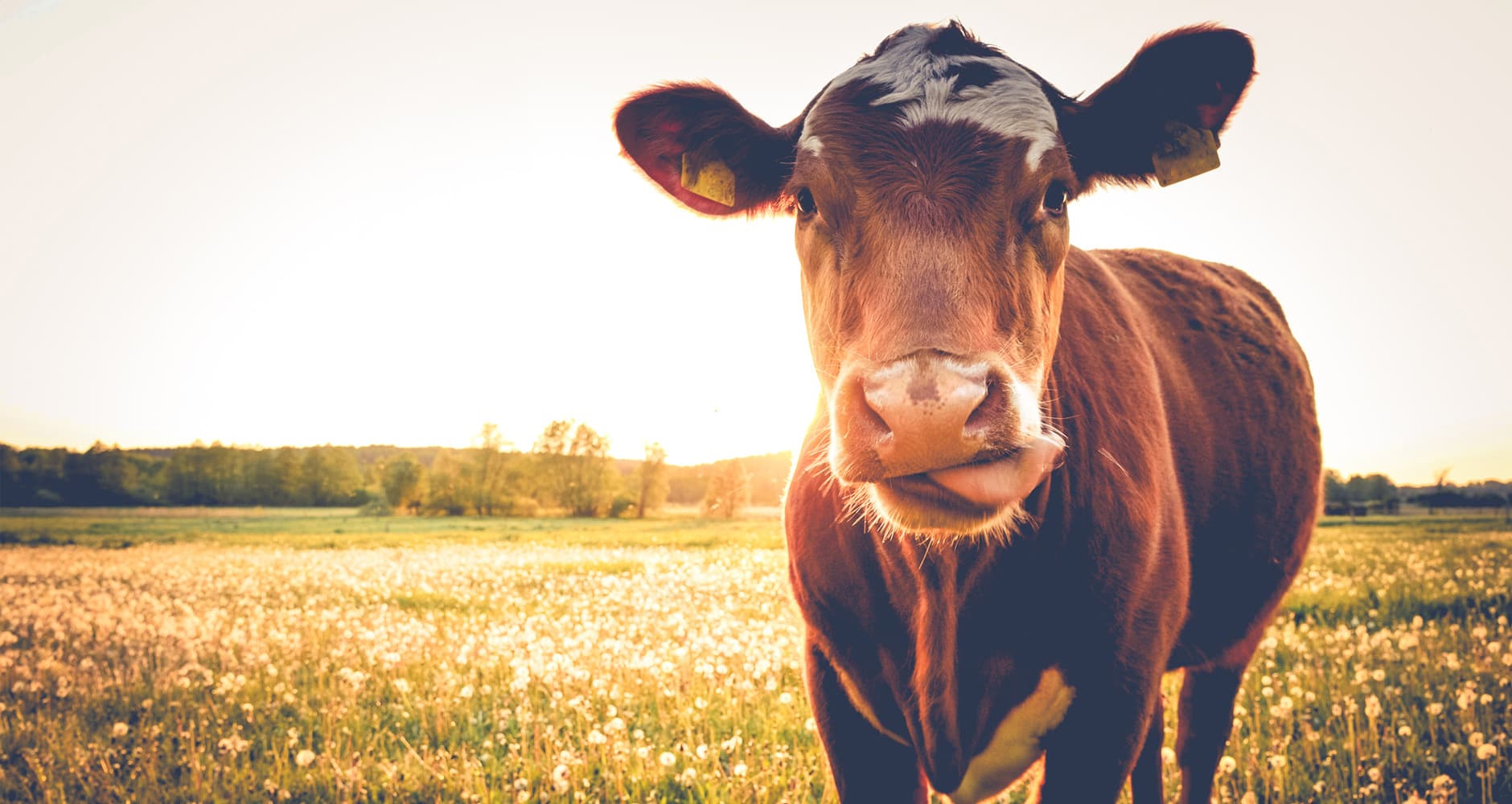
According to farmers and animal scientists, you can tell a cow’s mood by the position of its tail. When the tail is lifted vertically, it means the cow feels threatened.
Sharks swim out to deeper water just before a hurricane.
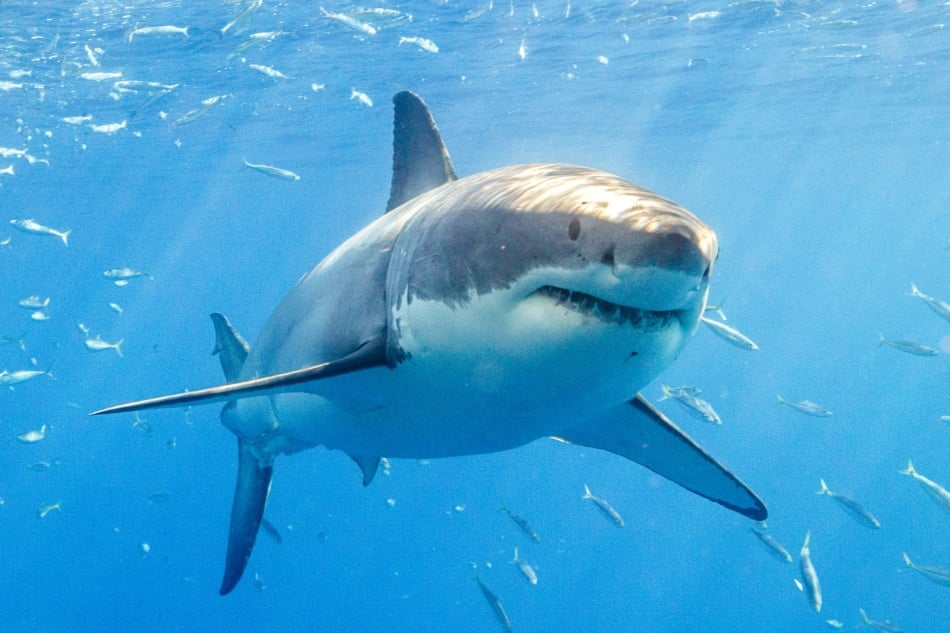
It is true. Sharks actually move into deeper waters hours before a hurricane makes landfall. Like birds and other animals, sharks are able to sense changes in water pressure (this is how they detect disturbances and vibrations in the water). So when a hurricane’s low pressure nears, sharks relocate as a way to avoid being swept into shallow waters or washed ashore by powerful wind-driven waves.
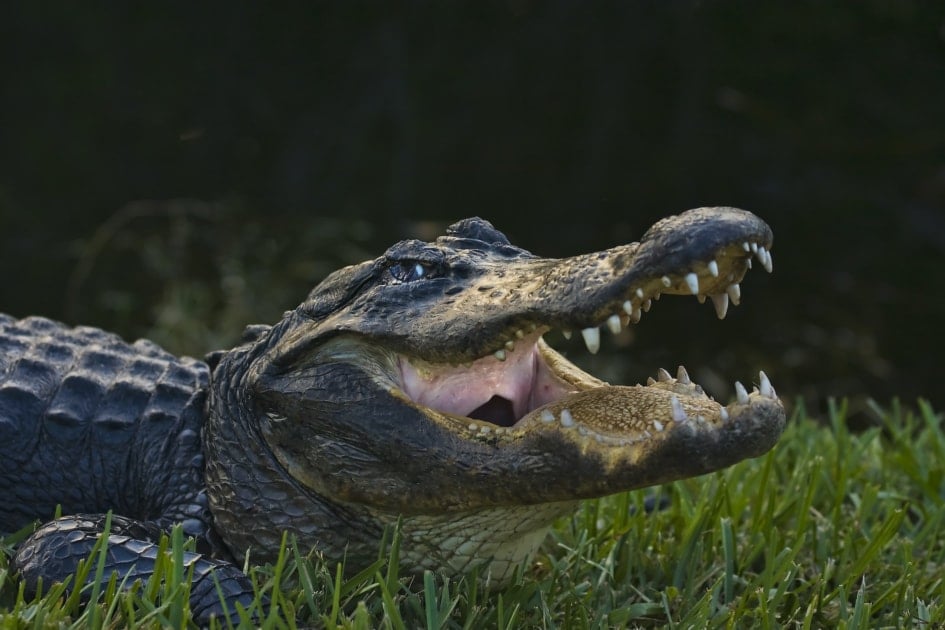
When an alligator opens his jaws with an extra-long bellow, a hurricane is imminent.
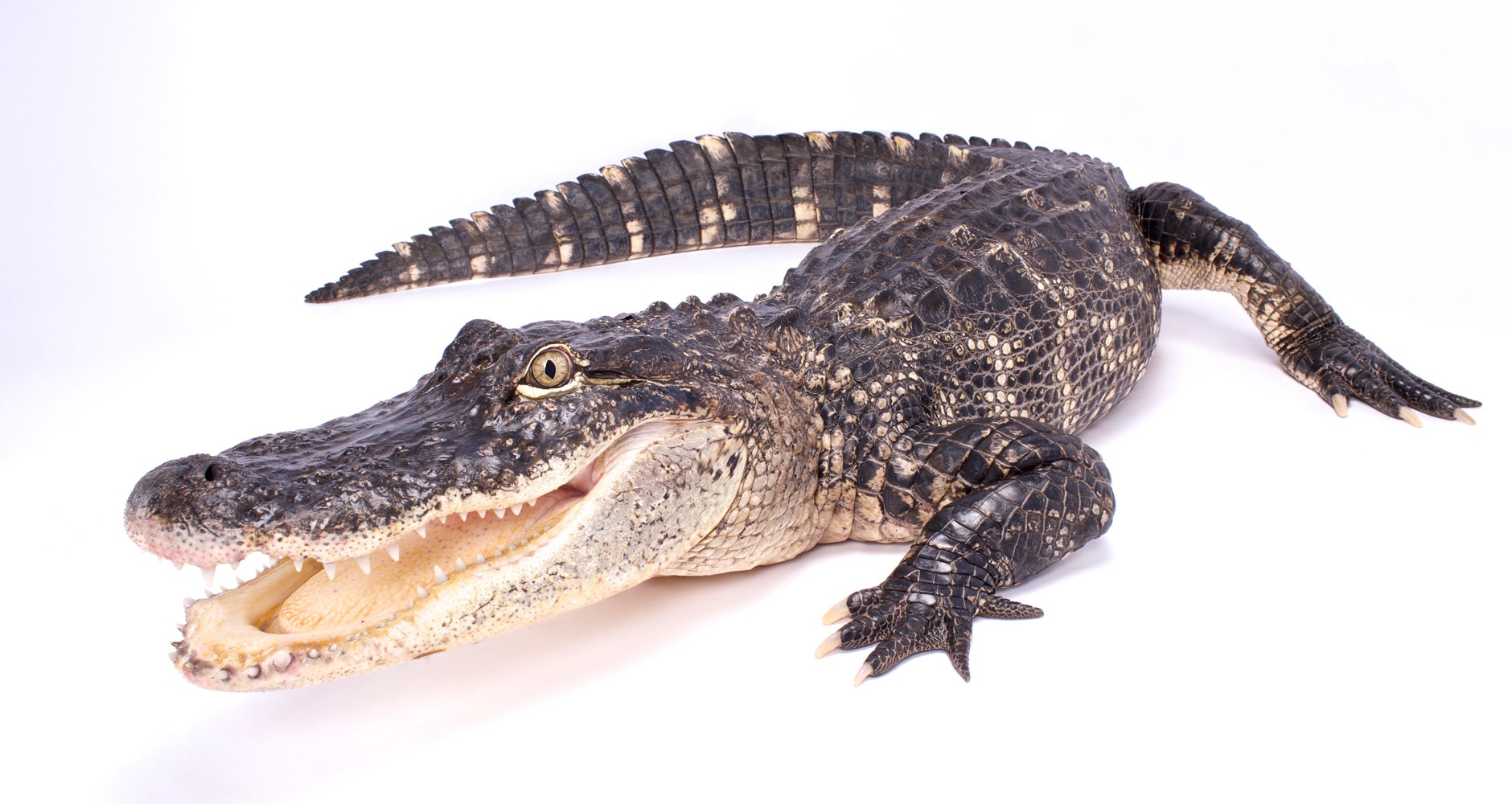
To be honest, we are not sure how an alligator’s growl relates to hurricanes (perhaps it is trying to equalize pressure), but this saying can be heard in some parts of Florida and the Gulf states.
What Animals Are Actually Reading
The thread connecting all five sayings is the same: animals are sensing the steep drop in barometric pressure that precedes a hurricane. Healthy hurricanes have central pressures between 920 and 970 millibars, well below the 1013 millibar global average. Birds, sharks, and even reptiles can detect that pressure swing through inner-ear or lateral-line organs that humans simply do not have.
| Animal | Sensor | What it picks up |
|---|---|---|
| Seagulls, sparrows | Inner ear paratympanic organ | Falling air pressure, weakened thermals |
| Cattle | Static electricity on hide, low-frequency sound | Storm-cell electrical buildup |
| Sharks | Lateral line, ampullae of Lorenzini | Water-pressure drop, electrical changes |
| Alligators | Pressure receptors in jaw | Standing-water level changes, infrasound |
The National Hurricane Center publishes every Atlantic and Pacific advisory, the storm-track cone, and 24-to-48-hour landfall guidance. Pair the lore with the official advisory and you have an early-warning system older than radar layered on top of one that is younger than radar.
More animal weather lore here.

Frequently Asked Questions
Can animals really sense an approaching hurricane?
Yes. Birds, sharks, and reptiles all carry pressure-sensitive organs that detect the steep drop in barometric pressure that precedes a tropical cyclone. The folklore stuck because the behaviors really do precede major storms.
Why do seagulls sit on the sand before a storm?
Falling air pressure weakens the thermal updrafts gulls rely on for soaring. With less lift available, the birds settle on land and wait the system out.
Do sharks really swim deeper before a hurricane?
Yes. Tagged sharks tracked during Hurricane Charley (2004), Hurricane Gabrielle (2001), and others moved hundreds of feet deeper hours before landfall, then returned to coastal waters days after the storm passed.
What does a raised cow tail mean?
An upright tail signals a cow that feels threatened or alarmed. Whether the trigger is a storm, a predator, or static electricity on the hide, the body language is consistent.
Why would alligators bellow before a hurricane?
One leading idea is that alligators bellow to release pressure in their respiratory system as the surrounding atmospheric pressure drops. Another is that low-frequency rumblings carried by an approaching storm trigger territorial vocalizations.
When is hurricane season?
The Atlantic hurricane season runs June 1 through November 30, peaking around September 10. The Eastern Pacific season runs May 15 through November 30.
Where can I track an active hurricane?
The National Hurricane Center publishes every advisory, the forecast cone, and live track maps for all Atlantic and East Pacific systems. Pair that with what your local birds, livestock, and water are doing, and you have folklore and forecast working together.
Tell Us
Have you heard of any other sayings, or witnessed odd animal behavior just before a hurricane or tropical storm? We would love to know. Share with us in the comments below.


Tiffany Means
Tiffany Means is a freelance writer and a degreed meteorologist. She specializes in weather forecasting and enjoys making the subject of weather (and the science behind it) more relatable. She currently resides in the Blue Ridge Mountains of North Carolina.
- Tiffany Means

- Tiffany Means
- Tiffany Means
- Tiffany Means




My father always said when acorns fall green from the trees it is going to be a bad winter. This year they are so I guess we will see! I think Farmers Almanac is also saying cold winter here in Northeast! I’m in Northeast PA.
I live in central NC. I have heard that 2 weeks after a thunderstorm in the winter months there will be snow. Apparently, it has about a 30% chance of accuracy. I don’t set the calendar by it, but it’s fun to watch!
That’s an interesting one!
Ive always heard.. red at night sailors delight. Red at morning sailors take warning.. I don’t live near the coast but the same applies for mountain folk. When the sky is red in the morning it’s gonna storm..
Hi Arlissa,
That lore is a very well-known and popular one and it does seem to prove pretty accurate. We do have an article on it here – https://www.farmersalmanac.com/red-sky-at-night-15843. Thanks for being here.
My mother used to say when you can’t hear a bird or see one and the sky turns yellow, a tornado is due to hit near. It happened fifteen years ago…..she was right.
Amazing what happens when you tune into nature! Thanks for sharing Mary.
When the pinecones close up, rain’s coming!!
any one ever hear when the crepe myrtle stops flowering hurricane season is over! I’ve tracked it for 4 years and so far it has hit 100%
Also the way to tell when a buffalo is mad his tail will be pointed up.
My father used to say a Woodpecker hammering on he tree is asking for rain .We were on our family farm and Dad said we are cutting hay tomorrow, so I got up and Dad was not up so I said Dad we are supposed to cut the hay today and he said no the woodpecker is asking for rain 2 days later the storm came in.
Hey Harvey, wow, that’s cool! We have some more weather lore about watching birds. Check it out here!
My daughter is in Florida. She said some of the area girls who grew up in FL, talked about citrus trees or other plants having double blooms and it was an indication of a bad season for hurricanes. Anyone have any thoughts on that?
We hadn’t heard of that one!
Here on the coast of SC before weather was on radio. hurricanes were called “ a big blow”. Folks looked to the sky for cloud patterns and color for info. Plus signs from nature. Legends are many for us to believe. Yes some are true.
i lived in charleston i remember the edges of the sky turn yellow when a hurrican is comming