

Orb-Weaver Spiders: Garden Heroes With Spooky Webs (2026 Guide)
Those familiar-looking webs that pop up in your garden (sometimes overnight) are created by great garden pest controllers. Learn how orb-weavers spin their webs and catch their prey!
Orb-Weaver Spiders: Quick Reference
- What they are: Harmless garden spiders that build the classic round, spoke-and-spiral web. Around 180 species live in North America.
- Are they dangerous? No. Orb-weavers are not aggressive and their bite, while rare, is no worse than a bee sting.
- What they eat: Aphids, ants, flies, leafhoppers, leaf miners, grasshoppers, mosquitoes, beetles, wasps, moths, stinkbugs, and caterpillars.
- How much: About twice their own body weight in insects every day.
- Where you find them: Flower and vegetable gardens, parks, fields, and forests, from Alaska to Mexico to the Hawaiian Islands.
- The Almanac take: Leave the web up. You are looking at free, year-round, no-chemical pest control.
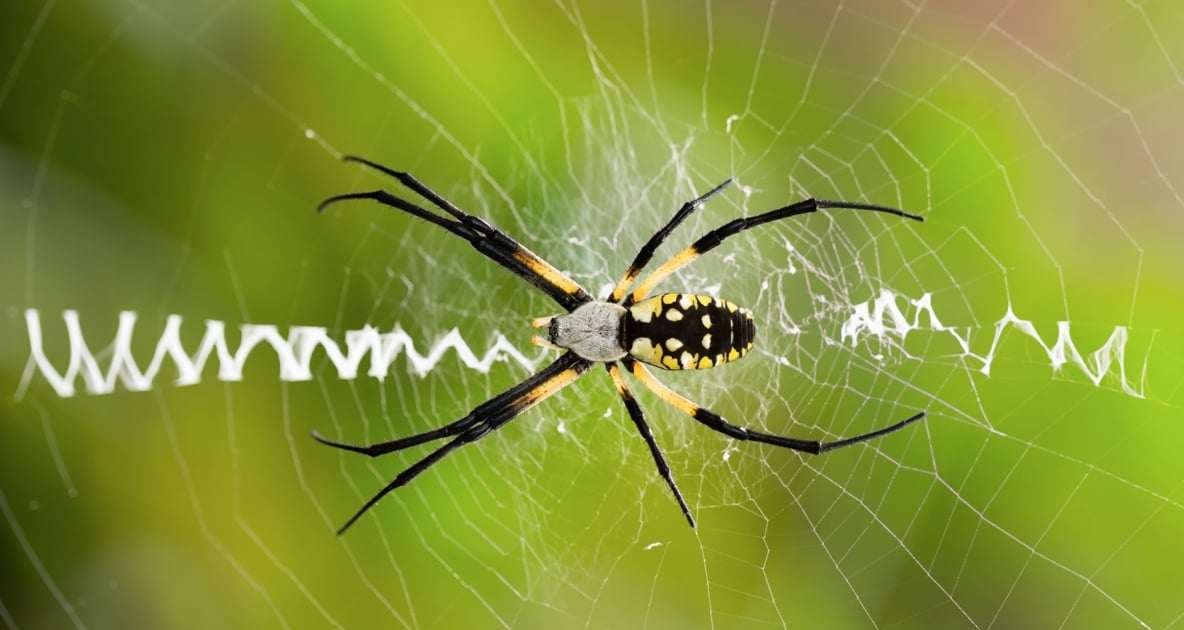
You step into the garden on a cool September morning and walk face-first into a spider web stretched between two tomato cages. The spider in the middle is the size of a quarter, with a striped abdomen and a zigzag stitched down the middle of its web. Your first instinct is to grab a broom. Don’t. That is an orb-weaver spider, and it is one of the best things that can happen to a vegetable patch. Here is what these spiders are, what they actually do for your garden, and why almanac readers have been told for generations to leave the web alone.

What Is an Orb-Weaver Spider?
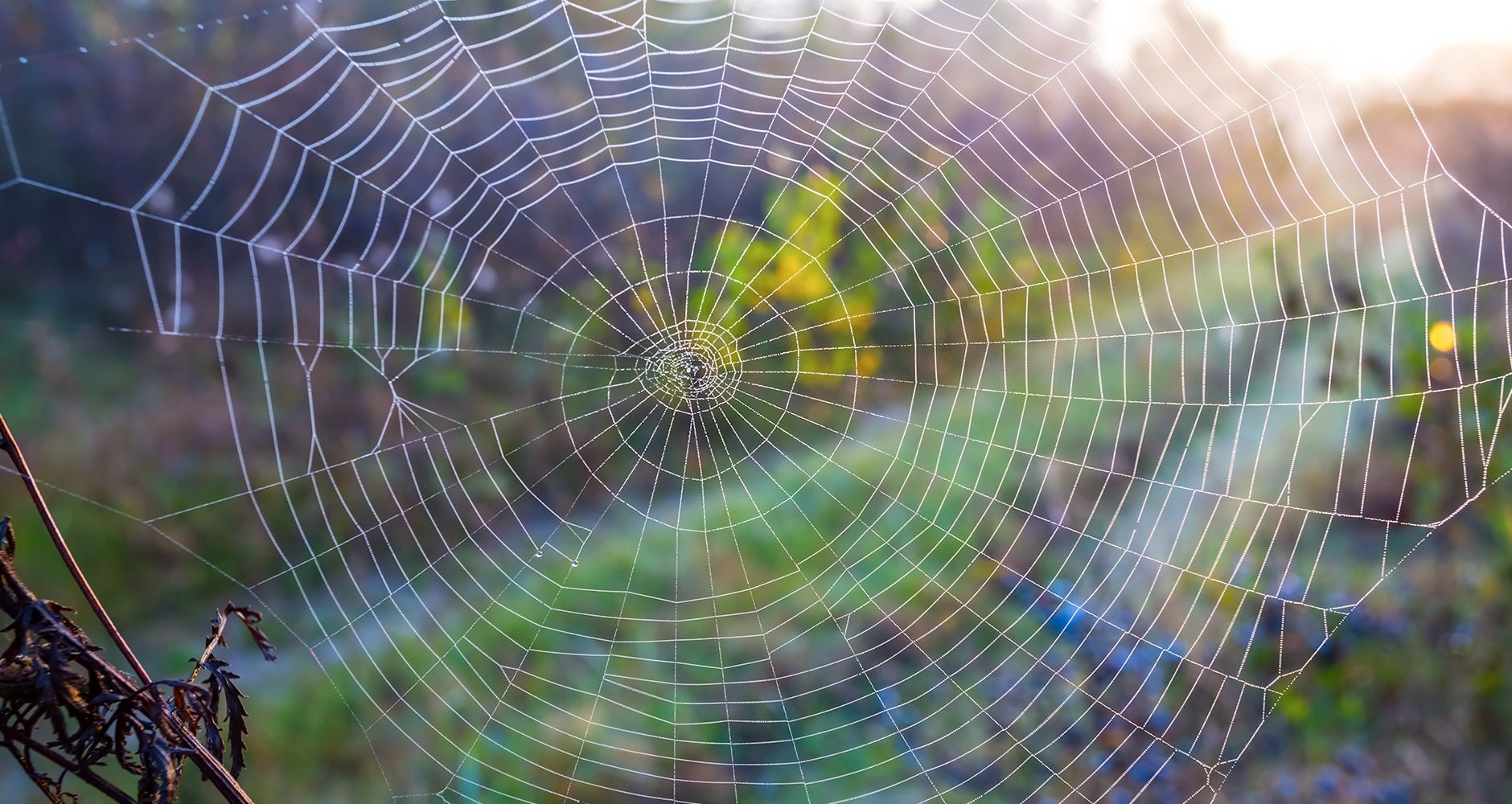
“Orb-weaver” is the common name for the spider family Araneidae, the spiders that spin the classic wheel-shaped web you draw when you draw a spider web. The web is the giveaway. A round outer frame, spokes radiating from the center, and a tight spiral catching everything that lands. Many species rebuild the whole thing every night, eating the old silk and recycling the protein.
Halloween decorations lean on the orb-weaver image hard. The enormous web stretched across a porch with a fat striped spider in the middle is almost always an orb-weaver. Out in the real garden, they are nothing to be afraid of. They are harmless to humans and are, in fact, beneficial garden residents for their constant pest control.
What Do Orb-Weaver Spiders Look Like?
There are around 180 species of orb-weavers in North America. They vary in color, but all typically have large, bulging abdomens covered with unusual bold markings. One of the most striking is the Black and Yellow Garden Spider (Argiope aurantia). The female is about an inch in body length, the male about a half-inch, and the distinct black markings make it look like an alien from outer space. The web is just as memorable, with a heavy white zigzag stitched down the center called a stabilimentum.
Their habitat on this continent ranges from Alaska to Mexico and the Hawaiian Islands, but orb-weavers are found around the globe. Most of the ones you will meet in a US or Canadian garden are one of a small handful of common species.
Common Orb-Weavers in North American Gardens
You do not need to memorize 180 species. Five do most of the work in US and Canadian backyards. Use this as a quick field key.
Are Orb-Weaver Spiders Dangerous?
Short answer: no. Orb-weavers are not aggressive. They sit in the center of their web and wait. They have venom, every spider does, but it is tuned to paralyze a fly, not a person. Bites on humans are rare and usually only happen if you trap the spider against your skin. When they do bite, the reaction is typically about the same as a bee sting, a brief sting and a small welt.
They are not the spiders you worry about. The two North American spiders that need real caution are the black widow and the brown recluse, neither of which builds a round, vertical orb-shaped web in your garden. Orb-weavers are quiet, slow-moving, and almost theatrical in how visibly they sit on their own webs.
For more on keeping spiders out of the house in the first place, see our guide on natural ways to keep spiders out of your house. Out in the garden, the play is the opposite: invite them in.
The Original Sticky Trap For Pest Control
Before you tear down a web you see, and many can pop up overnight, know that its intricate design has a purpose at catching and killing garden pests. Orb-weavers use their silk to create a natural, sticky trap. When a bug lands on the web, it struggles to free itself. That vibration signals to the spider that it has caught prey. The spider responds by quickly injecting the prey with paralyzing venom, preventing its escape. Then it wraps the captive bug in a mummy-like cocoon of silk until it is ready to consume. Watch in the video below.
And they are not picky eaters. Typically they eat whatever gets caught in the web. Eating twice its weight in insects each day, these spiders protect the plants in your garden by helping control the population of aphids, ants, flies, leafhoppers, leaf miners, grasshoppers, mosquitoes, beetles, wasps, moths, stinkbugs, and caterpillars. The orb-weaver diet largely consists of bugs we do not want in the garden, but it is true that an occasional pollinating butterfly or bee may get caught in the web.
According to Purdue Extension’s entomology resource on orb-weavers, the family Araneidae is one of the largest groups of spiders in the world, and the species you meet in your yard are considered beneficial because they eat tremendous numbers of nuisance and crop-pest insects. That is a university entomologist’s way of saying what gardeners already know: the web is a tool.
Orb-weaver spiders are meticulous web builders and rebuilders, repairing the damage done by captured insects, usually at night. The result is a sticky insect trap that never stops doing its job, without chemical pesticides, and at no cost to the gardener.
Spider Folklore: Webs and the Coming Winter
Old weather lore says the spiders themselves tell you what the winter is doing. The traditional reading: when orb-weavers build especially large, sturdy webs in late summer and early fall, expect a hard winter ahead. When the webs are flimsy and the spiders sit lower to the ground, expect a milder one. The science behind that one is thin, but the observation is genuine, late-summer web behavior shifts with temperature and prey abundance. The almanac perspective is the usual one: take the sign for what it is worth, then check the long-range forecast.
For the full set of traditional cold-winter signs, including ant hills, hornet nests, and persimmon seeds, see our piece on 20 signs of a hard winter.
One related sighting almanac readers ask about: the giant joro spider, a yellow-and-blue orb-weaver from East Asia that has spread across the southeastern US. It is, in fact, an orb-weaver. See our giant joro spider invasion map and FAQ for where it has been spotted and whether it belongs in the same “leave the web up” category as your local Argiope.
Keep an Eye Out for Them
Carefully check your lawn plants and garden to determine if an orb-weaver spider is present before doing any harvesting, weeding, or pruning. Orb-weavers often attach their web by a thin strand of silk to plant stems, vines, and among bushes. For the good of your garden, leave an active web in place. These spiders are year-round residents and will spend the winter in your garden too. Most female orb-weavers die after laying an egg sac in fall, and a new generation hatches in spring, ready to build the same wheel-shaped trap their mother did.
How to Make Your Garden More Orb-Weaver Friendly
- Skip the broad-spectrum pesticides. They kill the orb-weaver and its food at the same time. You lose both pest and pest control.
- Leave some structure standing. Tall flowers, tomato cages, bean trellises, and shrub edges are all good web anchor points.
- Mulch and leaf litter. Both shelter the spiders and the small insects they feed on, especially in late summer.
- Plant a few native flowering plants. Asters, goldenrod, milkweed, and native grasses pull in the insects that pull in the spiders.
- Welcome the other beneficials too. Dragonflies eat mosquitoes by the hundreds, see our guide on how to attract dragonflies.
- Walk the rows in the morning. Webs catch the dew and become visible. You can see who is set up where and avoid taking down an active web by accident.
The short version: that big web across your tomato row is not a problem. It is a working partner. Walk around it, point it out to the kids, and let the spider do what almanac gardeners have let spiders do for two hundred years. The choice is yours, but if the goal is fewer aphids on the beans and fewer mosquitoes in the yard, the broom can stay in the shed.

Orb-Weaver Spider FAQ
Are orb-weaver spiders dangerous to people or pets?
No. Orb-weavers are not aggressive and their venom is tuned to small insects, not mammals. Bites are rare, usually only happen if the spider is pressed against skin, and feel about like a bee sting. They are not in the same risk category as black widows or brown recluses.
What do orb-weaver spiders eat?
They eat almost any small flying or crawling insect that hits the web. The list includes aphids, ants, flies, leafhoppers, leaf miners, grasshoppers, mosquitoes, beetles, wasps, moths, stinkbugs, and caterpillars. A single orb-weaver can eat about twice its own body weight in insects every day.
Should I kill the orb-weaver in my garden?
No. Leave the web up. Orb-weavers are free, chemical-free pest control that runs around the clock. They are most active in late summer and early fall, exactly when garden pests peak. Taking down a working web costs you the spider and adds nothing back.
How big do orb-weaver spiders get?
It depends on the species. The Black and Yellow Garden Spider, one of the most common in North America, has a female body length of about an inch and a male of about a half-inch. Web diameter can reach up to three feet on the larger species, which is why they look so dramatic in a doorway.
Where do orb-weavers go in winter?
Most female orb-weavers in the US and Canada die after laying an egg sac in late fall. The egg sac, a papery brown ball usually tucked into a sheltered spot on a plant stem or under an eave, holds hundreds of eggs that overwinter and hatch the next spring. So the spider you saw this year is not the same one you will see next year, but its offspring will be.
Why is there a zigzag in the middle of the web?
That zigzag is called a stabilimentum, and it is built by Argiope species like the Black and Yellow Garden Spider. Scientists are still debating exactly what it does. Leading theories: it warns birds away from flying through the web, it camouflages the spider, or it reflects ultraviolet light to attract insects. It is one of the most recognizable signatures of an orb-weaver web.
How can I attract more orb-weavers to my garden?
Stop spraying broad-spectrum insecticides, leave standing structure like tomato cages and tall flowers for web anchors, mulch the beds, and plant native flowering plants like asters, goldenrod, and milkweed to bring in the insects orb-weavers feed on. The best gardens for orb-weavers are also the best gardens for bees and dragonflies.


Deborah Tukua
Deborah Tukua is a natural living, healthy lifestyle writer and author of 7 non-fiction books, including Pearls of Garden Wisdom: Time-Saving Tips and Techniques from a Country Home, Pearls of Country Wisdom: Hints from a Small Town on Keeping Garden and Home, and Naturally Sweet Blender Treats. Tukua has been a writer for the Farmers' Almanac since 2004.
- Deborah Tukua

- Deborah Tukua
- Deborah Tukua
- Deborah Tukua




I have a large yard with orb-weavers everywhere I walk. Great respect for this species! One large weaver has a huge web in a shed of mine. It’s rarely used so she’s welcome to stay. Insects are not drawn in there, however, because of its location. I leave the top half of the door propped open but nothing really ever enters. Maybe a small electric tea-light at night would help? I gave her a huge bug (felt terrible & apologized to the bug) and she was all over it. She’s been holding her wrapped bug bundle for two days snacking on it. I also gave her a fly two weeks ago. I’ve never interfered in a spiders ability to catch its prey before. She just seemed to be deteriorating. Maybe a small light will help.