August Weather Sayings: 6 Old Sayings That Still Matter
What are some traditional August weather sayings? Popular sayings include “For every fog in August, there will be a snowfall the following winter,” “Dry August and warm, doth harvest no harm,” and “When it rains in August, it rains honey and wine.” Most are folklore rather than reliable forecasts, but many grew from generations of close observation of weather and agriculture.

From August fog predicting winter snow to old sayings about heat, rain, and harvests, these August weather sayings have been passed down for generations. But is there any truth behind the folklore?
Long before Doppler radar, satellites, and weather apps, people forecast the weather by paying attention.
Farmers watched morning fog, heavy dew, rainfall, wind, thunderstorms, crops, animals, and changing daylight. Over generations, those observations became weather folklore—short, memorable sayings that helped people make sense of the seasons.
August is especially rich in weather lore. The days may still feel like midsummer, but nights are getting longer, morning fog becomes more common in many areas, crops are reaching maturity, and the first hints of fall begin appearing.
Here are six of the most enduring August weather sayings, along with the practical observations—and occasional science—behind them.
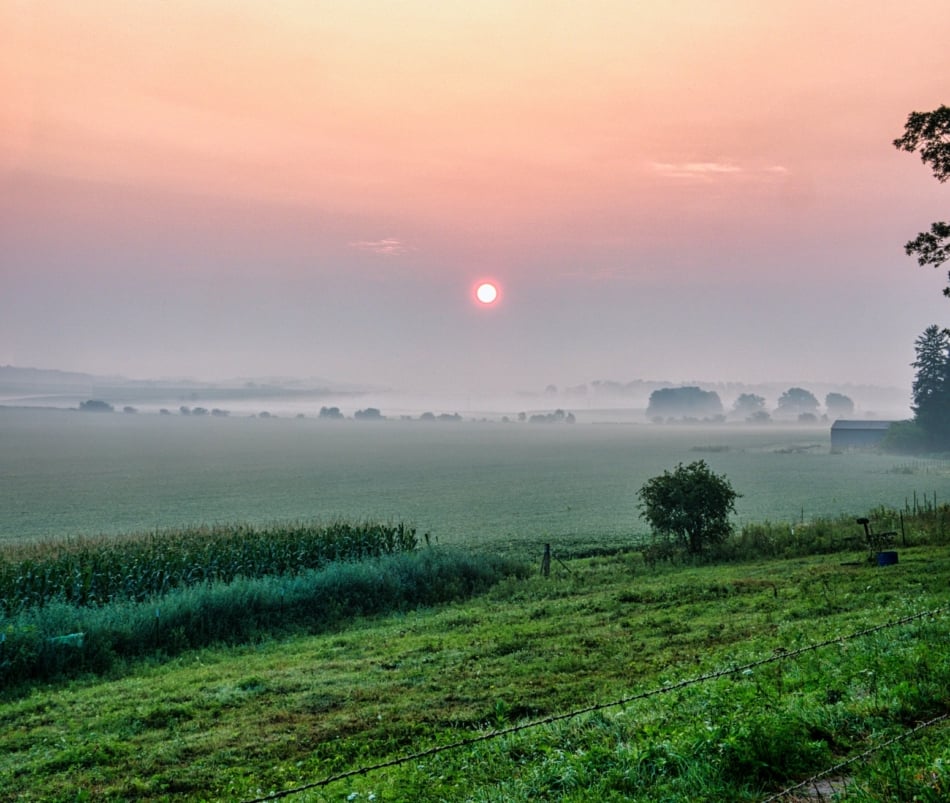
1. “For Every Fog in August, There Will Be a Snowfall the Following Winter”
This is perhaps the most famous of all August weather sayings.
According to folklore:
“For every fog in August, there will be a snowfall the following winter.”
In parts of Appalachia, families turned the saying into a tradition known as “beans in a jar.” Each foggy August morning earns one bean. At the end of the month, the number of beans supposedly predicts the number of winter snowfalls.
Want to try it yourself? See our complete guide to the August fog and winter snow “beans in a jar” tradition.
Does August Fog Really Predict Winter Snow?
Probably not.
Research examining August fog and subsequent winter snowfall has found little evidence of a dependable relationship between the two.
But August fog itself is very real—and worth watching.
The National Weather Service explains that radiation fog develops when air near the ground cools overnight until it becomes saturated. Light winds, moist air, clear skies, valleys, and areas near water can all encourage fog formation.
As August advances, nights become longer, giving the ground more time to cool.
So August fog may not predict January snow, but it can reveal a lot about the moisture, wind, and overnight temperatures occurring right outside your window.
Try it: Count your August fogs this year and compare the total with the number of snowfalls you receive this winter.
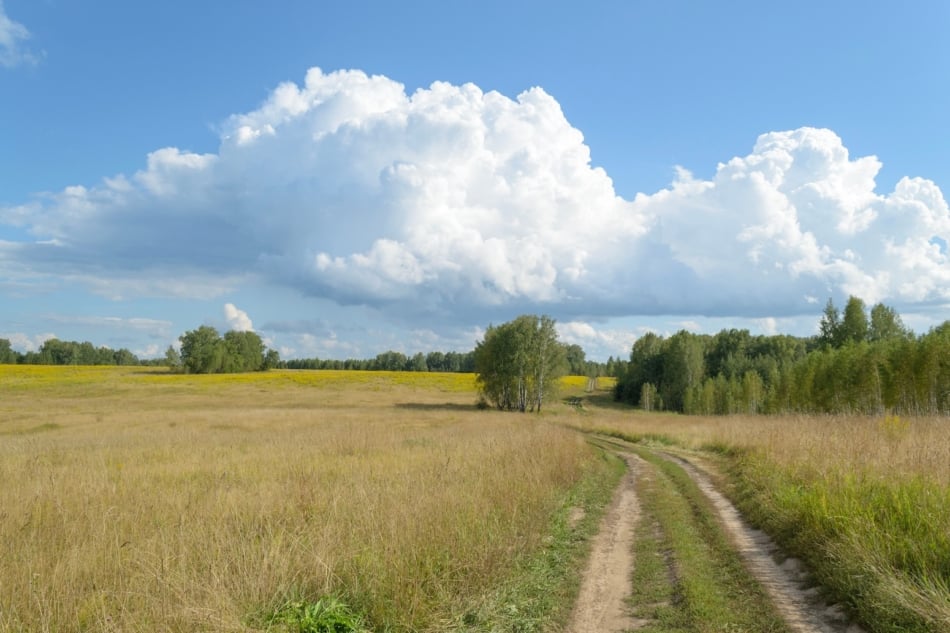
2. “Dry August and Warm, Doth Harvest No Harm”
Another old saying declares:
“Dry August and warm, doth harvest no harm.”
There is plenty of practical agricultural wisdom behind this rhyme.
For generations of farmers harvesting grain without modern machinery, several days of warm, dry weather could make a tremendous difference. Persistent rain could delay harvesting, flatten mature grain, encourage mold, and make crops difficult to dry and store.
But there is an important distinction:
Dry harvest weather can be helpful. Drought is not.
Crops that are still growing need adequate soil moisture, and prolonged heat combined with a lack of rain can stress fields, gardens, pastures, and livestock.
That distinction is especially easy to see this August. NOAA’s Climate Prediction Center has warned of persistent late-August heat and rapidly developing drought across portions of the southern and central United States.
In other words, the old saying works best in moderation.
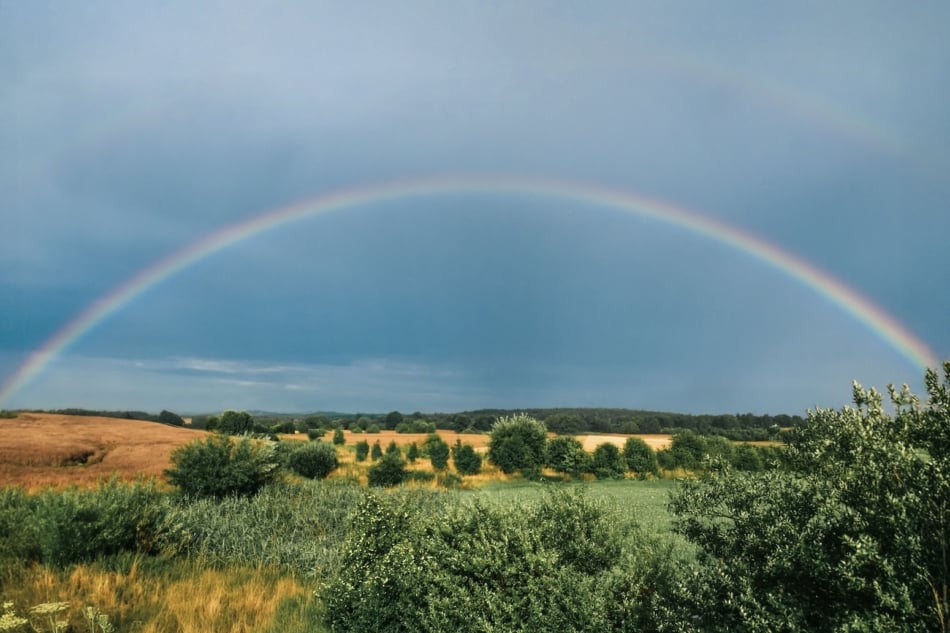
3. “A Wet August Never Brings Dearth”
Oddly enough, another old weather saying seems to argue exactly the opposite:
“A wet August never brings dearth.”
“Dearth” means scarcity, particularly a shortage of food.
So which is better—a wet August or a dry one?
It depends on when the rain falls and what is growing.
Rain can be extremely valuable to late-season crops, pastures, fruit trees, and gardens during one of the hottest periods of the year. But rainfall arriving while a farmer is trying to cut and dry mature grain can be a problem.
This apparent contradiction reveals something important about weather folklore.
Many sayings originated in different places, climates, and farming traditions. One farmer might have desperately needed rain while another only a short distance away needed three clear days.
That remains true today.
For more ways generations before us used plants, animals, skies, and changing conditions to anticipate weather, see our guide to natural weather signs people have used for centuries.
4. “If the First Week in August Is Warm, the Winter Will Be White and Long”
Snow lovers may like this one:
“If the first week in August is unusually warm, the coming winter will be snowy and long.”
Versions of this prediction appear throughout traditional weather folklore.
Meteorologically, however, a hot week in August does not automatically produce a snowy winter months later.
Winter weather depends on much larger atmospheric and oceanic patterns.
The interesting part of the saying is the way our ancestors looked for connections between seasons. They weren’t only trying to determine whether it would rain tomorrow. They wanted to know whether summer itself might provide clues about winter.
Modern meteorology asks similar questions, but forecasters now analyze global ocean temperatures, atmospheric circulation, climate patterns, computer models, and historical data.
For this year’s outlook, see the Farmers’ Almanac 2026–2027 Winter Weather Forecast: Snow, Sleet, and Surprises.
5. “A Cold August After a Hot July Foretells a Winter Hard and Dry”
Another traditional rule says:
“A cold August after a hot July foretells a winter hard and dry.”
There is no reliable meteorological rule connecting those exact conditions.
But imagine observing the seasons without thermometers, weather records, or satellite data.
A sudden swing from intense July heat to unusually cool August weather would have been impossible to miss. It may have seemed as though autumn was arriving ahead of schedule—and that winter might follow just as quickly.
That pattern appears frequently in old weather lore: unusual weather today was viewed as a warning of unusual weather ahead.
The prediction may not hold up scientifically, but the underlying habit—paying attention to changes from normal conditions—is still useful.
If you’re watching nature for hints of what’s coming next, compare what you’re seeing with our 10 signs from nature of a harsh and cold fall ahead.
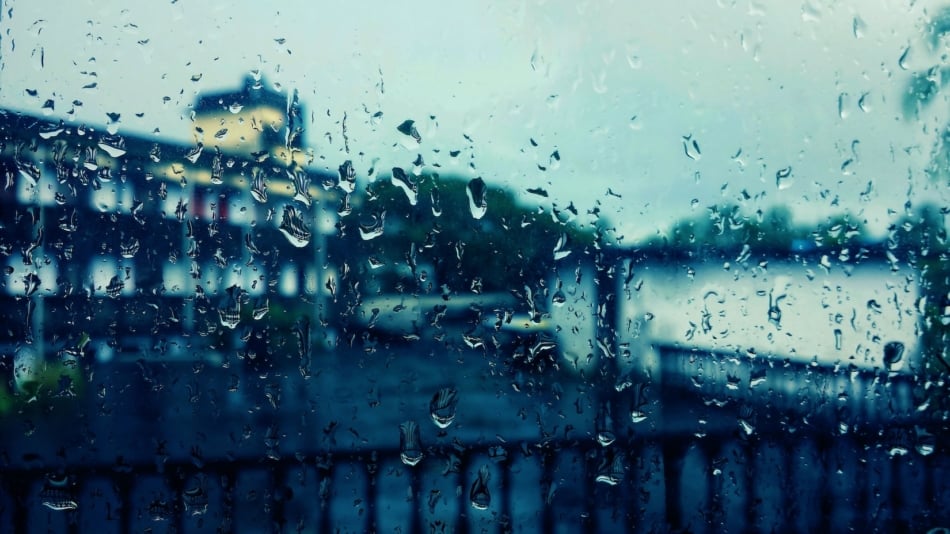
6. “When It Rains in August, It Rains Honey and Wine”
This may be the most poetic August weather saying:
“When it rains in August, it rains honey and wine.”
Unlike many weather proverbs, this one isn’t really predicting future weather.
It celebrates the value of a well-timed late-summer rain.
August precipitation can benefit ripening fruit, grapes, vegetables, pastures, and other crops. To families depending directly on the land for food, a good summer rain really could mean greater abundance later.
Of course, too much rain can cause its own problems, including crop disease, fruit splitting, flooding, and harvesting difficulties.
Once again, timing matters as much as rainfall totals.
If you’re interested in spotting approaching rain without checking an app, explore these signs of rain found in plants, animals, insects, and the sky.
Why August Has So Much Weather Folklore
August is a month caught between seasons.
At noon, it can feel like the heart of July.
At sunrise, it can occasionally feel like September.
Daylight is shrinking. Nights are lengthening. Humidity can remain high, allowing heavy dew and fog to form when temperatures fall overnight. Gardens and crops are maturing, insects are changing their behavior, and subtle signs of fall begin appearing.
That gives anyone paying attention plenty to observe.
And observation is exactly how weather folklore began.
Farmers, sailors, hunters, and gardeners couldn’t open a weather app. Their surroundings were their forecast.
That’s why Farmers’ Almanac has collected weather sayings and natural signs for generations. Explore more of our Weather Lore collection.
August Weather Signs to Watch Right Now
Rather than treating old weather sayings as guaranteed predictions, use them as our ancestors did: as reminders to pay attention.
This August, watch for:
- Morning fog in fields and valleys
- Heavy overnight dew
- Changes in nighttime temperatures
- Late-summer thunderstorms
- Longer, cooler nights
- Shifts in wind and humidity
- Changes in gardens and crops
- Early signs of fall in plants and wildlife
Those observations probably won’t tell you exactly when the first snowstorm will arrive.
But they will show you something equally interesting:
The season is already beginning to change.
Do August Weather Sayings Really Work?
Some weather folklore has a practical basis because people were observing genuine atmospheric changes.
Other sayings are traditions rather than reliable forecasts.
That’s part of their charm.
Count the August fogs. Record the rainfall. Notice the first cool morning. Watch the plants, birds, insects, and sky.
Then see what happens when fall and winter arrive.
You might prove an old saying wrong—or discover a coincidence remarkable enough to keep the tradition going another year.
What August Weather Sayings Do You Know?
Did your parents or grandparents count August fogs? Did they have sayings about summer rain, thunderstorms, heat, animals, or the coming winter?
Share your favorite August weather folklore in the comments. We’d love to hear the sayings that have been passed down in your family.


- Farmers' Almanac Staff

- Farmers' Almanac Staff
- Farmers' Almanac Staff
- Farmers' Almanac Staff