

22 Ways to Combat Garden Pests Naturally (2026 Guide)
A healthy garden attracts all kinds of pests, raccoons, rabbits, beetles, to name just a few. We’ve compiled a list of 22 tried-and-true strategies to combat them without the use of harsh pesticides.
Quick Reference
- Best natural pest defense: healthy soil with balanced pH, plus companion plants (onion, garlic, basil, chrysanthemum, rosemary, tansy, catnip, petunias) that beetles, aphids, and cabbage loopers avoid.
- Top 3 sprays gardeners reach for first: 2 teaspoons liquid dish soap to a quart of warm water for an all-purpose spray, 3 teaspoons cayenne pepper to 1 quart of water for cabbage loopers, and 2 tablespoons liquid fish fertilizer to 1 gallon of water sprayed on corn rows for squirrels.
- Yard borders that work: a wide stripe of garden lime keeps raccoons, skunks, and snakes off the garden perimeter. Bright orange tape on stakes deters moose. Chopsticks or plastic forks in seedbeds keep cats and dogs out.
- Best wildlife allies: bug-eating birds (a birdbath plus a feeder near the garden), guinea fowl for ticks and Japanese beetles, and lady beetles or dragonflies invited in with the right plantings.
- Authoritative reference: UC Integrated Pest Management (UC IPM) Home and Landscape guides for science-backed, least-toxic pest control by species and region.
A healthy garden is a magnet for everything that eats plants. Raccoons rifle the corn at dusk, Japanese beetles strip the rose canes by lunchtime, aphids quietly bend the new lettuce, and the dog beds down in the squash hill. The Farmers’ Almanac has been collecting reader-tested ways to combat garden pests naturally for decades. The 22 tactics below all skip the harsh pesticides, all pull from a garden center or a kitchen cupboard, and most cost less than a single bag of conventional insecticide. They work best layered. Build the soil first, plant the right companions second, and reach for a spray or a barrier only when a pest gets through. For the science underneath the folk wisdom, the UC Integrated Pest Management program is the canonical reference for least-toxic, integrated control across North American zones.
Start With Healthy Soil and Balanced pH
The single best preventative measure for a pest-free garden is keeping the soil healthy and the pH levels balanced. Strong plants outgrow modest damage. Weak, stressed plants attract every nibbling insect in the neighborhood. Get a basic soil test from your county extension office every two or three years. Top-dress with finished compost in spring and again at the close of the season. Rotate heavy feeders (tomatoes, brassicas, corn) to a new bed each year. Almost half of the pest problems readers ask us about trace back to compacted, low-organic-matter soil long before they trace back to the bug itself.
Regional Pest Breakdown for the United States and Canada
To combat garden pests naturally and choose the right tactic the first time, start with the pressure your region actually has. Pests do not behave the same way from one zone to the next. Some are coastal, some are mountain country, some swing in heaviest after a mild winter. Use the table to match your region to the pressure you are most likely to meet this season, then pick the tactics from the 22 below that target it.
The species behind the worst damage often change after a mild winter. For the long-running question of whether cold snaps actually thin out next summer’s pests, see do cold winters kill pests. For pest-specific deep dives, the Almanac maintains living guides on aphids, groundhogs, orb-weaver spiders, dragonflies as garden allies, and wasps and their nests.

22 Ways To Combat Garden Pests Without Chemicals
Here are 22 tried-and-true ways to combat garden pests naturally, without the use of harsh pesticides. Most are companion plantings, simple kitchen sprays, or physical barriers. None are clinical-grade insecticides. Read them as a menu, not a checklist. Pick the few that match the pest pressure you actually have, and treat them as the practical answer to the question of how to combat garden pests naturally on a working backyard scale.
1. Enlist The Help Of Feathered Friends
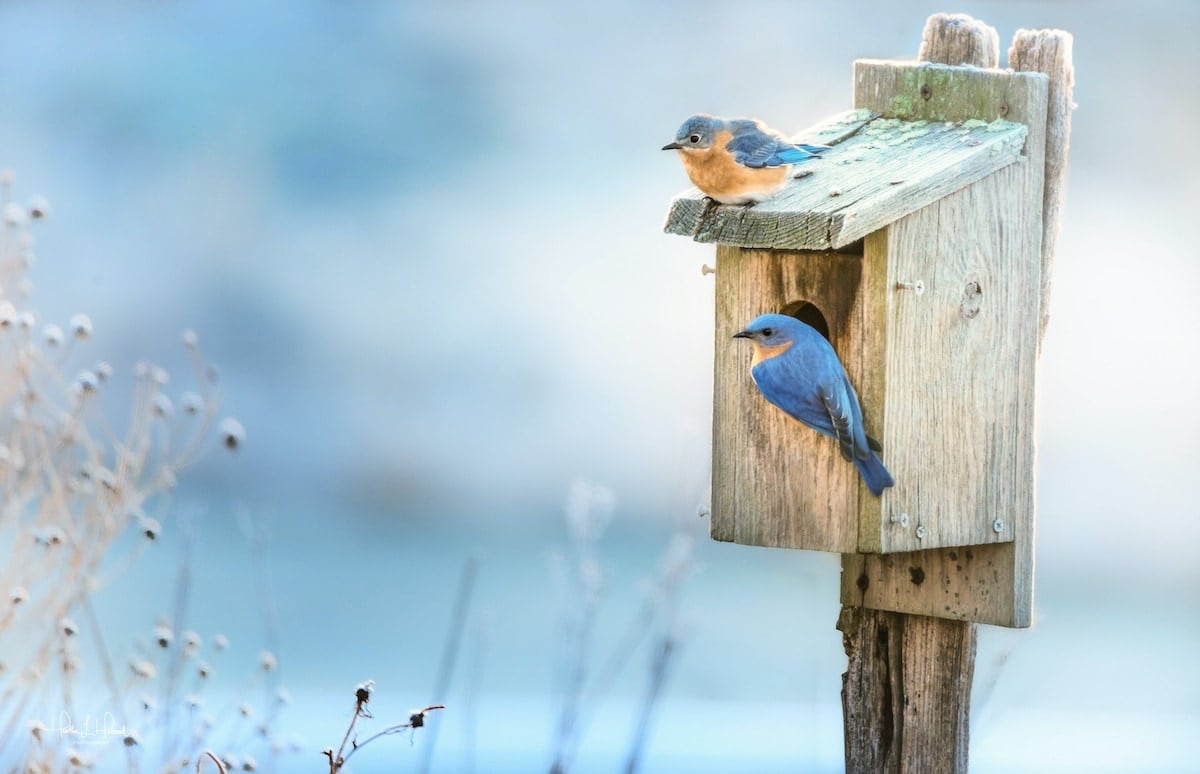
Birds eat a remarkable volume of insects and are natural, attractive garden residents. Lure bug-eating birds to the garden by setting a birdbath nearby, kept regularly filled with fresh water. The bath also gives birds the moisture they would otherwise pull from a tomato. Put up a bird feeder close by, keep it filled with seed from late autumn through early spring, and the garden becomes their established haven. When summer rolls around, they will be on hand to feed on the insects at hand. Guinea fowl set loose in the garden or lawn will eat ticks, hornworms, and Japanese beetles. Most guineas will not scratch up plants or eat the vegetables the way chickens may.
2. Banish Japanese Beetles With Garden Lime
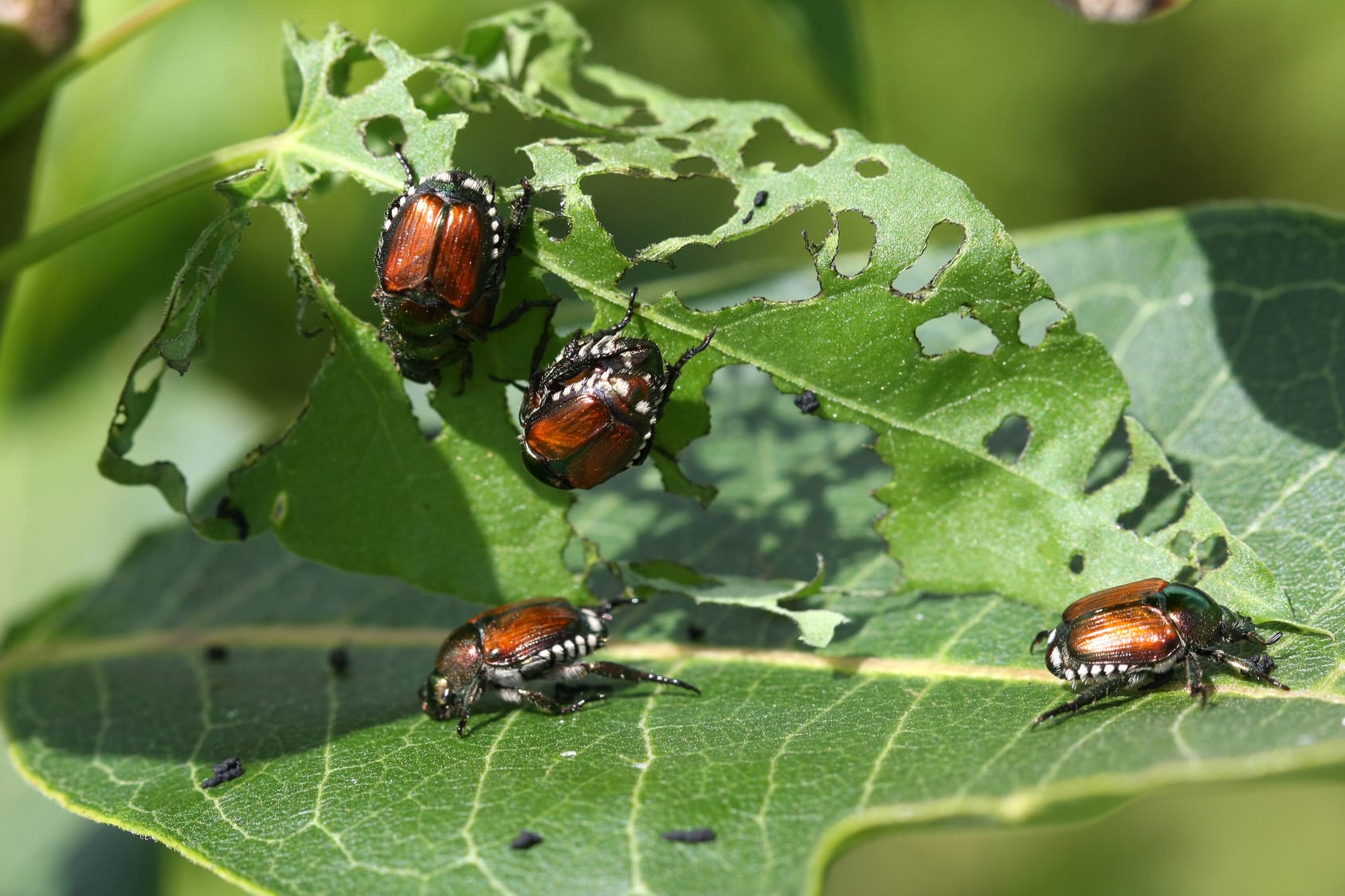
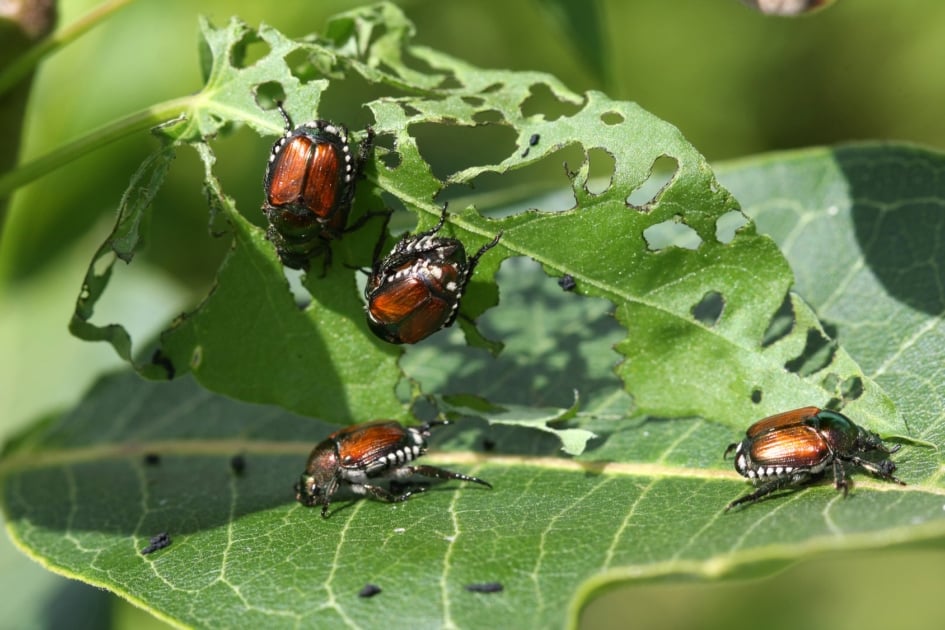
Dust green beans with garden lime to repel Japanese beetles. A light, even coat on dry foliage in the morning is enough. Reapply after rain.
3. Use Food-Grade Diatomaceous Earth
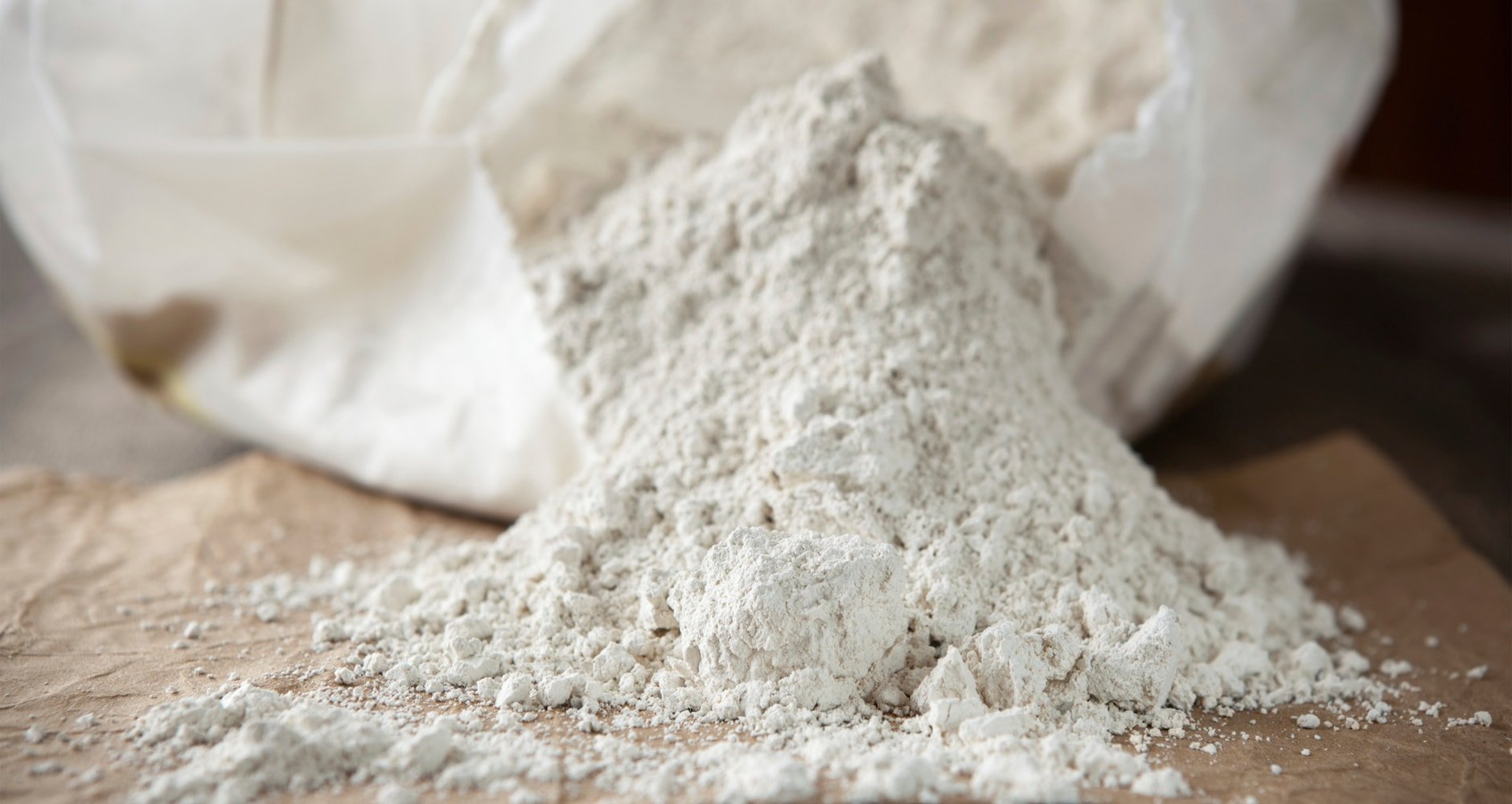
Food-grade diatomaceous earth acts as a natural, abrasive barrier to crawling insects like stinkbugs. Sprinkle food-grade diatomaceous earth beneath growing watermelon, cantaloupe, squash, and any other fruits or vegetables resting on the ground, and dust it lightly on the plant leaves as well. Reapply after heavy rain.
4. Spice It Up To Repel Loopers
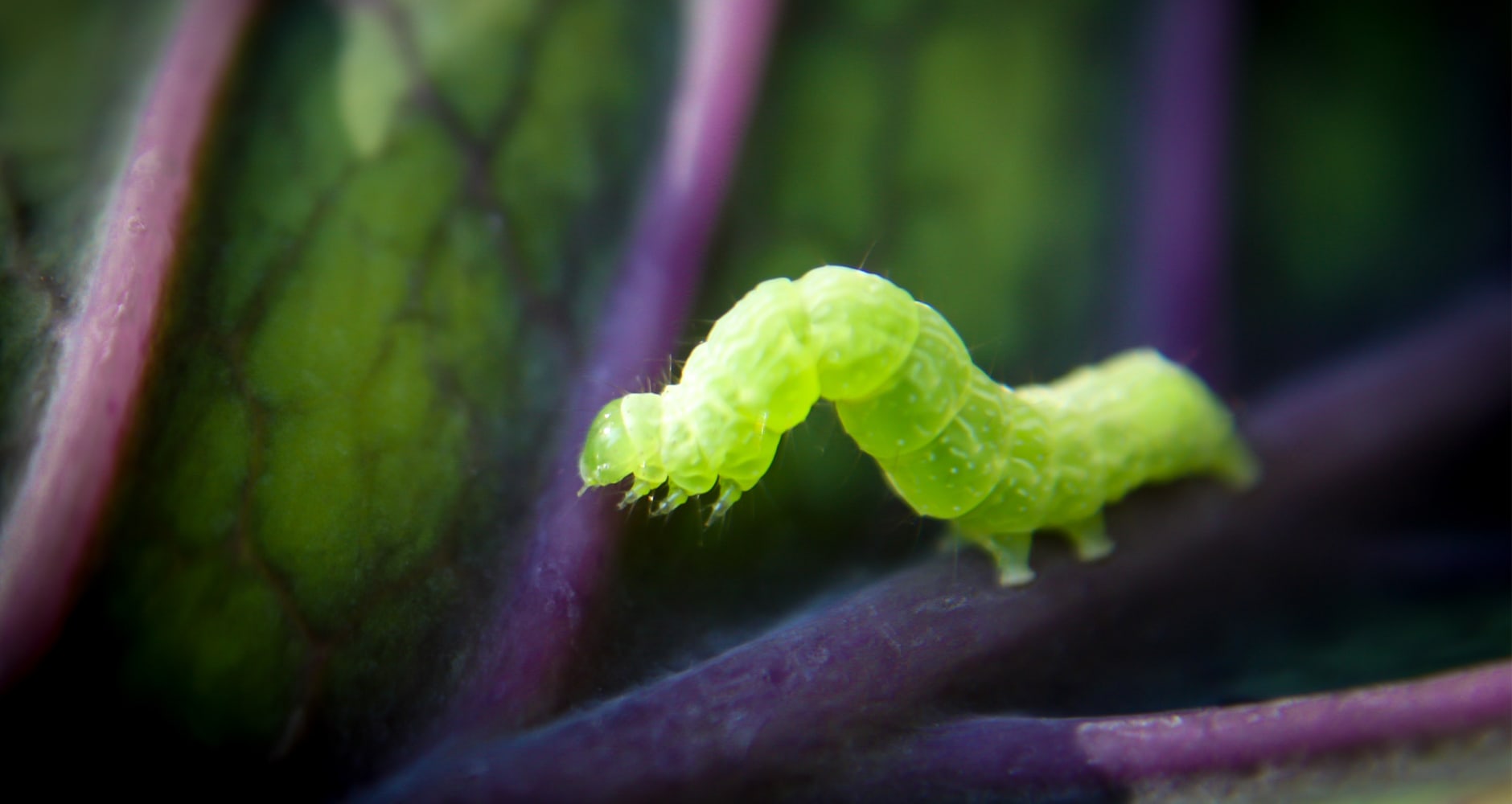
To deter cabbage loopers from eating the leaves of cabbage, Brussels sprouts, or kale, add 3 teaspoons of cayenne pepper to 1 quart of water. Pour the mixture into a spray bottle and apply it to leaves, stems, and the ground directly surrounding each plant. Reapply after rainfall.
5. Adios, Aphids
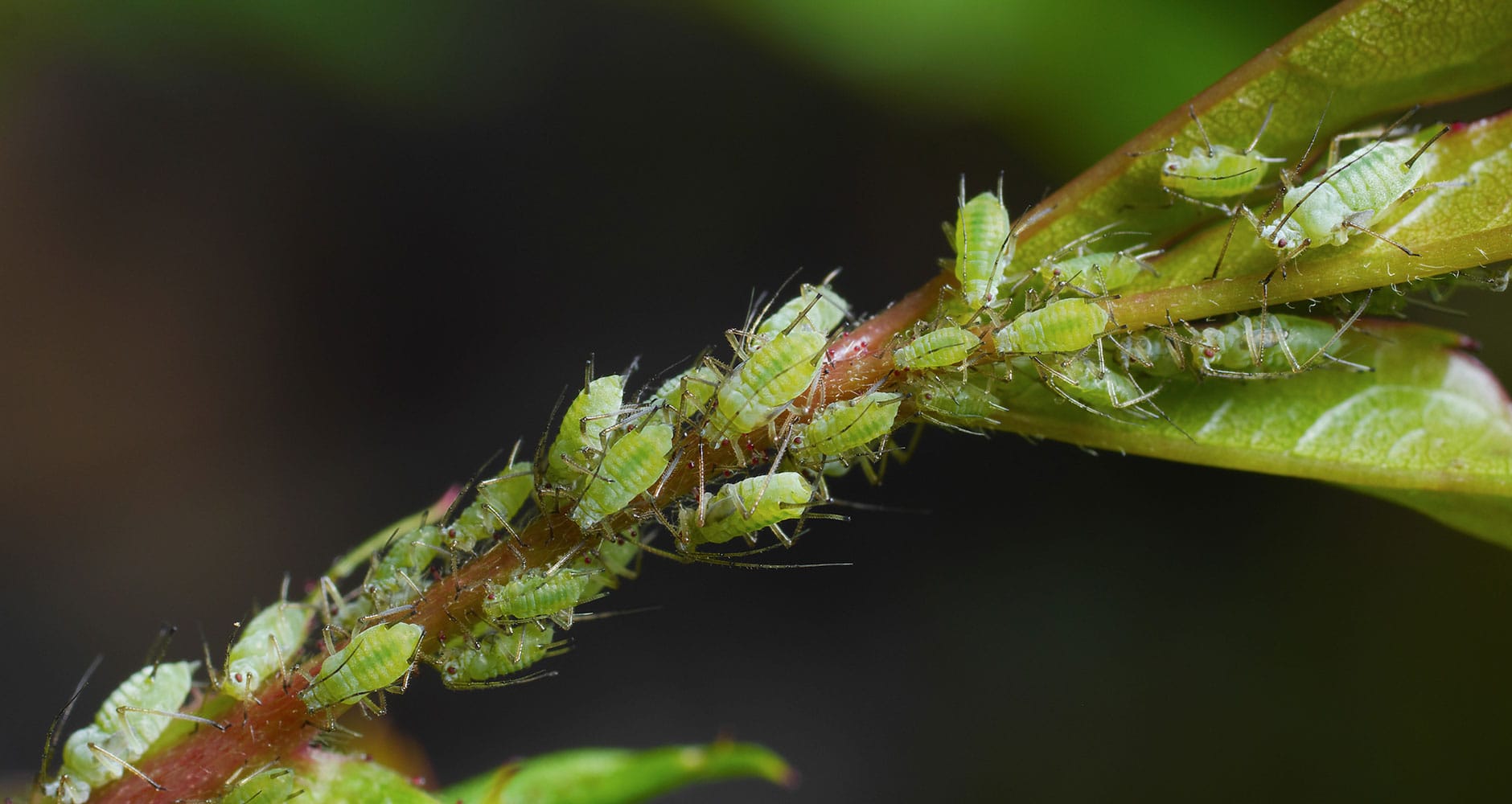
Aphids and grasshoppers can wreak havoc in flowerbeds and vegetable gardens. Try this: blend 2 to 4 hot peppers, 1 mild green pepper, 1 small onion, and a one-quart jar of water. Pour the mixture into a spray bottle and apply as needed, hitting the underside of the leaves where aphids cluster. For a deeper look at why aphids return year after year, see the Almanac’s guide on getting rid of aphids.
6. Make A DIY Bug Spray For Plants
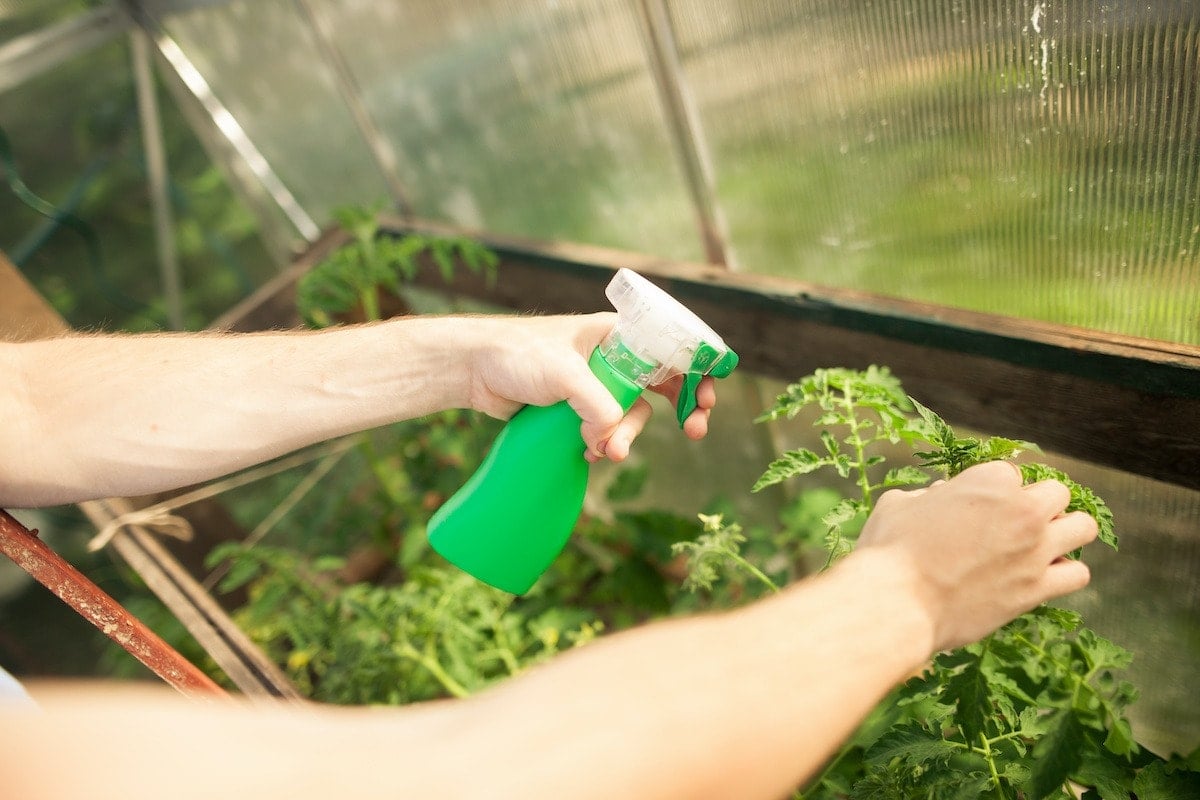
An all-purpose pest-control spray can easily be made by adding 2 teaspoons of liquid dish soap to a spray bottle of warm water. TIP: add the soap after the bottle is filled to prevent bubbling over. Use a plain, unscented soap and test on a single leaf before spraying a whole plant.
7. Deter Squirrels With Fish Fertilizer
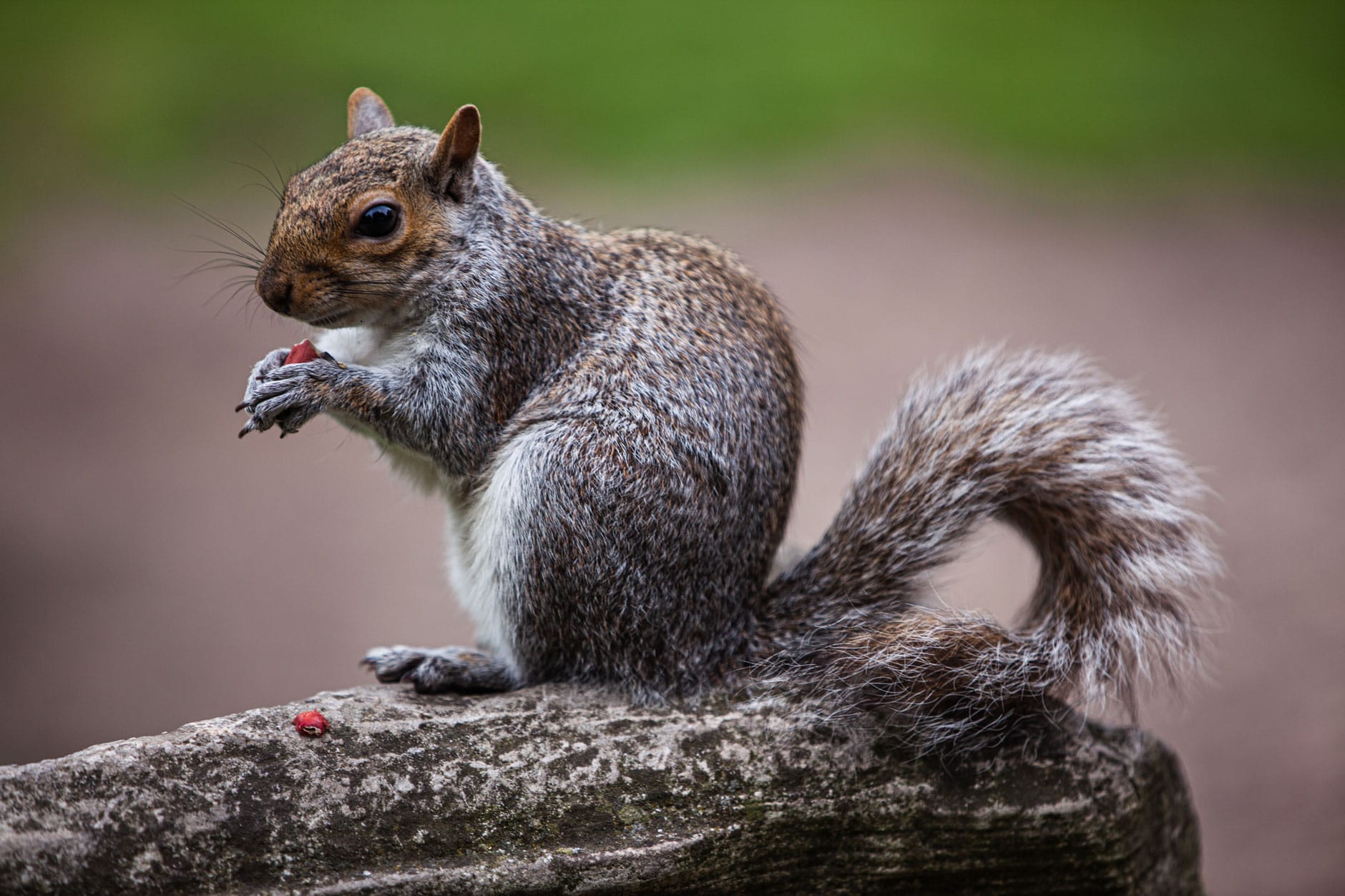
Stop squirrels from digging up planted corn with a mixture of 2 tablespoons of liquid fish fertilizer to a gallon of water, sprayed on the rows. Check out these other squirrel-proofing strategies if the local population is especially bold.
8. Keep Dogs and Cats Out With Chopsticks
Discourage bigger pests such as cats or dogs from entering flower or garden beds by erecting lots of chopsticks or plastic forks in the ground among the seedbeds, surrounding the young, tender plants. This leaves no room for animals to dig or disturb the plants, helping the seedlings get a good start.
9. Deter Deer With Blood Meal
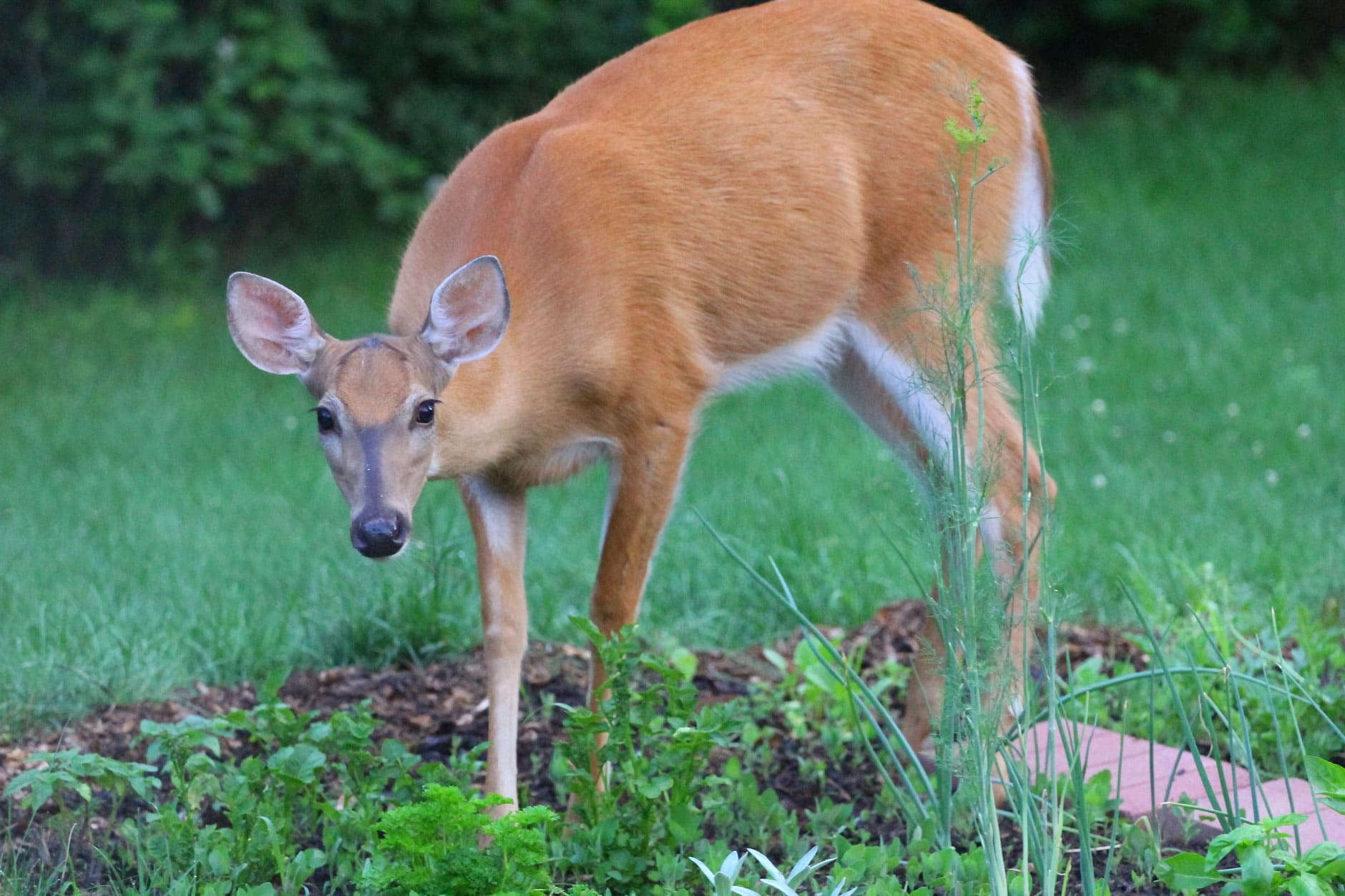
Scatter dried blood meal (available at any home and garden center) on the ground between rows of vegetables in the garden every week to 10 days to deter deer. The same dressing works for rabbits and groundhogs, too. Blood meal does tend to attract dogs, so sprinkle garden lime on top of the blood meal to repel them. Or try this deer deterrent spray. For burrowing groundhogs in particular, the Almanac’s guide on getting rid of groundhogs goes deeper.
10. Bye, Bye Bullwinkle
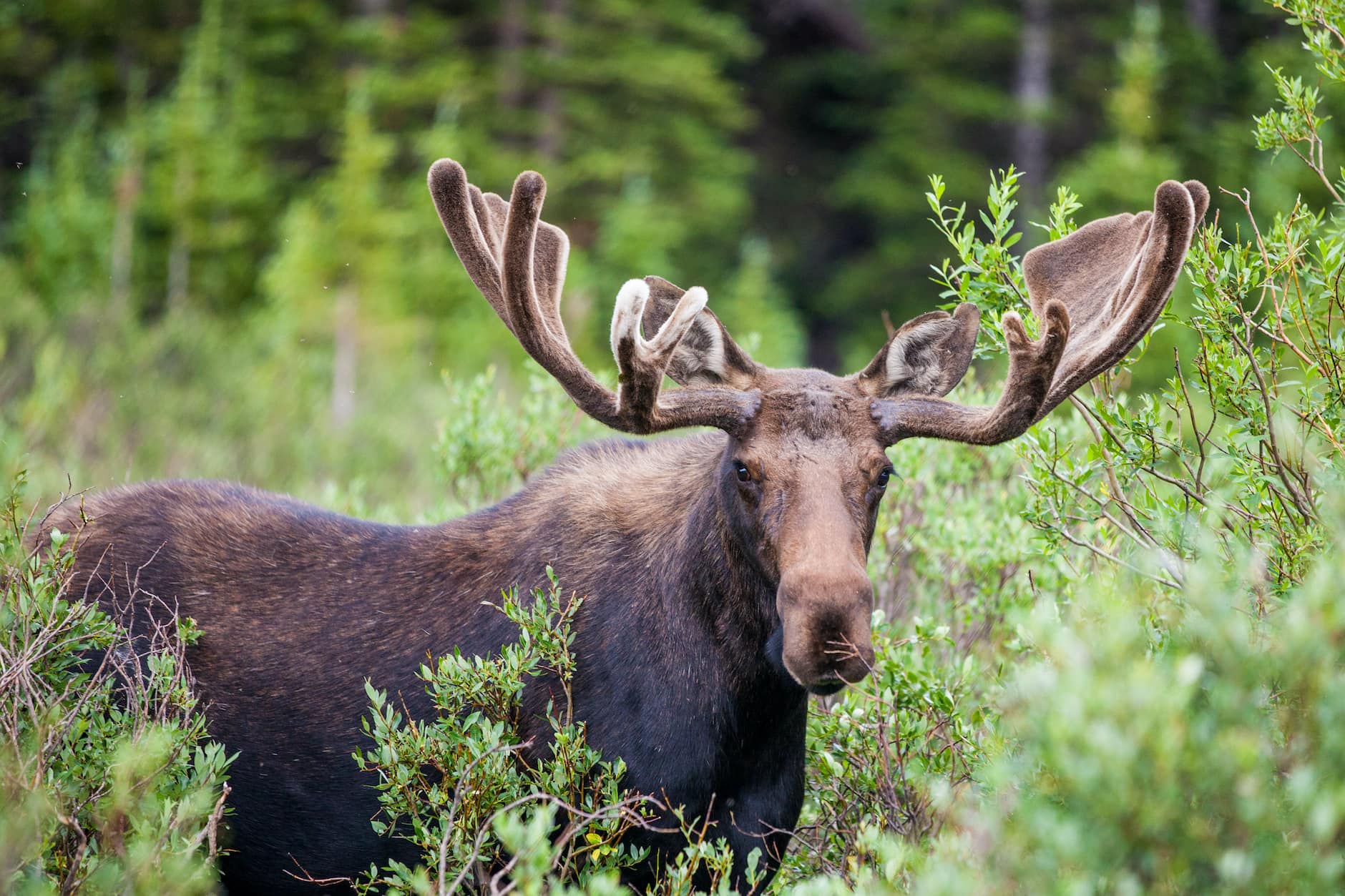
Bright orange tape wrapped around the stakes surrounding your garden plot has been known to keep moose away. The colored band reads as a fence line to the moose, which generally would rather not push through an obvious boundary.
11. Repel Raccoons, Skunks, and Snakes With Garden Lime
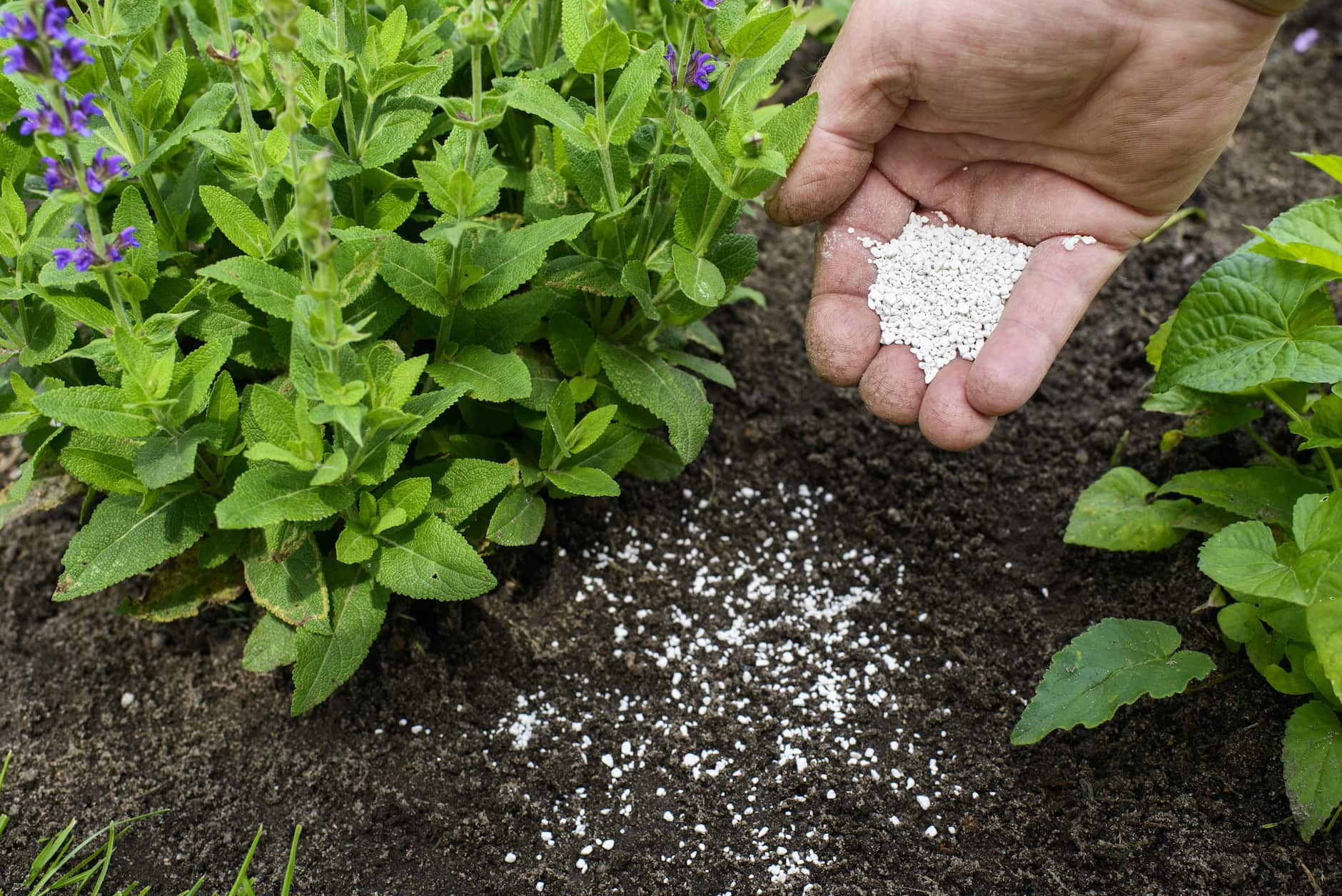
Keep these critters out of the garden by applying a wide stripe of garden lime around the garden perimeter. When an unwanted critter licks off the lime, it experiences an unpleasant burning sensation, and will hopefully leave the garden alone after the lesson.
12. Onions To The Rescue
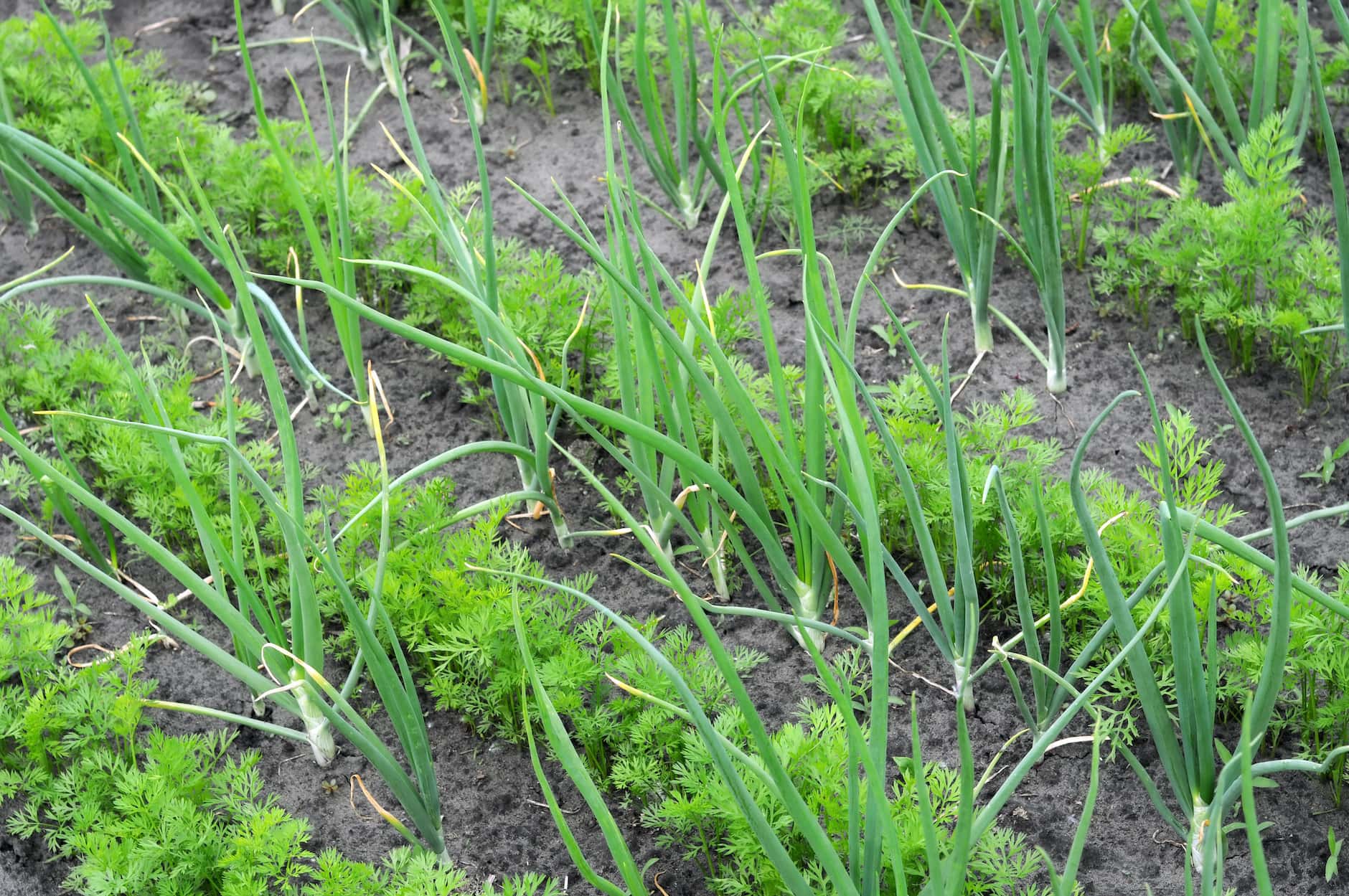
Onions and garlic act as insect deterrents when planted around or between any other plants that insects tend to disturb. Check out these other companion plants that help in the garden.
13. Mums The Word
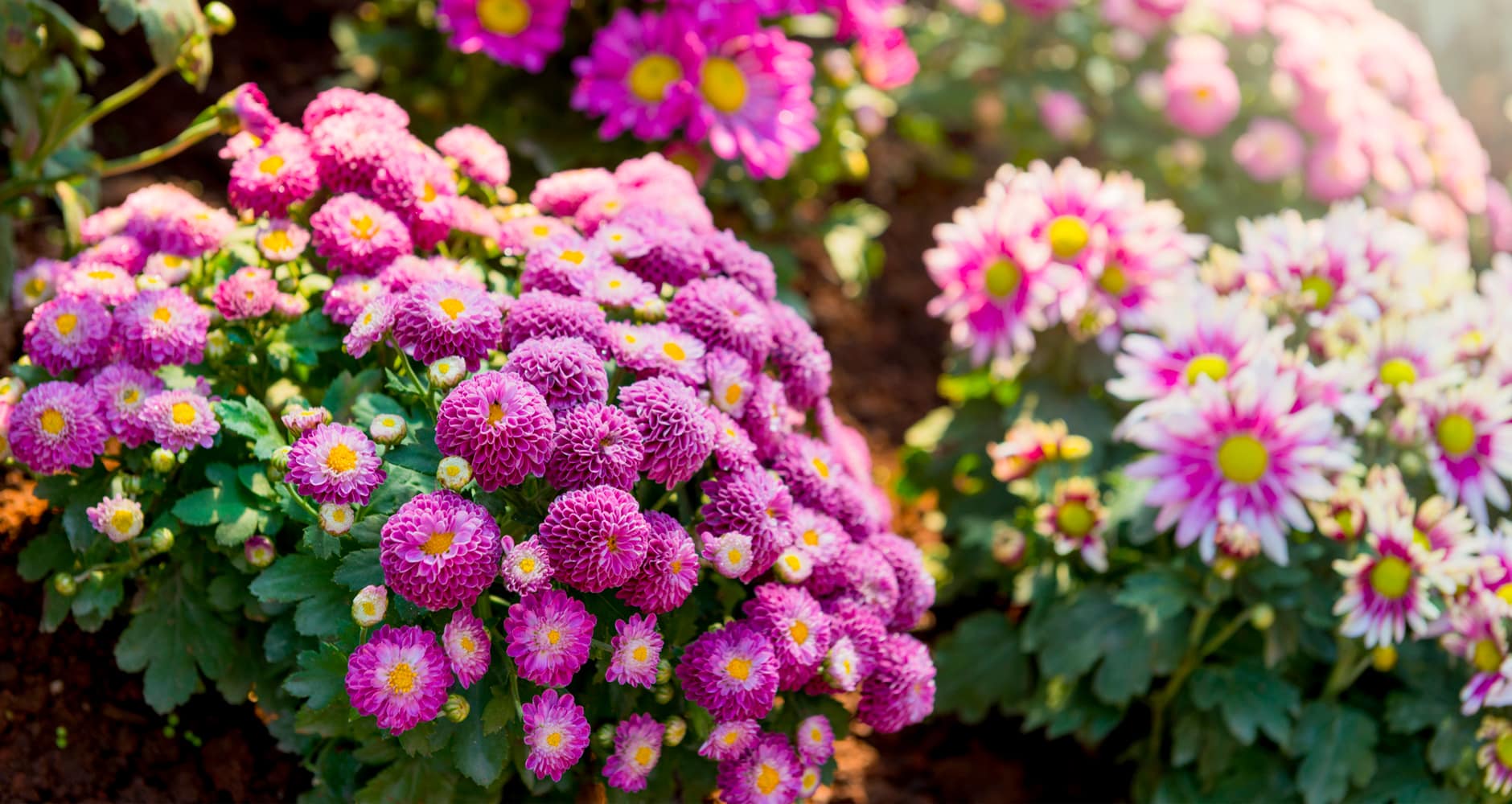
Plant chrysanthemums around your home to keep out bedbugs, fleas, lice, roaches, ants, and more. They also act as a repellent to ticks, spider mites, Japanese beetles, and other garden pests.
14. Protect Fruit Trees With Onions
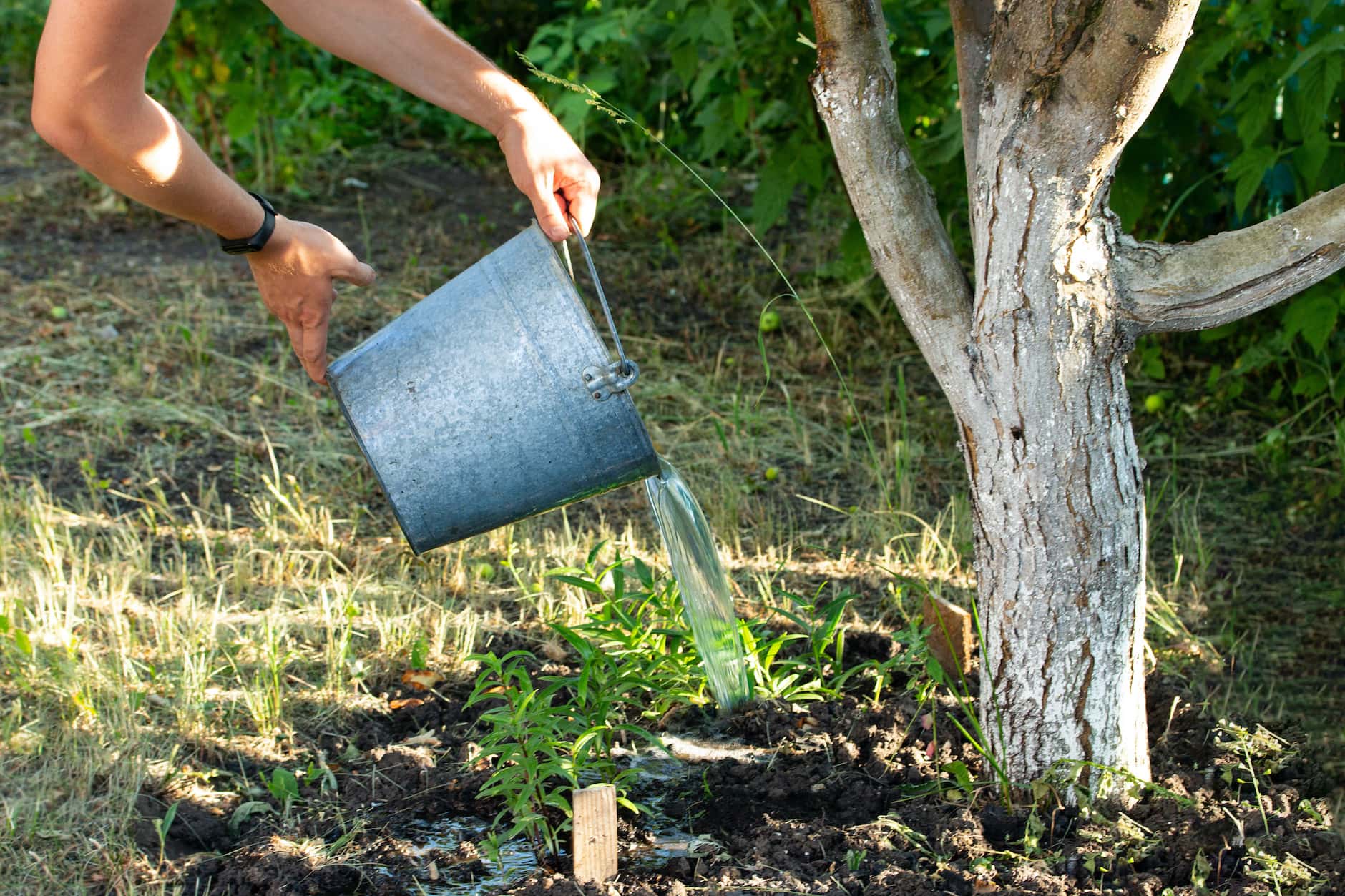
Keep borers from drilling into the base of fruit trees in the orchard by planting a circle of onions or garlic around the tree trunk. The aromatic alliums mask the volatile scents borers use to home in on the bark.
15. Plant Garlic To Help Raspberry Bushes
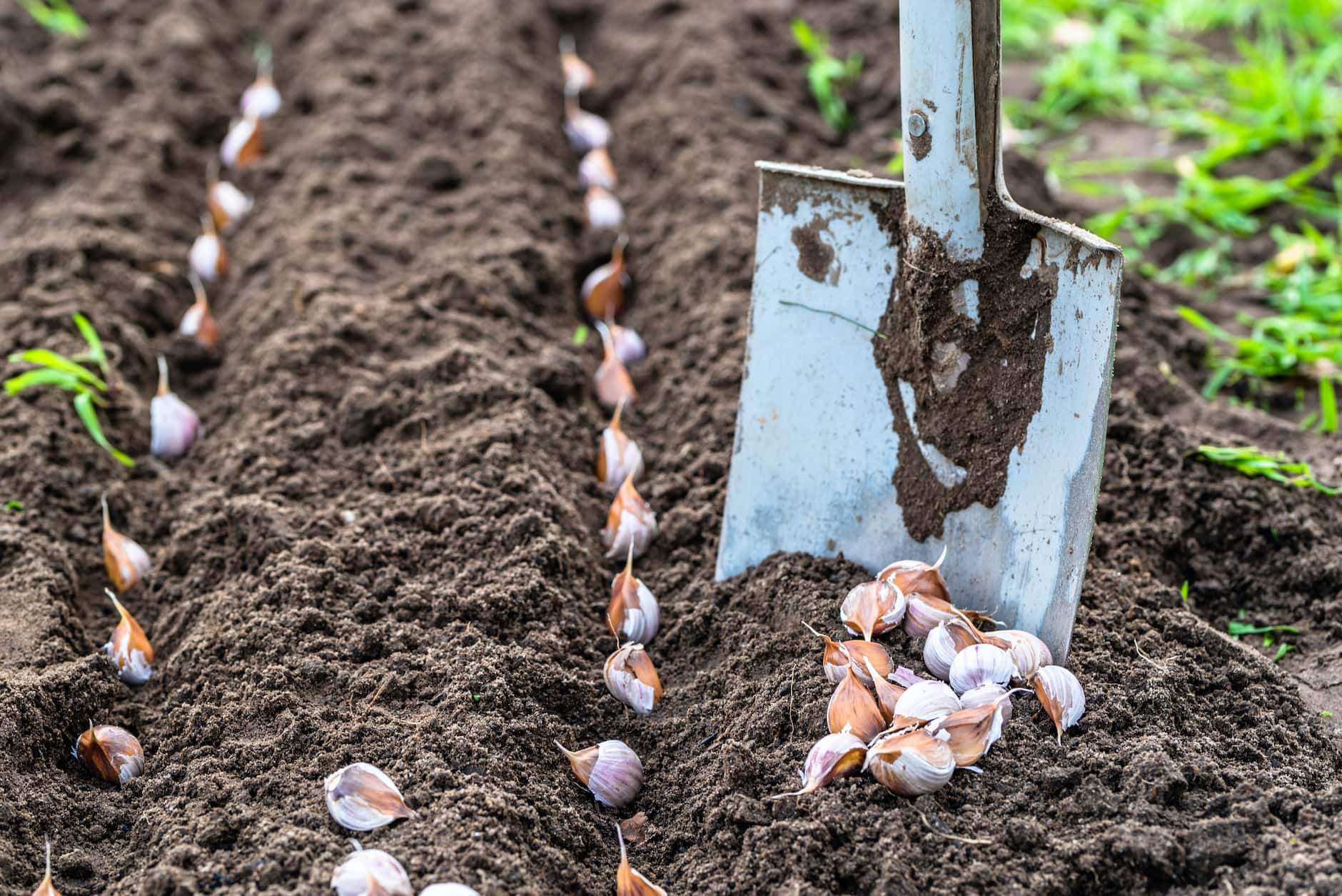
Garlic planted alongside raspberries will stop beetles from destroying the crop. A single row of garlic per row of raspberries is usually enough at the home garden scale.
16. A Potato-Bean Friendship
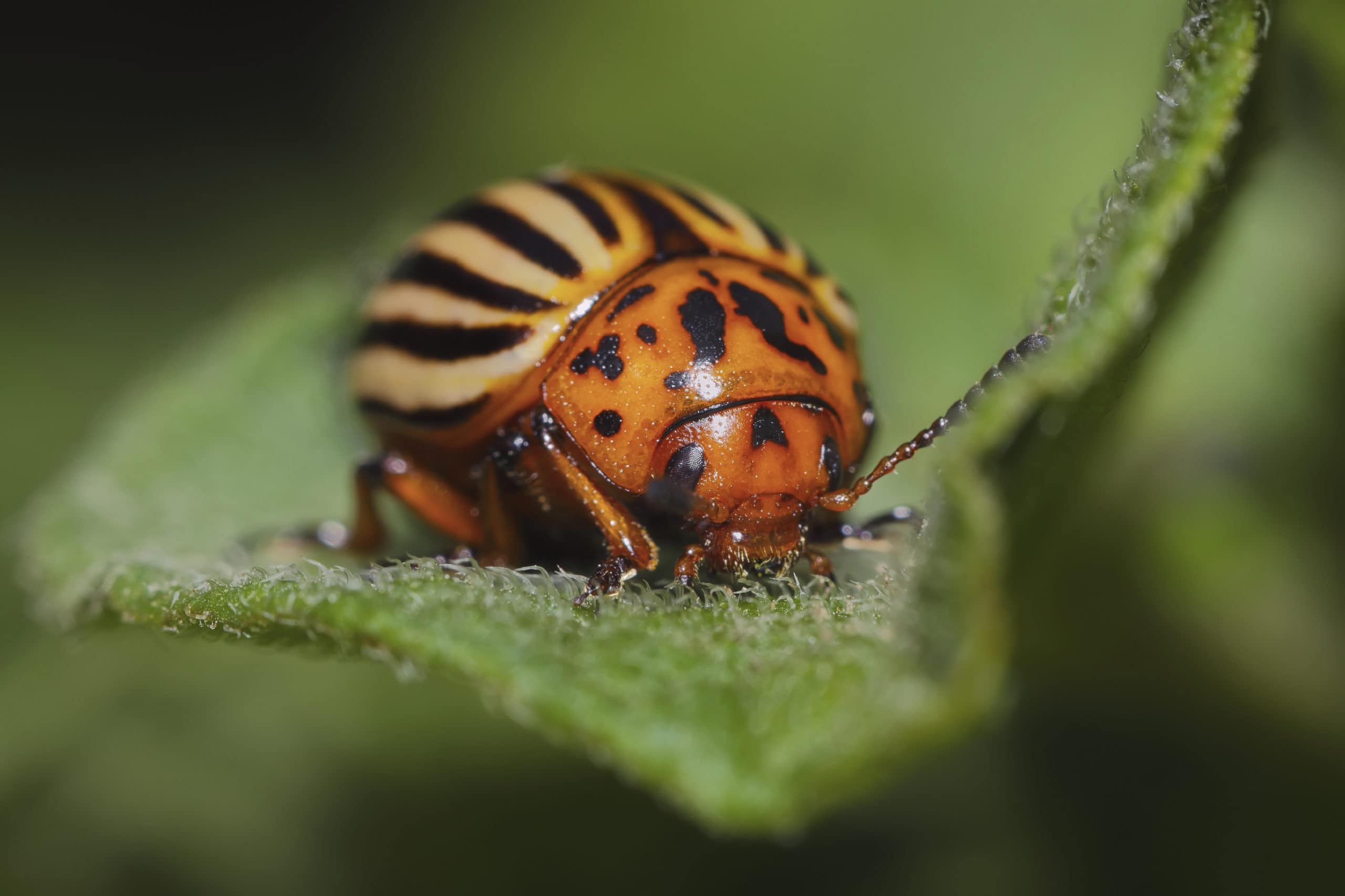
Bush beans planted in alternate rows with potatoes protect the spuds against the Colorado potato beetle. The potatoes, in return, keep the bush beans clear of the Mexican bean beetle. It is one of the most reliable two-crop pairings in the North American kitchen garden.
17. Radish Rescue
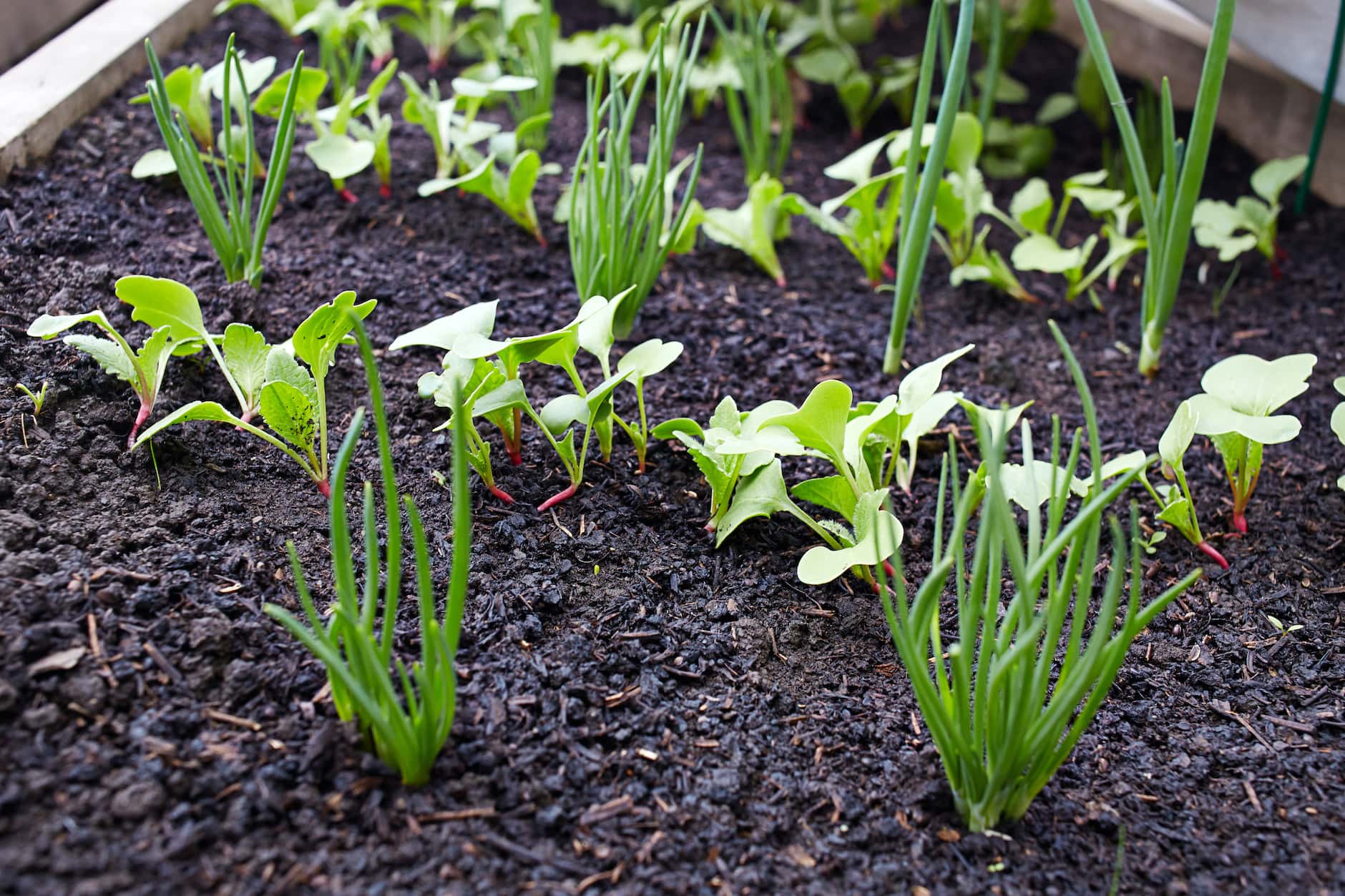
Radishes deter beetles when planted around crops of beans, peas, squash, melons, and cucumbers. They also size up fast, so they break up the soil and hand the bed back before the squash needs the room.
18. A Yummy Salad
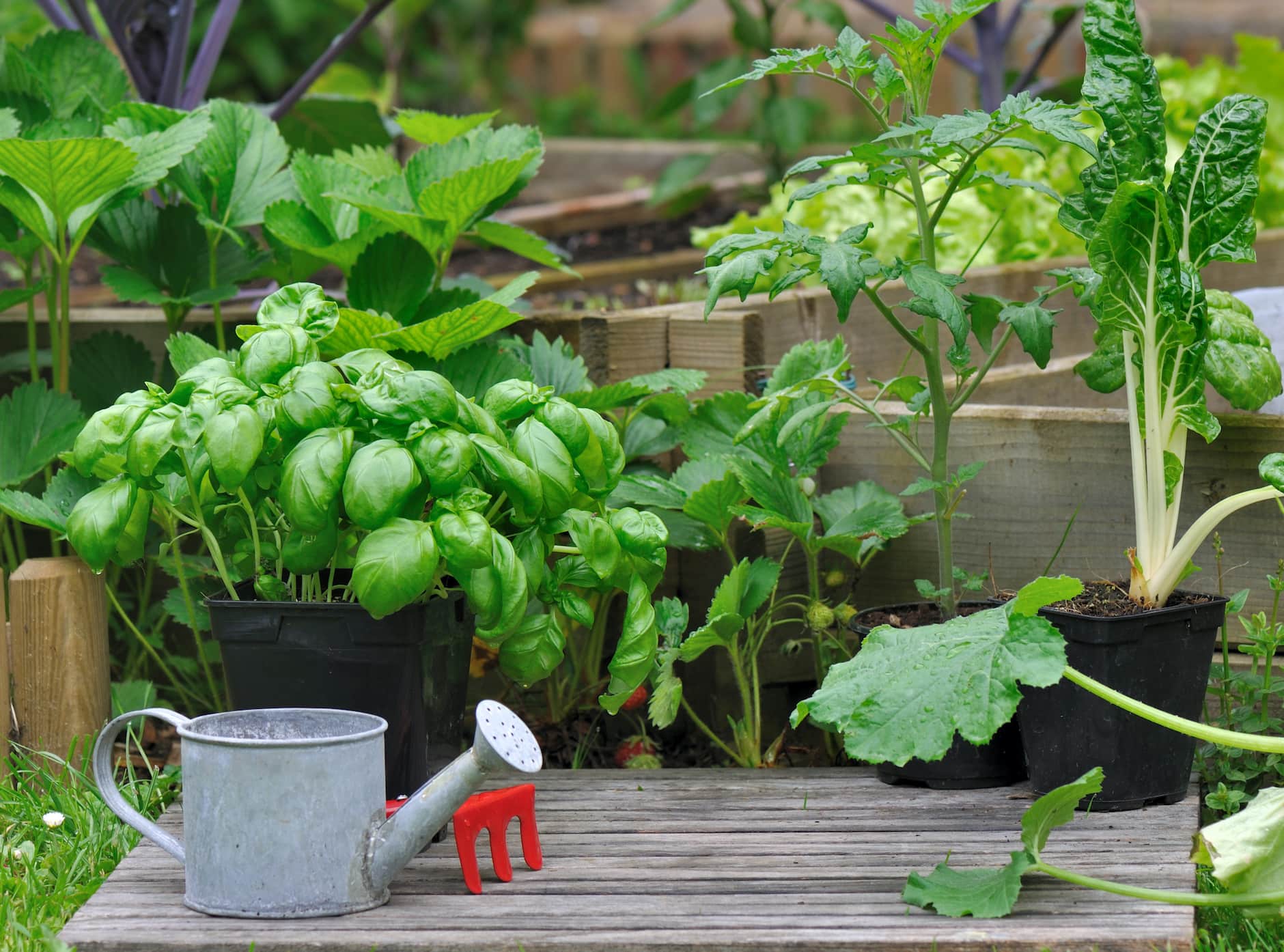
Plant basil next to tomato plants to help protect them from an attack of harmful insects and disease. The pairing also enhances tomato growth and, by some old gardener accounts, the flavor of the fruit.
19. Herb’s The Word
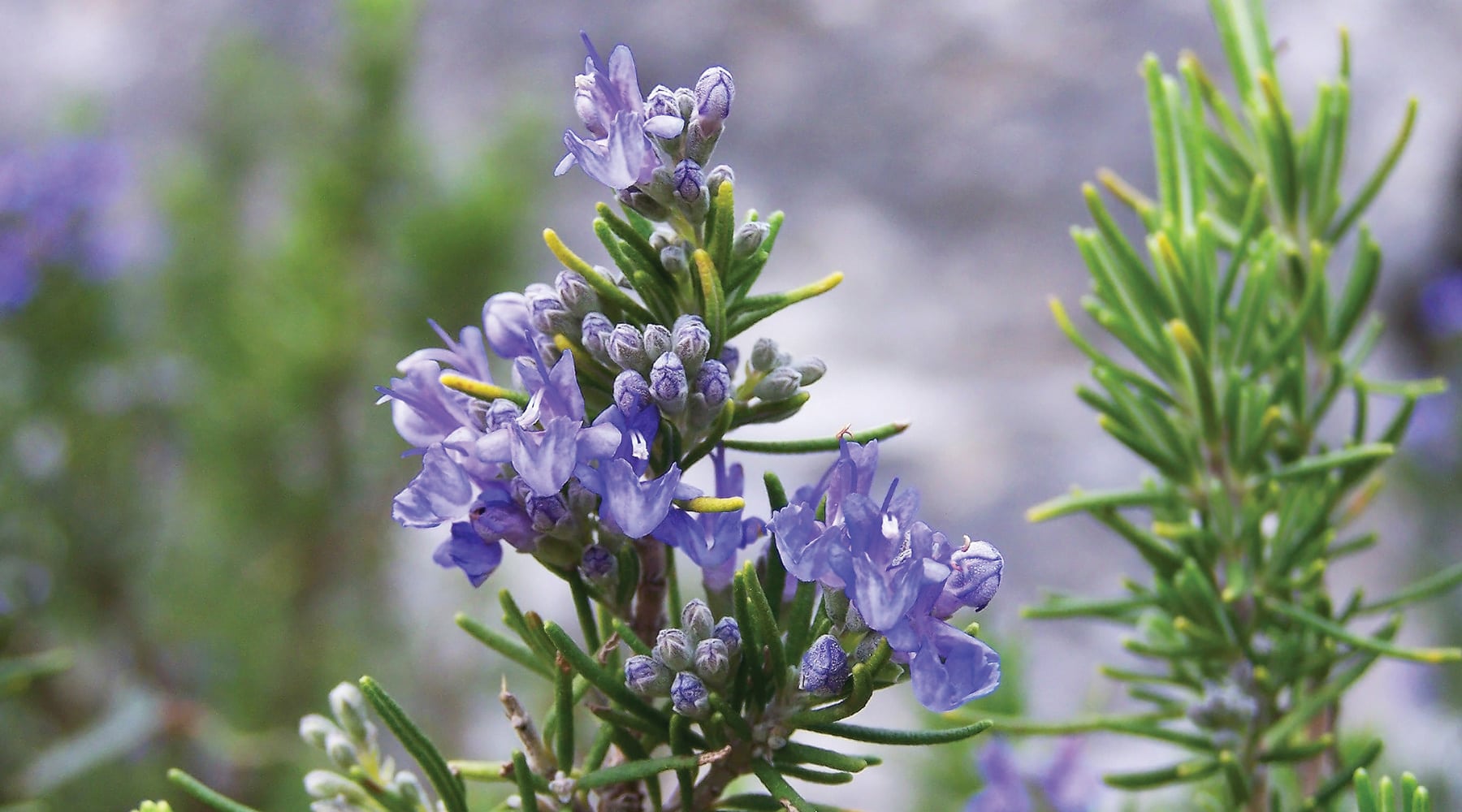
The aromatic herb rosemary is a valuable companion plant in the vegetable garden. Rosemary deters bean beetles, cabbage moths, and carrot flies, and it overwinters in mild zones.
20. Catnip, Not Just for Cats
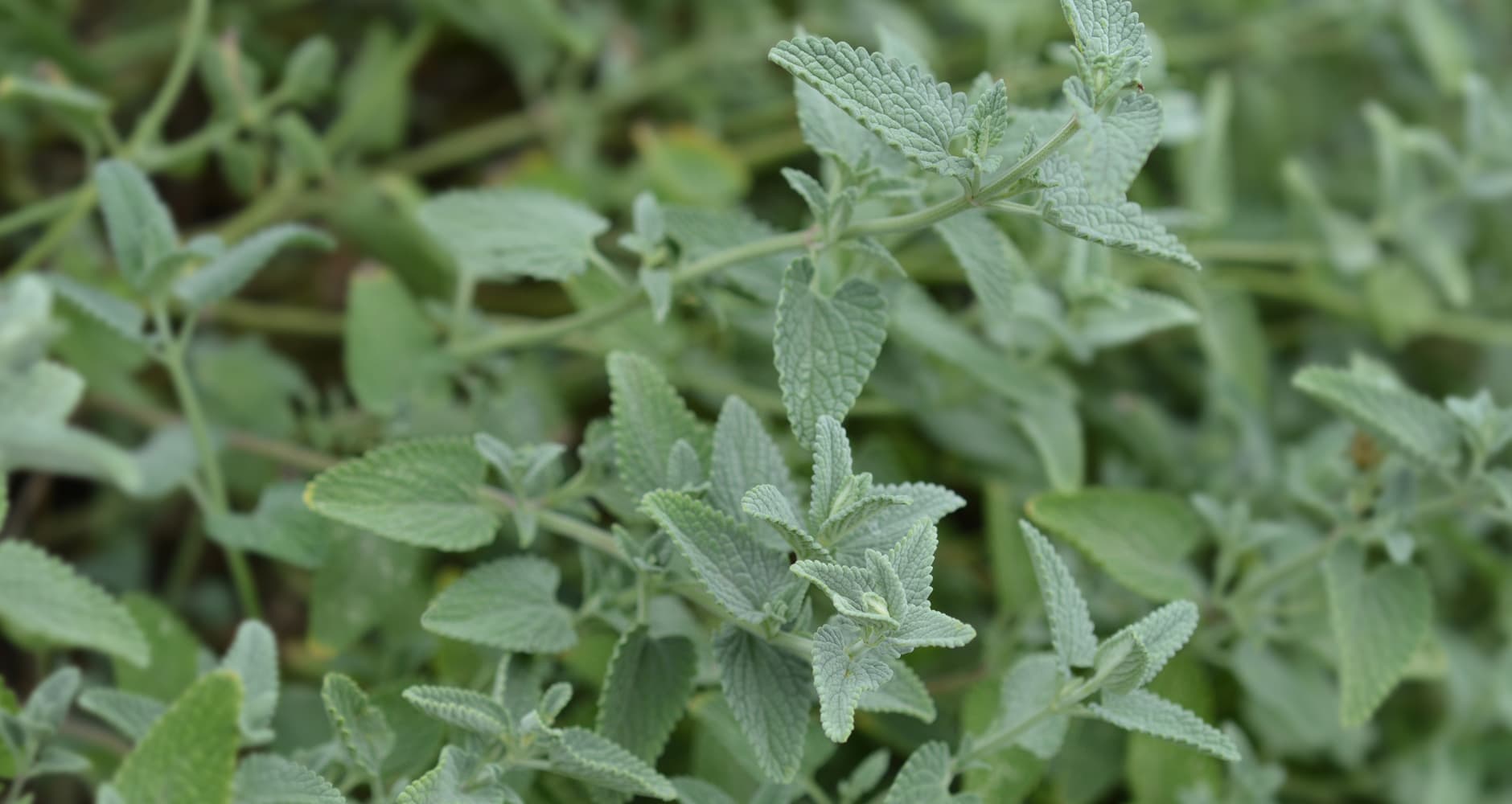
Interplanting catnip and tansy with zucchini and cucumbers will reduce the population of cucumber beetles. Plant catnip in a corner you do not mind a neighborhood cat visiting now and then.
21. Petunias Deter Beetles
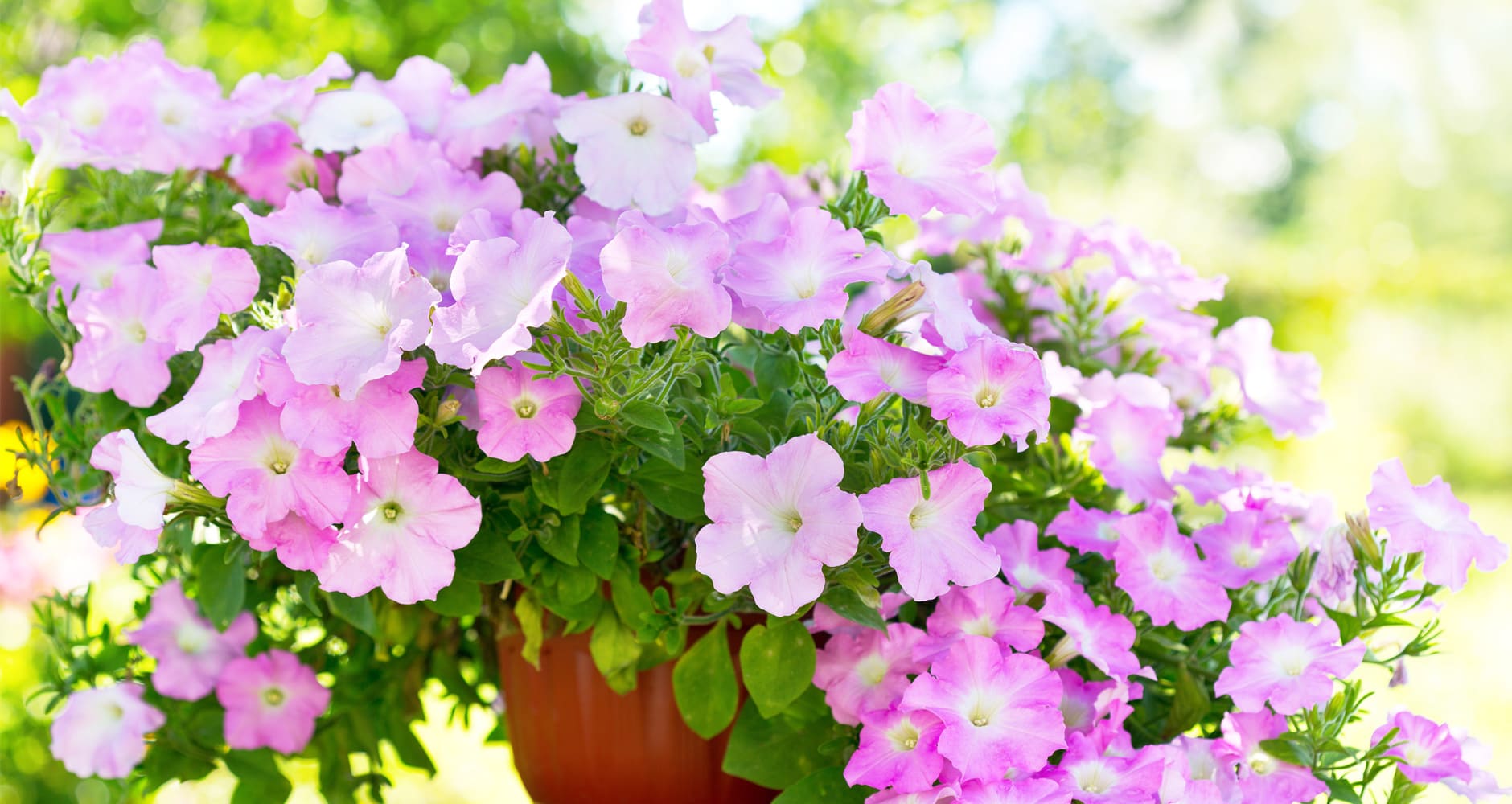
Plant petunias around beans and potatoes. Petunias help keep the Colorado potato beetles away, and they earn the bed a little visual color in the bargain.
22. Keep Ants Away With Tansy
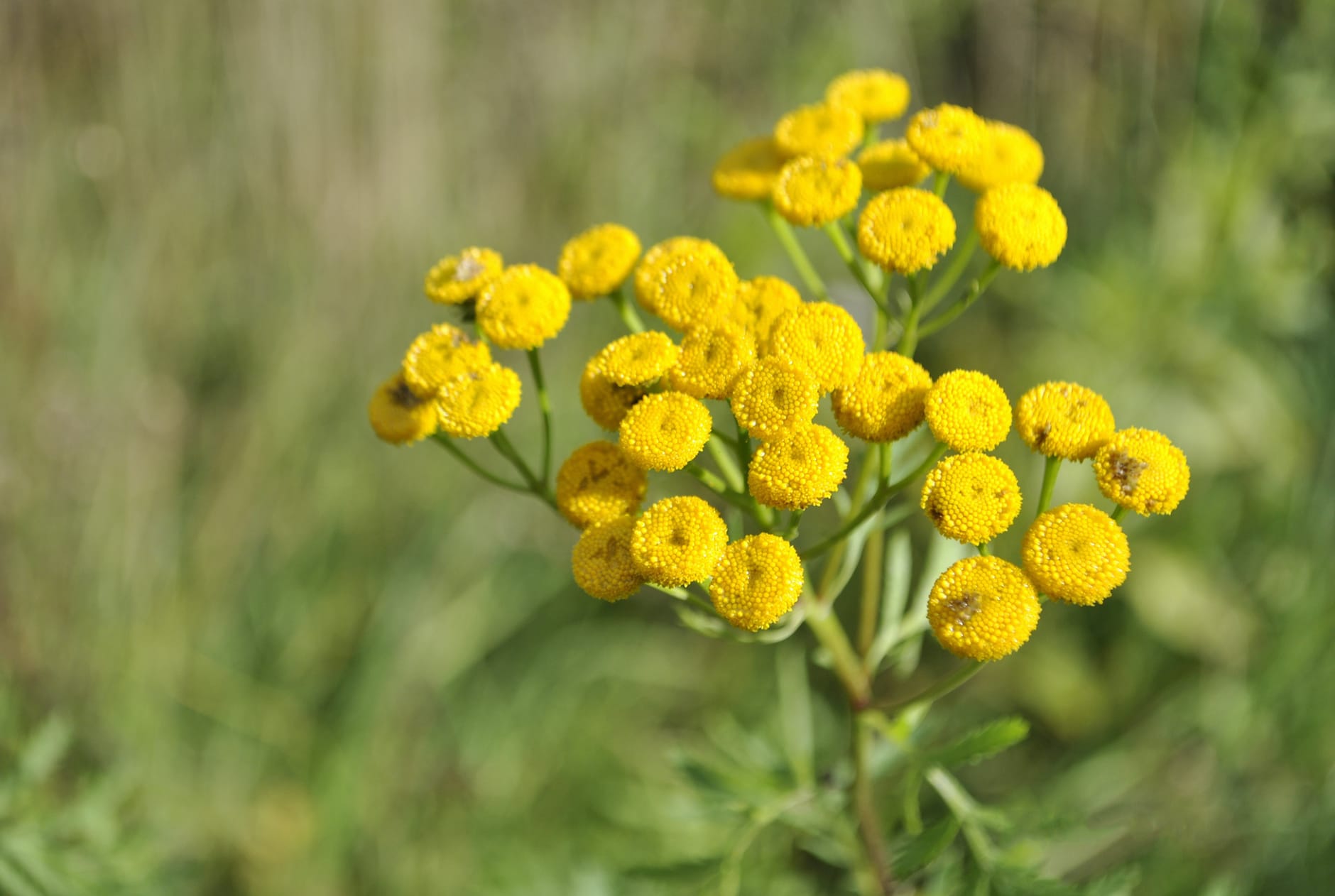
Grow tansy to discourage ants and aphids from the garden and the greenhouse. Plant it around the garden and around outbuildings. Ants carry aphids from plant to plant, so discouraging ants will help keep aphids out of the rows.
More Companion Planting Strategies – Tap Here
Helpful Strategies For Gardeners
- To remove tiny deer ticks quickly from your clothing when working on the lawn or in the garden, use duct tape, packing tape, or a tape lint roller. Roll it over yourself and your pets periodically while you are out working in the garden.
- To keep gnats away from your face while working outdoors, wear a wide-brimmed hat. Gnats will not fly under the brim and make a nuisance of themselves.
- Make yourself unattractive to bees, black flies, and other flying pests. When working outdoors, do not wear perfume, hairspray, scented deodorant, or brightly colored clothing.
- Wear lightweight long sleeves and gardening gloves to protect against sunburn and itching while you are working in the rows.
Invite the Good Bugs Before You Fight the Bad Ones
The most durable way to combat garden pests naturally is to build a yard the helpers like. A garden full of beneficial insects rarely needs a serious spray schedule. Lady beetles, lacewings, parasitic wasps, hoverflies, ground beetles, and predatory mites all eat or parasitize the pests on the 22-tactic list above. Dragonflies, in turn, work the airspace and eat mosquitoes, gnats, and biting flies. The simplest way to keep them on your side of the fence is two-fold. Leave a few umbel-flowered herbs (dill, fennel, parsley, cilantro) and a patch of native wildflowers to bloom near the vegetable beds. Skip broad-spectrum sprays that take out the helpers along with the pests.
For specifics on bringing the most useful aerial helpers into the yard, see the Almanac’s guide on attracting dragonflies. For the spiders that quietly clear flying pests from corners and eaves, see the guide on orb-weaver spiders as garden pest control.
Join The Discussion
Did any of these natural pest solutions work for you?
What alternative suggestions do you have for the rest of the gardening community?
Share your tactics and trade-offs in the comments below. Reader notes have shaped this list for more than a decade.

Frequently Asked Questions About Combating Garden Pests Naturally
What is the single best way to combat garden pests naturally?
Healthy soil. The Almanac’s standard answer for how to combat garden pests naturally is to keep the soil healthy and the pH levels balanced, because strong plants outgrow modest damage and weak plants attract every nibbling insect in range. Get a basic soil test from your county extension every two or three years, top-dress with finished compost, and rotate heavy feeders. Spray and barrier tactics work, but they work much better on top of healthy soil.
How do I make a simple homemade pest spray that actually works?
The Almanac’s all-purpose pest-control spray is 2 teaspoons of liquid dish soap added to a spray bottle of warm water. Add the soap after the bottle is filled to prevent bubbling over. For cabbage loopers on cabbage, Brussels sprouts, or kale, mix 3 teaspoons of cayenne pepper into 1 quart of water and spray leaves, stems, and the surrounding ground. For aphids and grasshoppers, blend 2 to 4 hot peppers, 1 mild green pepper, 1 small onion, and 1 quart of water, then spray as needed.
Do companion plants really repel garden pests, or is it folklore?
It is both. Some pairings are clearly observable in any backyard. Bush beans alongside potatoes cut Colorado potato beetle damage. Basil at the base of tomatoes reduces insect attack. Garlic protects raspberries from beetles, and chrysanthemums repel a long list of insects because they contain natural pyrethrins. Other pairings are gentler than a targeted spray and are best treated as one layer of a broader plan. For the science underneath, the UC Integrated Pest Management Home and Landscape guides review companion-planting evidence by pest and crop.
How do I keep deer, rabbits, and groundhogs out of the vegetable garden without a tall fence?
Scatter dried blood meal on the ground between rows every 7 to 10 days. The same dressing works for rabbits and groundhogs as well as deer. Blood meal does attract dogs, so sprinkle garden lime on top of the blood meal to keep the family pet out of the rows. For deer specifically, the Almanac’s DIY deer repellent recipe adds another layer. For groundhogs, see the Almanac groundhog guide for trap-and-exclude steps.
Is food-grade diatomaceous earth safe to use around children, pets, and pollinators?
Food-grade diatomaceous earth is mineral, not chemical, and is generally considered low-risk for humans and pets when used as labeled. It is, however, abrasive to any soft-bodied insect that walks through it, which includes beneficial ground-dwellers and any bees that contact a treated bloom. Apply it where pests crawl (under fruit resting on soil, around the base of stinkbug-prone plants) and avoid dusting open flowers when pollinators are active. Reapply after rain.
What if I have already lost a crop, can these natural tactics still save the rest of the season?
Yes, in most cases. Pull the worst-hit plants out, refresh the bed with compost, and replant with a fast crop like radishes or bush beans plus a companion (onion or basil, depending on what is next). Set up barriers for the larger animals (lime stripe, chopsticks, blood meal) before the new seedlings show, not after. A second sowing in a clean bed often outperforms a salvage of a heavily damaged first one.
Will a mild winter make next year’s garden pests worse?
Often, but not always. Several common garden pests survive better through warm, snow-free winters, particularly aphids, Japanese beetles, and tick populations that follow rodent and deer hosts. The Almanac unpacks the cold-versus-pest question in do cold winters kill pests. Plan on heavier pressure in any spring that follows an easy winter, and lean harder on companion plantings and barriers early.


Deborah Tukua
Deborah Tukua is a natural living, healthy lifestyle writer and author of 7 non-fiction books, including Pearls of Garden Wisdom: Time-Saving Tips and Techniques from a Country Home, Pearls of Country Wisdom: Hints from a Small Town on Keeping Garden and Home, and Naturally Sweet Blender Treats. Tukua has been a writer for the Farmers' Almanac since 2004.
- Deborah Tukua

- Deborah Tukua
- Deborah Tukua
- Deborah Tukua



For the DIY dish soap spray, are you suppose to spray it directly on the plants? Can you spray it on vegetables like lettuce or peppers, stuff you’ll be eating?
Yes I have been making this spray for years it’s great for green beans and broccoli it’s safe for all vegetables remember to wash before eating
How do you keep groundhogs from digging at the foundation of the house. Put traps out and they avoid them. They made an entrance and exit huge hole. HELP!
Castor oil poured in and around the burrow holes can be an effective way to discourage them (they hate the smell), but apply it only when you know they’re not there, otherwise, they’ll just stay burrowed. You’ll have to keep vigil to see when they head out to find food. Castor oil is another way to get rid of groundhogs.
How to get rid of rats? they are under the house and the barn ….
Hi Bonnie,
Rats are such a nuisance. You can try traps or poison, but be careful if you have pets that they don’t get into the poison. Or perhaps a few barn cats? Good luck.
Female outside cat
If any of your neighbors has a Jack Russell Terrier, they were bred to hunt rats. I know of a group of farmers in the midwest who occasionally bring some JRTs to a barn and just shut the doors. This is actually a humane way of dealing with rats as the dogs work very quickly, grab them by the neck and shake once – very hard.
VITIMAN k IS AN EXCELENT POISON FOR RATS AND MICE, THEY INJEST IT AND FILL UP WITH GAS AS THEY CAN NEITHER BELCH OR PASS GAS AND IT SQUEZES THEIR LUNGS. D-CON RAT AND MOUSE KILLER IS THE ONE TO USE
For the second season, something is clipping my starters of at the soil line. Any ideas?
sounds like cutworms
How can I stop Chipmunks from digging holes in my vegetable garden?
How to keep male dogs from urinating on plants?
Hi Trish, we have some great suggestions in this article about pet-proofing your garden. Many of these may just do the trick. Good luck!
This works really well and it will not damage the animal. Purchase a pet electric fence and structure your wire around your plants, at the appropriate level. When the unwanted intruder stops by for a wizz, zapp! I bet he want return to water your plants no more!
How to get rid of squash borers, I cannot successfully grow squash.
Hi Rachel, We understand! Squash vine borers are nasty. We found some good info here that might help you.
WAIT UNTIL THE 15TH OF JUNE TO PLANT THEM, THE BUGS ARE DEAD AND GONE BY THEN
This is a great option if you have a nice long growing season!
Well what qabout snails
How do you deter armadillos?
Hi Elaine, we found some good information here. Hope it helps! http://wildliferemovalusa.com/armadillo-out.html
Diatomaceous Earth is not harmful to pets or humans provided you use food-grade DE. Very important!
Hi Anita, we found some information you might find helpful: https://www.pestworld.org/pest-guide/ants/yellow-ants/
I shake crushed chili pepper all around my garden and it makes the armadillos run away. They hate it. Works for pretty much on any digging, sniffing mammals.
A lot of your remedies seem like they would be very harmful to pets, such as the diotancious (sp?) earth and the hot pepper sprays. Am I right?