

12 Health Benefits of Rosemary: Cognitive Function, Antioxidants, and How to Grow Your Own
This aromatic herb is usually associated with good food, but rosemary's many health benefits make it a must-grow this gardening season.
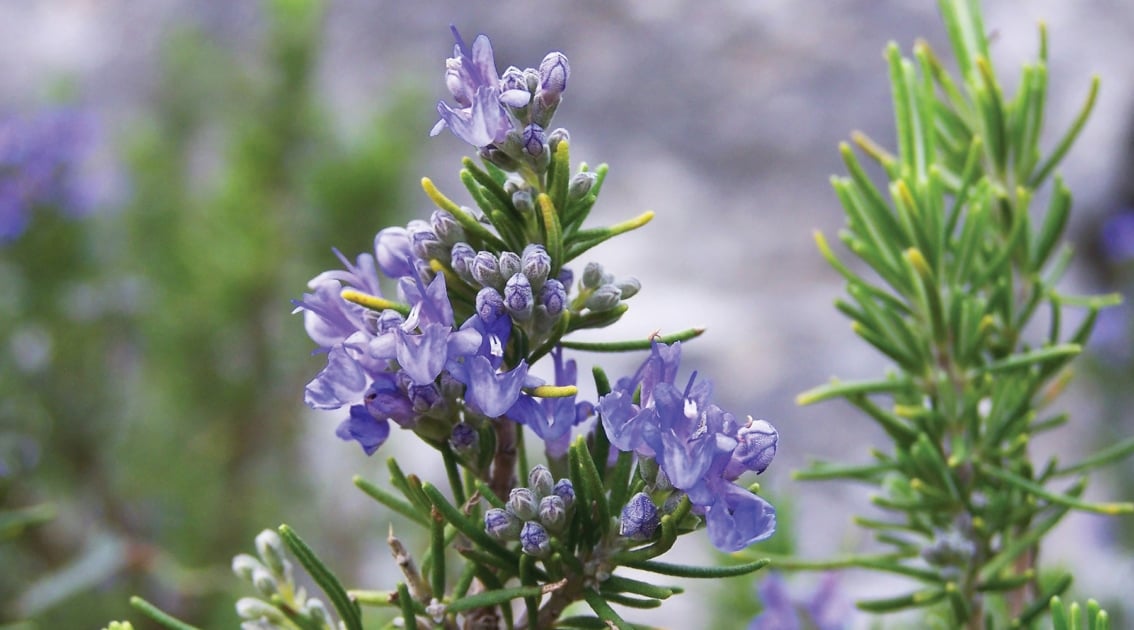
Quick Reference: Rosemary
- Strongest evidence: antioxidant activity (carnosic acid + rosmarinic acid), anti-inflammatory effect, modest cognitive support.
- Promising research: hair growth (one study found rosemary oil comparable to minoxidil 2 percent), memory enhancement when aroma is present.
- USDA zones for outdoor growing: 7 to 10. Below zone 7, grow as houseplant or move indoors for winter.
- Best harvest: any time. Strongest oil concentration just before flowering.
- Tool: the Almanac’s Best Days calendar.
On this page
Related Almanac guides
Sources cited in this guide
Rosemary is one of the most-studied culinary herbs for measurable health effects. NIH-indexed research supports its antioxidant activity (driven by carnosic acid + rosmarinic acid), modest cognitive support (especially when the aroma is present during a task), and a small but growing body of evidence on hair growth comparable to minoxidil. This guide is the 12 most-cited benefits, what the research actually supports vs folk claims, and how to grow a productive rosemary plant in any USDA zone.
What the Research Actually Supports
Per NIH NCCIH research summaries, only a subset of the 12 widely-cited benefits has solid evidence.
- Antioxidant (strong support). Carnosic and rosmarinic acid are well-characterized polyphenols. USDA databases catalogue rosemary as one of the most antioxidant-dense culinary herbs.
- Anti-inflammatory (strong support). Multiple in vitro and animal studies; some human evidence.
- Cognitive function and memory (moderate, especially aroma). Several studies find that rosemary aroma improves performance on memory tasks. The mechanism is not fully understood.
- Hair growth (promising). One 2015 study found rosemary essential oil comparable to minoxidil 2 percent for androgenic alopecia after 6 months. Not yet a standard treatment but research continues.
- Digestive effects (folk-traditional). Long folk use as digestive aid; modern evidence is limited but supports its traditional role.
How to Grow Rosemary (Any Zone)
Per UMN Extension’s growing rosemary guidance.
- USDA zones 7 to 10: outdoors year-round. Plant in full sun, well-drained soil, against a south-facing wall for extra winter protection.
- USDA zones 3 to 6: grow in a pot. Move indoors when nighttime temperatures drop below 30 F. Place by a south-facing window in winter.
- Best soil: sandy, slightly alkaline (pH 6.5 to 7.5), excellent drainage. Wet feet kill rosemary fast.
- Water: let soil dry between waterings. Overwatering is the most common rosemary failure.
- Propagation: easiest from cuttings. 4 to 6 inch softwood cuttings root in 4 to 6 weeks in moist sand or perlite.
Rosemary: 12 Benefits + Tea + Oil Recipes (Detail)
Below are the original sections covering the 12 health benefits, infused oil recipe, and rosemary tea recipe.
Health Benefits of Rosemary
Check out these 12 health benefits of rosemary that may just convince you to grow your own this year. You’ll have this healing herb at your fingertips!*
- Memory and Concentration Booster: Rosemary has long been linked to memory. Even Shakespeare said, “There’s rosemary, that’s for remembrance….” British researchers found that simply sniffing rosemary improved memory by 75%. A substance produced in the leaves, carnosic acid, can actually protect the brain from free radical damage. Other compounds in the herb promote healthy blood flow to brain tissue and have a stimulating effect on the mind. To get its benefits, sniff a sprig of fresh rosemary, taking in the aroma, and “don’t forget” to add it to roasted potatoes, chicken, or try this Tasty Herbed Focaccia recipe.
- Immune System Support: Rosemary’s amazing antioxidant, anti-inflammatory, and anti-carcinogenic properties make this herb an ideal addition to your diet for protecting your health, especially during winter months. Use fresh or dried rosemary in dishes for an immune boost for the whole family. You can also massage your body with some rosemary-infused oil (recipe below).
- De-Stressor: The ancient Greeks knew of the stress-busting powers of this herb and modern research confirms that the smell of rosemary can reduce cortisol levels, associated with stress. Sniff a bouquet of the fresh herb, or use a diffuser with a few drops of pure rosemary essential oil (purchased at any health food store) to flood the senses and help lessen your stress and anxiety.
- Digestive Aid: Fresh rosemary (in small doses) can aid digestion as it stimulates the production of bile, helping to better neutralize acidic foods in the stomach. Brew a cup of rosemary tea (recipe below) to help treat stomach problems such as cramps, bloating, constipation, or indigestion.
- Eases Asthma and Allergies: Due to rosemary’s antihistamine properties, it can reduce the severity of allergies and help individuals with asthma, reducing inflammation of the airway. Try a fragrant and relaxing rosemary herbal steam: Boil four cups of water and pour over a handful of fresh or dried rosemary leaves in a bowl. Place your head over the bowl and capture the healing herb vapor by draping a towel over your head while you inhale the steam for relief.
- Helps Control Hair Loss and Dandruff: Because rosemary oil increases blood circulation it can be used to treat hair loss and irritating dandruff while improving scalp condition. After washing hair, massage the scalp with a few drops of rosemary-infused oil (recipe below).
- Cough Expectorant: The eucalyptol compound in rosemary helps to loosen chest congestion, making it easier to cough up phlegm. Massage one or two drops of rosemary-infused oil (recipe below) over your chest and throat every few hours.
- Soothes Muscle Aches and Pains: Rosemary makes a powerful massage oil for sore muscles and backaches. Massage the affected area with rosemary-infused oil to help relieve pain.
- Eases Arthritis Pain: The analgesic and anti-inflammatory properties of rosemary oil make it a great chronic pain reliever. Try a rosemary bath, which has been used for centuries to treat stiff, painful joints. Throw a handful of fresh rosemary into hot bath water, or brew some rosemary tea in a pot and then add the tea to the bath water.
- Headache Reliever: This herb has been a popular natural migraine remedy for centuries. For headache relief, rub a sprig between your hands vigorously to release the fragrance, and inhale. Or enjoy a cup of rosemary tea (recipe below) when headache pain strikes.
- Soothes Skin Irritations: Rosemary’s antimicrobial and antiseptic properties make it beneficial for those with eczema and dermatitis. Apply rosemary-infused oil topically and massage into your skin. Alternatively, you can add a few drops of rosemary essential oil to your daily body lotion.
- Natural Air Freshener: Forget chemical sprays! The wonderful pine-like scent of rosemary will make your home more inviting and cozy and is the perfect way to freshen your home without artificial fragrances. Place several sprigs of fresh rosemary, one slice of lemon or orange, and a splash of vanilla into a saucepan or crock pot filled 2/3 with water and simmer on low. Add more water as needed.
Flavorful tip: Next time you’re grilling, sprinkle some rosemary on the coals, the aroma is wonderful and helps flavor the meat.


Rosemary FAQ
Is rosemary good for cognitive function?
Some evidence supports it, especially when the aroma is present during a task. Multiple small studies have found that rosemary aroma improves performance on memory and concentration tasks. The mechanism (1,8-cineole reaching the bloodstream via inhalation) is plausible but not fully understood.
Does rosemary really help hair growth?
Promising but not standard treatment. A 2015 clinical study found rosemary essential oil comparable to minoxidil 2 percent (a widely-used hair-growth drug) for androgenic alopecia after 6 months of use. NIH research continues. Dilute rosemary essential oil in a carrier oil before applying.
Is rosemary safe to take every day?
Culinary amounts are completely safe. Concentrated rosemary essential oil internally is NOT safe (camphor content). Rosemary tea (1 to 2 cups per day) is generally well-tolerated. Pregnant or nursing women should consult a physician for any concentrated rosemary use.
How do you grow rosemary indoors?
Place in a south-facing window with 6+ hours direct sun. Use a well-drained pot at least 8 inches deep. Water only when the top 2 inches of soil are dry. Provide good air circulation. Indoor rosemary often dies from over-watering and poor light; both are fixable.
Can you eat rosemary leaves raw?
Yes, in small amounts. The leaves are woody and intense, best chopped finely or stripped from stems and used as a fresh herb. Most home cooks add rosemary at the start of cooking (so the woody texture softens) or as a flavoring oil.


Natalie LaVolpe
Natalie LaVolpe is a freelance writer and former special education teacher. She is dedicated to healthy living through body and mind. She currently resides on Long Island, New York, with her husband, children, and dog.
- Natalie LaVolpe

- Natalie LaVolpe
- Natalie LaVolpe
- Natalie LaVolpe





Thanks for the inside of Rosemary.l have a few seedlings
Thanks for the information on the work of the Rosemary, did not know about its value I only used as a seasoning. would like to know about watering vegetables with Epsom salt.
Hi Cora McPhee: Item #20 in this story will help: 20 Clever Uses For Epsom Salt
I love my rosemary in my garden. It took a while for my family to come around to all its benefits, but now after seeing the effects for them selves they too use it on their own. I also grow mint , aloe , and sassafras. Old is new?
How to plant rosemarie with roots or how I love this plant and love to have one home please tell me how to grow it?
thank you
Hi Eugenia, at the end of the article there is a video we shared on how to grow it. Very good information in there!
My world is not good without the many values
Of my Rosemary herb I use it
In a skin cream / body butter daily. I drink it as a lemon & rosemary beverage. I use it
In my hair, in many recipes , so many things in my body have healed from the use. I am calm & on point with my daily task. I grow and harvest my own and ask to harvest from others. I know people who see it grow in their landscapes and don’t use it. Oh well more for me. It is a powerful herb to keep in stock in your home at all times. I keep rosemary water in fridge to cook with all the time. I rub the water in my skin to sooth itching and to tone skin and balance blotches I changed my skin texture using the skin cream ,water, and oil it took 3 years but it worked.it keeps the arthritis pains at bay really well. I use a combo
Of ginger and rosemary lemon and honey for inflammation it
Is great in the body.